THE HADRAMI


Project idea
Hadrami Heritage Hotel: Preserving Identity Through Cultural Hospitality
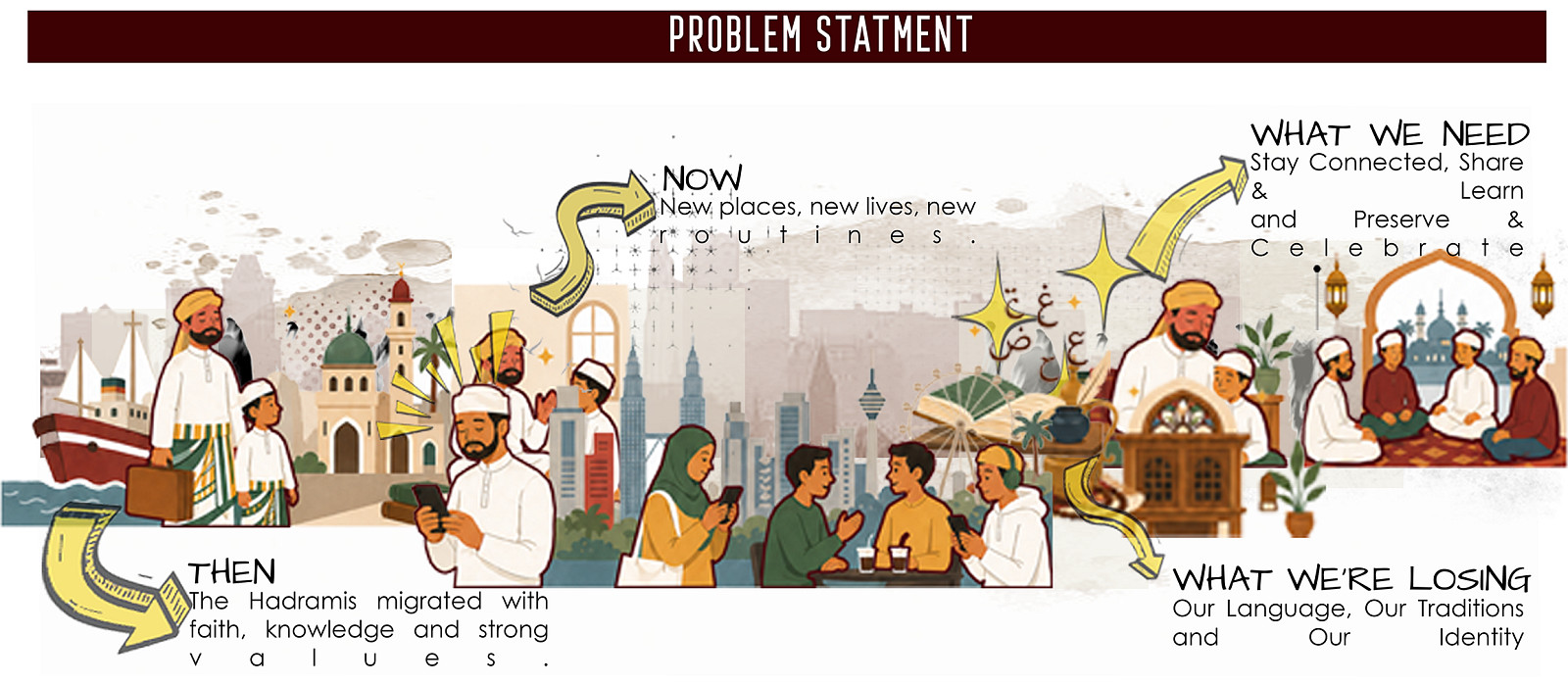
The Hadrami Heritage Hotel is a boutique hospitality project inspired by the rich architectural, social, and cultural traditions of Hadhramaut, Yemen, and the historical influence of the Hadrami community in Malaysia. The project responds to the gradual loss of cultural identity, traditional practices, and communal values caused by rapid urbanization and contemporary lifestyles. It seeks to create a meaningful destination where heritage can be preserved, experienced, and shared through architecture and hospitality.
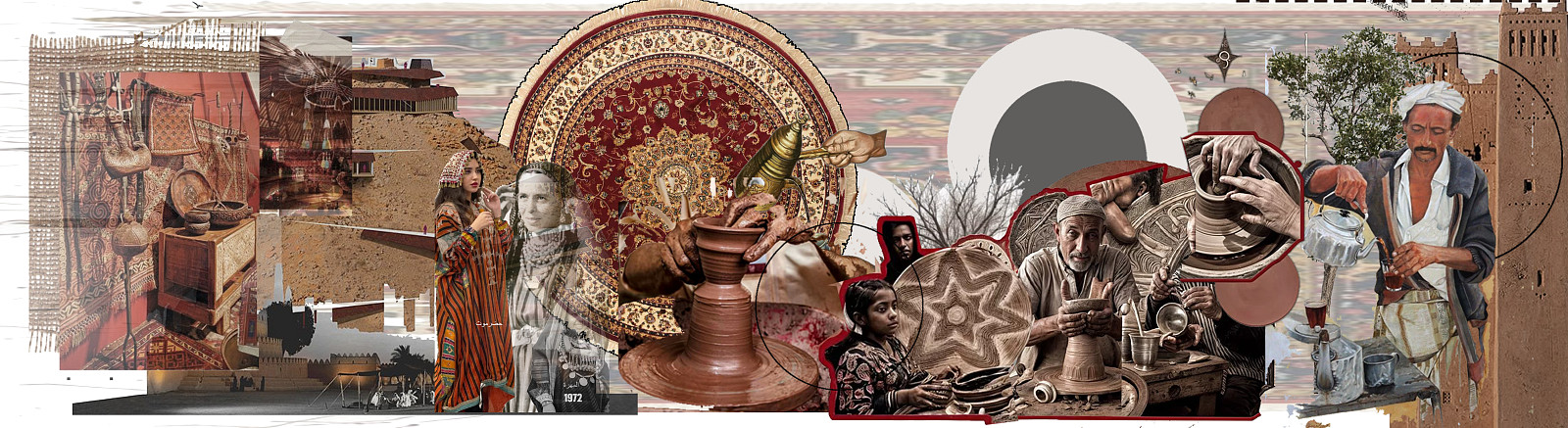
The design reinterprets traditional Hadrami spatial elements, including courtyards, majlis gathering spaces, market streets, arches, and handcrafted materials, within a contemporary hotel environment. By integrating cultural marketplaces, educational spaces, social cafés, and accommodation facilities, the hotel becomes more than a place to stay; it serves as a platform for cultural exchange, learning, and community engagement.
The project aims to reconnect visitors with the traditions, craftsmanship, stories, and values of the Hadrami community while providing a comfortable and immersive hospitality experience. Inspired by traditional settlements and market environments, the spatial organization encourages exploration, interaction, and discovery throughout the building.
Ultimately, the Hadrami Heritage Hotel seeks to celebrate cultural diversity, strengthen community identity, support sustainable cultural tourism, and create a living heritage environment where tradition and contemporary hospitality coexist harmoniously for future generations.
Project description
The Hadrami Heritage Hotel is a boutique hospitality development that combines accommodation, cultural preservation, education, and community engagement within a single integrated environment. The project is designed to provide visitors with an immersive experience of Hadrami heritage through carefully curated spaces that reflect traditional architecture, craftsmanship, and social practices.
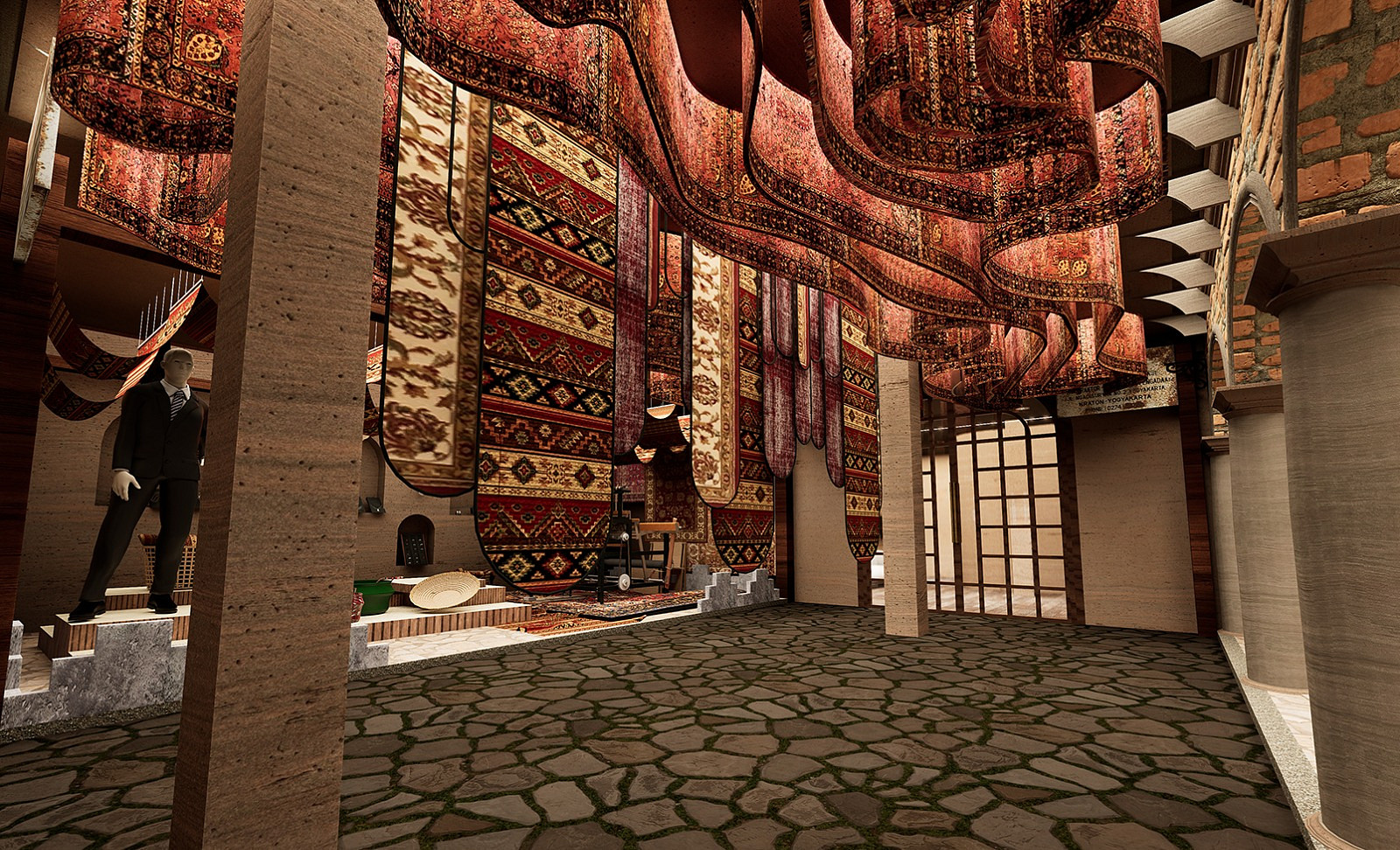
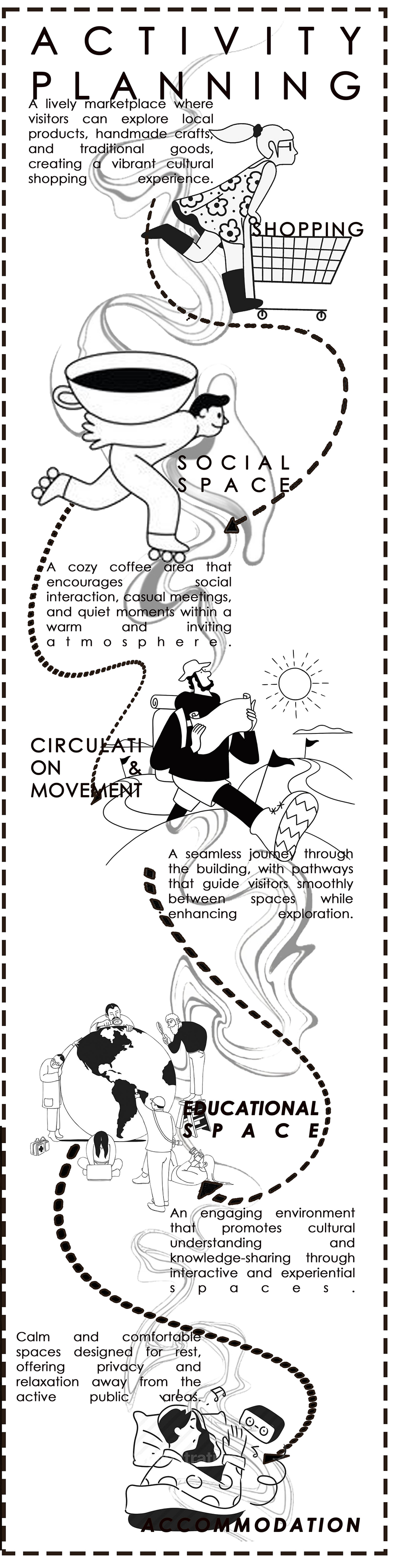
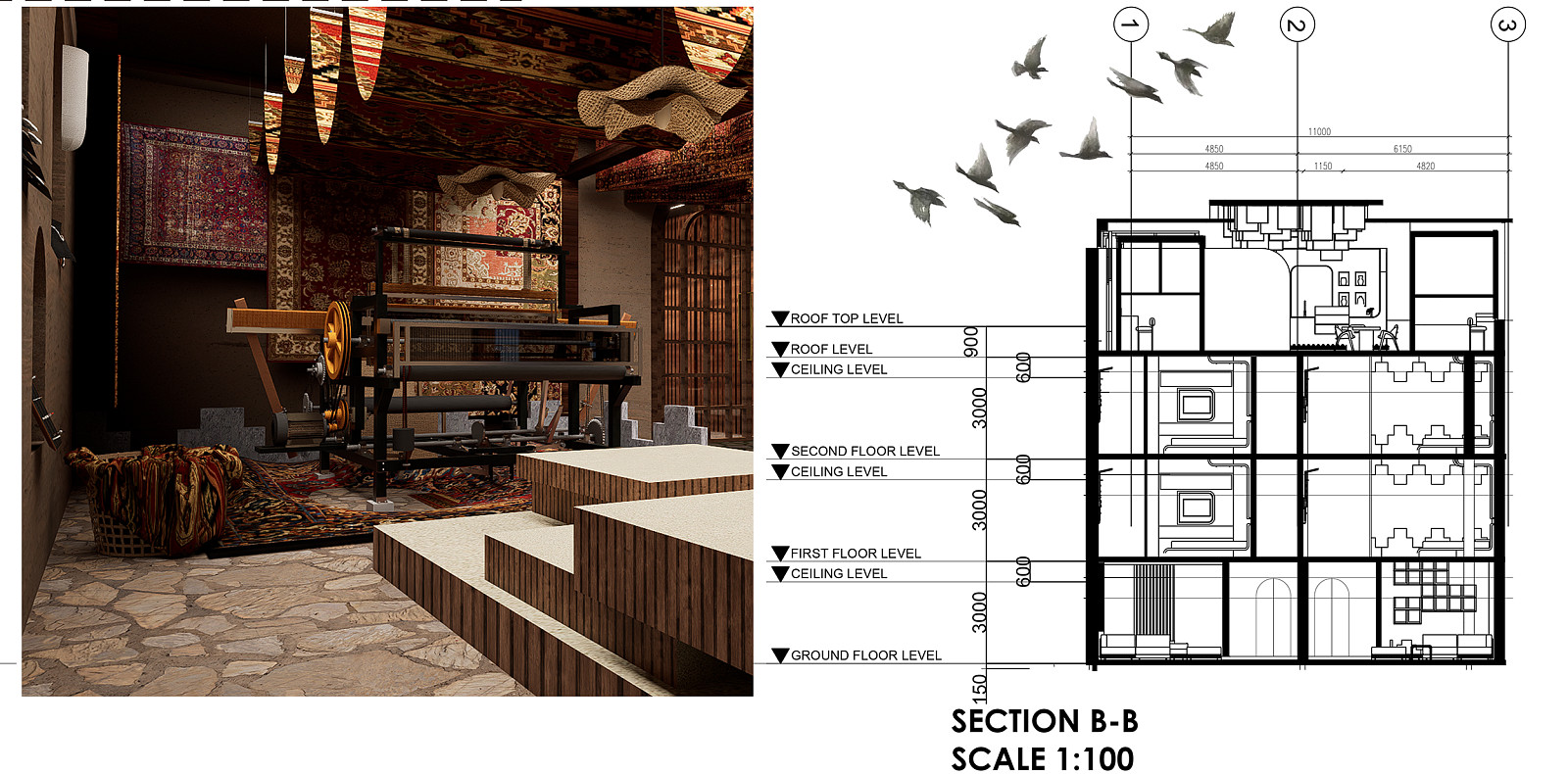
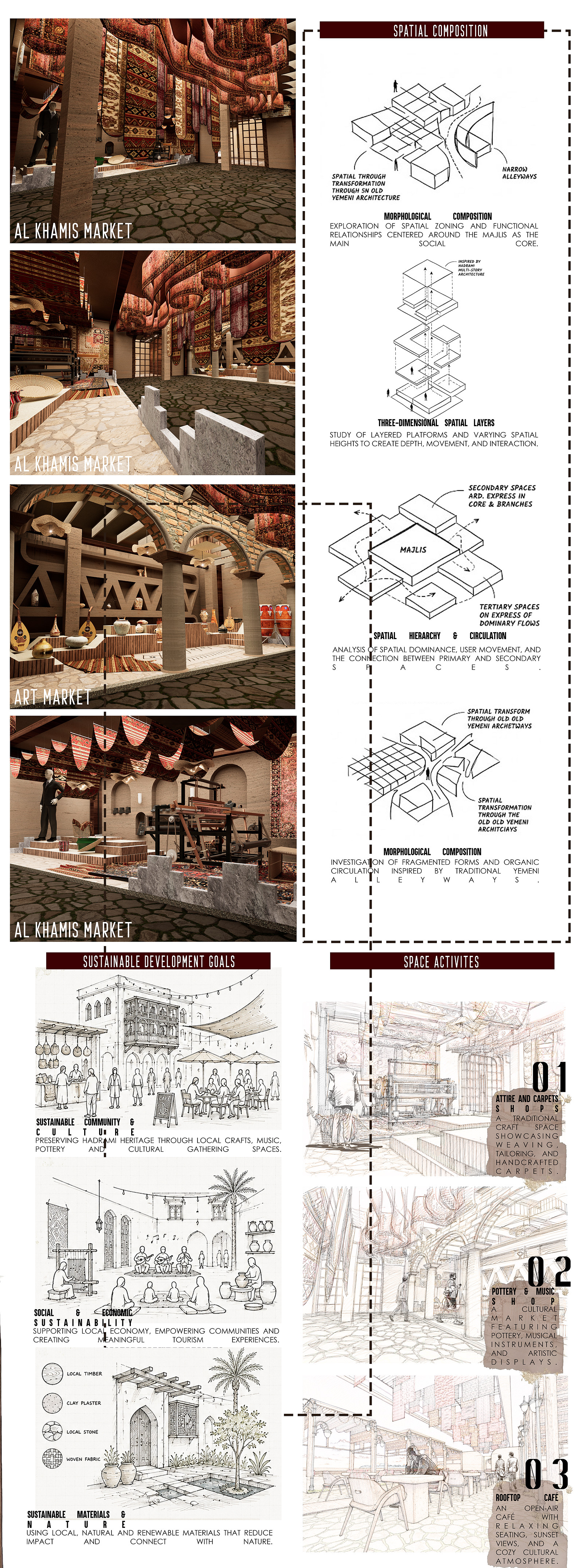
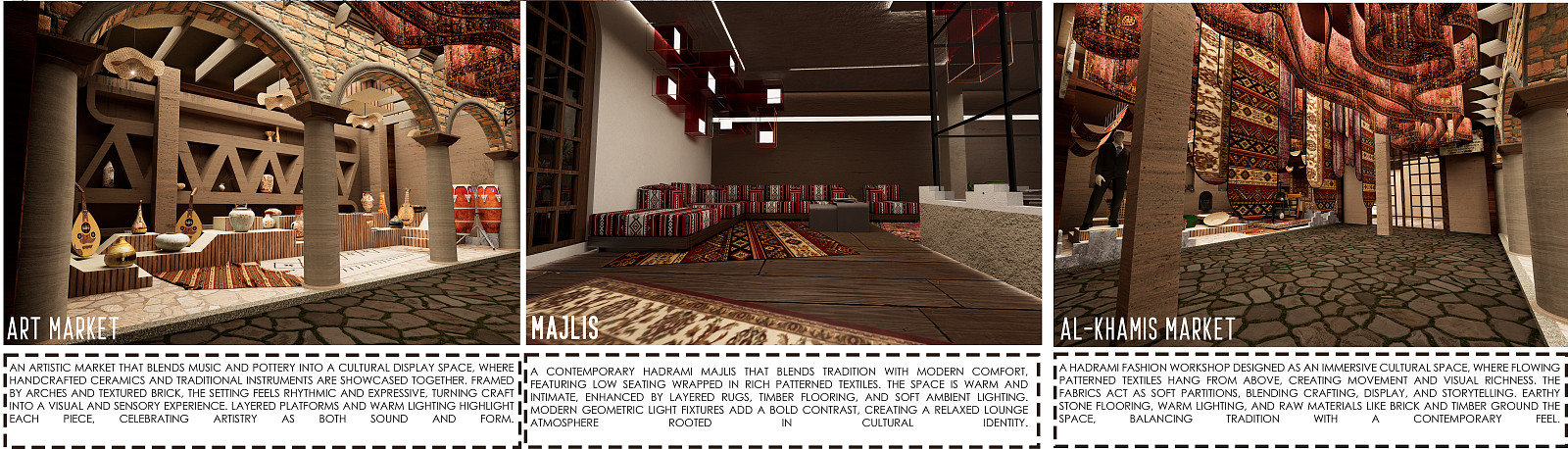
The scope of the project includes a variety of functional zones arranged around a central communal core inspired by the traditional Majlis and courtyard concept. Public areas consist of the Al-Khamis Market, where local crafts, textiles, pottery, and cultural products are showcased and sold, creating opportunities for cultural exchange and economic participation. Educational spaces are incorporated to host exhibitions, workshops, storytelling sessions, and cultural learning activities that promote awareness of Hadrami history and traditions.
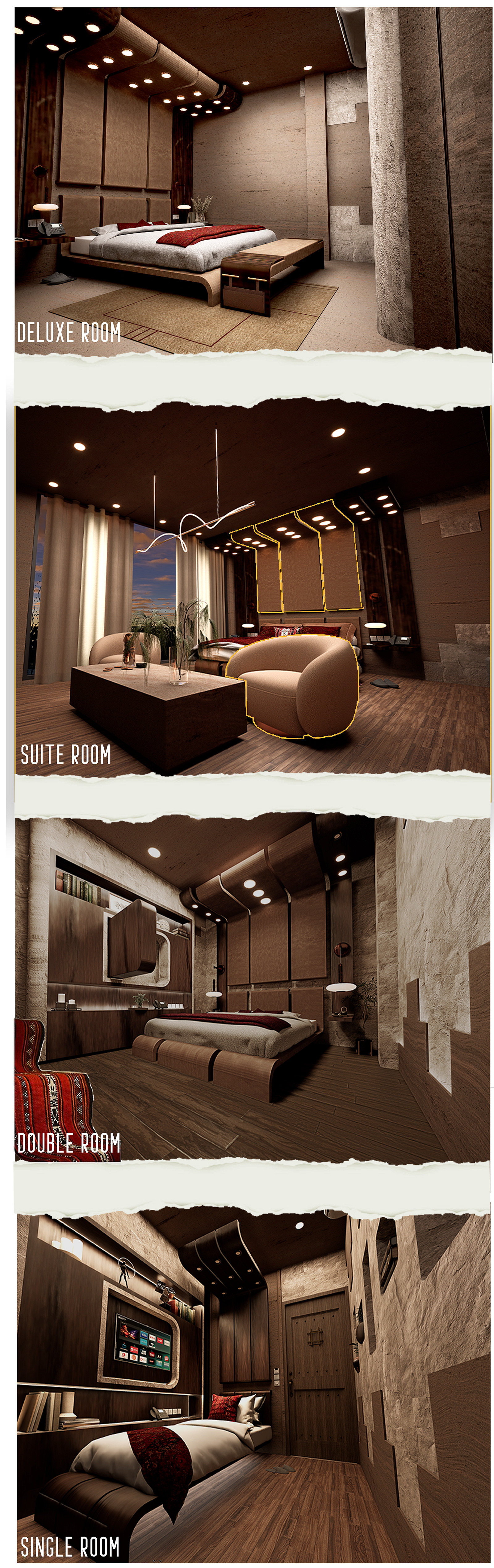
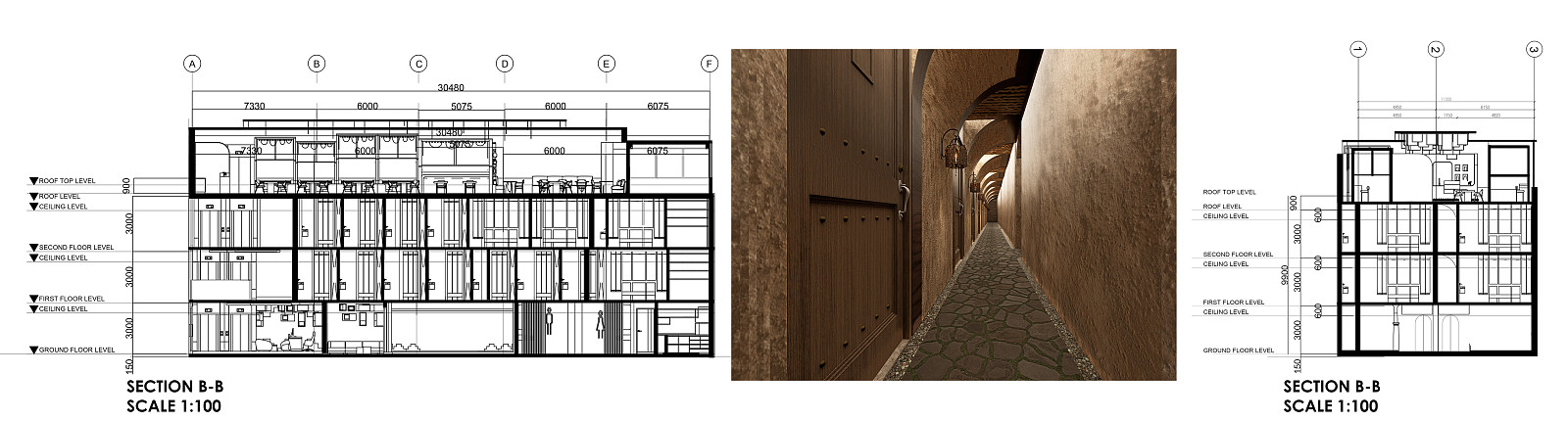
Social spaces such as cafés, lounges, and gathering areas encourage interaction among guests, local communities, and tourists. The accommodation component includes a range of guest rooms and suites designed with contemporary comfort while incorporating traditional materials, patterns, and spatial qualities. Circulation pathways are inspired by the narrow alleyways of traditional Hadrami settlements, guiding visitors through a sequence of cultural experiences.
The project also emphasizes sustainability through the use of local materials, passive design principles, and adaptive cultural programming, creating a hospitality destination that celebrates heritage while supporting tourism, education, and community development.
Technical information
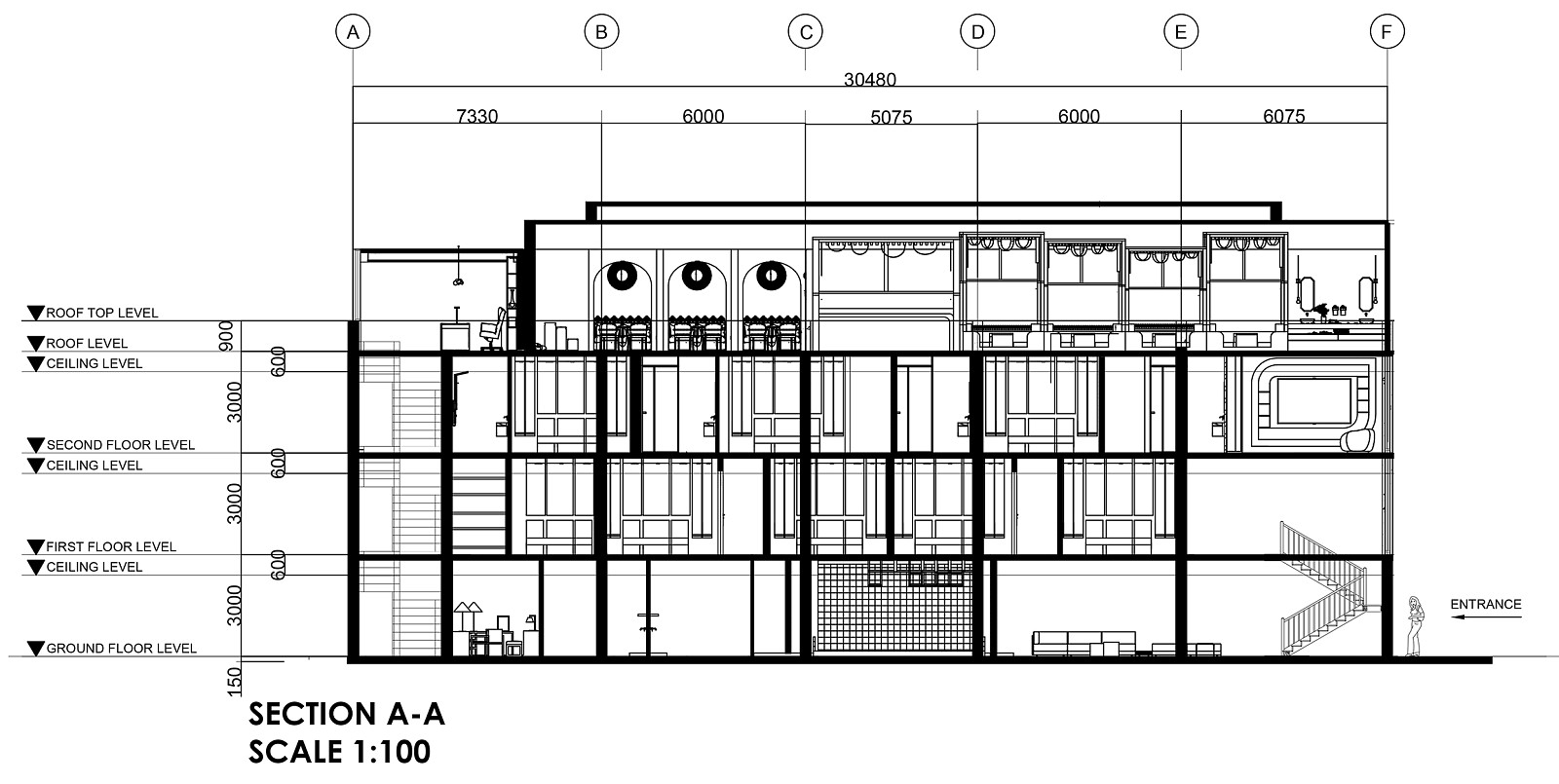
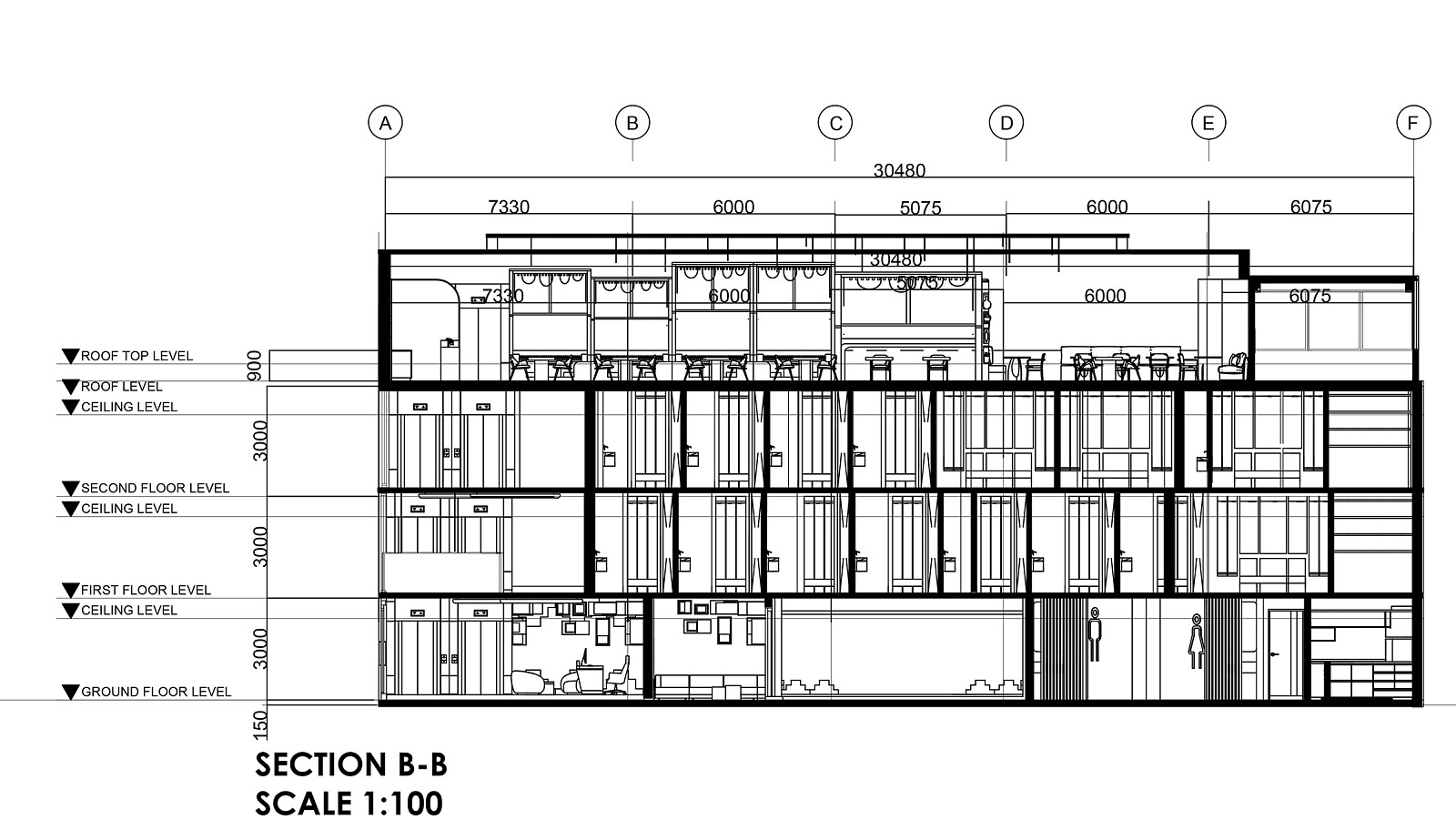
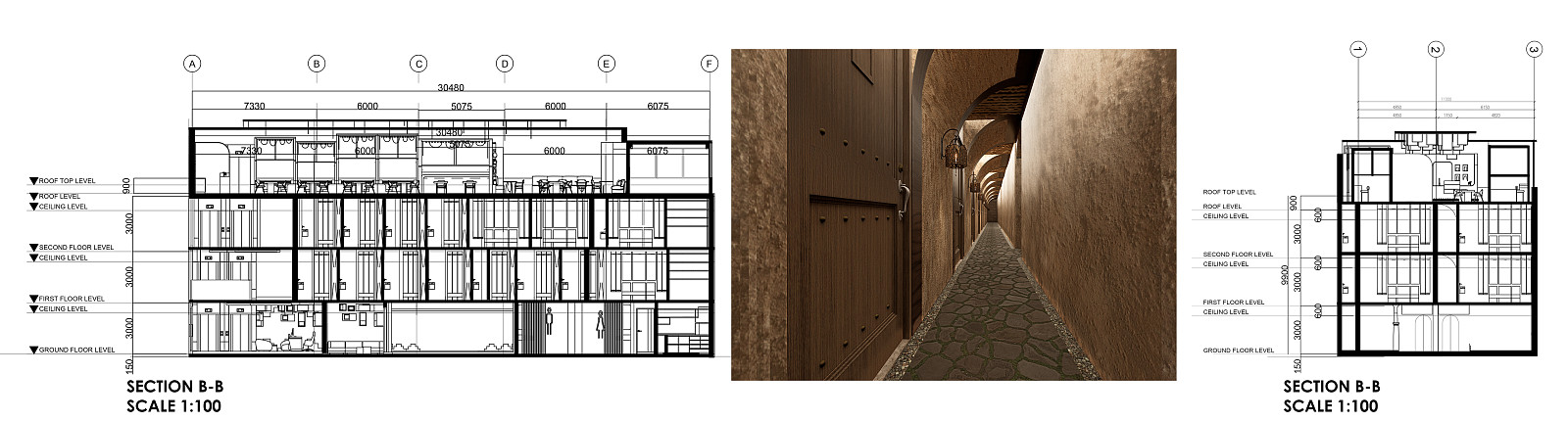
The Hadrami Heritage Hotel is designed as a multi-level boutique hospitality facility that integrates cultural, educational, commercial, and accommodation functions within a cohesive architectural framework. The building form is developed from a simple geometric massing inspired by traditional Hadrami settlements, incorporating a central courtyard that enhances natural ventilation, daylight penetration, and social interaction.
The structure utilizes a reinforced concrete frame system to ensure durability, stability, and flexibility in spatial planning. Interior finishes and architectural elements are inspired by traditional Hadrami architecture, featuring exposed brickwork, textured plaster walls, timber components, stone flooring, decorative arches, and woven textile installations. Locally sourced and sustainable materials are prioritized to reduce environmental impact while maintaining cultural authenticity.
The hotel comprises public facilities including a reception lobby, Majlis lounge, cultural marketplace, art and craft exhibition spaces, educational areas, café, and rooftop social spaces. Private zones consist of standard guest rooms, deluxe rooms, and suites designed to provide comfort, privacy, and accessibility. Circulation is organized through interconnected corridors and alleyway-inspired pathways that create a dynamic and immersive user experience.
Environmental strategies include passive cooling through courtyard design, natural cross-ventilation, energy-efficient lighting systems, shaded openings, and the use of thermal mass materials. These technical solutions enhance building performance while supporting sustainable tourism and long-term operational efficiency.

Copyright © 2026 INSPIRELI | All rights reserved. Use of this website signifies your agreement to the Terms of Use, Privacy Policy, and use of cookies.