Modernizing Marina Bar: A New Architectural Vision for the Passenger Terminal and Landscape


 Marija
Project idea
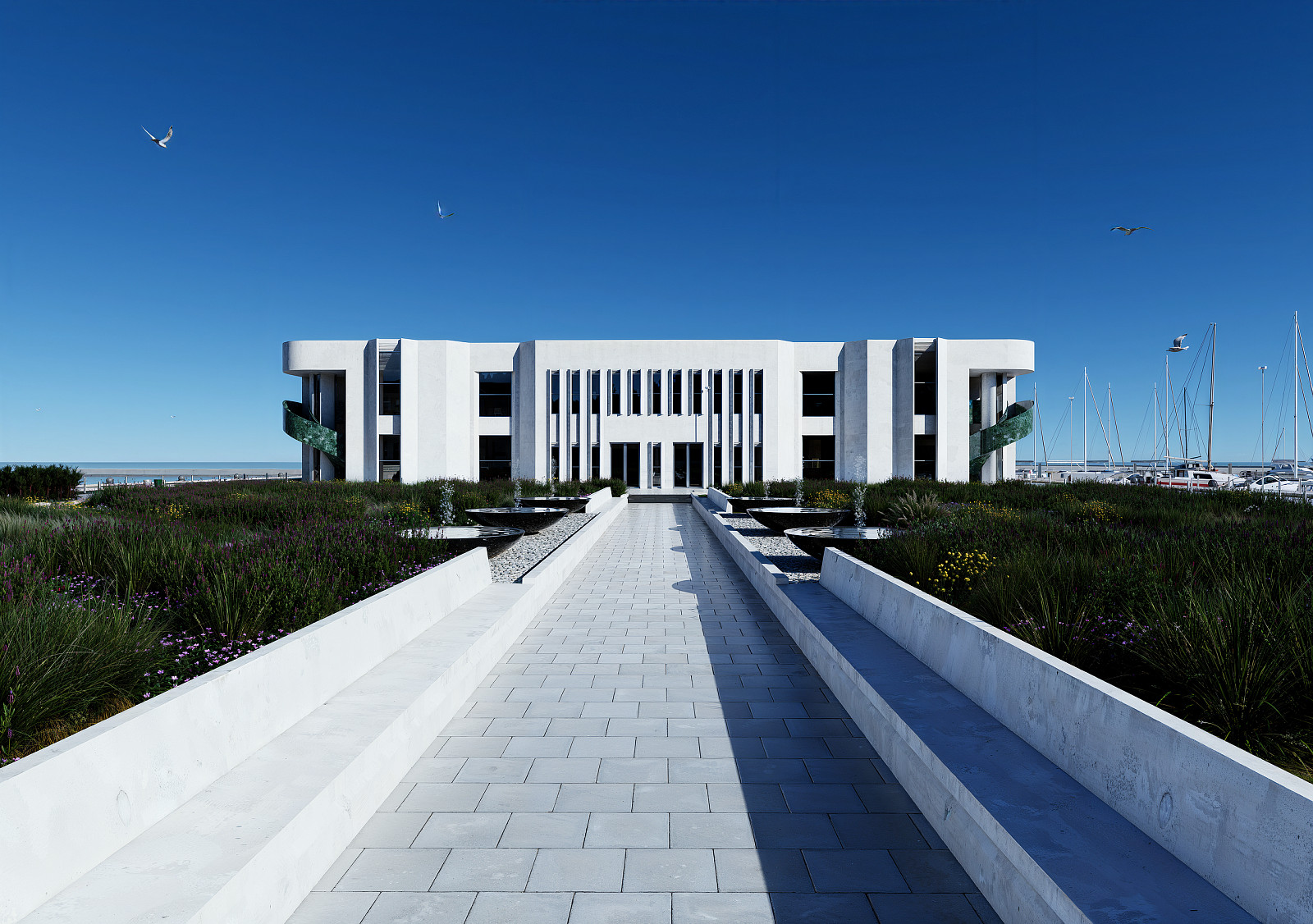
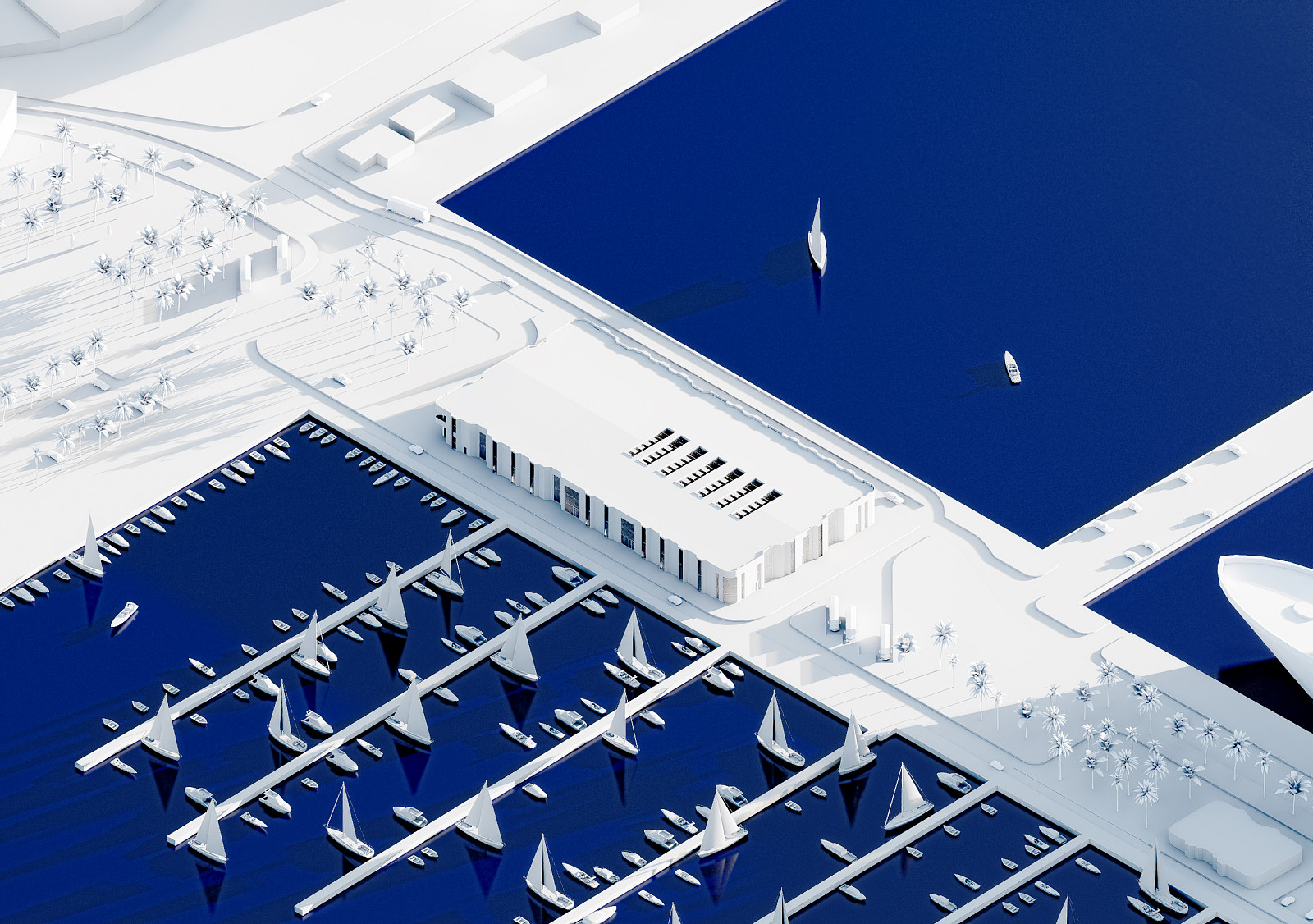
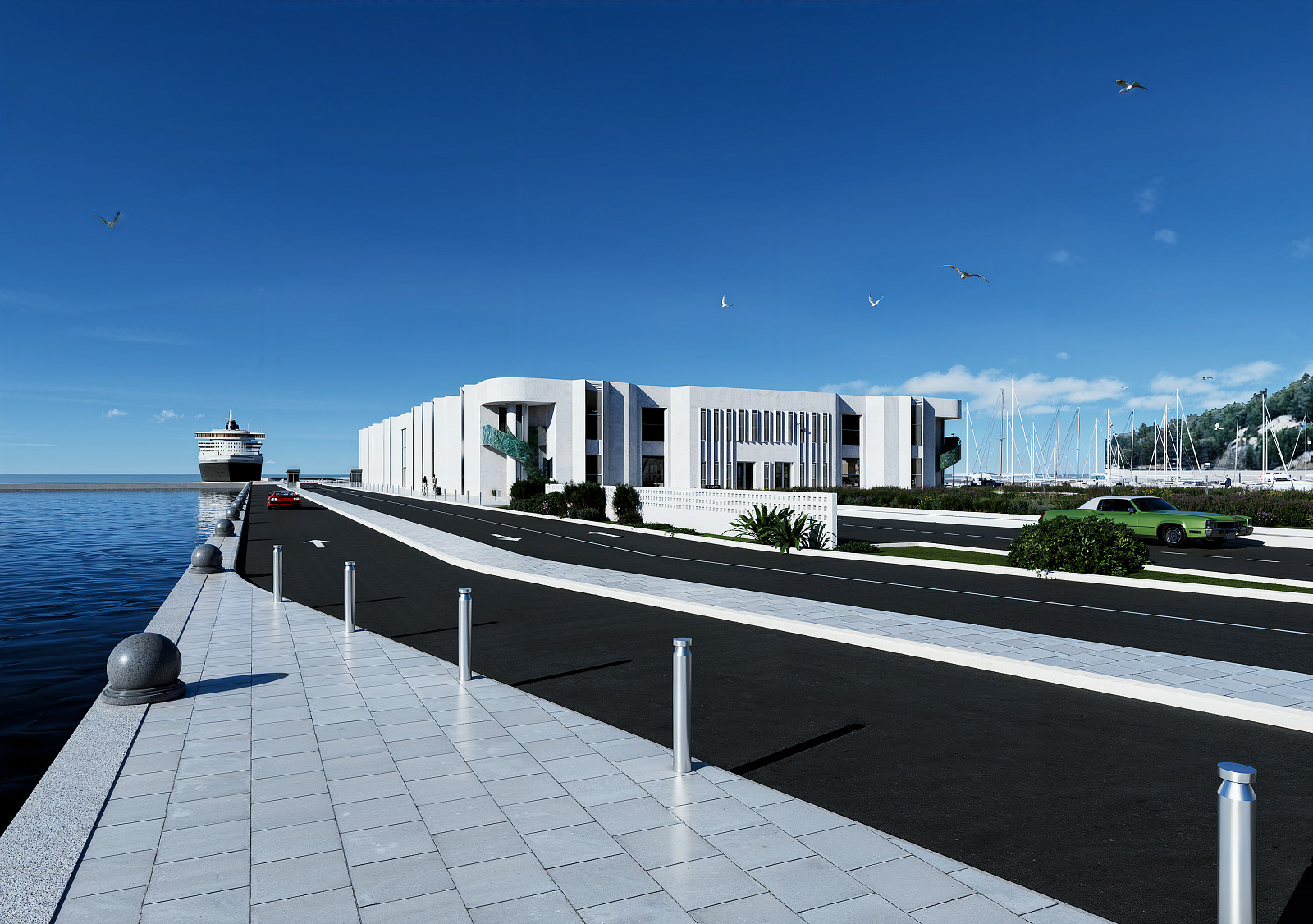
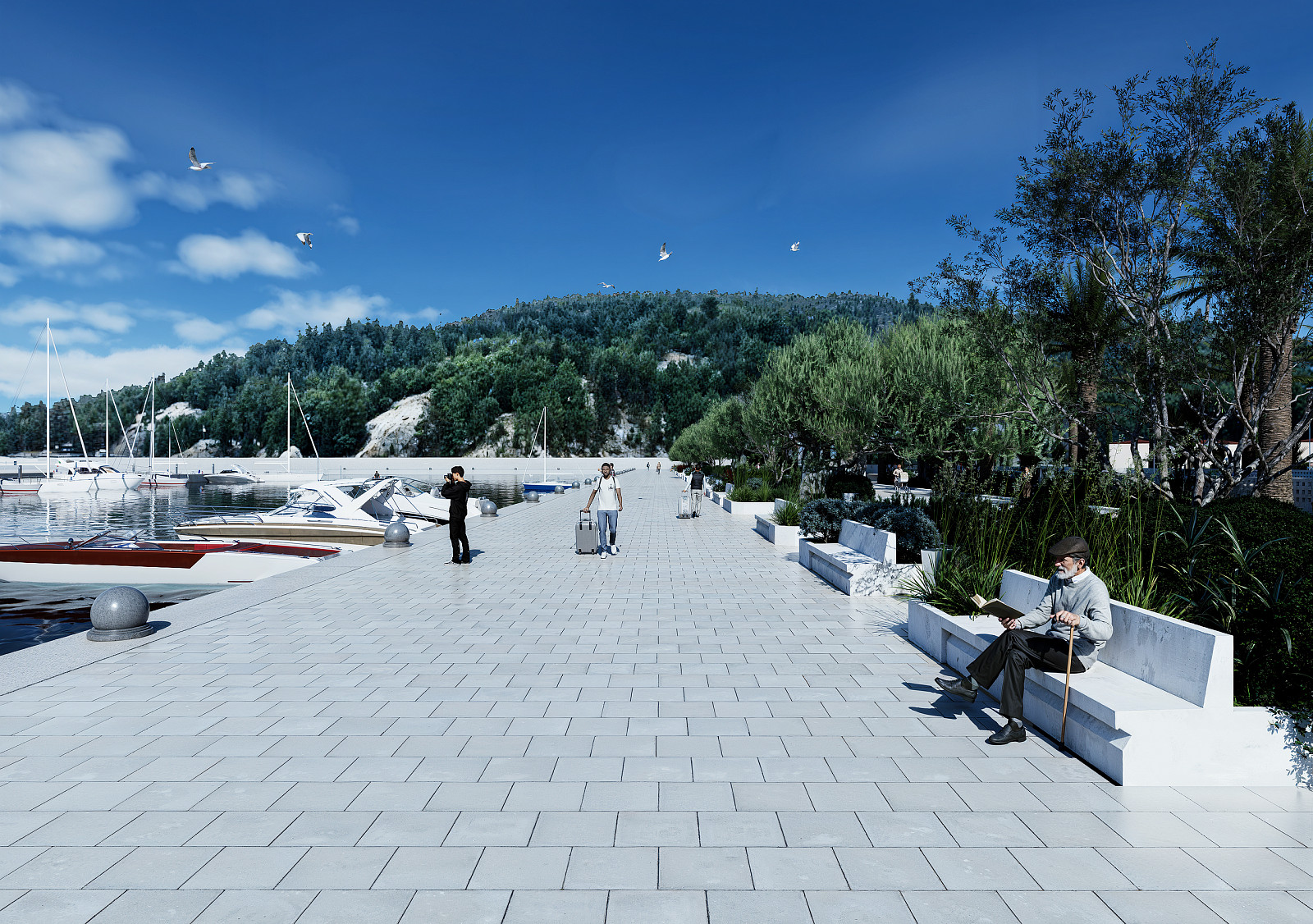
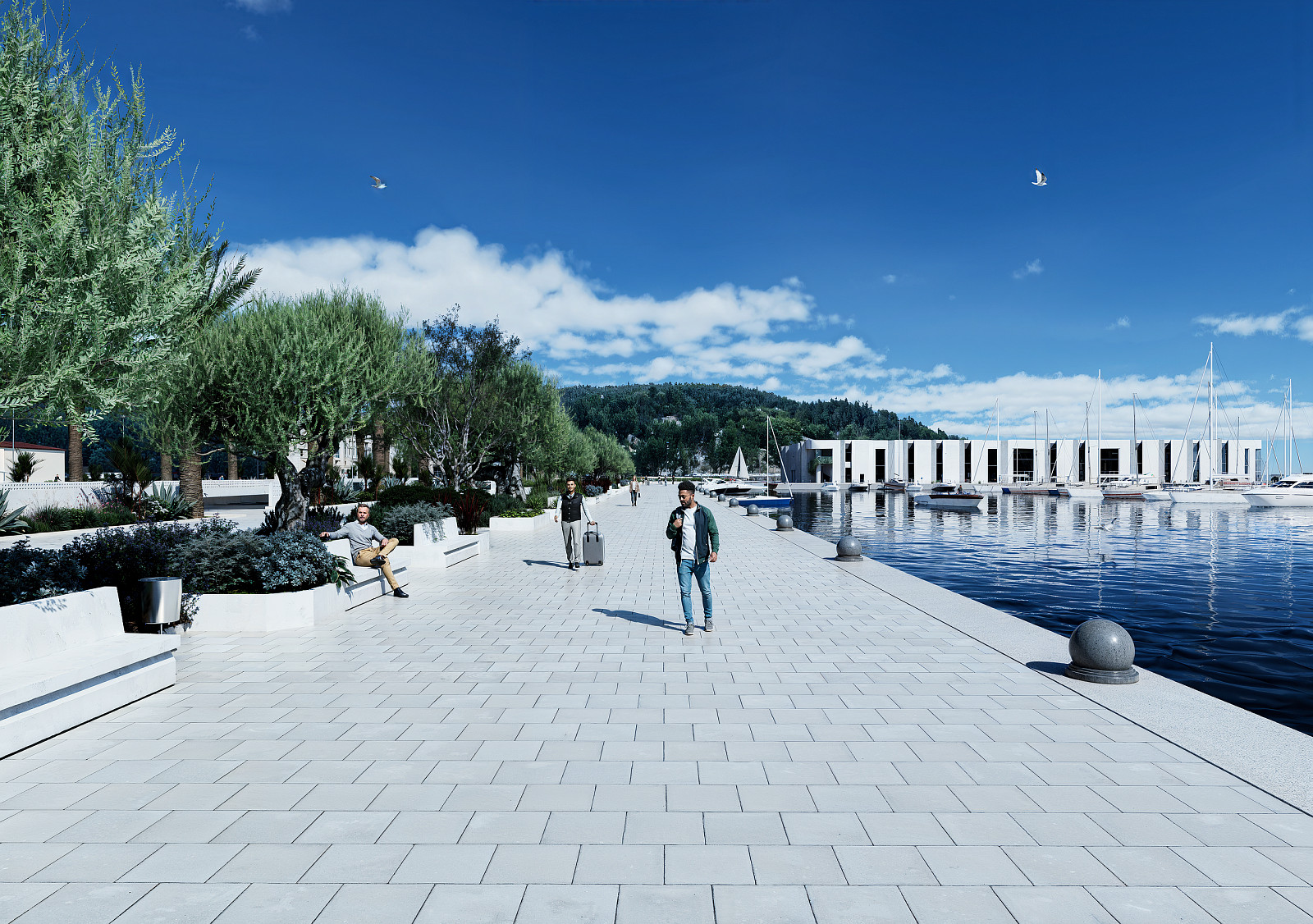
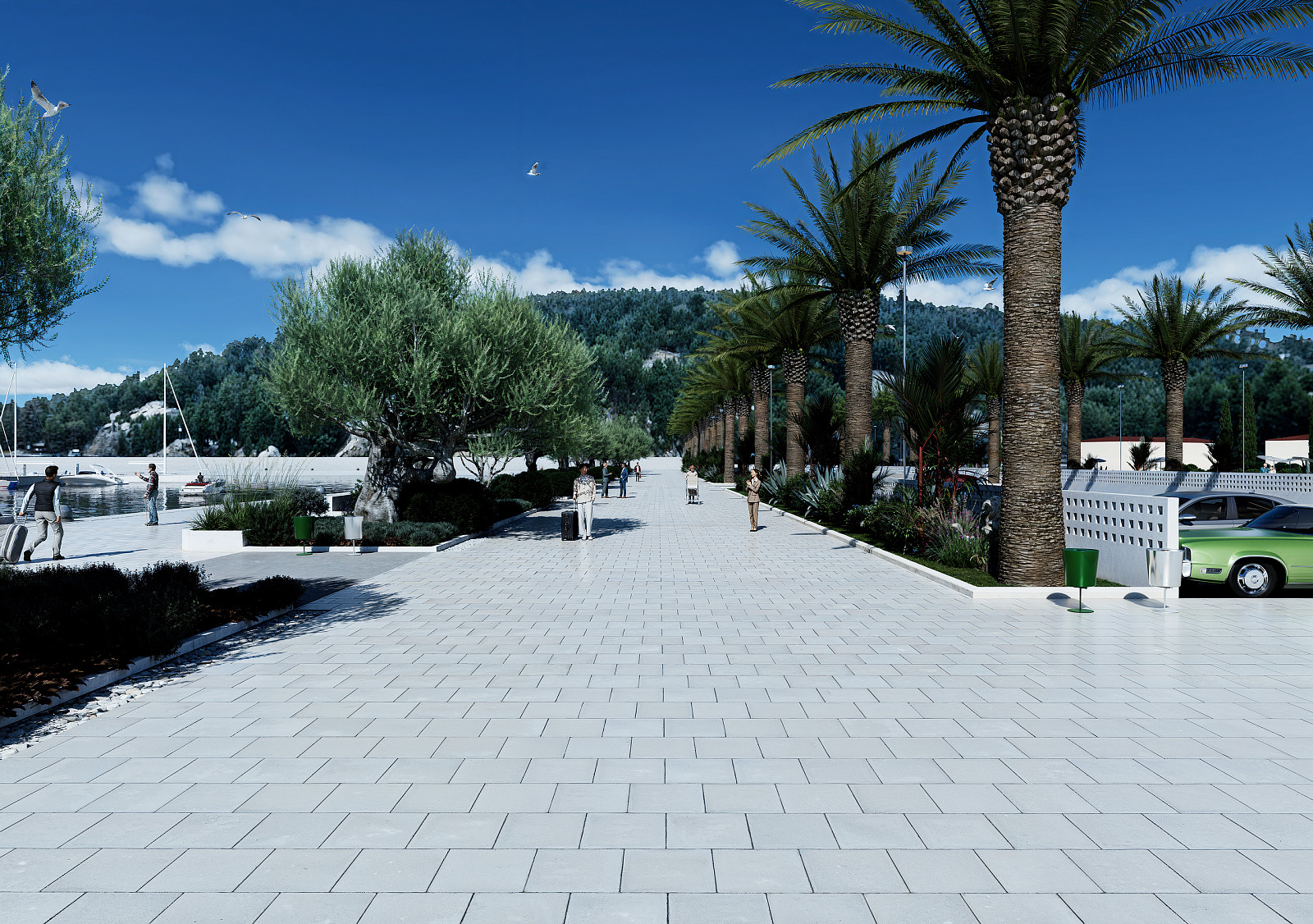
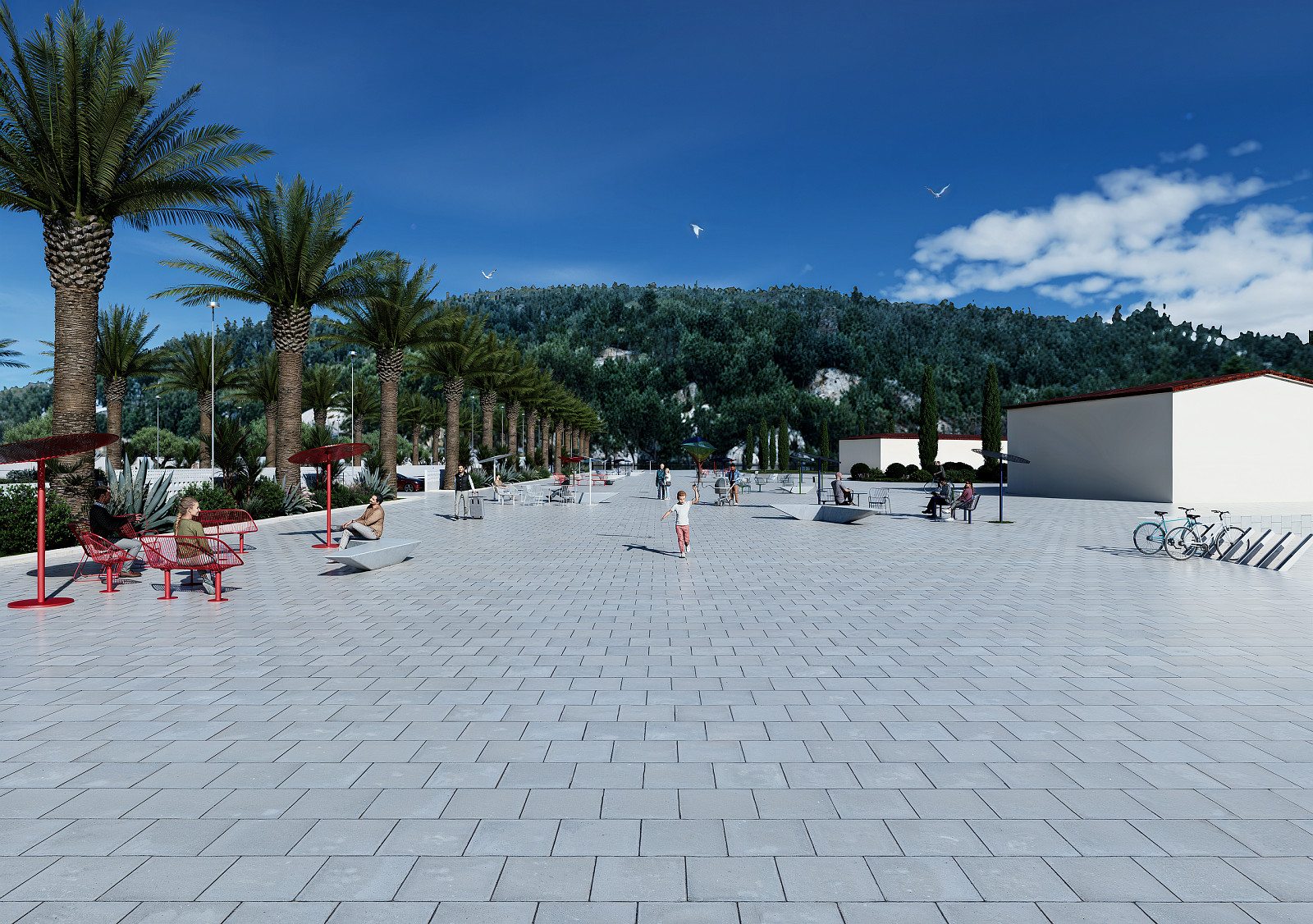
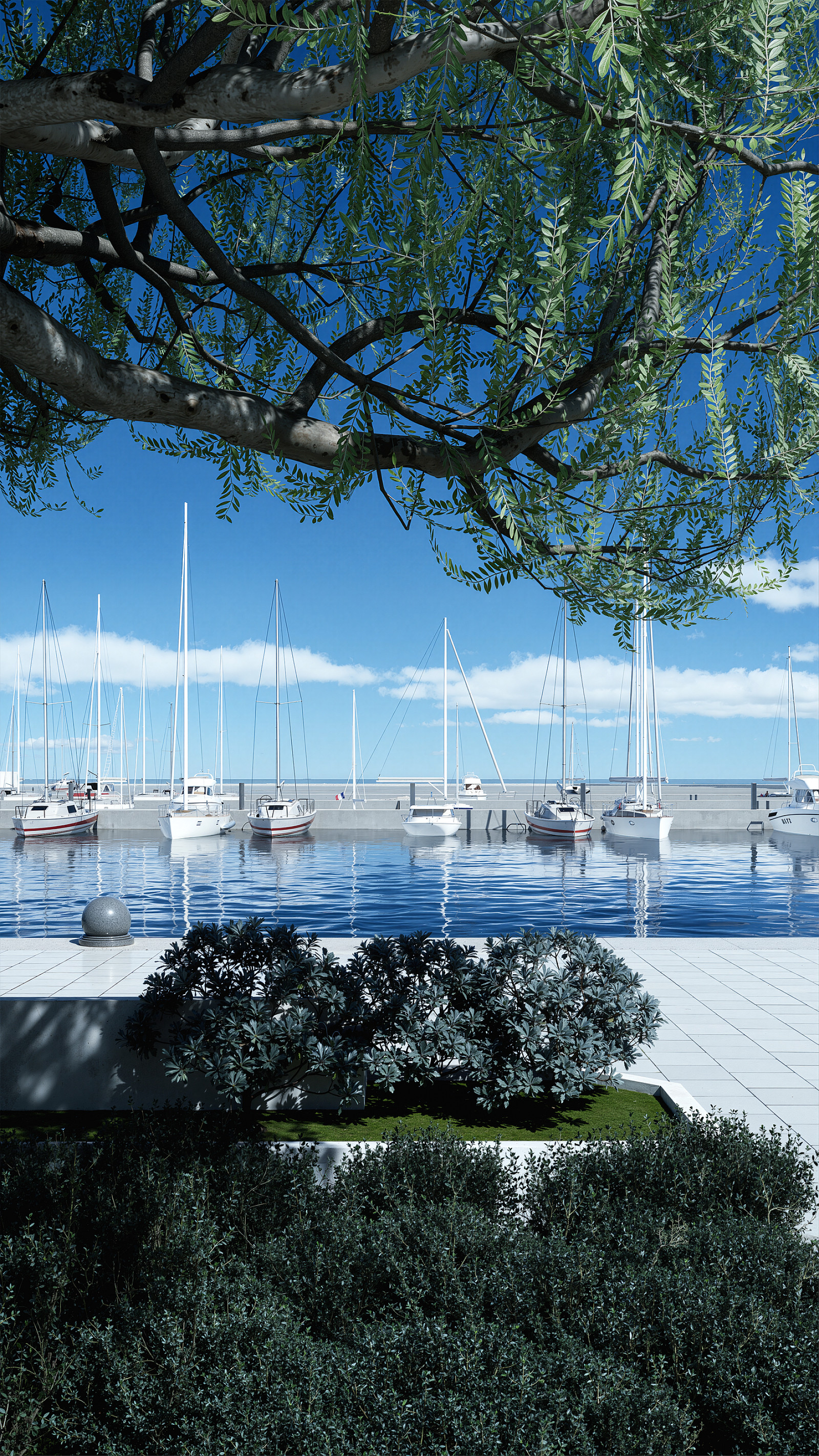
This project proposes a new Cruise & Ferry Passenger Terminal and waterfront redevelopment at the Port of Bar, Montenegro. As the terminal serves a growing number of passengers, it is important that it meets the standards of a modern port. Alongside the main transport function, the project includes new landscape designs, promenades and the addition of a new function to the terminal, that of an exhibition gallery. As the port functions during the summer, the exhibition feature will make sure that the terminal will be put in use in times when there is no maritime activity, especially during the winter season. The intervention seeks to improve the circulation and port operations and at the same time give the terminal a new connection with its surrounding landscape. The combination of interventions will make sure that the port will be assigned a new role in the cultural life of the city and further more strengthen its connection with the city and its identity.
Project description
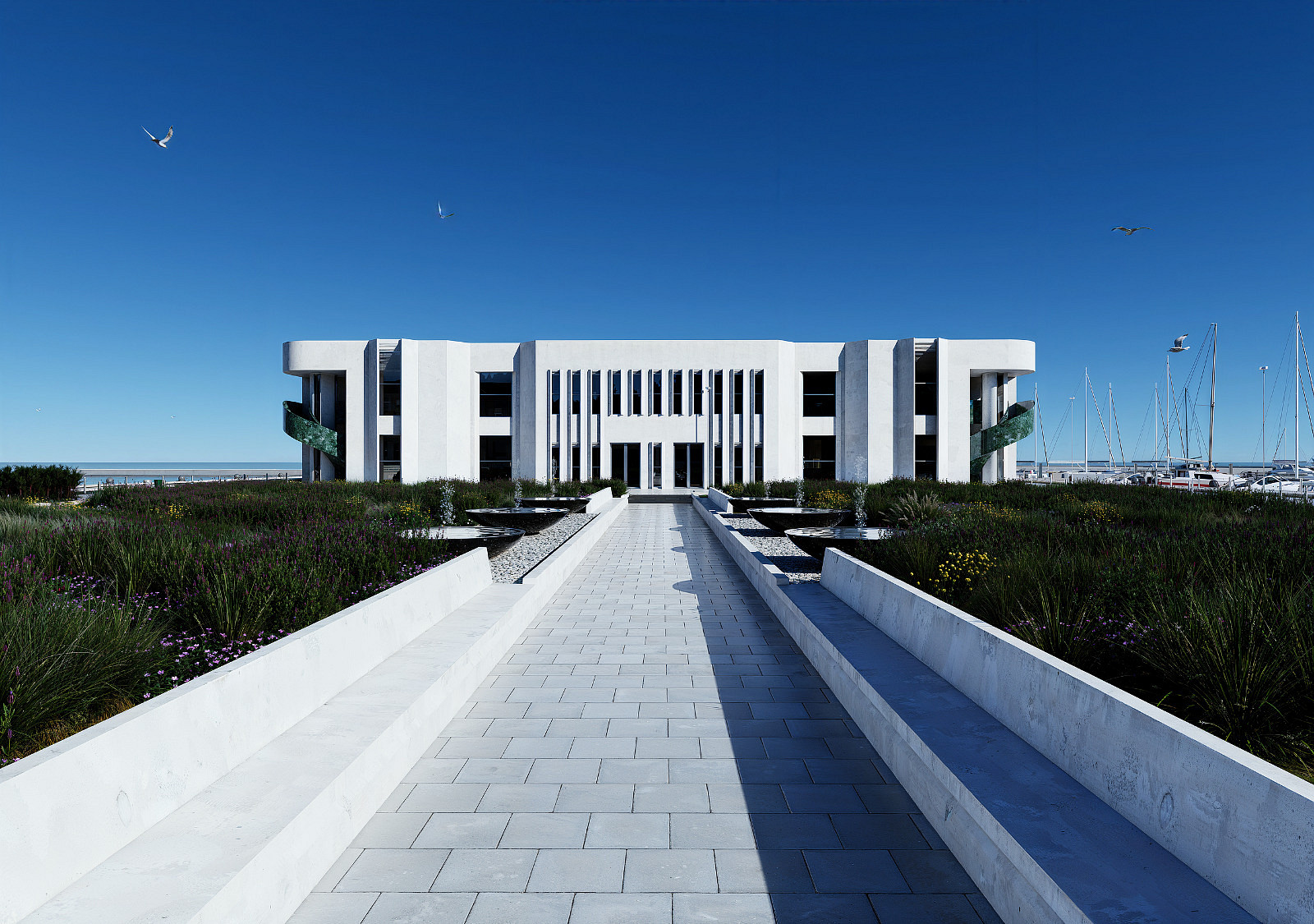
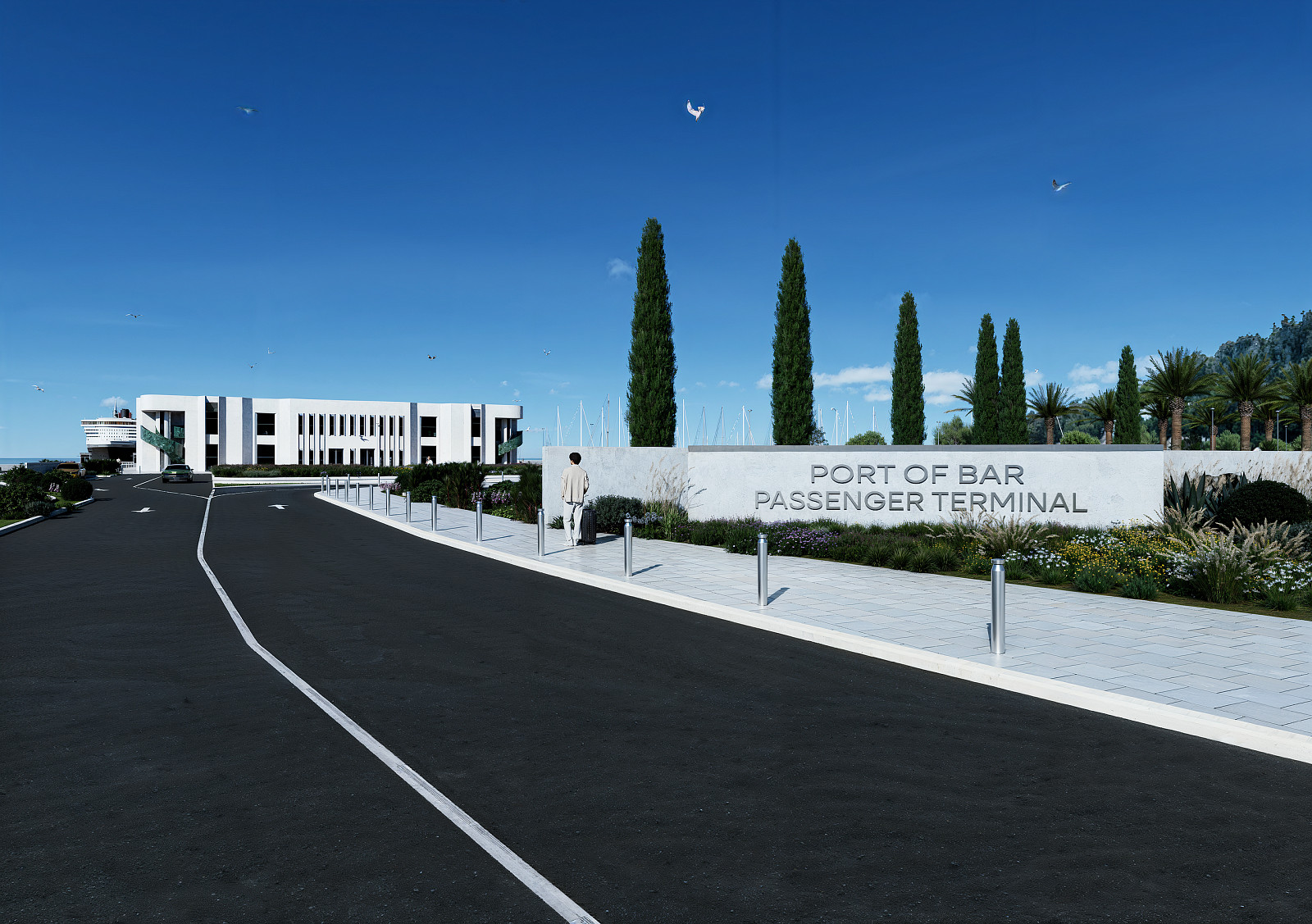
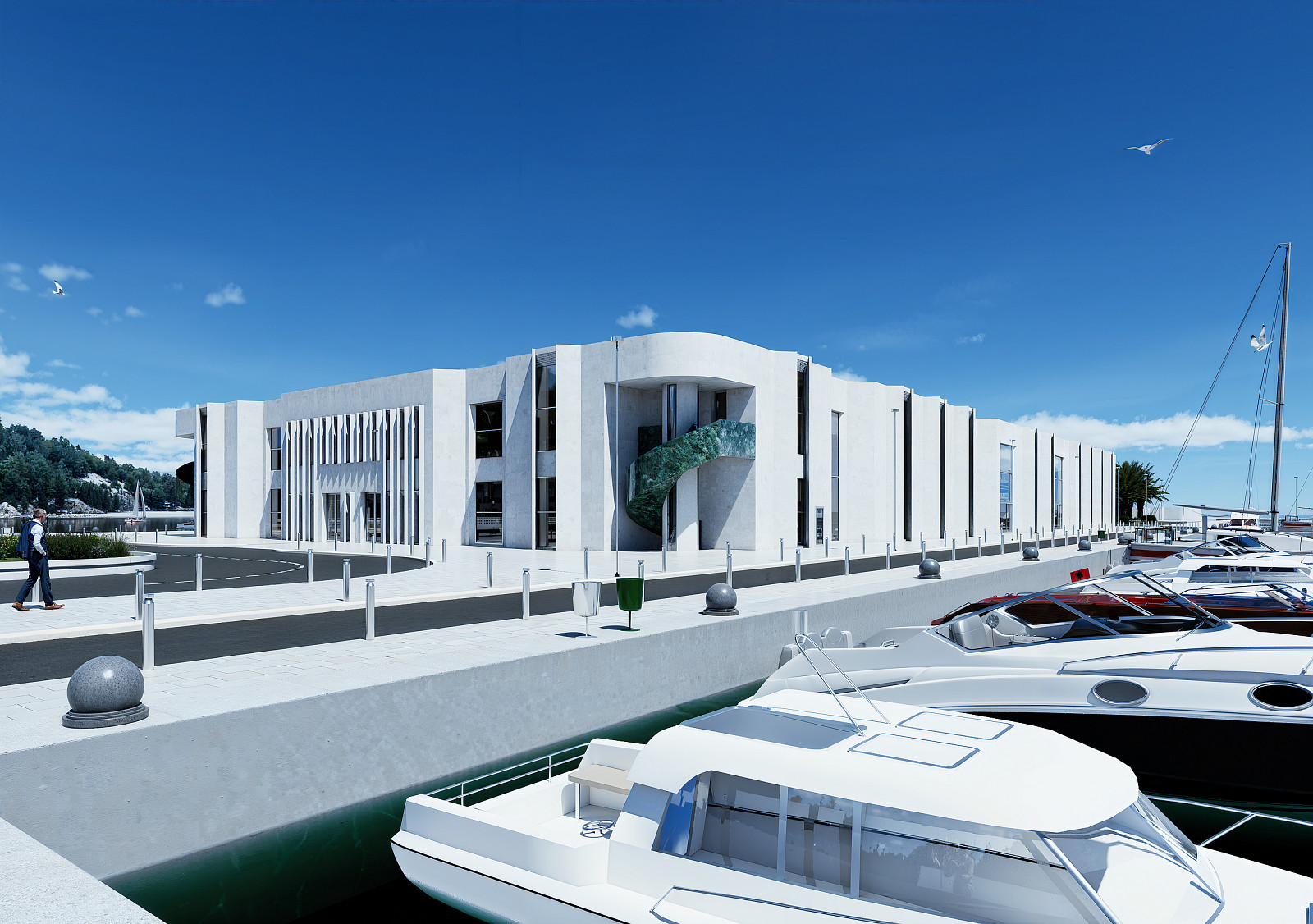
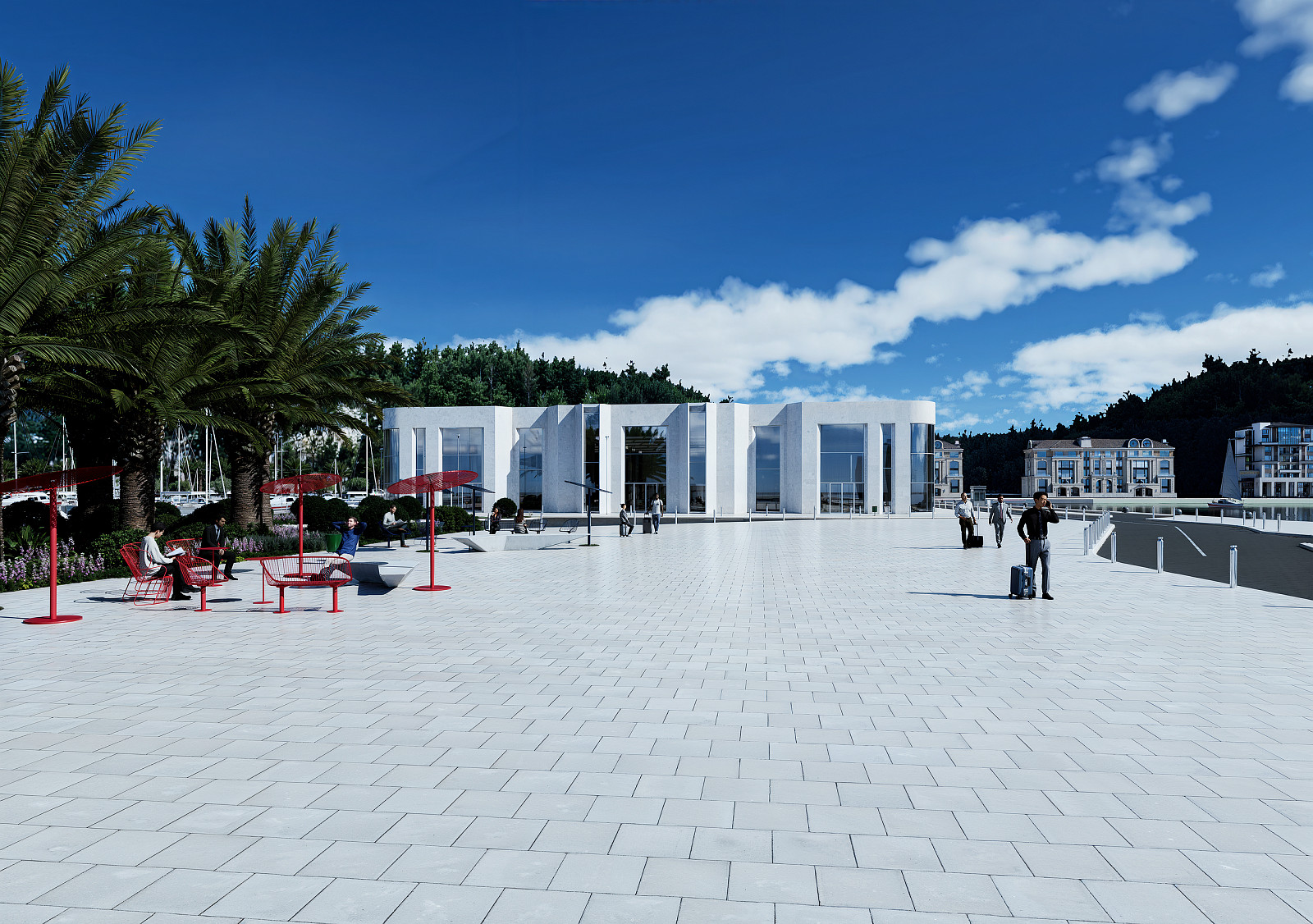
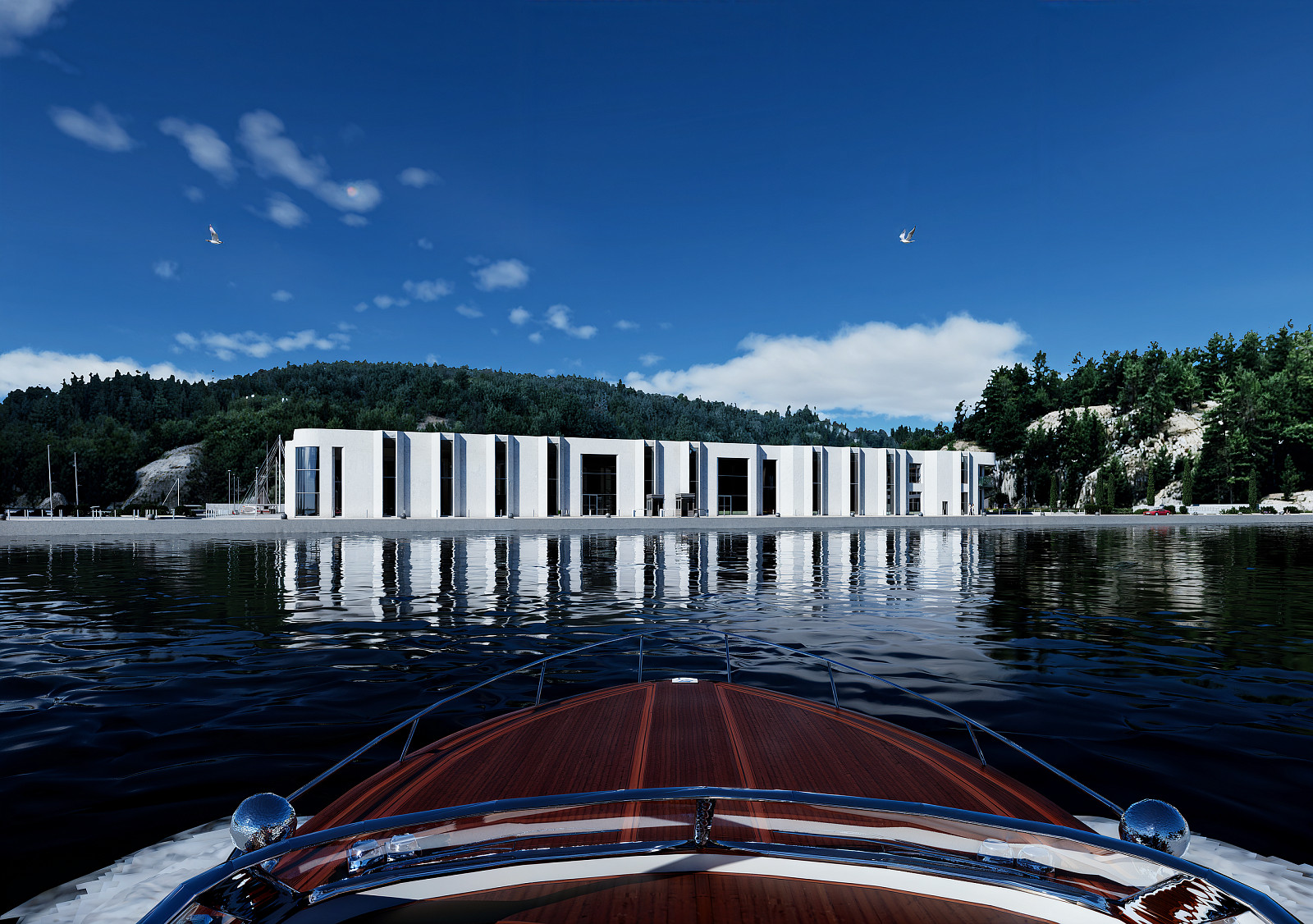
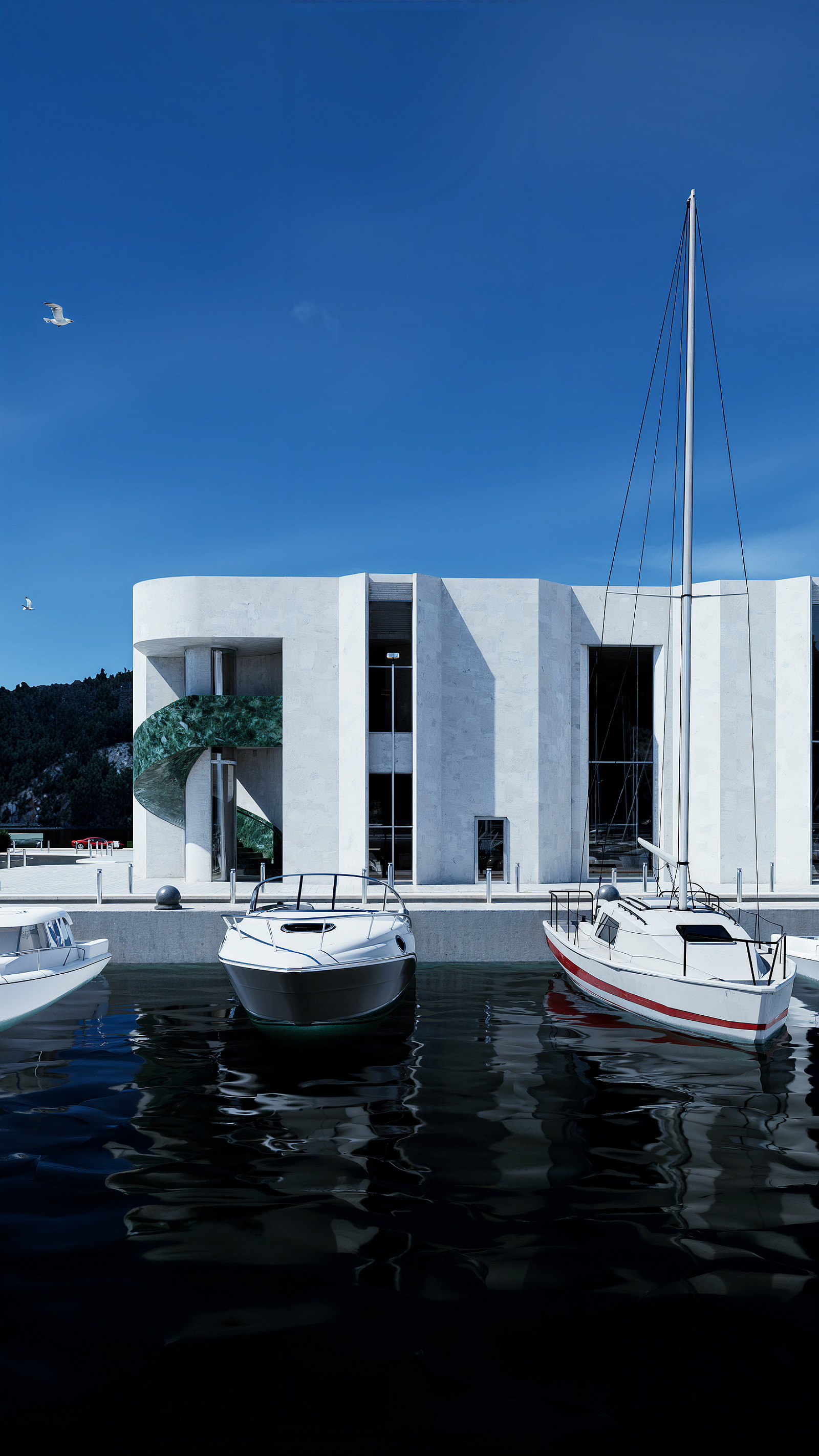
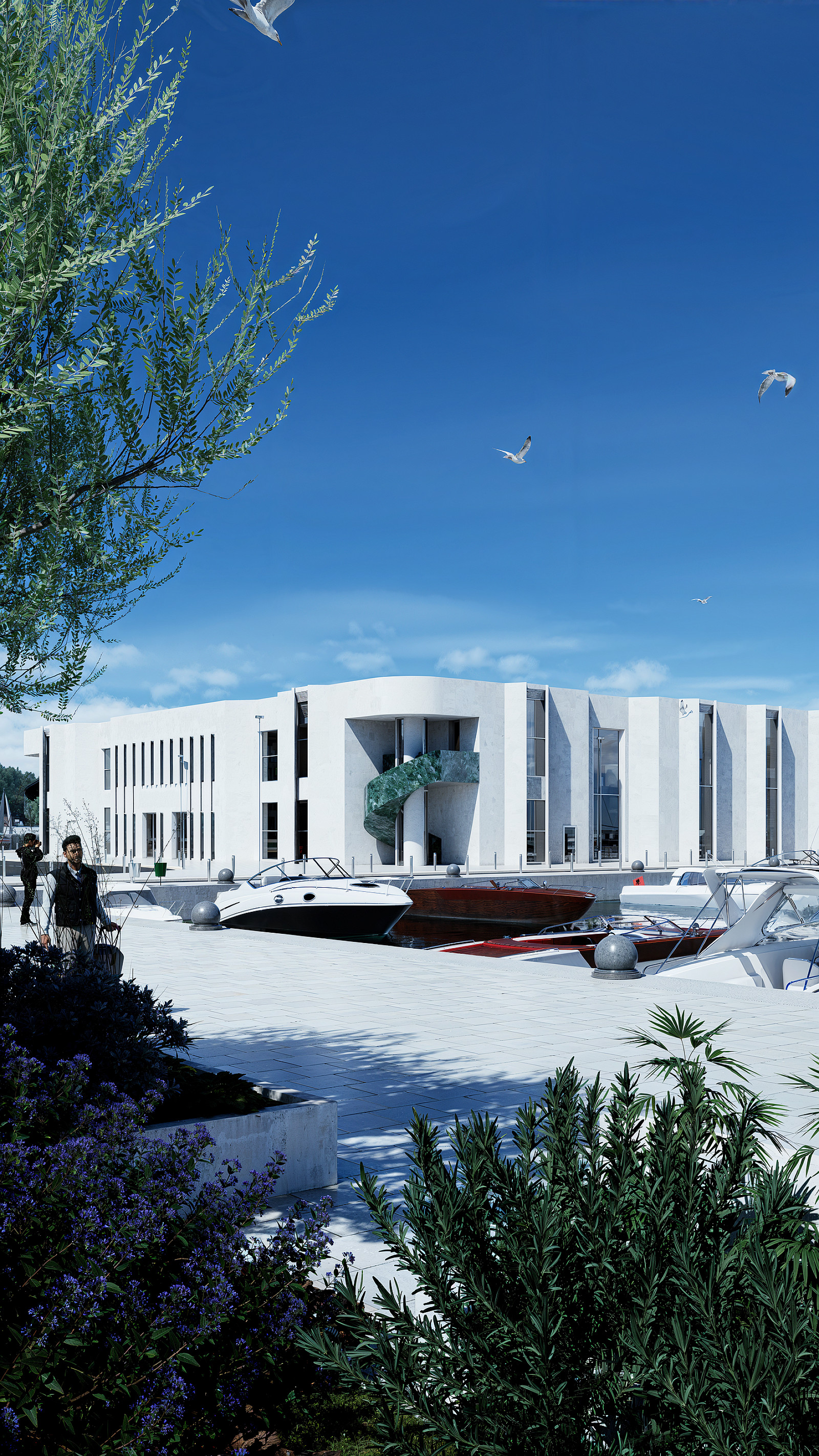
The project consists of a cruise and ferry passenger terminal accompanied by a redevelopment of the waterfront within the Port of Bar. The passenger terminal accommodates passenger processing, waiting areas, administrative functions, and a flexible exhibition space which will be intended for both permanent and temporary displays. The surrounding public realm aims to accommodate more people by including two waterfront promenades, seating areas, landscaped zones, kids playground areas and a parking area. The new design seeks to improve the pedestrian connection and accessibility to encourage public use of the shoreline. Particular attention is given to ease of circulation, ensuring efficient movement of passengers, vehicles, and uninterrupted port operations. The proposals main goal is to provide a balance between the functional requirements of a transport facility and the qualities of an active and welcoming public space.
Technical information
The buildings footprint requires large spans in order to ensure clear and obstruction free circulation of large numbers of people. As a result, the construction of the building consists of a hybrid system which uses reinforced concrete columns with steel slabs and beams. The building envelope combines glazed surfaces with concrete paneled brick walls to maximize the natural lighting and views to the sea. The building features a mezzanine floor where the administrative zone is placed.
Documentation
Created in:


Copyright © 2026 INSPIRELI | All rights reserved. Use of this website signifies your agreement to the Terms of Use, Privacy Policy, and use of cookies.