

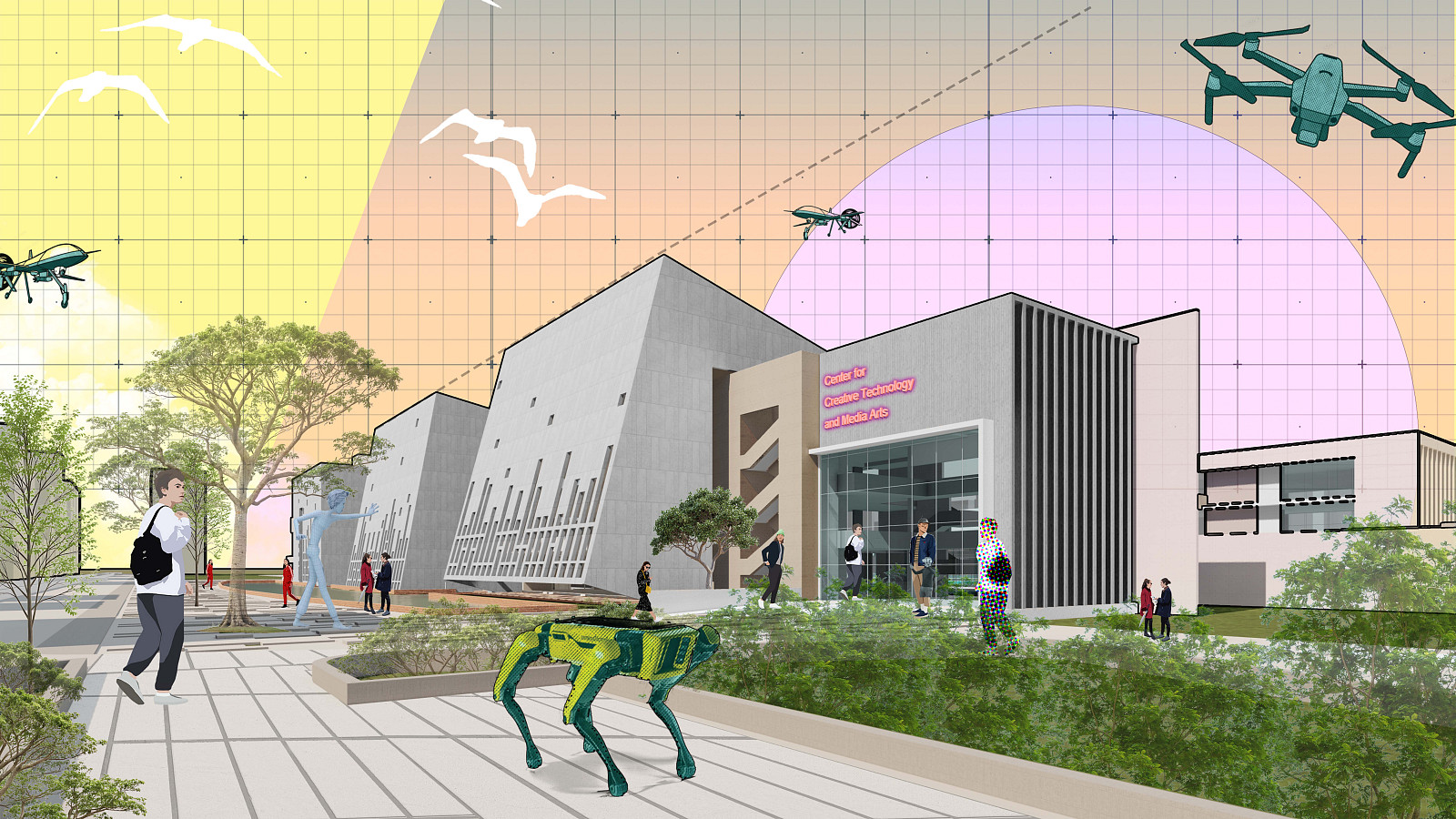
The Creative Milieu: Designing a Collaborative Campus for Animation, Gaming, and Esports in Purbachal


Project idea
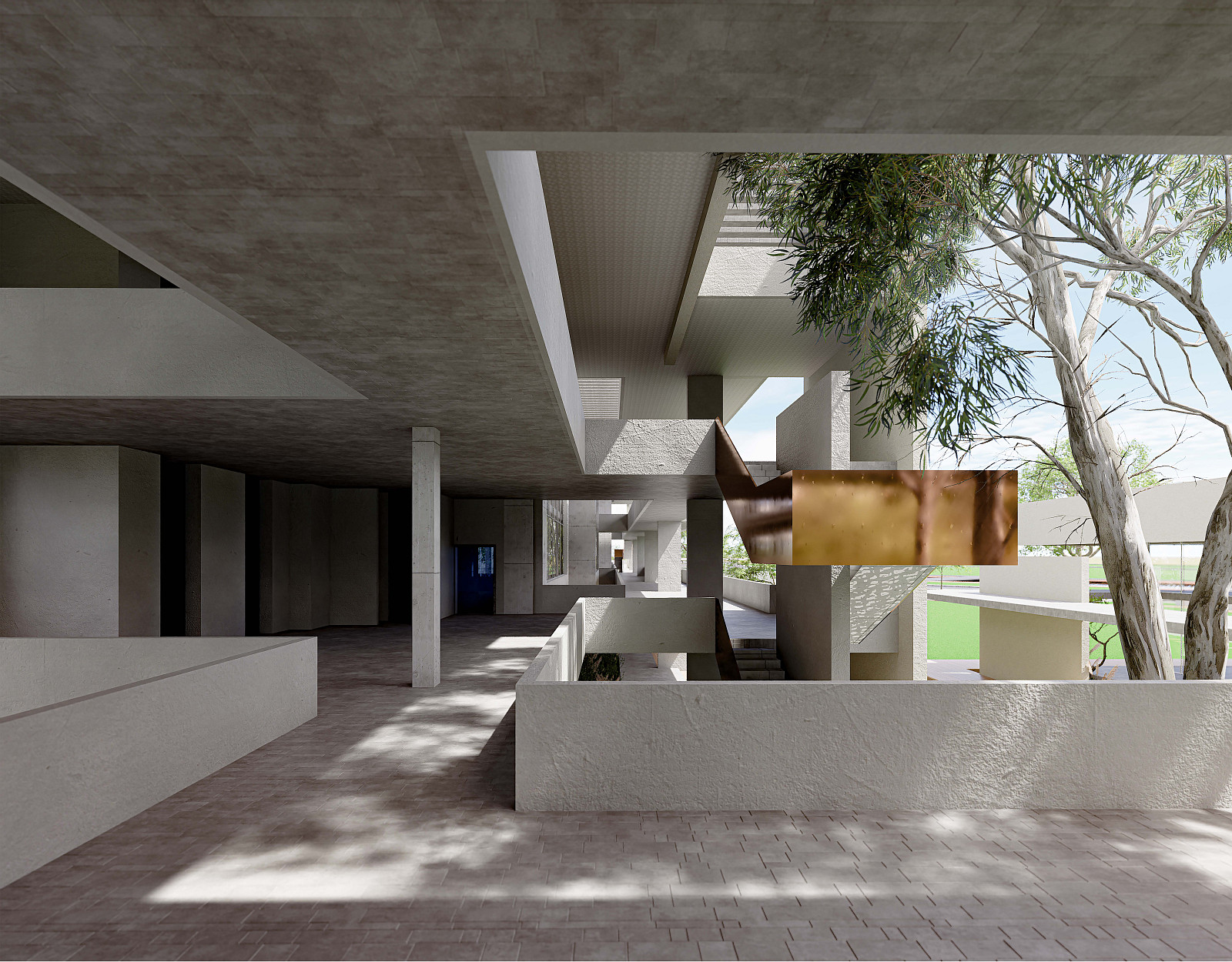
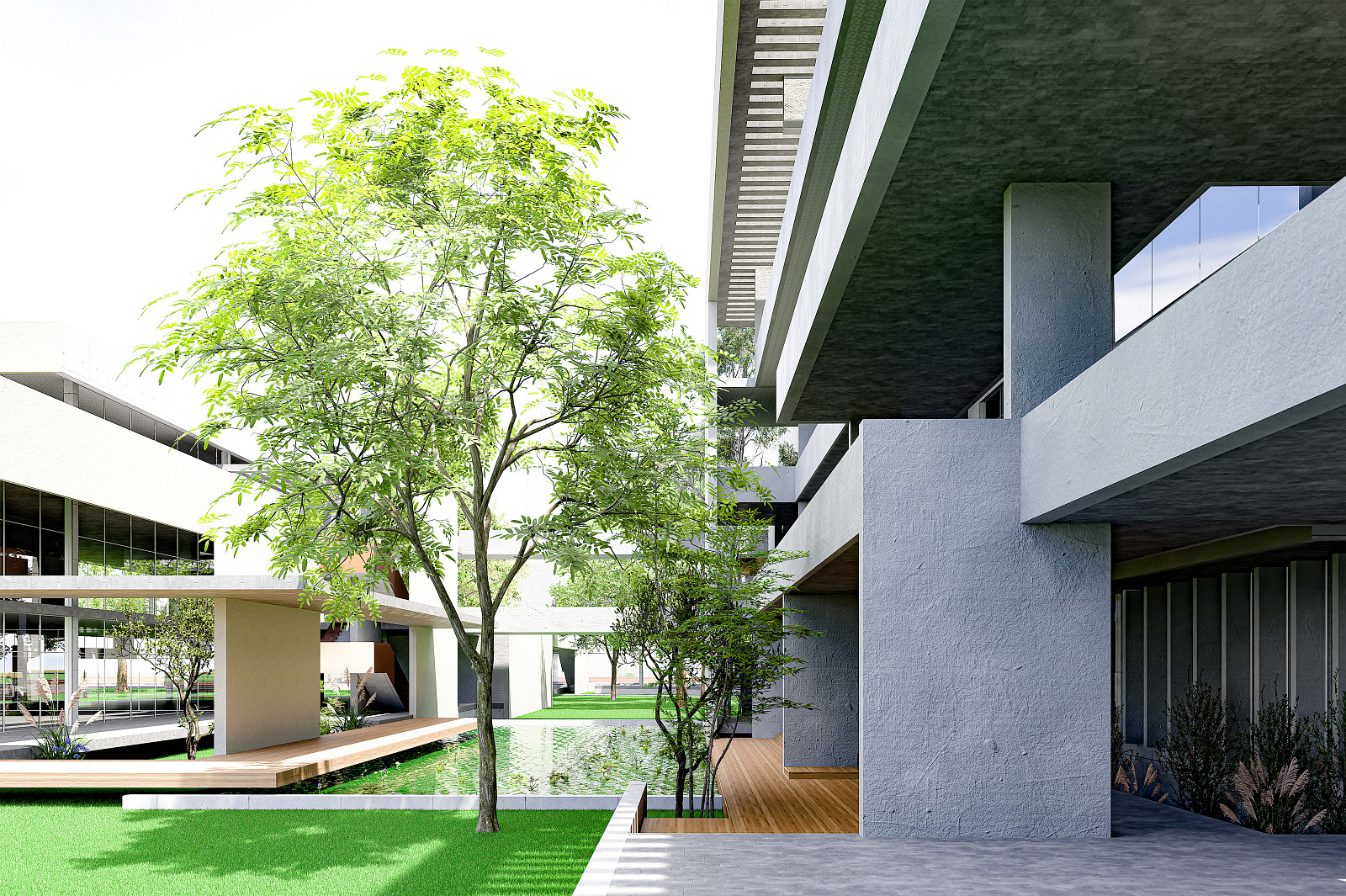
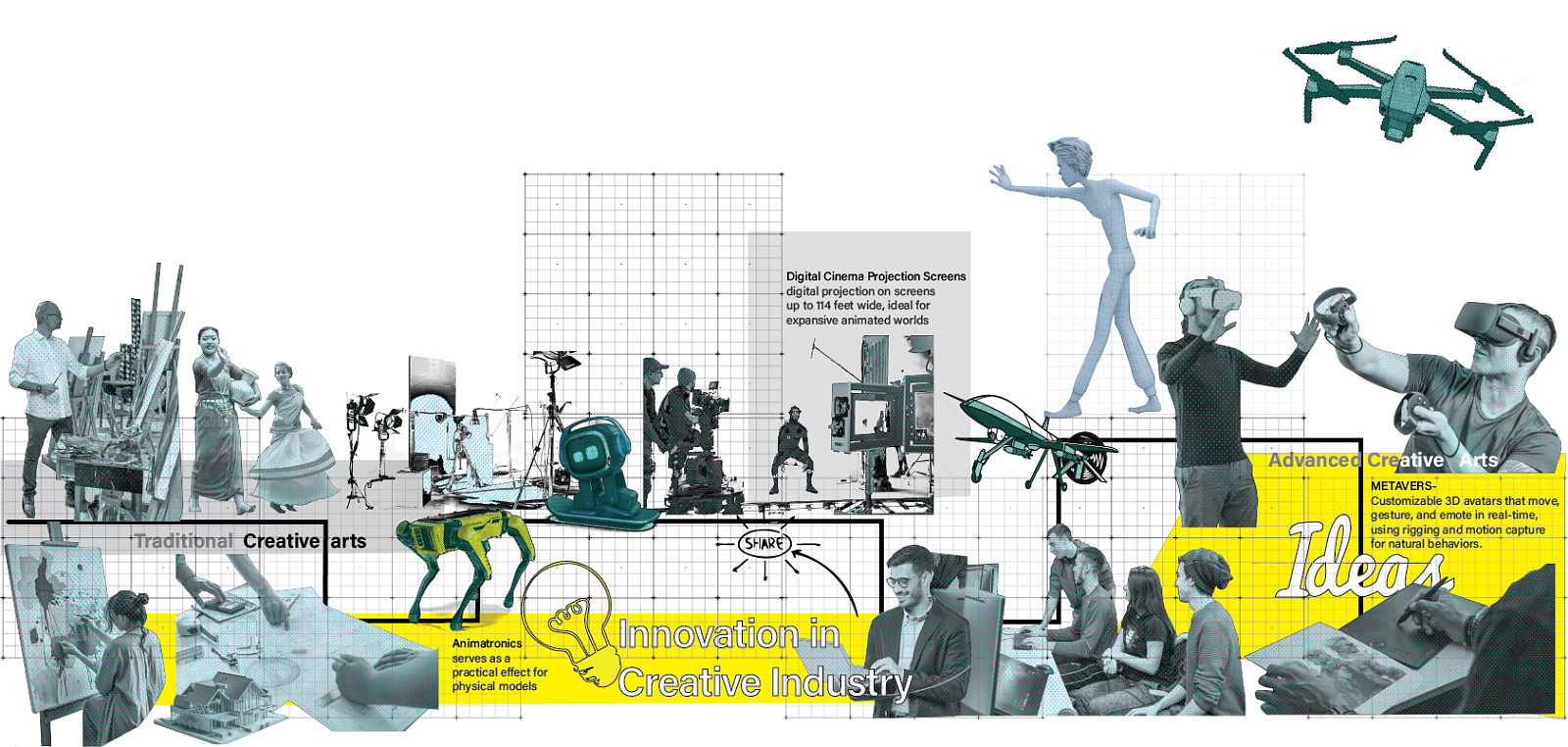
The Creative Milieu is a purpose-built collaborative campus in Purbachal, Bangladesh, designed to replace rigid, unadaptive office spaces with a fluid ecosystem for the animation, gaming, and digital storytelling industries. Moving away from traditional, bounded architecture, the campus features highly flexible, ambiguous spaces that mirror the nonlinear nature of creativity by seamlessly shifting between focused individual production and spontaneous collaboration. Grounded in the architectural philosophies of Charles Correa and BV Doshi, the design rejects nature as mere decoration, instead positioning greenery, water, and natural light as the primary organizational forces. Ultimately, this framework integrates a high-tech digital program within a deeply humanistic, climatically responsive waterfront environment that actively fosters cognitive recovery and cross-disciplinary exchange.
Project description
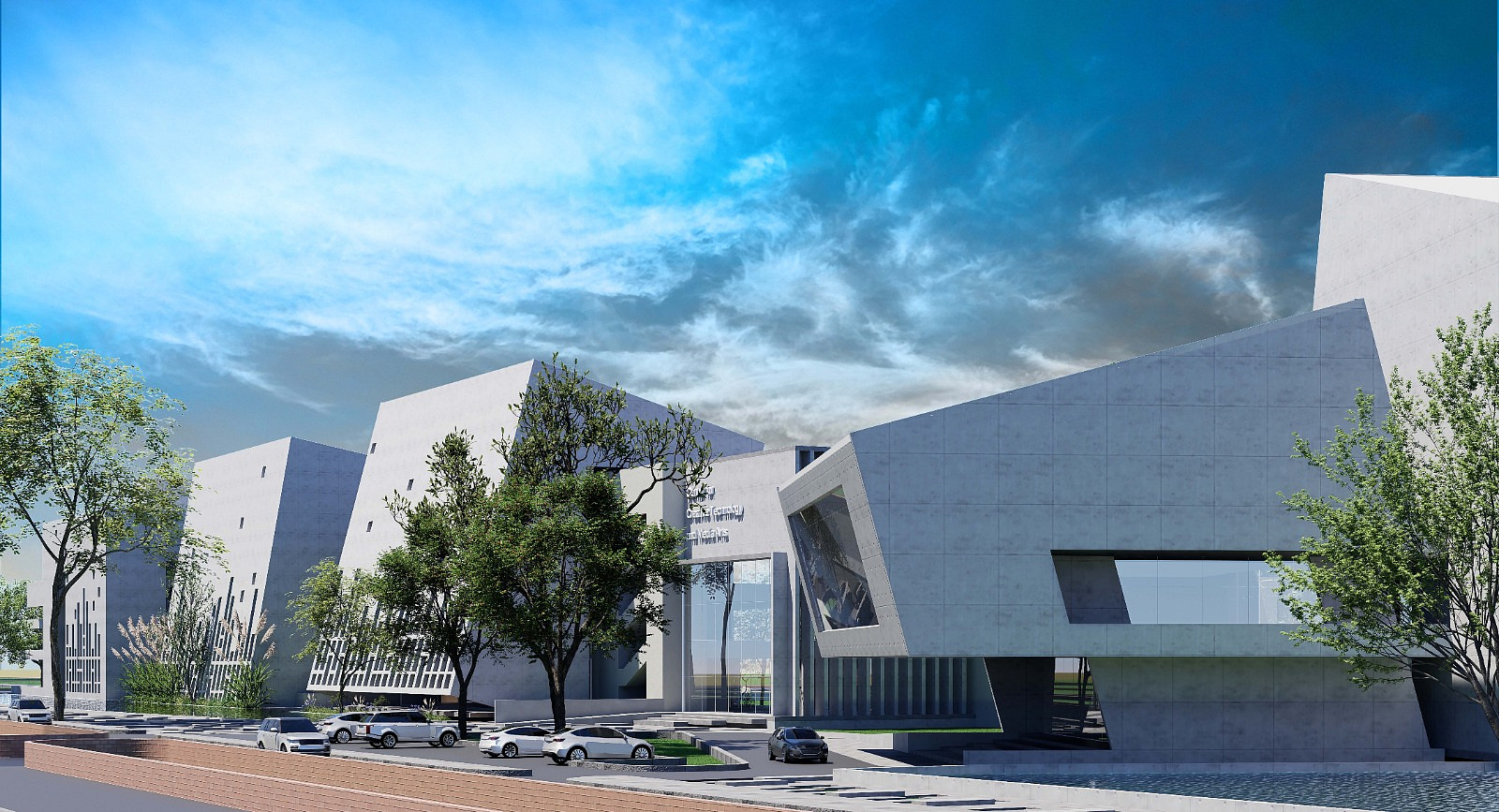
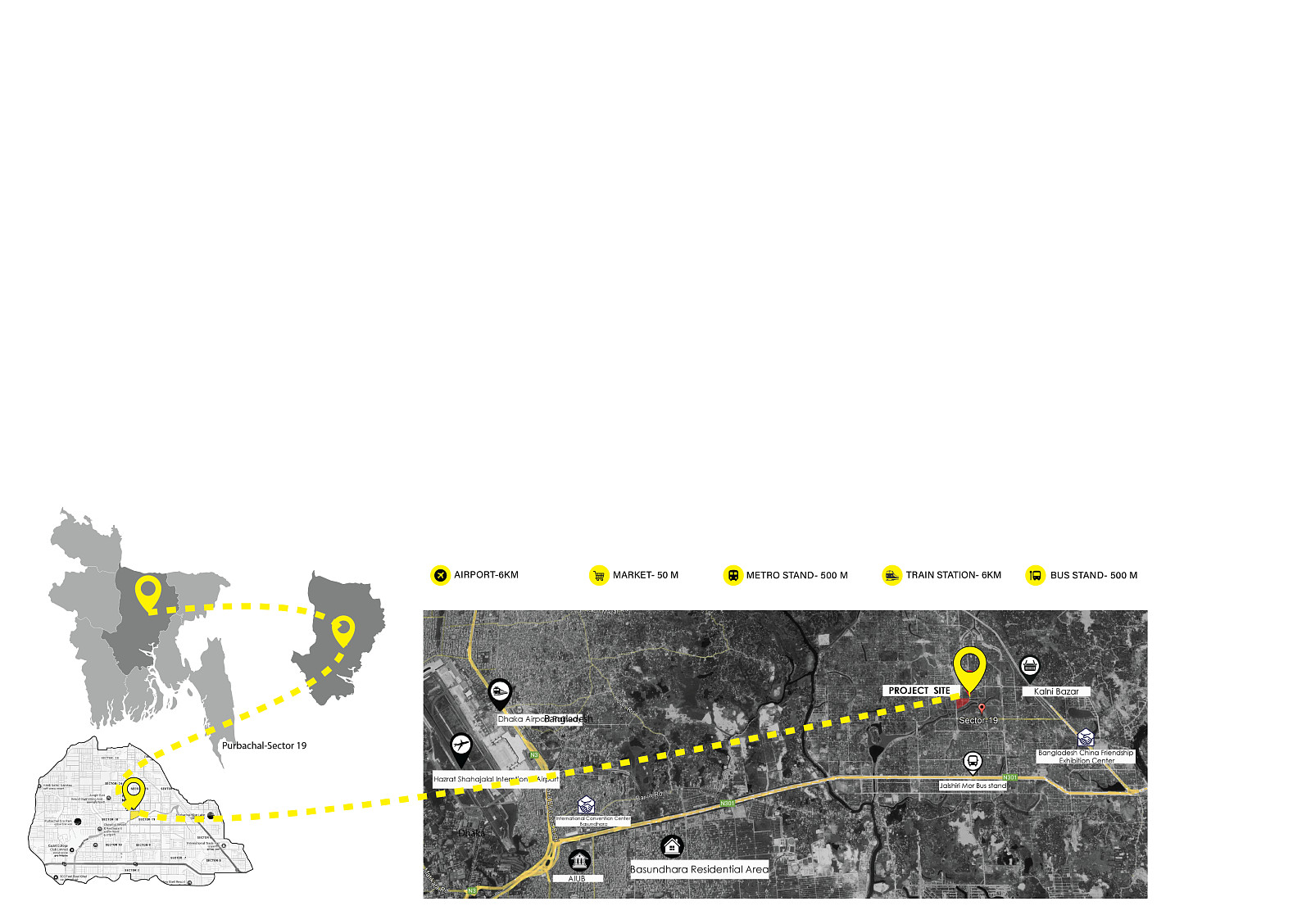
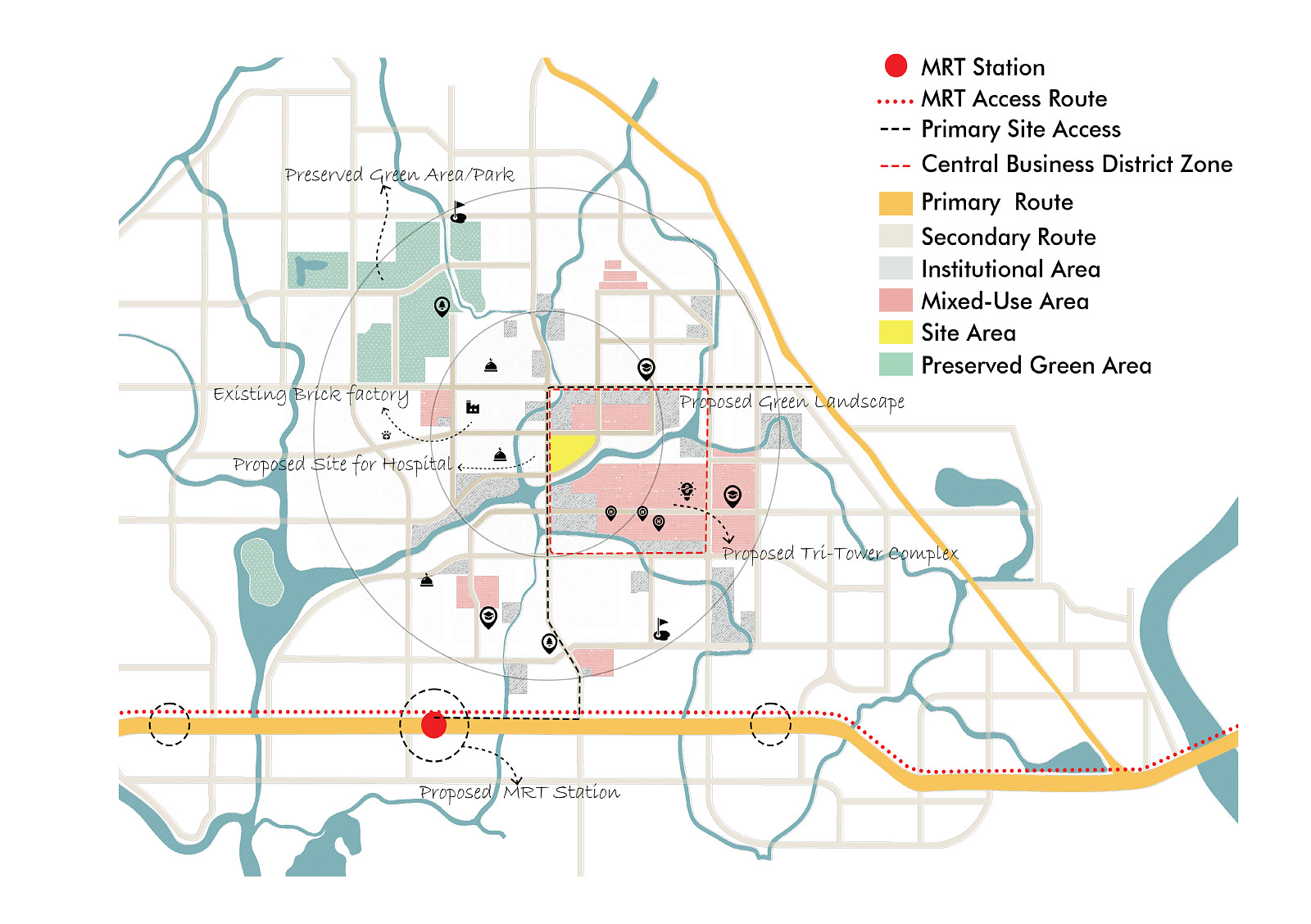
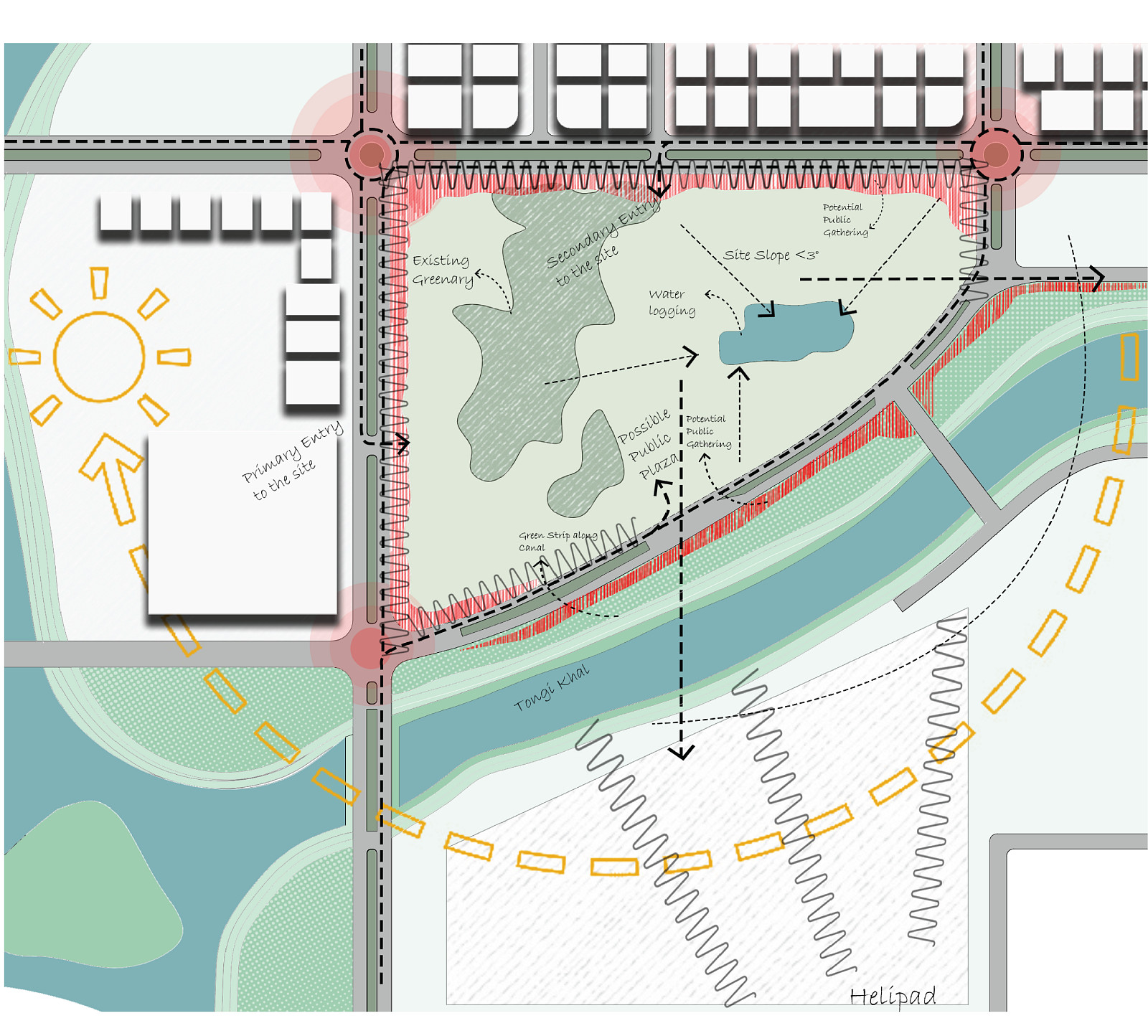
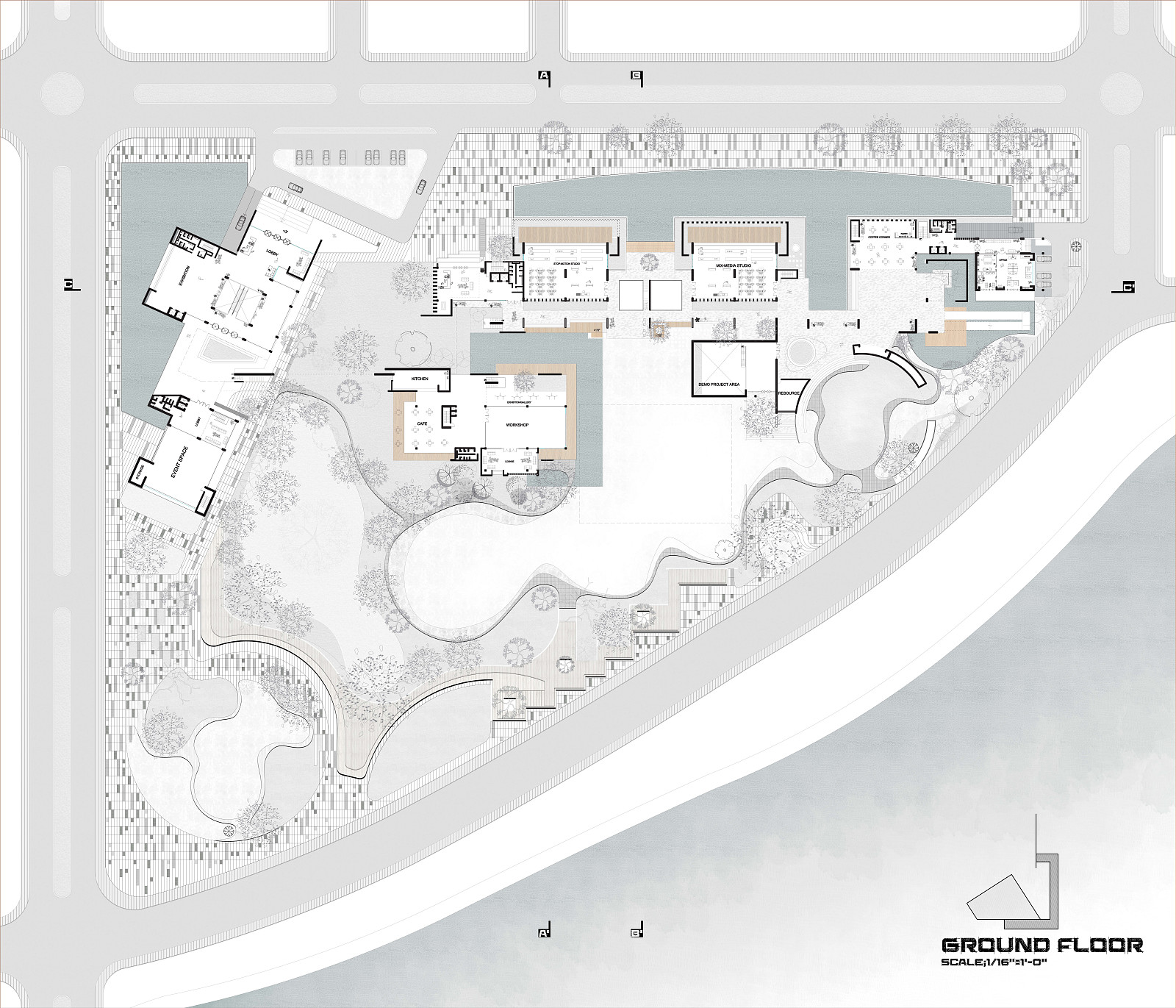
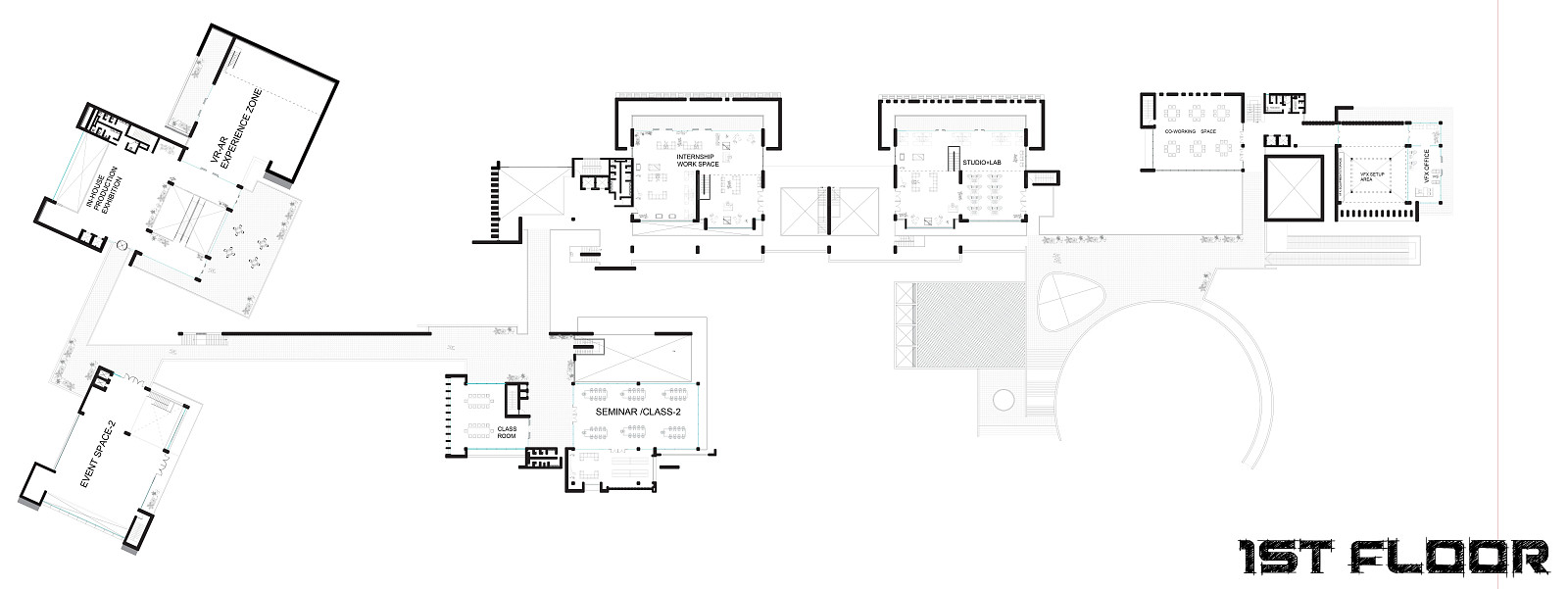
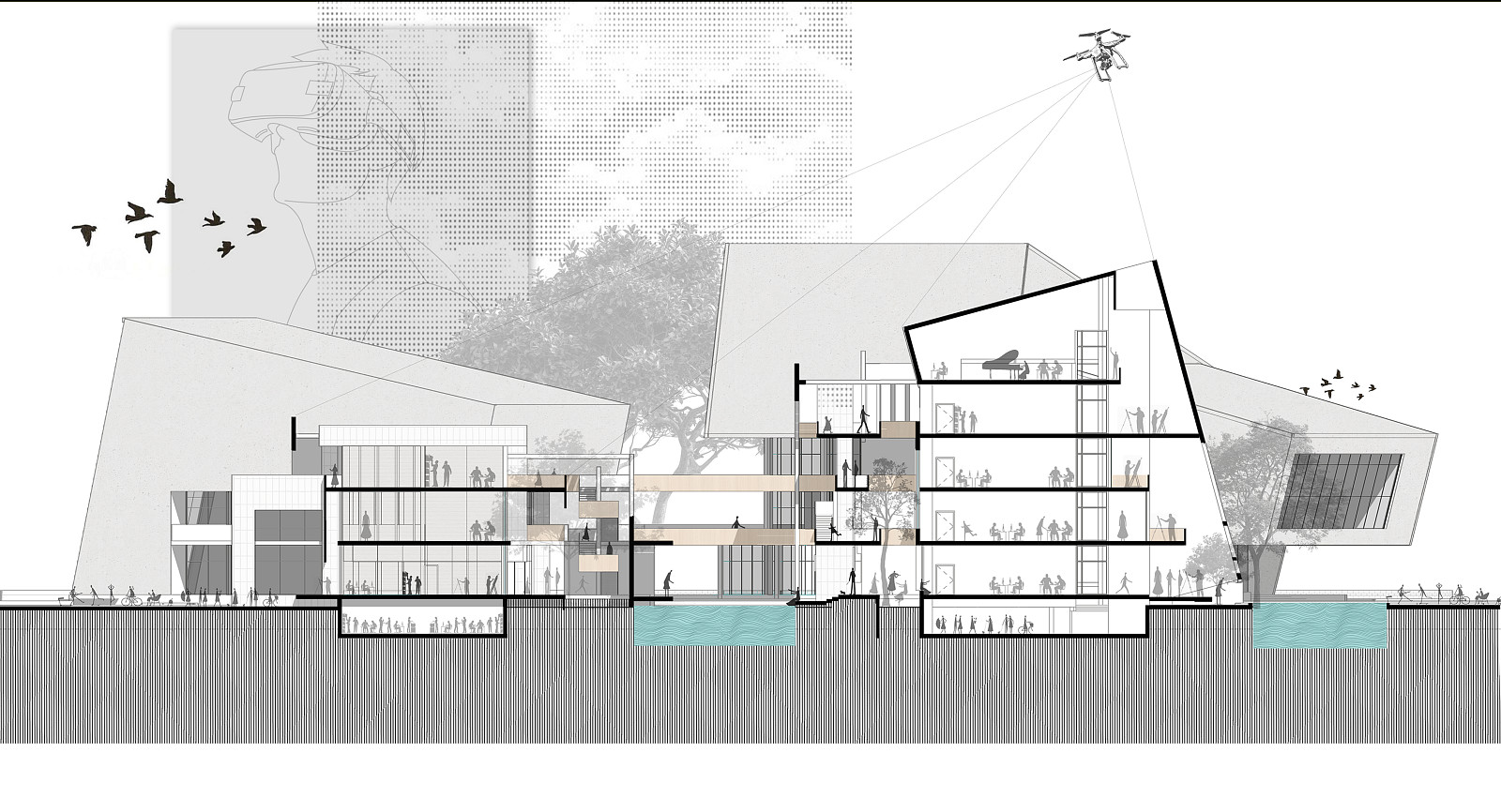
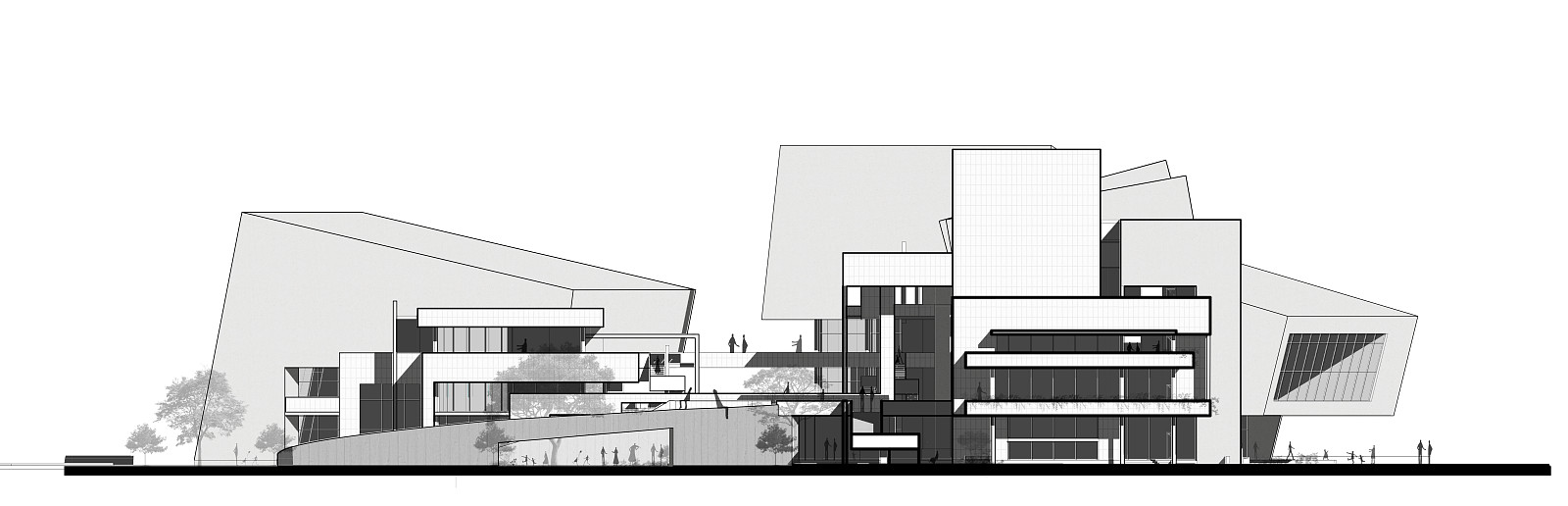
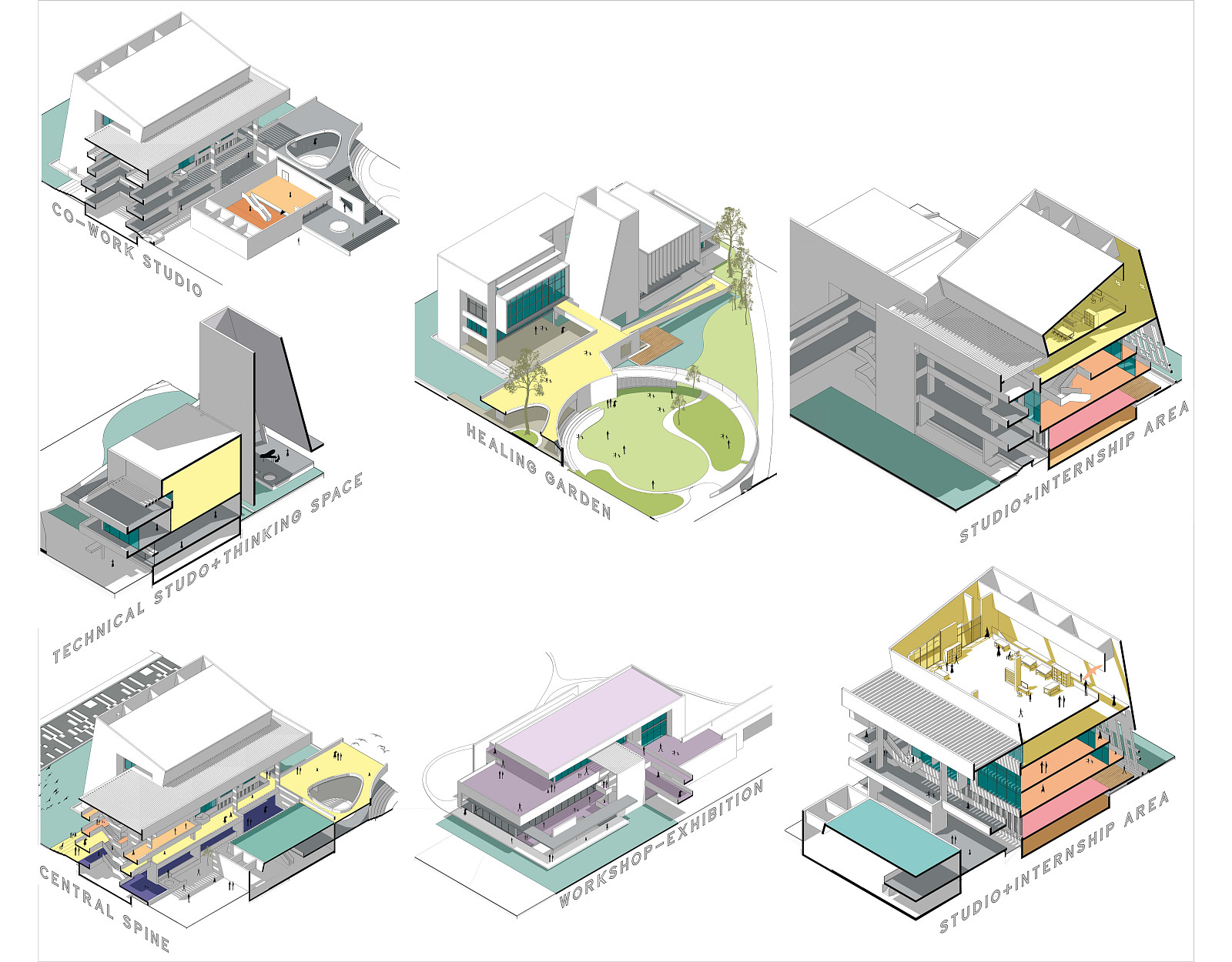
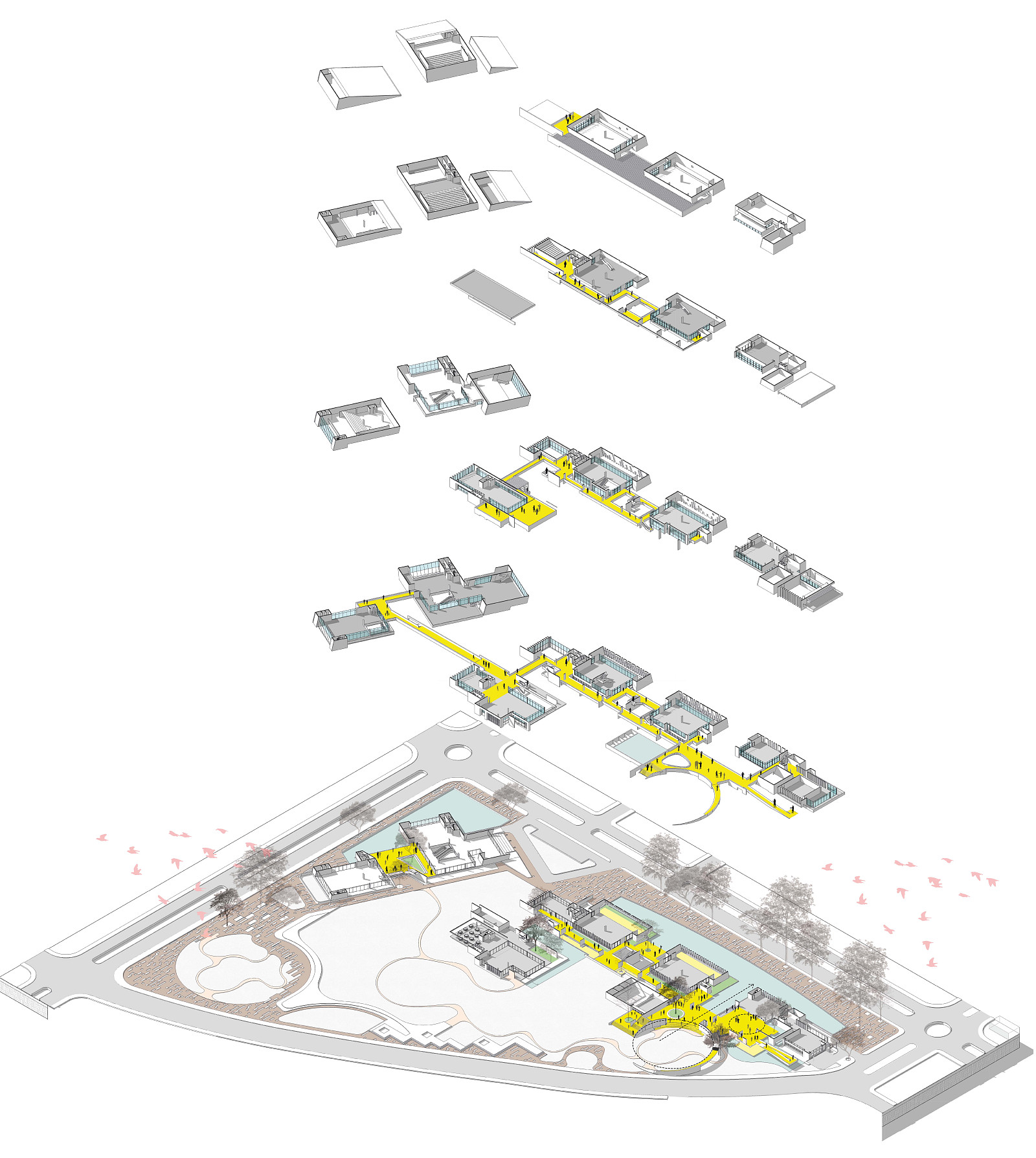
The Creative Milieu, located in Purbachal New Town, Dhaka, along the Tongi Khal blue-green corridor, is a comprehensive campus serving Bangladesh's animation, gaming, and esports communities through four interdependent programmatic layers. The Production layer provides specialized environments calibrated by light needs—such as controlled low-glare suites for digital rendering and diffused natural light zones for hand-drawn art—while the Training and Knowledge layer anchors the campus with a 3,500 sqft central library, research labs, and classrooms. Interstitial Shared and Collaborative functions like co-working hubs and breakout pods are strategically placed between production clusters to spark spontaneous cross-disciplinary exchange, while the public-facing Community and Support layer features an esports arena, game-testing experience center, and an amphitheater plaza. Structurally, the campus is organized around a linear green circulation spine with branching modular studios that create common courtyards, weaving in recreational waterbodies and breakout gardens designed to respond directly to the site's natural drainage patterns and monsoon flood vulnerability.
Technical information
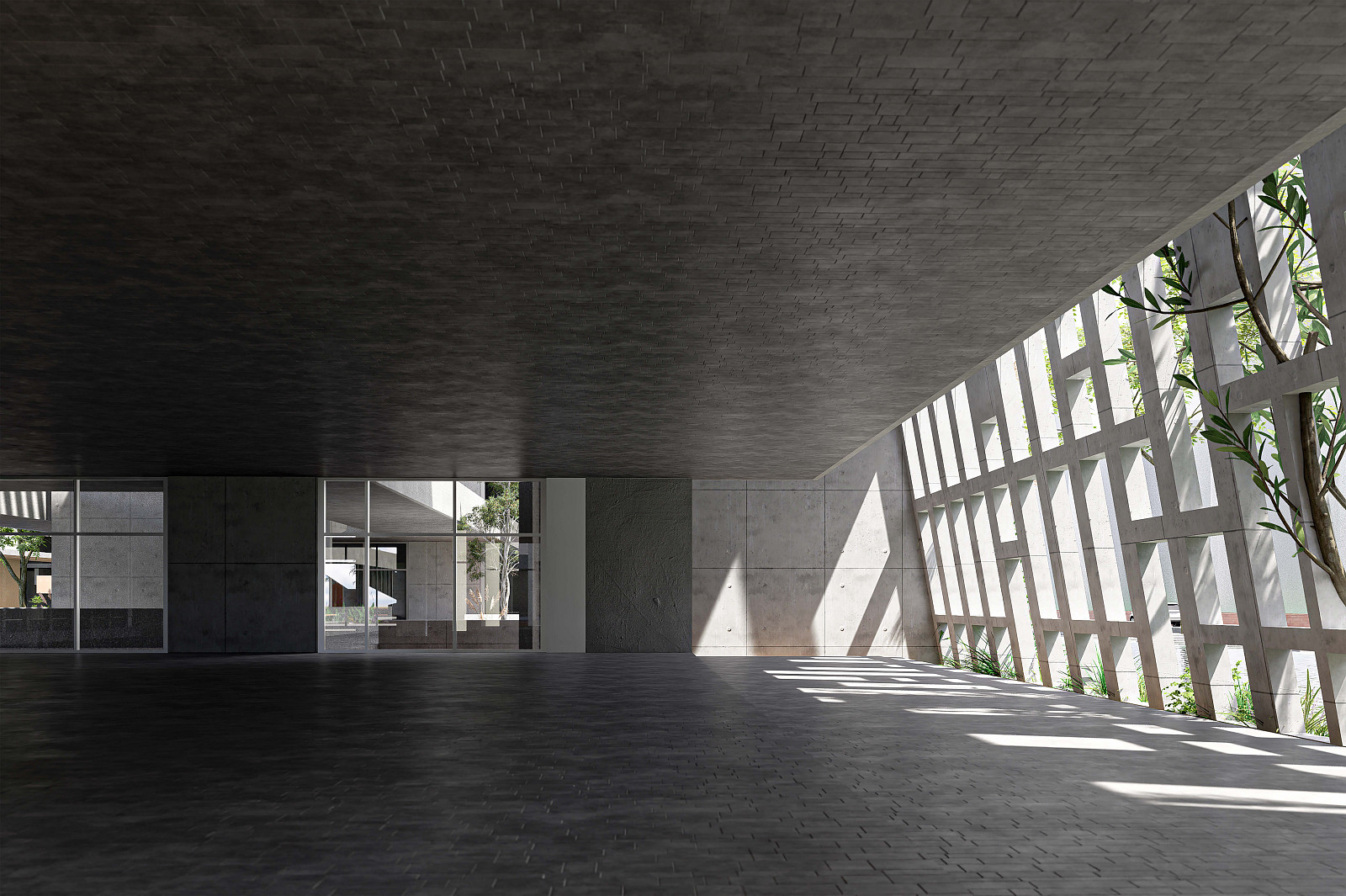
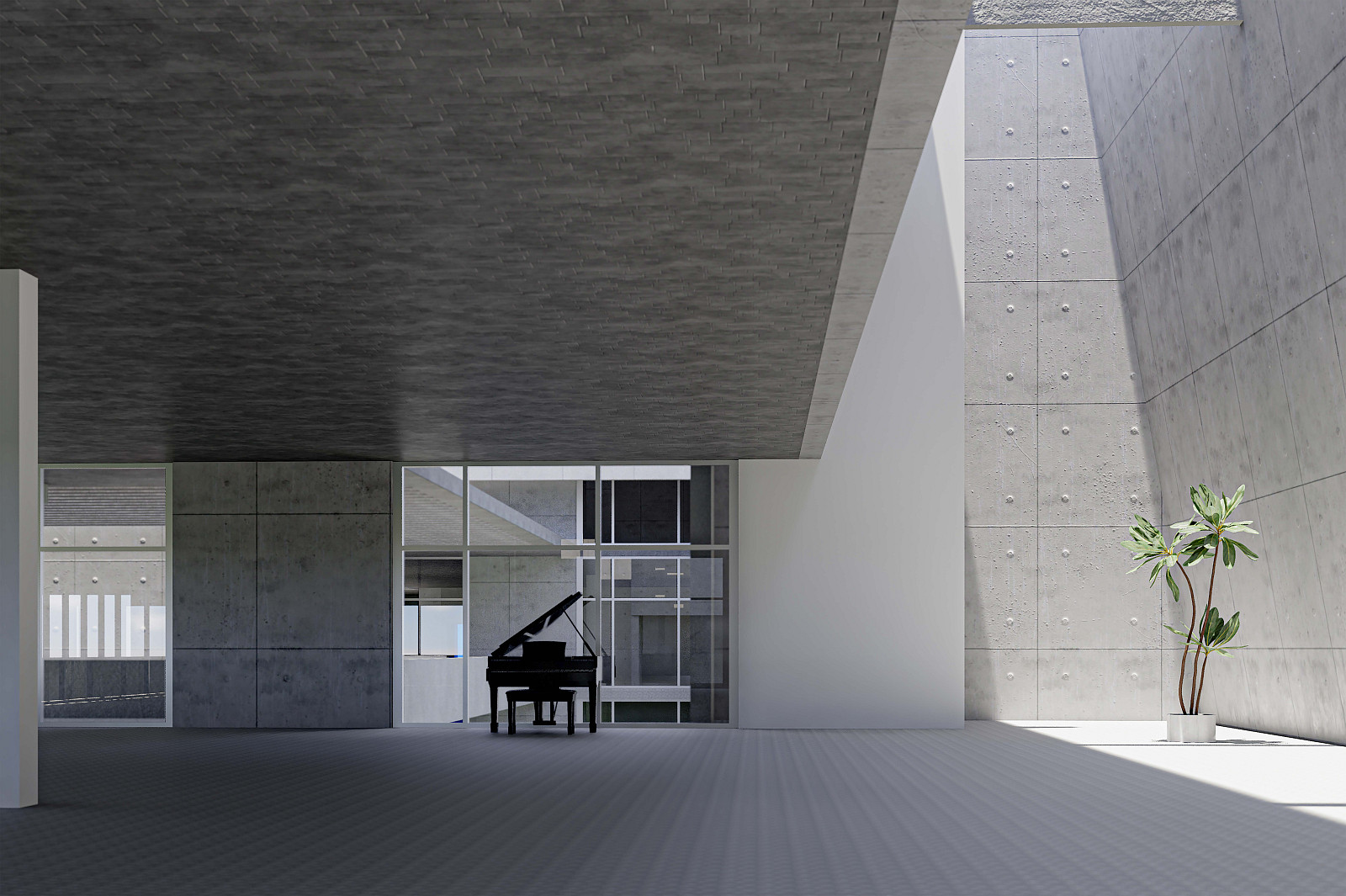
The architectural program of The Creative Milieu is not assumption-based — it is evidence-driven. Expert validation restructured the initial program by disaggregating animation production into four spatially distinct streams: 2D, 3D, VFX, and SFX — each carrying specific acoustic, lighting, equipment, and workflow requirements that a generic studio typology cannot accommodate. Experts further established a critical spatial duality: pre-production and post-production phases demand open, collaborative environments for collective ideation and review, while the production phase itself requires individual, acoustically controlled, focused workspaces — a distinction that directly shaped the zoning logic of every studio cluster on campus. User data sharpens this picture significantly. With 89.5% of students demanding personal space for deep focused work and 36.8% simultaneously valuing proximity for peer collaboration, the design cannot choose one over the other — it must hold both in spatial tension through threshold devices: sliding partitions, acoustic buffers, and intermediate breakout zones that allow a space to transition between modes without relocation. The severity of the 57.9% reporting screen fatigue confirms that restorative design is not a luxury amenity but a programmatic necessity — driving the integration of biophilic rest zones, sensory decompression gardens, and low-stimulus social spaces as non-negotiable elements of the campus sequence. 42.1% prioritizing natural light and 85% affirming that natural elements boost creativity together mandate that light — diffused, dynamic, and directional — functions as the campus's primary architectural material, responding to the site's Purbachal waterfront context through skylights, courtyard voids, and apertures calibrated to each work type. Controlled environments — rendering farms, SFX chambers, XR suites — are placed underground to eliminate acoustic bleed and thermal gain, while modular, rotation-broken massing with flexible servicing infrastructure ensures the campus outlasts its current technological moment without spatial obsolescence.

Copyright © 2026 INSPIRELI | All rights reserved. Use of this website signifies your agreement to the Terms of Use, Privacy Policy, and use of cookies.