NAHR AL KALB INSCRIPTION CENTER


Project idea
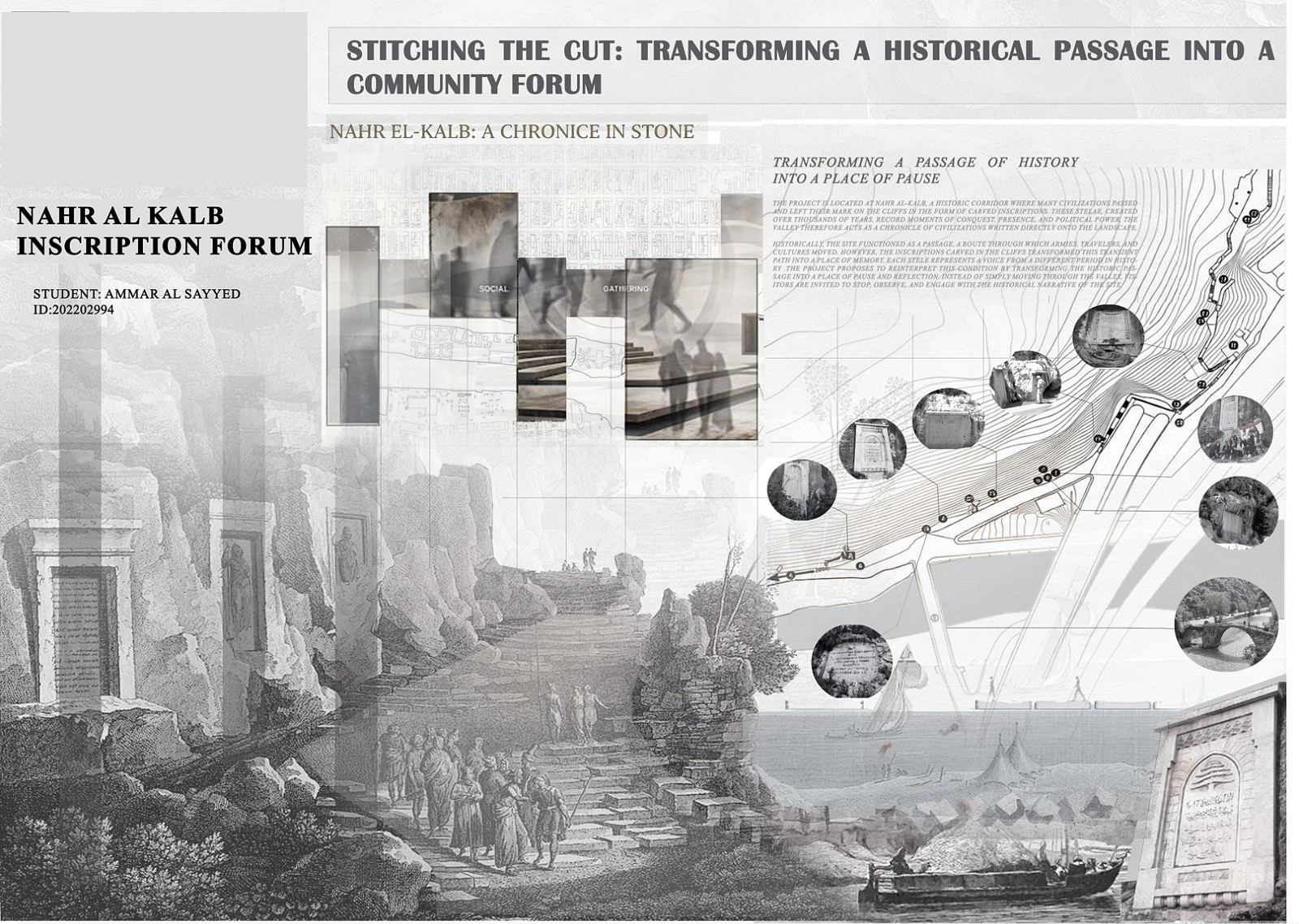
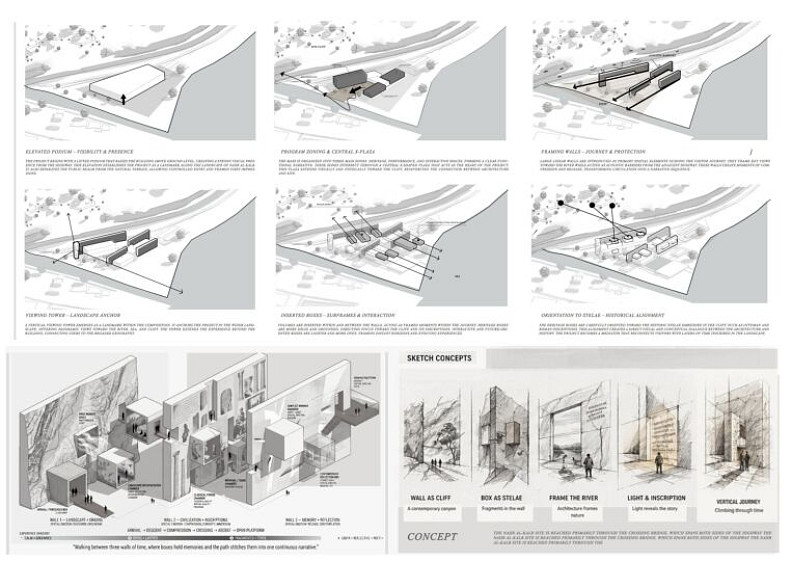
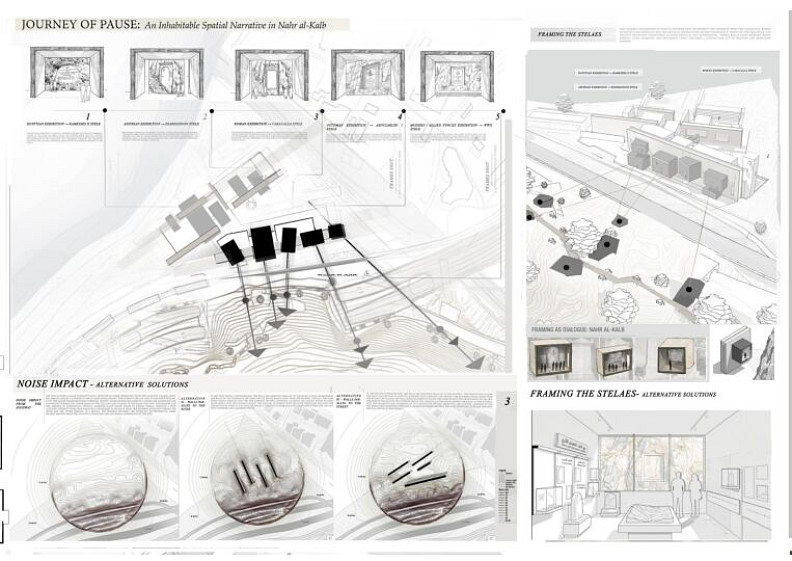
The idea of this project is to transform the historic valley of Nahr al-Kalb in Lebanon from a place of transit into a place of engagement, reflection, and collective memory. Inspired by the ancient stelae carved into the cliffs by successive civilizations, the project proposes a contemporary architectural intervention called the “Forum of Living Inscriptions.” This intervention acts as a new layer within the site’s evolving history, not as a monument of conquest, but as a space where contemporary society can interpret, experience, and contribute to the ongoing narrative of the valley.
Project description
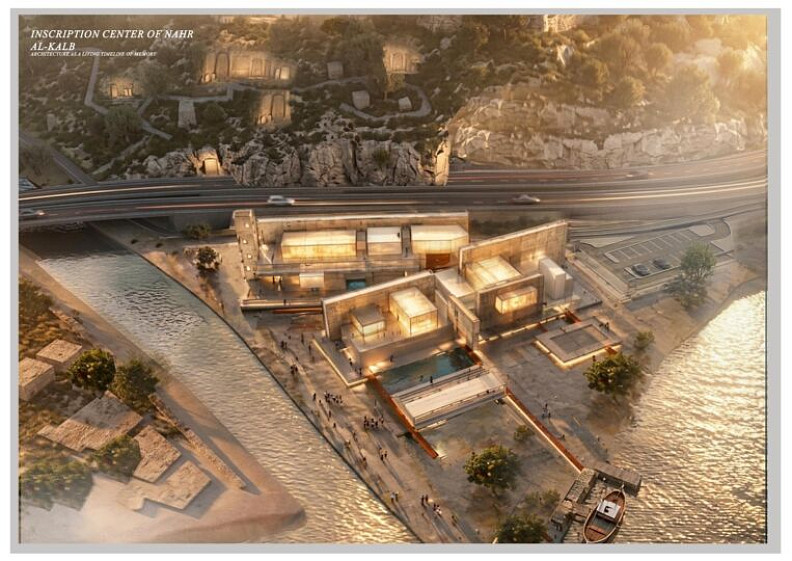
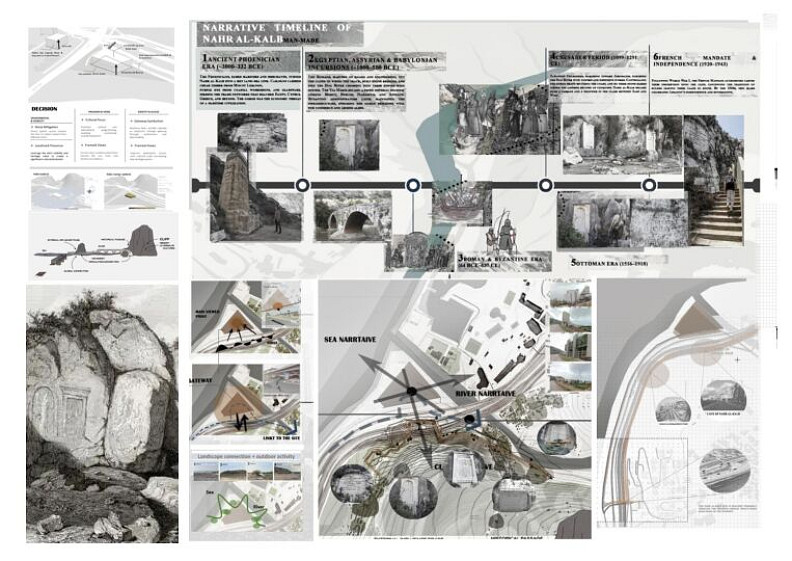
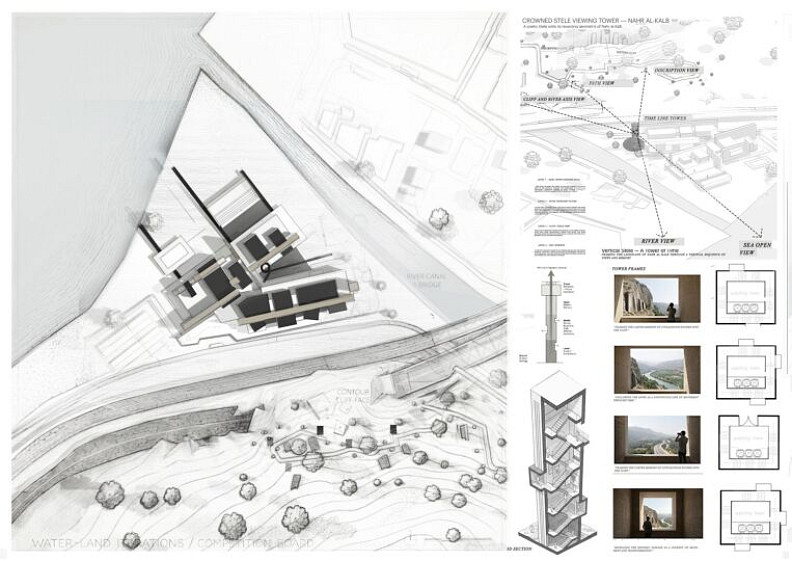
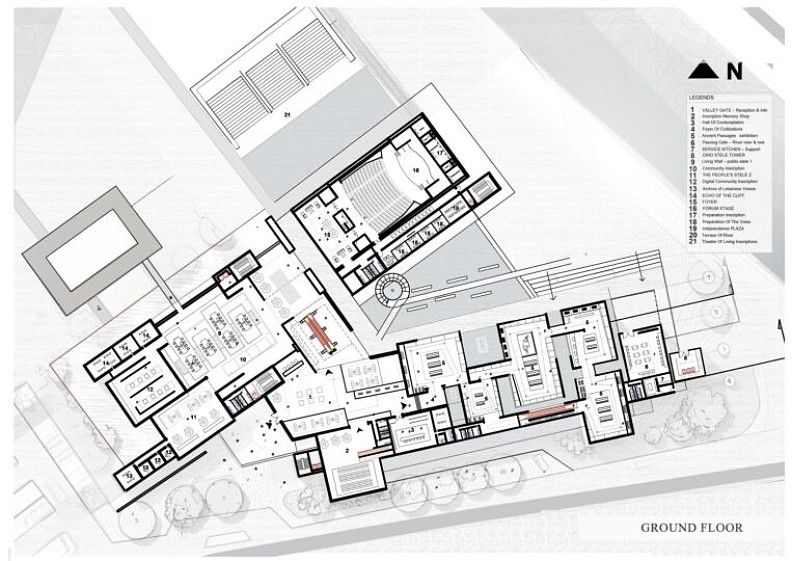
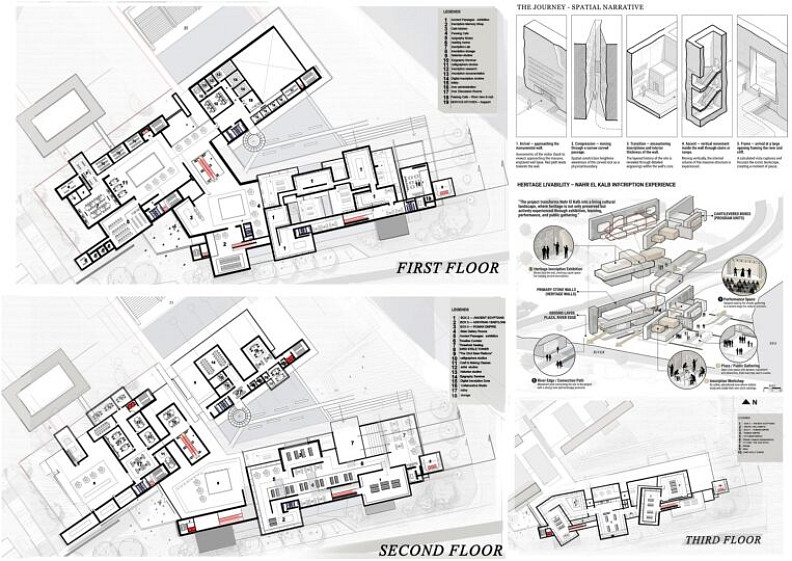
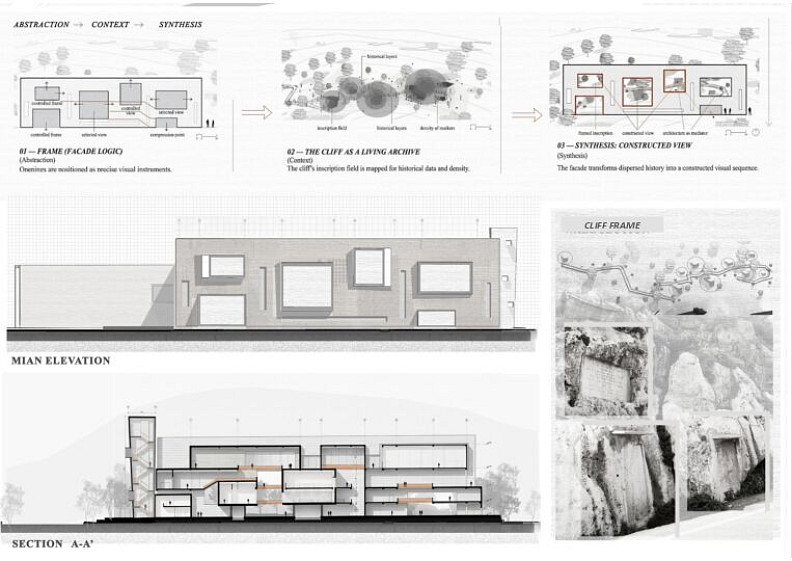
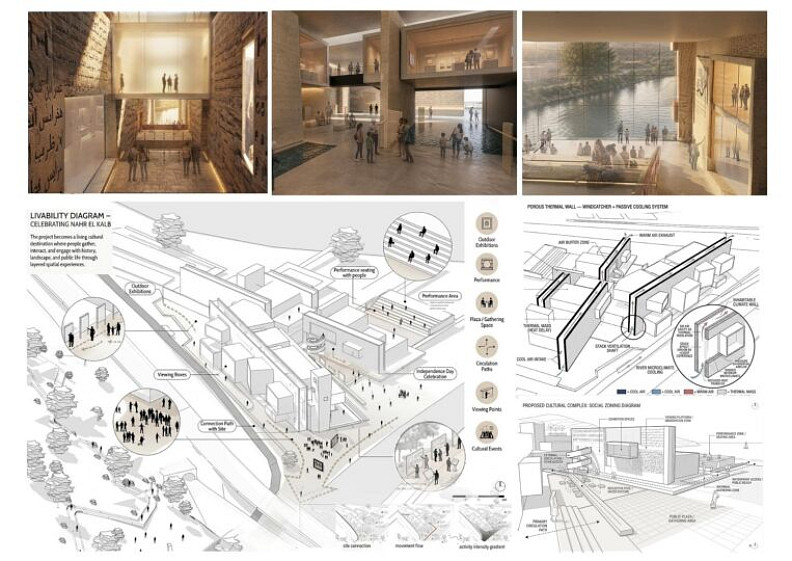
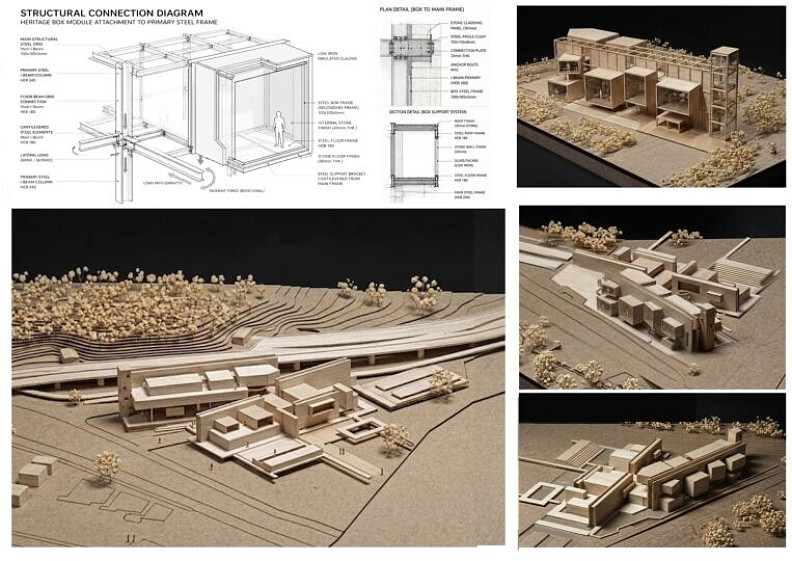
The project consists of a cultural and experiential forum integrated into the landscape of Nahr al-Kalb. Its main components include exhibition spaces, interpretive galleries, workshops, performance areas, outdoor plazas, terraces, and pathways that connect visitors with the historical inscriptions and the natural environment. The spatial organization is designed as a chronological and experiential journey, guiding visitors through sequences of narrow and open spaces that evoke movement through time and history. Visual connections to the cliffs and original stelae are carefully framed, ensuring a continuous dialogue between the contemporary architecture and the historical landscape. The project functions simultaneously as an archive of the past, a social gathering place, and a platform for future cultural expression.
Technical information
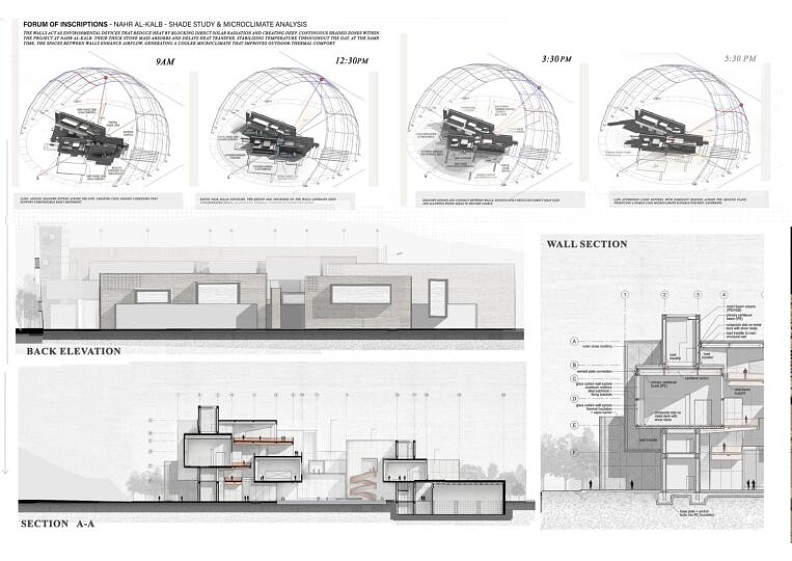
the project is designed with a contextual and material approach that responds to the geological and historical character of the site. The primary architectural elements are linear textured limestone walls that evoke the permanence and monumentality of the ancient stelae. Attached contemporary volumes are constructed using smoother materials such as concrete and refined stone, creating a contrast between historical memory and modern intervention. Natural and artificial lighting are integrated as key design elements to emphasize texture, atmosphere, and spatial experience. The architecture is embedded into the terrain, aligning with the site’s topography and extending into outdoor spaces that connect the built form with the river, cliffs, and surrounding landscape.
Documentation
Show PDF 1Show PDF 2Show PDF 3Show PDF 4Show PDF 5Show PDF 6Show PDF 7Show PDF 8Show PDF 9Show PDF 10Show PDF 11

Copyright © 2026 INSPIRELI | All rights reserved. Use of this website signifies your agreement to the Terms of Use, Privacy Policy, and use of cookies.