Nicosia National Library


Project idea
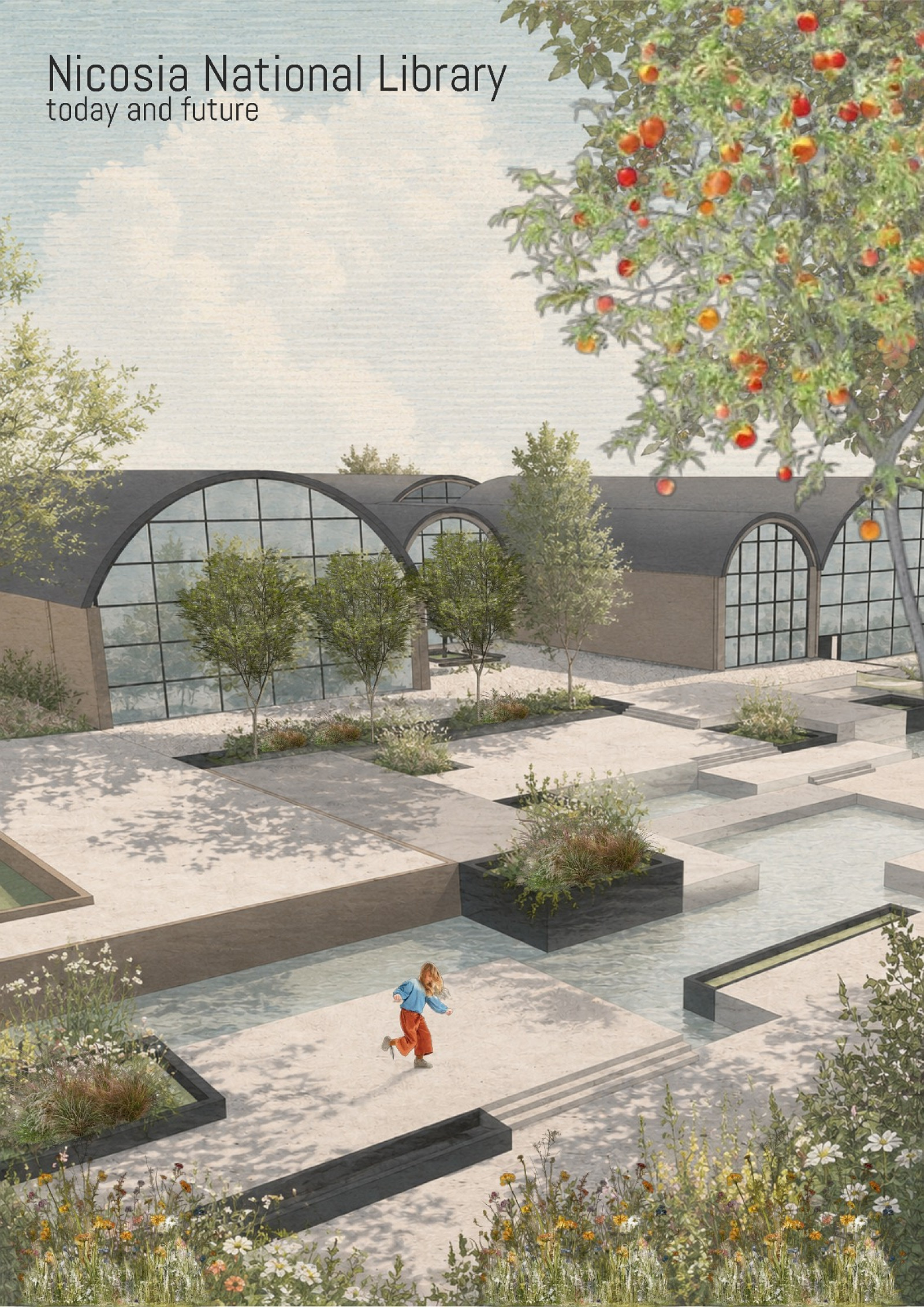
The National Contemporary Library is envisioned as more than a place for storing books; it is designed as a civic and cultural landscape that brings together knowledge, learning, interaction, and public life. Located in Lefkoşa, the project creates a dynamic environment where architecture, movement, and community are integrated into a single spatial experience.
The design concept is based on the relationship between Structure, Space, and Movement. A series of large-span structural arches define the architectural identity of the building while creating open, flexible, and light-filled interior spaces. The structure itself becomes the main architectural expression, guiding visitors through different levels and functions of the library.
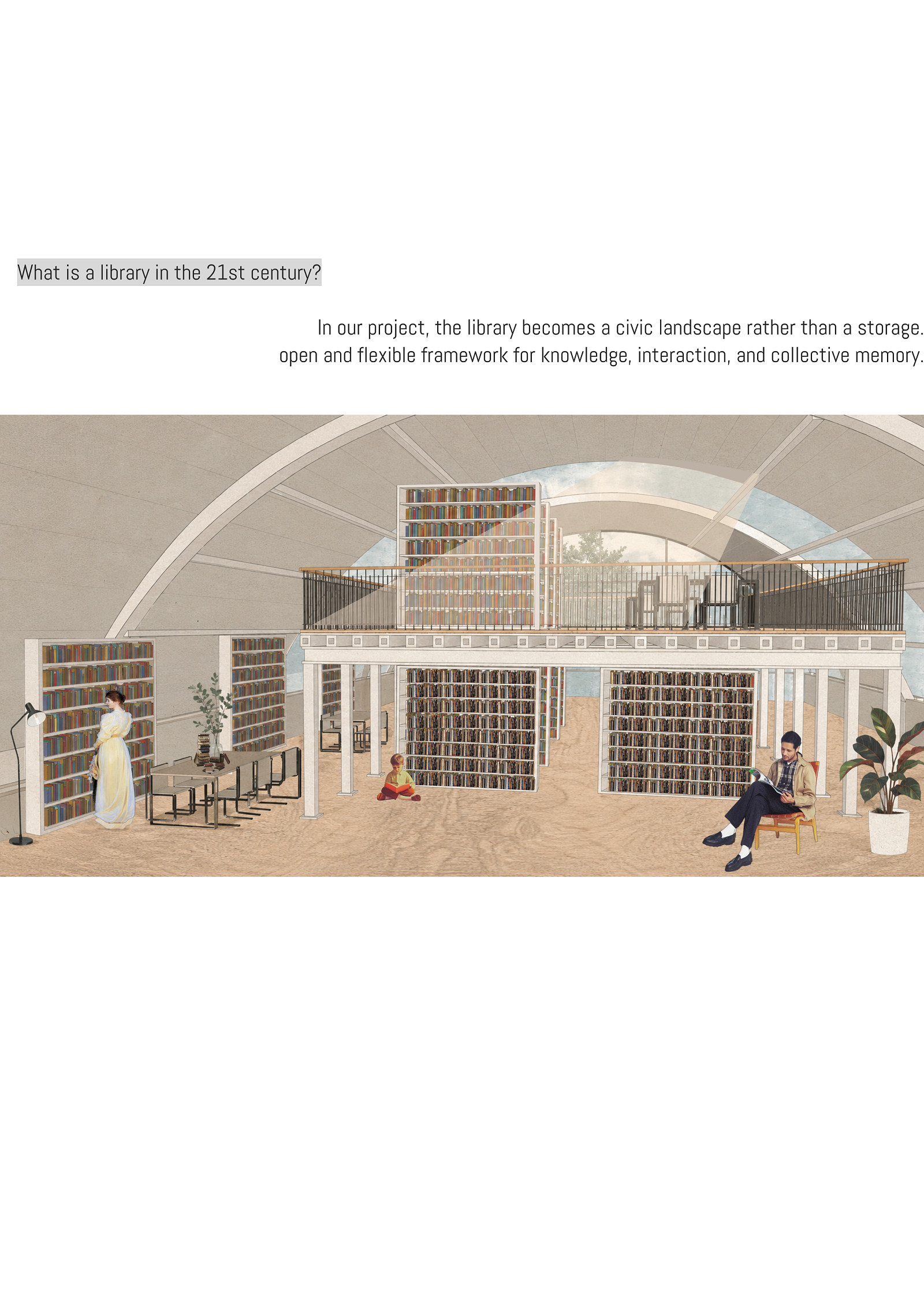
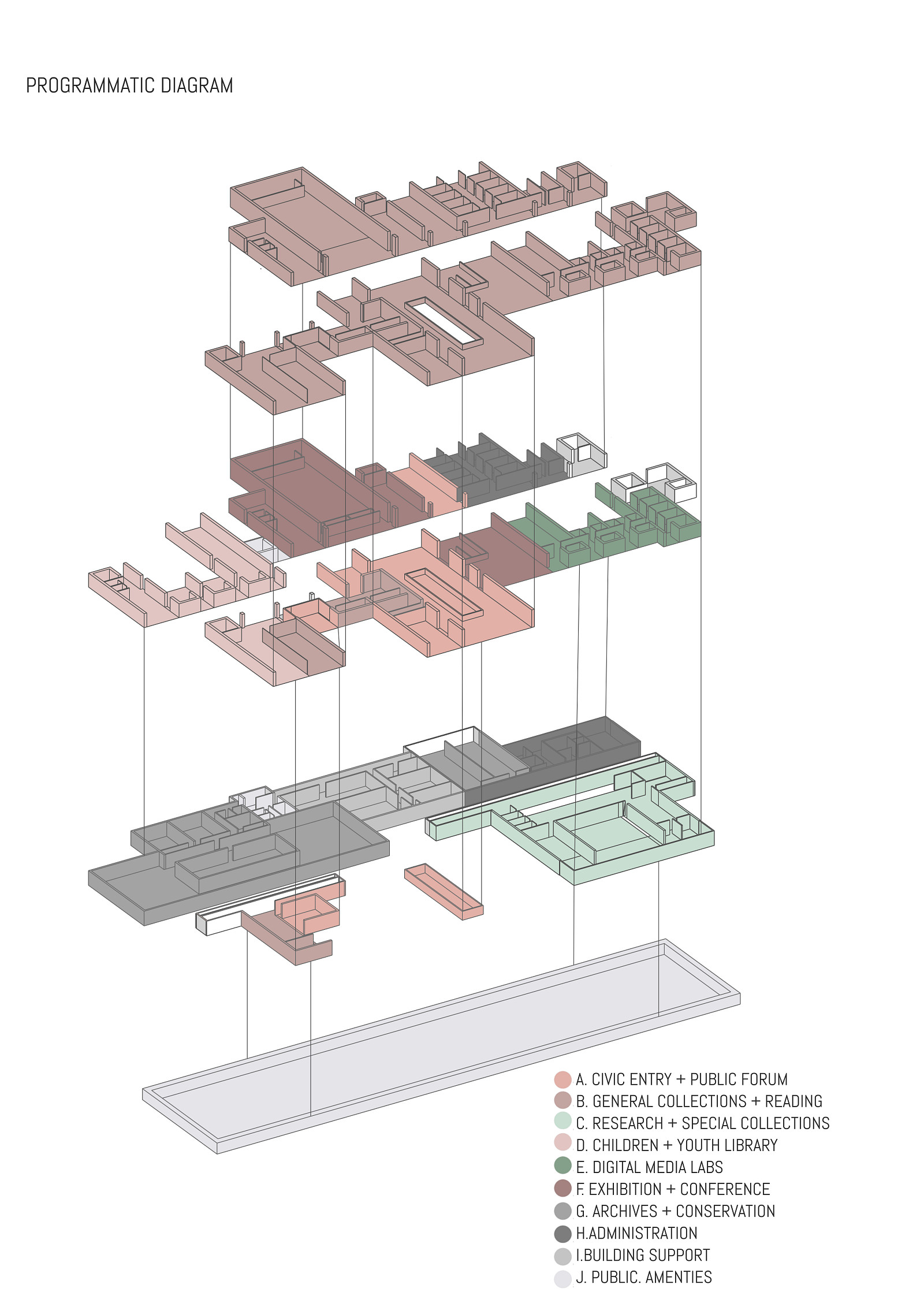
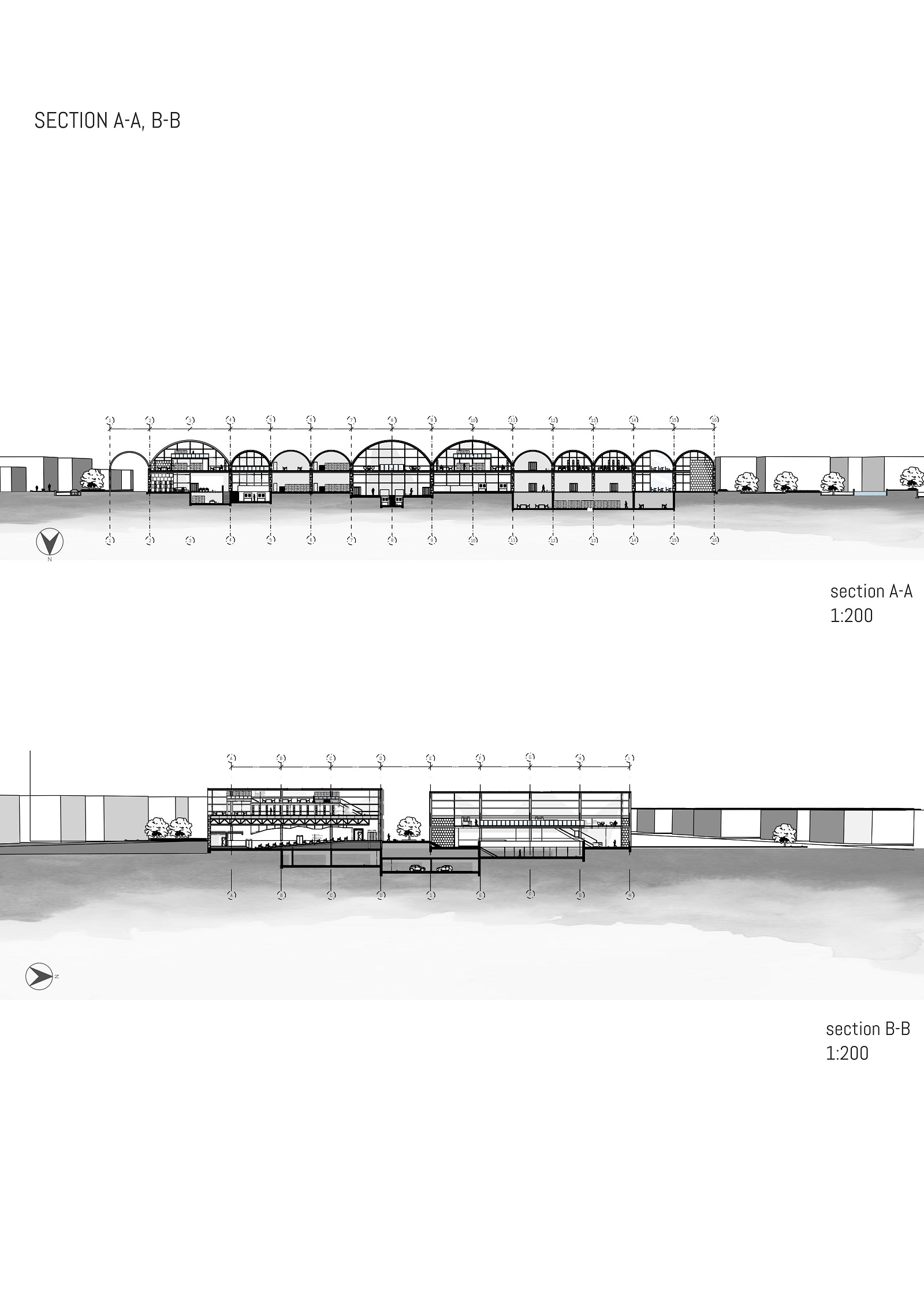
The ground floor acts as an open public platform containing exhibition spaces, gathering areas, a café, and community facilities that encourage social interaction. Upper levels accommodate reading halls, research spaces, digital learning environments, and collaborative study areas, while archival and technical functions are located on the lower levels.
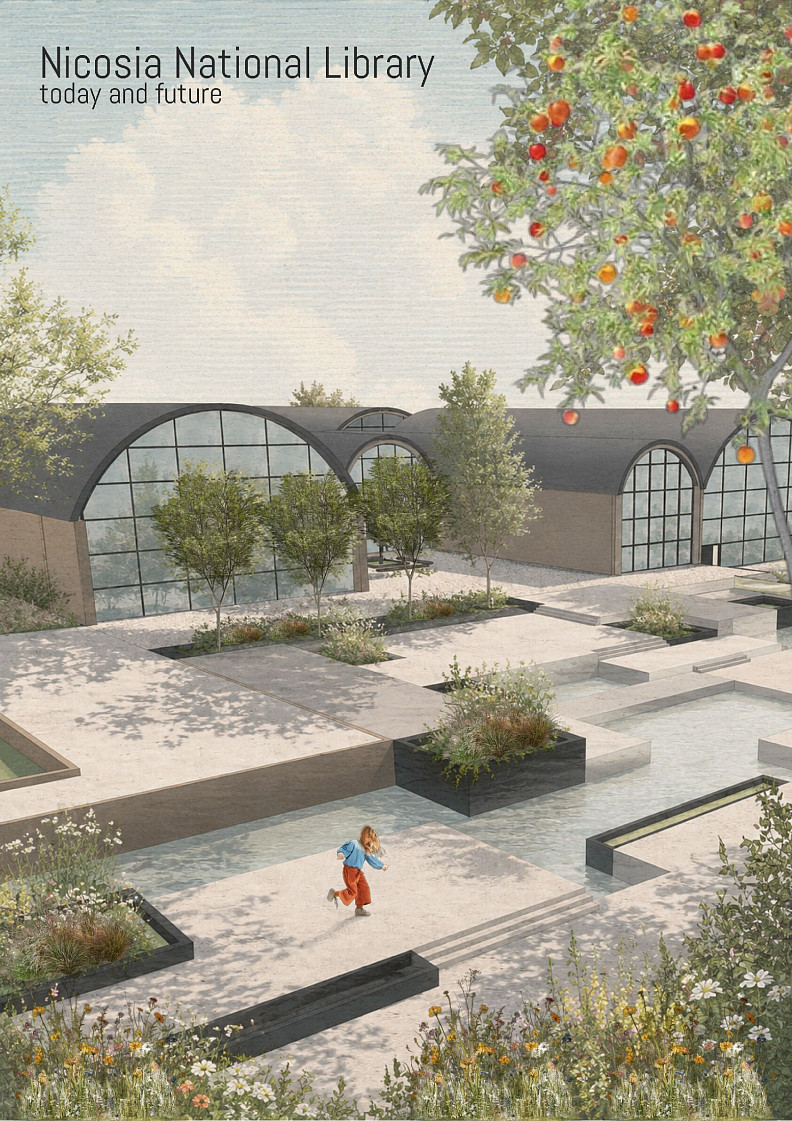
The project aims to blur the boundary between building and landscape by extending public space into the library. Terraces, visual connections, level changes, and open circulation routes create a continuous experience that encourages exploration and engagement. Natural daylight, transparency, and flexible learning environments support contemporary educational needs while providing comfortable spaces for users.
As a civic landmark, the National Contemporary Library represents knowledge as an accessible public resource, creating a place where education, culture, research, and community life come together within a memorable architectural form.
Project description
The National Contemporary Library is designed as a modern civic institution that serves as a center for knowledge, culture, research, and public engagement in Lefkoşa, Northern Cyprus. The project redefines the traditional library by creating a multifunctional environment where learning, social interaction, and cultural activities coexist within a contemporary architectural setting.
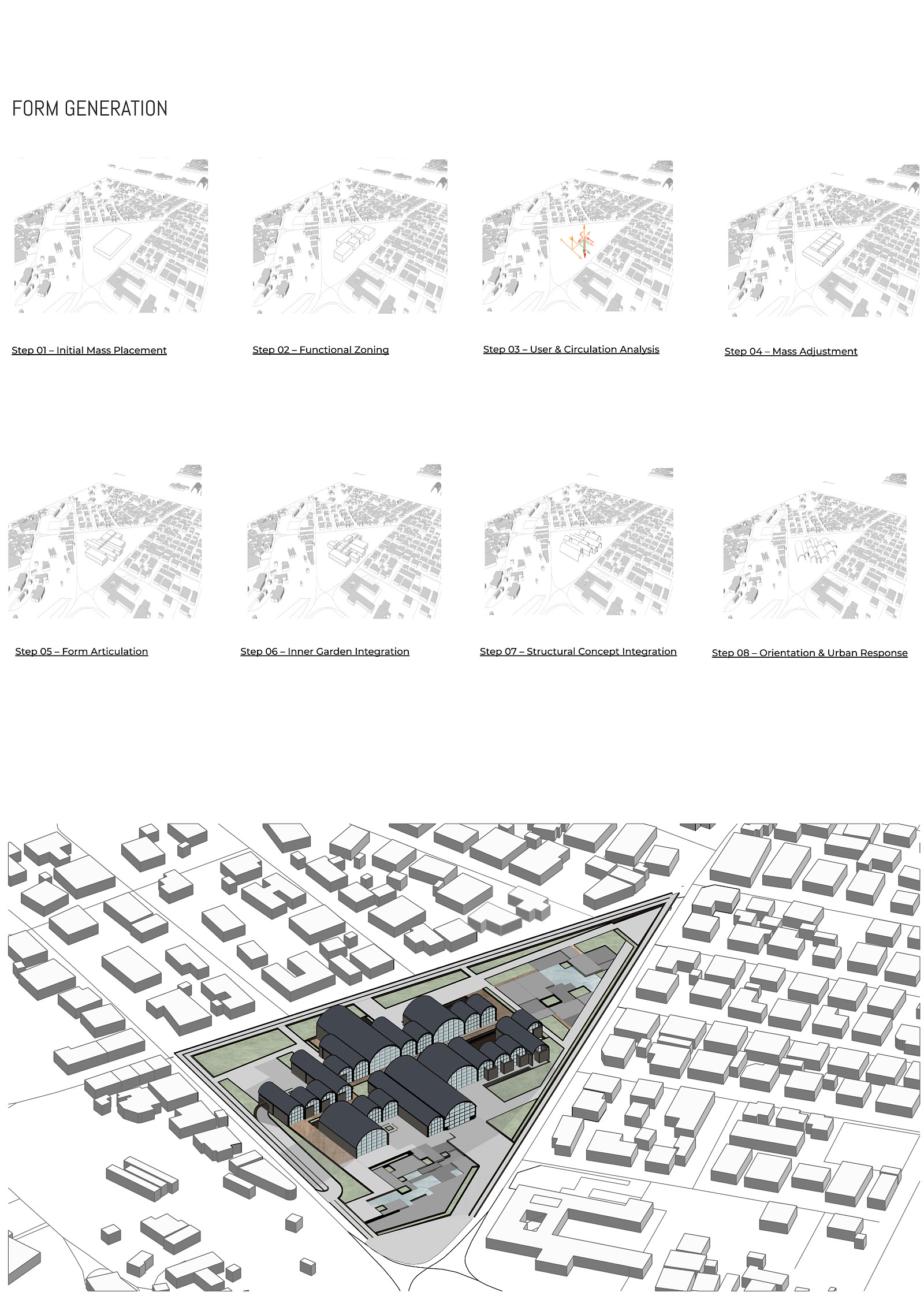
The architectural concept is based on the integration of Structure, Space, and Movement. Large-span structural arches form the primary architectural framework, generating open and flexible spaces while establishing a strong visual identity. The structure is expressed as a key design element, shaping both the interior experience and the external appearance of the building.
The library accommodates a wide range of functions including reading areas, research spaces, digital learning environments, archives, exhibition galleries, conference facilities, study rooms, administrative offices, and public amenities. These functions are organized vertically to create clear spatial relationships and efficient circulation throughout the building.
Public activities are concentrated on the ground level, encouraging accessibility and interaction with the surrounding urban environment. Upper levels provide quiet learning and research spaces, while archive and service functions are located on the lower levels. Visual connections between floors enhance orientation and create a sense of openness throughout the building.
The project emphasizes natural daylight, transparency, and spatial flexibility to support contemporary learning methods. By combining educational, cultural, and social functions within a unified architectural framework, the National Contemporary Library becomes a civic landmark that promotes lifelong learning, knowledge sharing, and community engagement.
The project aims to create an inspiring public destination where architecture supports both individual study and collective experience, reflecting the evolving role of libraries in contemporary society.
Technical information
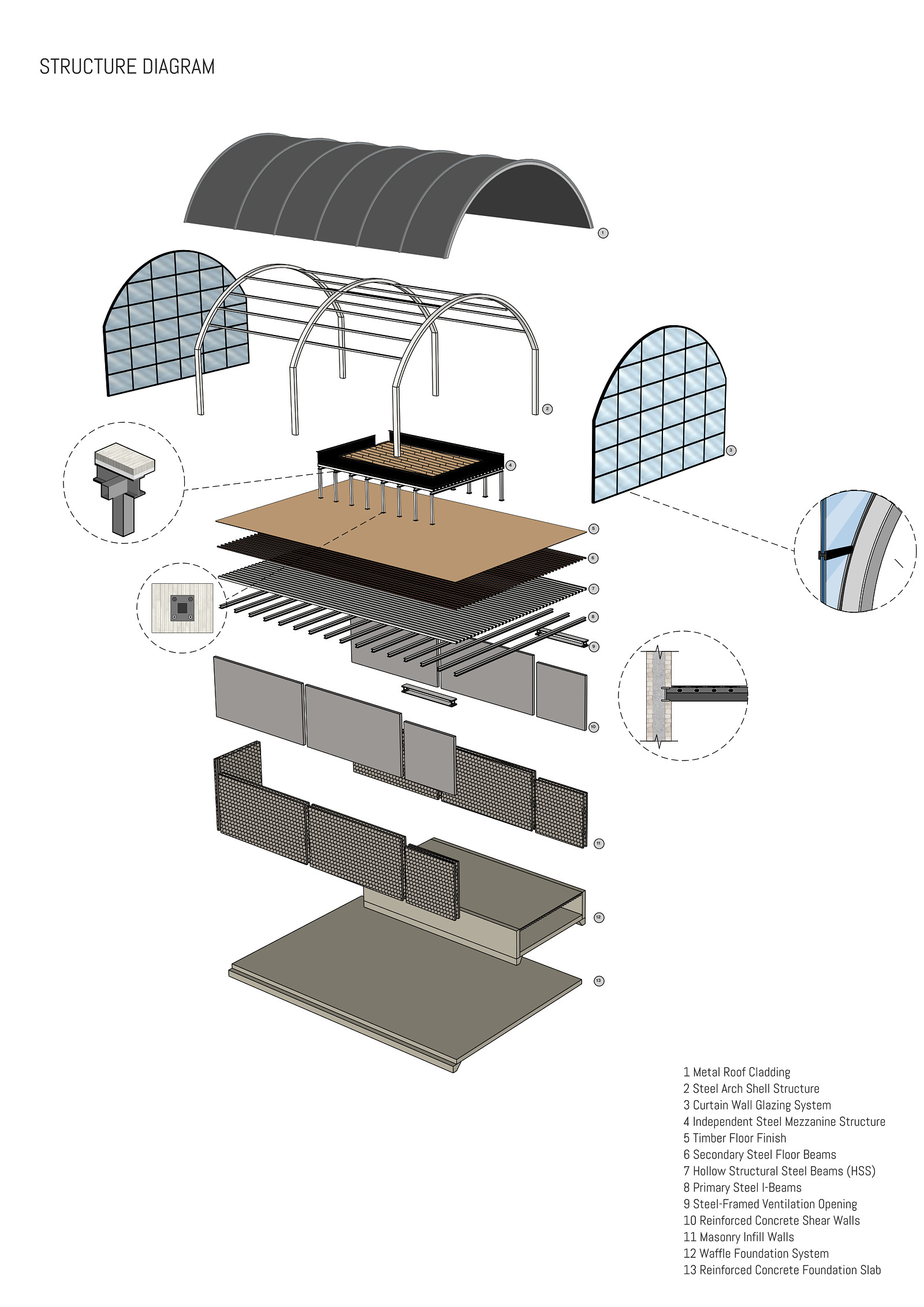
The structural system of the National Contemporary Library is based on a combination of long-span steel arches, reinforced concrete elements, and masonry infill walls. The primary load-bearing structure consists of steel arches that create large, open interior spaces while defining the architectural identity of the building. These arches support the roof structure through a system of secondary steel beams and reinforced concrete floor slabs.
Reinforced concrete cores, walls, and slabs provide overall stability and resistance to lateral loads, ensuring the structural performance of the building. In areas with smaller spans, reinforced concrete structural walls are combined with masonry infill walls to create durable and efficient enclosure systems. The masonry infill walls are non-primary structural elements positioned between reinforced concrete components, contributing to thermal performance, spatial definition, and façade composition.
The combination of exposed steel arches, reinforced concrete structural elements, and masonry infill walls creates a balanced structural solution that allows for flexibility, durability, and architectural expression while supporting the functional requirements of a contemporary public library.
Documentation

Copyright © 2026 INSPIRELI | All rights reserved. Use of this website signifies your agreement to the Terms of Use, Privacy Policy, and use of cookies.