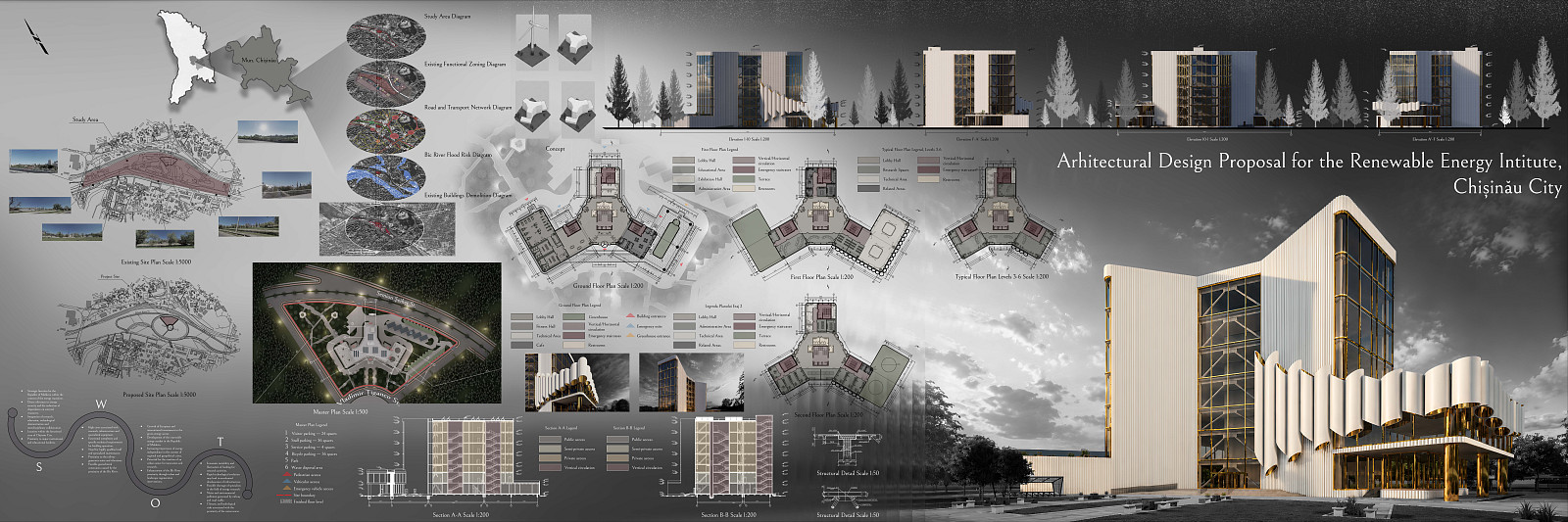
Architectural Design Proposal for the Renewable Energy Institute, Chișinău City


Project idea
The study of renewable energy is essential for reducing carbon emissions, increasing energy independence, and creating new jobs. It provides us with the solutions needed to combat climate change and ensure sustainable economic development without depleting the planet’s resources.
Exploring this field brings major benefits on multiple fronts:
Environmental Protection: Replacing fossil fuels with sources such as solar, wind, or hydroelectric power drastically reduces greenhouse gas emissions and air pollution.
Energy Independence: Local energy production prevents dependence on imports of conventional resources, providing stability and resilience in the face of crises.
Economic Development: The energy transition stimulates innovation and generates a wide range of new employment opportunities in engineering, installation, and maintenance.
Energy Efficiency: It enables the implementation of smart technologies and storage solutions tailored to current needs.
According to the Moldovan Ministerial Council’s decision of February 2022, the share of renewable energy in gross final energy consumption is expected to be at least 27% by 2030. In this context, the Government is drafting and approving the Regulation on the organization and operation of renewable energy communities.
Project description
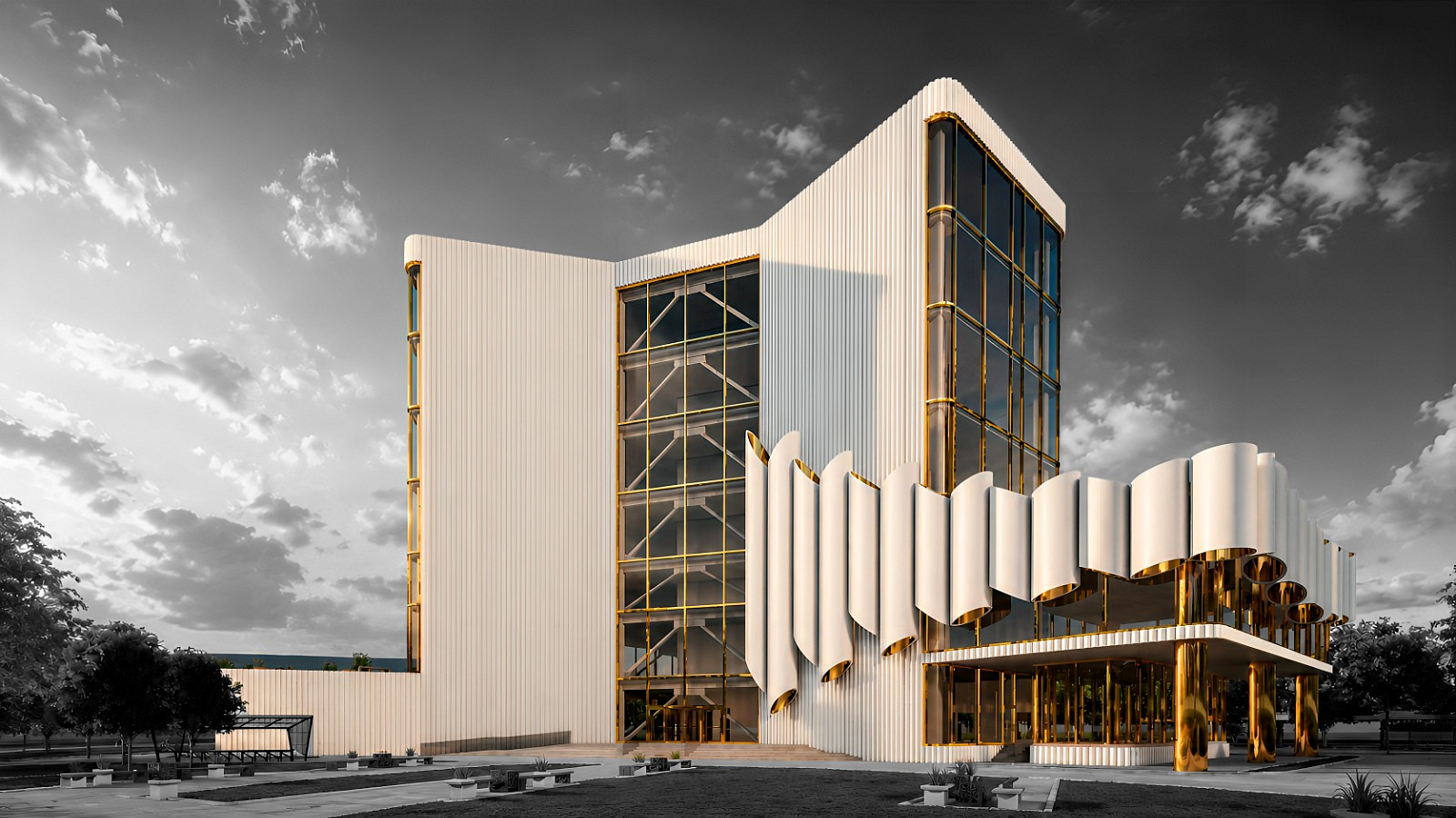
The aim of this project is to develop the architectural design for a Renewable Energy Institute, intended for research, education, innovation, and the promotion of sustainable technologies in the energy sector. The project aims to create a contemporary public building, adapted to the urban and climatic conditions of the Republic of Moldova, which will contribute to the development of the renewable energy sector and the promotion of energy efficiency principles.
The project aims to integrate several complementary functions into a single architectural structure: scientific research, educational activities, administration, public spaces, exhibition areas, and auxiliary functions. Through the proposed solutions, the project aims to create a building that is functionally, structurally, and energetically efficient, aligned with the principles of nearly zero-energy buildings (nZEB).
Technical information
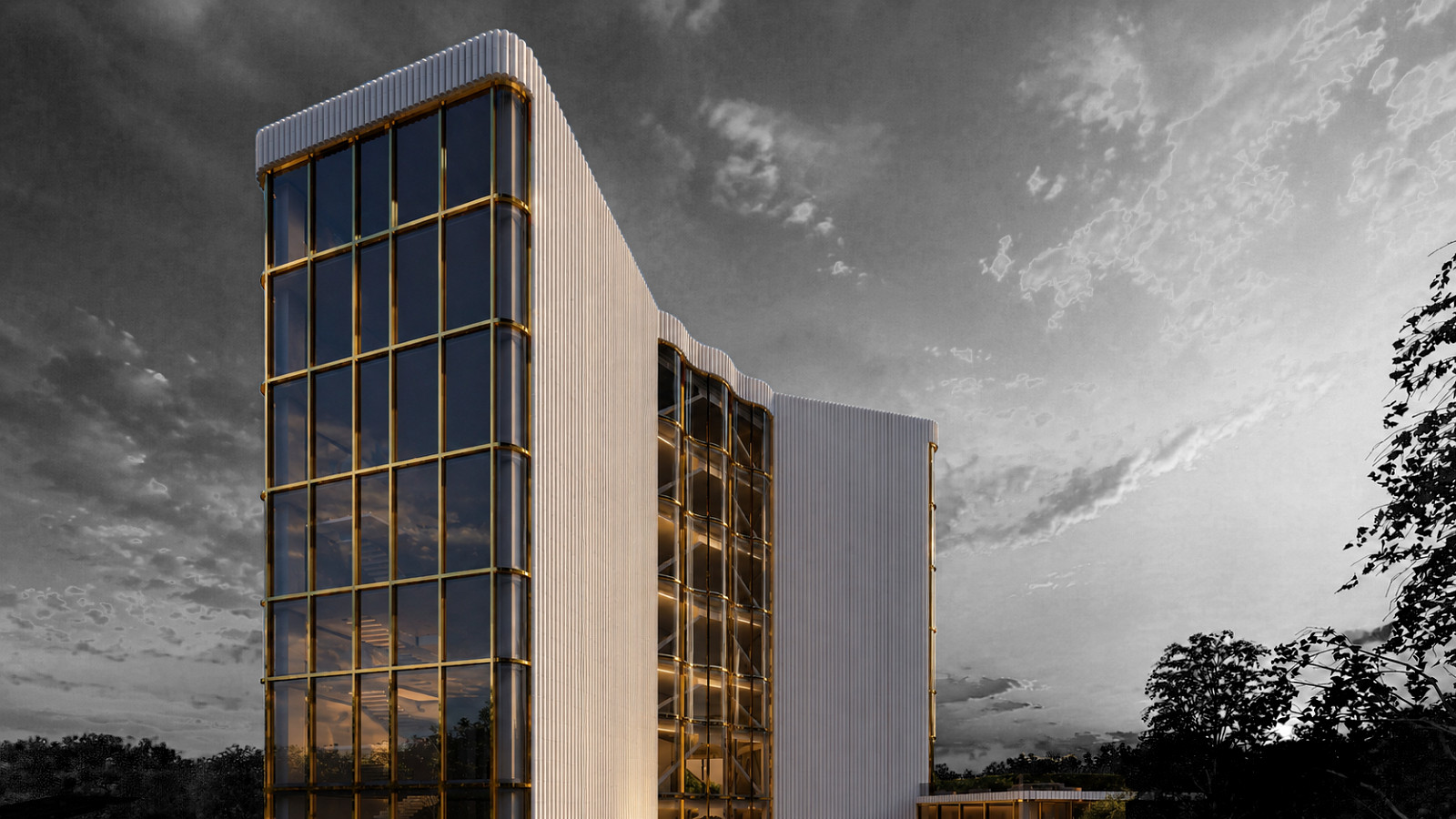
The building’s structural design is based on a mixed system of monolithic reinforced concrete, tailored to the floor plan, the building’s form, and the functional requirements of the Institute for Renewable Energy. The primary structural system consists of vertical and horizontal reinforced concrete elements, supplemented by secondary steel structures used in areas requiring light openings, enclosure elements, façade substructures, canopies, or architectural components. Viewed as a whole, the building has a clear and coherent structural layout. Gravitational loads are transmitted from the technical terrace and the floor slabs to the structural fields of each level, then to the columns, core, and piers, and finally to the general foundation slab and foundation piles. Horizontal forces are primarily absorbed by the central reinforced concrete core, locally reinforced by inverted-V steel bracing, while the floor slabs function as structural and load-distribution elements on each floor. The proposed solution meets both the functional requirements of the Institute—which call for generous openings, flexible spaces, and the integration of energy technologies on the roof—and the site conditions and structural safety requirements.
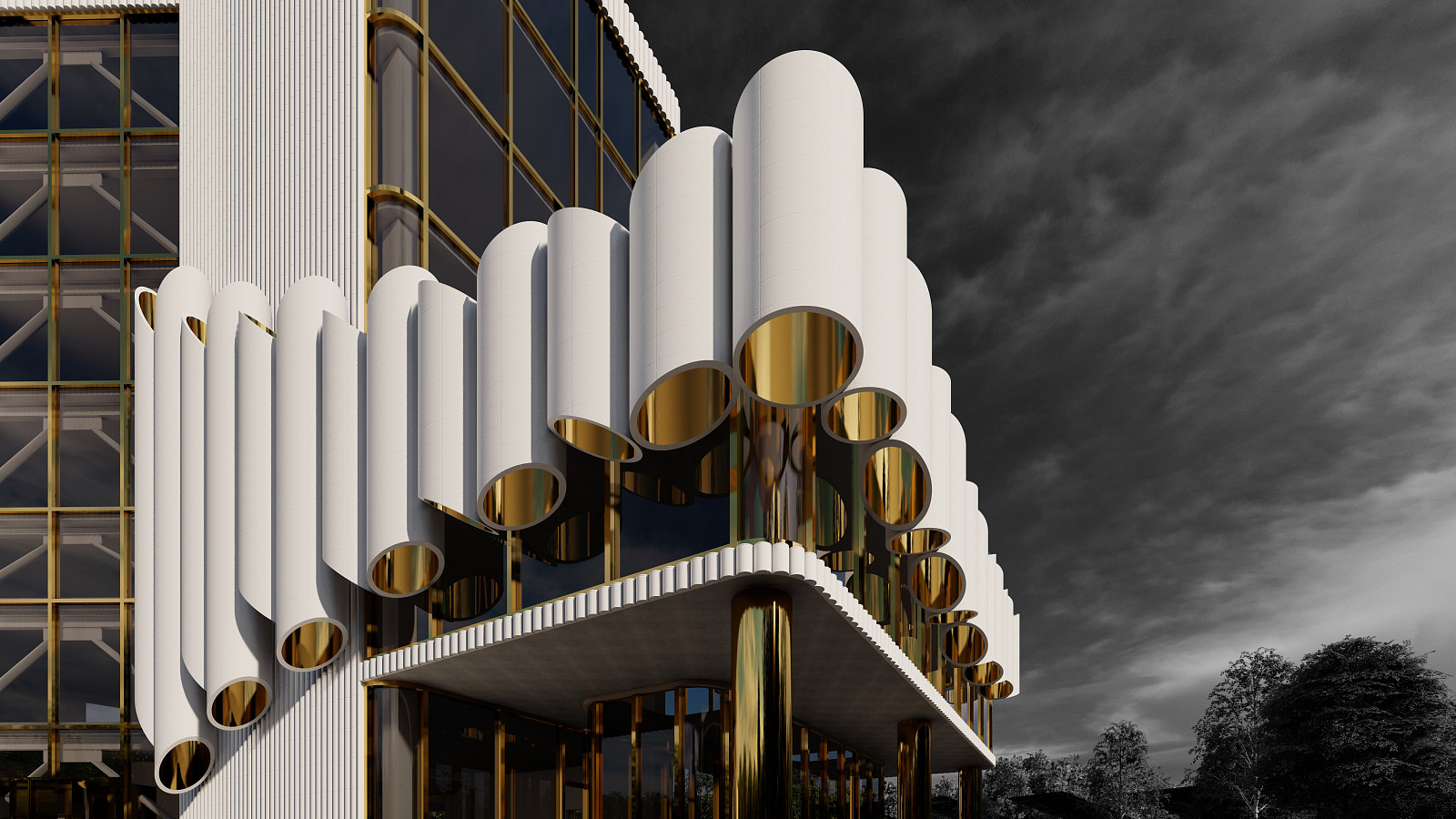
The materials used for facade finishes are selected to meet requirements for durability, fire safety, energy efficiency, and low maintenance. In the case of a public building with educational and research functions, the building envelope must ensure not only weather protection but also a high level of indoor comfort. Therefore, the combination of an opaque ventilated facade and high-performance curtain walls allows for balancing natural light intake with the need for thermal control. Through the proposed solutions, the facades of the Renewable Energy Institute directly contribute to the building’s energy performance and to the goal of approaching the nZEB standard. The ventilated system reduces thermal loads on the building envelope, high-performance glazing optimizes natural lighting, and durable finishes reduce long-term maintenance requirements. Thus, the construction and finishing of the facades support both the building’s technical functionality and its contemporary architectural image, befitting an institution dedicated to renewable technologies.
Documentation

Copyright © 2026 INSPIRELI | All rights reserved. Use of this website signifies your agreement to the Terms of Use, Privacy Policy, and use of cookies.
