MicroApartment


Project idea
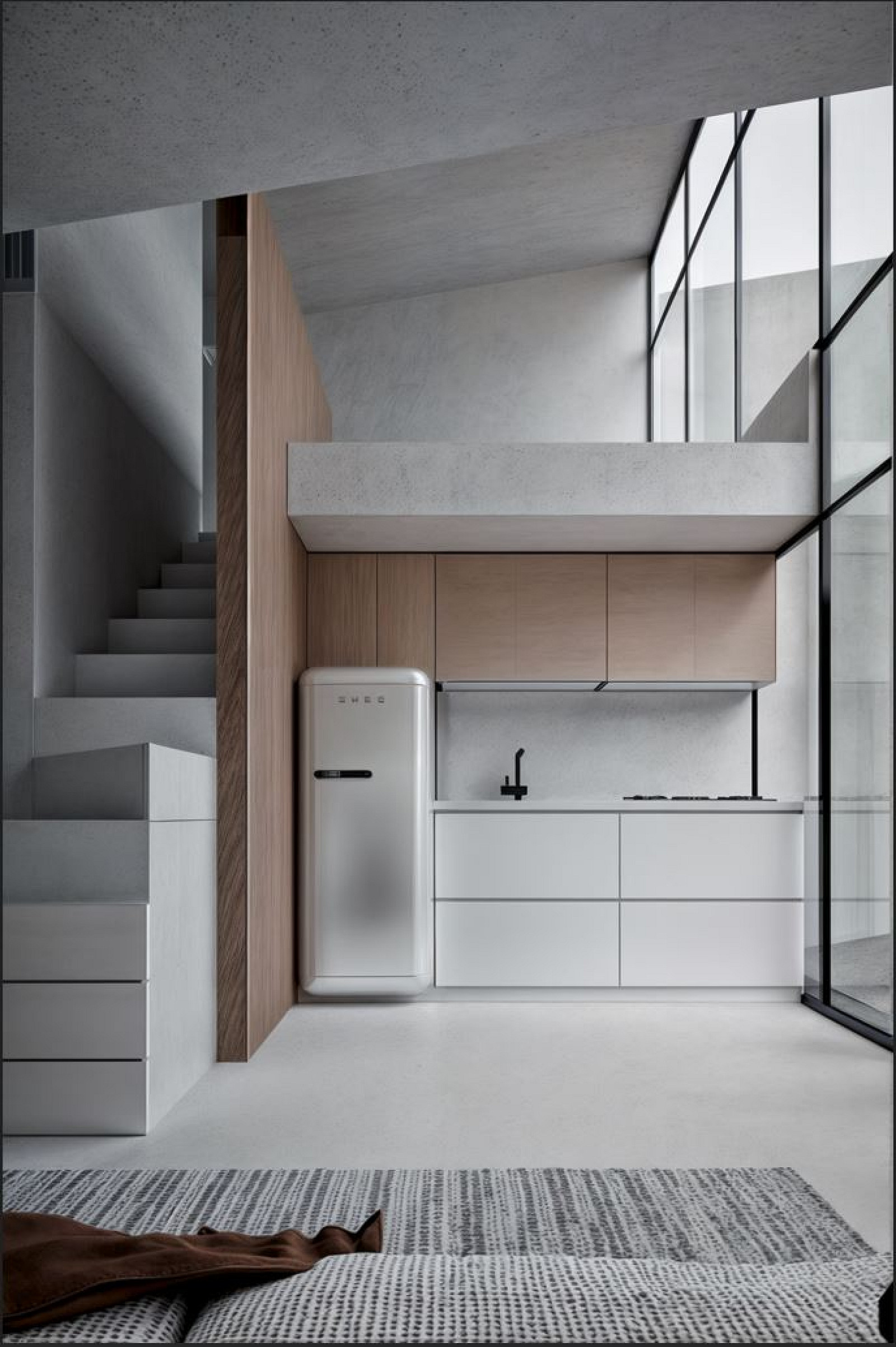
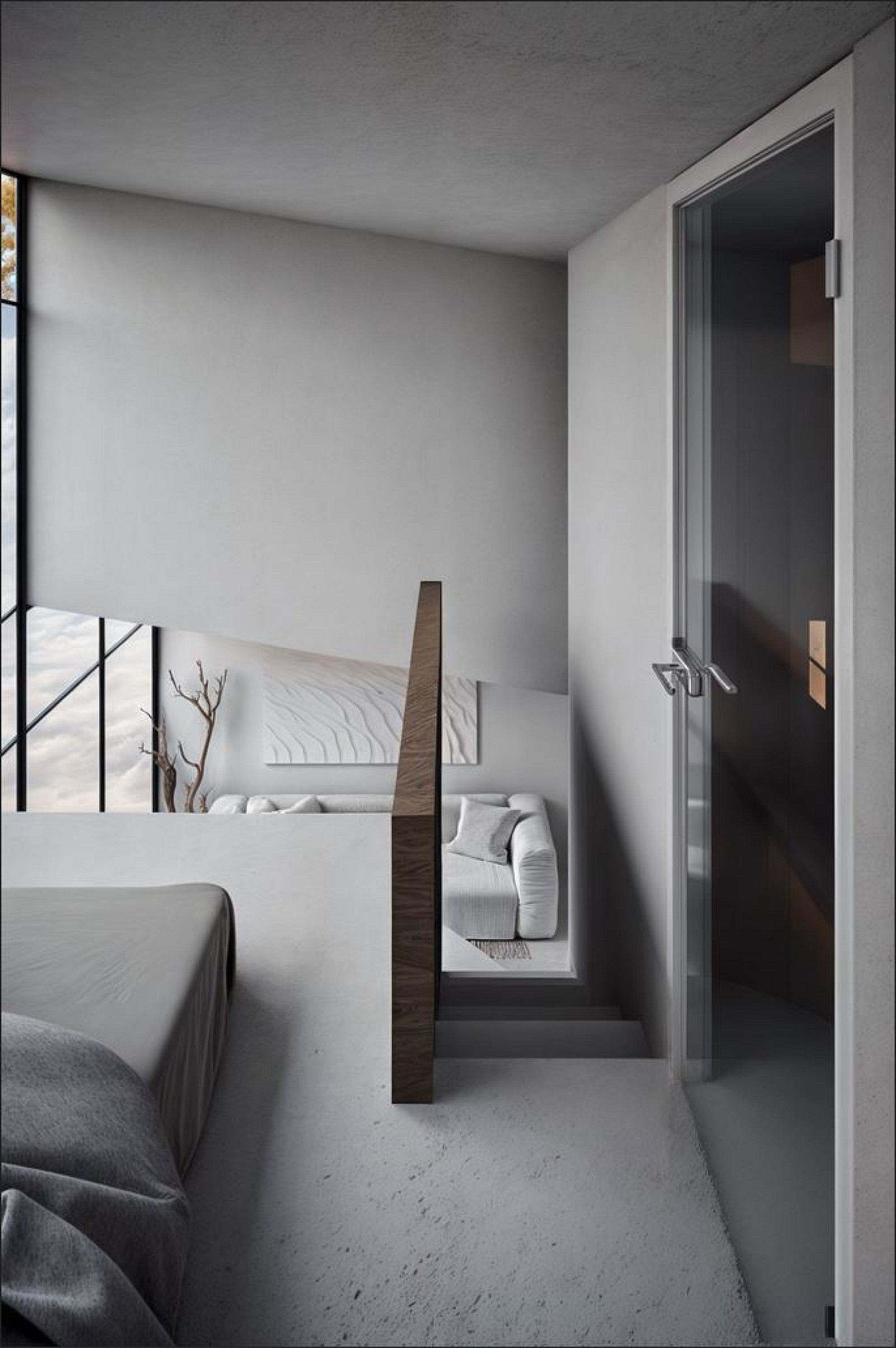
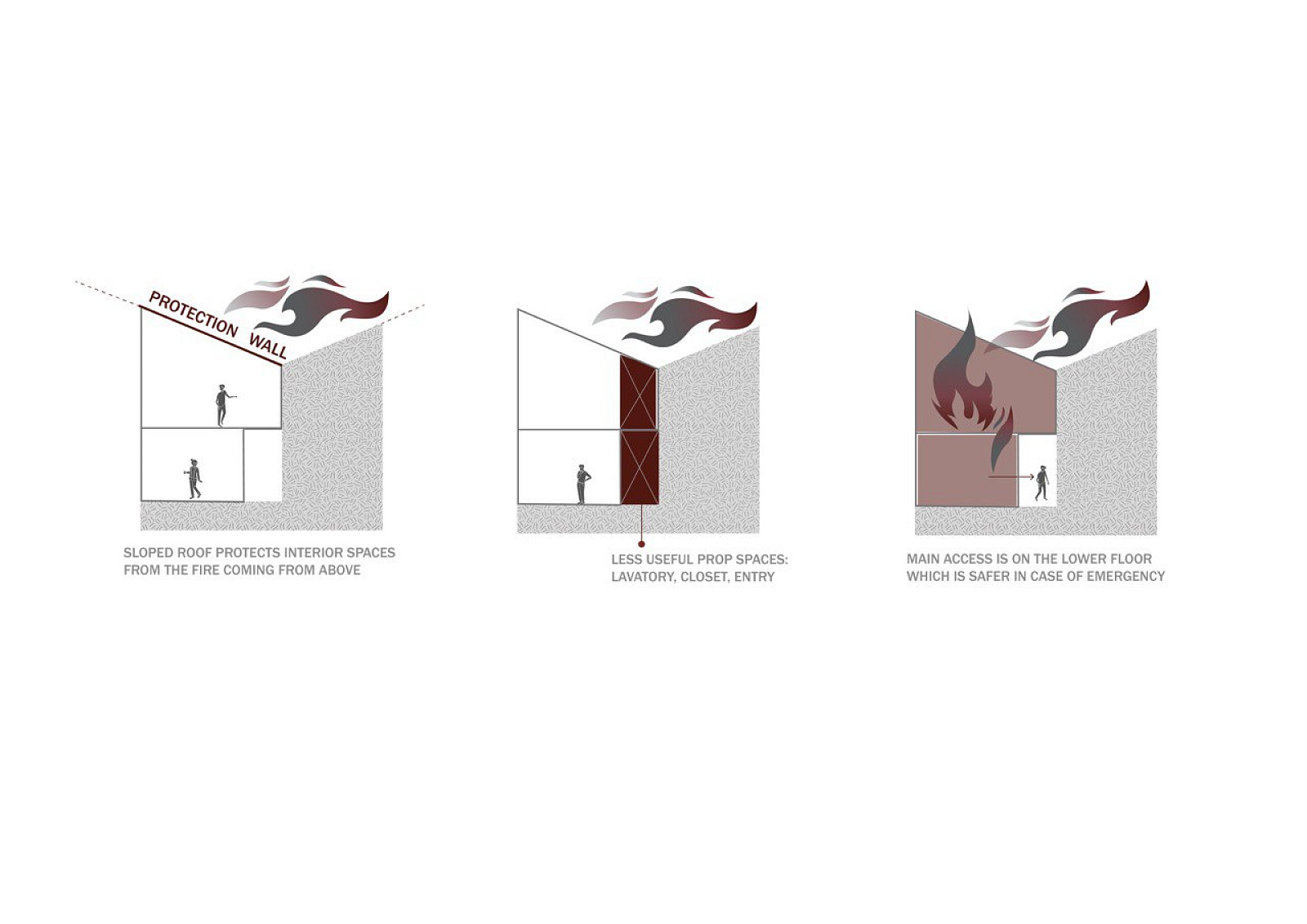
The project explores the inherent paradox between architectural quality and spatial efficiency within the typology of small-scale housing. As urban density increases and land resources become more limited, the challenge of creating compact living environments that satisfy both functional and experiential needs becomes increasingly significant. This proposal seeks to transform spatial constraints into architectural opportunities by creating micro-housing units that provide not only essential living functions but also meaningful spatial experiences. Simultaneously, the project responds to the environmental risks of its context by integrating passive fire-protection strategies into the architectural concept, establishing a resilient relationship between habitation, landscape, and safety.
Project description
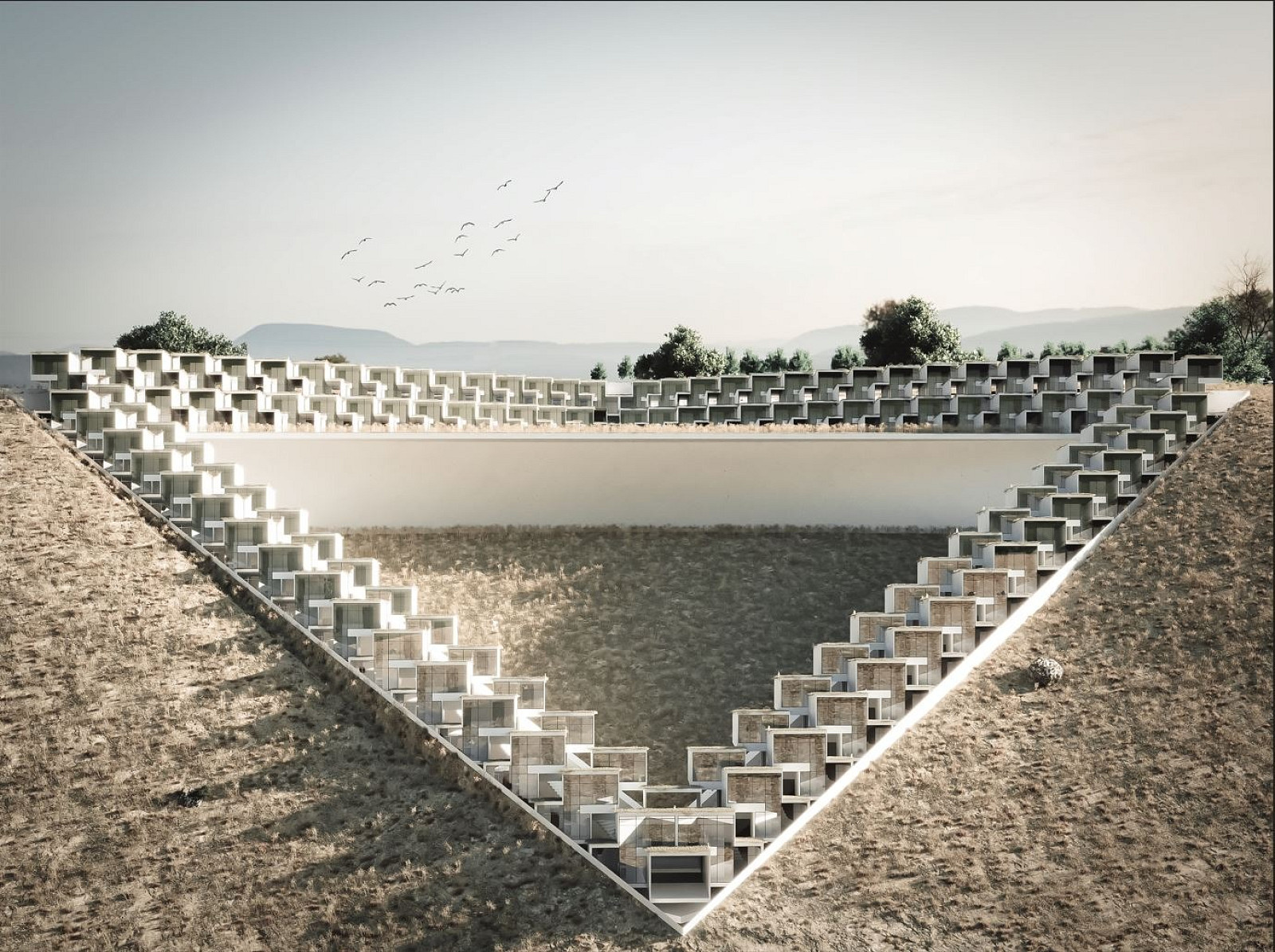
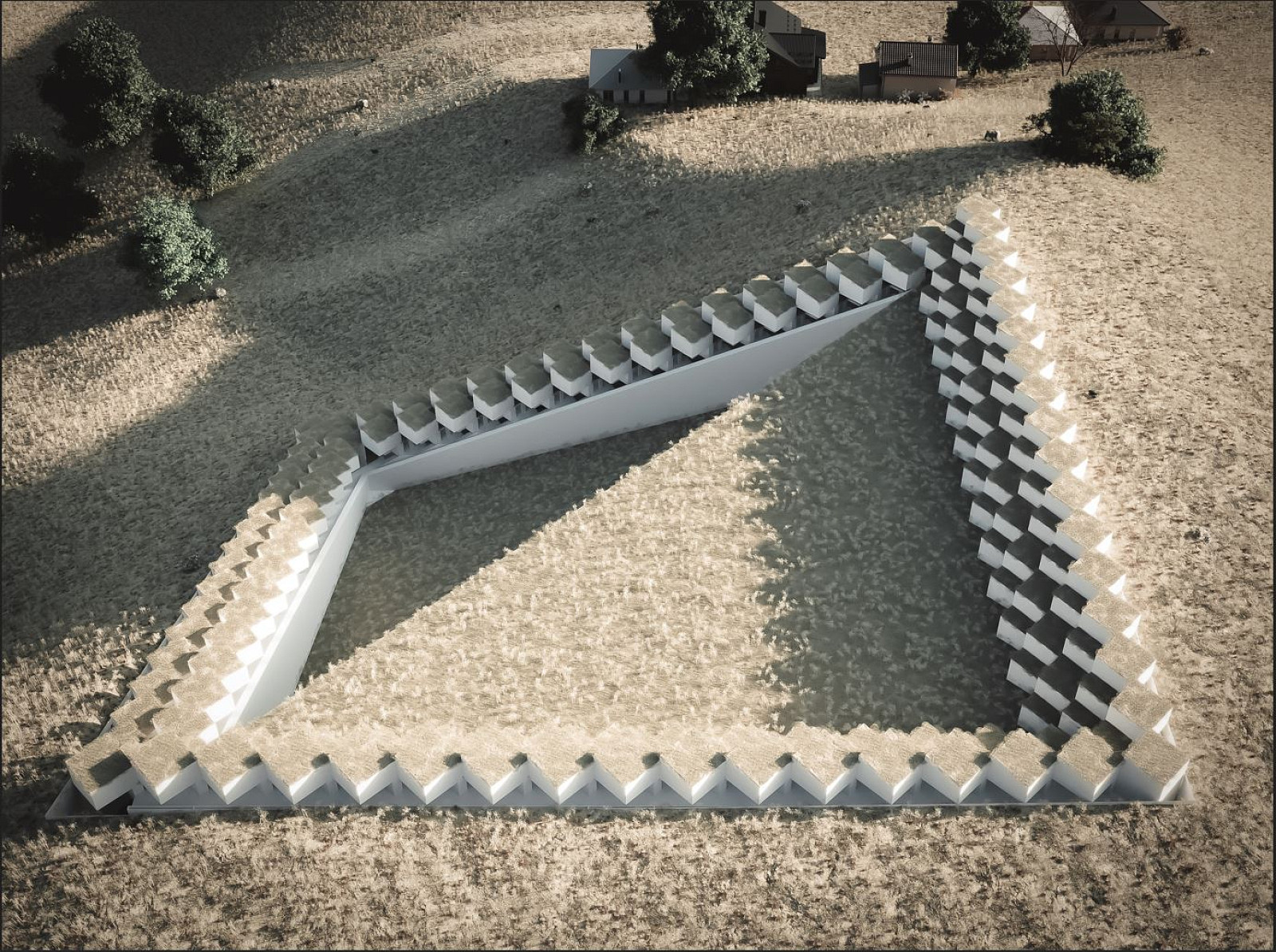
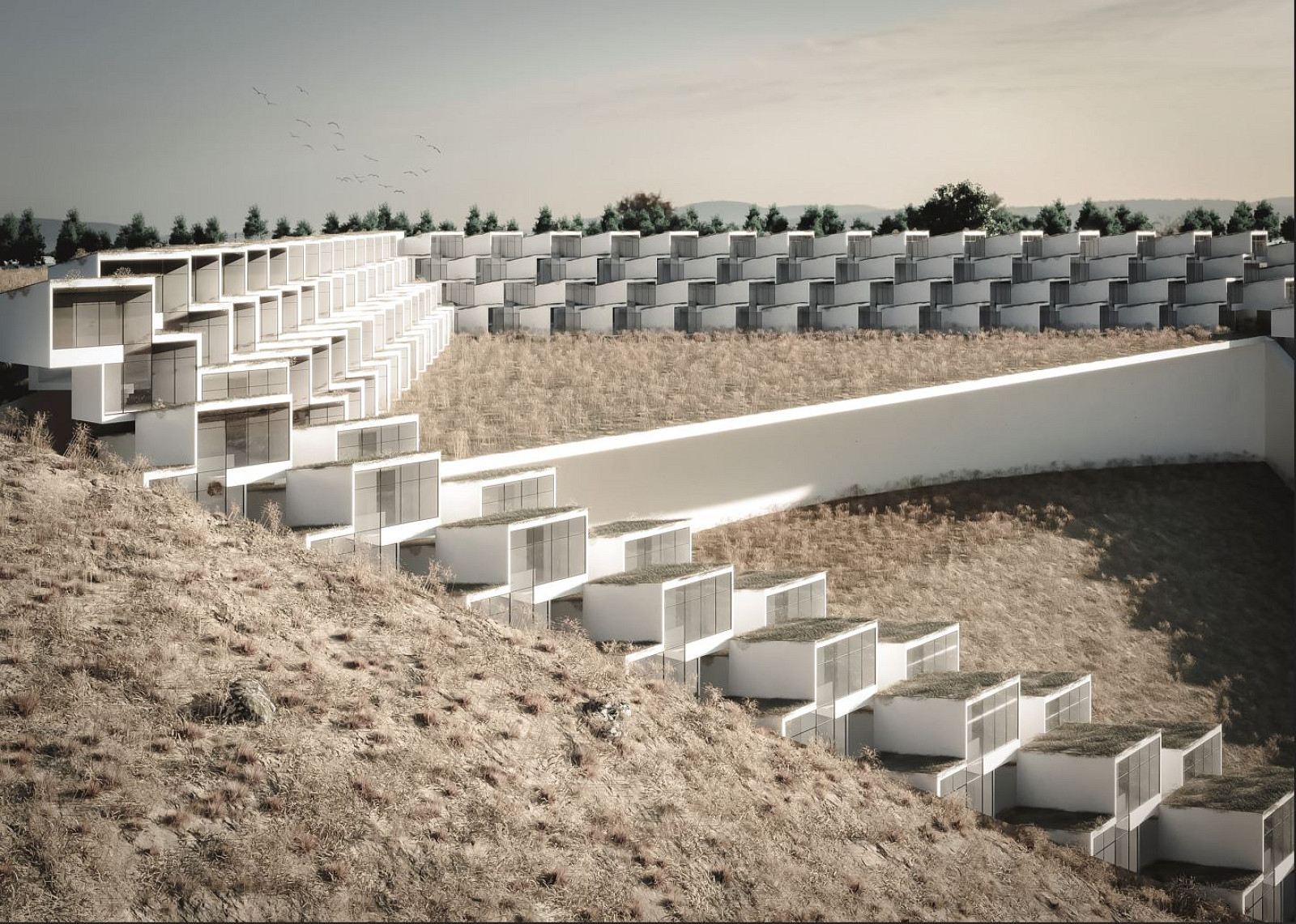
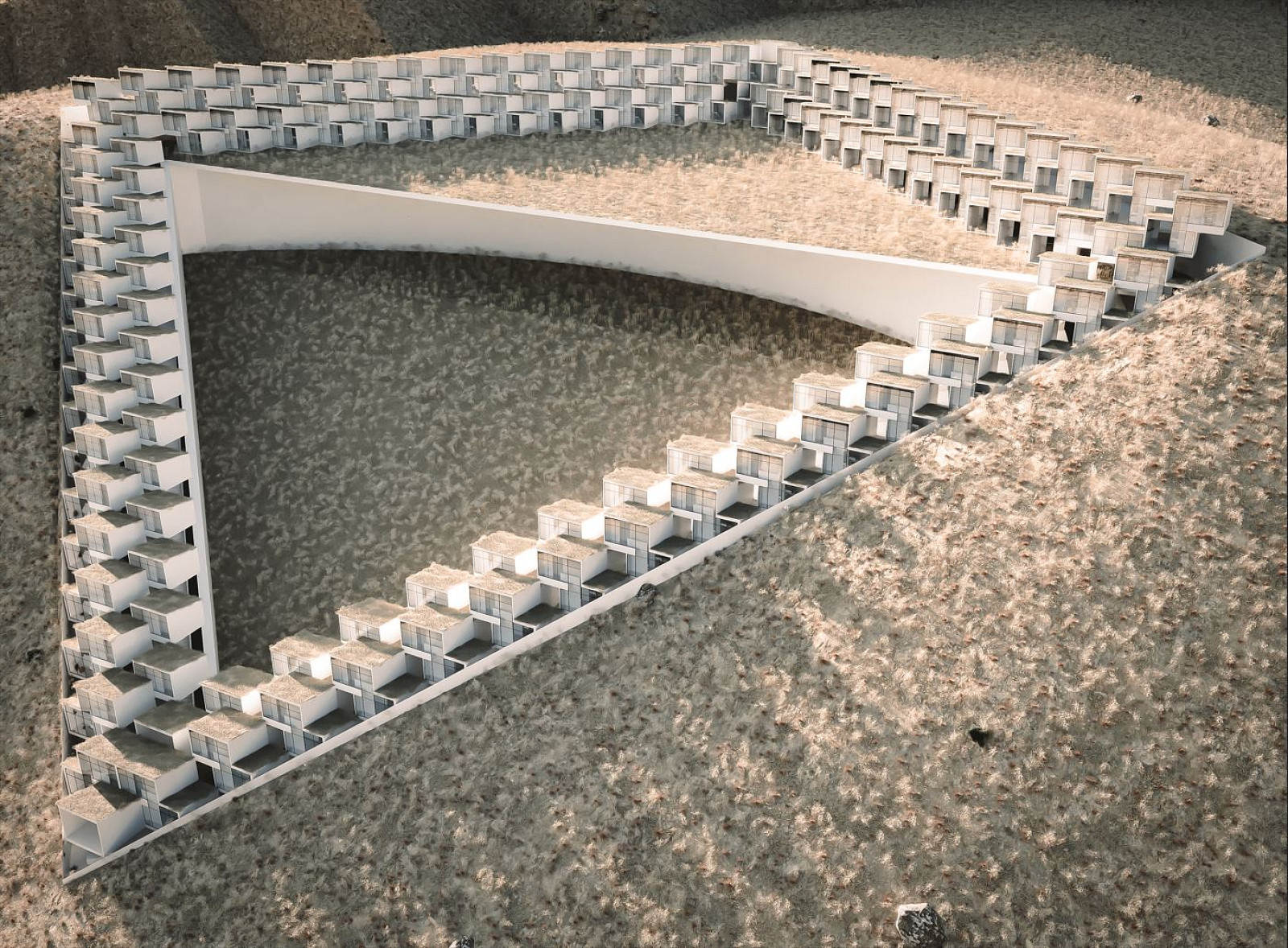
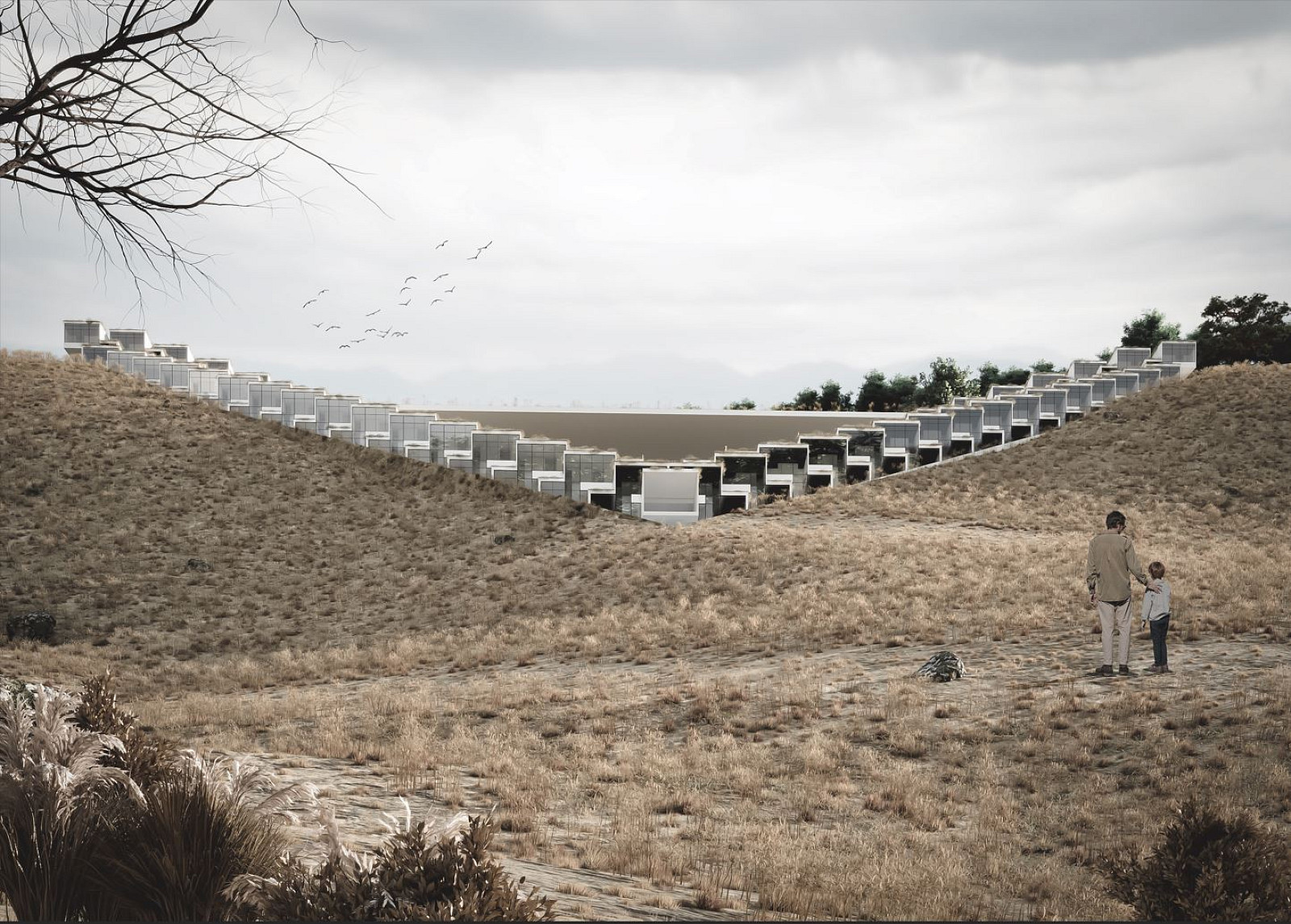
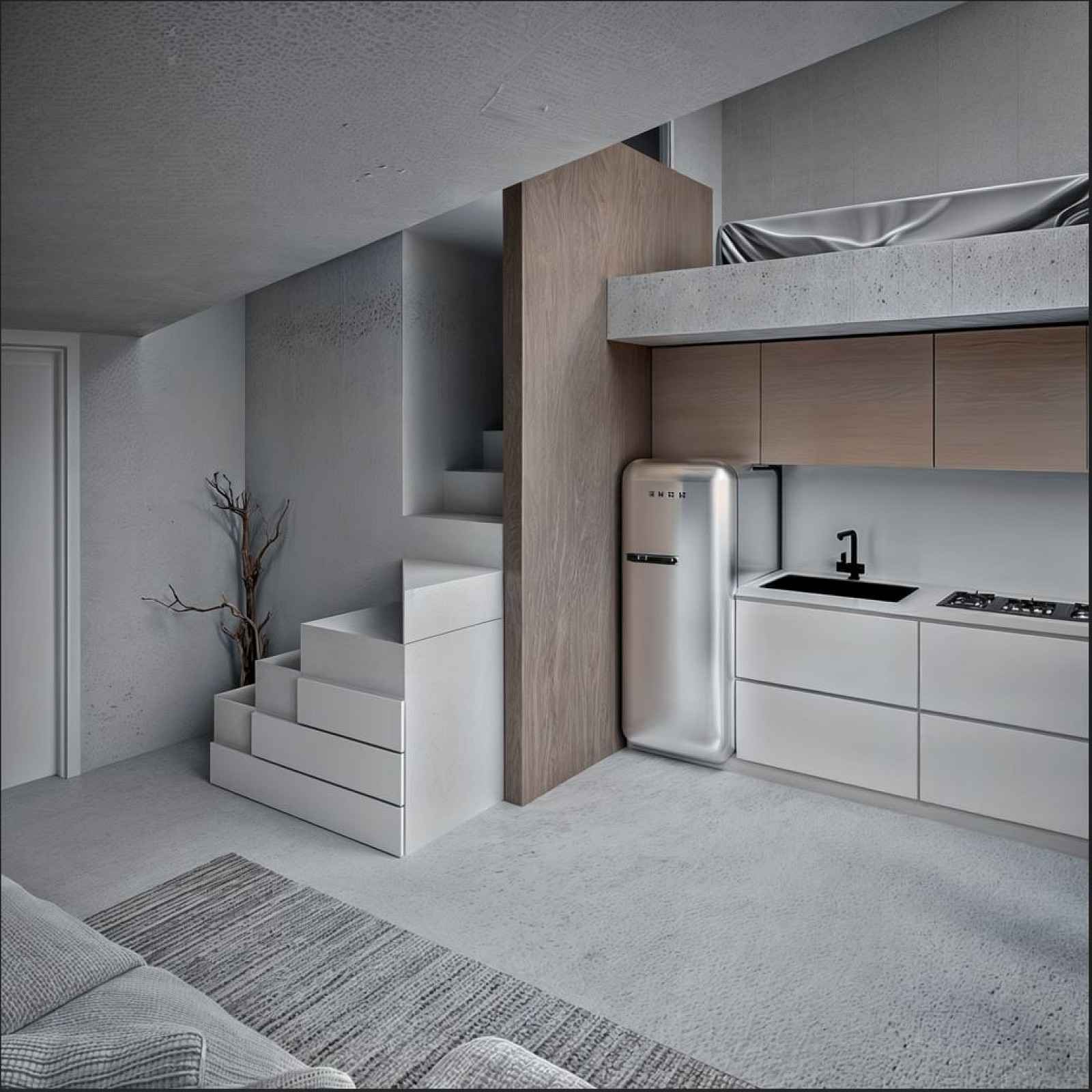
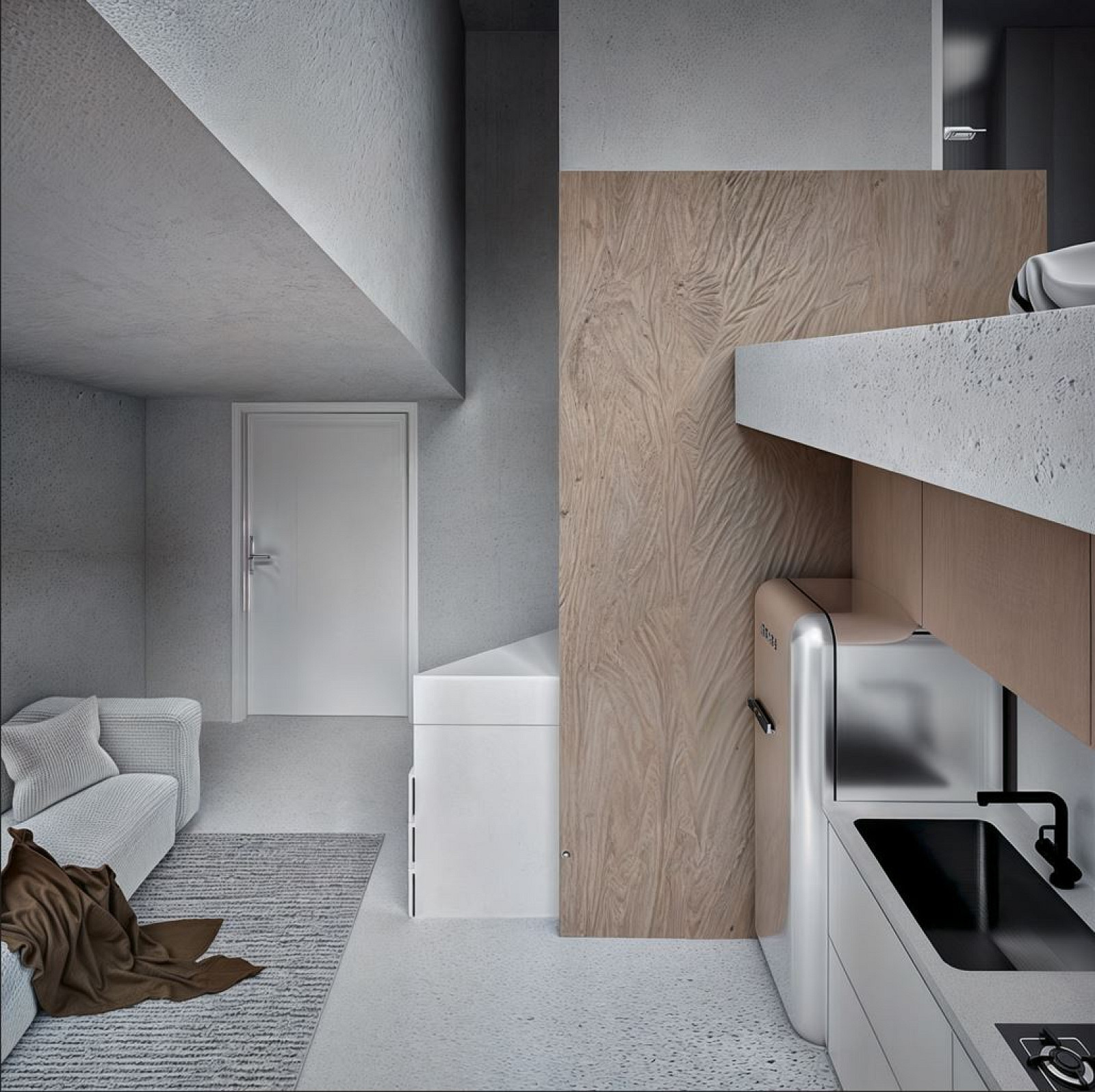
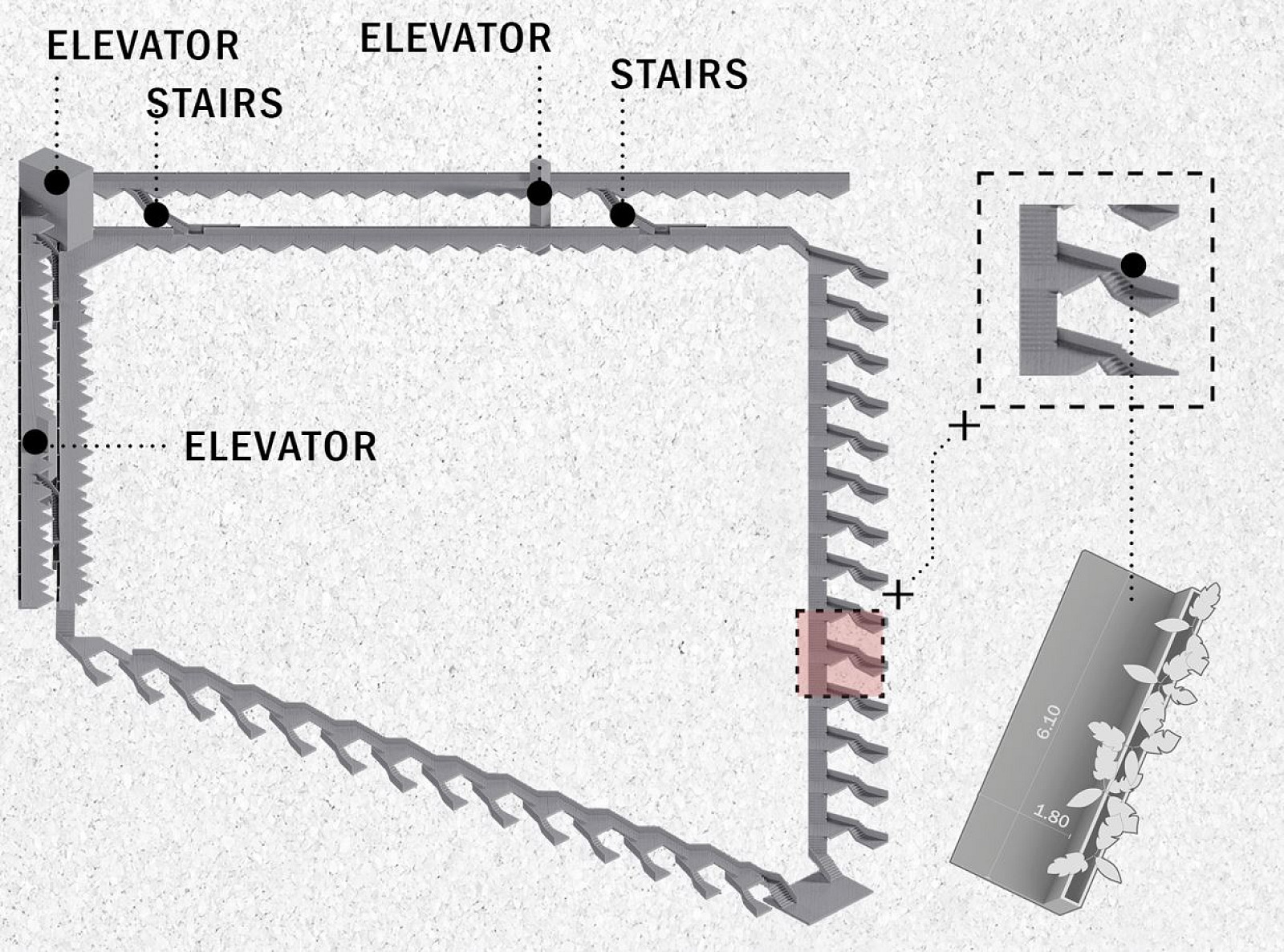
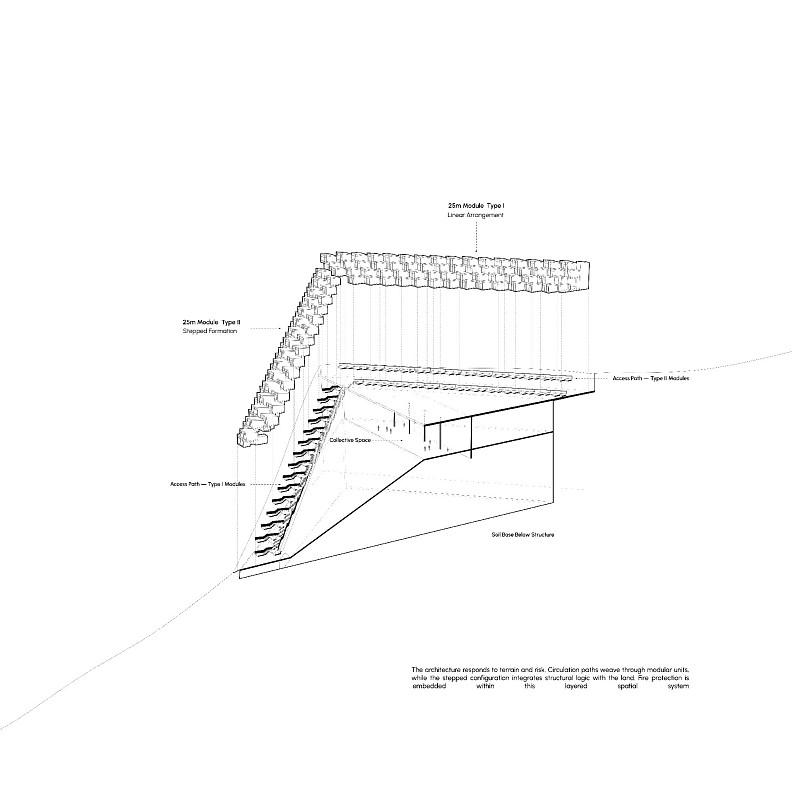
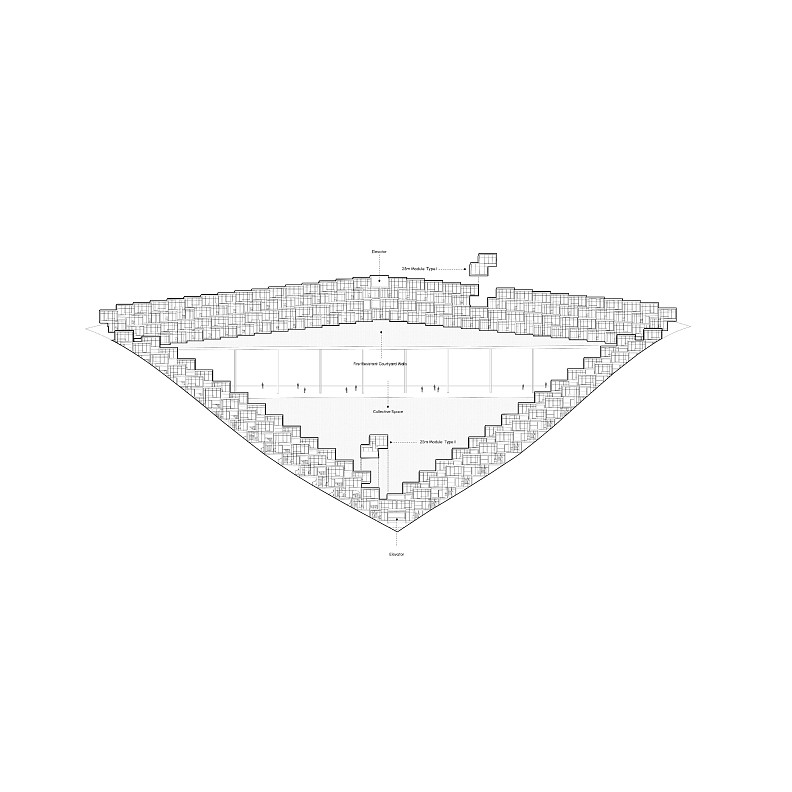
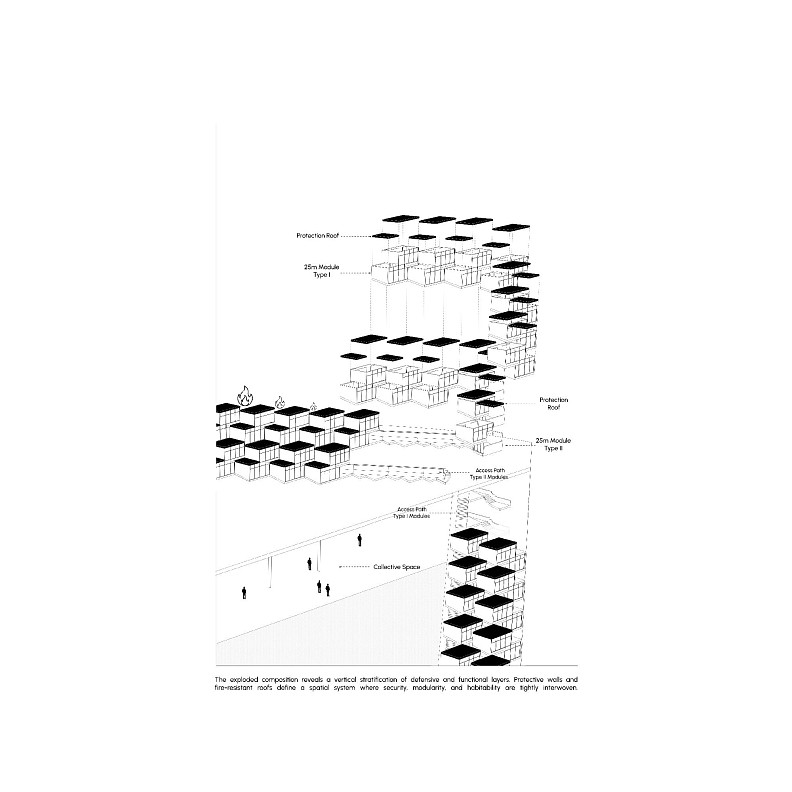
Located on a steep mountainside with panoramic views and a favorable climate, the project addresses the challenge of designing a residential complex in a region exposed to recurring seasonal wildfires. The overall form is organized as a stepped composition that follows the natural topography of the site. This configuration maximizes access to daylight and views for all units while positioning the buildings with their backs toward the potential direction of fire spread. The complex is organized around a central courtyard that functions as both a communal social space and a protected refuge during emergencies. By establishing a clear spatial hierarchy, less sensitive functions are placed along the exterior perimeter, creating an additional protective layer for residential spaces. The design combines compact living units of up to 25 square meters with shared communal spaces, promoting both individual comfort and collective interaction.
Technical information
The project employs multiple passive fire-resistance strategies integrated into its architectural and structural design. Reinforced insulated concrete walls form a protective enclosure around the central courtyard, creating a secure zone in the event of a wildfire. The stepped arrangement of the units allows optimal solar access, natural ventilation, and unobstructed views while minimizing exposure to fire hazards. Additionally, a significant portion of the residential units is embedded into the terrain, utilizing the non-combustible properties and thermal mass of the soil as a natural protective barrier against fire. Through the combination of topographical integration, fire-resistant construction materials, spatial zoning, and passive defense principles, the project establishes a resilient micro-housing complex capable of ensuring both safety and high-quality living conditions.
Documentation

Copyright © 2026 INSPIRELI | All rights reserved. Use of this website signifies your agreement to the Terms of Use, Privacy Policy, and use of cookies.