
El terroir - Cafayate, Argentina


Project idea
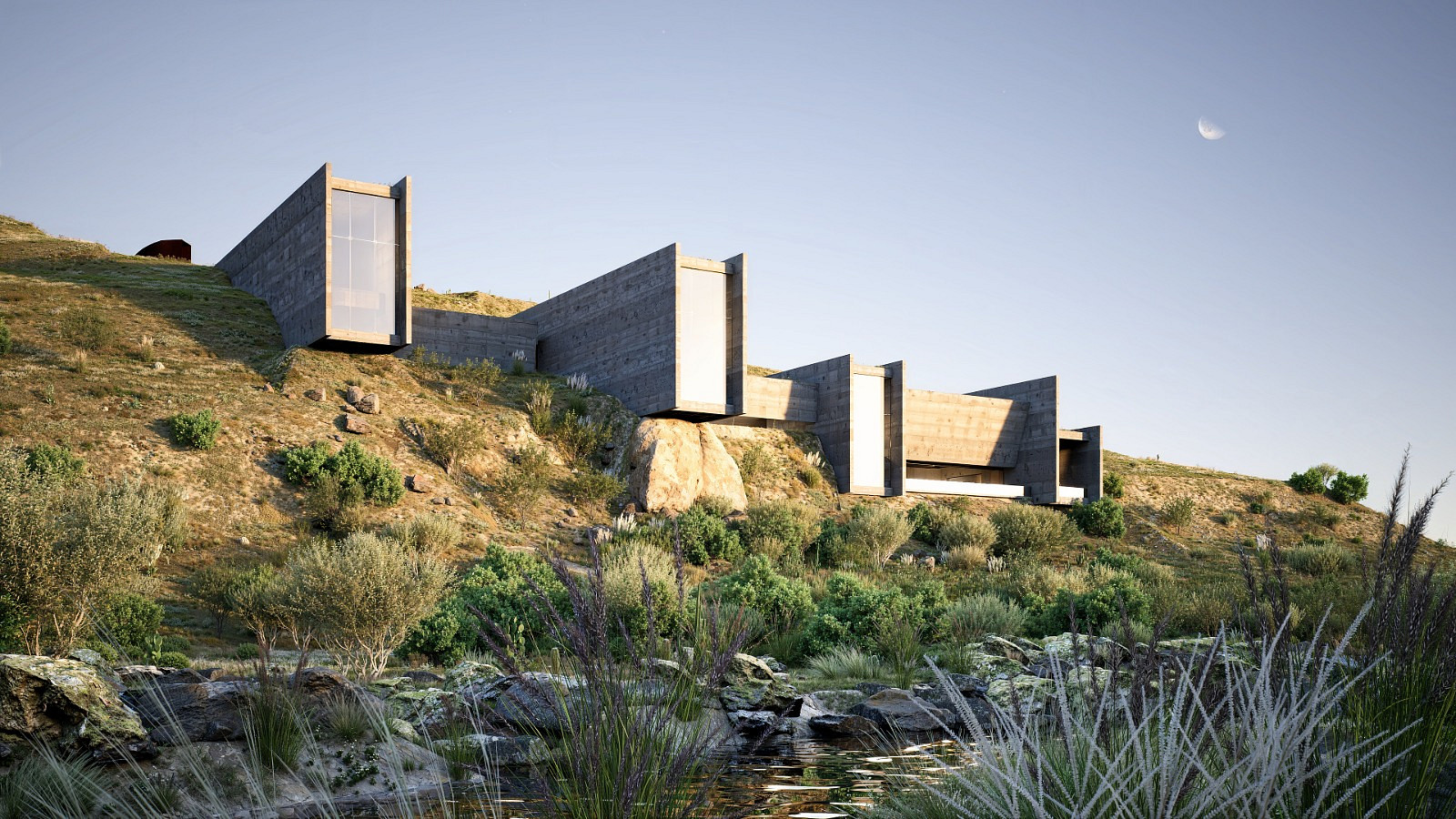
La idea de este proyecto es reimaginar el espacio cultural subterráneo como una institución viva, arraigada en el paisaje y la identidad de Cafayate, Salta. Inspirado en las antiguas bodegas enterradas de la región y en el concepto de terroir, propone transformar el subsuelo en un museo de inmersión total donde convergen arte, educación y comunidad, rompiendo con los paradigmas museísticos convencionales y usando la tierra como recurso morfológico, climático y simbólico.
The idea of this project is to reimagine the underground cultural space as a living institution, rooted in the landscape and identity of Cafayate, Salta. Inspired by the region's ancient underground cellars and the concept of terroir, it proposes transforming the subsoil into a total immersion museum where art, education and community converge, breaking with conventional museum paradigms and using the earth as a morphological, climatic and symbolic resource.
Project description
El museo se desarrolla en cuatro niveles subterráneos de 4,50 m cada uno (+0,00 / +4,50 / +9,00 / +13,50 m), conectados por La Cinta Roja, un recorrido continuo que narra el ciclo del vino: Origen, Fermentación, Crianza y Degustación. El programa incluye salas de exposición, anfiteatro, talleres, tienda, bar y terraza accesible. La retícula estructural se orienta en sentido norte-sur, siguiendo la misma lógica de la vid, cuyas hileras se disponen en esa dirección para optimizar la captación solar y organizar el territorio.
The museum unfolds across four underground levels of 4.50 m each (+0.00 / +4.50 / +9.00 / +13.50 m), connected by The Red Ribbon, a continuous path narrating the wine cycle: Origin, Fermentation, Aging and Tasting. The program includes exhibition halls, an amphitheater, workshops, a gift shop, a bar and an accessible terrace. The structural grid is oriented north-south, following the same logic as the vine itself, whose rows are arranged in that direction to optimize sun exposure and organize the territory.
Technical information
Ubicación: Cafayate, Salta, Argentina. El proyecto se implanta en cuatro niveles subterráneos con una profundidad total de ≈ 13,50 m. El hormigón es el material estructural y expresivo principal: muros cantilever de contención contienen la tierra y definen los límites de cada nivel, mientras una estructura metálica liviana contrasta con el hormigón y va cosiendo las distintas salas entre sí. El desnivel existente entre el acceso vehicular y el ingreso principal al museo se resuelve mediante un recorrido en serpentina que permite salvar la diferencia de cota de manera gradual y paisajística. Los núcleos duros de circulación vertical se localizan en las franjas orientadas en sentido norte-sur, en coherencia con la grilla generatriz del proyecto.
Location: Cafayate, Salta, Argentina. The project is organized across four underground levels with a total depth of ≈ 13.50 m. Concrete is the primary structural and expressive material: cantilevered retaining walls hold back the earth and define the boundaries of each level, while a lightweight metal structure contrasts with the concrete and stitches the different rooms together. The level difference between the vehicular access and the main museum entrance is resolved through a serpentine path that gradually bridges the change in elevation in a landscaped manner. The vertical circulation cores are located within the north-south oriented bands, consistent with the project's generative grid.
Documentation

Copyright © 2026 INSPIRELI | All rights reserved. Use of this website signifies your agreement to the Terms of Use, Privacy Policy, and use of cookies.