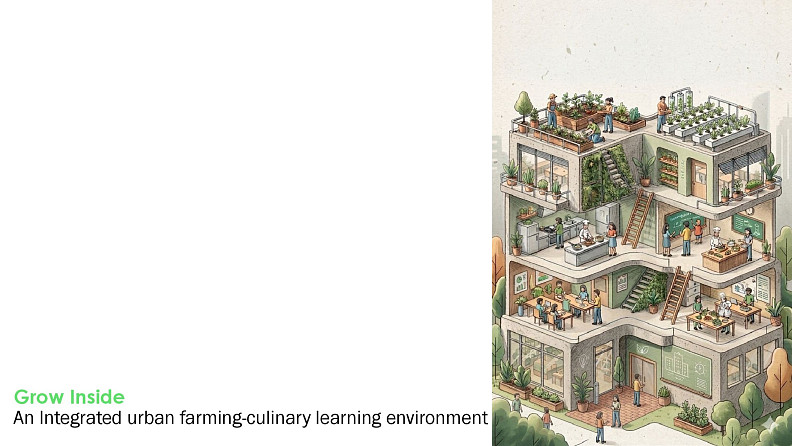
Grow Inside-An Integrated urban farming-culinary learning environment

Project idea
The project titled “An Integrated Urban Farming–Culinary Learning Environment” explores the integration of food production, culinary education, and community engagement within a single interior environment. The proposal responds to contemporary challenges such as rapid urbanization, diminishing agricultural land, food insecurity, and the growing disconnect between people and food production systems.
The project aims to create an experiential platform where users can learn about, participate in, and appreciate the complete food cycle—from cultivation and harvesting to preparation and consumption. By incorporating urban farming systems, interactive learning spaces, and culinary experiences, the design seeks to promote food literacy, sustainable living practices, and environmental awareness.
In addition to food production and education, the project emphasizes the environmental benefits of integrating vegetation within interior spaces. Urban farming systems contribute to improved indoor air quality by absorbing carbon dioxide, releasing oxygen, and helping to reduce airborne pollutants. This can positively influence the Indoor Air Quality Index (AQI), creating healthier, more comfortable, and biophilic environments that enhance user well-being and productivity.
The primary objectives of the project are to reconnect urban communities with food production, educate users about sustainable farming methods, encourage community interaction, improve indoor environmental quality, and demonstrate the potential of interior design as a tool for creating productive, educational, and environmentally responsible spaces. The proposal remains an academic design exploration intended to address future food and sustainability challenges through innovative spatial design solutions.
Project description
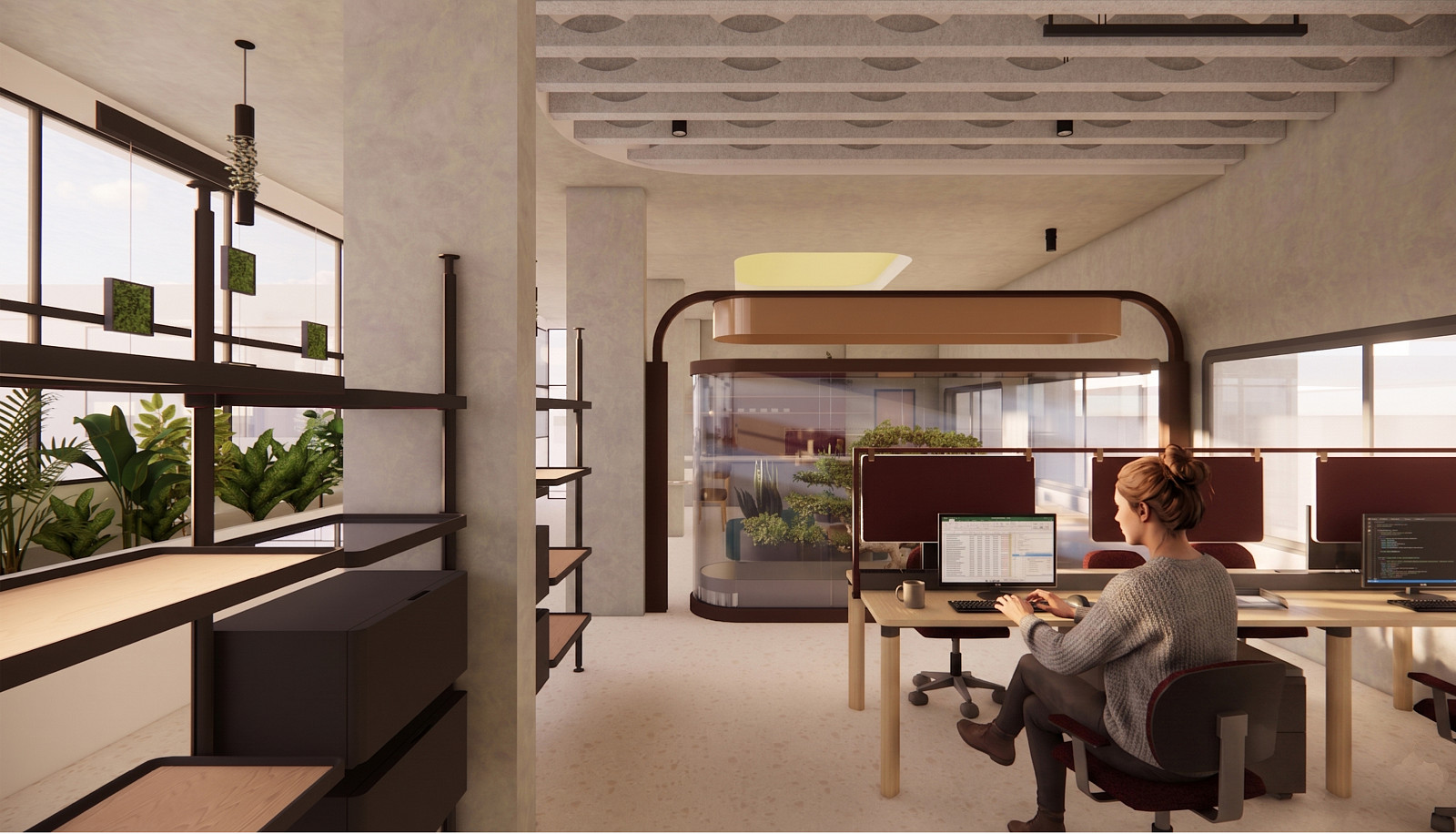
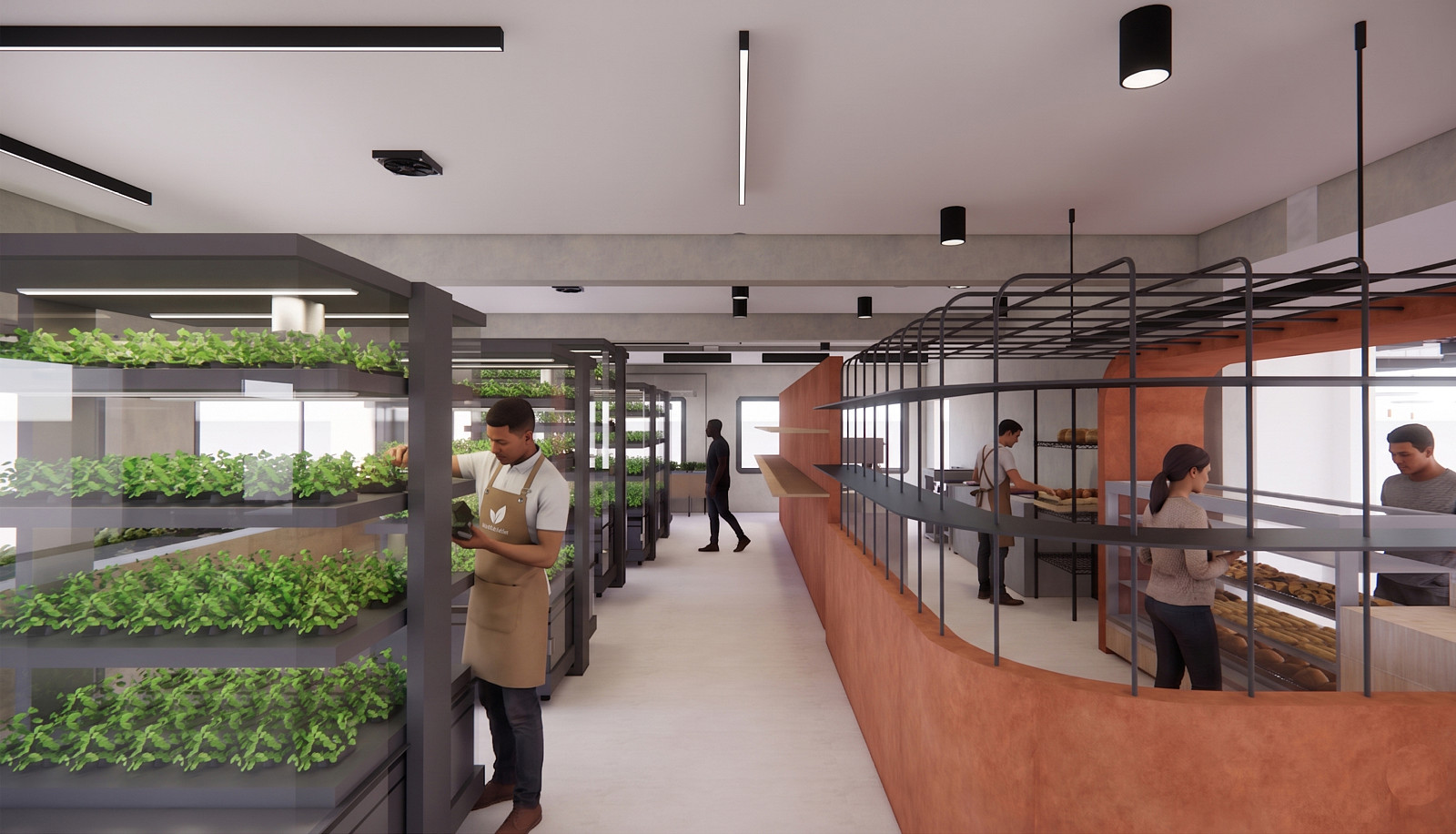
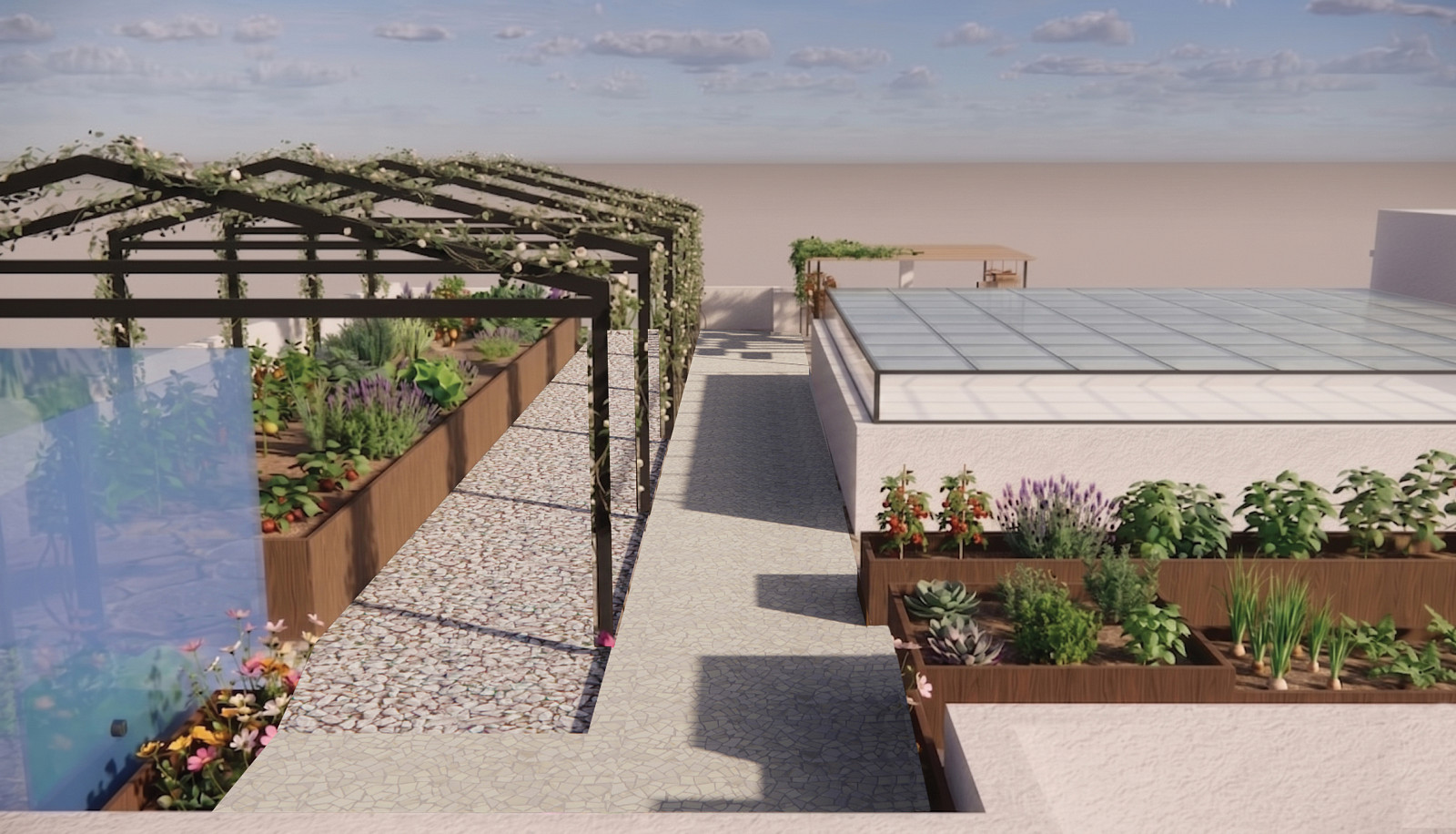
The scope of this project is to design an Integrated Urban Farming–Culinary Learning Environment that combines food cultivation, culinary education, and community engagement within a single interior space. The project explores the integration of urban farming systems such as vertical farming, hydroponics, and indoor cultivation into educational and experiential environments.
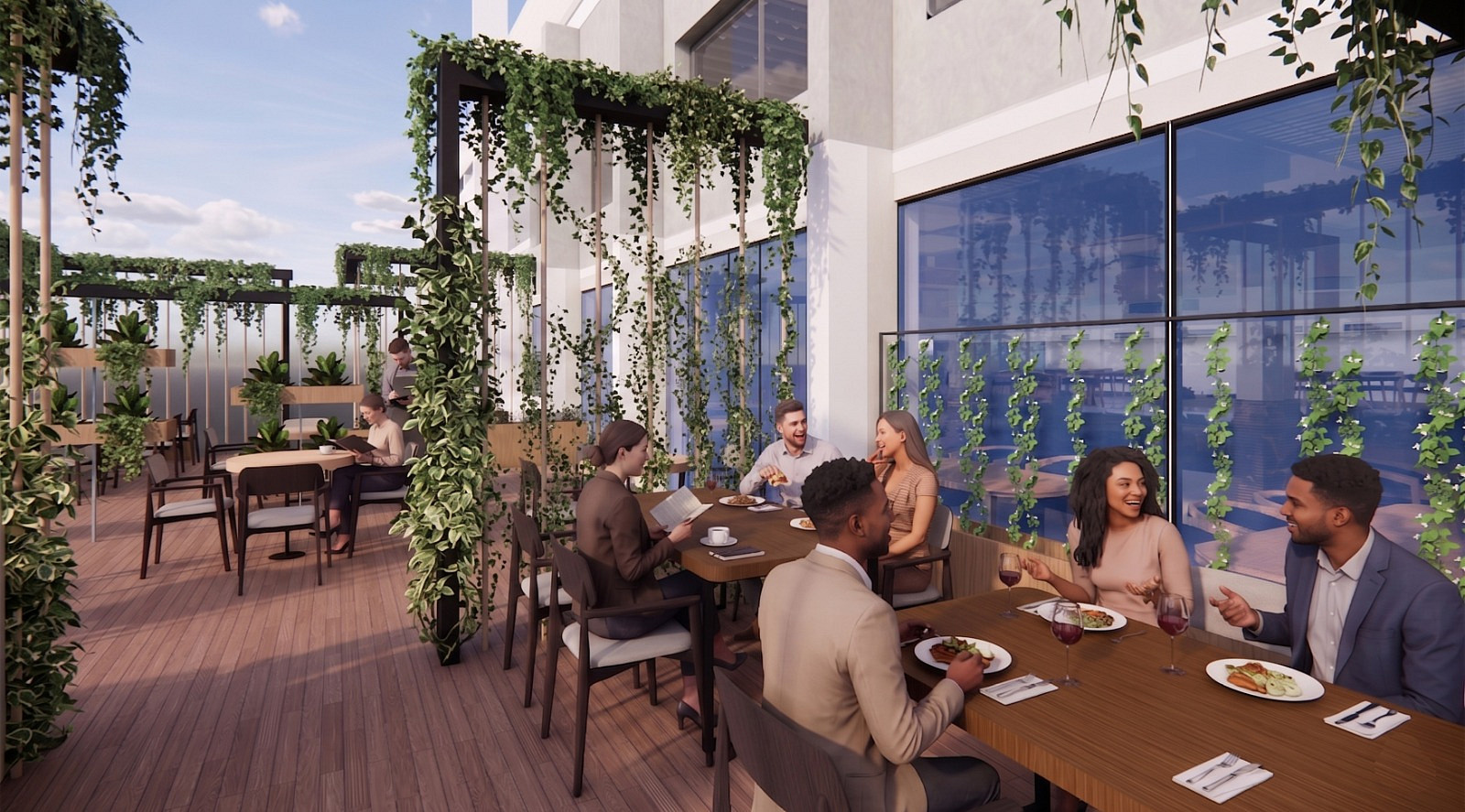
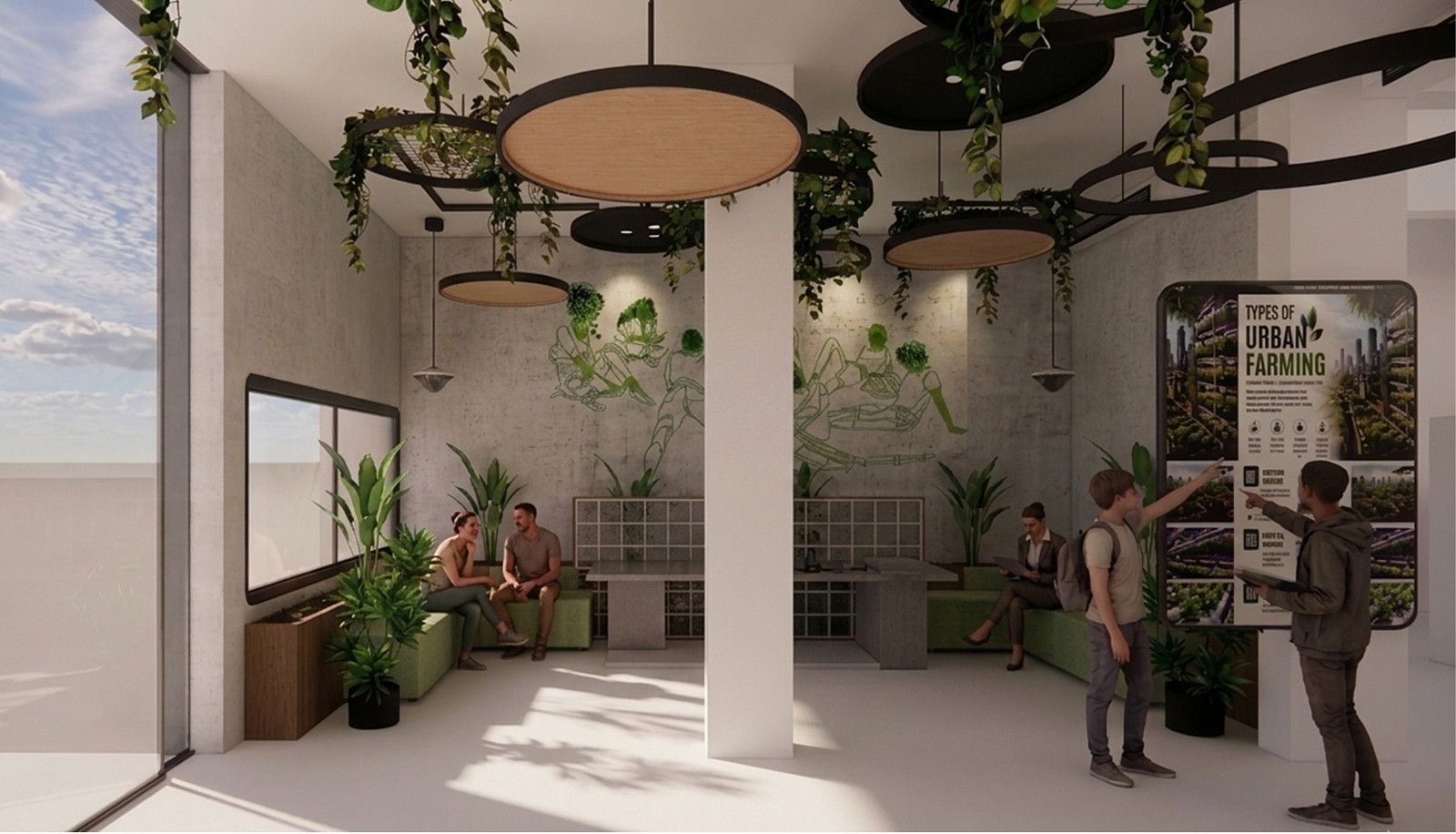
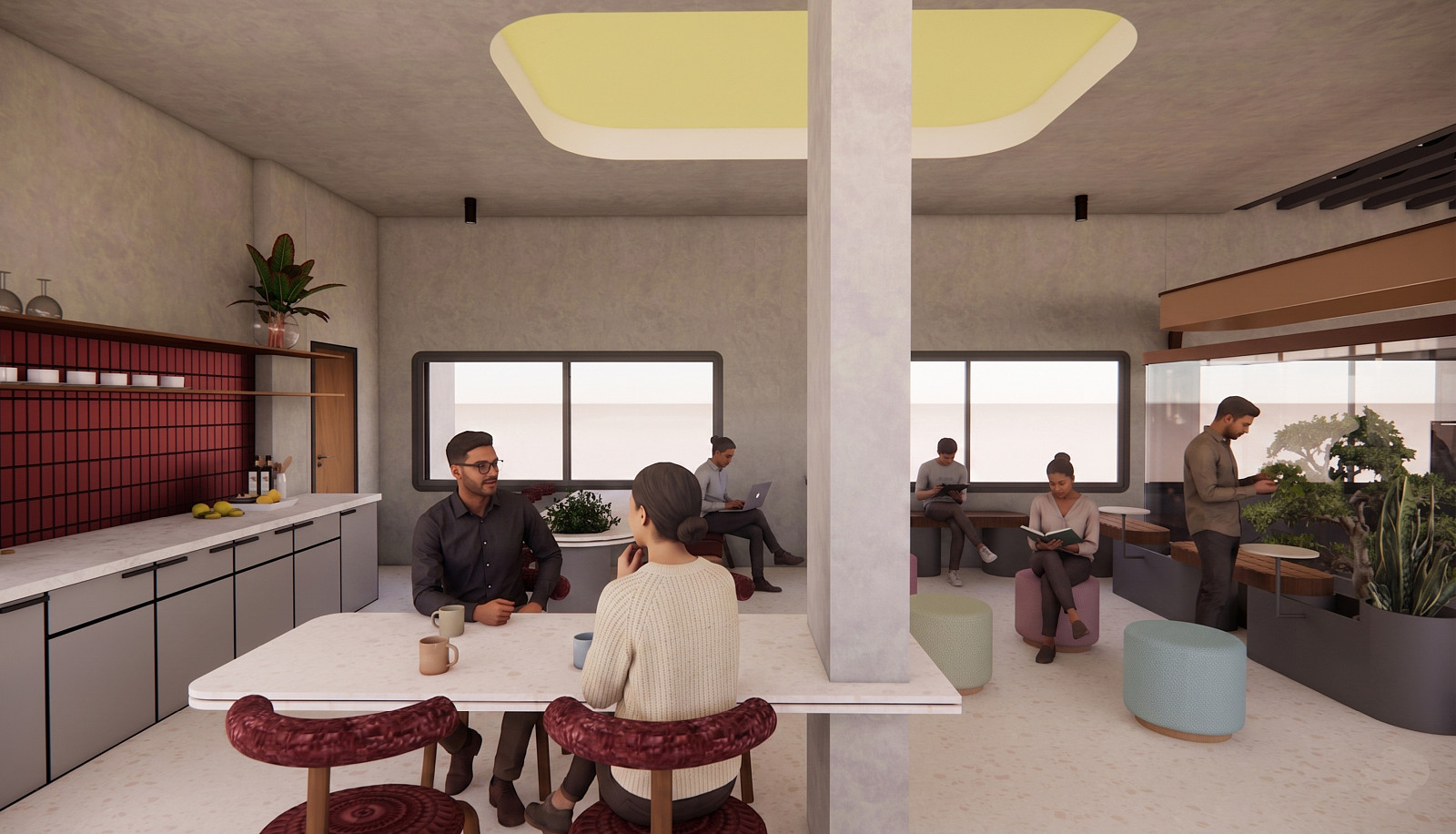
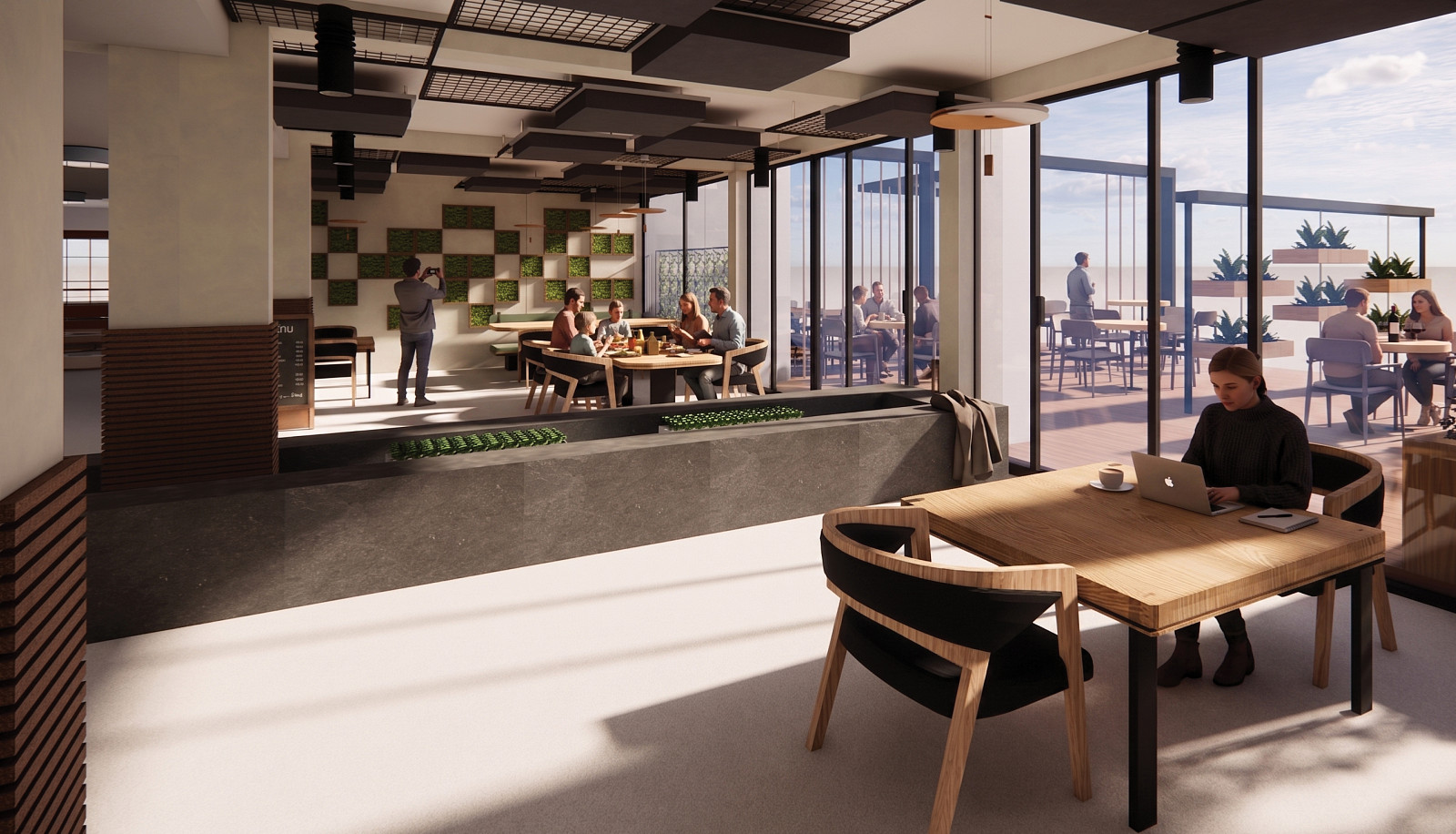
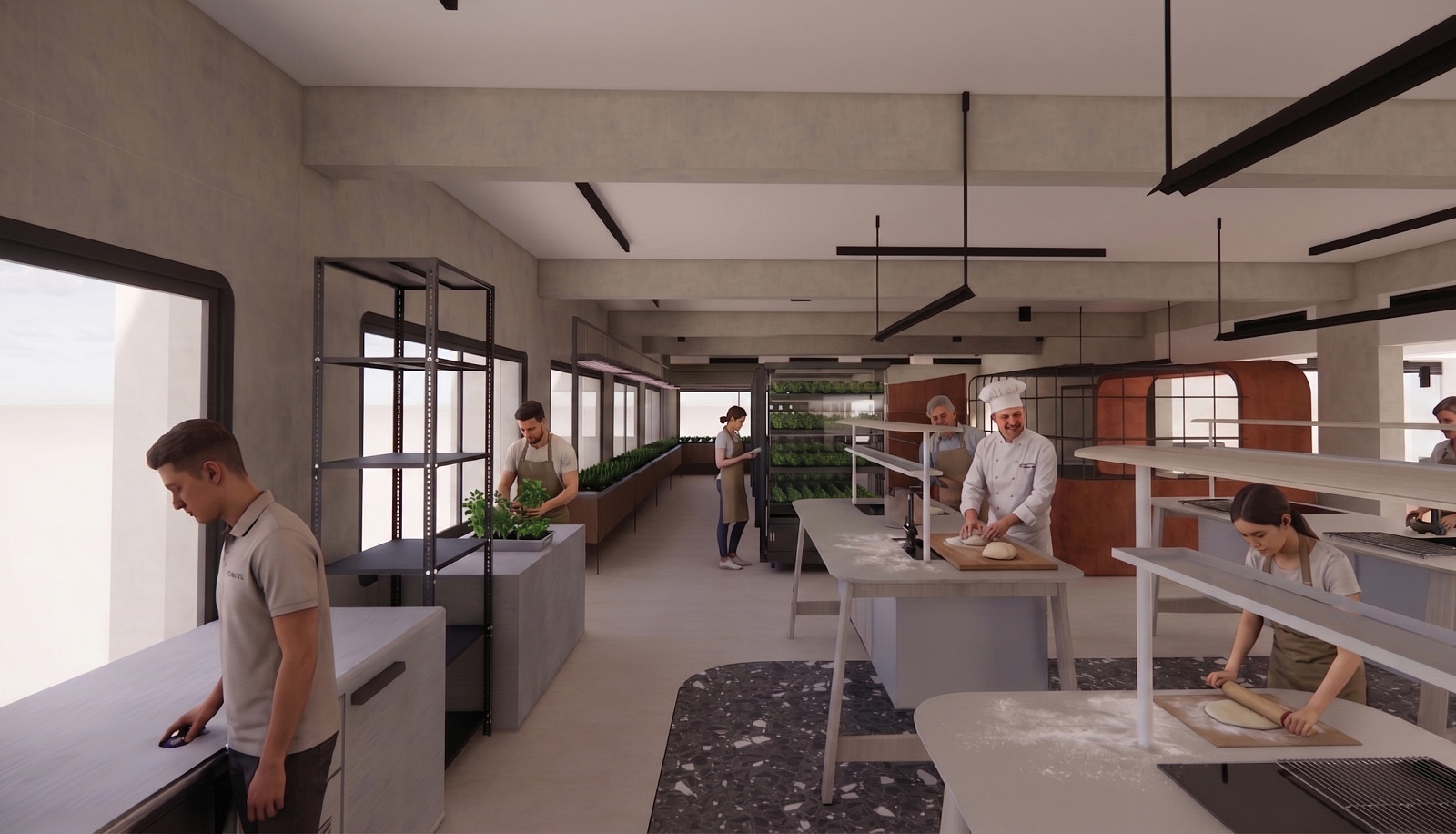
The design focuses on creating spaces for learning, interaction, food production, workshops, culinary activities, and experiential dining while promoting awareness of sustainable food systems. It also investigates the role of vegetation in improving indoor environmental quality, enhancing user well-being, and contributing to better indoor air quality.
The project remains an academic design proposal and is limited to spatial planning, design development, and the conceptual integration of urban farming systems. Detailed agricultural operations, commercial production management, and actual construction implementation are beyond the scope of this study.
Technical information
The project adopts a sustainable and biophilic design approach through the use of eco-friendly materials and resource-efficient systems.
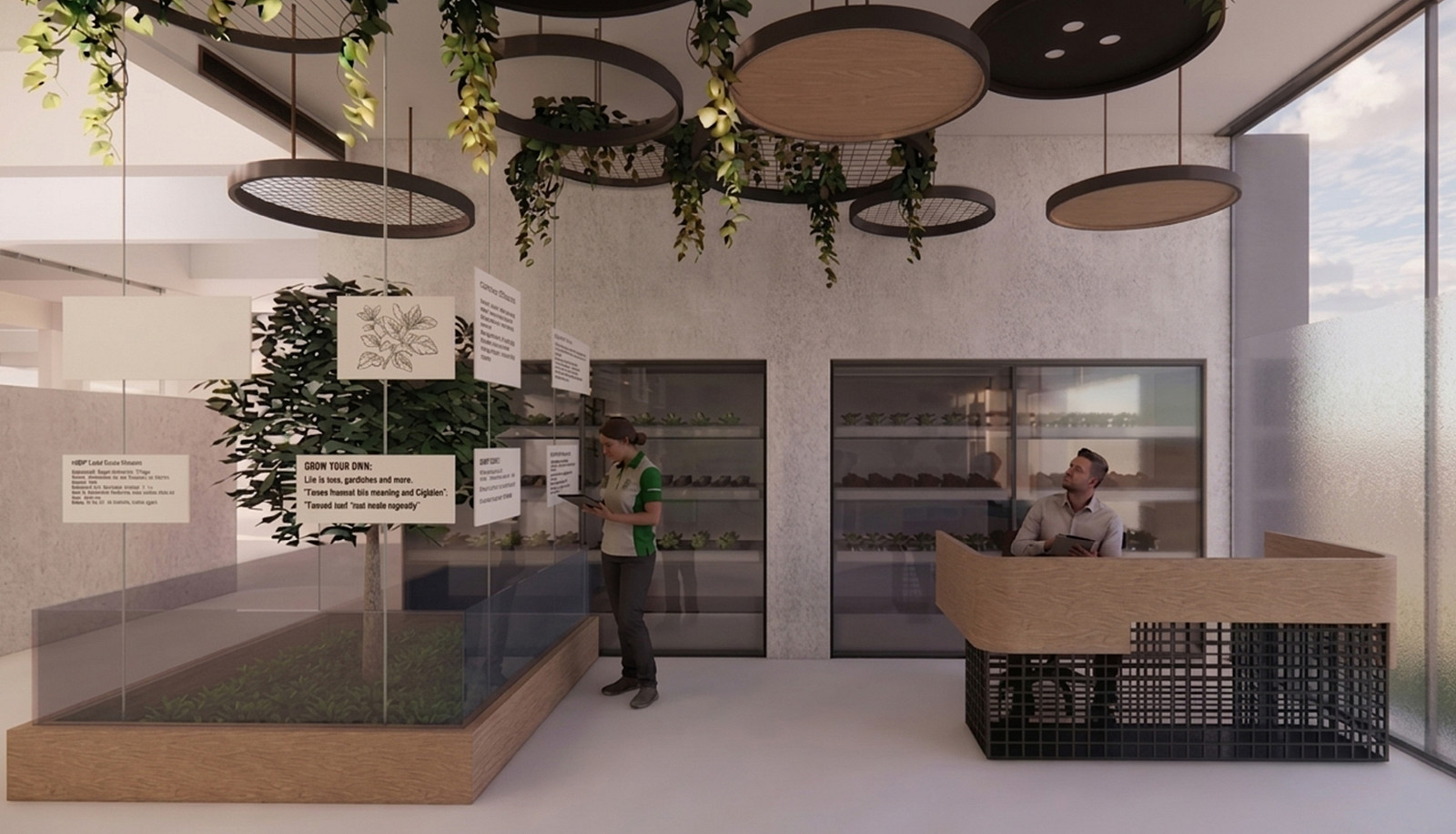
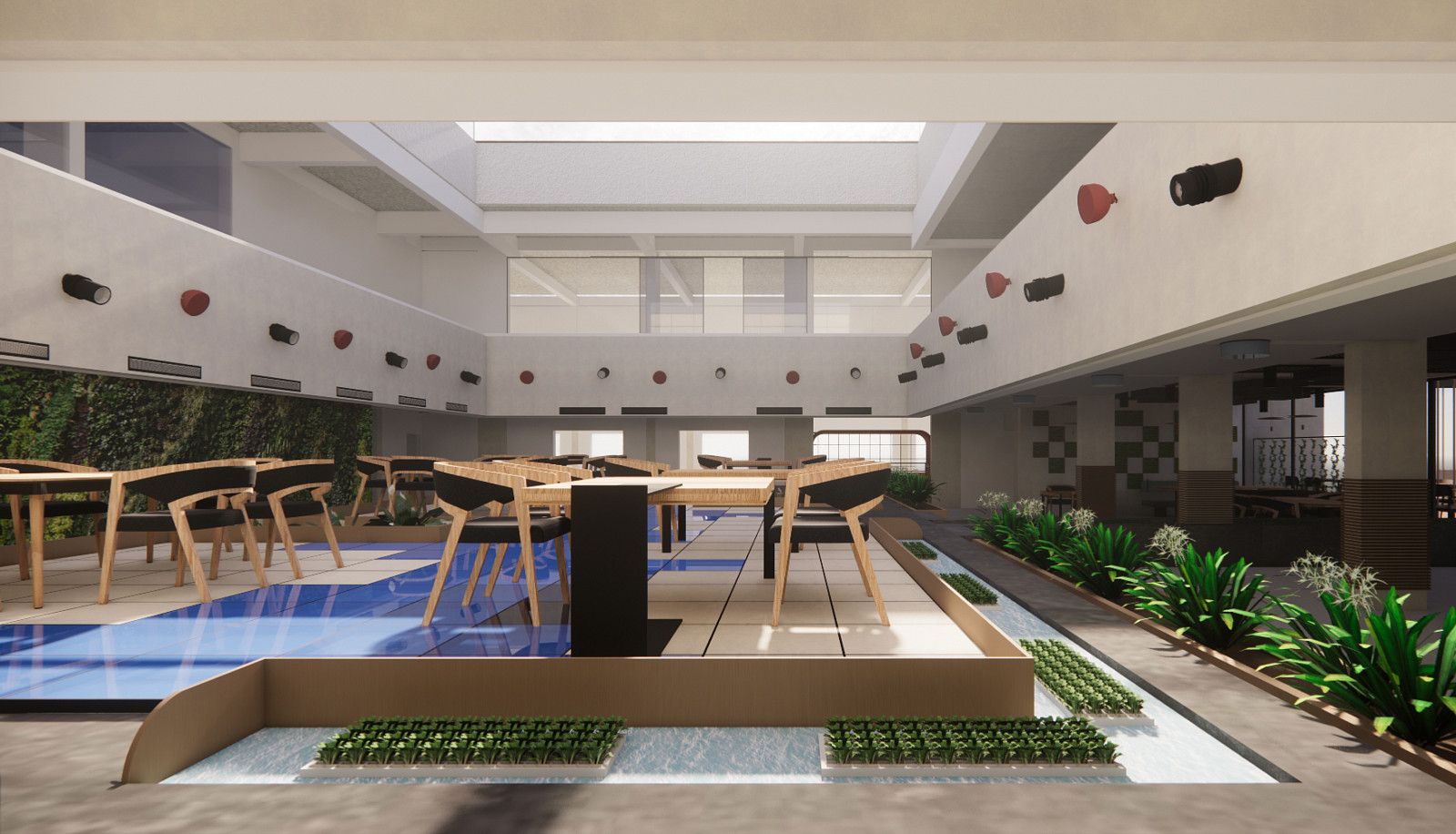
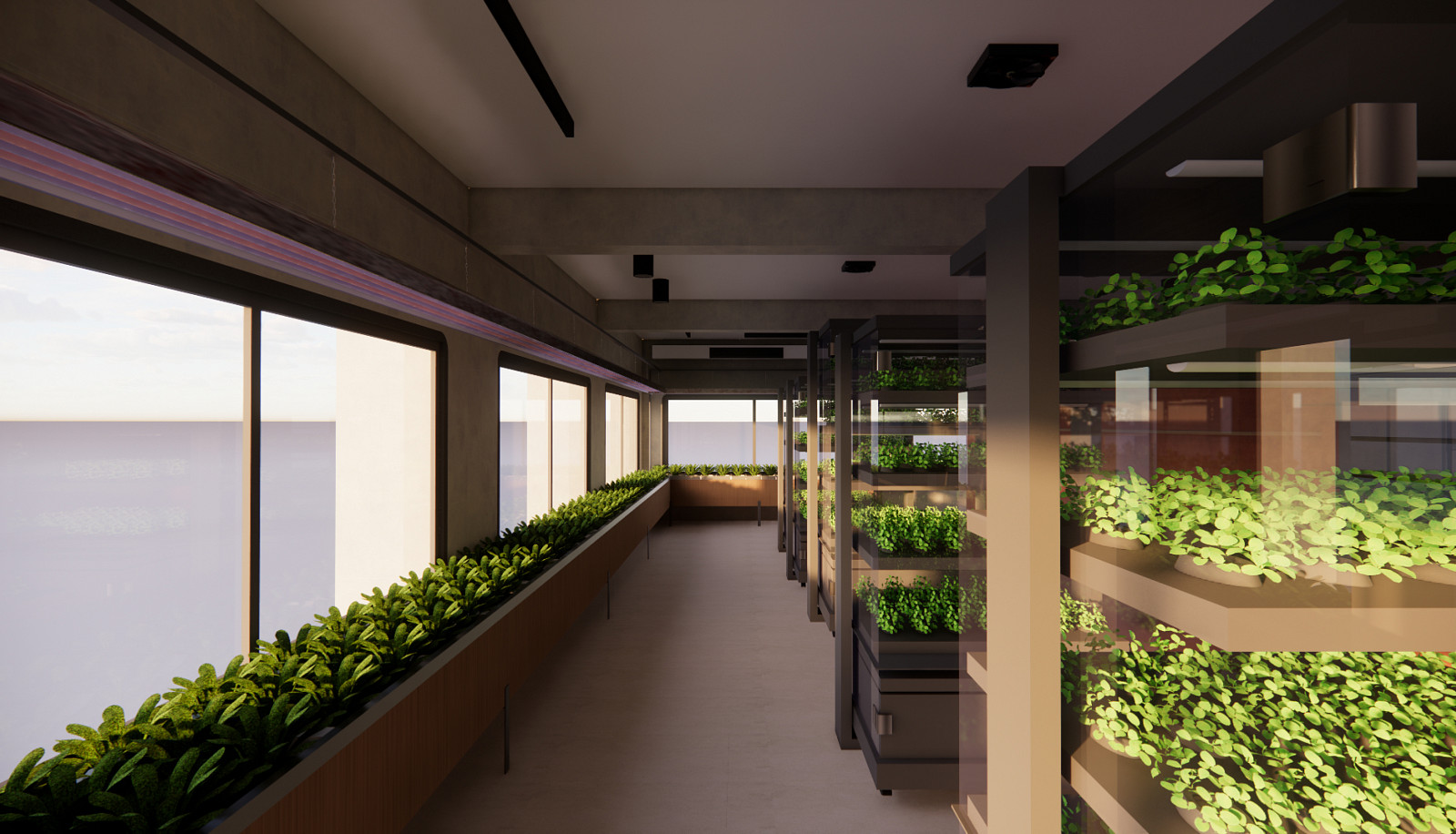
-Farming Systems: Vertical Farming, Hydroponics, Indoor Planters, and Modular Growing Units
-Functional Spaces: Urban Farming Zone, Culinary Learning Area, Demonstration Spaces, Workshop Areas, Community Interaction Spaces, ---Experiential Dining Area, and Retail/Display Spaces
-Environmental Strategies: Natural daylight utilization, energy-efficient lighting, passive ventilation, rainwater harvesting integration, and water-efficient irrigation systems
-Indoor Environmental Quality: Improved air quality through vegetation, enhanced thermal comfort, and biophilic integration
-Technology Integration: Smart irrigation systems, grow lights, environmental monitoring, and educational digital displays
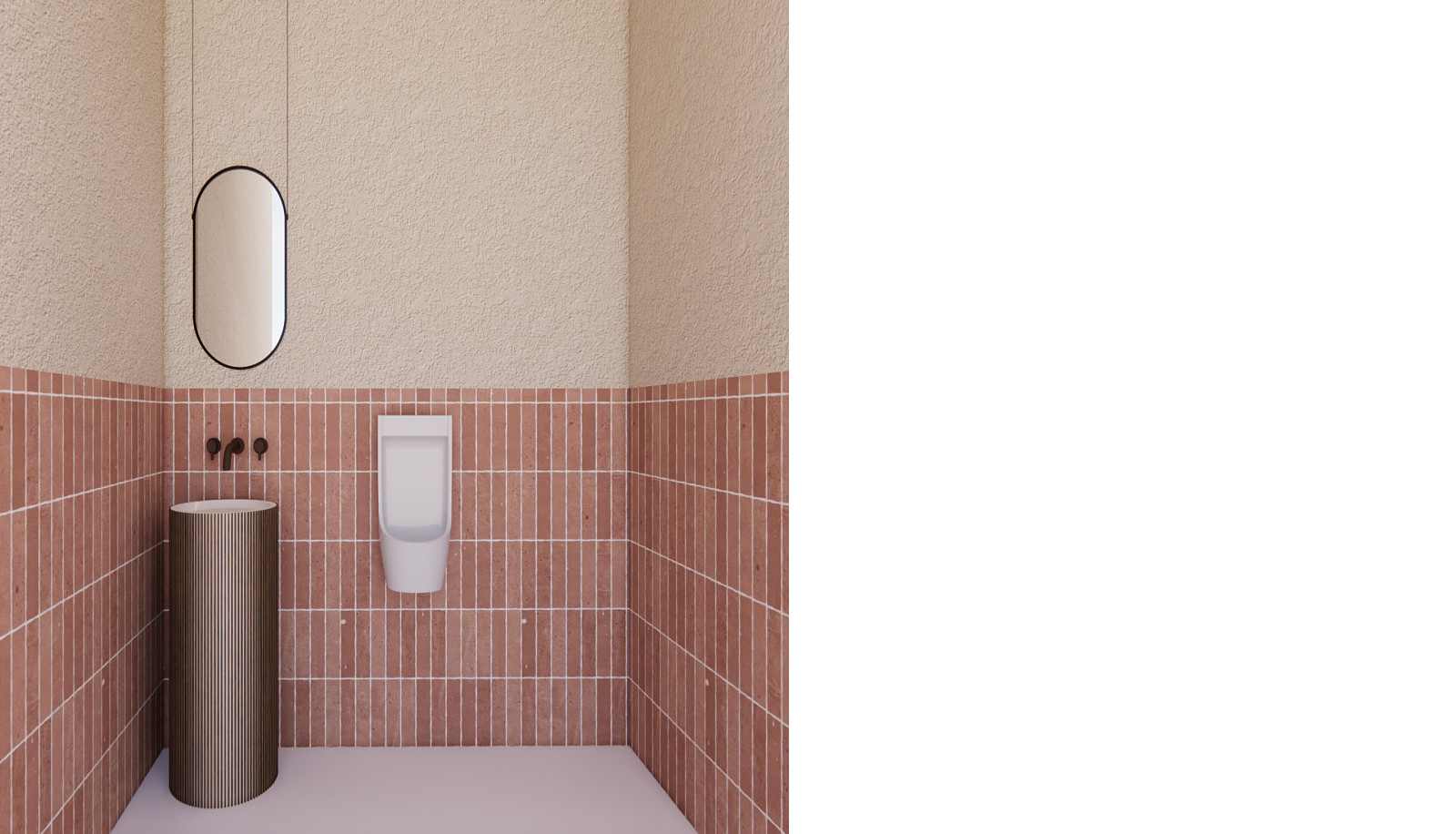
-Flooring: Eco Terrazzo by Colortayle made with recycled aggregates and durable low-impact materials.
-Wall Finish: Natural lime plaster for improved breathability, moisture regulation, and reduced environmental impact.
-Ceiling & Joinery: FSC-certified wood, bamboo elements, and low-VOC finishes.
-Furniture: Recycled and locally sourced materials to minimize carbon footprint.
-Farming Systems: Vertical farming, hydroponics, green walls, and integrated planters.
-Environmental Strategies: Natural daylight, energy-efficient LED lighting, water-saving irrigation systems, and passive ventilation.
The integration of vegetation and sustainable materials helps improve indoor air quality, enhances user well-being, and supports the project's goal of creating an environmentally responsible learning environment.
Documentation


Copyright © 2026 INSPIRELI | All rights reserved. Use of this website signifies your agreement to the Terms of Use, Privacy Policy, and use of cookies.