COMMMUNITY CENTER


 Kamiar Yazdani
 Pooya Lotfabadi
Project idea
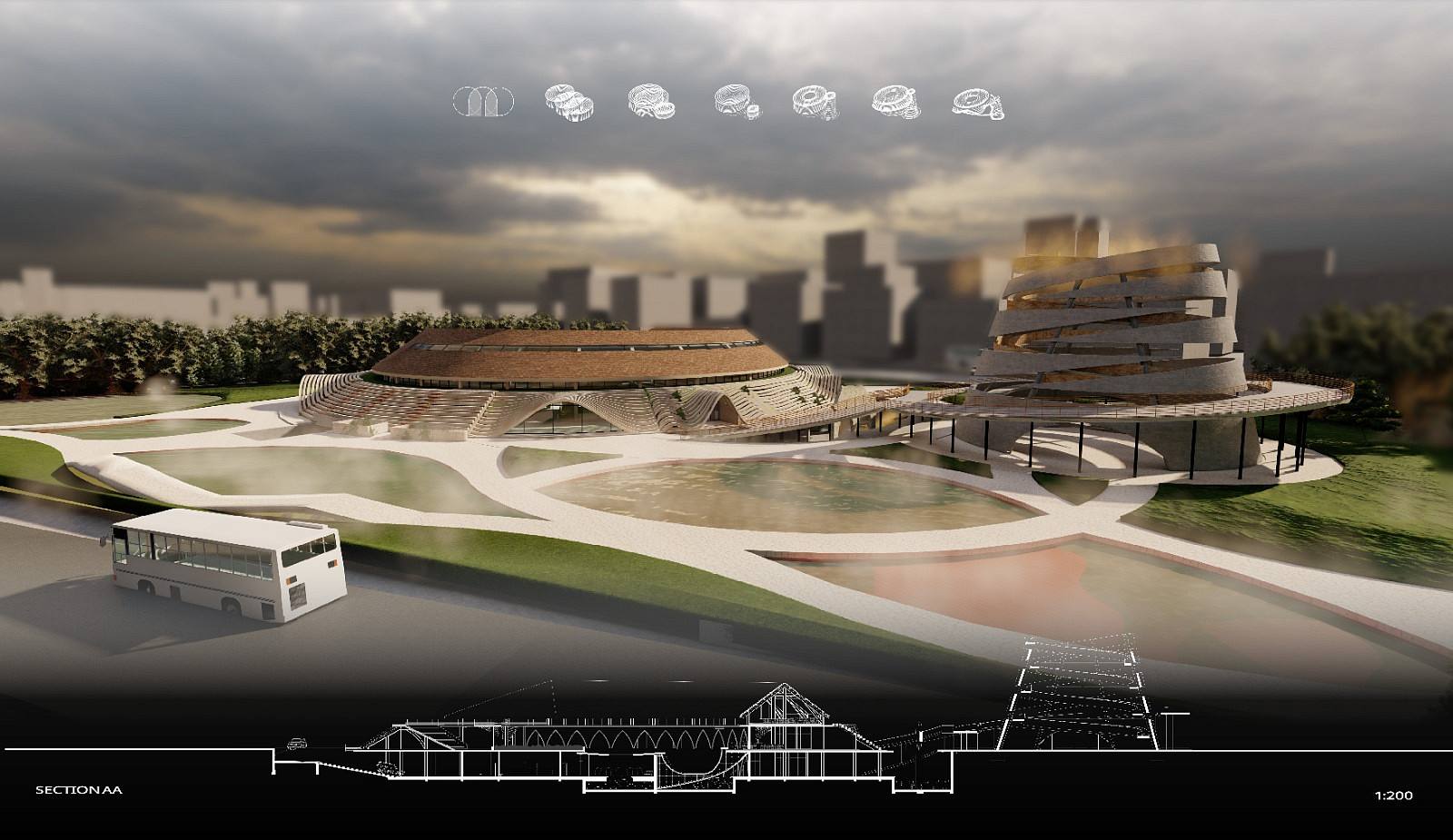
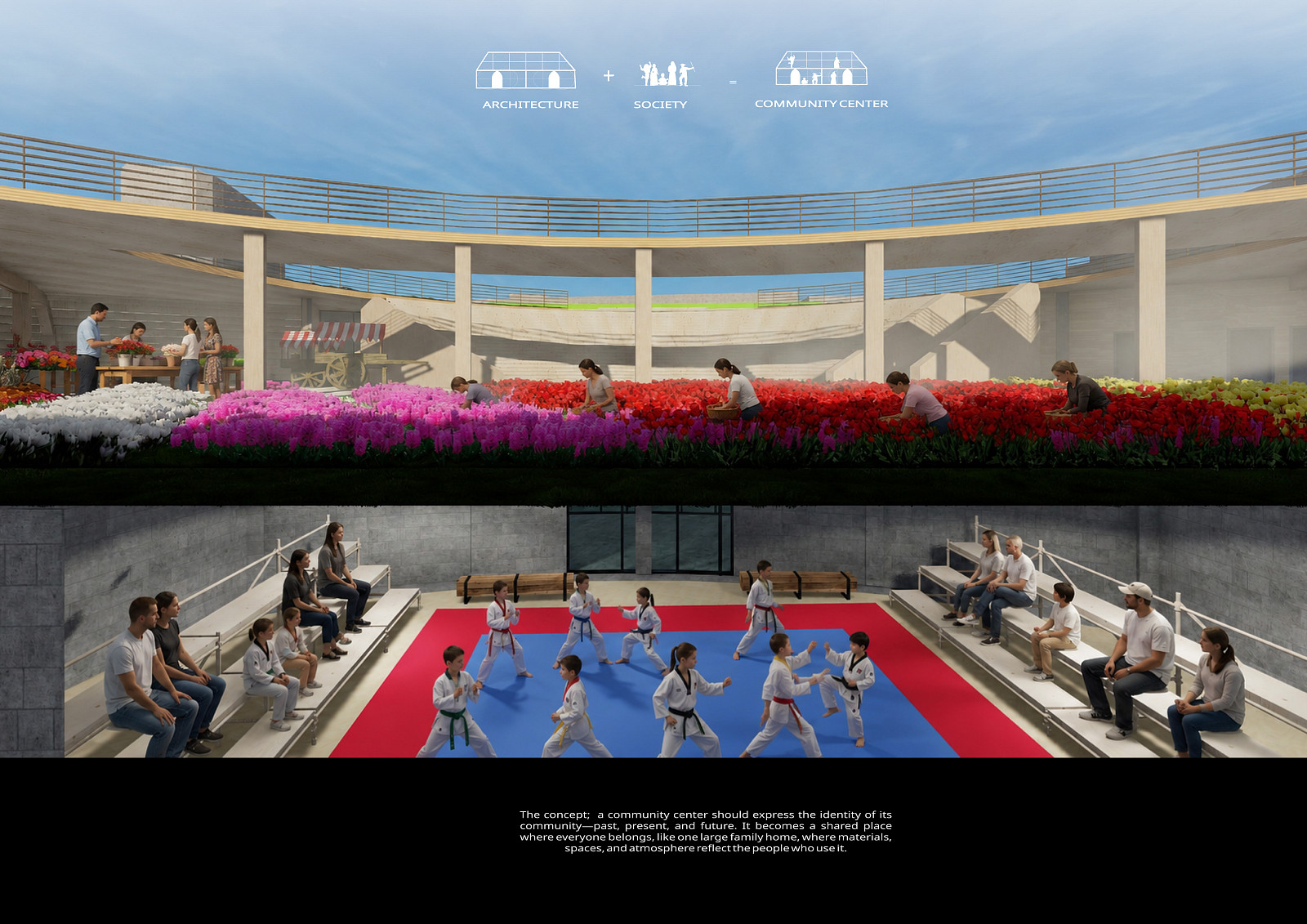
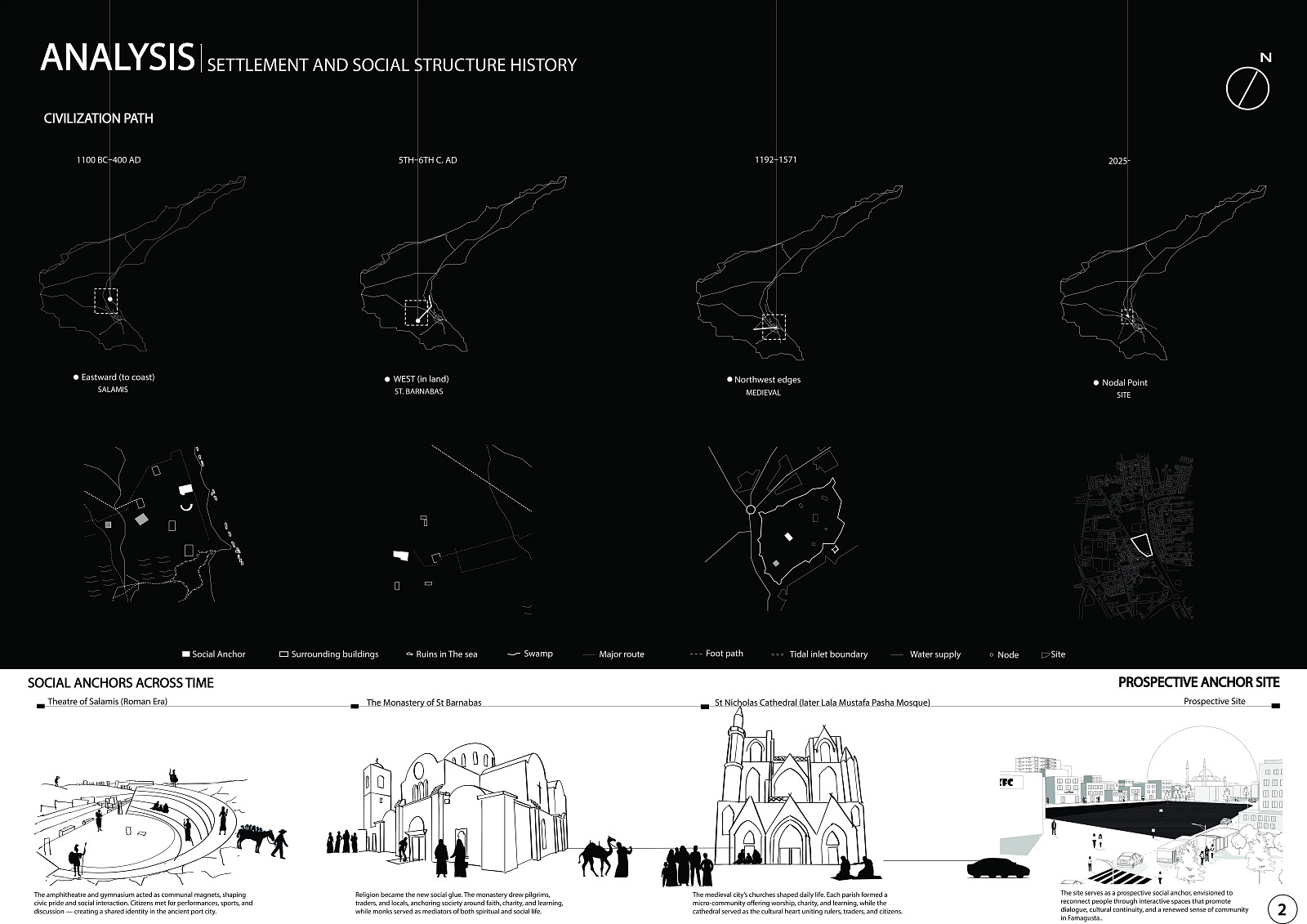
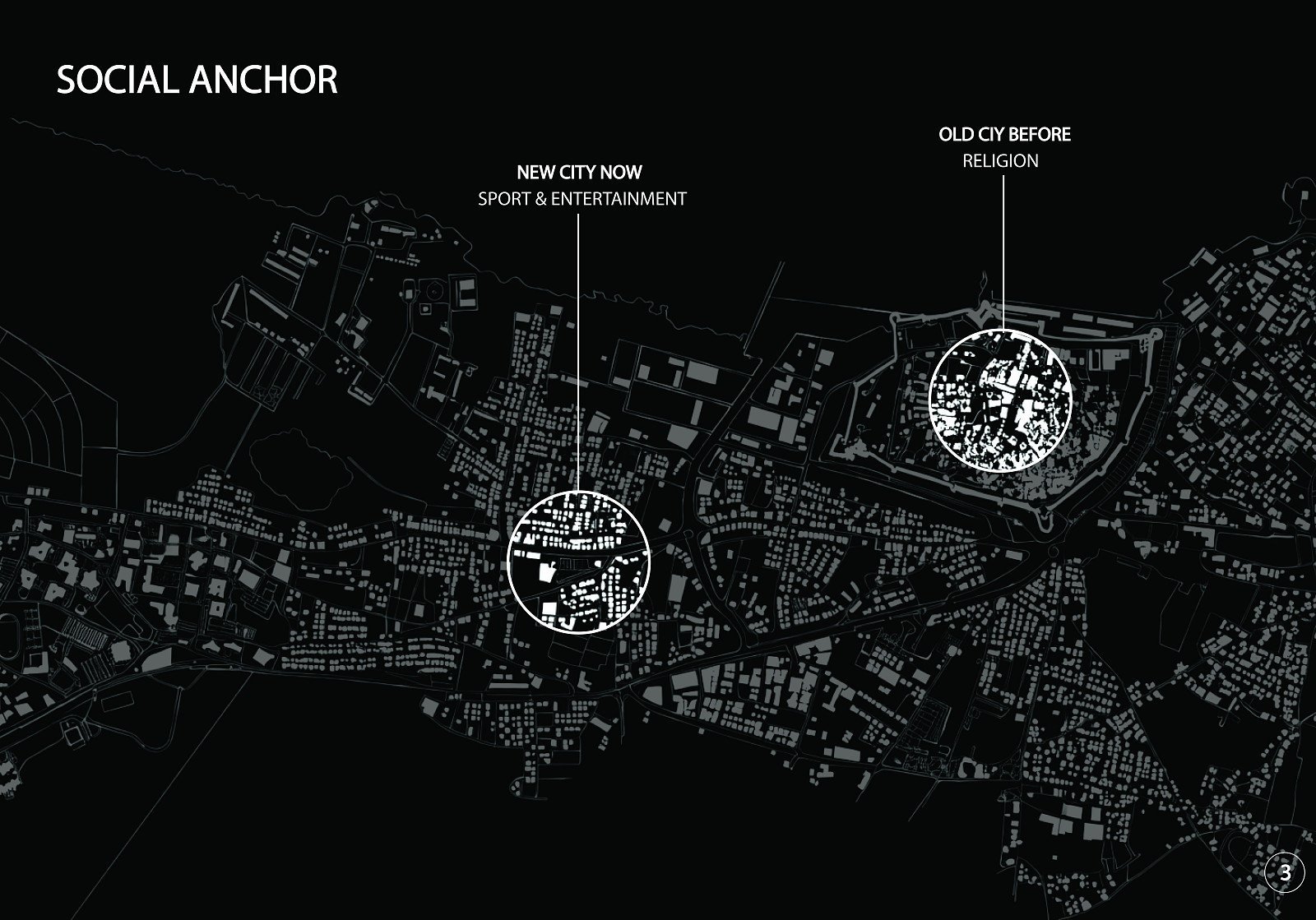
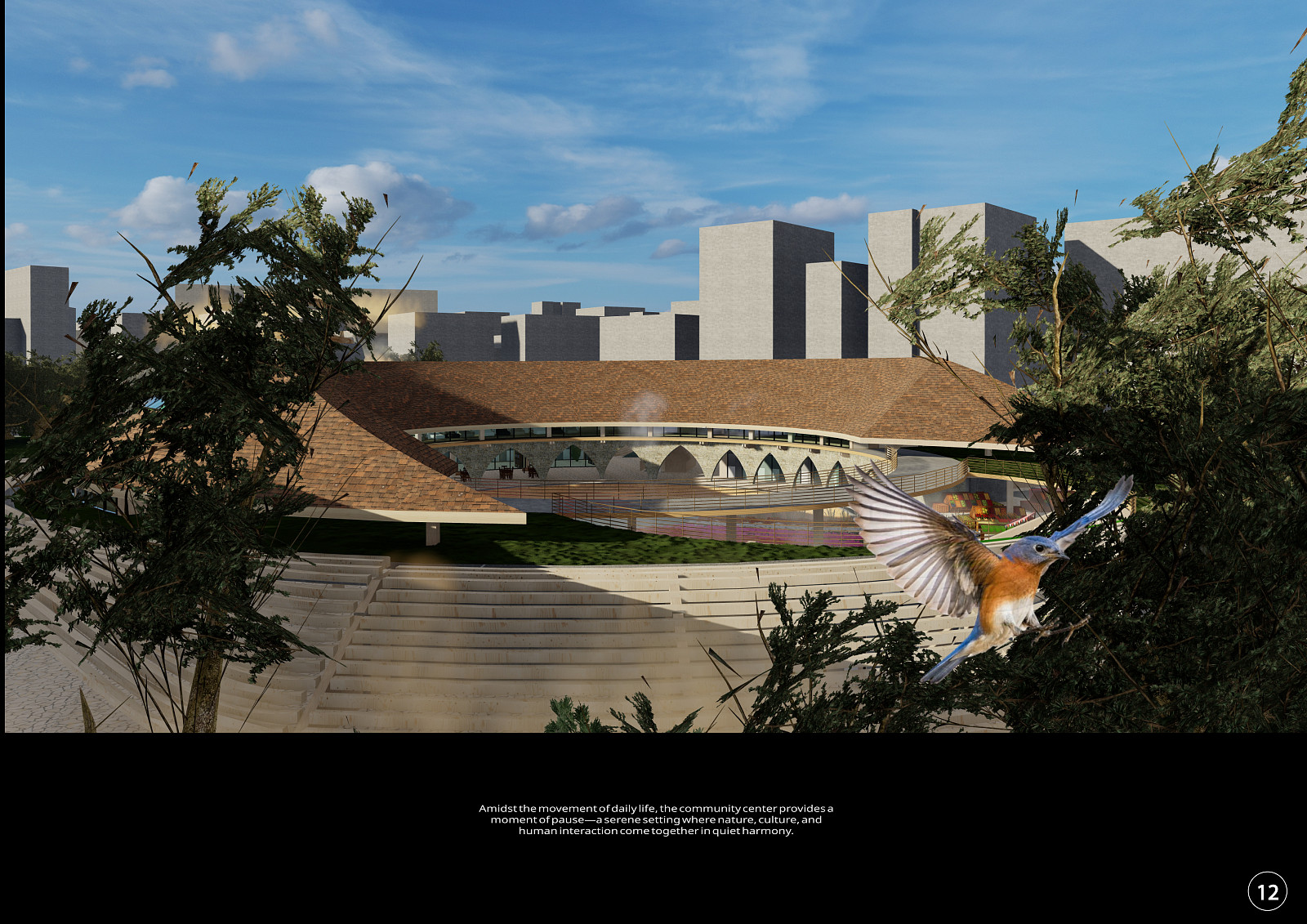
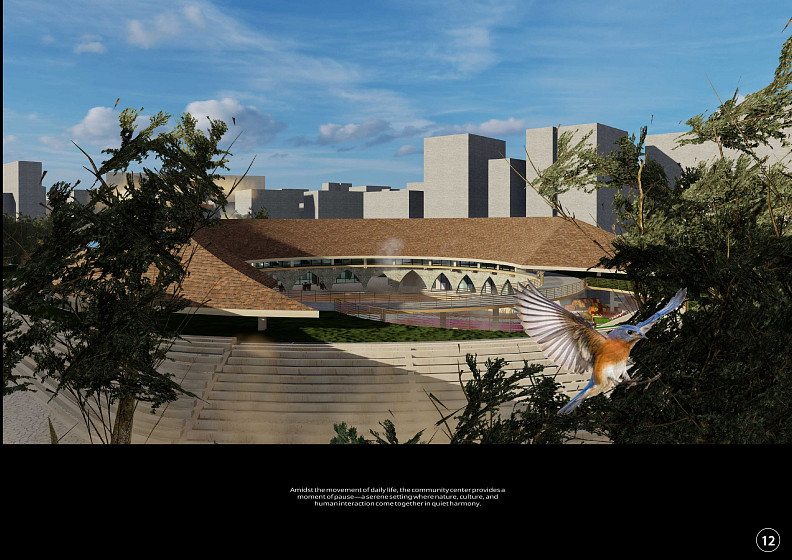
An intersection of architecture, culture, and time, the community center stands at the heart of the city’s historic settlement—an urban social anchor that reconnects people through everyday life. Rooted in memory, shaped by the present, and oriented toward the future, it preserves collective values while fostering interaction, belonging, and cultural continuity.
Project description
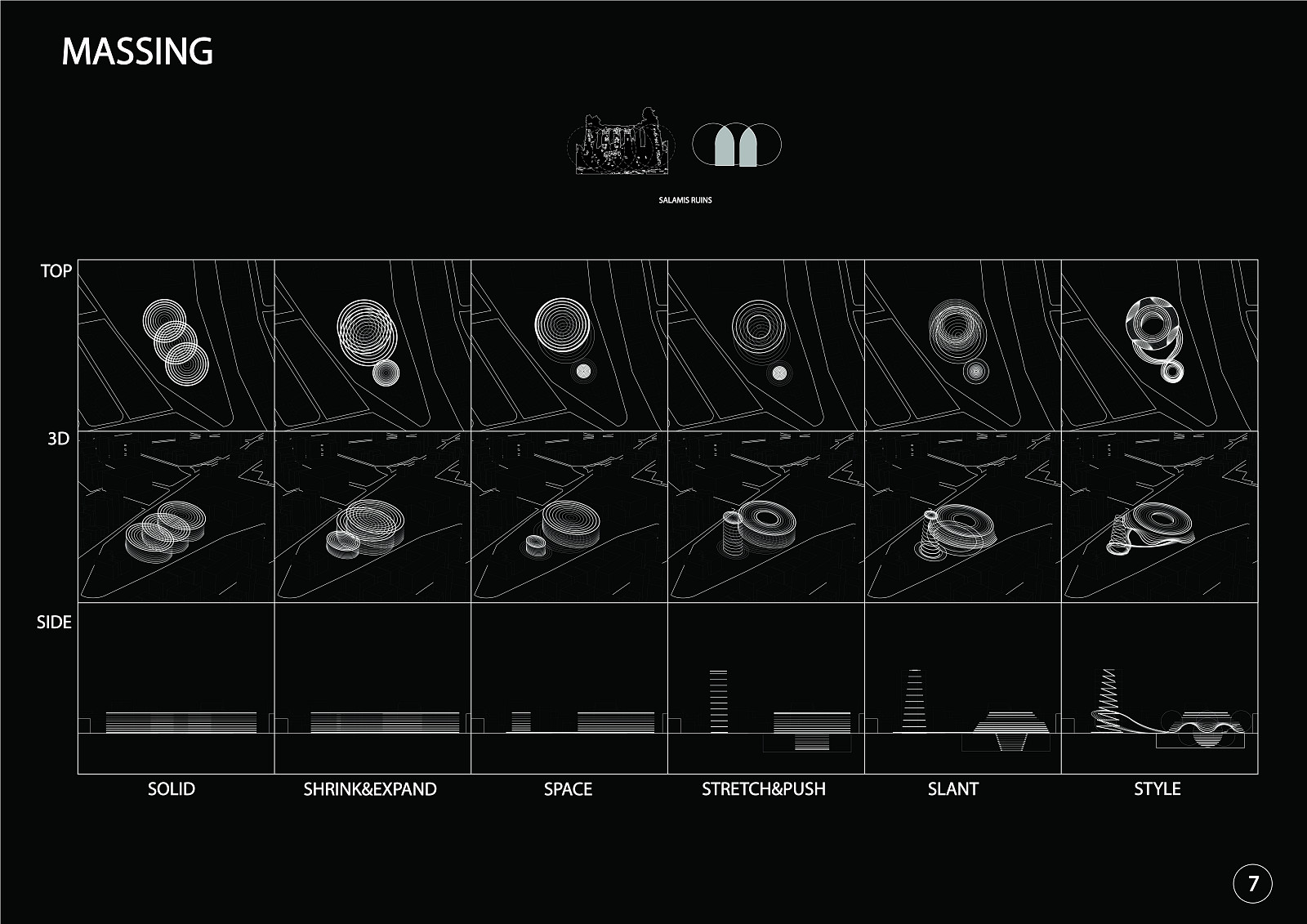
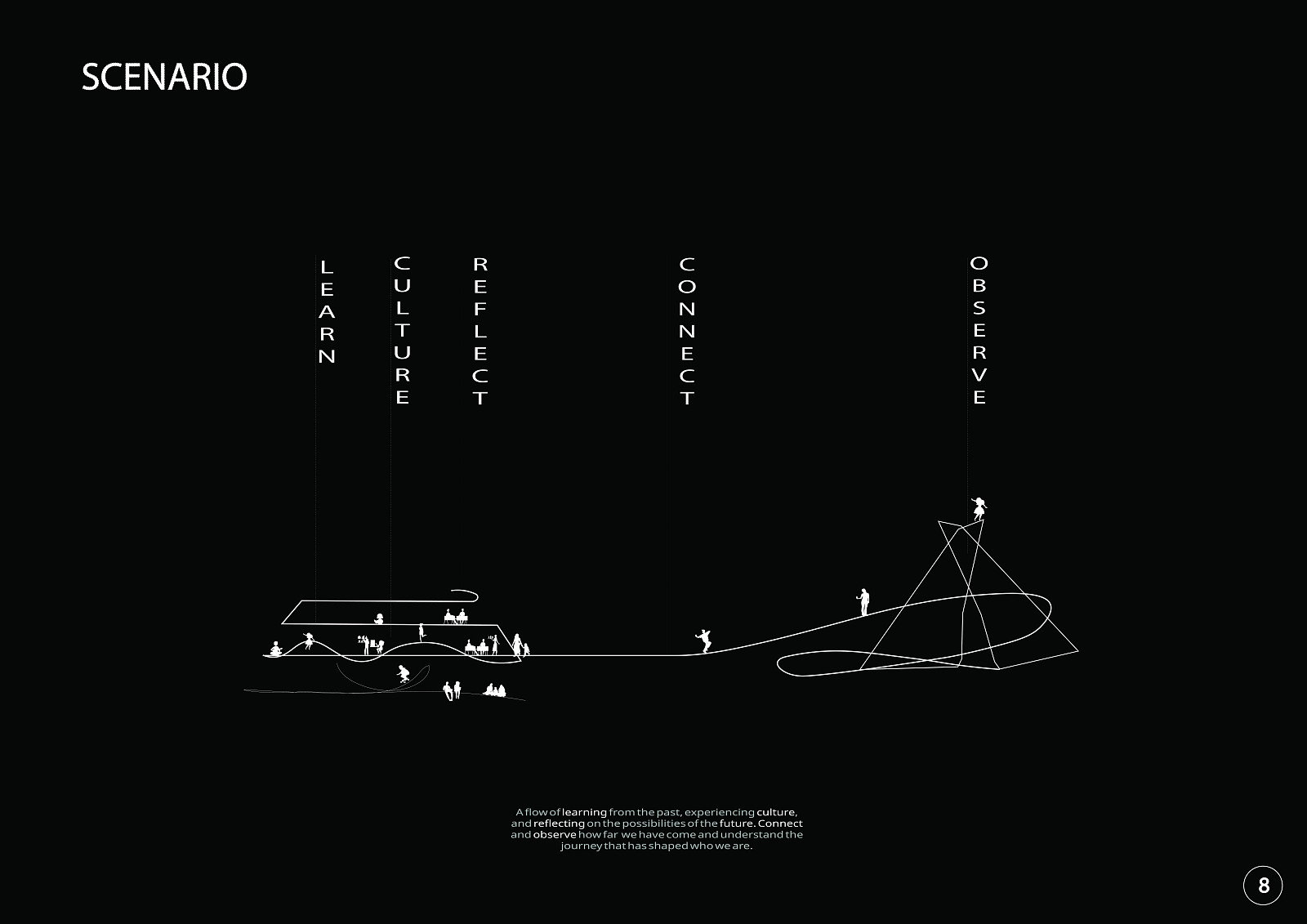
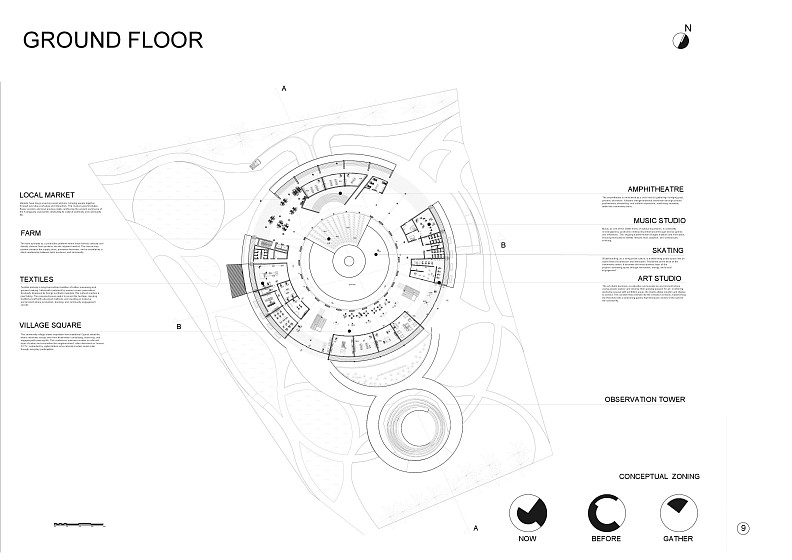
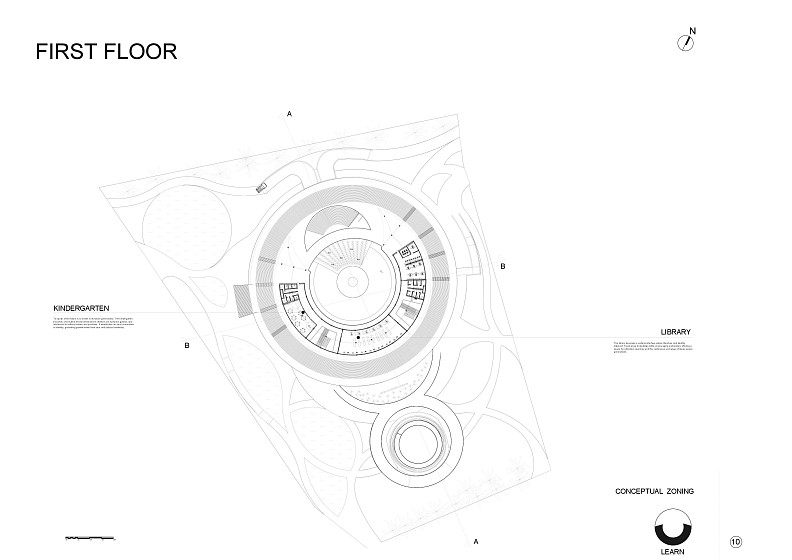
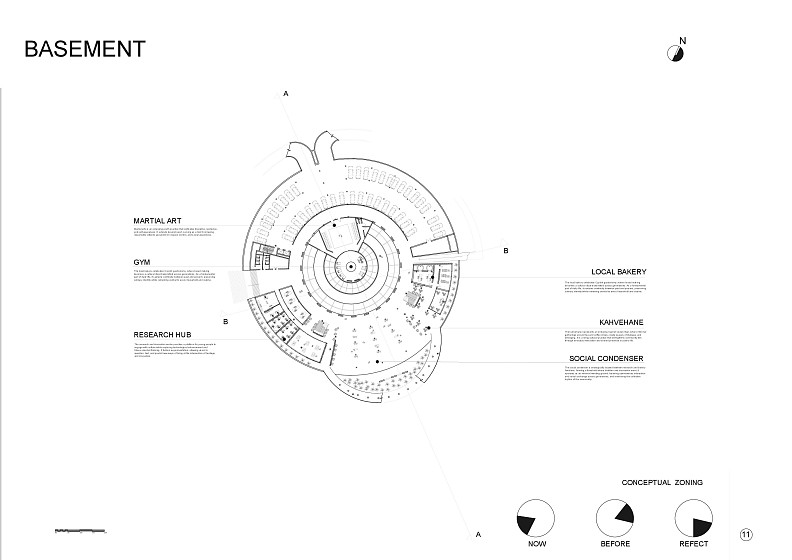
The building is segregated into four interconnected zones, structured around movement, perception, and engagement.
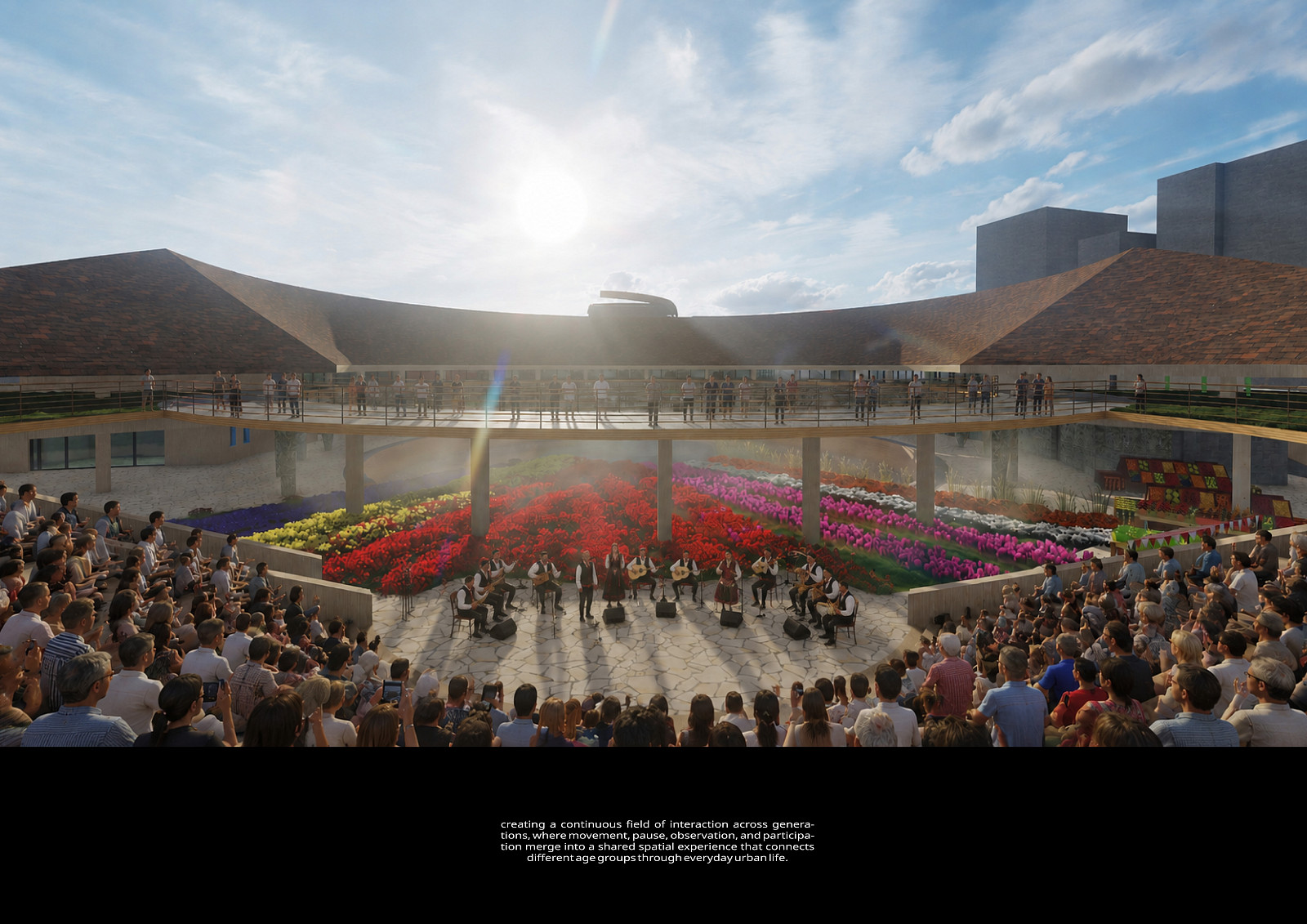
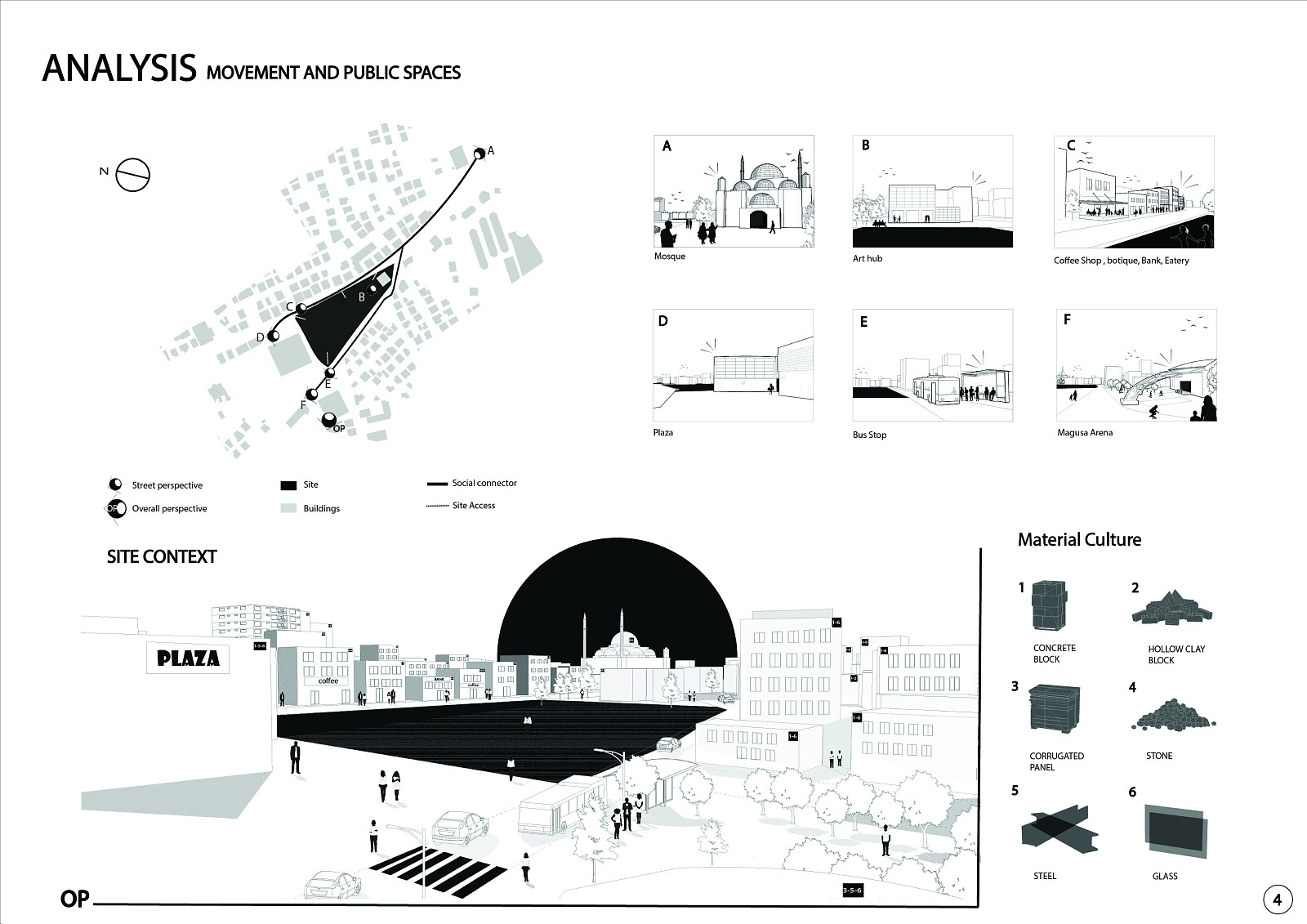
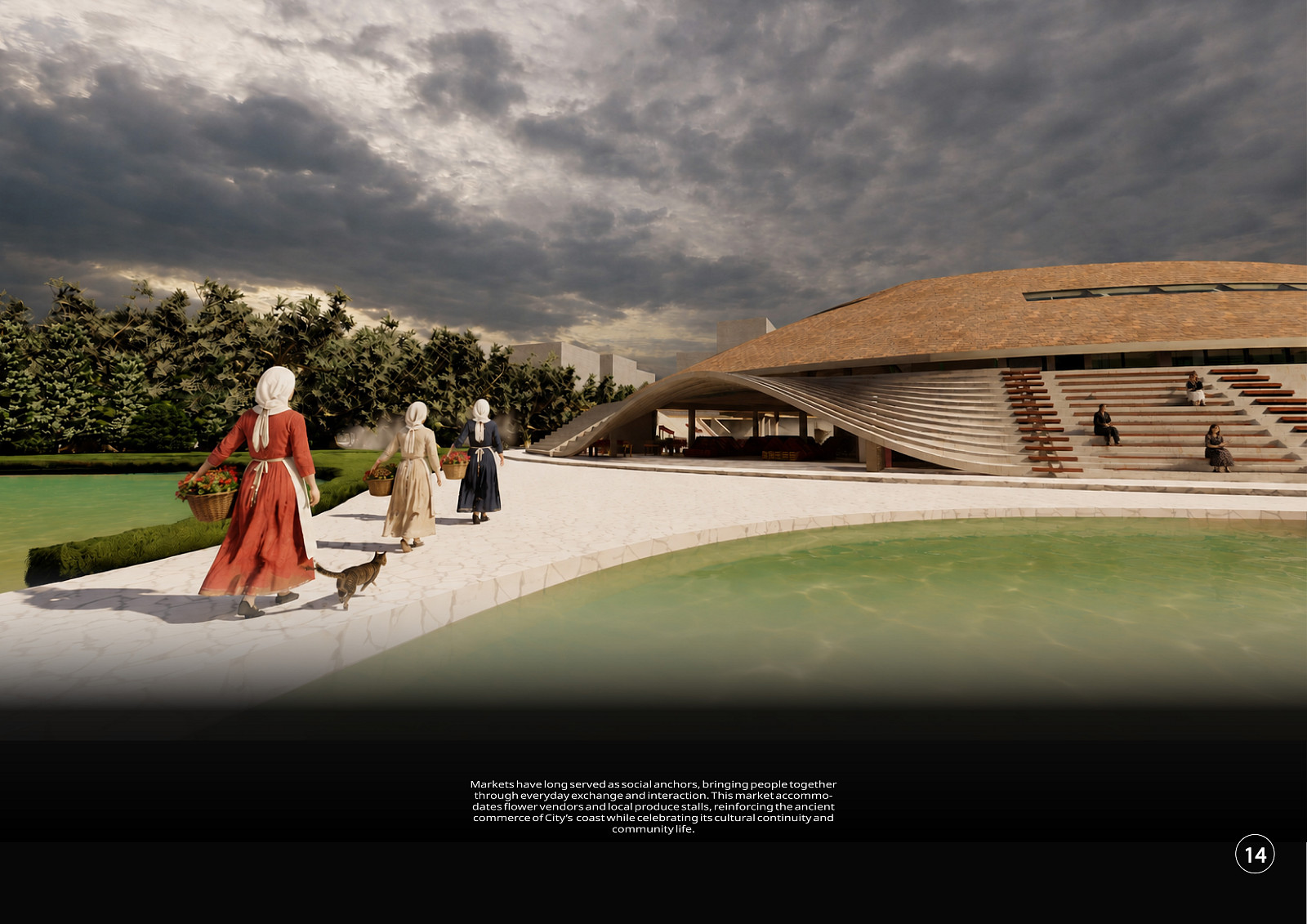
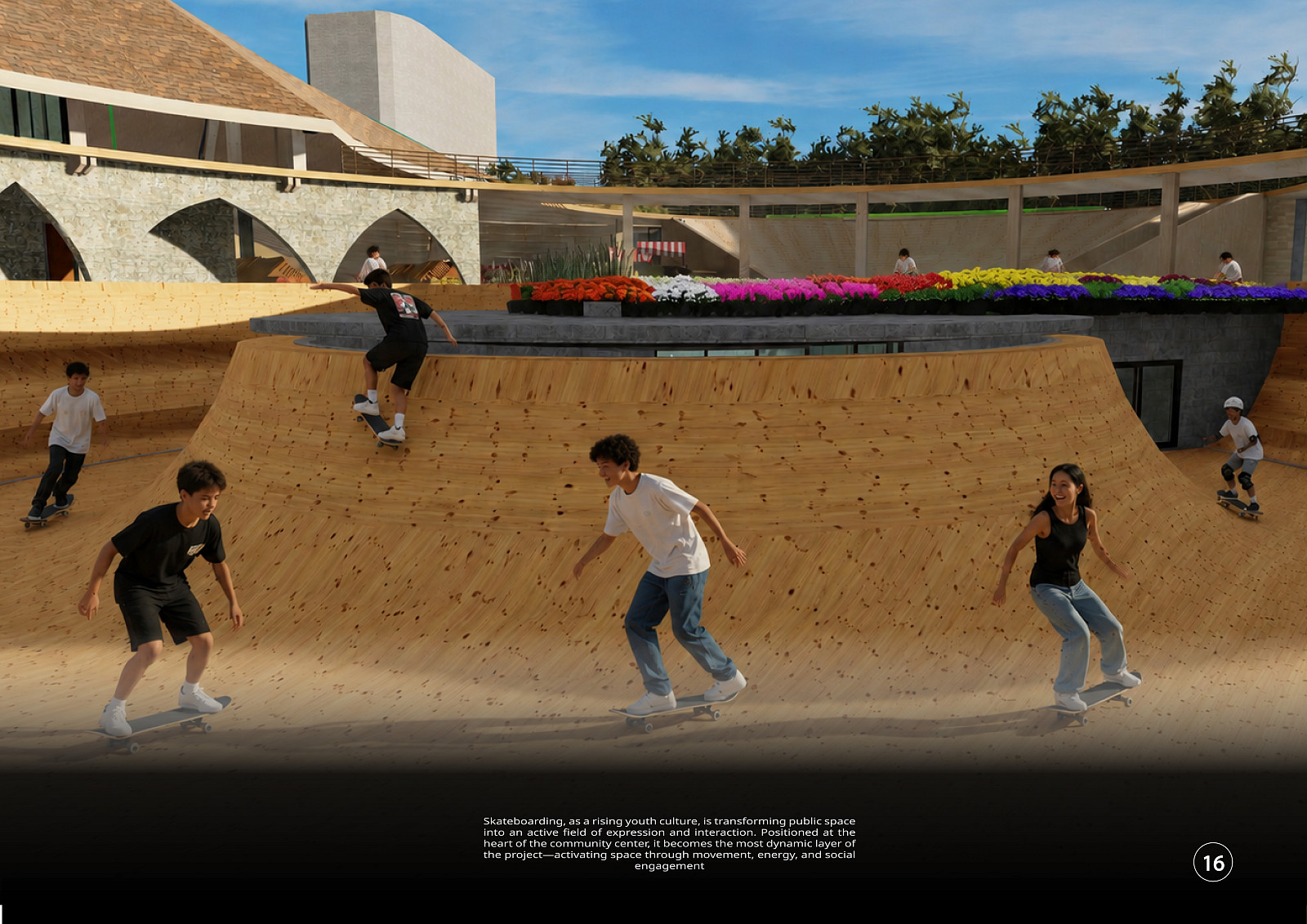
The ground floor operates as a porous civic field, defined by four entrances that extend the existing desire lines of the site. These pathways connect both sides of the city, allowing passersby to move through, observe, and, when drawn, engage with the activities within.
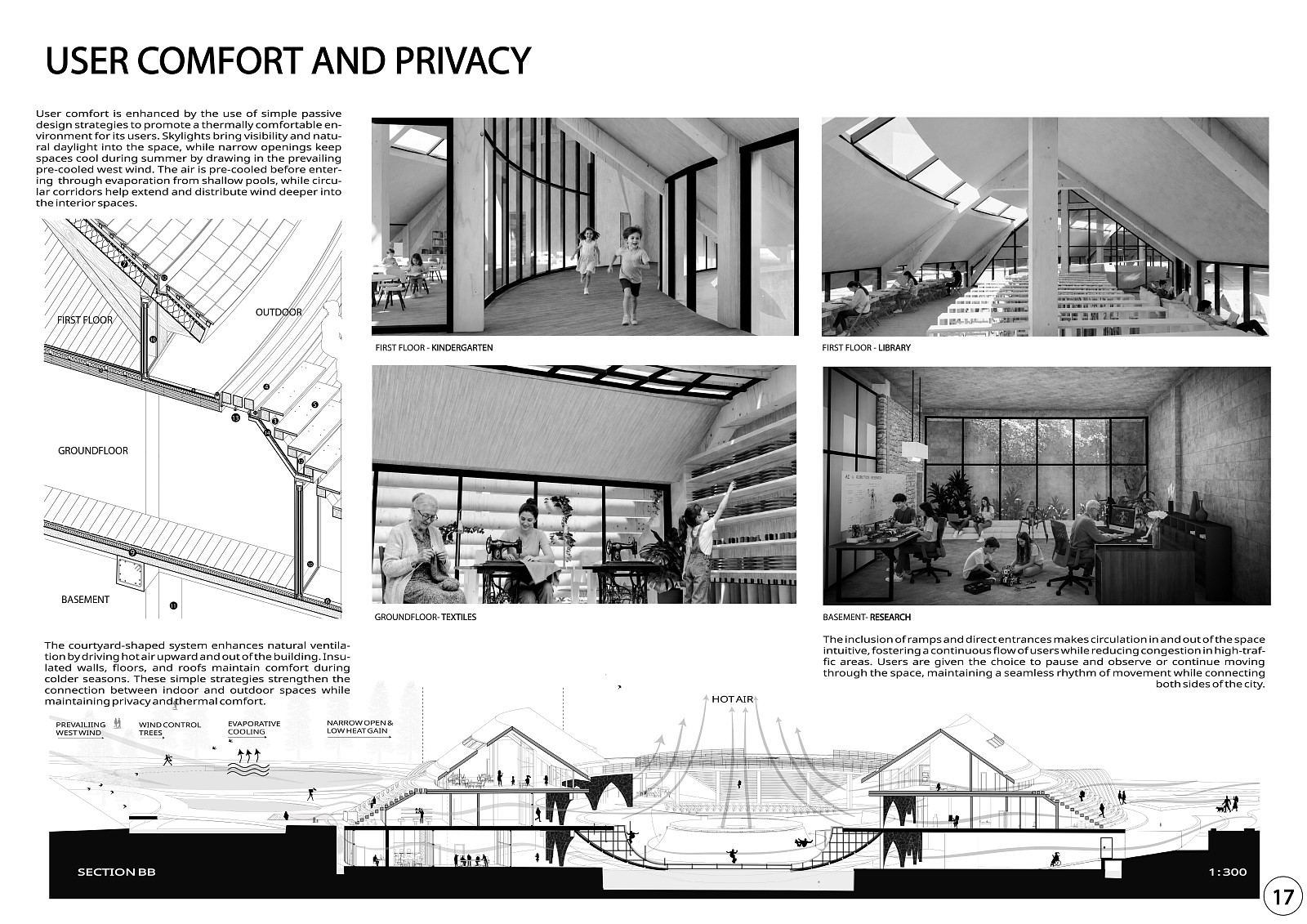
The first floor contains a controlled yet continuous flow of learning spaces for all ages. Naturally lit and passively ventilated, it offers an environment designed for focus, growth, and interaction. Seating areas are oriented toward framed views of ongoing urban life, turning learning into an active dialogue with the city.
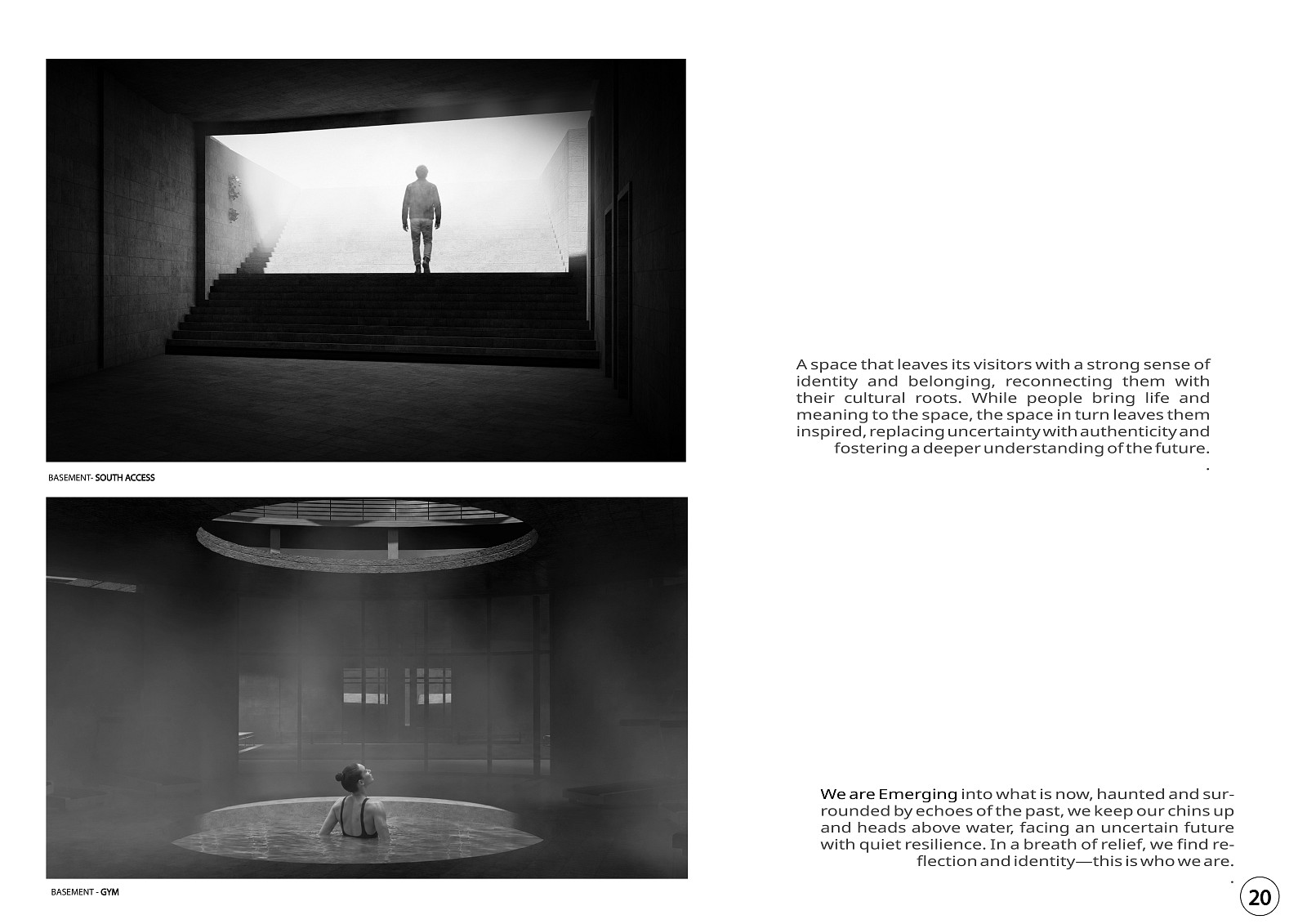
The basement provides a quiet, reflective environment for both young and old. Detached from the intensity of surface activity, it fosters introspection and identity-building, offering visitors a strong sense of grounding and belonging.
The observation tower rises above the site as a temporal marker—an elevated point that awards height with a visual juxtaposition of the historical fabric of the city with its contemporary growth, framing time as a layered urban experience.
Technical information
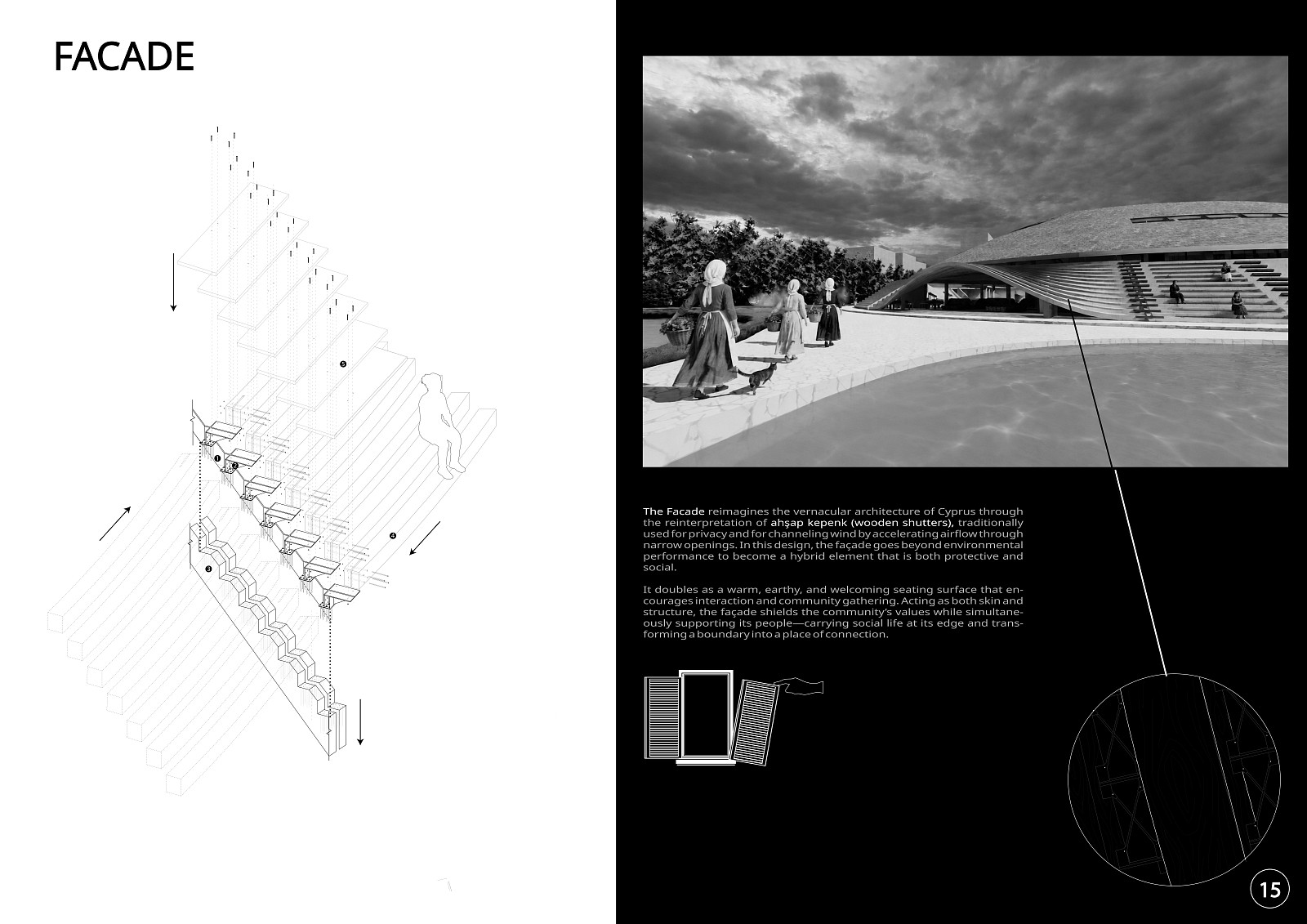
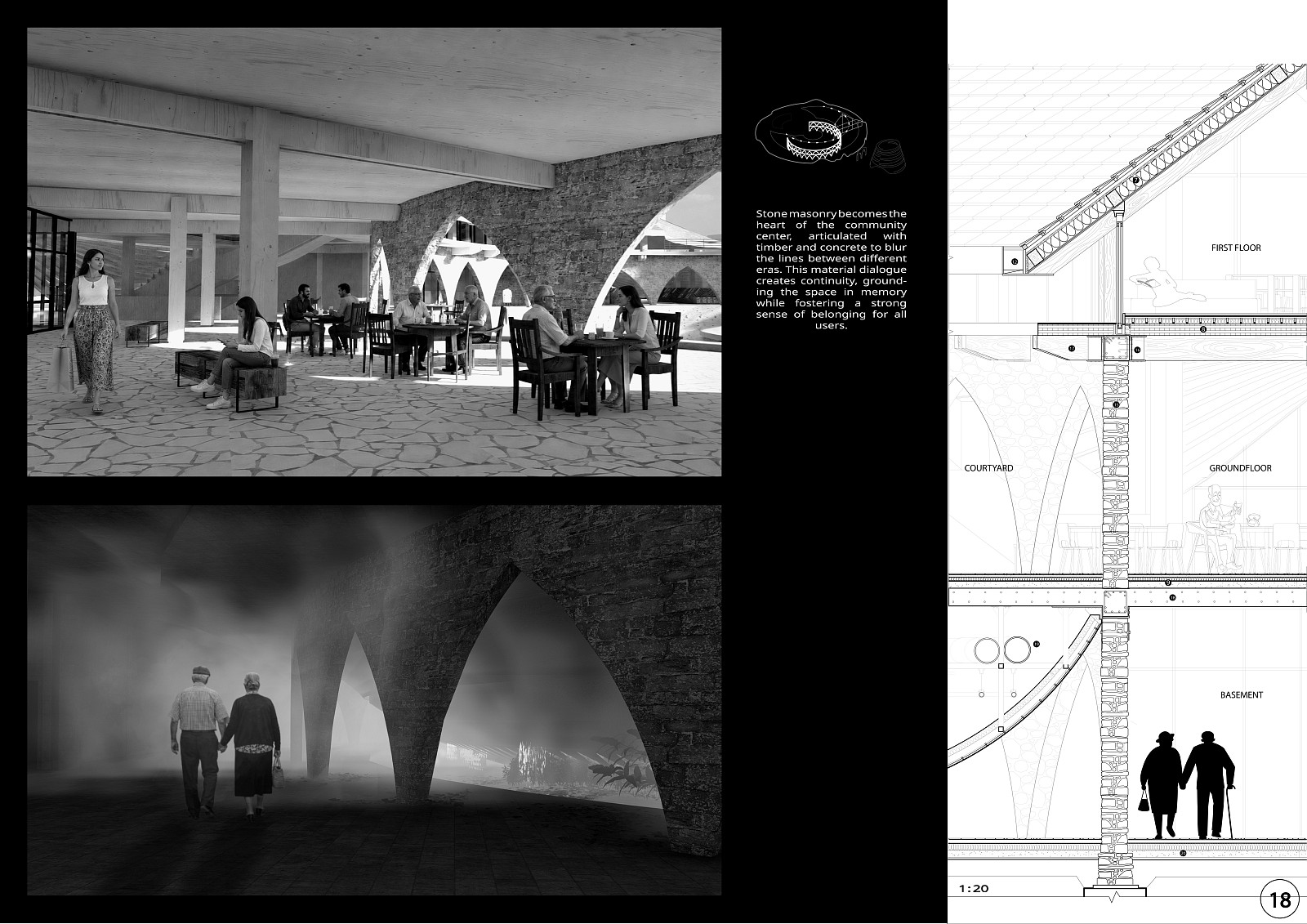
The building is roofed with a clay tile system, supported by a structural framework of glulam façade elements and a post-and-plate mass timber system. This timber structure wraps and engages a central limestone load-bearing wall, which defines and anchors the courtyard space.
The reinforced concrete basement forms the primary structural base, supporting the superstructure above, forming a composite structural system that stabilizes the building while grounding it into the site.
Environmental performance is driven through passive strategies. Daylight is filtered into the interior through controlled, narrow openings, creating a calibrated interplay of light and shadow. Natural ventilation is enhanced by strategic voids that channel wind deeper into the building. Circular corridors and a layered courtyard system further distribute airflow, ensuring continuous movement of air while maintaining spatial continuity between interior and exterior zones.
Documentation

Copyright © 2026 INSPIRELI | All rights reserved. Use of this website signifies your agreement to the Terms of Use, Privacy Policy, and use of cookies.