more than wall


Project idea
TUCUMÁN ARSENAL MEMORIAL PARK: A LANDSCAPE OF RETRIBUTIVE CONTAINMENT
Philosophy, Narrative, and The Constraint Metaphor
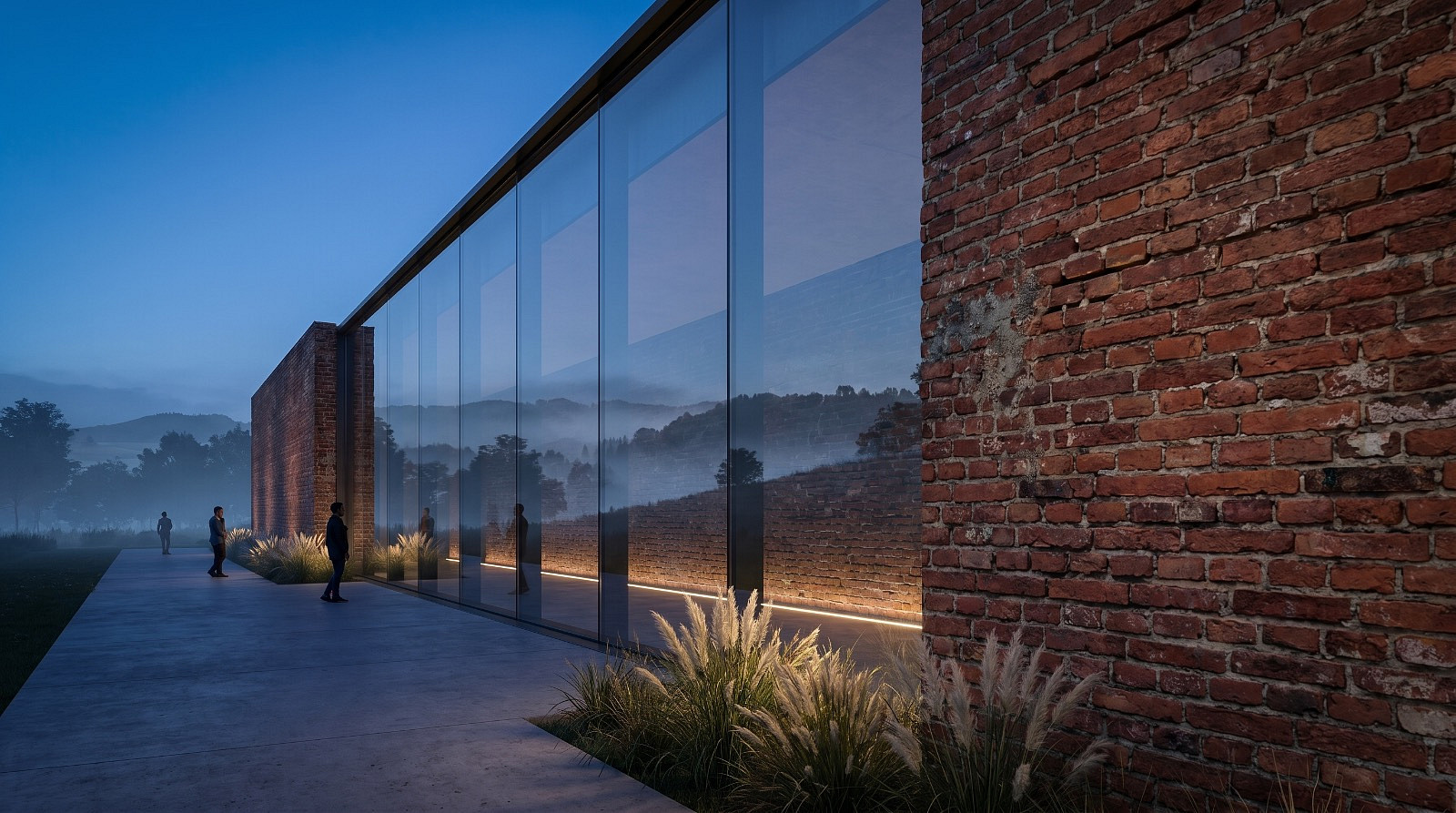
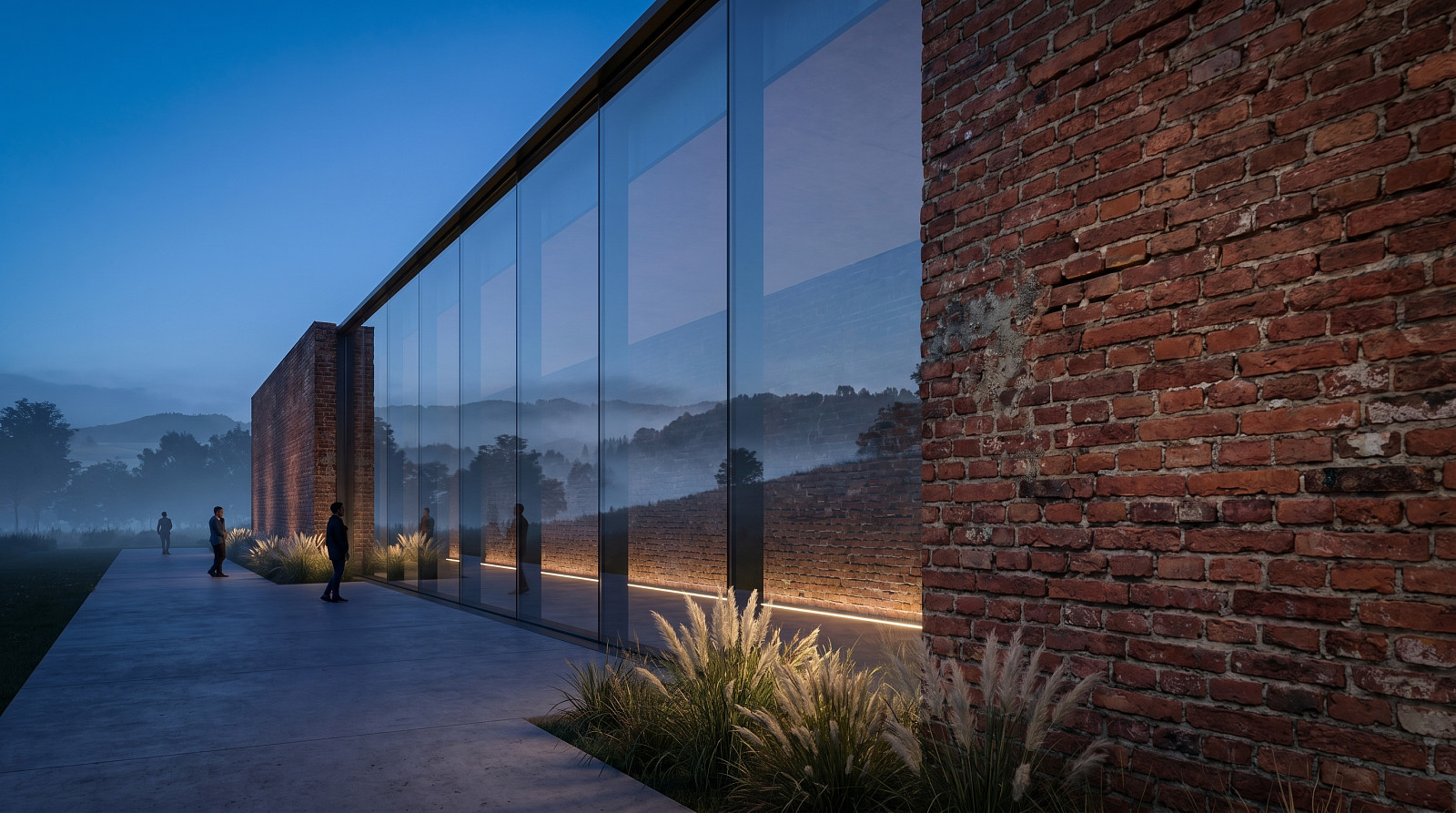
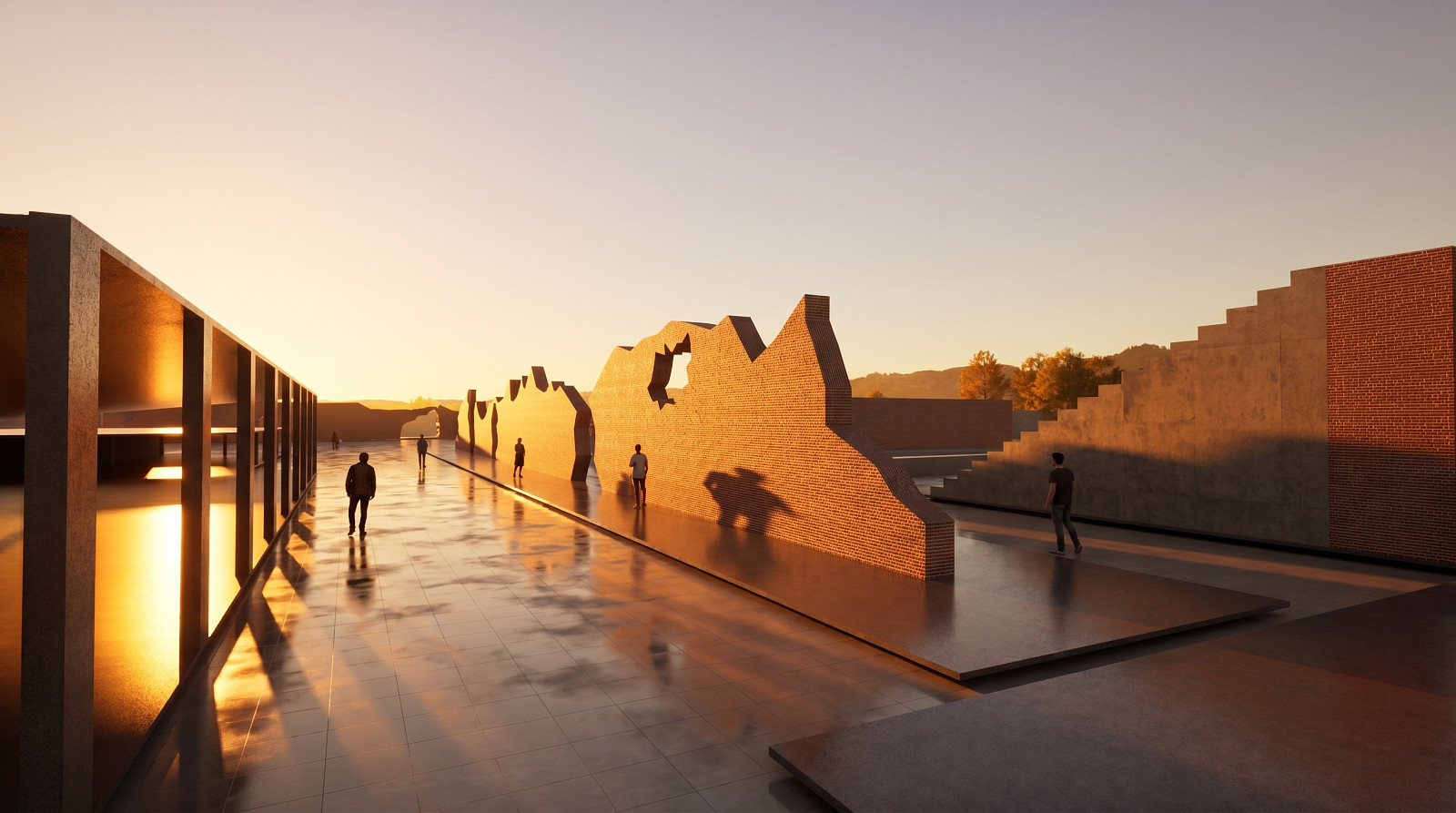
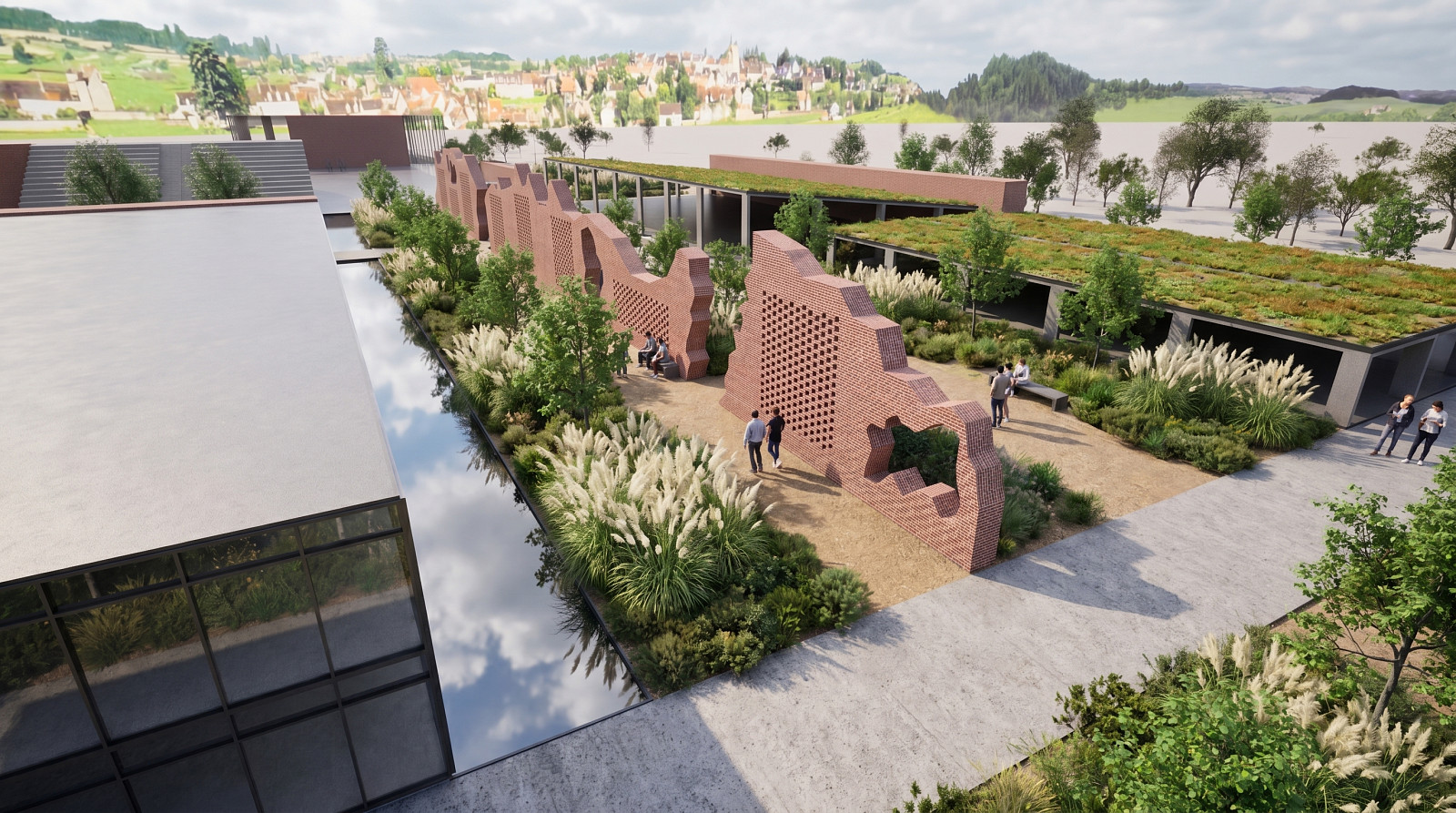
This project confronts the Companía de Arsenales Miguel de Azcuénaga, a former clandestine detention and extermination center in Tucumán, Argentina, navigating its legacy of state terror. The overarching design philosophy is retributive: an architecture of justice that seeks to physically capture the historical violence. A powerful retributive metaphor defines the central architectural gesture: a high wall must now constrain those who once used constraints against others. Massive, towering new walls of textural local brick and stone (image_29.png, Panel 1) are constructed to physically encapsulate and ablukası (blockade) the former barracks—the original structures of state oppression (image_29.png, Panel 7, image_3.png).
Spatial Organization and Public Engagement
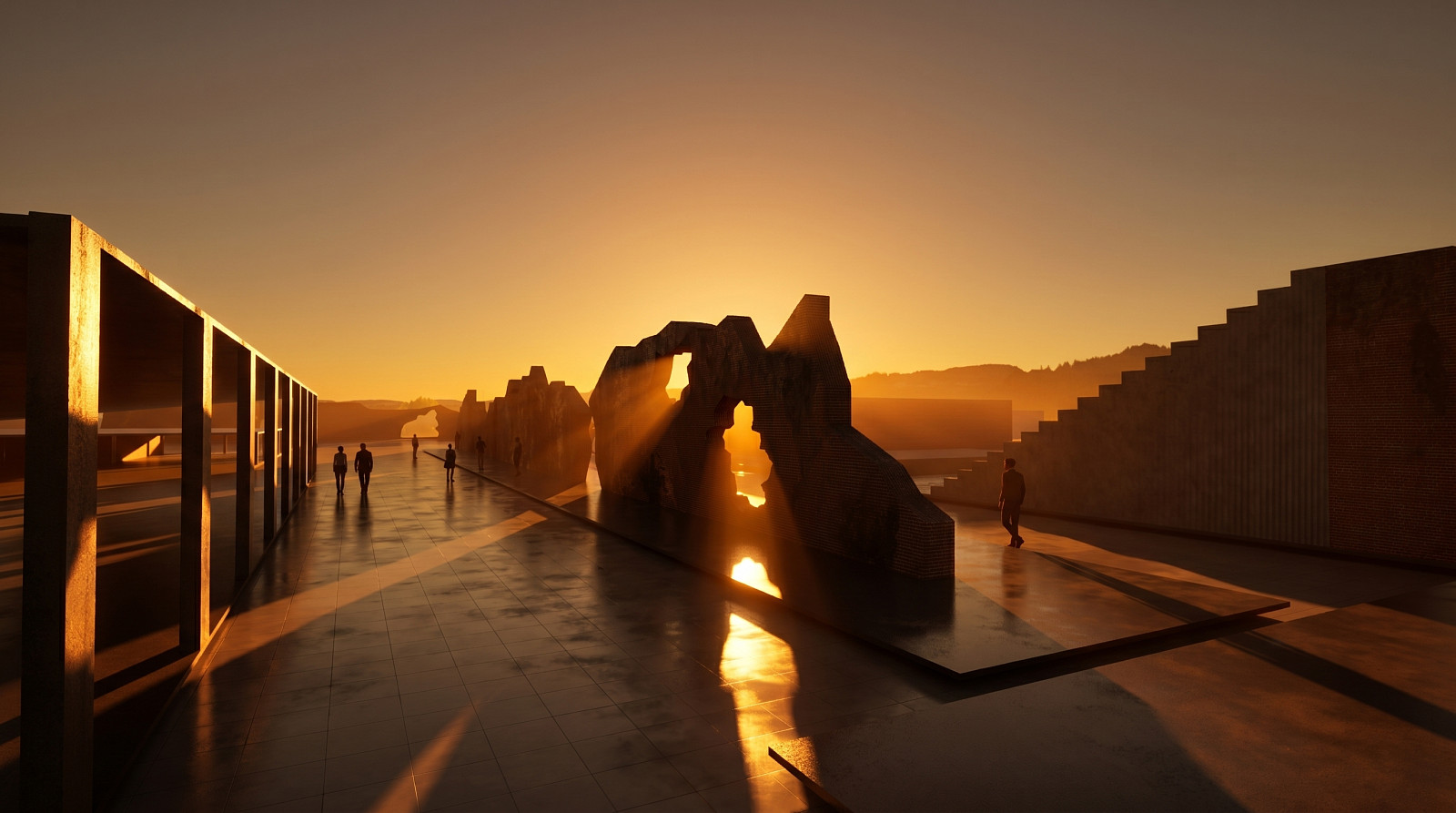
The complex is organized to facilitate a deep sensory journey of confrontation, reflection, and memory. The high constraint walls create an intentional sense of oppression for visitors as they enter, building solemnity and engagement with the past. Beyond these walls, the former military layout is broken by perpendicular program blocks: a unique collection of flat-roofed volumes that saplandığı (penetrate) the constraint network. Their intersection defines a critical new central square—a public ‘Meydan’ for gathering and reflection, disrupting the military order (image_29.png, Panel 2). The program includes a deep Duyusal Sergi Salonu (Sensory Exhibition, 500m²), Anıt Sanat Galerisi (1500m²), and Atölyeler (1500m²). These areas use controlled light (image_29.png, Panel 6) and raw materials to immerse the user in the narrative.
Deep Memorialization: The Challenge of Galpón 9
A primary challenge was applying the core retributive wall metaphor (the constraint of constraints) at Galpón 9, a known site of mass graves and intense suffering. To resolve this, the metaphor shifts from towering verticality to profound subterranean containment. The new high brick walls, applied vertically elsewhere, dip below ground level into deep, linear, trench-like retaining walls that Physically and symbolically descend into the earth. This intervention transforms the wall into a ‘Derin Anıt’ (Deep Monument), creating profound subterranean channels or wells that physically encapsulate the zones of hidden memory and potential remains (the Saklı Mezarlar). The walls do not enclose the burials from the sky, but they constrain the very void of the clandestine activity below the historic level, turning the subterranean memory itself into an eternal monument.
Project description
TUCUMÁN ARSENAL MEMORIAL PARK: A LANDSCAPE OF RETRIBUTIVE CONTAINMENT
Philosophy, Narrative, and The Constraint Metaphor
This project confronts the Companía de Arsenales Miguel de Azcuénaga, a former clandestine detention and extermination center in Tucumán, Argentina, navigating its legacy of state terror. The overarching design philosophy is retributive: an architecture of justice that seeks to physically capture the historical violence. A powerful retributive metaphor defines the central architectural gesture: a high wall must now constrain those who once used constraints against others. Massive, towering new walls of textural local brick and stone (image_29.png, Panel 1) are constructed to physically encapsulate and ablukası (blockade) the former barracks—the original structures of state oppression (image_29.png, Panel 7, image_3.png).
Spatial Organization and Public Engagement
The complex is organized to facilitate a deep sensory journey of confrontation, reflection, and memory. The high constraint walls create an intentional sense of oppression for visitors as they enter, building solemnity and engagement with the past. Beyond these walls, the former military layout is broken by perpendicular program blocks: a unique collection of flat-roofed volumes that saplandığı (penetrate) the constraint network. Their intersection defines a critical new central square—a public ‘Meydan’ for gathering and reflection, disrupting the military order (image_29.png, Panel 2). The program includes a deep Duyusal Sergi Salonu (Sensory Exhibition, 500m²), Anıt Sanat Galerisi (1500m²), and Atölyeler (1500m²). These areas use controlled light (image_29.png, Panel 6) and raw materials to immerse the user in the narrative.
Deep Memorialization: The Challenge of Galpón 9
A primary challenge was applying the core retributive wall metaphor (the constraint of constraints) at Galpón 9, a known site of mass graves and intense suffering. To resolve this, the metaphor shifts from towering verticality to profound subterranean containment. The new high brick walls, applied vertically elsewhere, dip below ground level into deep, linear, trench-like retaining walls that Physically and symbolically descend into the earth. This intervention transforms the wall into a ‘Derin Anıt’ (Deep Monument), creating profound subterranean channels or wells that physically encapsulate the zones of hidden memory and potential remains (the Saklı Mezarlar). The walls do not enclose the burials from the sky, but they constrain the very void of the clandestine activity below the historic level, turning the subterranean memory itself into an eternal monument.
Technical information
TUCUMÁN ARSENAL MEMORIAL PARK: A LANDSCAPE OF RETRIBUTIVE CONTAINMENT
Philosophy, Narrative, and The Constraint Metaphor
This project confronts the Companía de Arsenales Miguel de Azcuénaga, a former clandestine detention and extermination center in Tucumán, Argentina, navigating its legacy of state terror. The overarching design philosophy is retributive: an architecture of justice that seeks to physically capture the historical violence. A powerful retributive metaphor defines the central architectural gesture: a high wall must now constrain those who once used constraints against others. Massive, towering new walls of textural local brick and stone (image_29.png, Panel 1) are constructed to physically encapsulate and ablukası (blockade) the former barracks—the original structures of state oppression (image_29.png, Panel 7, image_3.png).
Spatial Organization and Public Engagement
The complex is organized to facilitate a deep sensory journey of confrontation, reflection, and memory. The high constraint walls create an intentional sense of oppression for visitors as they enter, building solemnity and engagement with the past. Beyond these walls, the former military layout is broken by perpendicular program blocks: a unique collection of flat-roofed volumes that saplandığı (penetrate) the constraint network. Their intersection defines a critical new central square—a public ‘Meydan’ for gathering and reflection, disrupting the military order (image_29.png, Panel 2). The program includes a deep Duyusal Sergi Salonu (Sensory Exhibition, 500m²), Anıt Sanat Galerisi (1500m²), and Atölyeler (1500m²). These areas use controlled light (image_29.png, Panel 6) and raw materials to immerse the user in the narrative.
Deep Memorialization: The Challenge of Galpón 9
A primary challenge was applying the core retributive wall metaphor (the constraint of constraints) at Galpón 9, a known site of mass graves and intense suffering. To resolve this, the metaphor shifts from towering verticality to profound subterranean containment. The new high brick walls, applied vertically elsewhere, dip below ground level into deep, linear, trench-like retaining walls that Physically and symbolically descend into the earth. This intervention transforms the wall into a ‘Derin Anıt’ (Deep Monument), creating profound subterranean channels or wells that physically encapsulate the zones of hidden memory and potential remains (the Saklı Mezarlar). The walls do not enclose the burials from the sky, but they constrain the very void of the clandestine activity below the historic level, turning the subterranean memory itself into an eternal monument.

Copyright © 2026 INSPIRELI | All rights reserved. Use of this website signifies your agreement to the Terms of Use, Privacy Policy, and use of cookies.