Living the Void


Project idea
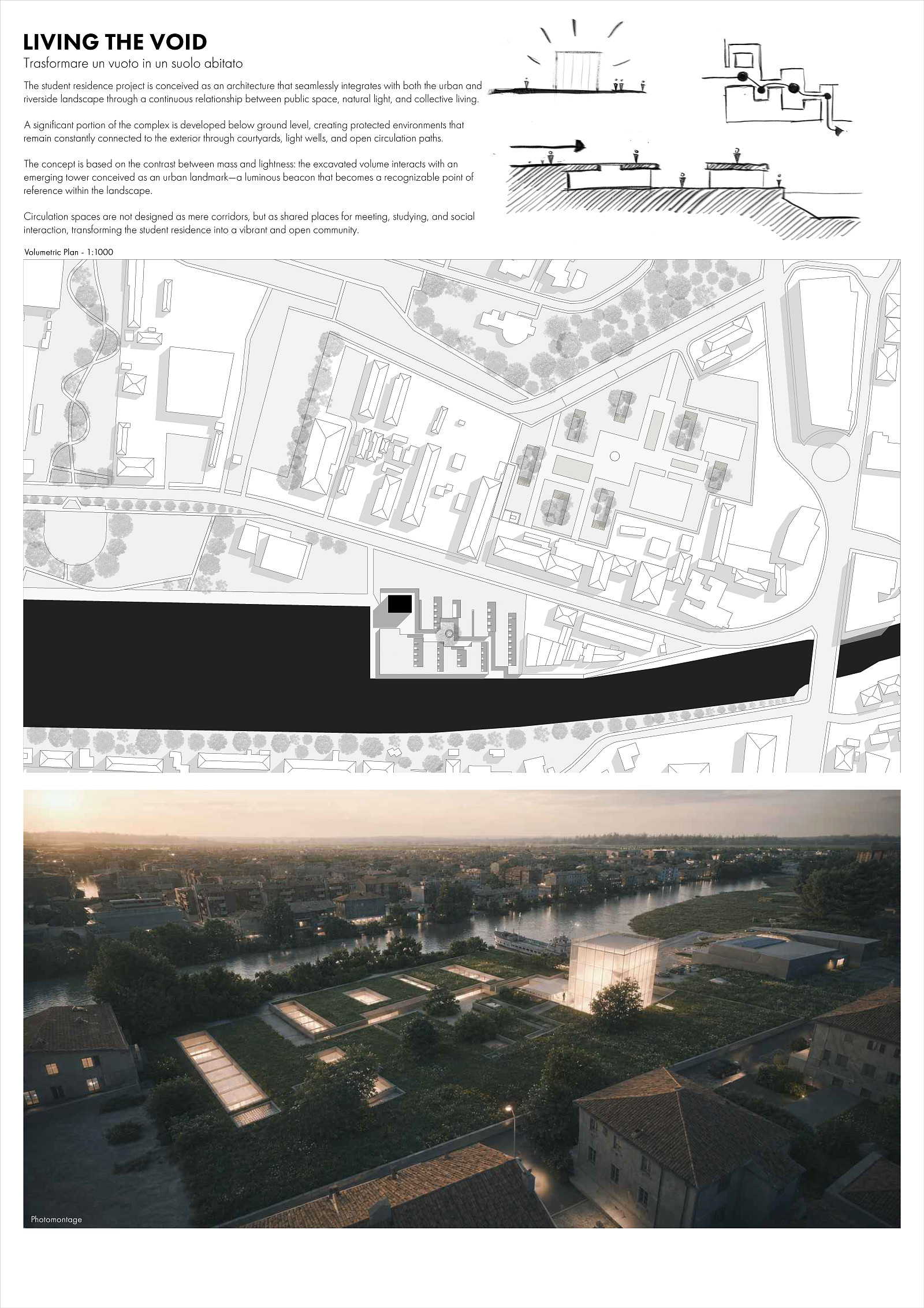
Located in Ferrara’s Darsena district, the project originates from an existing urban condition: a large abandoned excavation, originally intended for an underground development that was never completed. Rather than erasing this condition, the proposal embraces it as the foundation of the project.
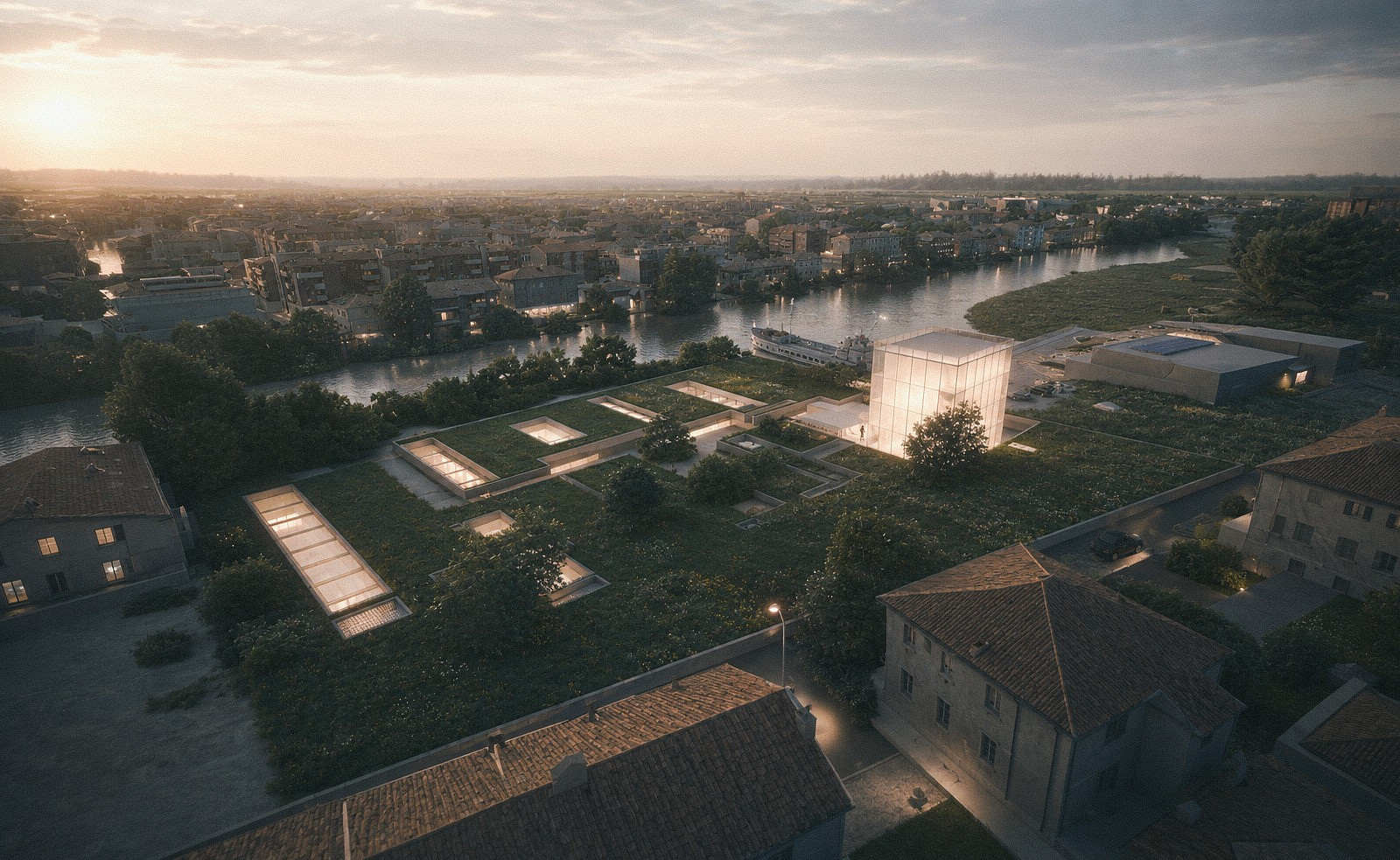
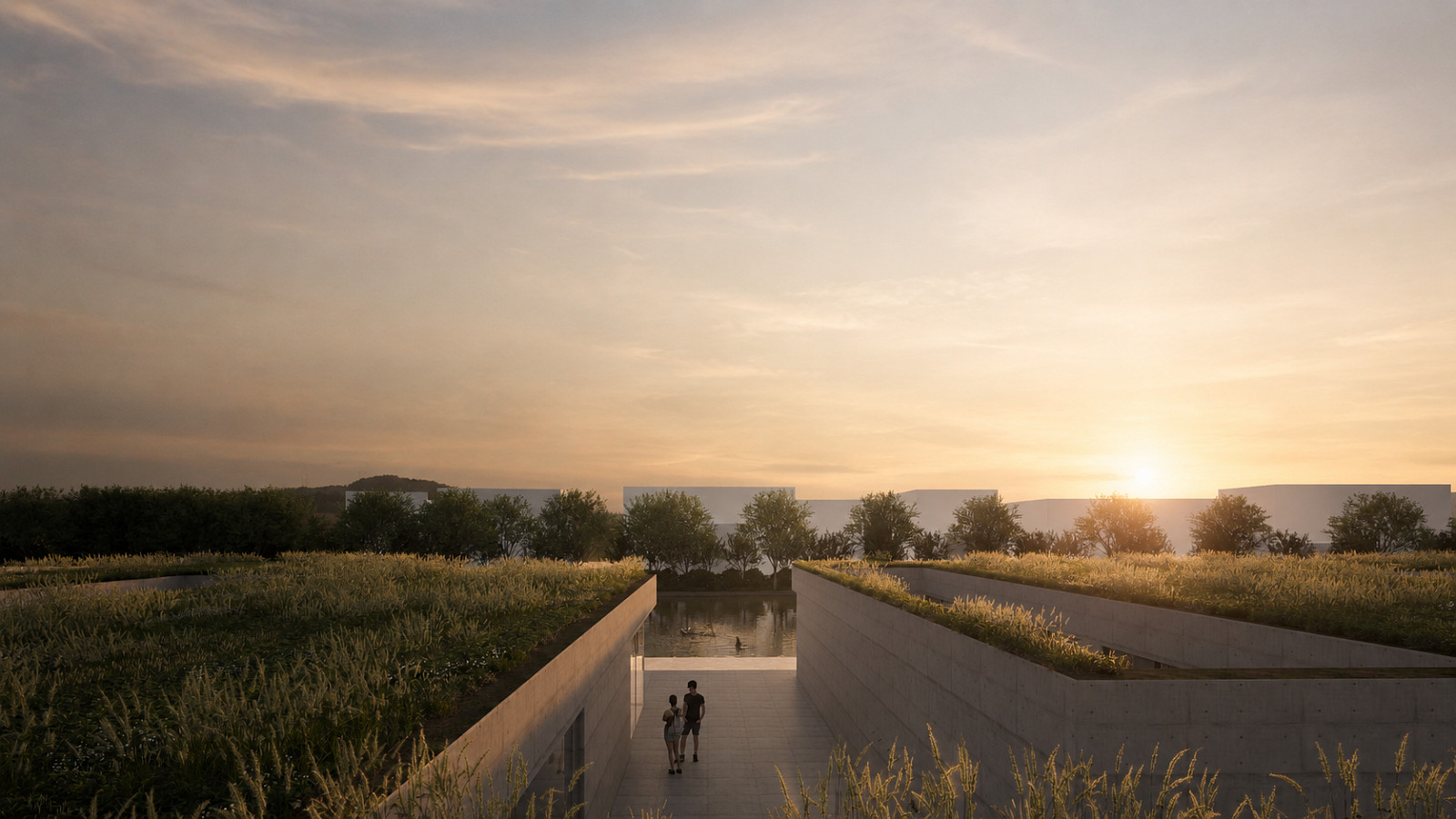
The existing void becomes the base for a student residence that develops primarily below ground level, minimizing its visual impact while creating a strong relationship between architecture and landscape. A central linear space cuts through the entire complex, bringing daylight, orientation, and social interaction into the heart of the building.
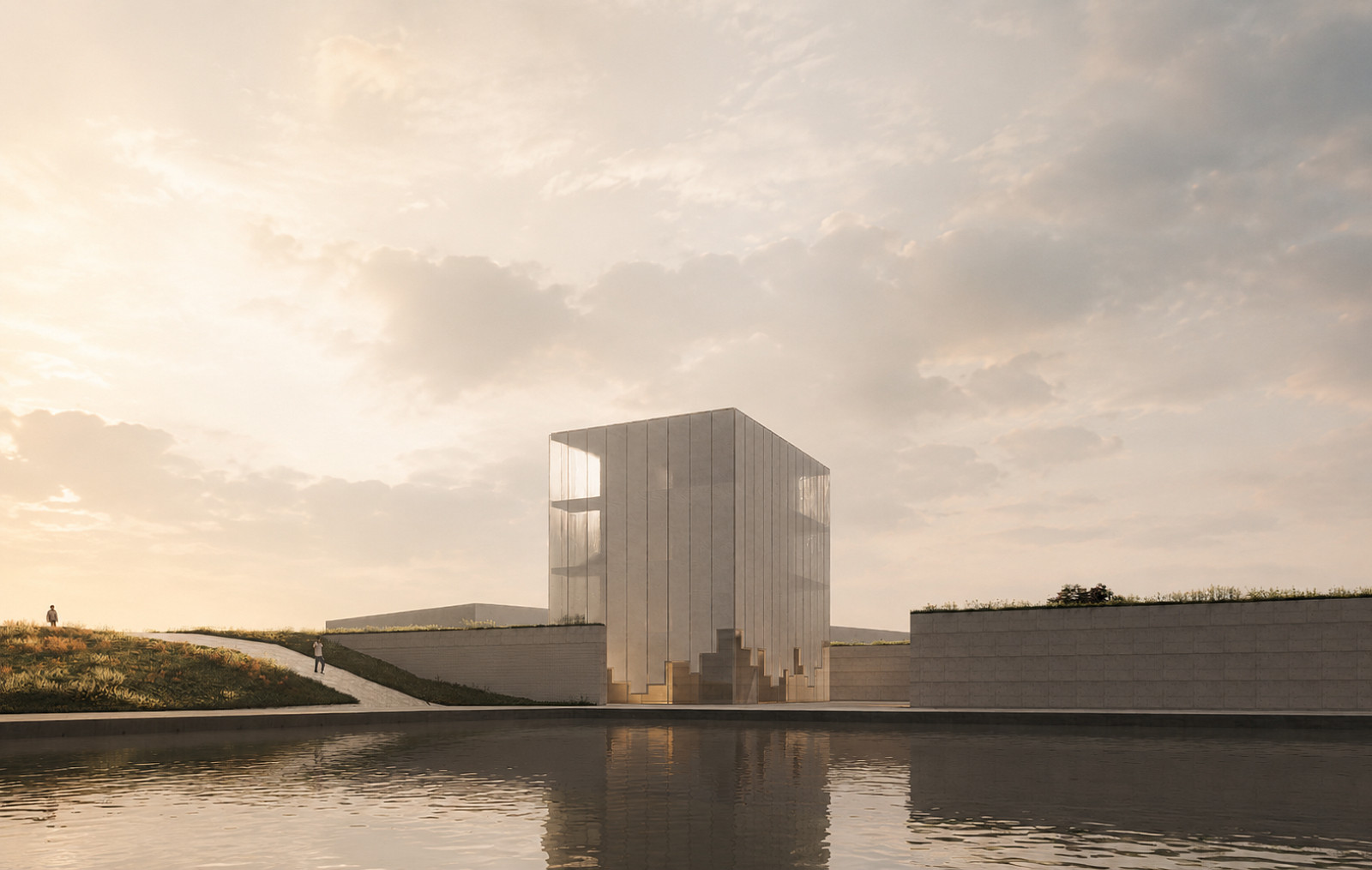
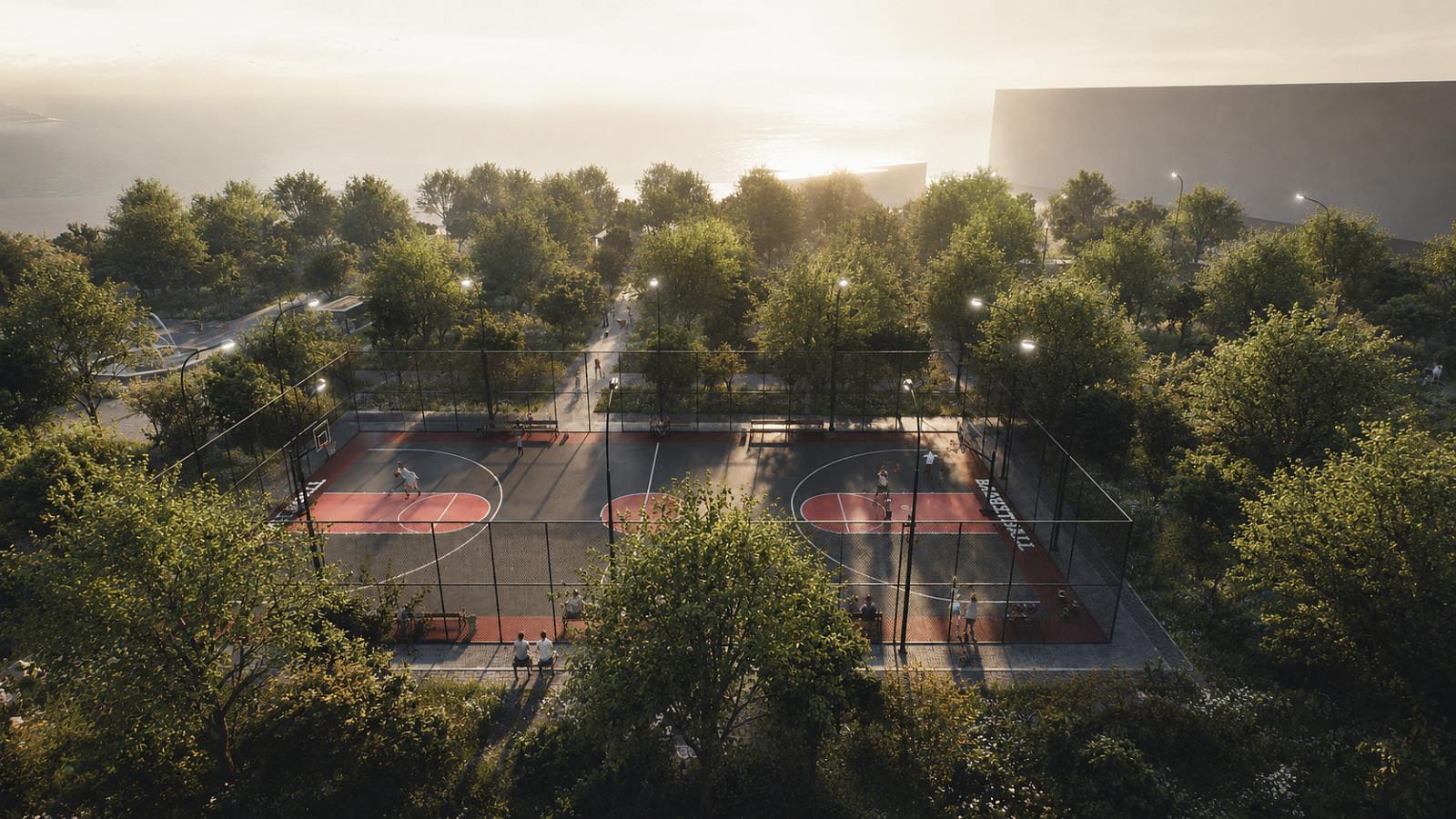
Above ground, an adjacent parking area is transformed into a new urban park, returning more than 12,000 m² of green public space to the city. Emerging from this landscape, a slender tower overlooking the river acts as a contemporary lighthouse, becoming a visible landmark for both students and the wider community.
The project proposes a new model of student housing where architecture, public space, and nature coexist within a single integrated system
Project description
The proposal reinterprets student housing through the regeneration of an abandoned urban void within Ferrara’s Darsena district. The site was originally characterized by a large unfinished excavation, generating an inaccessible and fragmented space disconnected from both the surrounding city and the waterfront. Rather than erasing this condition, the project transforms it into the foundation of a new architectural and landscape system.
The student residence accommodates approximately 40 students through a combination of 34 single and double rooms. The building develops primarily below ground level, allowing the landscape to remain the dominant element of the site while significantly reducing the visual impact of the intervention.
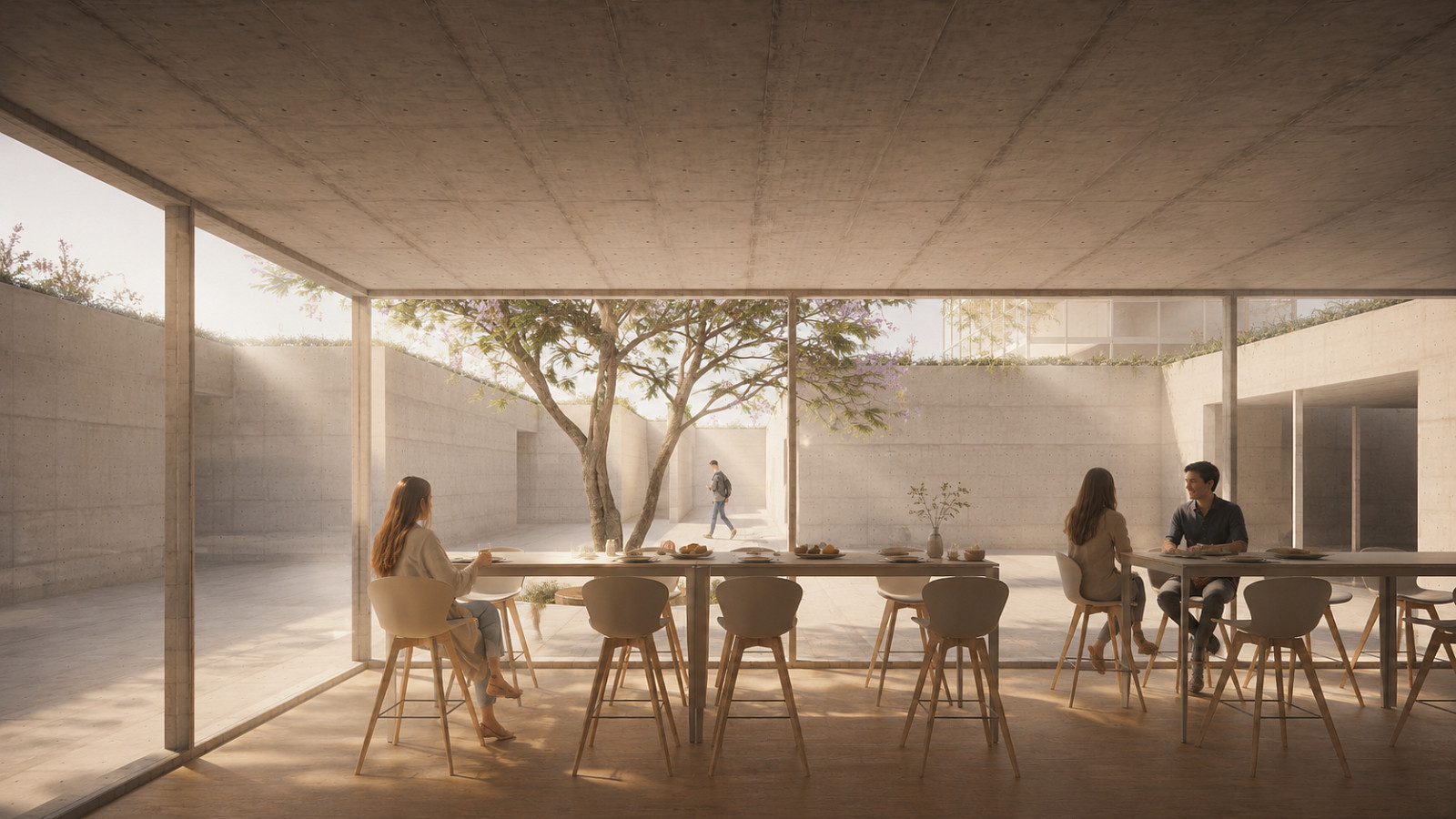
A central open-air axis organizes the entire complex, becoming the main circulation route and social space of the residence. More than a simple corridor, this linear public space introduces natural light deep into the building and hosts areas for meeting, studying, and everyday interaction.
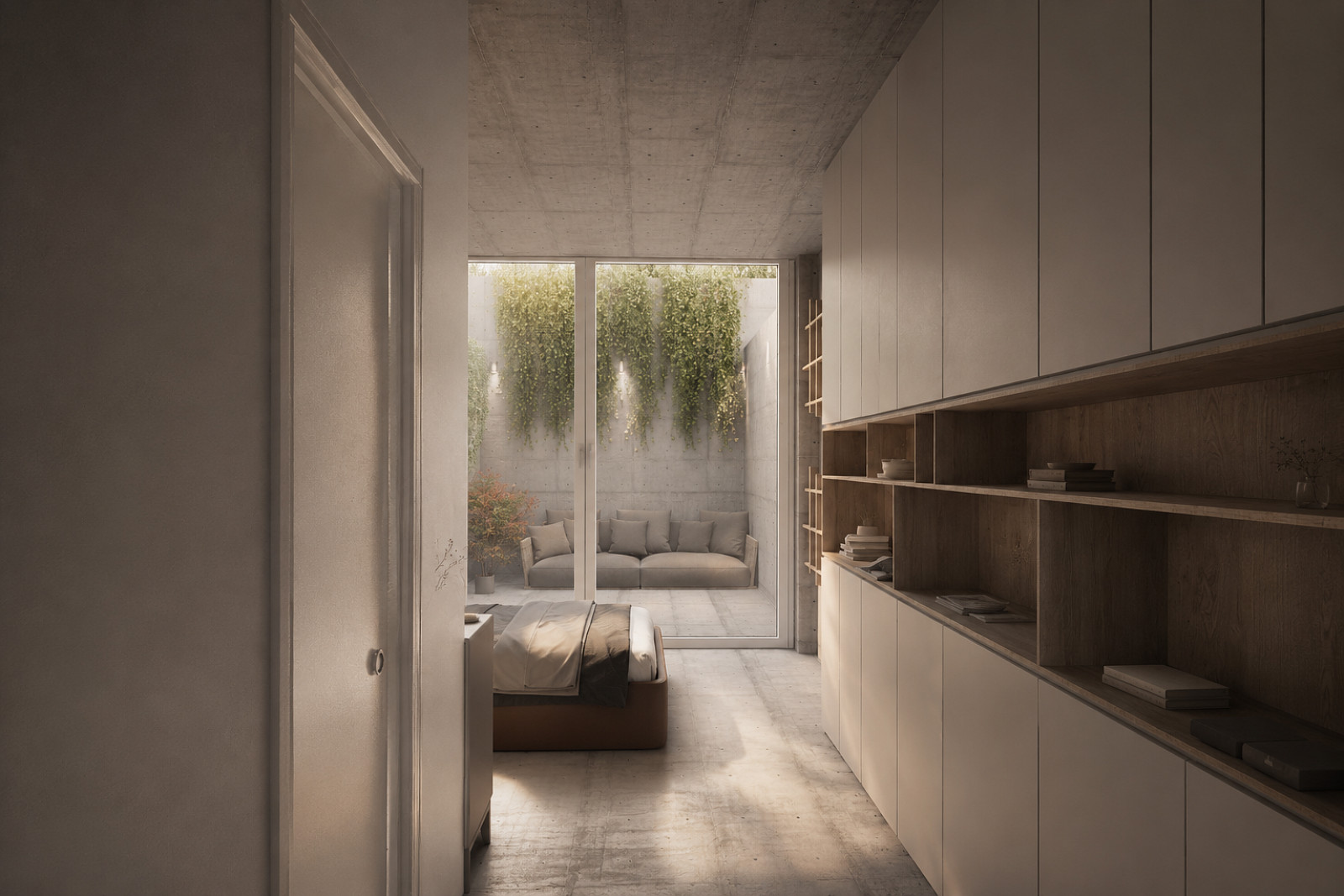
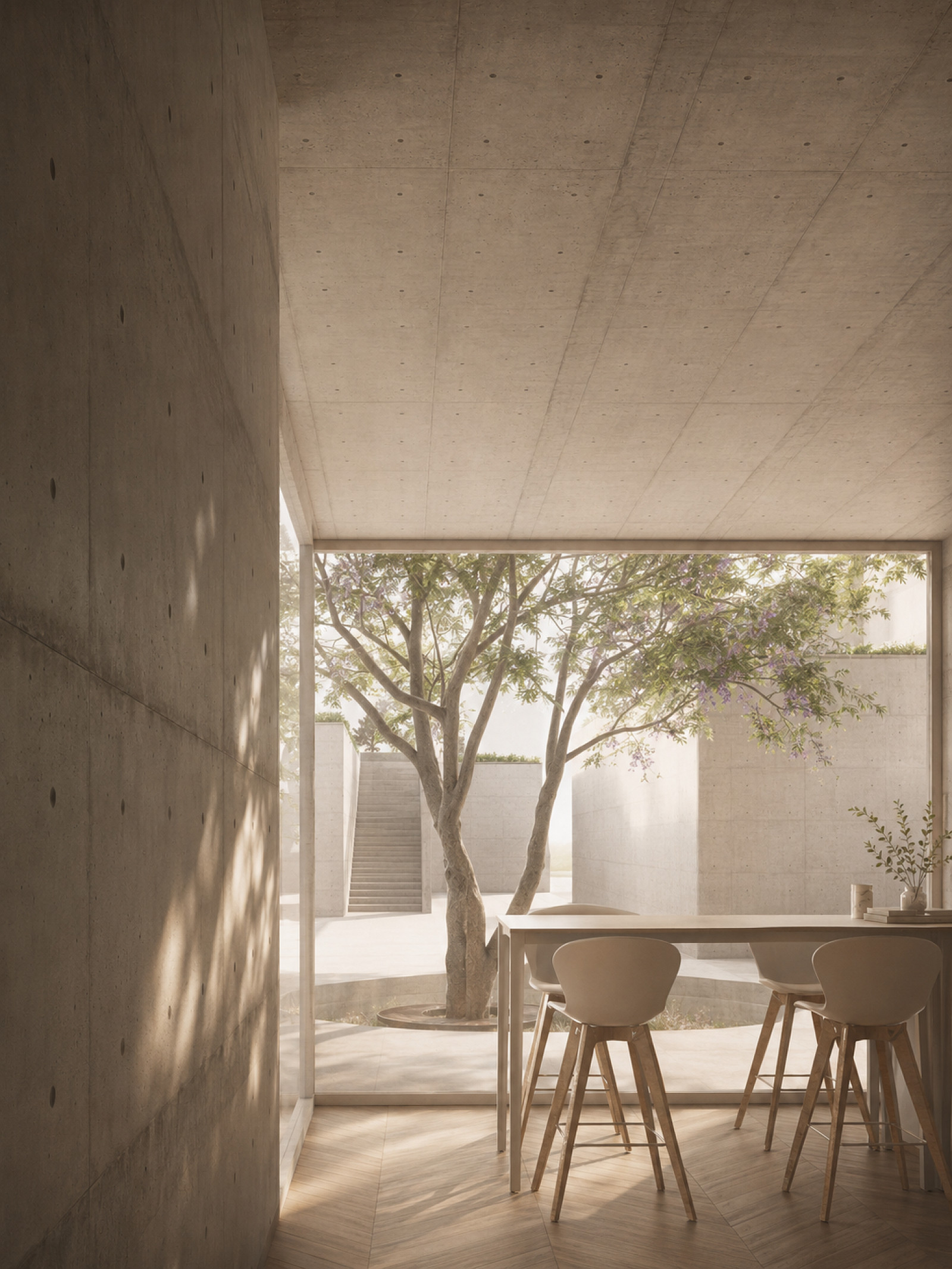
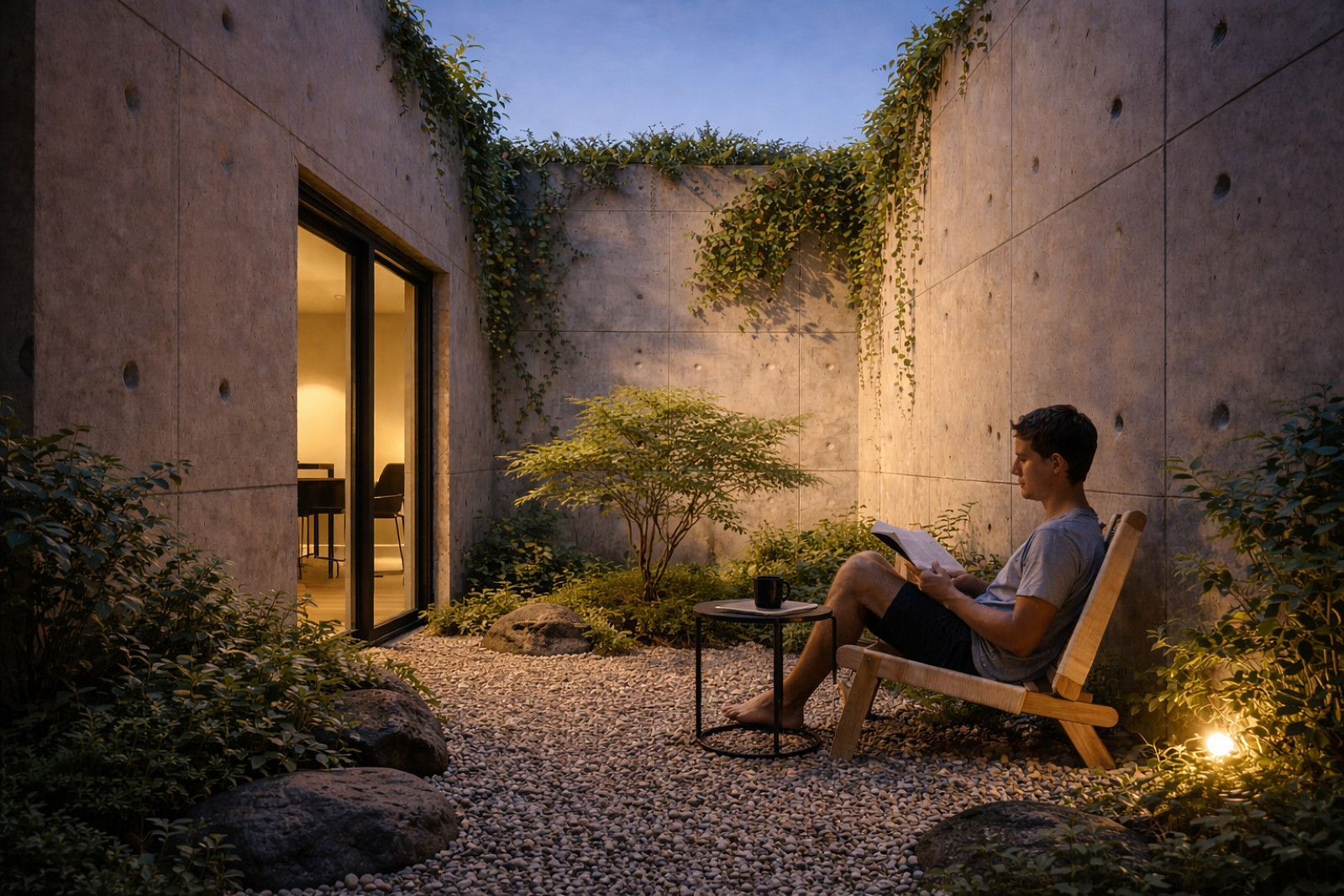
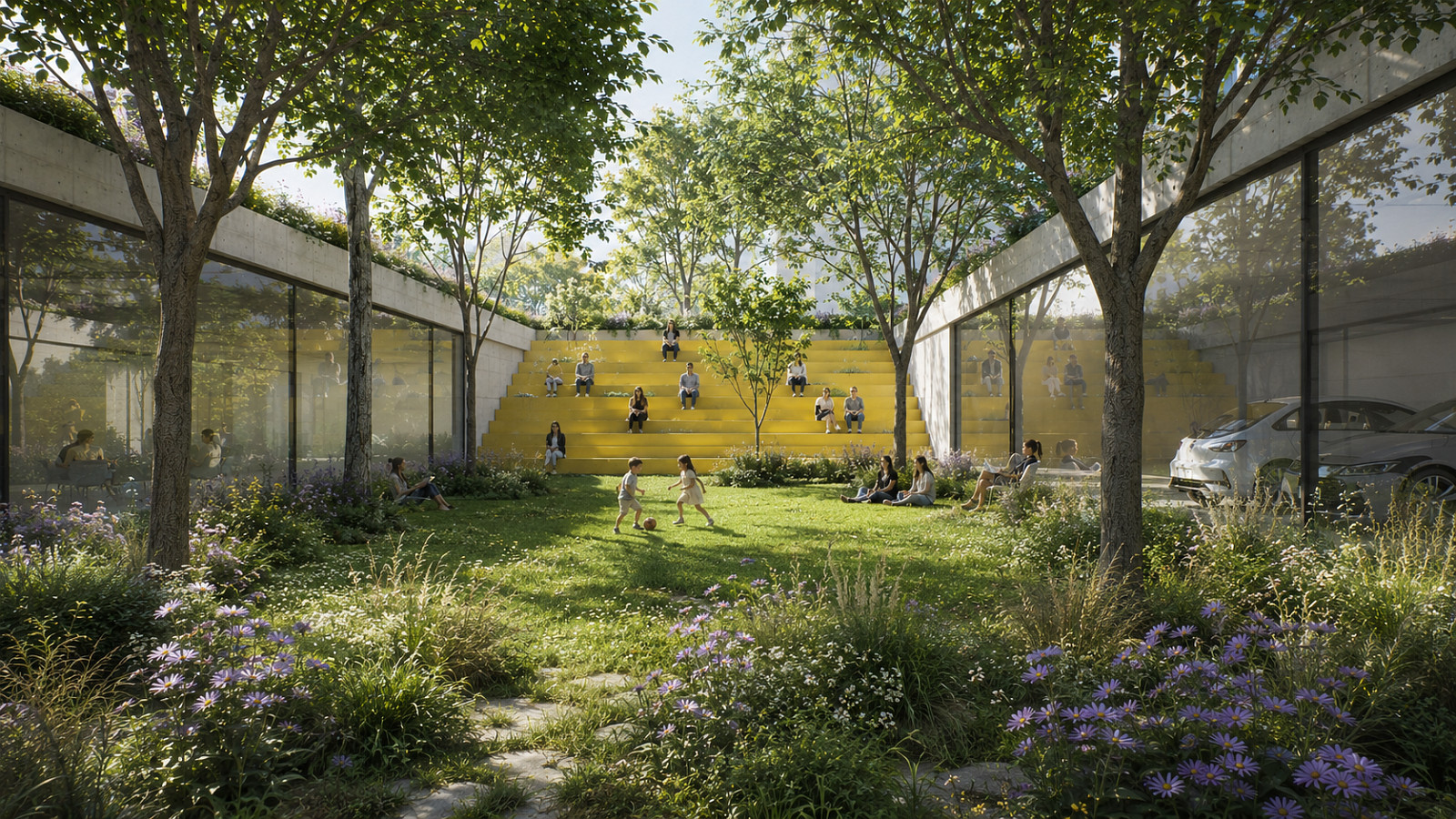
One of the defining features of the project is the system of private courtyards associated with each residential unit. In addition to the interior living space, every room benefits from a private outdoor courtyard ranging from approximately 12 to 16 m². These green spaces provide direct access to daylight, natural ventilation, privacy, and a personal relationship with nature, significantly improving the quality of underground living.
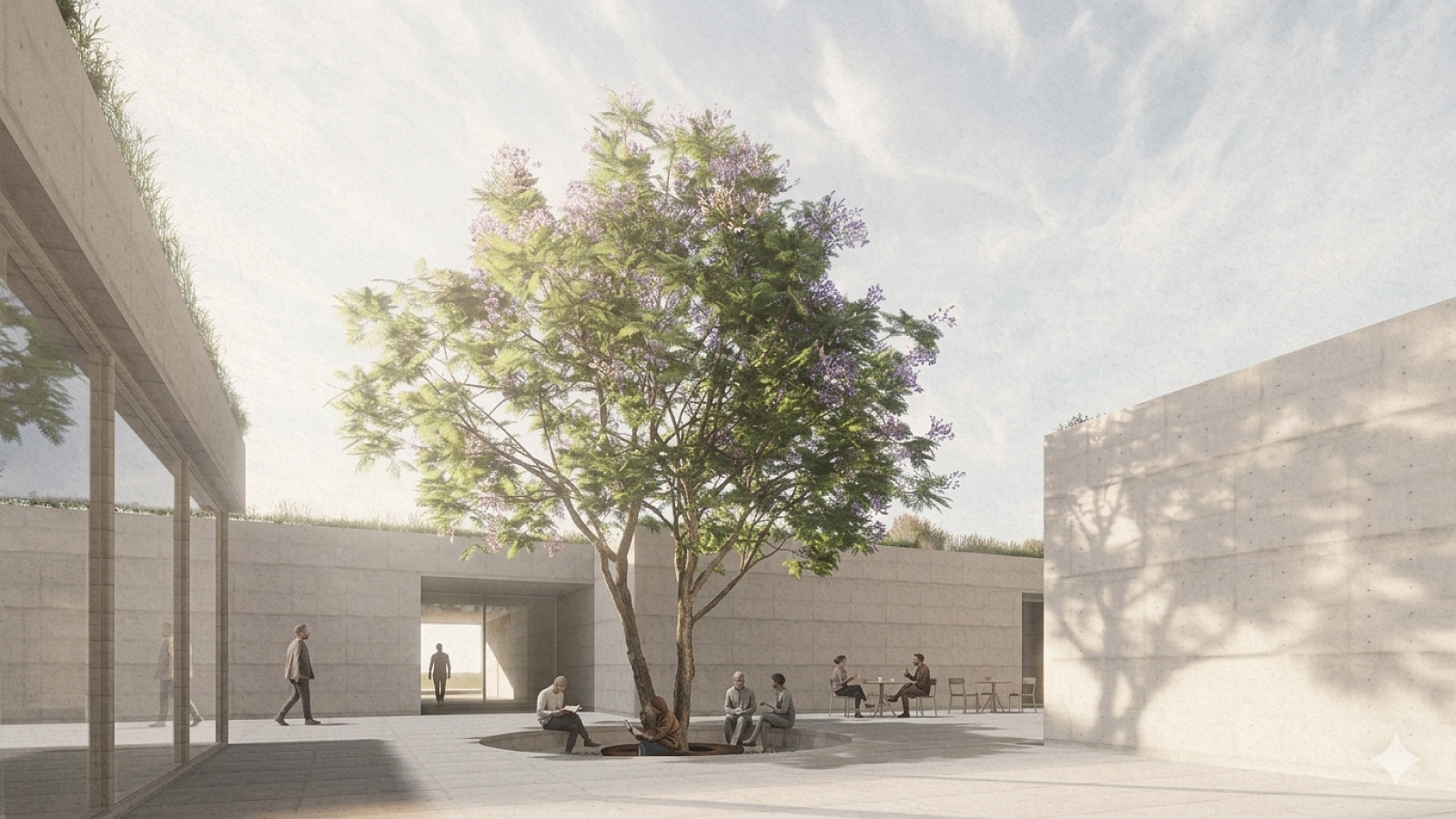
A series of larger courtyards and light wells further illuminate the common spaces while creating landscaped environments accessible from both the residence and the underground levels. Shared facilities include study and relaxation areas, a café-restaurant, laundry services, bicycle facilities, and flexible collective spaces designed for social activities and informal gatherings.
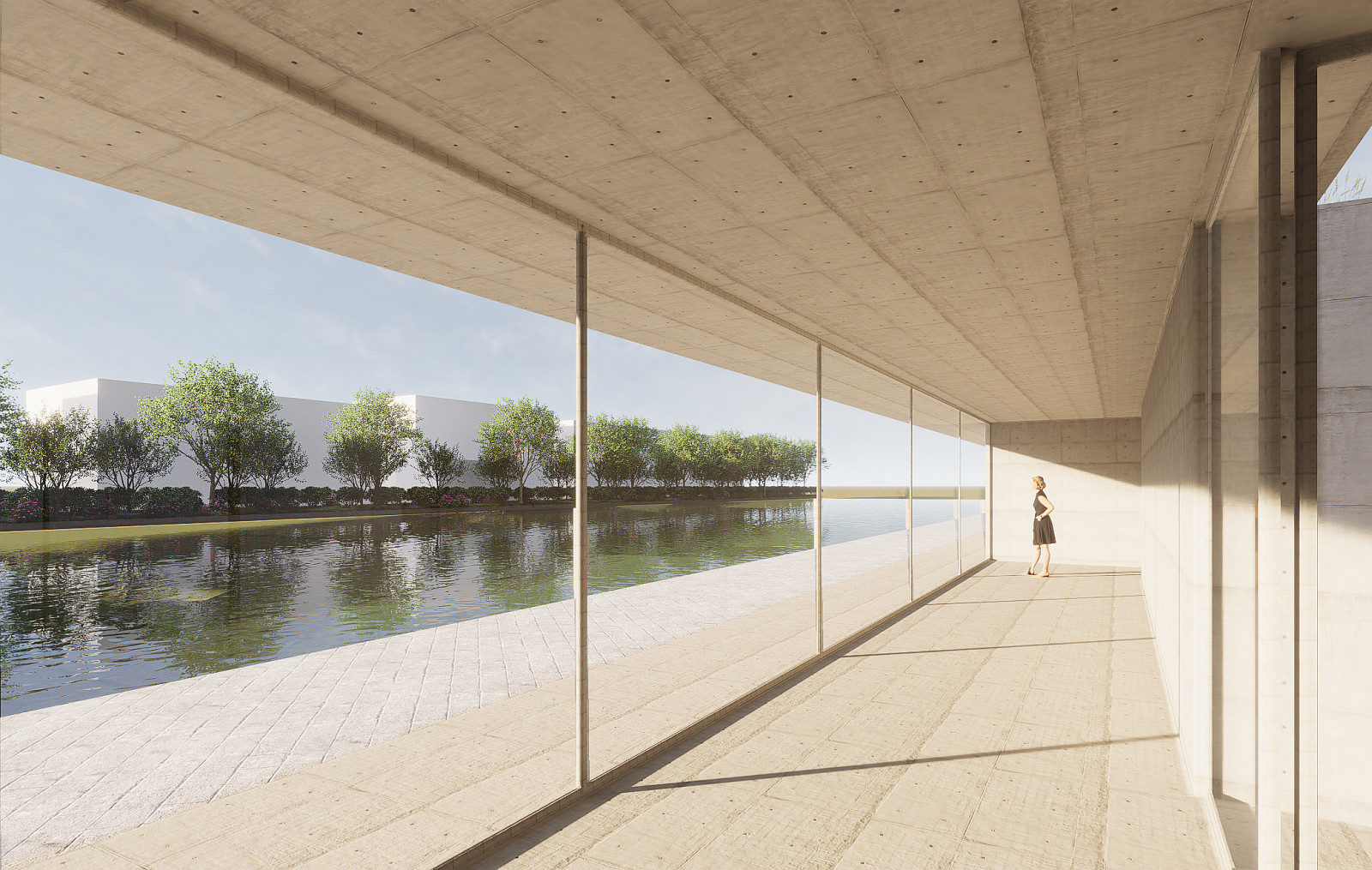
The riverfront level accommodates a multifunctional area overlooking the Darsena, hosting exhibitions, conferences, meetings, and community events. This space strengthens the relationship between the student residence and the city, encouraging interaction between students and local residents.
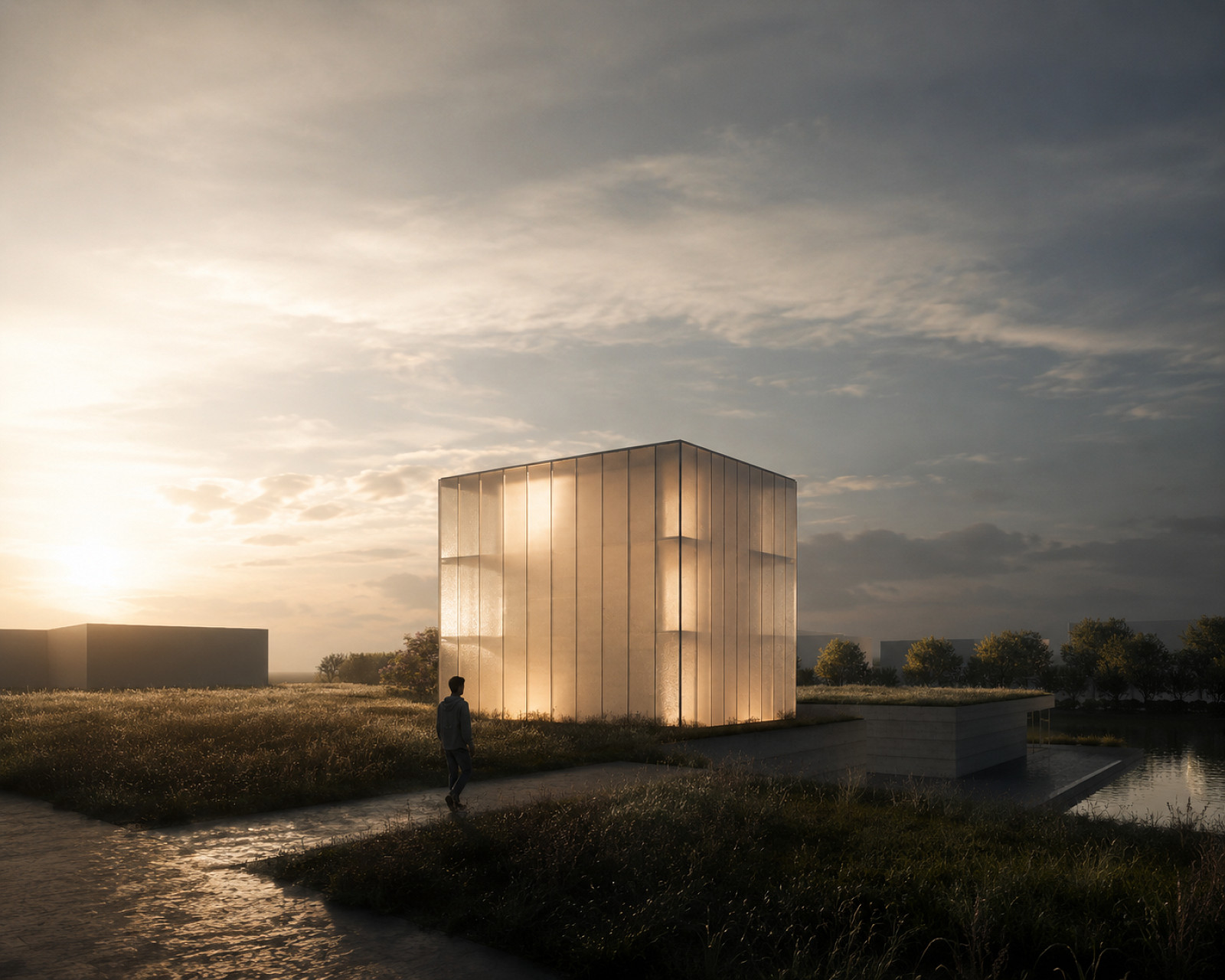
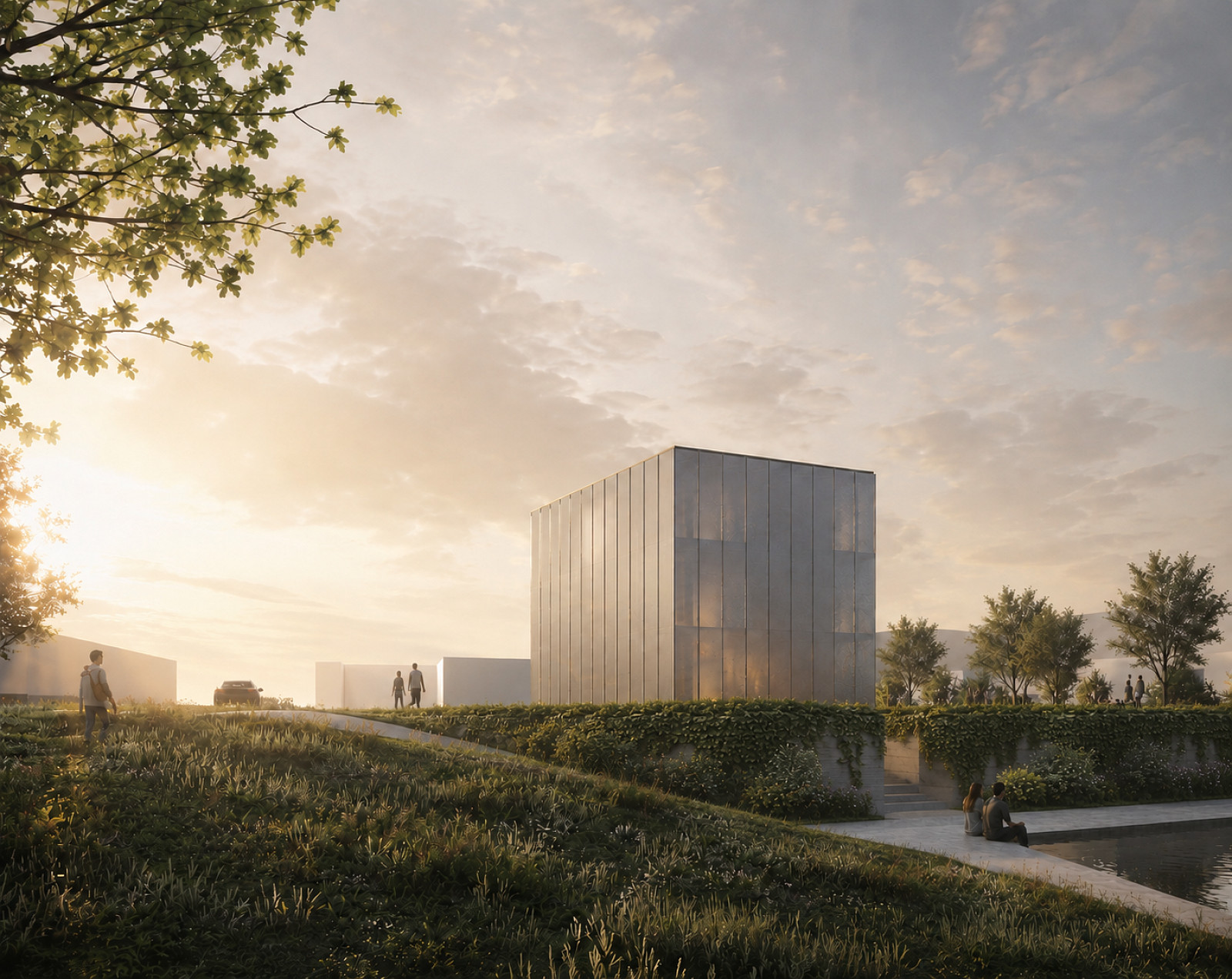
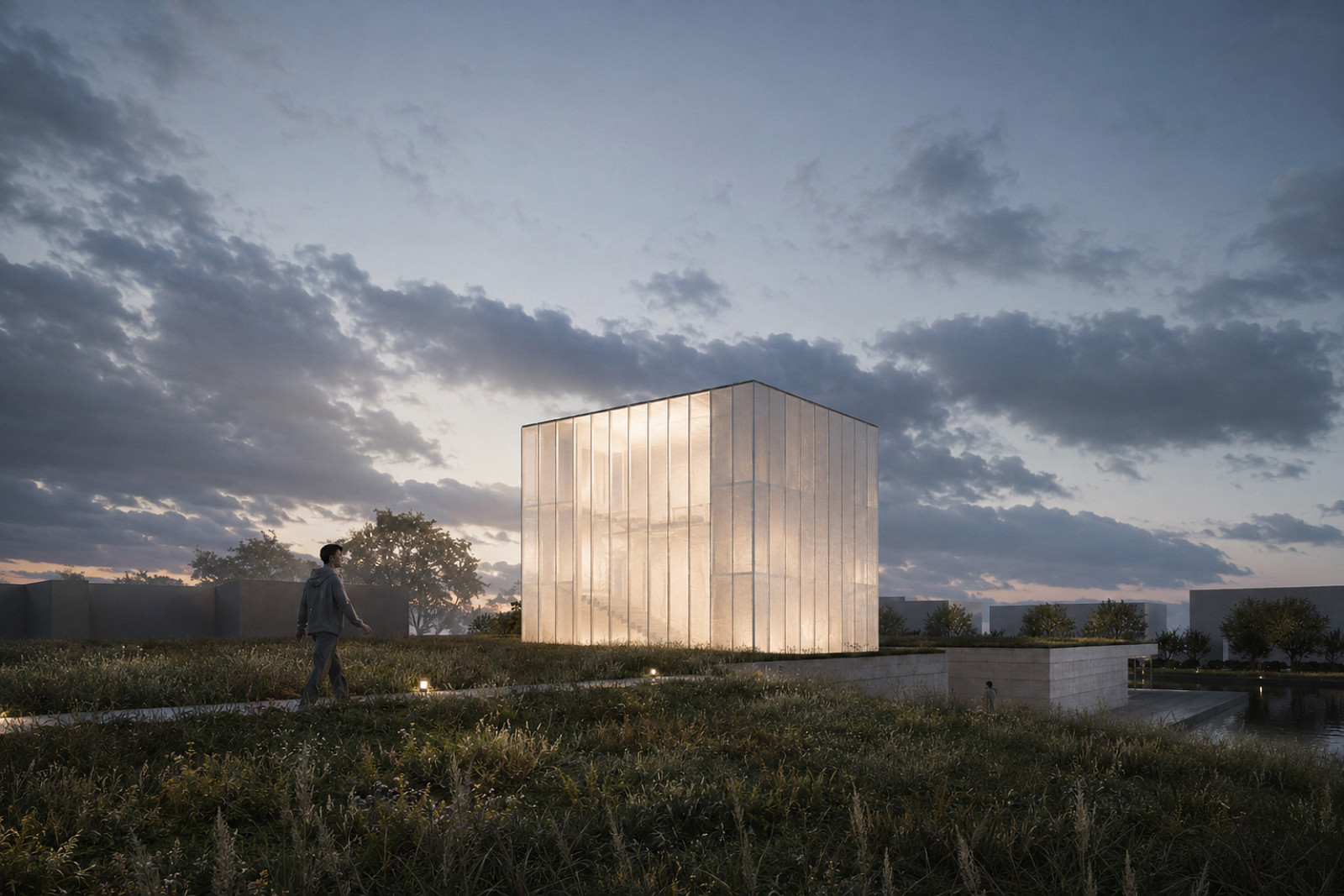
Emerging from the landscape, a slender tower acts as the project's visual landmark. Conceived as a contemporary lighthouse along the waterfront, it contains two levels of study spaces and two levels dedicated to the library. Through its vertical presence, the tower becomes both an orientation element within the urban landscape and a symbolic representation of knowledge, learning, and collective life.
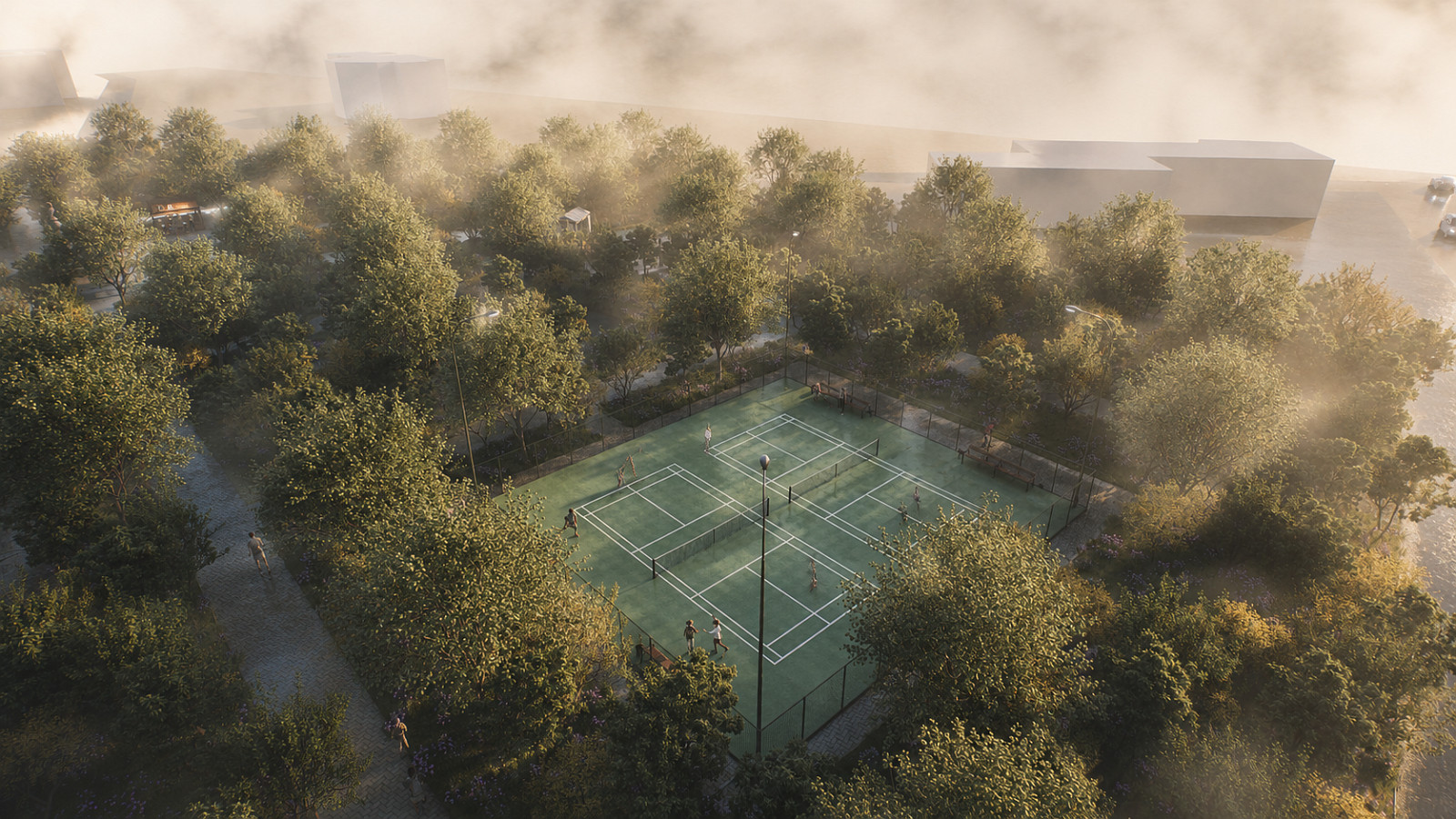
The project is complemented by the transformation of the adjacent surface parking lot into a public urban park of more than 12,000 m², reconnecting the city with the river and creating a new ecological and social infrastructure for Ferrara.
Technical information
The project is conceived as a largely underground architectural system defined by exposed reinforced concrete and an extensive green roof that reintegrates the building into the surrounding landscape. The continuity of the exposed concrete expresses the permanence, mass, and tectonic character of the intervention, while maximizing thermal inertia and establishing a strong relationship with the riverfront and the urban park above.
Natural illumination and ventilation are introduced through a system of courtyards, light wells, and open-air circulation spaces distributed throughout the complex. These elements improve environmental comfort, provide direct access to daylight, and strengthen the relationship between architecture, landscape, and public space.
Emerging from the concrete base, the tower is conceived as a distinct architectural element and a contemporary landmark overlooking the river. While its structural system is composed of reinforced concrete slabs and shear walls, its architectural identity is defined by a lightweight glazed envelope that contrasts with the solidity of the underground volumes.
The façade consists of a high-performance curtain wall system with low-emissivity solar-control insulating glazing and a light white ceramic frit pattern applied to the external glass surface. This treatment diffuses daylight, reduces glare and solar gain, and creates a semi-transparent appearance that changes according to lighting conditions while maintaining visual connections with the surrounding landscape.
The exposed concrete structure remains visible from the interior, expressing the structural logic of the building and establishing a direct relationship between materiality, daylight, and the study spaces and library housed within the tower.
During the day, the glazed envelope reflects the sky, the river, and the surrounding landscape, visually reducing the perceived mass of the volume and reinforcing its lightweight character. At night, integrated LED lighting transforms the tower into a contemporary urban lantern. The ceramic frit diffuses the interior light, allowing silhouettes, movement, and activity to become perceptible from the exterior while preserving visual comfort and privacy for the users.
The contrast between the exposed reinforced concrete of the underground residence and the luminous glazed tower defines the architectural identity of the project, balancing material solidity with visual lightness while integrating environmental performance, spatial quality, and urban presence.

Copyright © 2026 INSPIRELI | All rights reserved. Use of this website signifies your agreement to the Terms of Use, Privacy Policy, and use of cookies.