New Gaia - Constantly Growing City within the Core of the Great Ocean Garbage Patches


Project idea
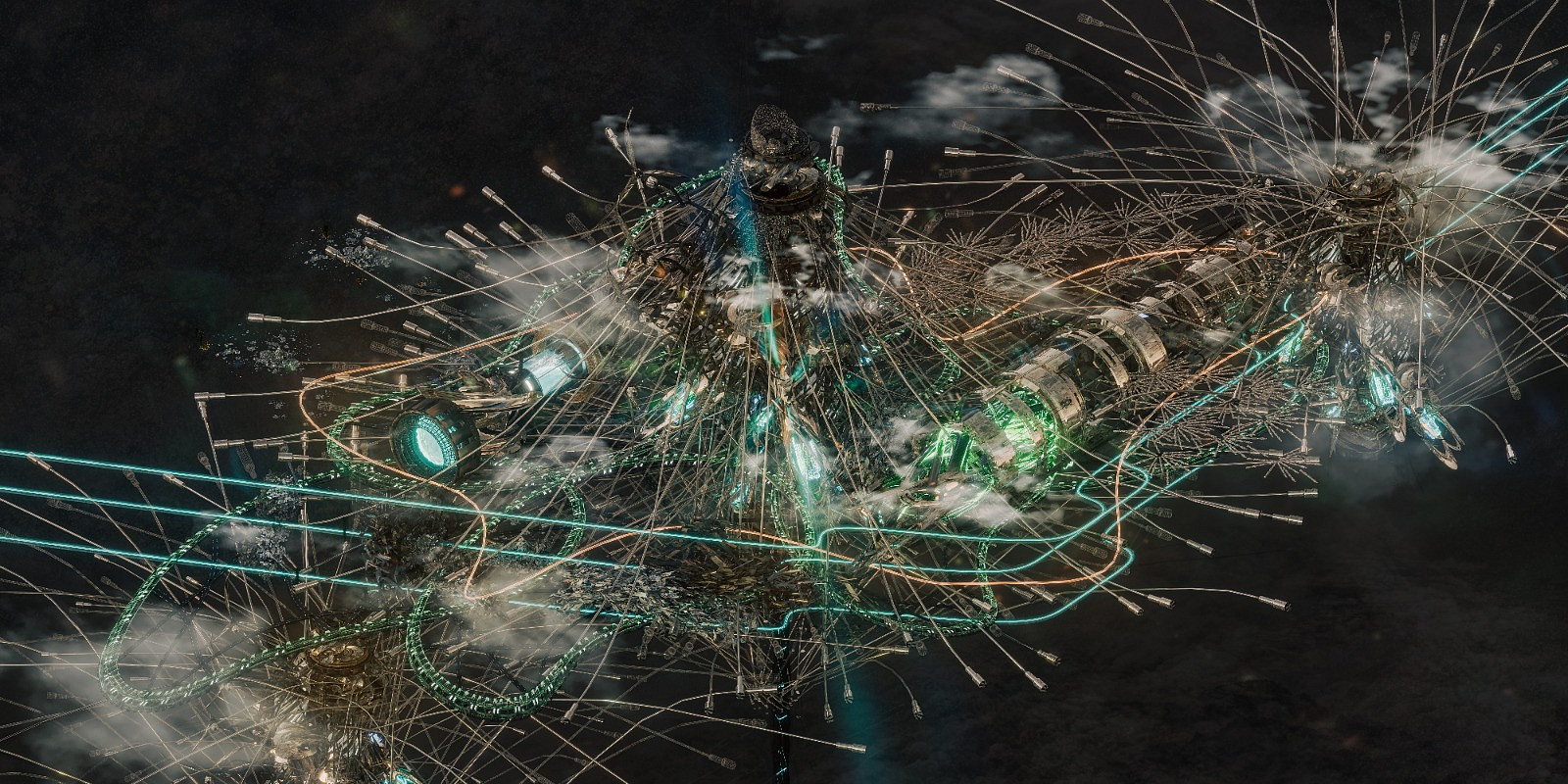
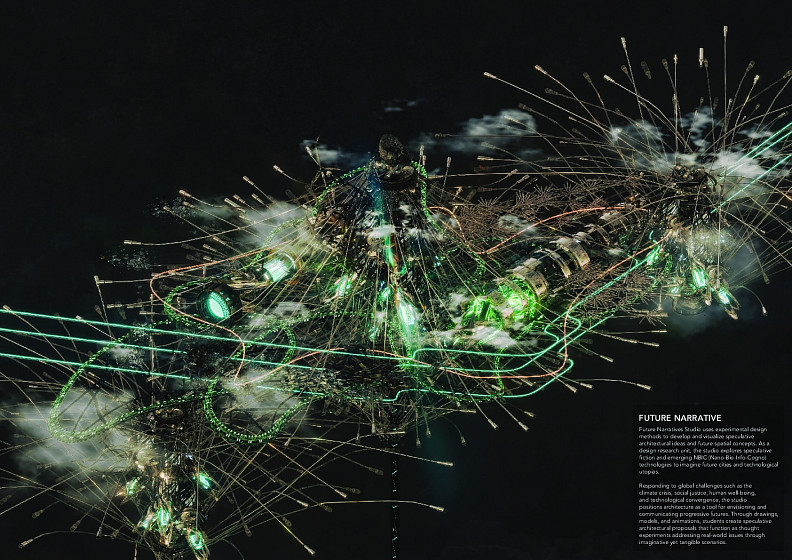
This research investigates the architectural potential of the Great Ocean Garbage Patches as sites of future habitation in 2056, proposing a speculative project titled New Gaia, which is a self-sustaining floating megastructure constructed entirely from oceanic waste. Positioned within the Southern Indian Ocean Gyre, the project challenges conventional architectural paradigms of permanence, cleanliness, and linear material extraction, instead embracing decay, recycling, and continuous transformation as core design drivers.
Project description
The project explores how architecture can emerge from systems of recovery and regeneration. Through the development of material cycles, the research proposes a new tectonic language where buildings are not constructed but grown. Design investigations include modular floating platforms, autonomous fabrication systems, and adaptive infrastructures that integrate human, machine, and ecological processes into a closed-loop environment.
This project measures its impact through narrative-driven architectural representation, using animation as a tool to communicate complex environmental and societal issues to a broader audience. The initial 3-minute film required over a month of production, with individual scenes taking several days to render. I believe this demonstrated both the technical intensity of the work and the level of detail involved in visualising speculative systems: seen in the movie of circular material economies and ocean-based infrastructures.
The primary impact of the project lies in its ability to evoke emotional and engagement, raising awareness of the global waste crisis and prompting critical reflection on current models of consumption, extraction, and displacement. By translating research into an accessible visual narrative, the project extends beyond traditional architectural audiences and engages the public in discussions around ecological futures.
Technical information
The design is supported by established offshore precedents, including semi-submersible oil platforms, deep-water cooling systems, offshore steel structures, and marine evacuation systems. These precedents demonstrate that large, permanently occupied structures can safely operate in remote ocean environments under extreme wind, wave, and corrosion conditions.
Key technical features include:
Floating Offshore Structure: Semi-submersible platform system designed for deep ocean conditions where conventional foundations are impossible.
Structural System: Steel frame superstructure supported by offshore-grade Warren truss platforms, using bolted moment-resisting connections developed from offshore oil and gas engineering practice.
Environmental Systems: Seawater heat-exchange cooling combined with radiant cooling panels to reduce energy consumption and utilise the thermal properties of the ocean.
Renewable Energy Integration: Solar panels, wind turbines, and osmotic energy generation contribute to on-site power production and reduce reliance on external infrastructure.
Marine-Grade Materials: Corrosion-resistant steel systems, protective coatings, and ETFE enclosure elements designed for long-term exposure to saltwater environments.
Safety and Fire Strategy: Based on international offshore regulations, including SOLAS and PFEER standards, with temporary refuge areas, multiple evacuation routes, and marine evacuation systems.
Adaptability and Resilience: The structure is designed to withstand dynamic ocean conditions, including wave loading, wind forces, and seasonal movement of the gyre.
The project does not propose an entirely new engineering typology. Instead, it combines and scales existing offshore technologies and proven oil-rig engineering precedents into a new architectural application focused on research, habitation, and environmental regeneration.
Documentation

Copyright © 2026 INSPIRELI | All rights reserved. Use of this website signifies your agreement to the Terms of Use, Privacy Policy, and use of cookies.