Retrofit


Project idea
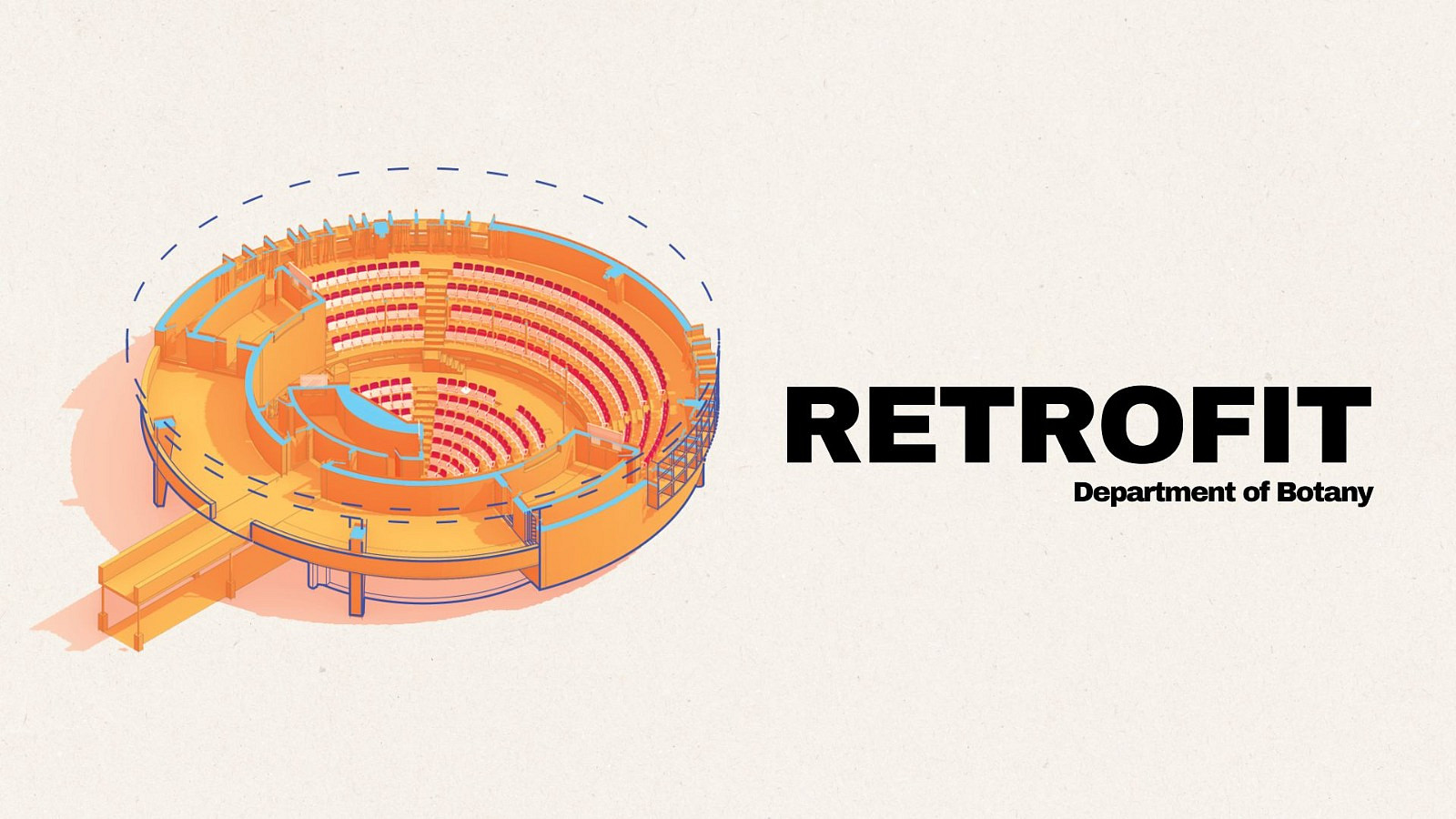
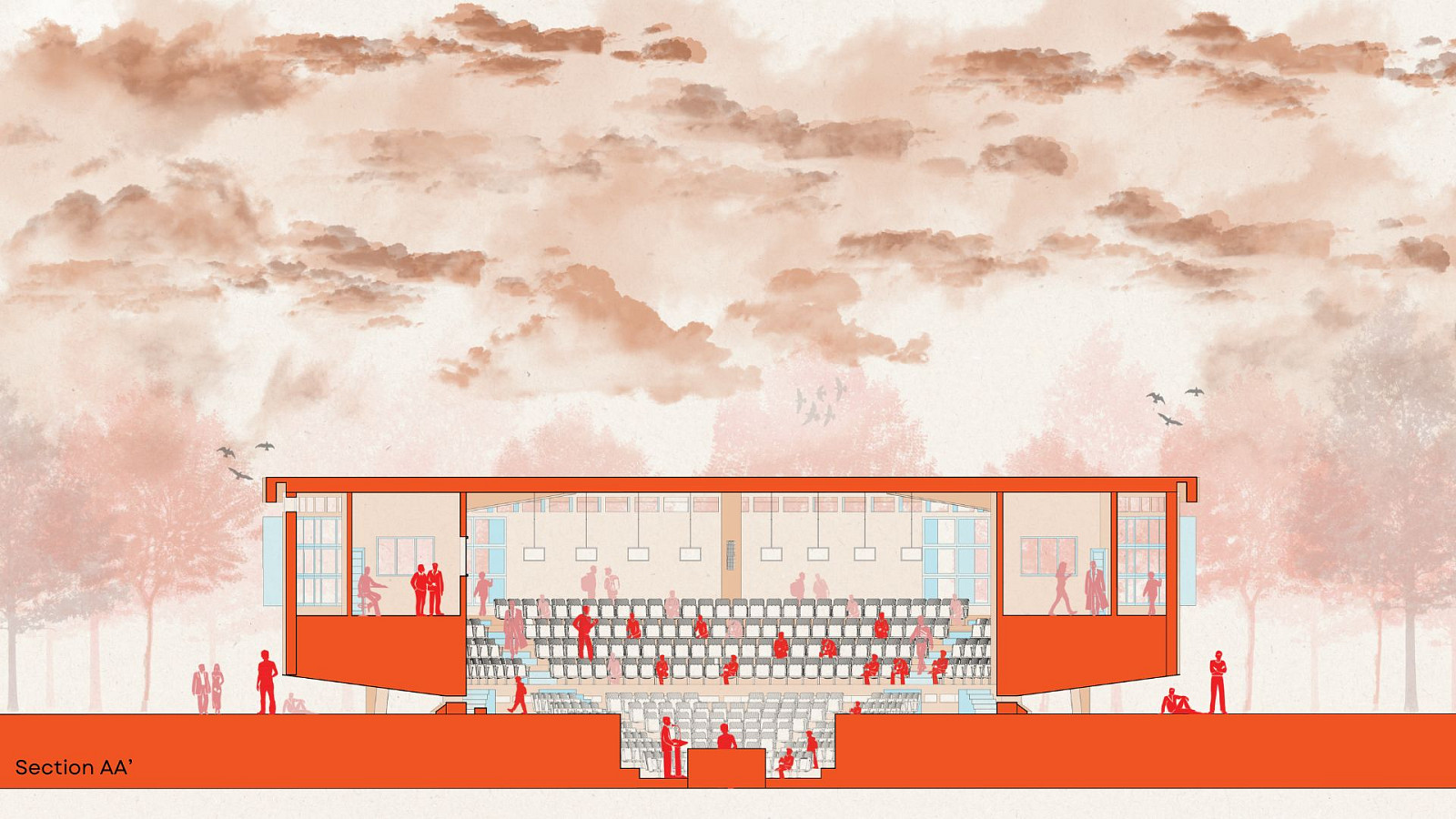
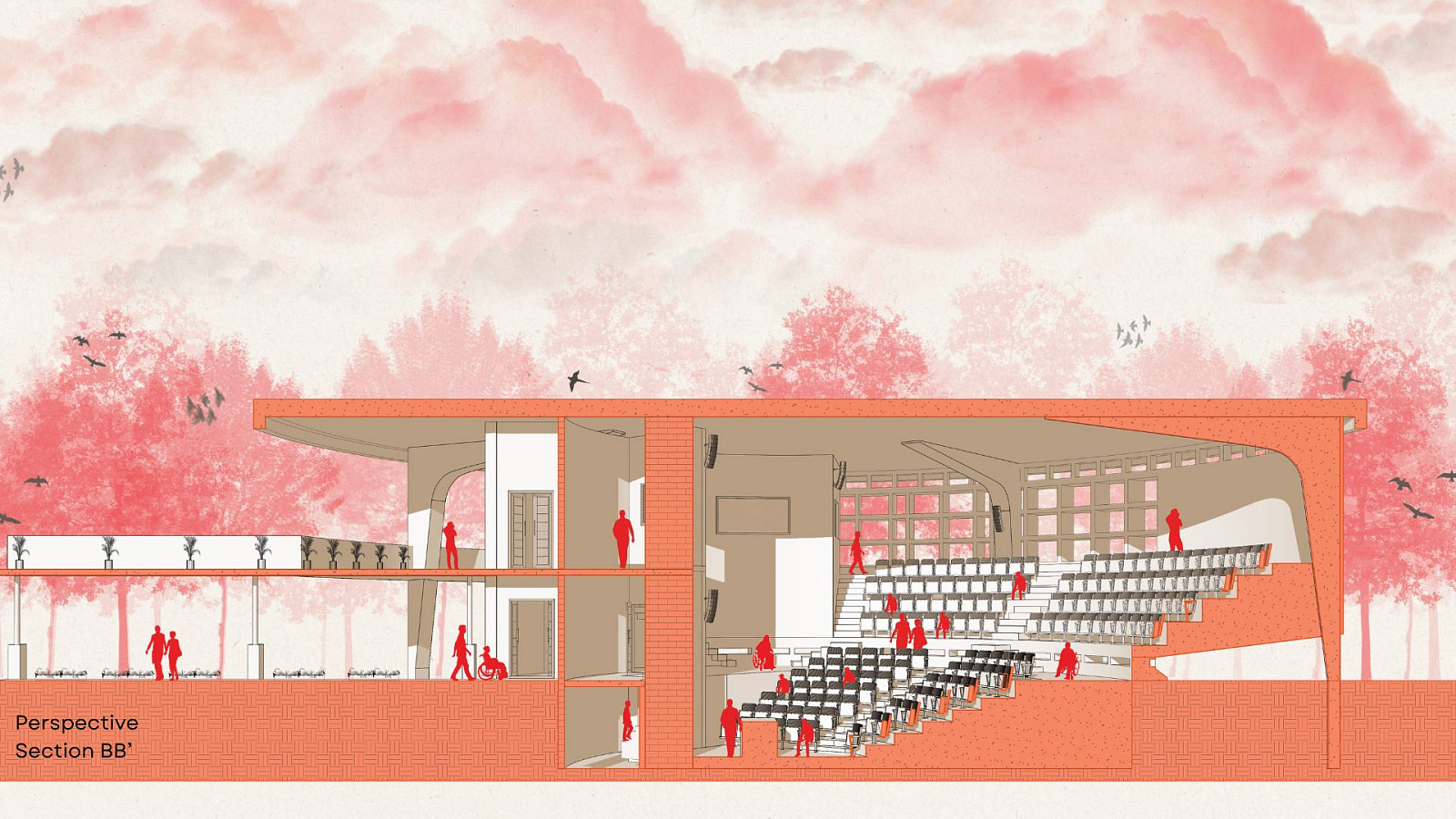
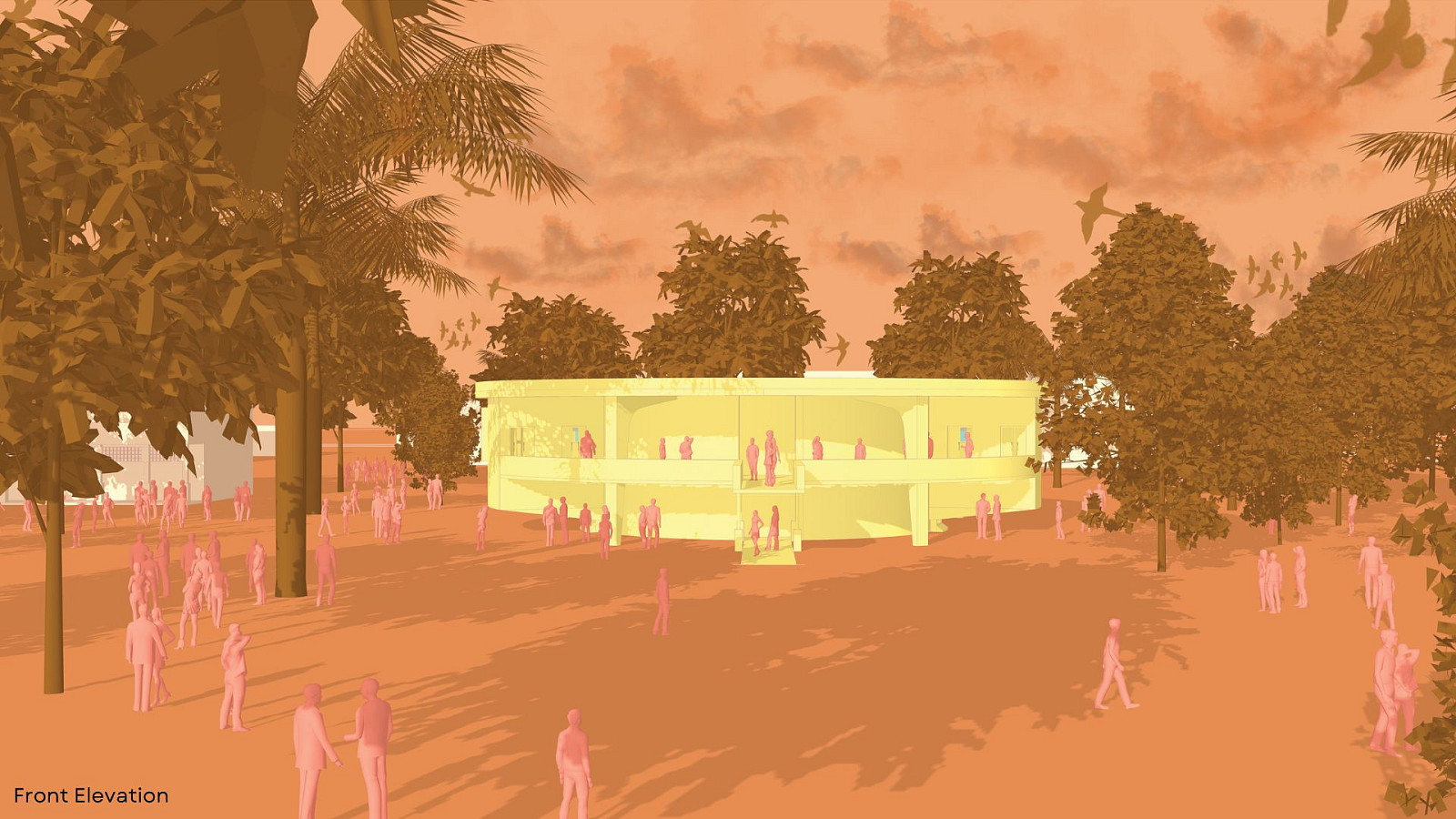
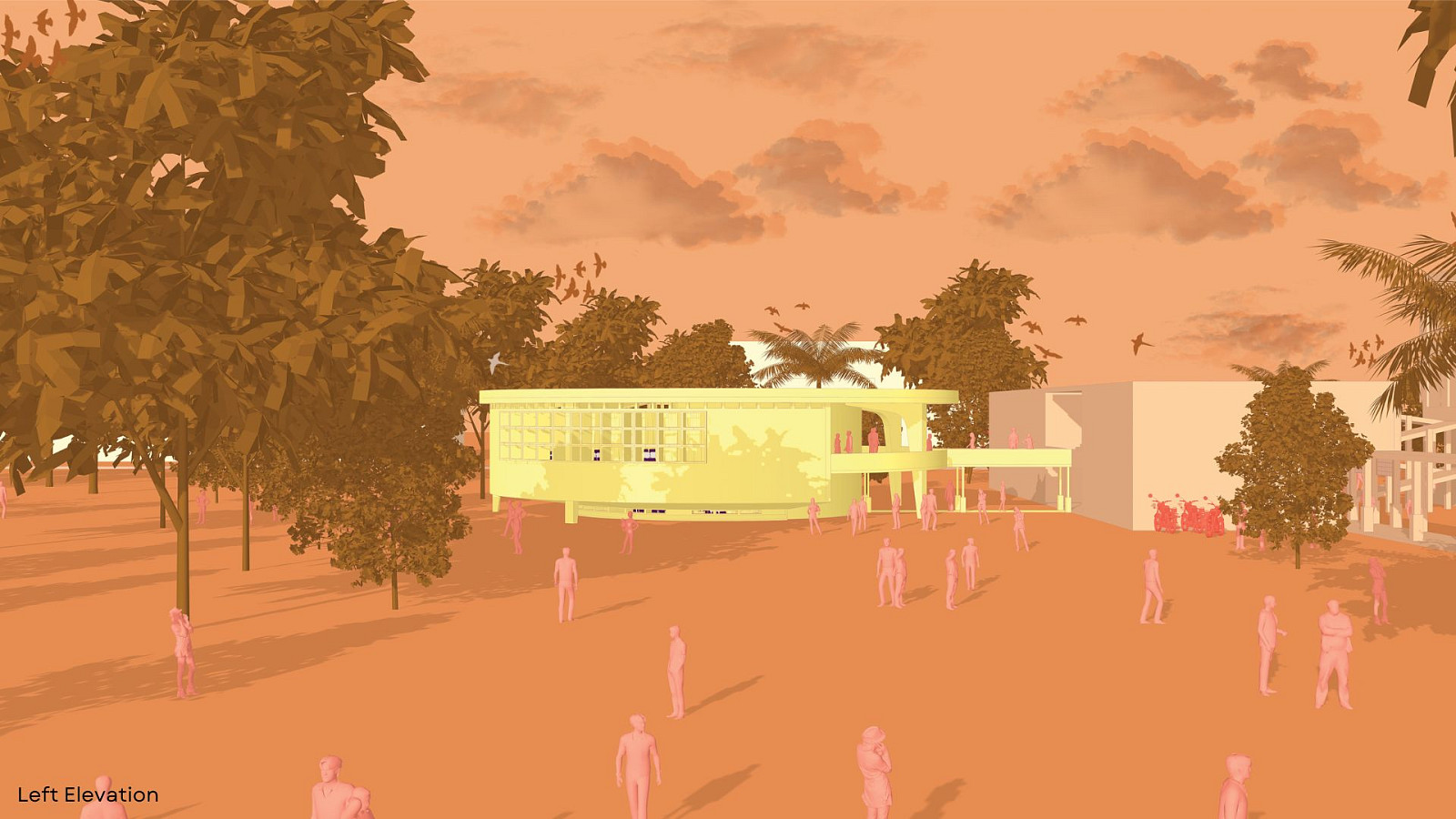
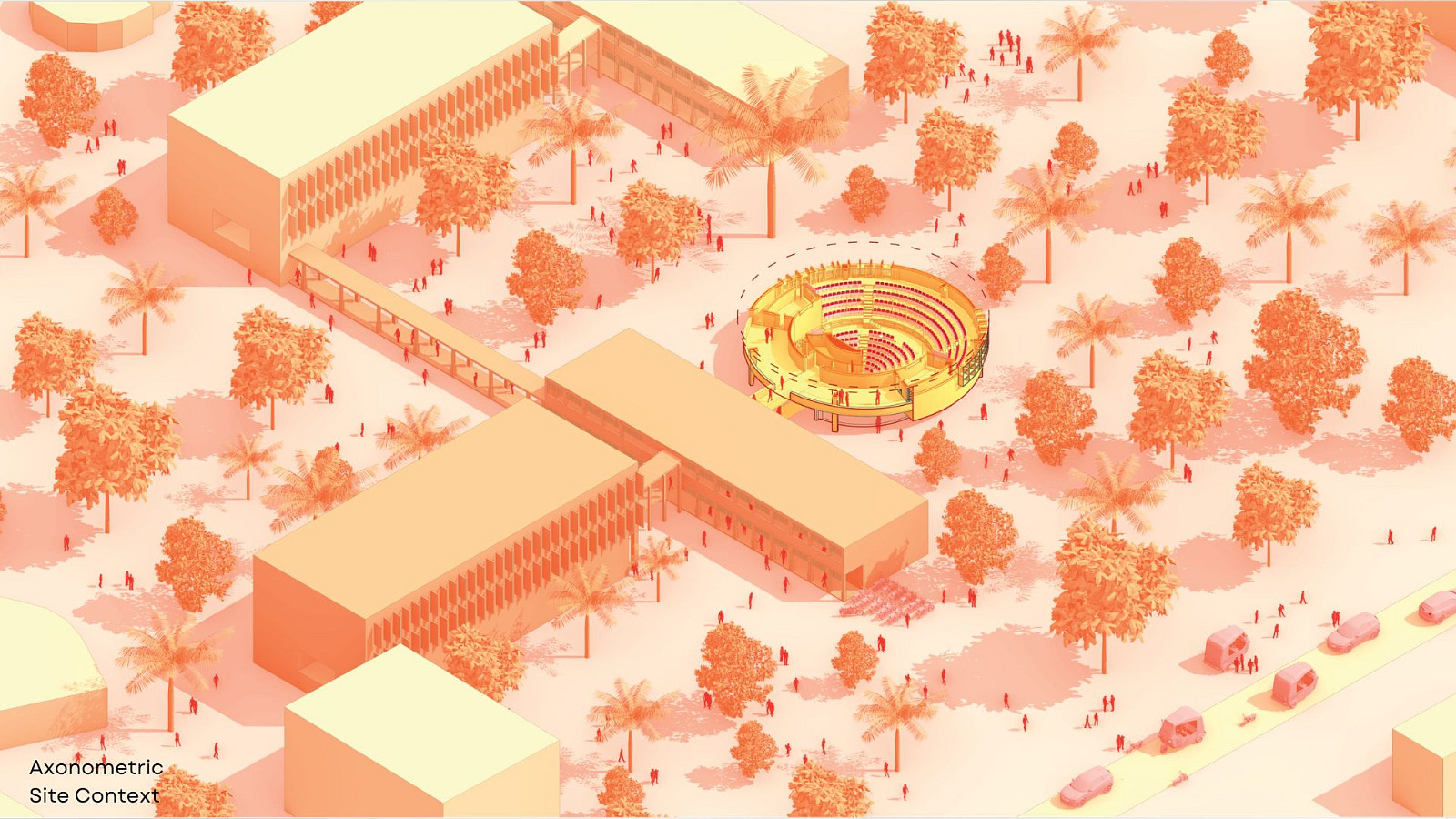
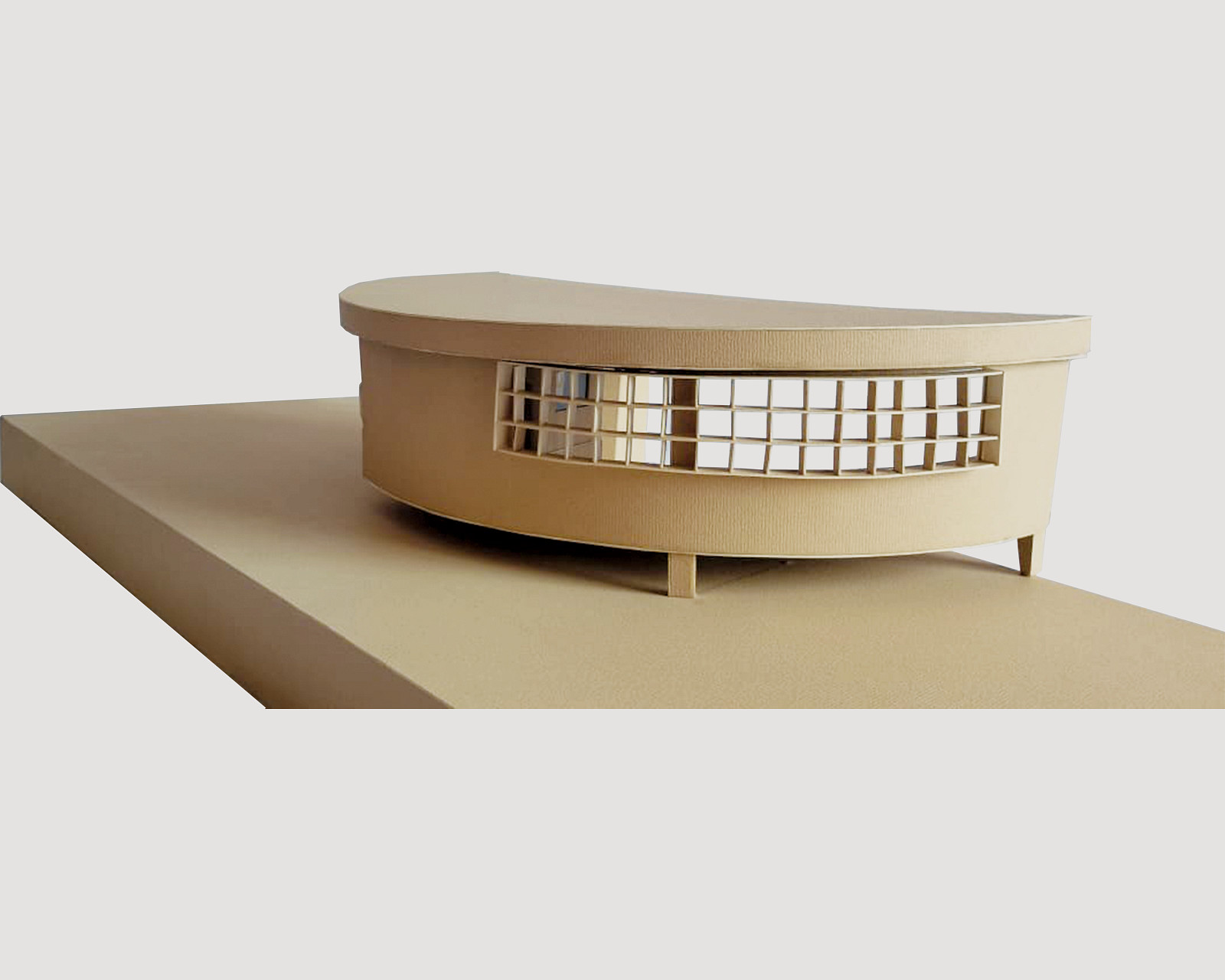
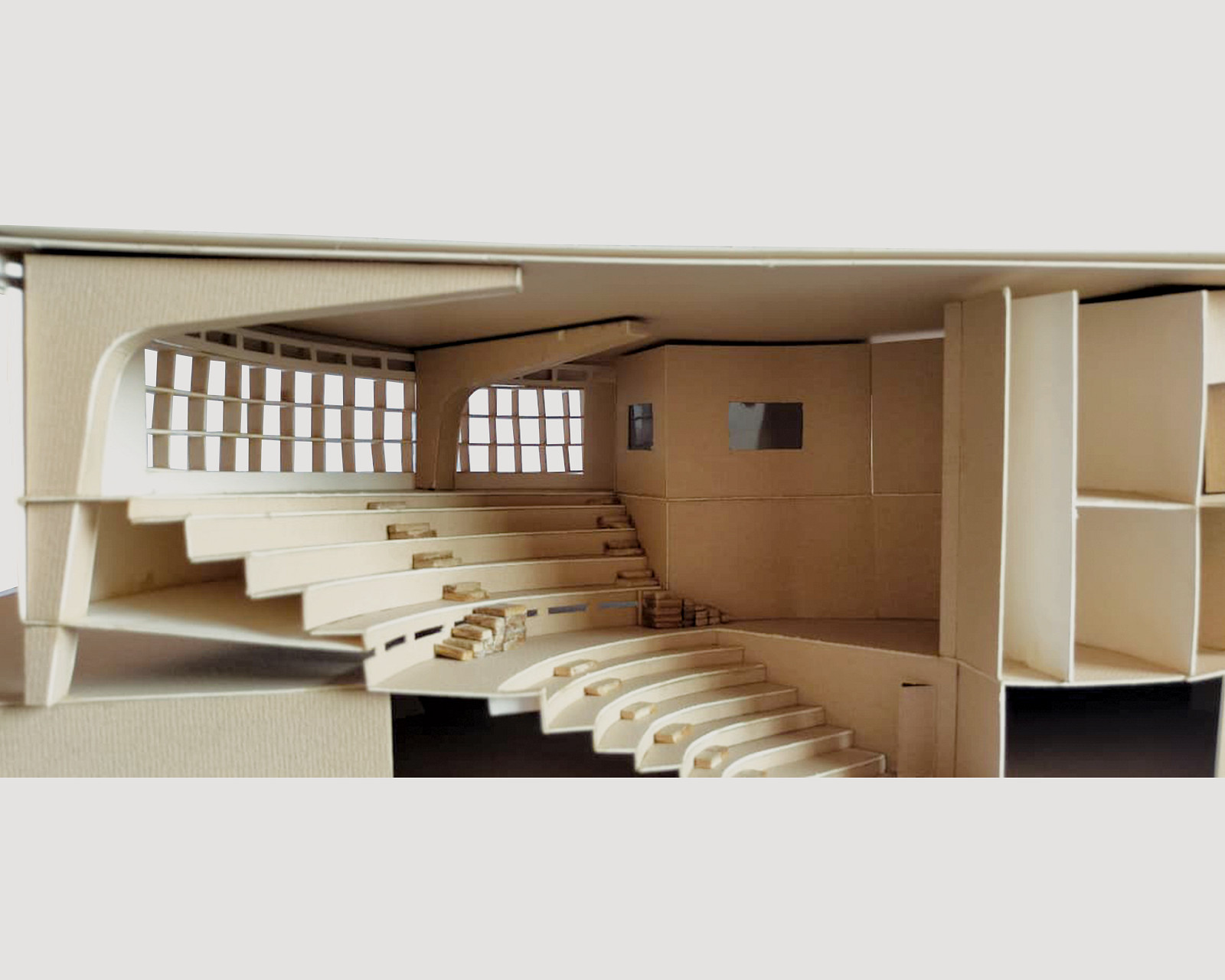
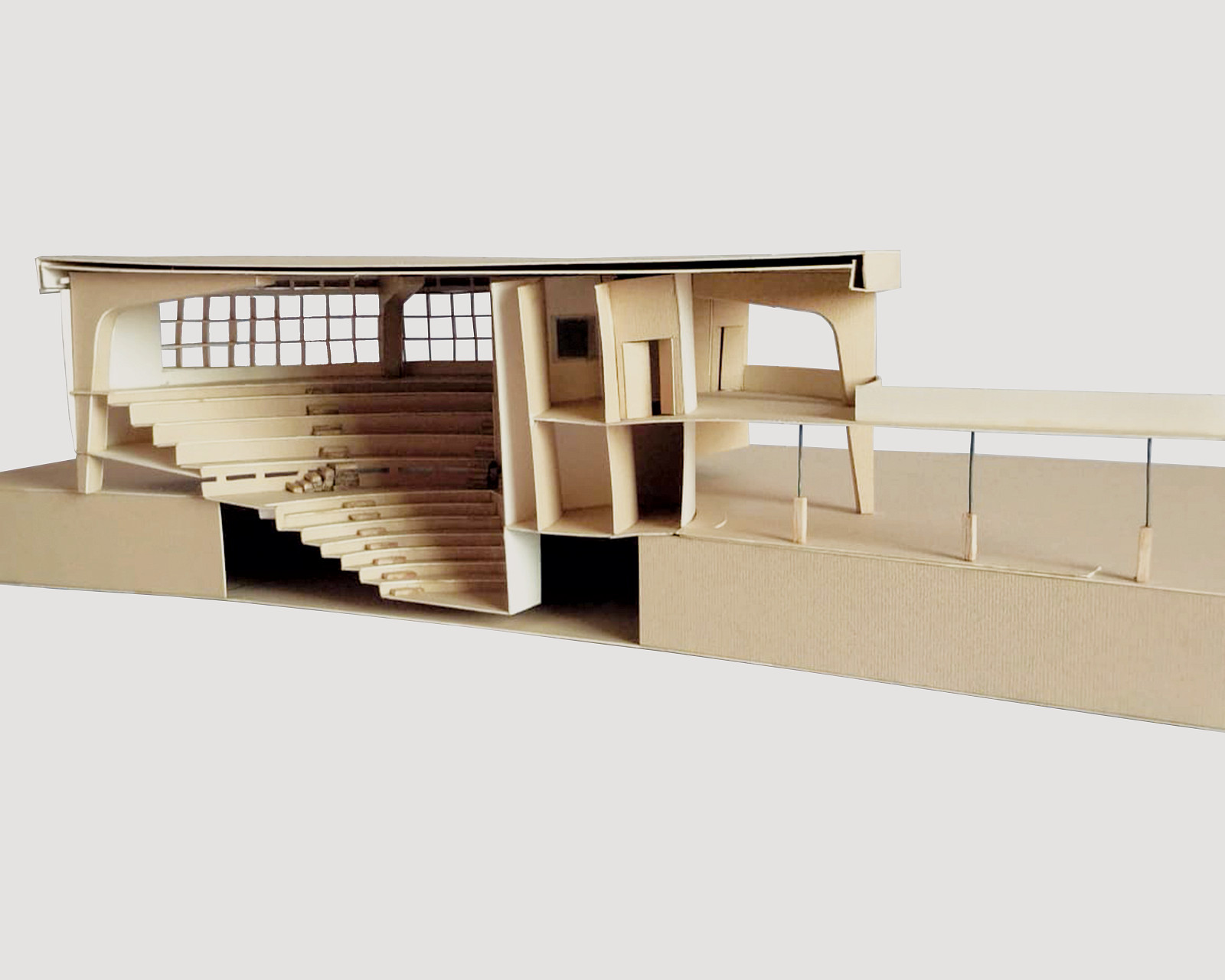
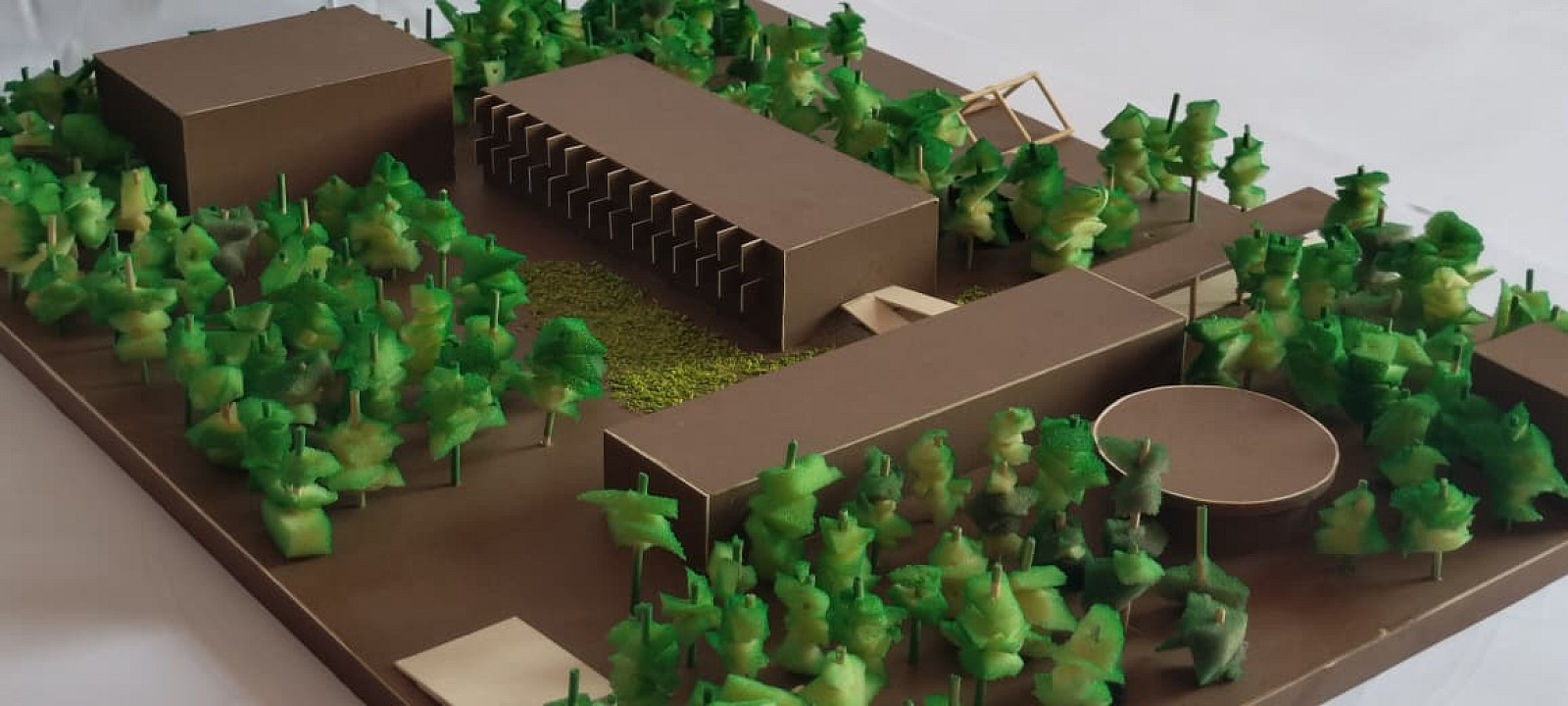
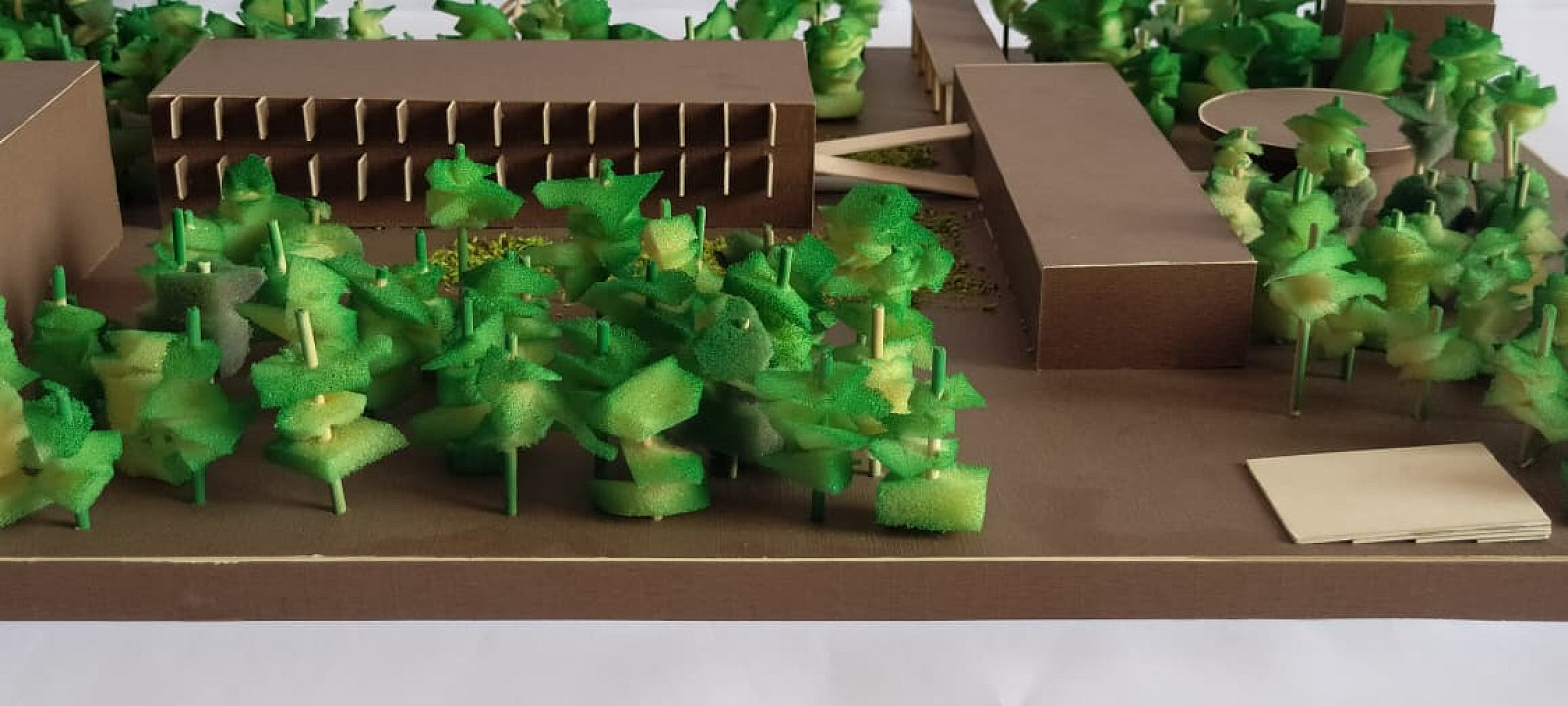
This project addresses the increasing demand for seating in the Department of Botany, University of Karachi by expanding the existing 120-seat auditorium to accommodate 350 students. The intervention focuses on retrofitting the structure while preserving its original architectural identity. Curved brace columns are introduced to enhance structural stability, while improved ventilation, wider circulation, and additional functional spaces such as VIP rooms and an AV control room ensure better usability. The elevated design also creates a shaded undercroft, adding a flexible communal space for informal activities.
Project description
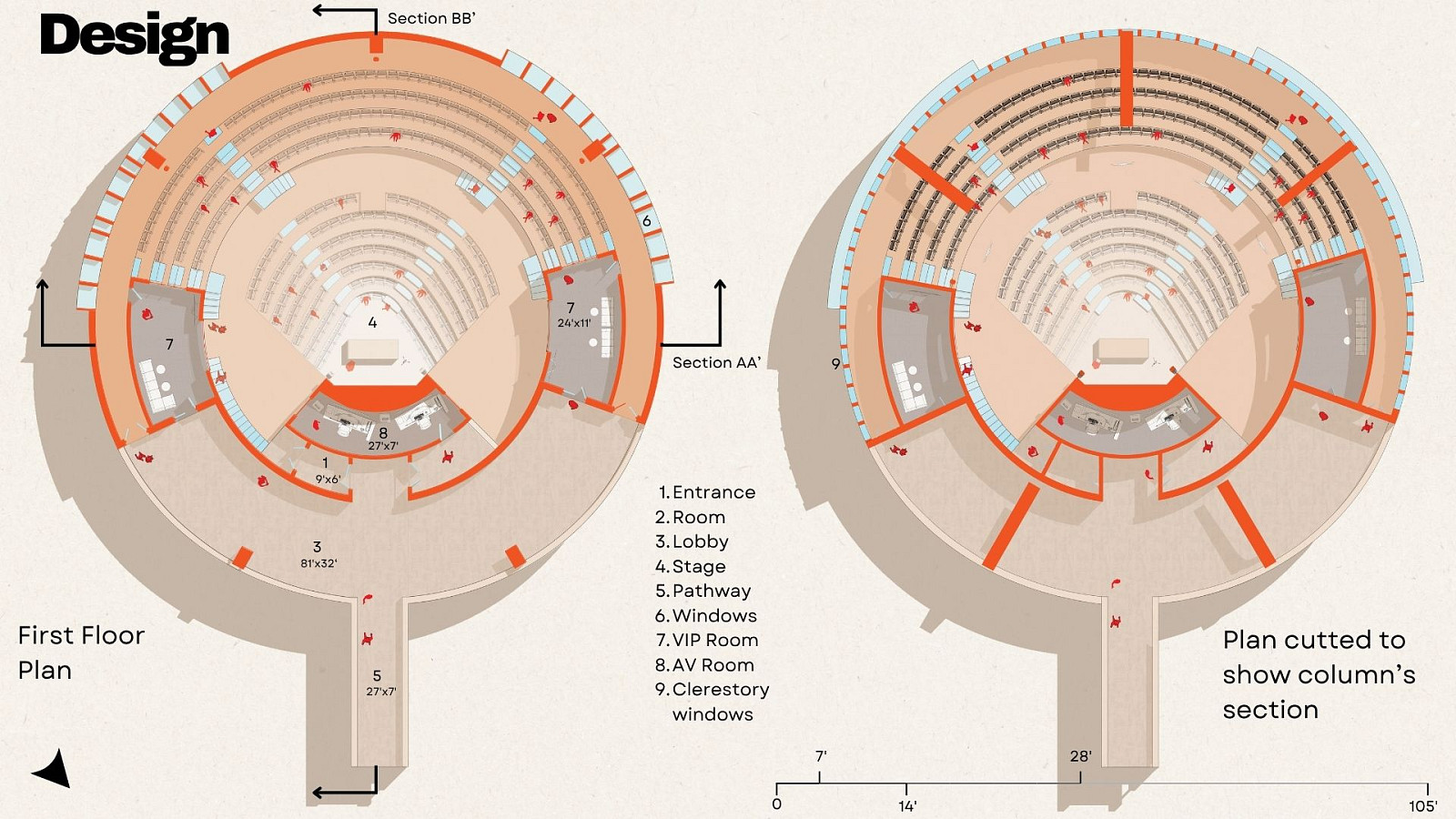
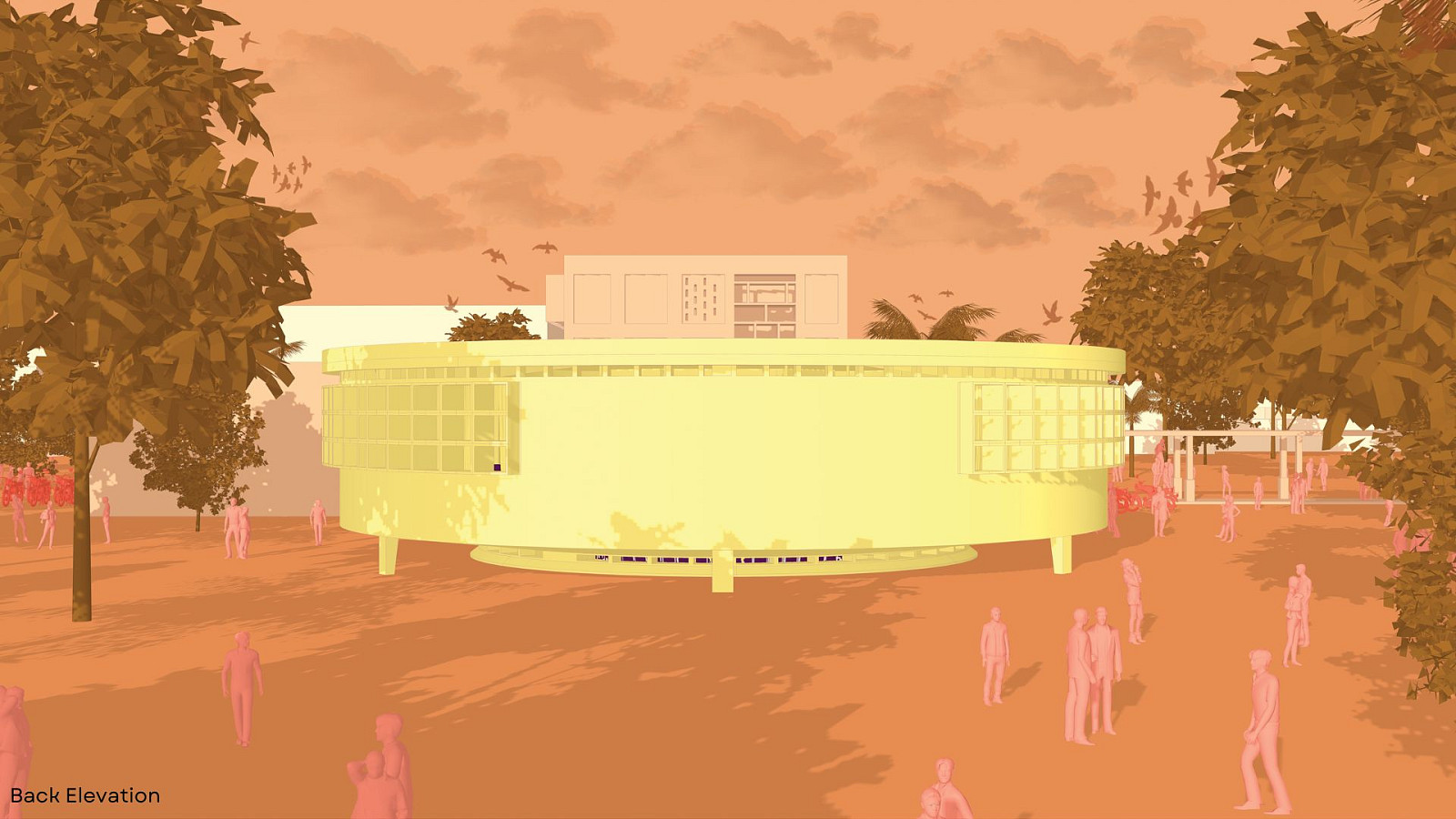
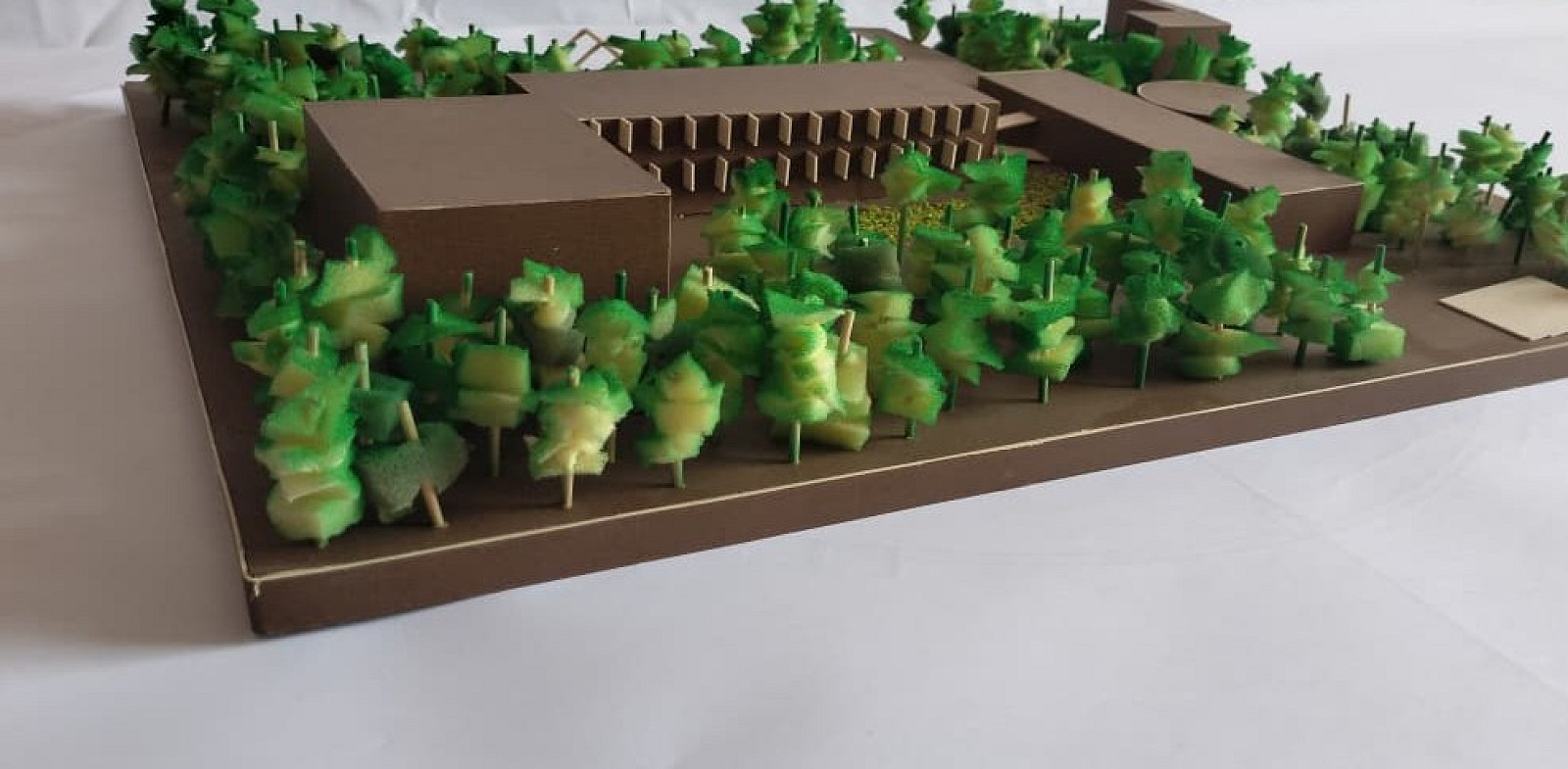
This project involves the expansion and retrofitting of the existing auditorium at the Department of Botany, University of Karachi, increasing its capacity from 120 to 350 seats. The scope includes structural strengthening through curved brace columns, improved ventilation systems, enhanced circulation with wider corridors and new entry/exit points, and the integration of additional functional spaces such as VIP rooms and an AV control room. The design also maintains the original architectural language while introducing an elevated structure that creates a usable shaded space beneath, improving both spatial efficiency and user experience.
Technical information
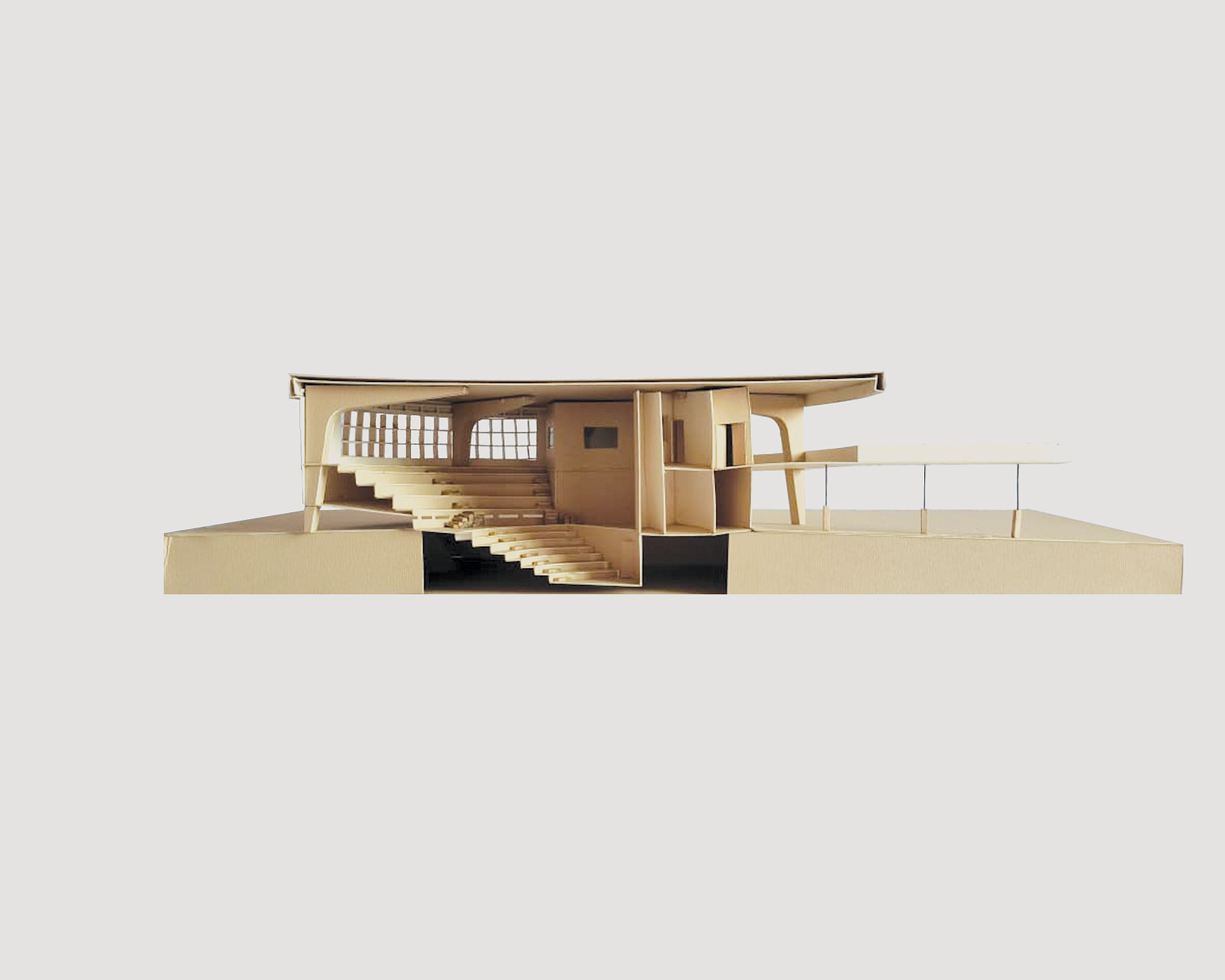
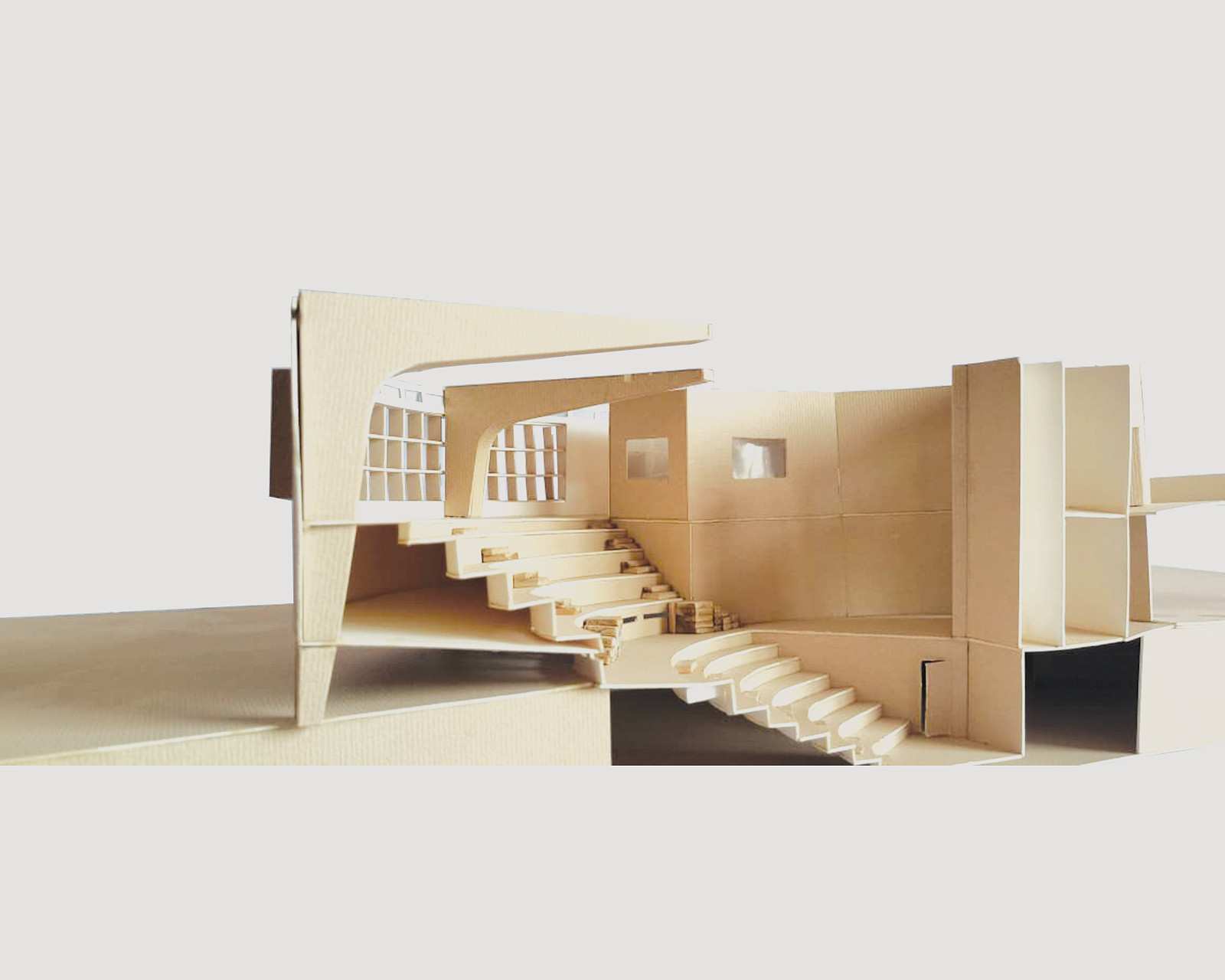
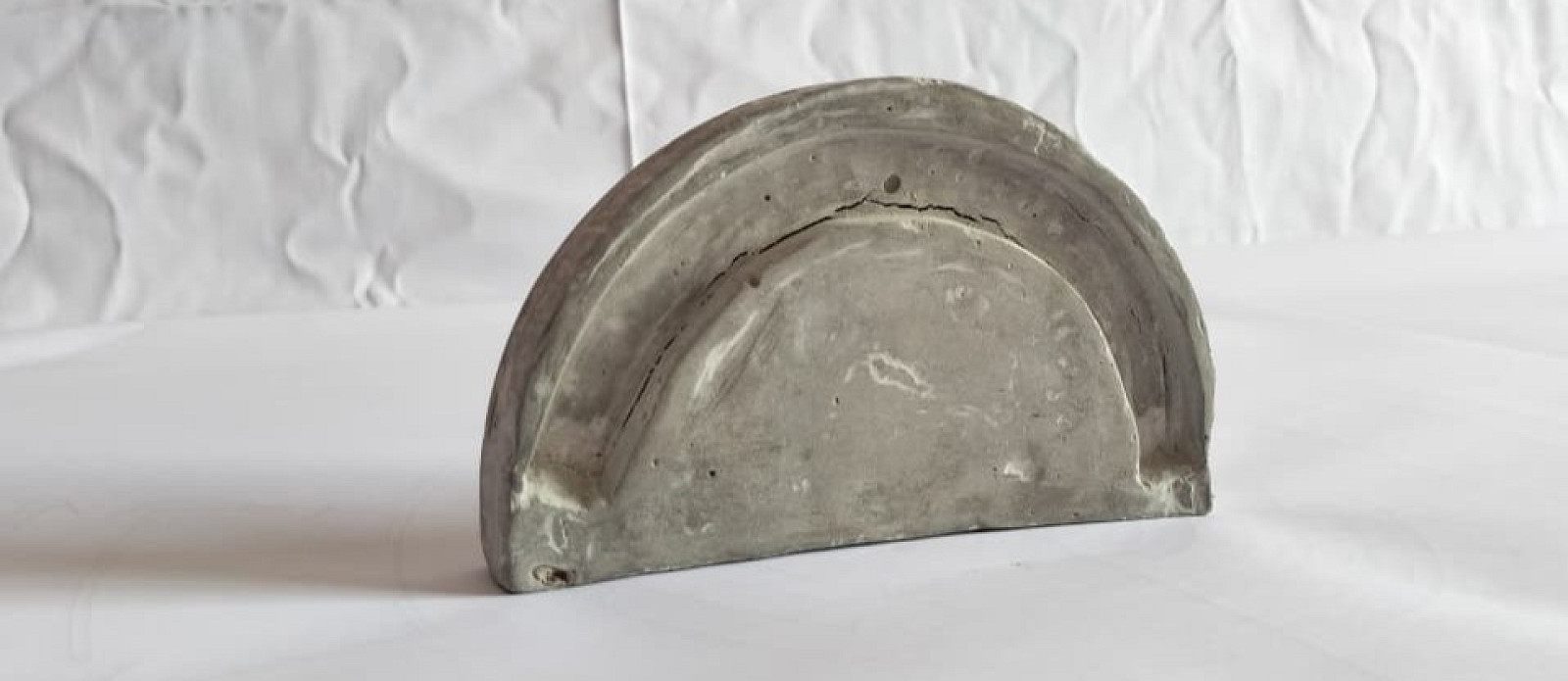
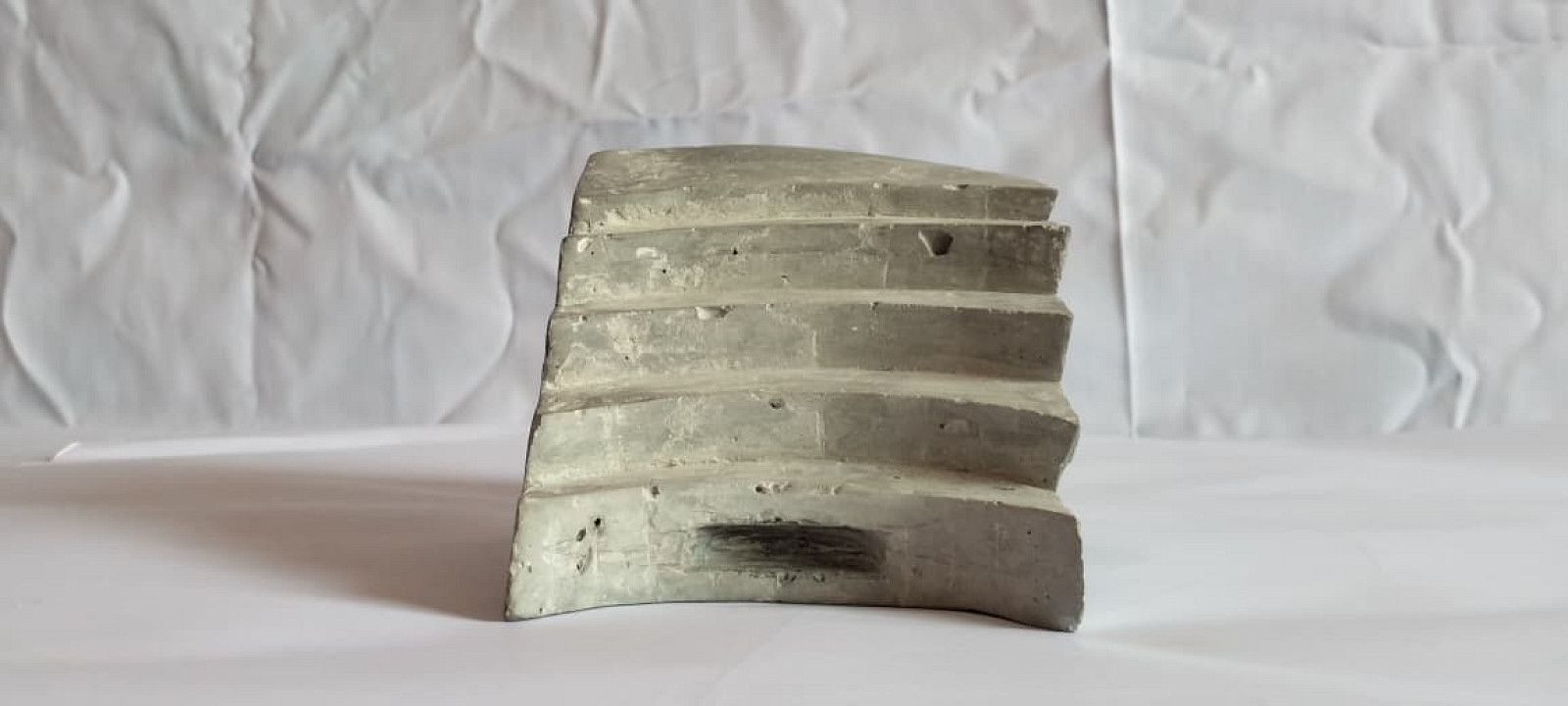
The project involves retrofitting and expanding the existing auditorium using a structural and environmental upgrade approach. The main technical specifications include the use of curved braced columns to enhance lateral stability and support the roof structure while reducing internal obstruction and improving spatial flow.
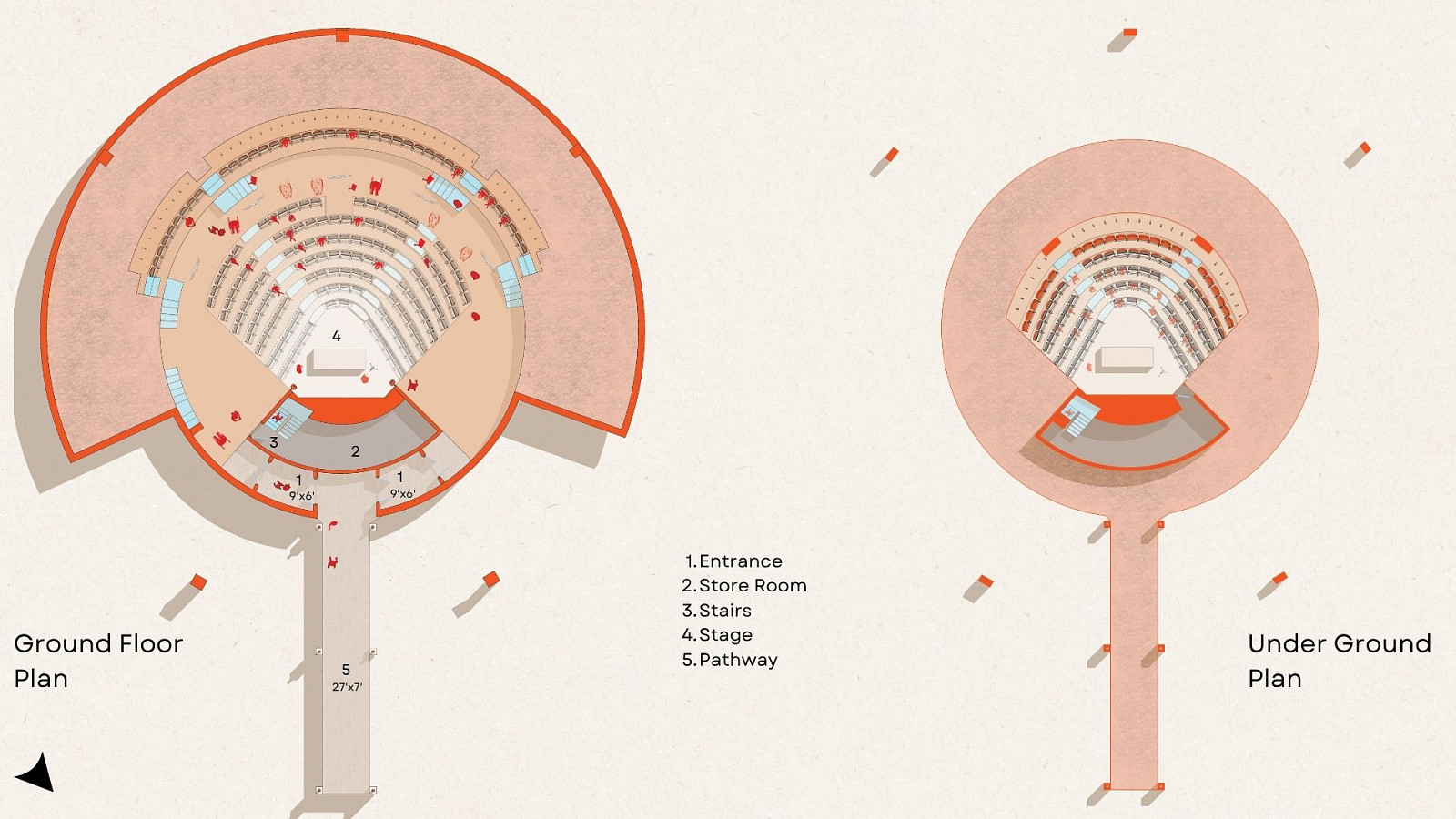
The existing structural grid has been modified and reinforced to support an increased load capacity for 350 seats. The building is elevated approximately four feet above ground level, creating a ventilated undercroft space and improving flood resilience and airflow.
Natural ventilation is achieved through a combination of ground-level vent openings, circular façade windows, and upper wall vents, maintaining passive cooling strategies. The original roof form and structural language have been retained to preserve architectural continuity.
Circulation is improved through widened corridors and redesigned entry and exit points to handle higher occupancy efficiently. Additional technical provisions include dedicated VIP rooms for speakers and faculty, and an elevated AV control room for audiovisual management and event operations.
Documentation

Copyright © 2026 INSPIRELI | All rights reserved. Use of this website signifies your agreement to the Terms of Use, Privacy Policy, and use of cookies.
