The Pavement Clock


 Carolina
Project idea
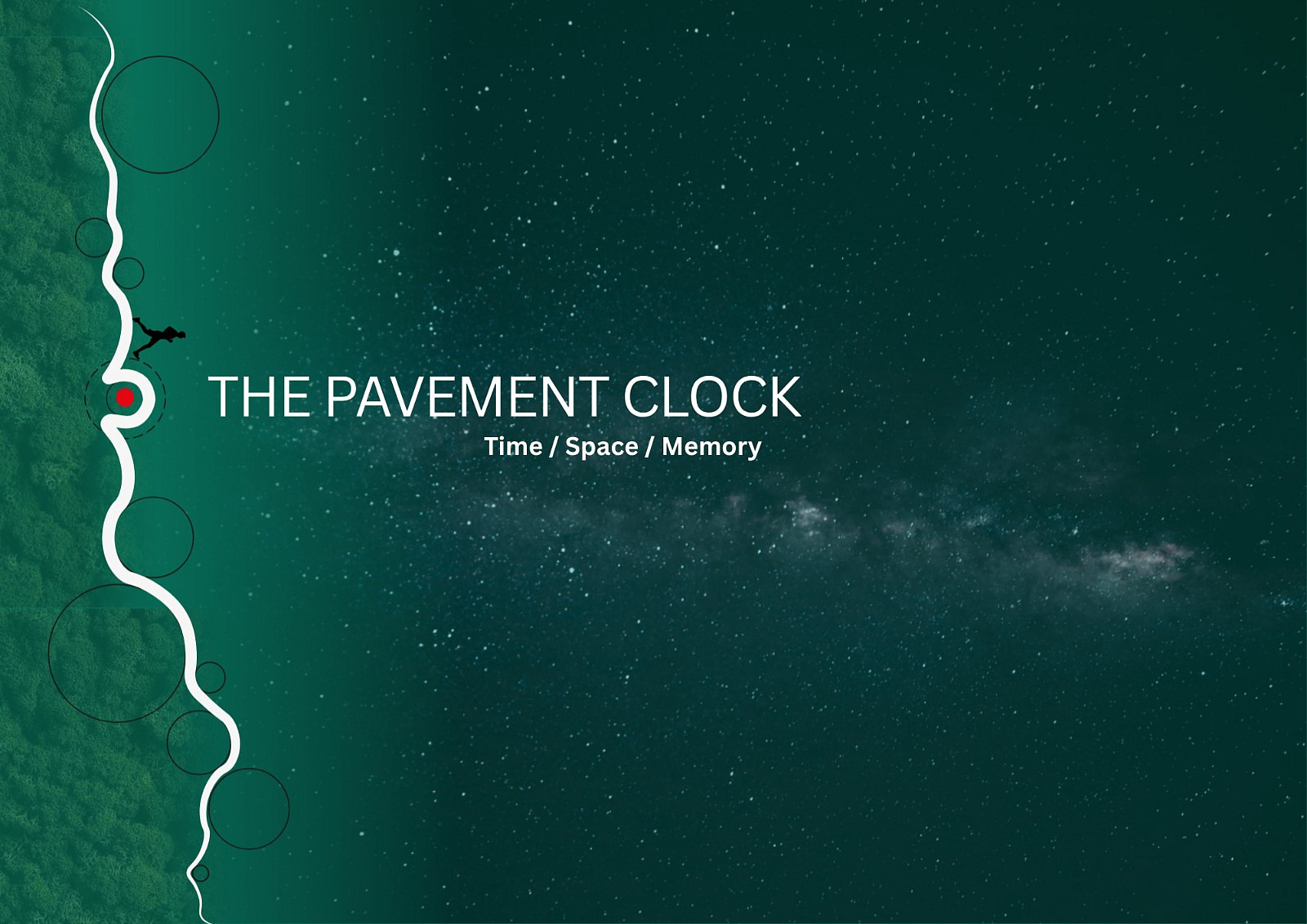
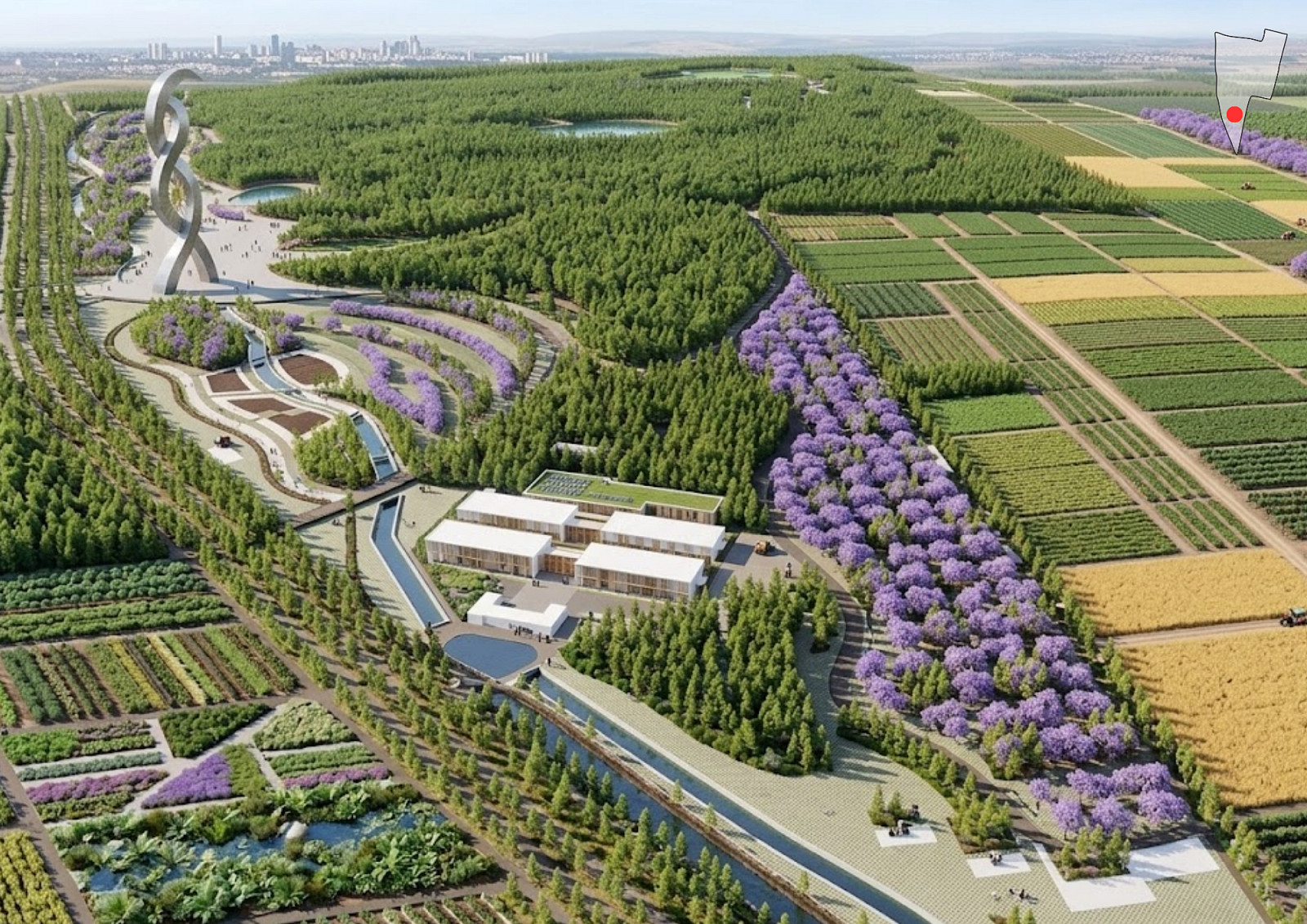
General GoalTo transform the grounds of the former Miguel de Azcuénaga Arsenal—a historic urban void and scar of State terrorism—into "El Reloj de la Vereda" (The Pavement Clock), a monumental landmark of metropolitan scale acting as a sounding board for "Nunca Más" (Never Again). The goal is to reframe the silence and invisibility of a tragic past through an open, transparent, and bio-economic public space, where active memory, socio-environmental restoration, and the community integration of Tucumán's periphery coexist.
FOUR FUNDAMENTAL STRATEGIC PILLARS
- Memory and Symbolic Reparation
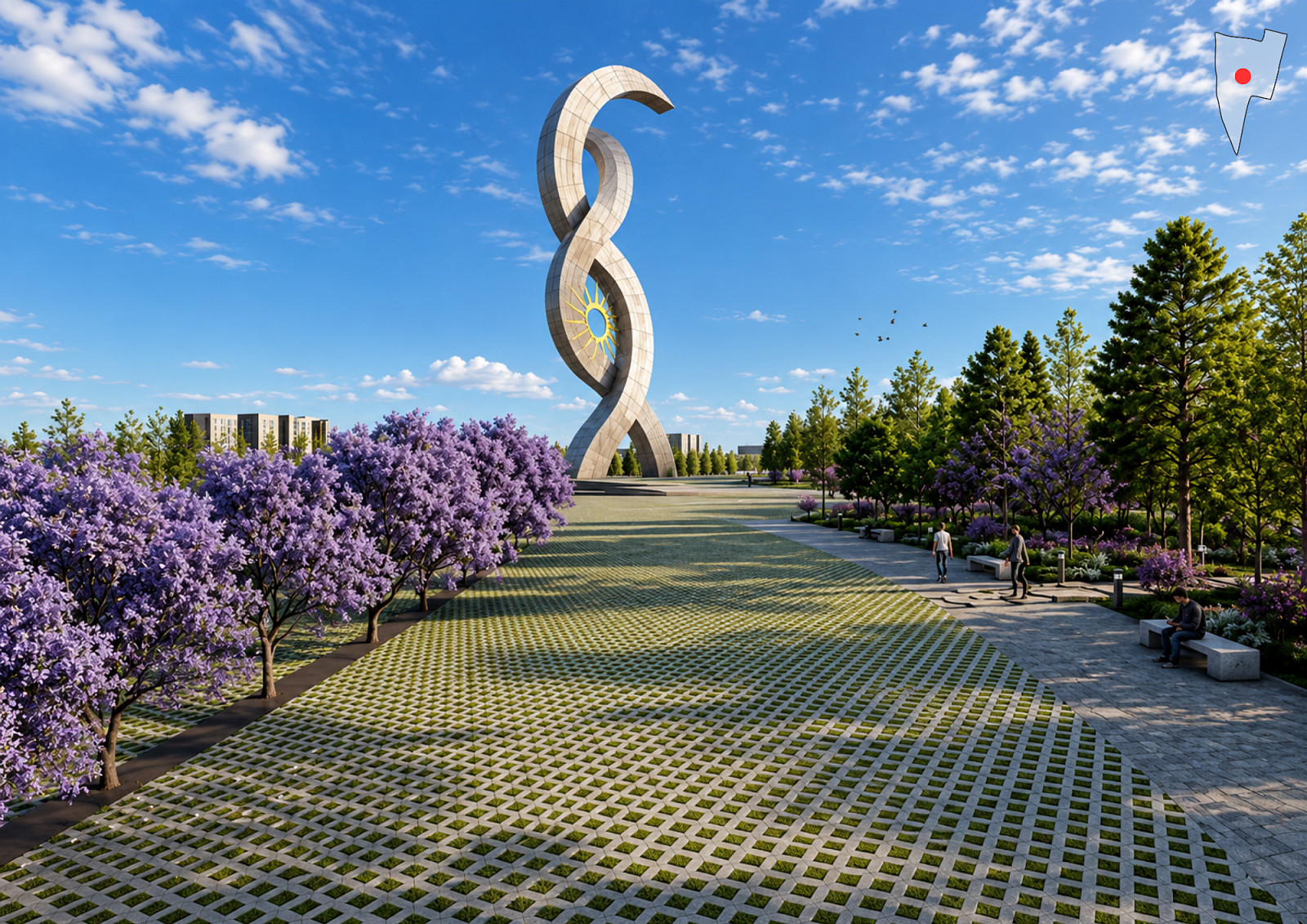
Monumental landmark: Construction of a 50-metre sundial over the former dictatorship access point.
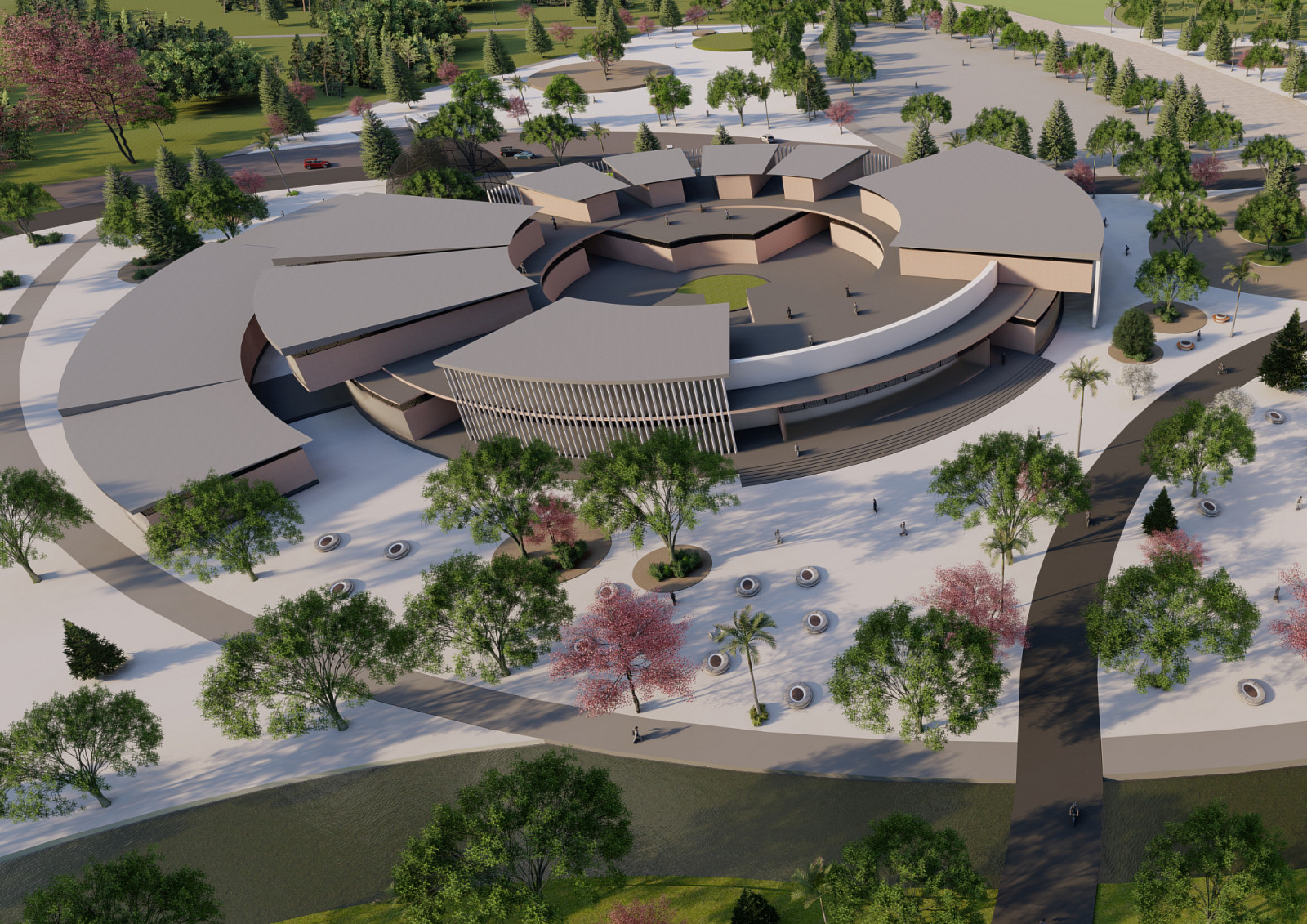
Active memory: Creation of a transparent Interpretation Centre open to art and cultural debate
Temporal pathways: Design of conceptual squares and trails based on different logics of time.
- Urbanism and Metropolitan Connectivity
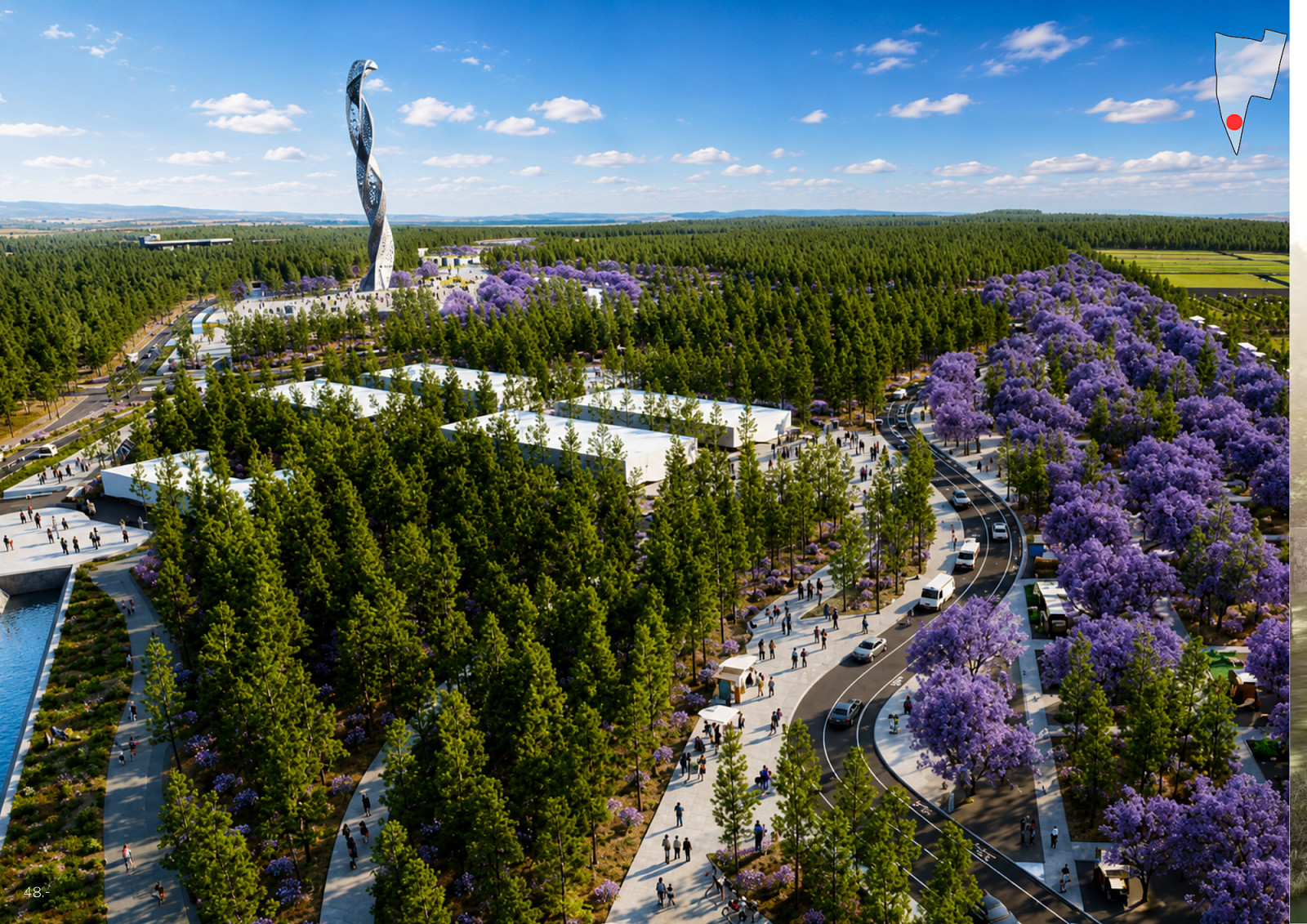
Territorial integration: Incorporation of the former Arsenal to connect Tafí Viejo, Las Talitas, and San Miguel de Tucumán.
Sustainable mobility: Intermodal transport network featuring trains (solar, light rail, elevated), trolleybuses, and integrated cycle lanes.
- Environmental Infrastructure and Landscaping
Biodivercity: Massive reforestation with native Yungas flora and restoration of canals as biological corridors.
Sponge city: Application of nature-based solutions to mitigate climate risks through biofilters and ponds.
- Social Development and Bioeconomy
Citizen science: Conversion of barracks into bioconstruction laboratories and environmental education centres.
Civic public space: Deployment of recreational areas, food courts, concert halls, and a civic centre.
Project description
This project consists of CONCEPT - THEORETICAL FRAMEWORK - MACRO, MESO AND SECTOR SCALE - MEMORY PARK AND CULTURAL CENTRE
Technical information
The building's construction is made of reinforced concrete, timber panels and brick.
Documentation

Copyright © 2026 INSPIRELI | All rights reserved. Use of this website signifies your agreement to the Terms of Use, Privacy Policy, and use of cookies.
