SAANJH


Project idea
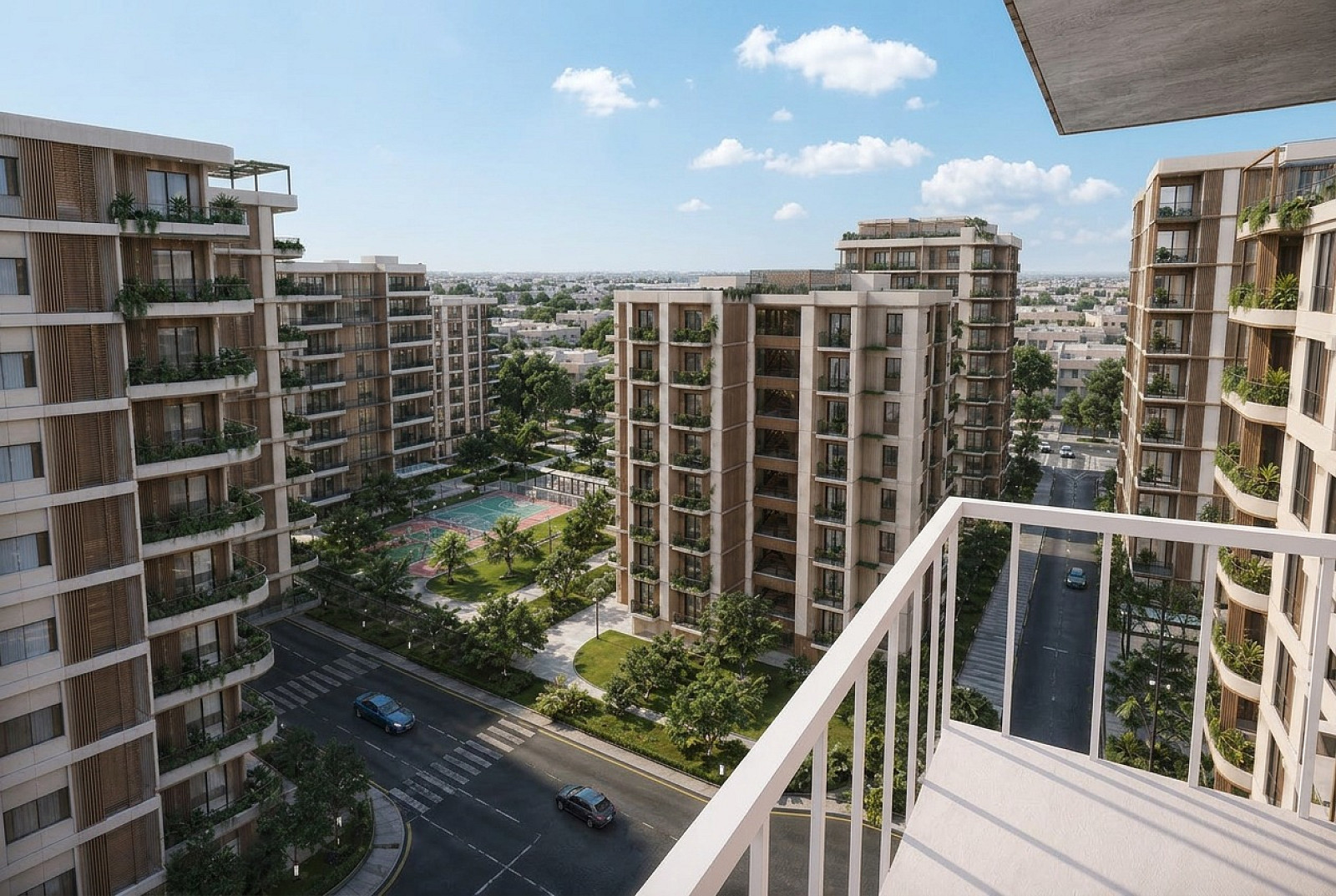
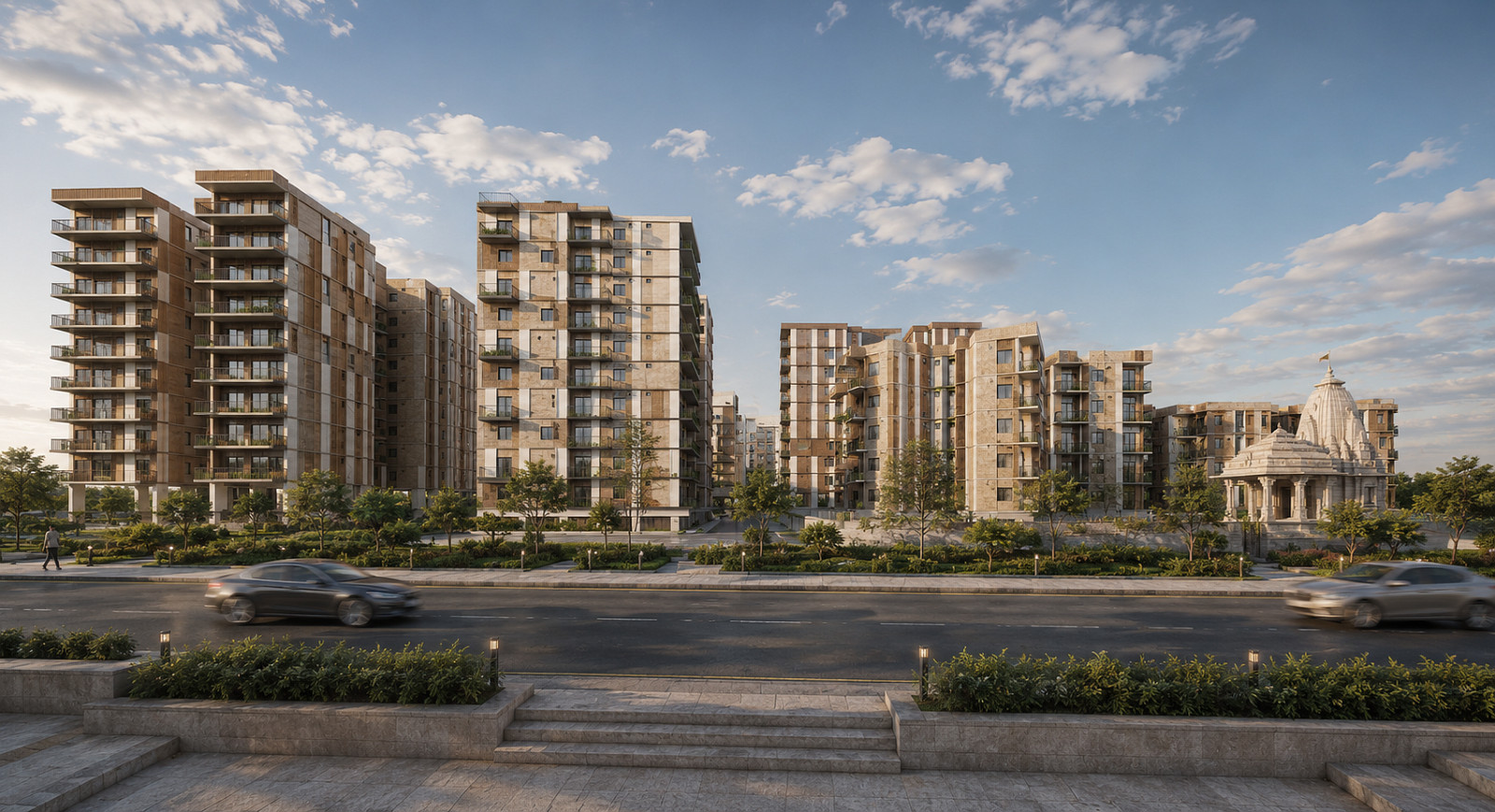
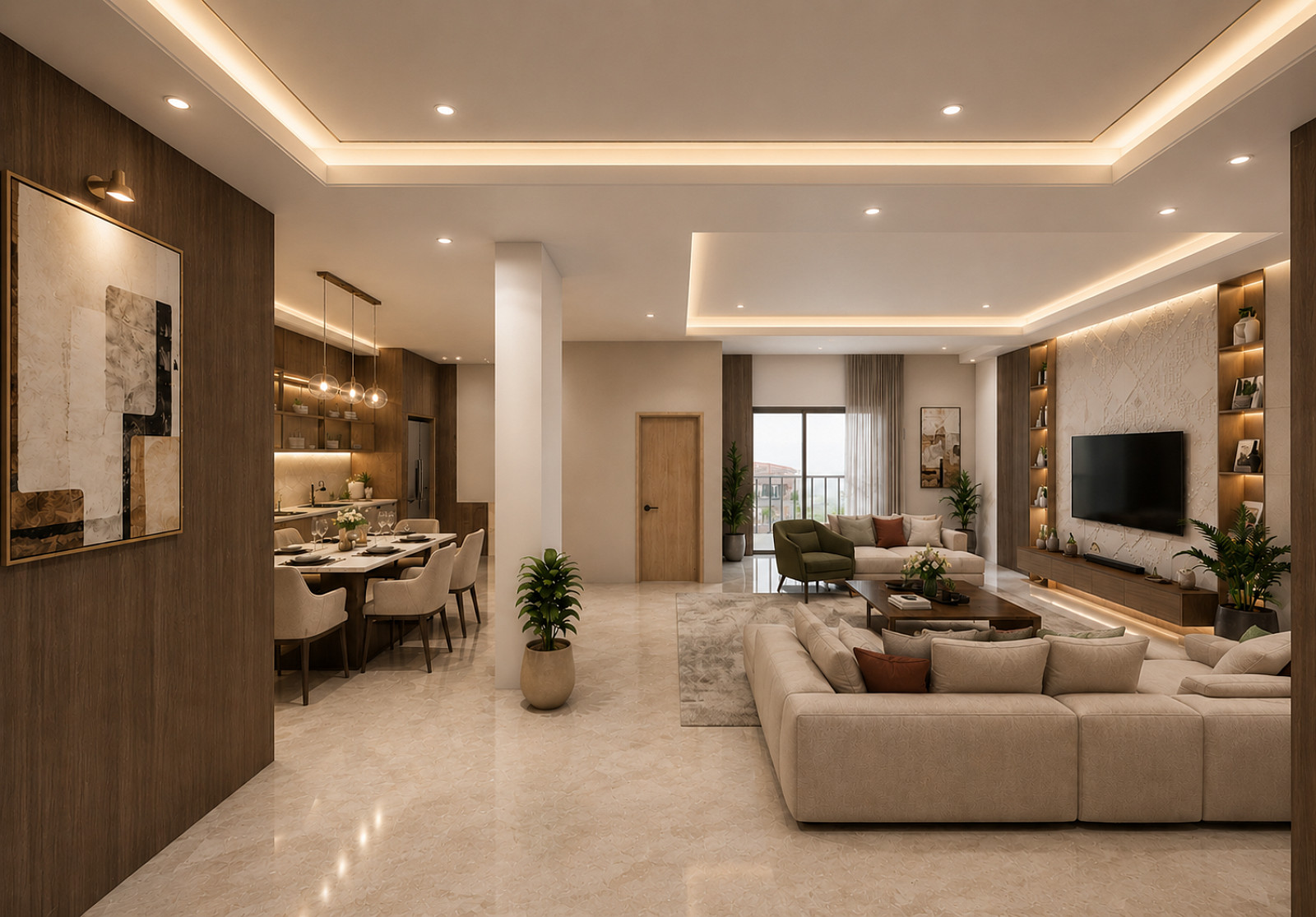
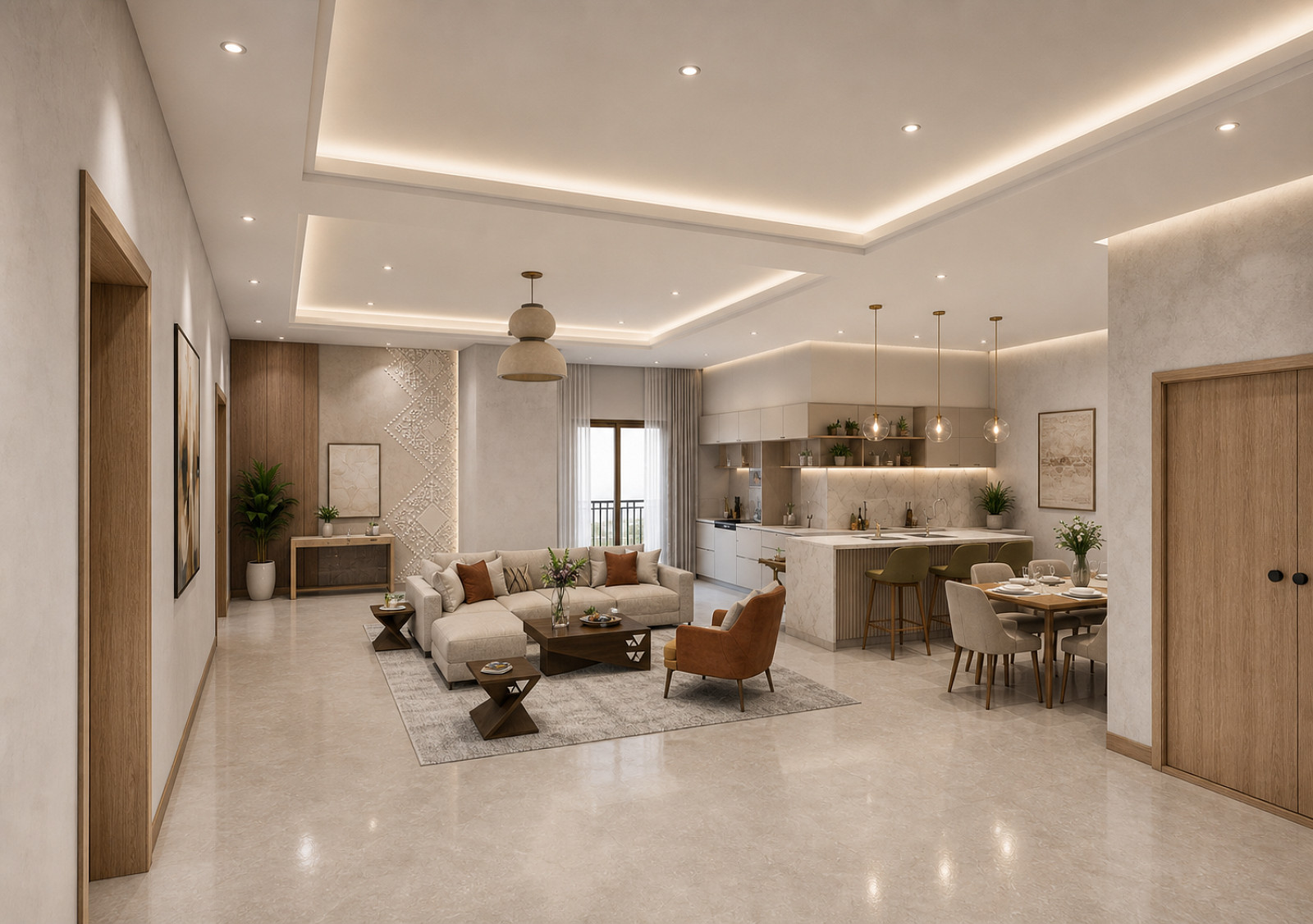
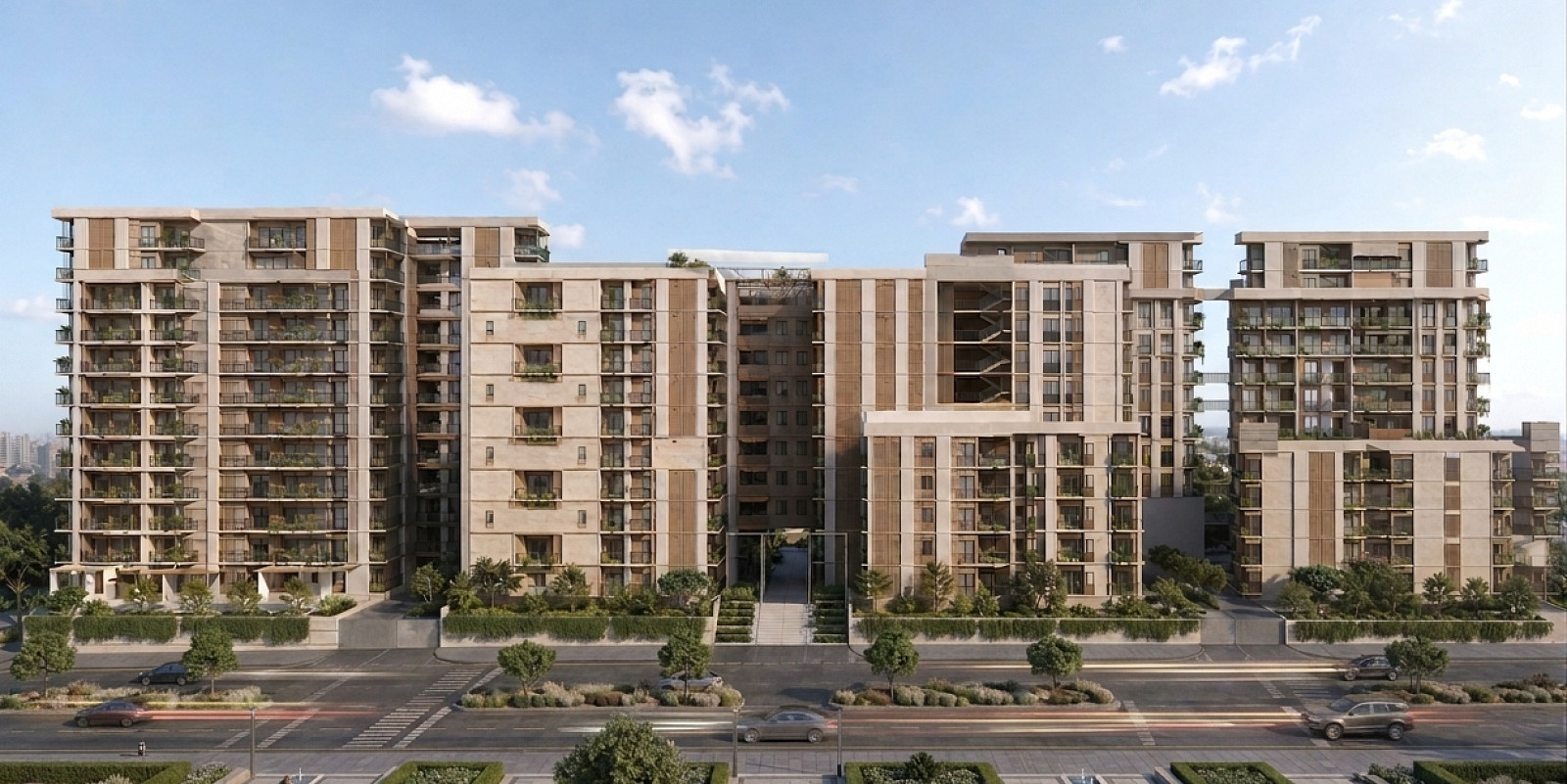
SAANJH represents the idea of togetherness, shared experiences, and a sense of community. The project is envisioned as a modern residential development that creates a balance between individual living spaces and collective social environments.
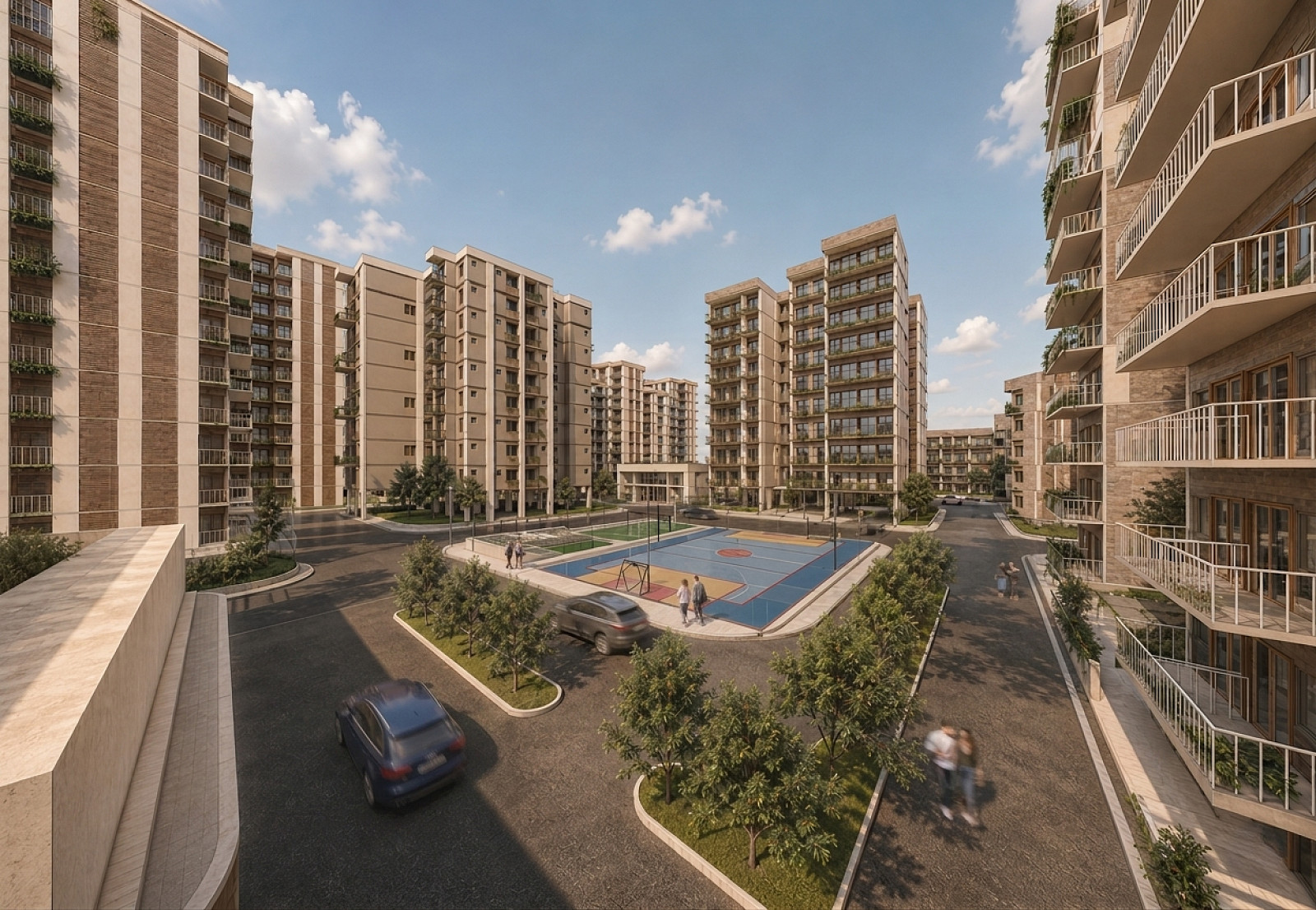
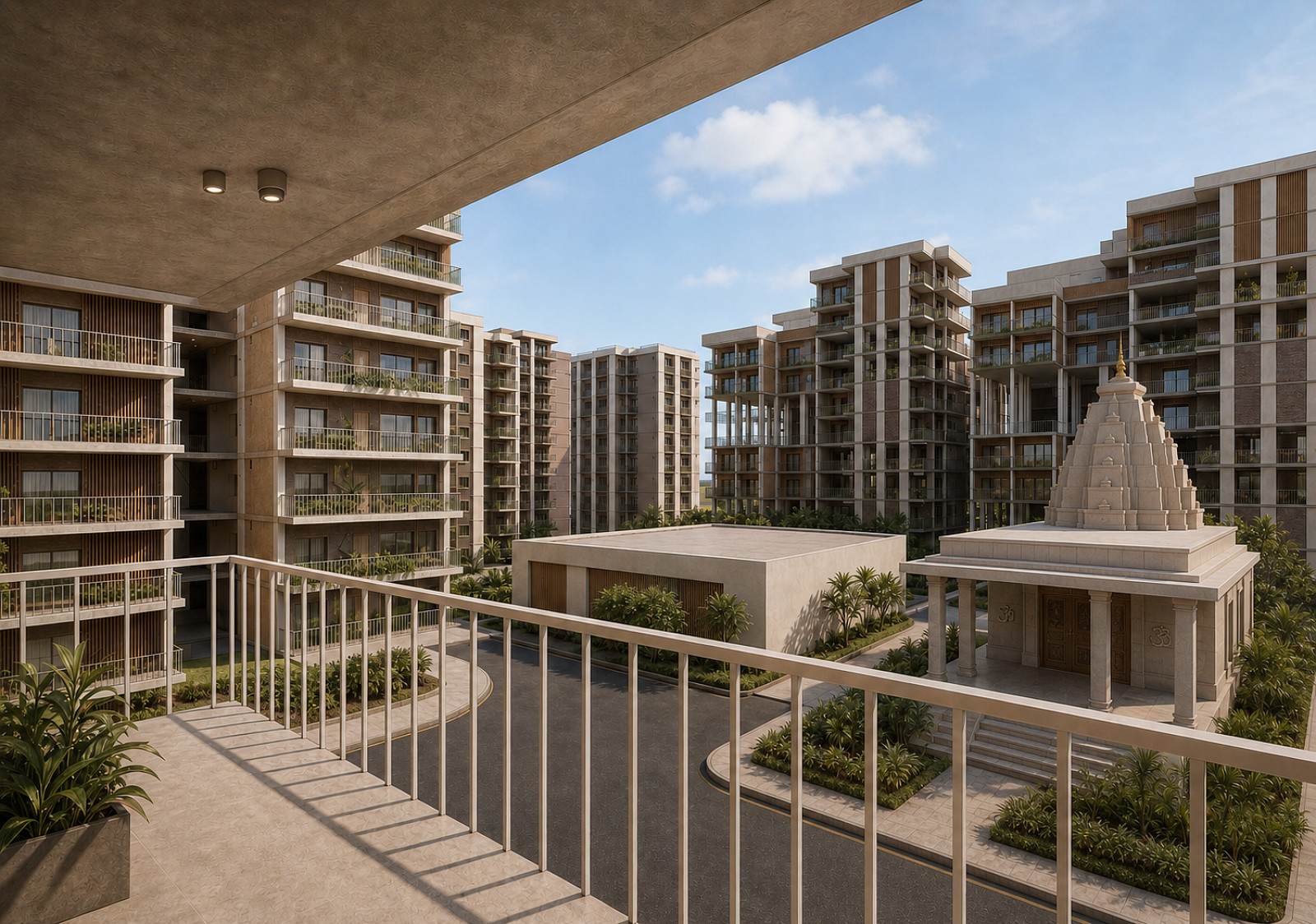
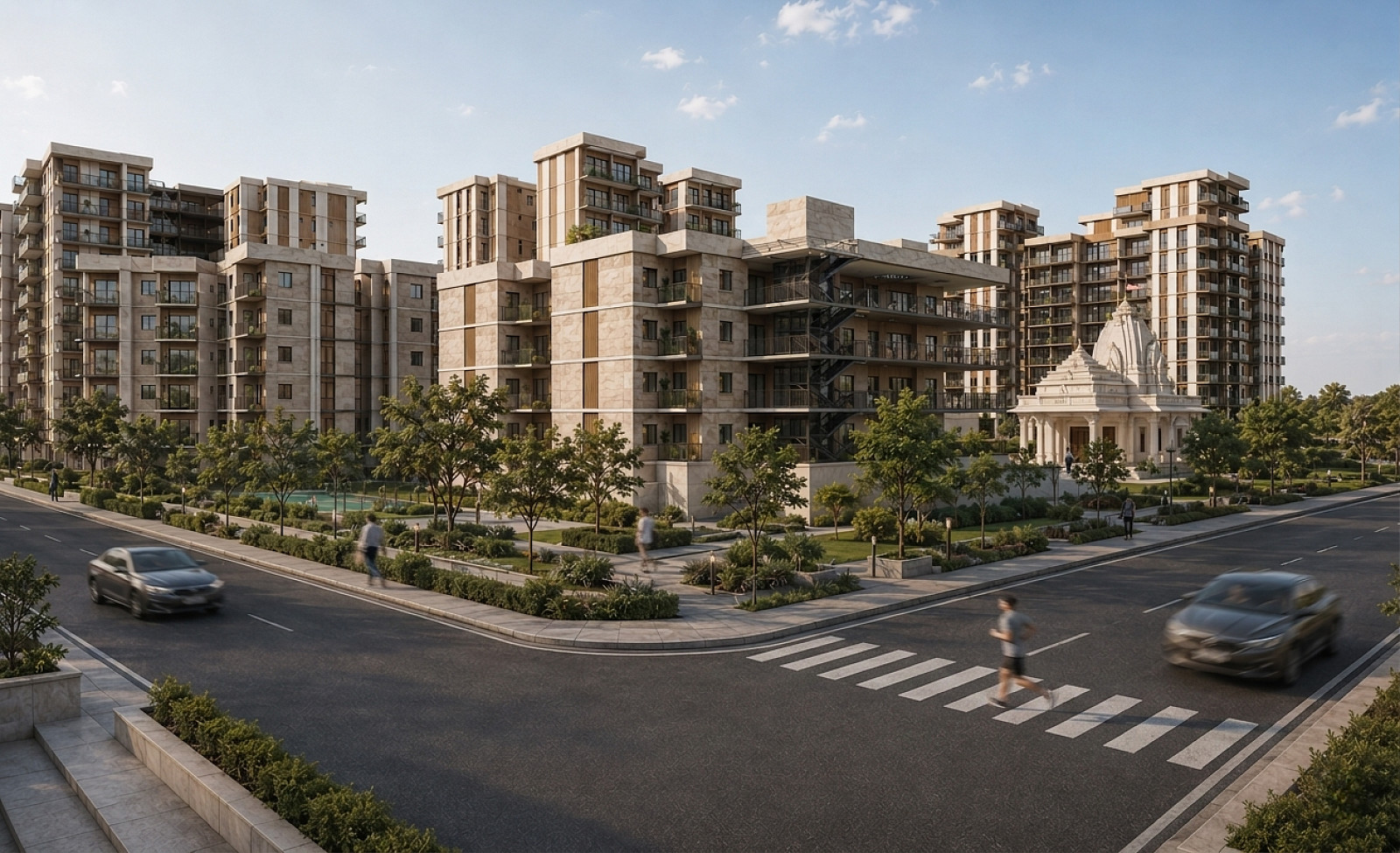
The design focuses on creating a harmonious relationship between built form, landscape, and people. The planning integrates residential clusters with open green spaces, recreational areas, amenities, and community zones to encourage interaction and improve the quality of everyday living.
The arrangement of housing blocks is designed to ensure privacy, natural light, ventilation, accessibility, and visual connectivity while maintaining a strong community character. The project aims to create a neighbourhood where residents experience comfort, belonging, and a sustainable lifestyle.
Goals & Objectives
1. To develop a well-planned residential environment with efficient circulation and zoning.
2. To create a balance between private residential spaces and shared community areas.
3. To enhance the quality of living through landscape integration and open spaces.
4. To promote social interaction through common amenities and recreational spaces.
5. To provide comfortable, climate-responsive, and user-oriented housing.
6. To create an architectural identity that reflects modern urban living.
The concept of SAANJH is derived from the idea of “shared living” — where individual homes come together to form a connected neighbourhood. The planning creates a transition from private spaces to semi-private and public spaces, encouraging interaction while respecting privacy.
Project description
The scope of SAANJH is to develop a comprehensive residential environment that promotes comfortable, sustainable, and community-oriented living. The project focuses on creating a well-integrated housing development that addresses the needs of diverse users through efficient planning, modern amenities, and responsive architectural design.
The solution explores the relationship between residential spaces, landscape, and social interaction by providing a balanced mix of private homes, shared facilities, and open spaces. The planning aims to improve the quality of life by ensuring proper circulation, accessibility, natural ventilation, daylight, and recreational opportunities.
The project includes:
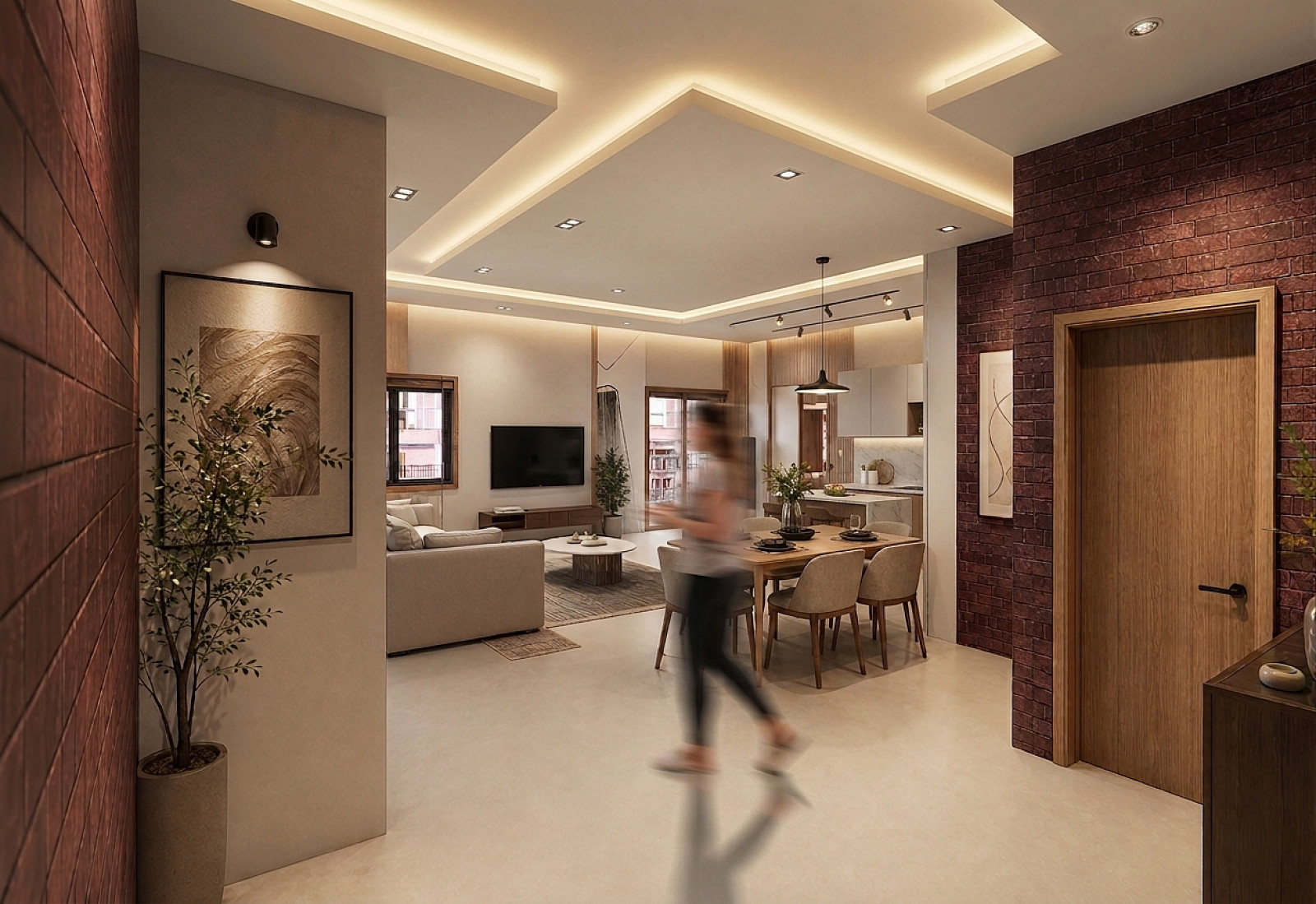
1. Thoughtfully planned residential units with functional layouts.
2. Integrated landscape areas and green open spaces.
3. Community amenities and recreational zones to encourage interaction.
4. Efficient vehicular and pedestrian movement systems.
5. Parking and service facilities for smooth functioning.
6. Sustainable design strategies for environmental comfort.
7. A neighbourhood-scale approach that creates a sense of belonging and identity.
Technical information
The technical approach of SAANJH focuses on creating a modern residential development with efficient planning, structural stability, environmental comfort, and long-term sustainability. The project integrates functional building systems with architectural design principles to achieve a comfortable and durable living environment.
1. Building Structure
RCC framed structural system adopted for residential blocks.
Reinforced concrete slabs, beams, and columns designed for stability and durability.
Optimized structural grid for efficient planning and construction.
2. Building Materials & Finishes
External walls with durable weather-resistant finishes.
Combination of contemporary façade materials to create a modern architectural identity.
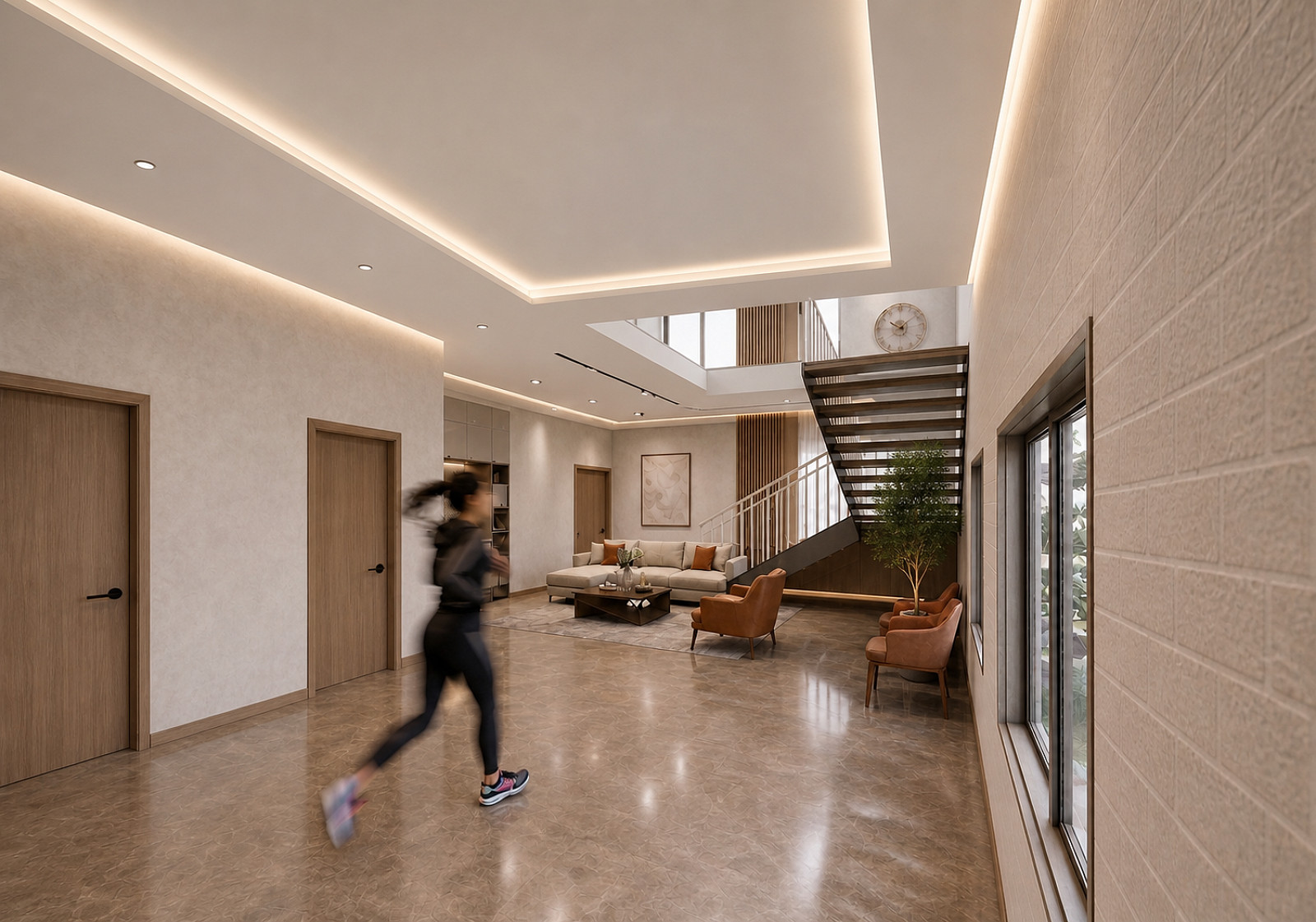
High-quality flooring and finishes for residential interiors.
Energy-efficient glazing systems for improved daylight and thermal comfort.
3. Climate Responsive Design
Orientation planned to maximize natural light and ventilation.
Shading devices and façade elements used to reduce heat gain.
Landscape planning incorporated to improve microclimate and user comfort.
4. Services & Utilities
Efficient water supply and drainage systems.
Rainwater harvesting provisions for water conservation.
Waste management and sustainable service planning.
Electrical and fire safety systems integrated as per requirements.
5. Landscape & Site Development
Green areas and open spaces designed as extensions of living spaces.
Pedestrian-friendly pathways and recreational zones.
Plantation strategy to enhance biodiversity and environmental quality.
6. Mobility & Parking
Planned vehicular circulation for smooth movement.
Dedicated parking facilities for residents and visitors.
Separate pedestrian circulation to ensure safety and comfort.
7. Sustainability Features
Use of natural ventilation and daylight strategies.
Reduction of energy consumption through passive design techniques.
Integration of green spaces to promote healthy community living.
Documentation
Created in:



Copyright © 2026 INSPIRELI | All rights reserved. Use of this website signifies your agreement to the Terms of Use, Privacy Policy, and use of cookies.