SYNAPSE - An Industry 4.0 Campus


Project idea
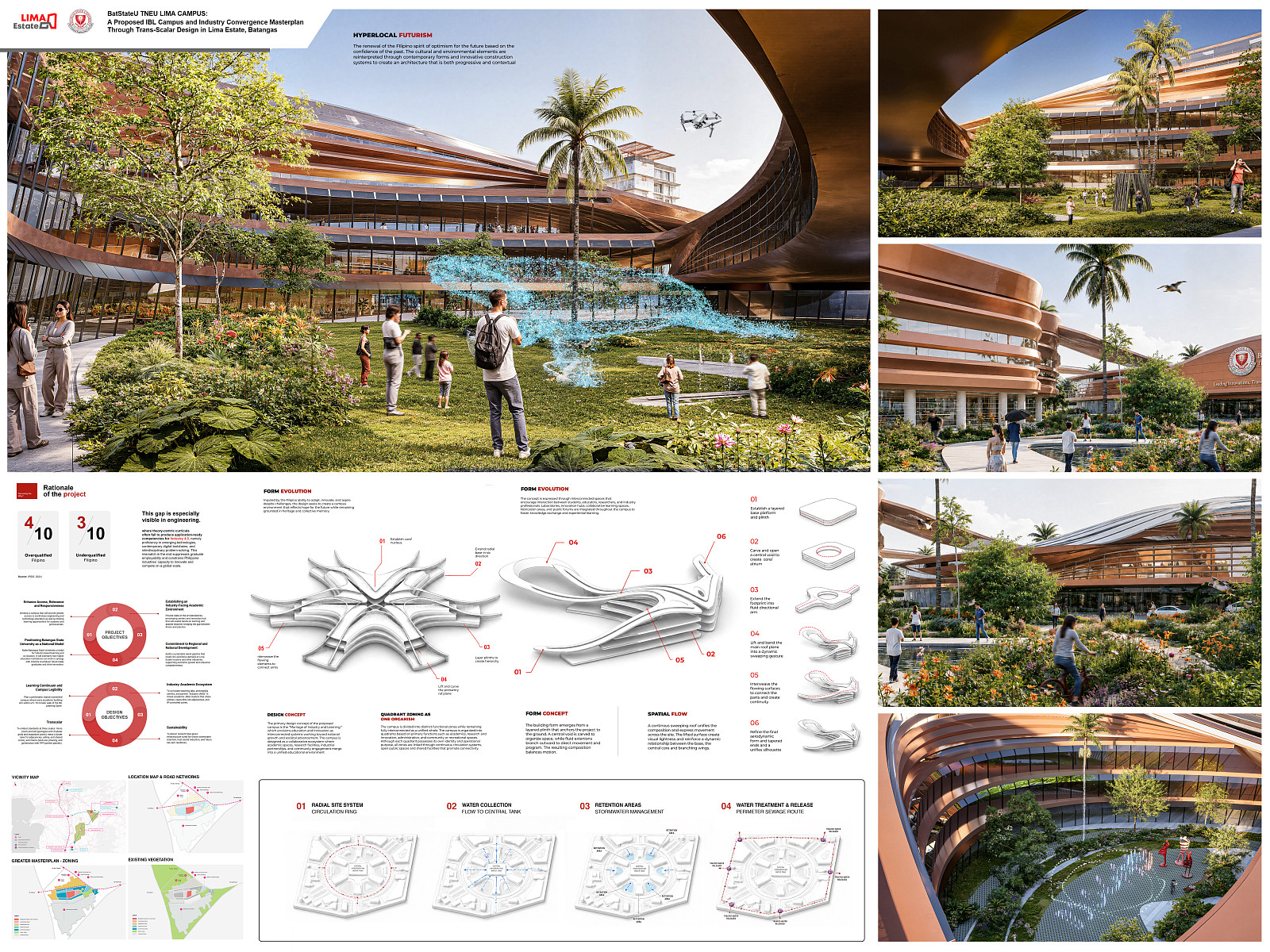
Four in ten employed Filipinos are overqualified, while nearly three in ten are underqualified (PIDS, 2022), this is clear evidence of a persistent mismatch and structural misalignment between education and labor-market demand. This gap is especially visible in engineering, where theory-centric curricula often fail to produce application -ready competencies for Industry 4.0, namely proficiency in emerging technologies, contemporary digital toolchains, and interdisciplinary problem-solving. This mismatch in the end suppresses graduate employability and constrains Philippine industries’ capacity to innovate and compete on a global scale.
Project description
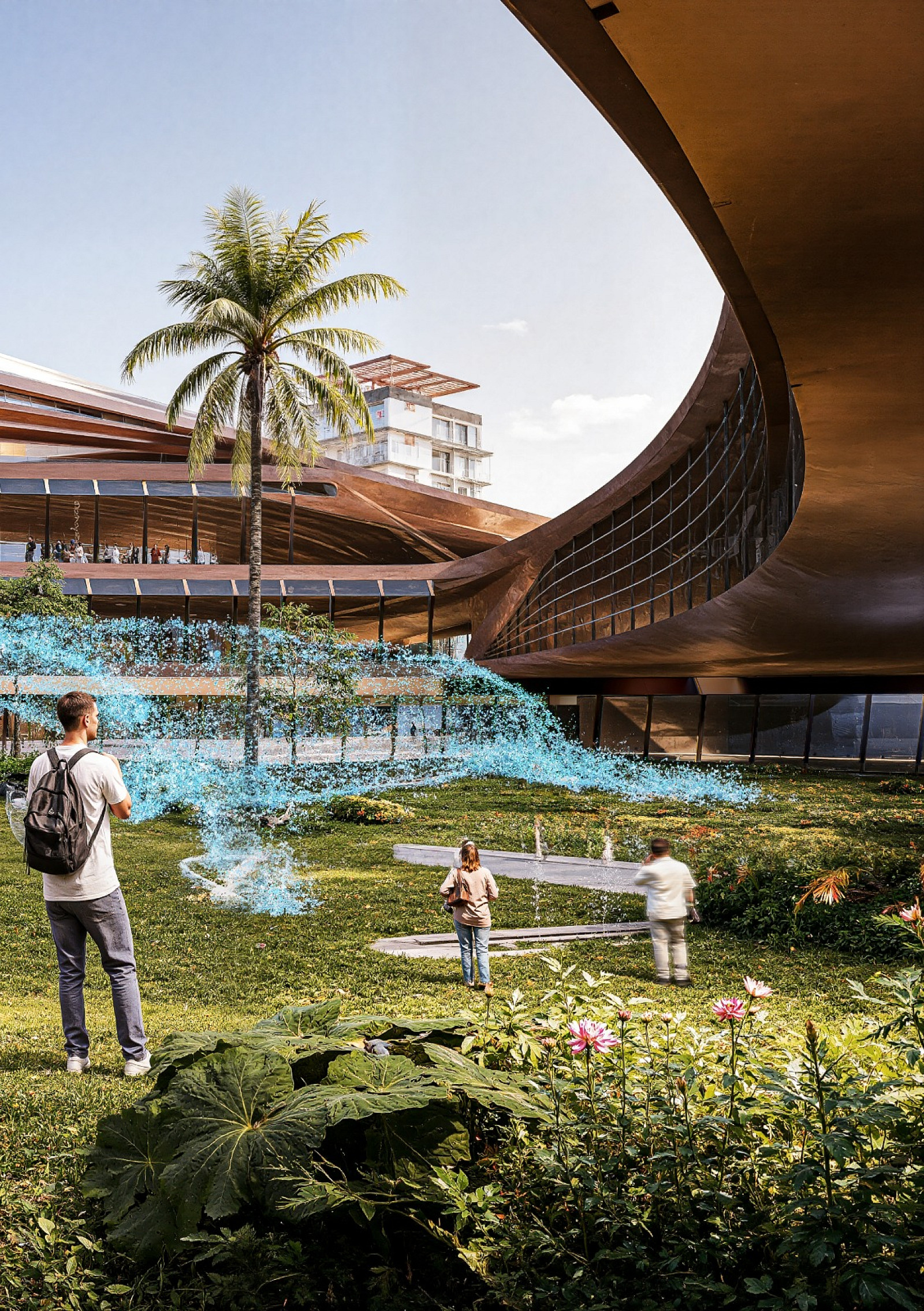
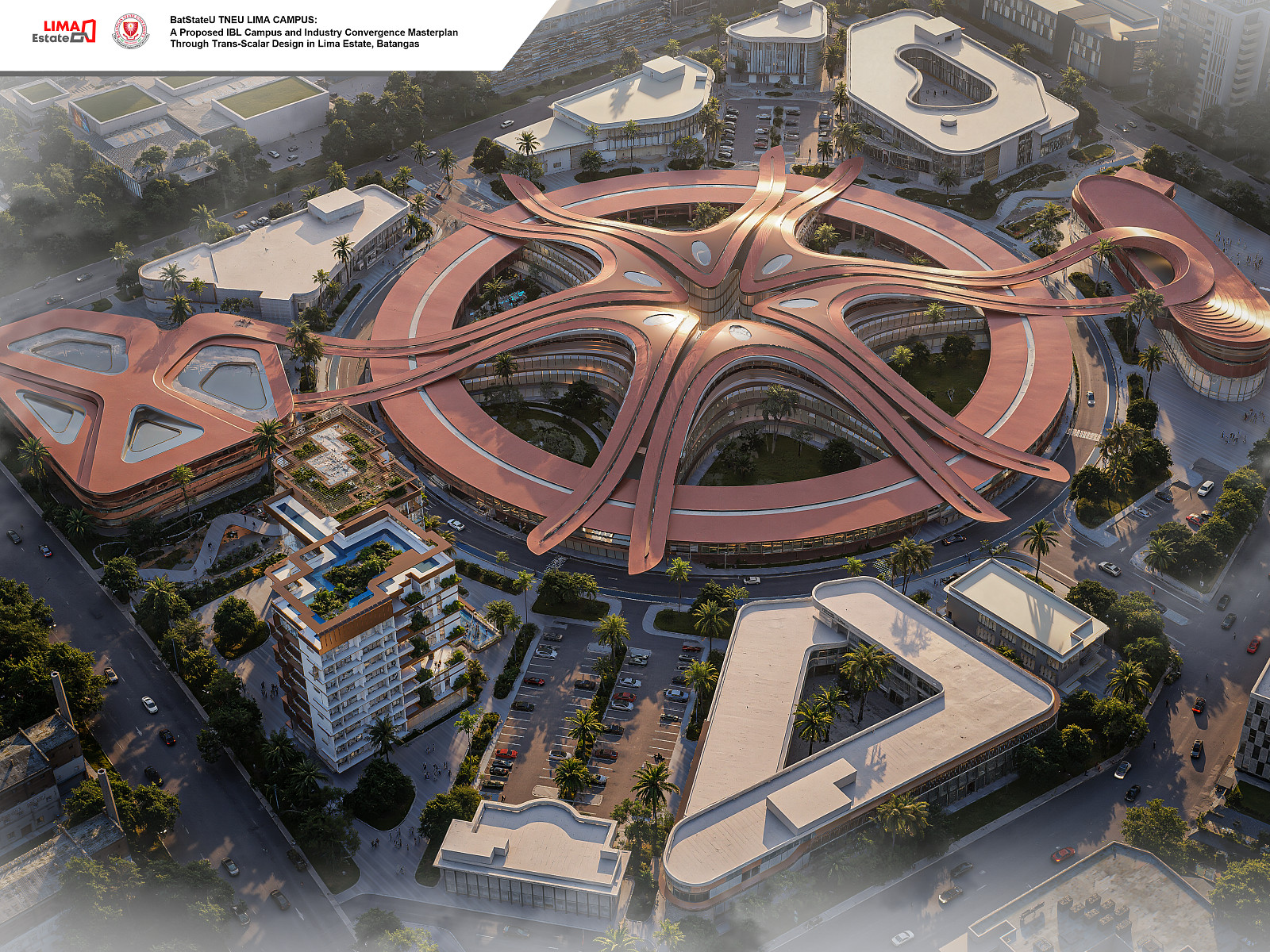
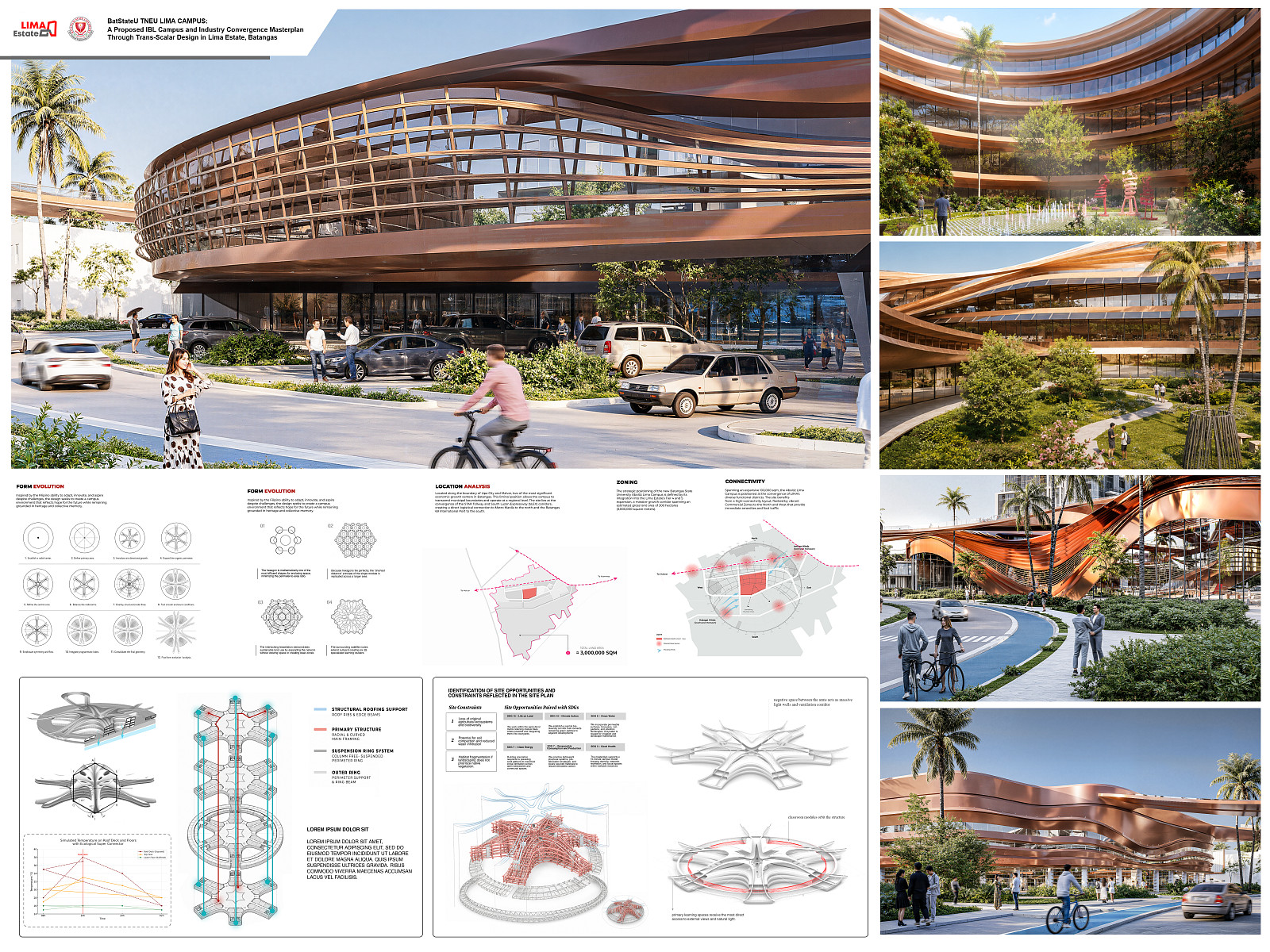
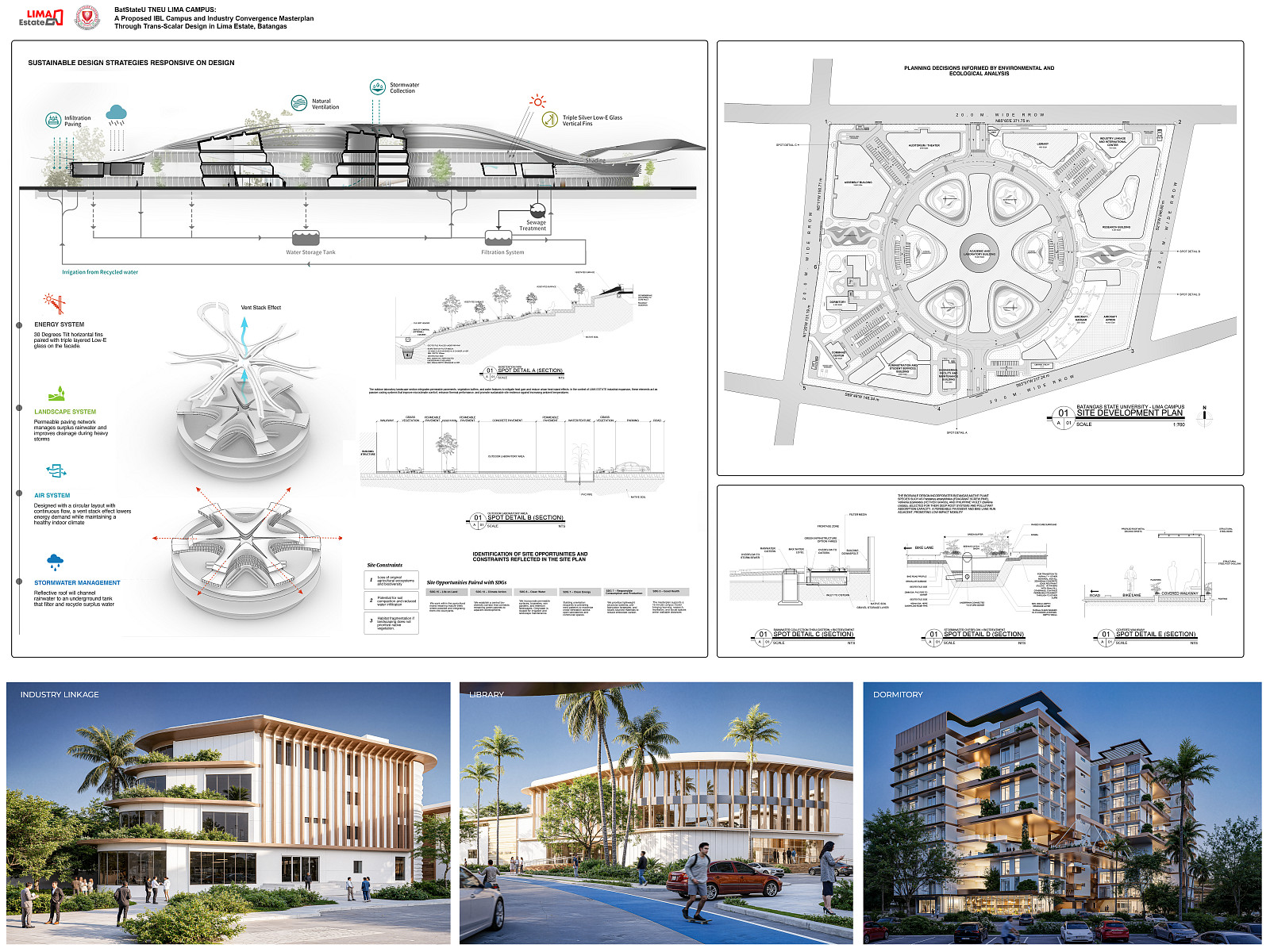
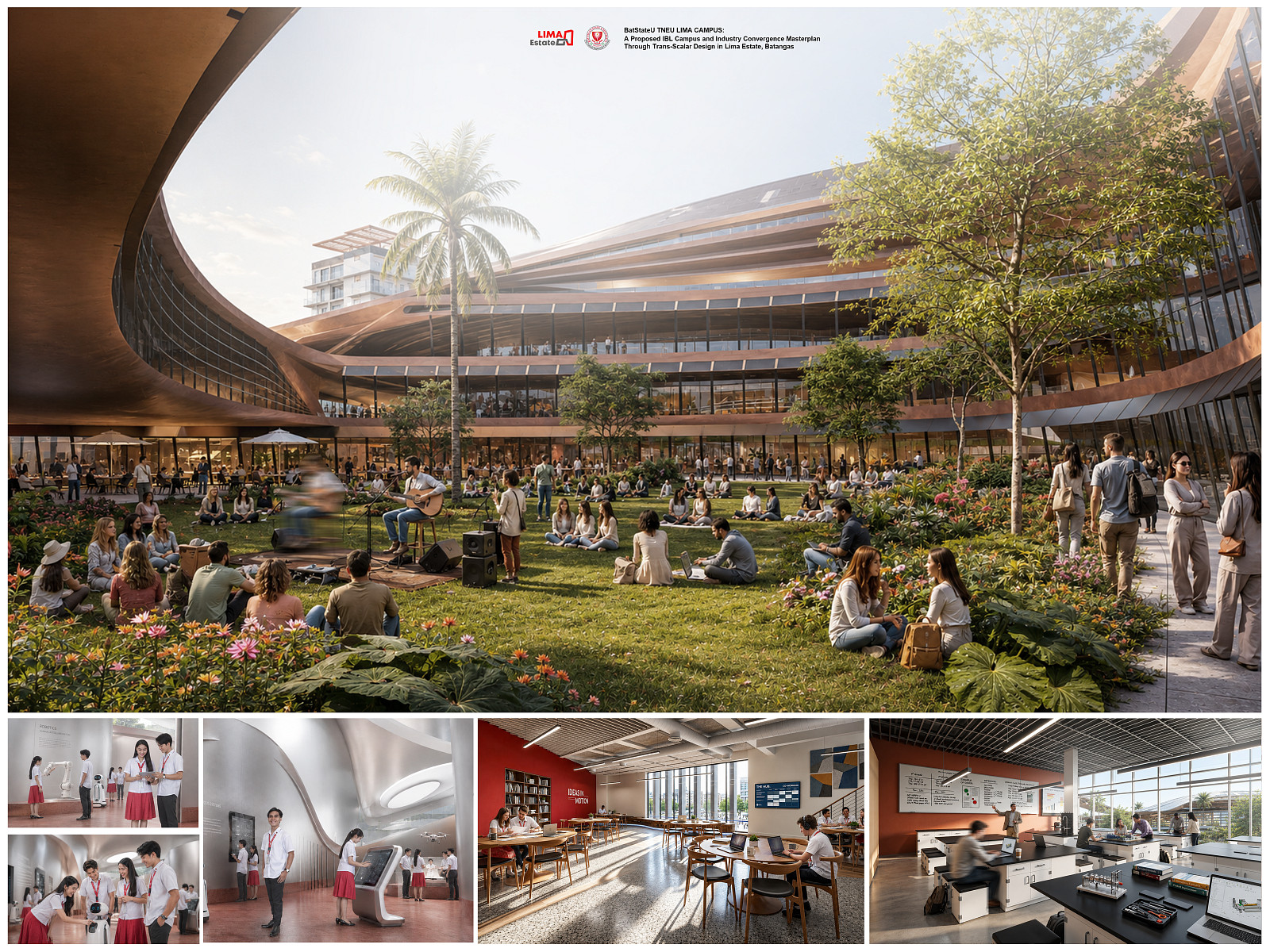
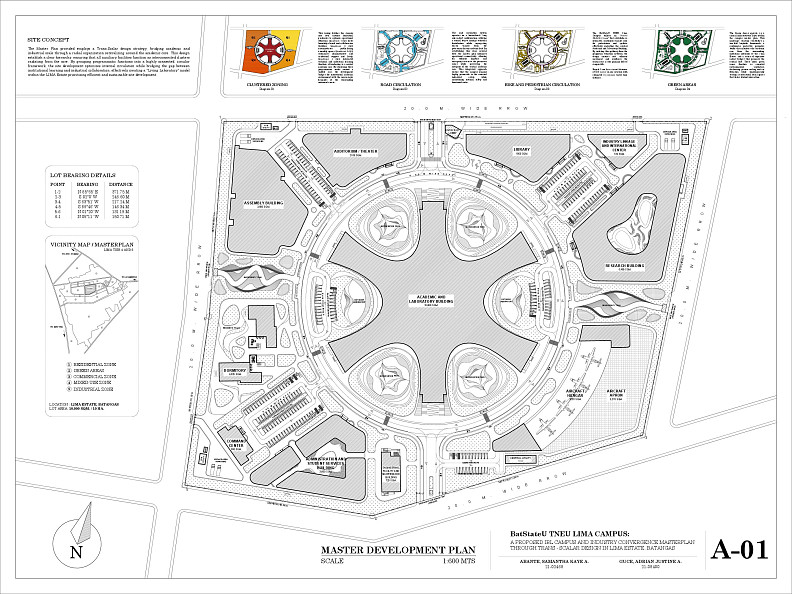
To address this gap, an Industry-Based-Learning (IBL) masterplan is set within the LIMA industrial ecosystem that will integrate academic, research, and industry functions. This will be the new BatStateU Aboitiz-Lima Campus in Malvar, Batangas- approximately an hour south of Metro Manila. Aside from the masterplan, this study will translate a trans-scalar space program into priority building concepts and systems, which are a collection of 11 architectural buildings that will then be tested and validated through schemes such as Building Information Modelling (BIM), architectural visualizations, and physical models.
Technical information
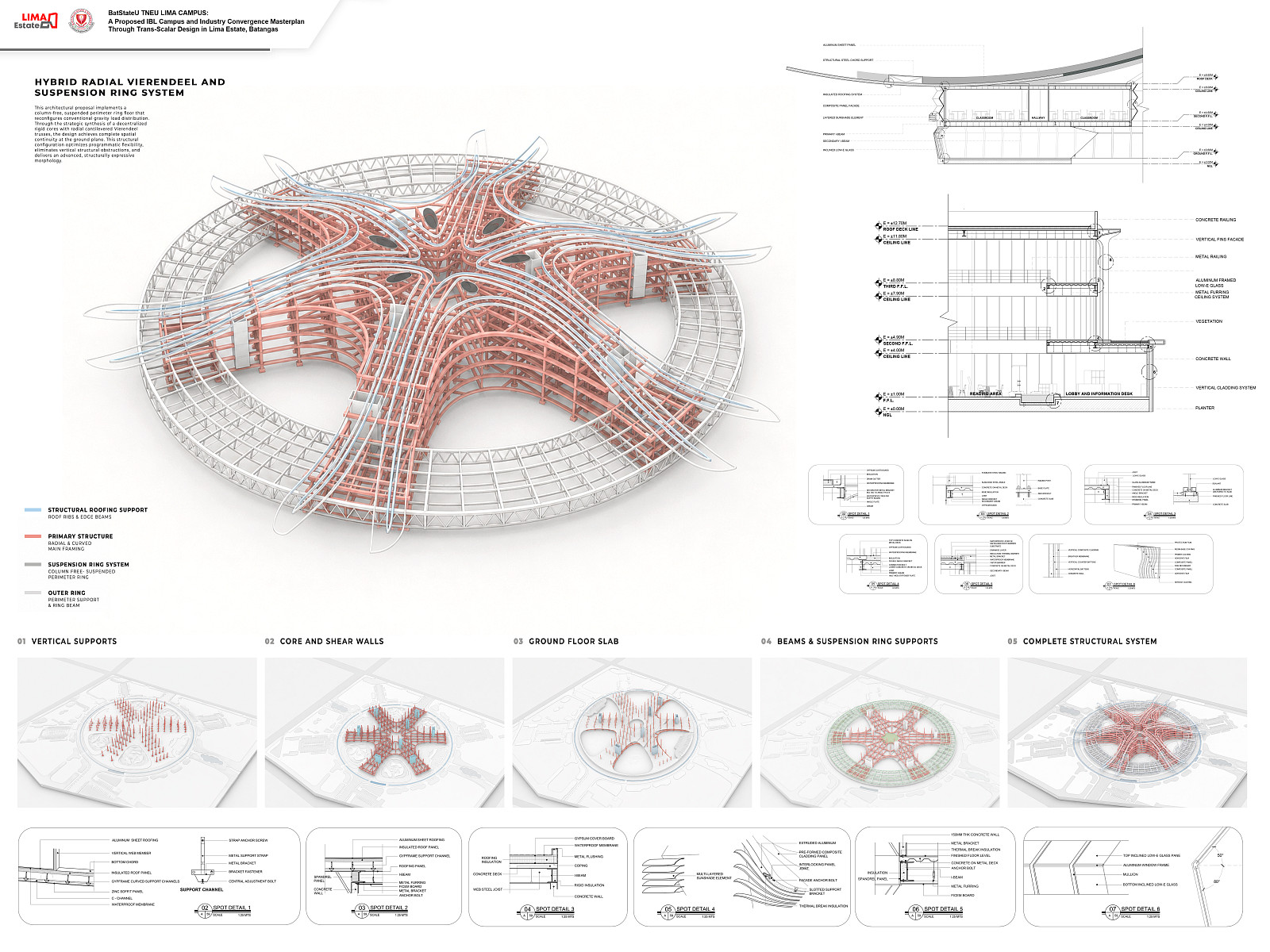
The Vierendeel system, characterized by its lack of diagonal members, functions through the utilization of rigid joints that resist both bending moments and shear forces. In long-span applications, such as a 60-meter bridge-like building, the Vierendeel girder operates as a series of monolithic rectangular openings, allowing for unobstructed floor-to-ceiling fenestration and fluid interior circulation that traditional triangulated trusses would otherwise bisect. While a 60-meter span places immense stress on the "joints" of the frame the system excels in creating a habitable structural "envelope."
Documentation

Copyright © 2026 INSPIRELI | All rights reserved. Use of this website signifies your agreement to the Terms of Use, Privacy Policy, and use of cookies.
