Among the Yungas


Project idea
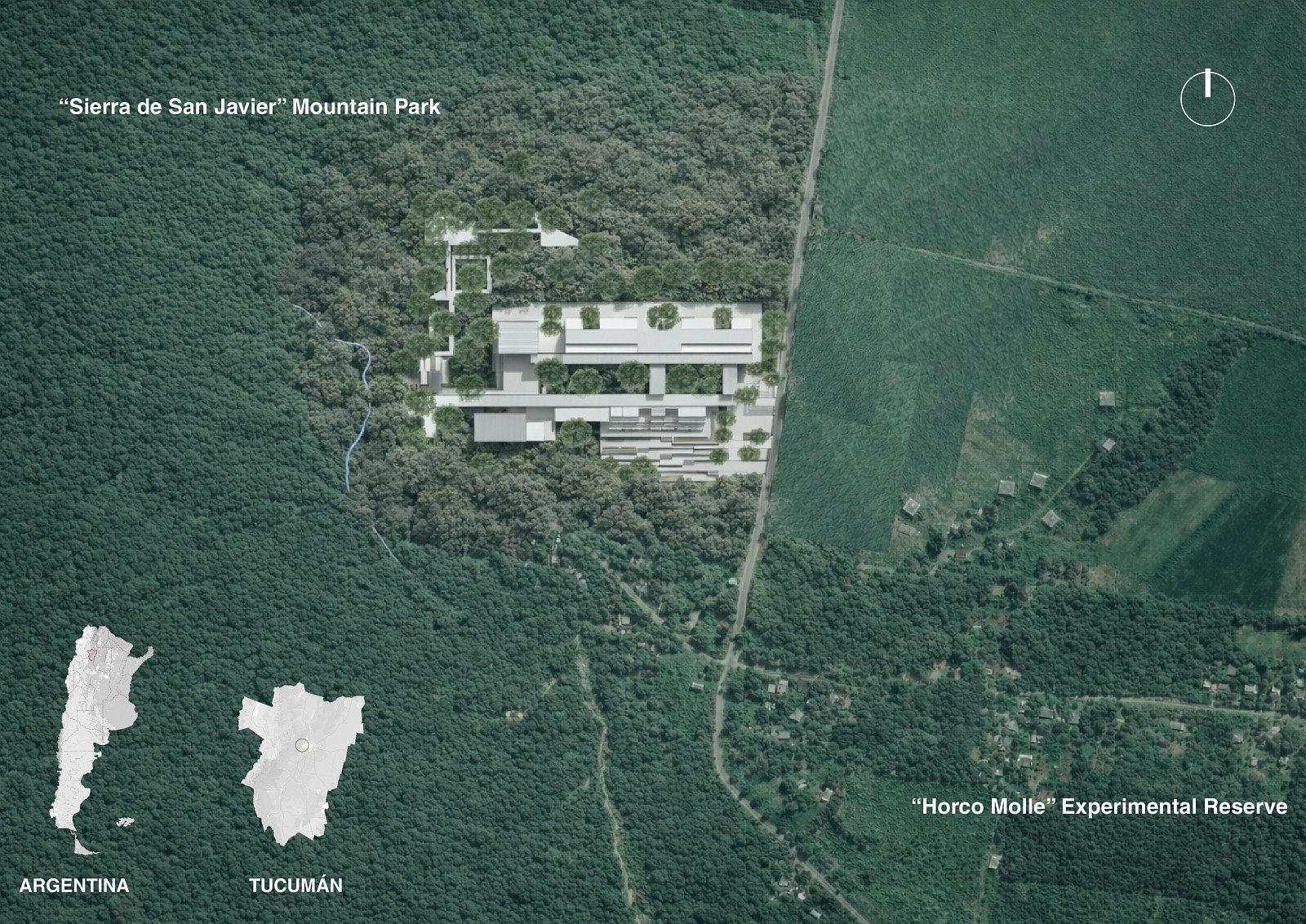
The project is located in "Las Yungas Tucumanas", in the Province of Tucumán, Argentina.
The main idea of the project is to redefine educational spaces to foster community interaction, re-imagine the role of schools so they function as community centers for cultural activities, encourage the participation of all community members—not just students—and integrate sustainable practices while promoting environmental care.
The project materializes the space for new educational approaches, where nature is an integral part of the learning process, aiming to raise awareness and sensitivity towards the environment. Within this new educational approach, a key concept emerges: learning beyond the classroom.
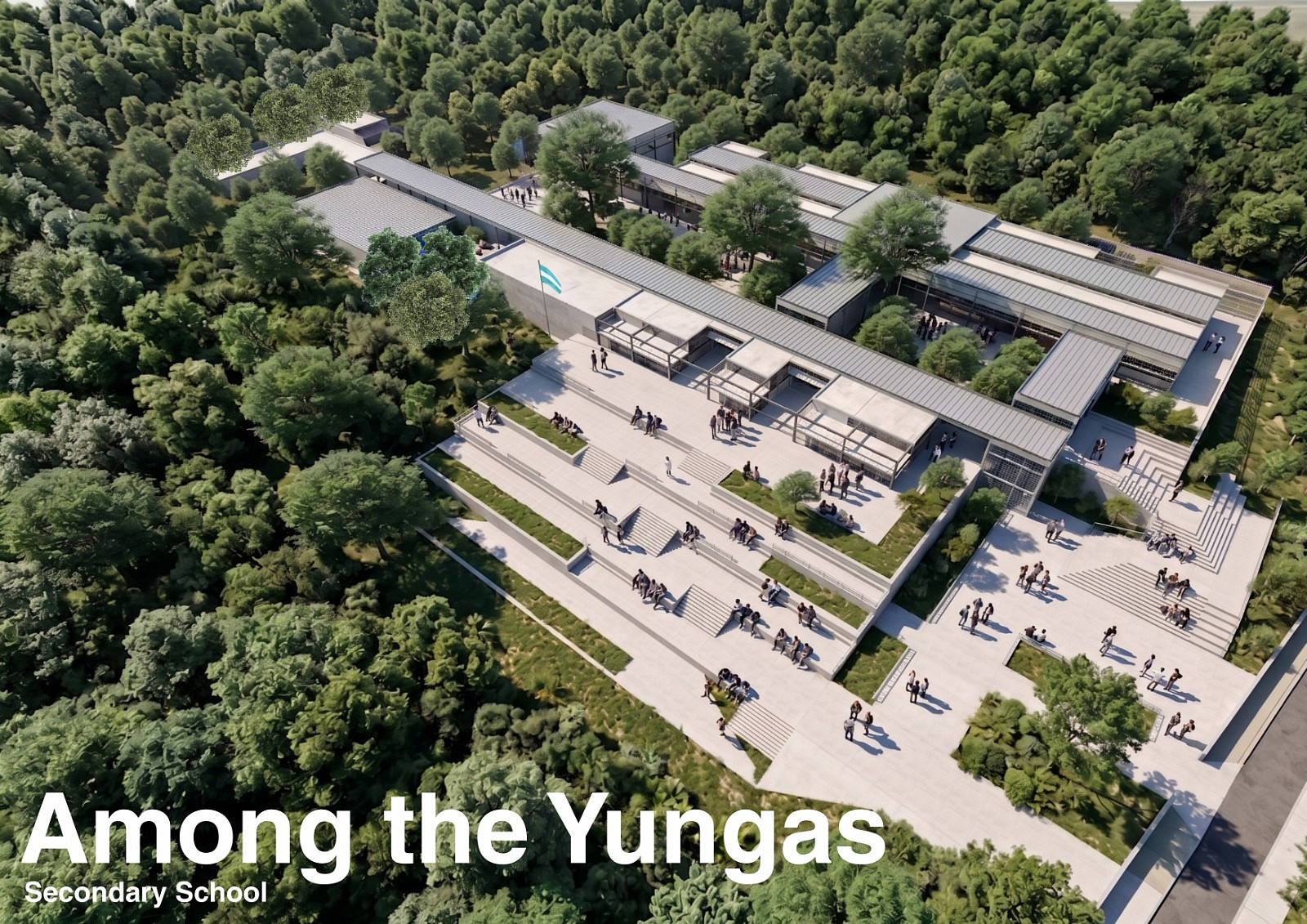
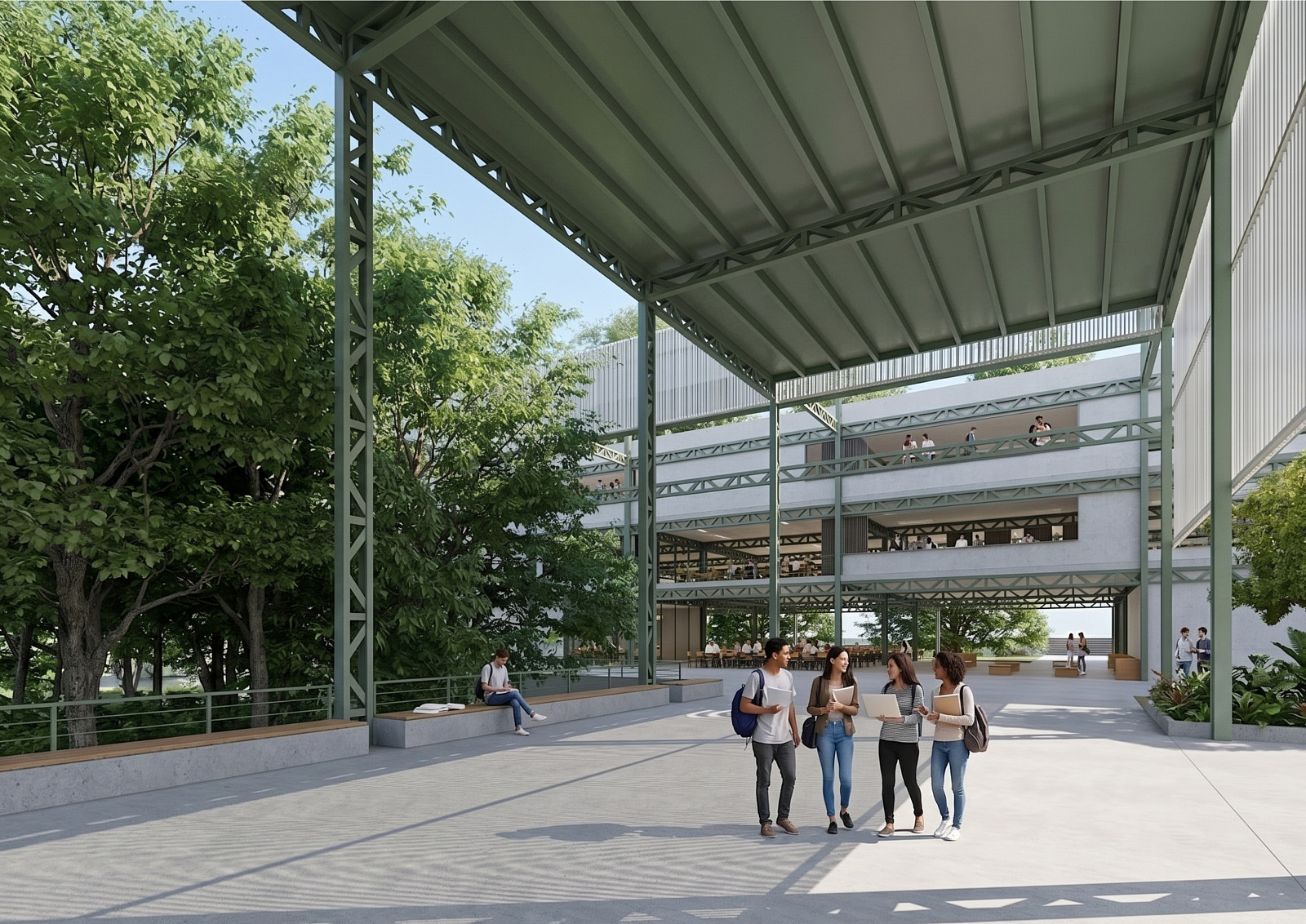
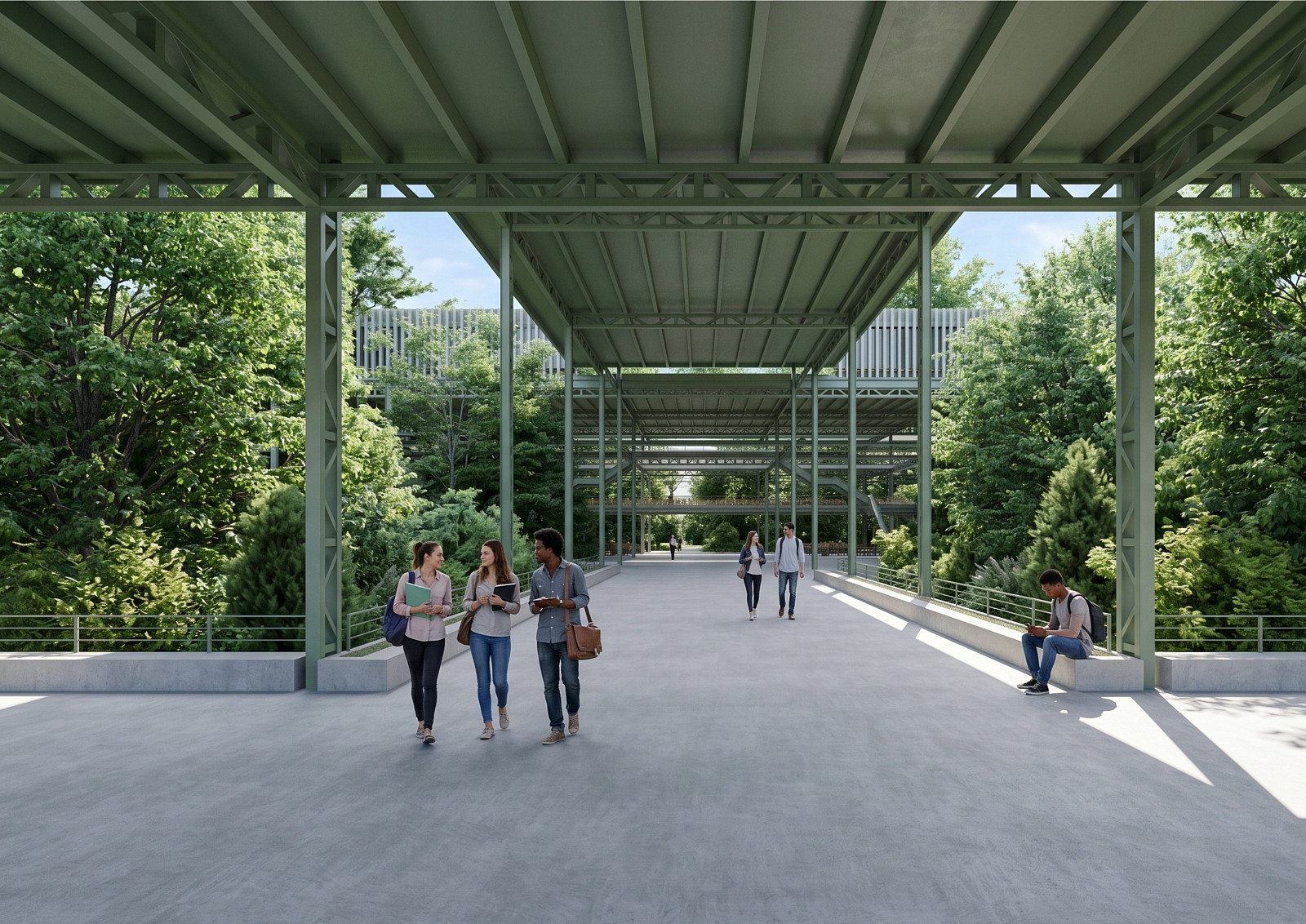
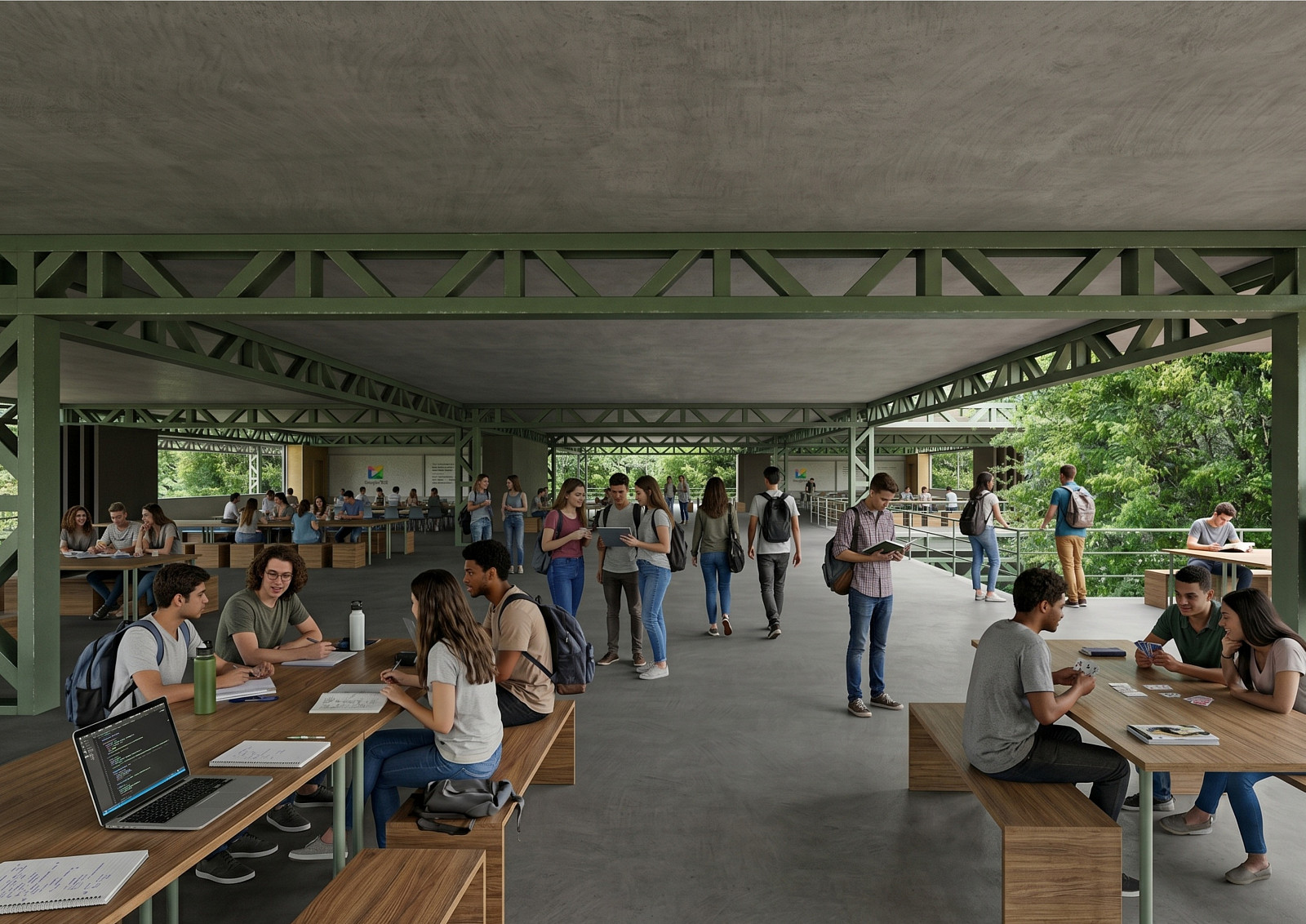
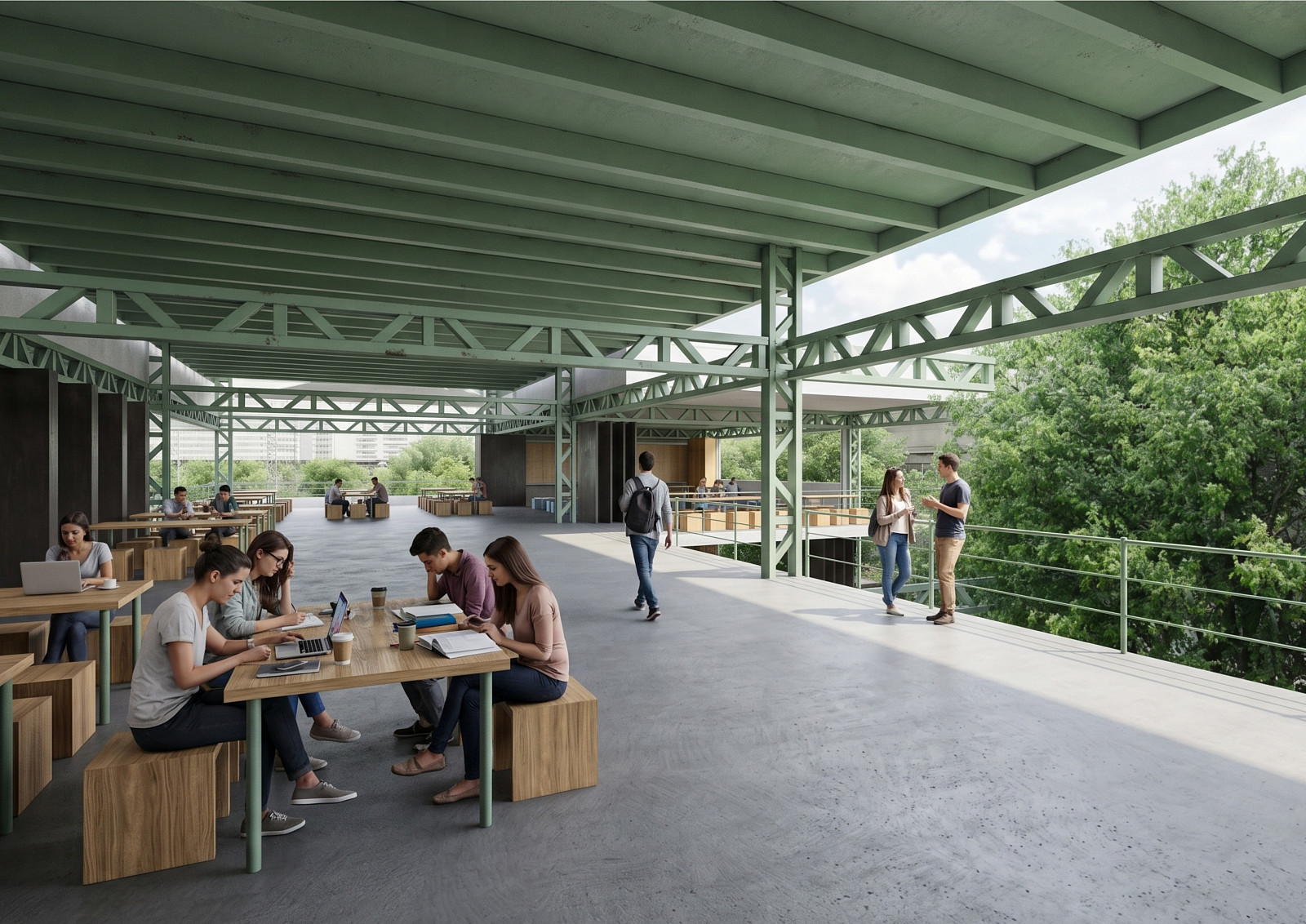
The design seeks a flexibility that goes beyond the open floor plan, achieving the dematerialization of the traditional classroom box. Corridors connecting learning spaces no longer exist; instead, circulation is contained within outdoor learning areas and classroom extensions.
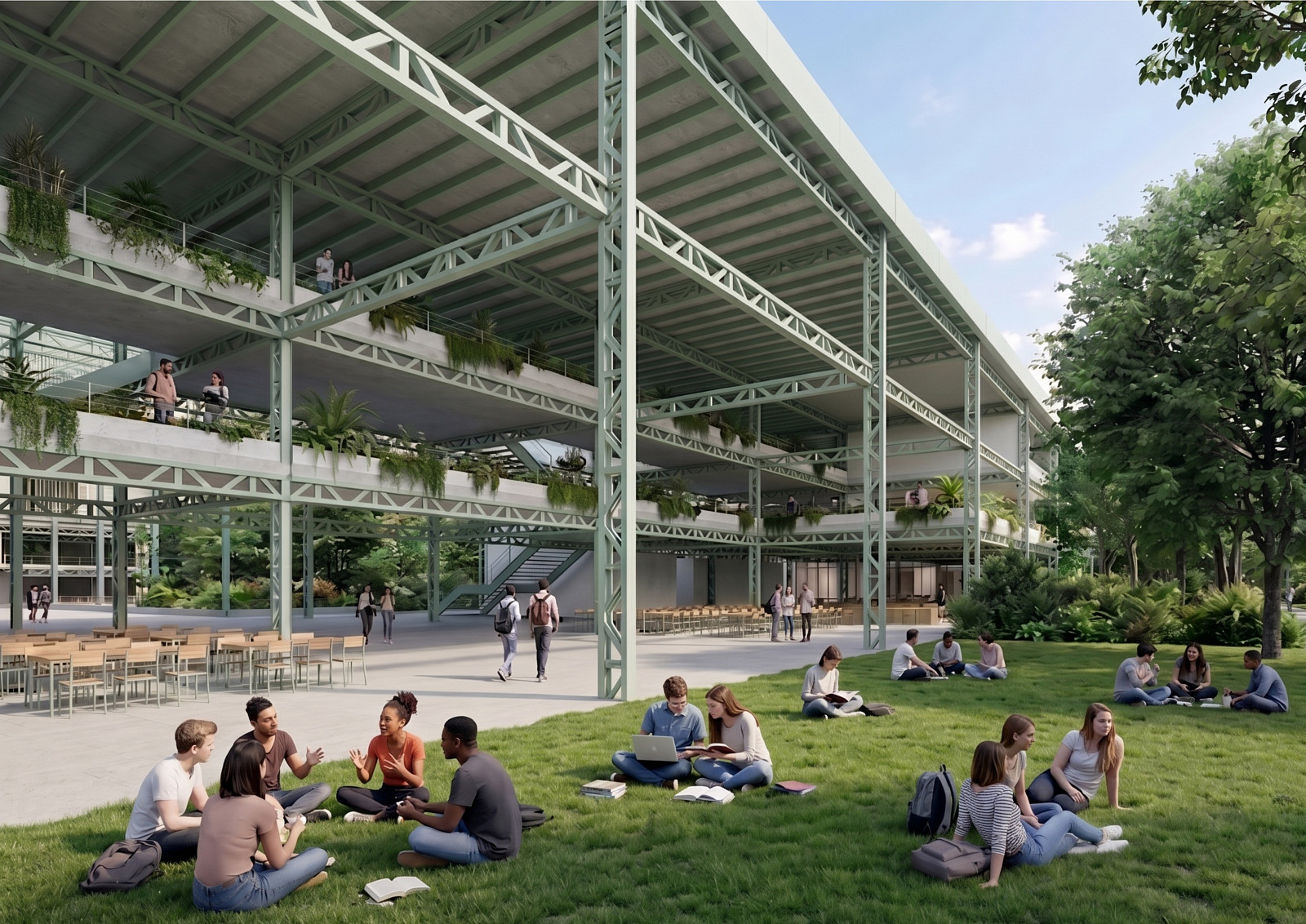
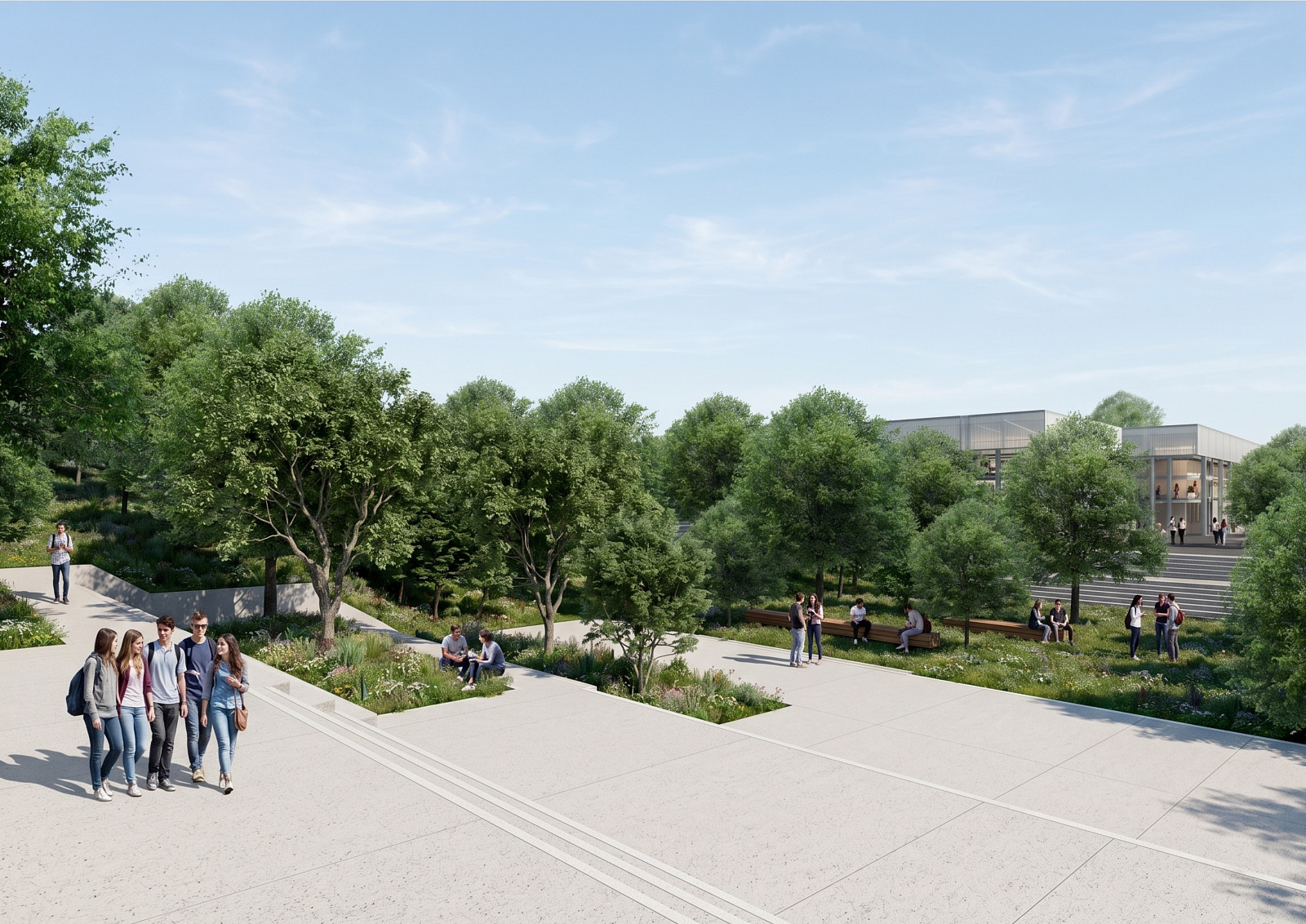
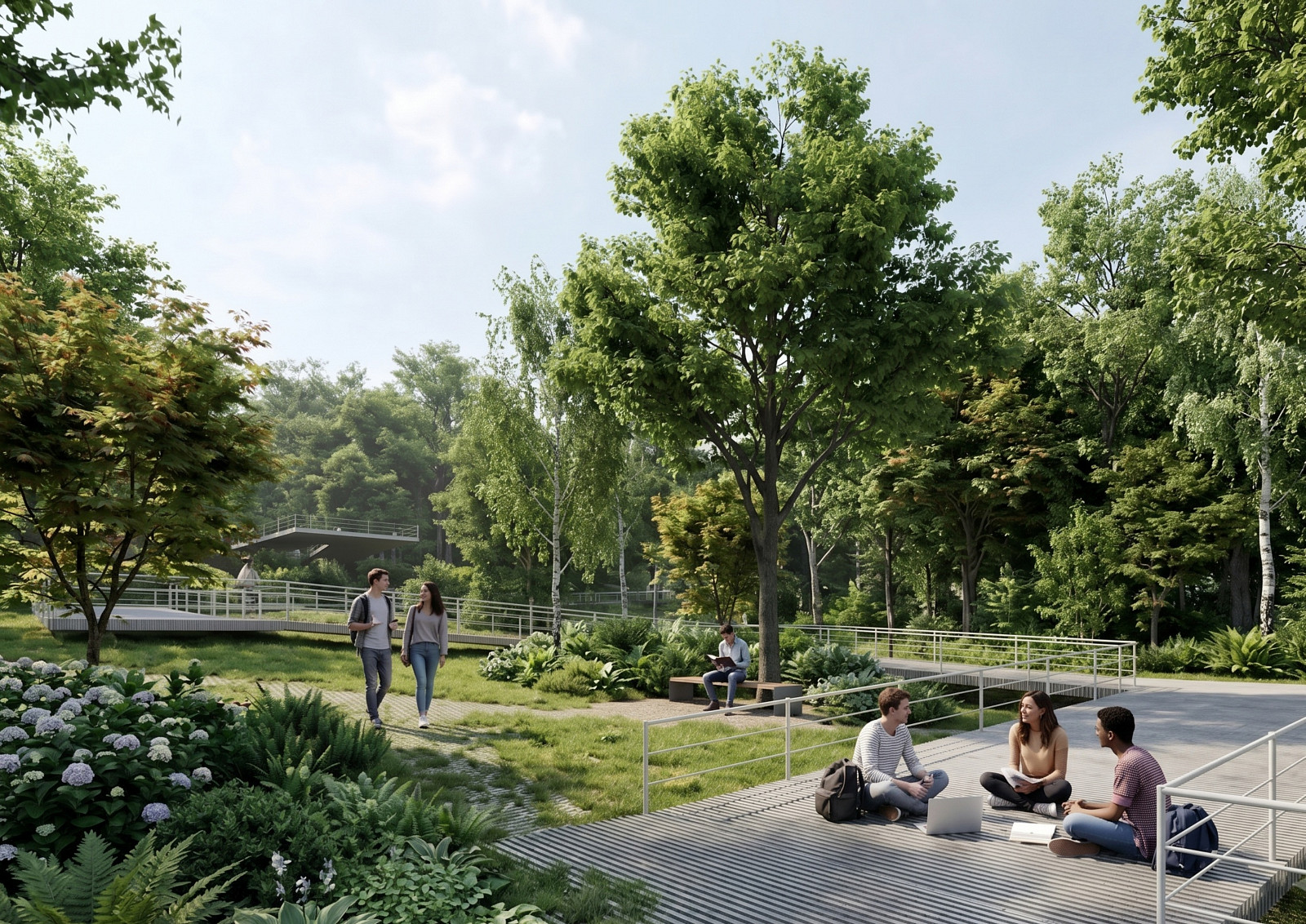
The courtyard is now an educational landscape; it is no longer just an open-air space, but an area with pedagogical value.
Learning takes place throughout the entire school, not just inside the classroom.
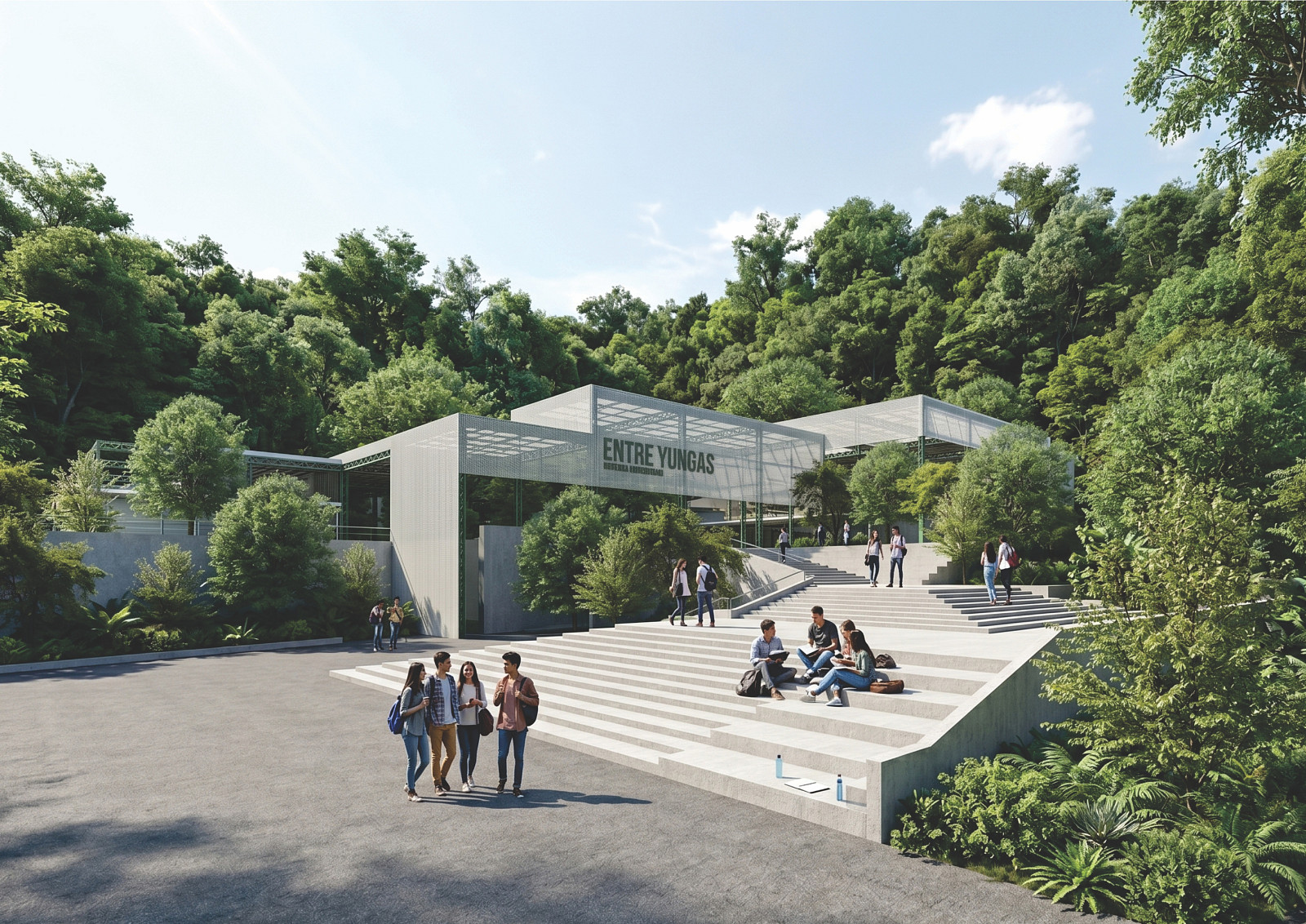
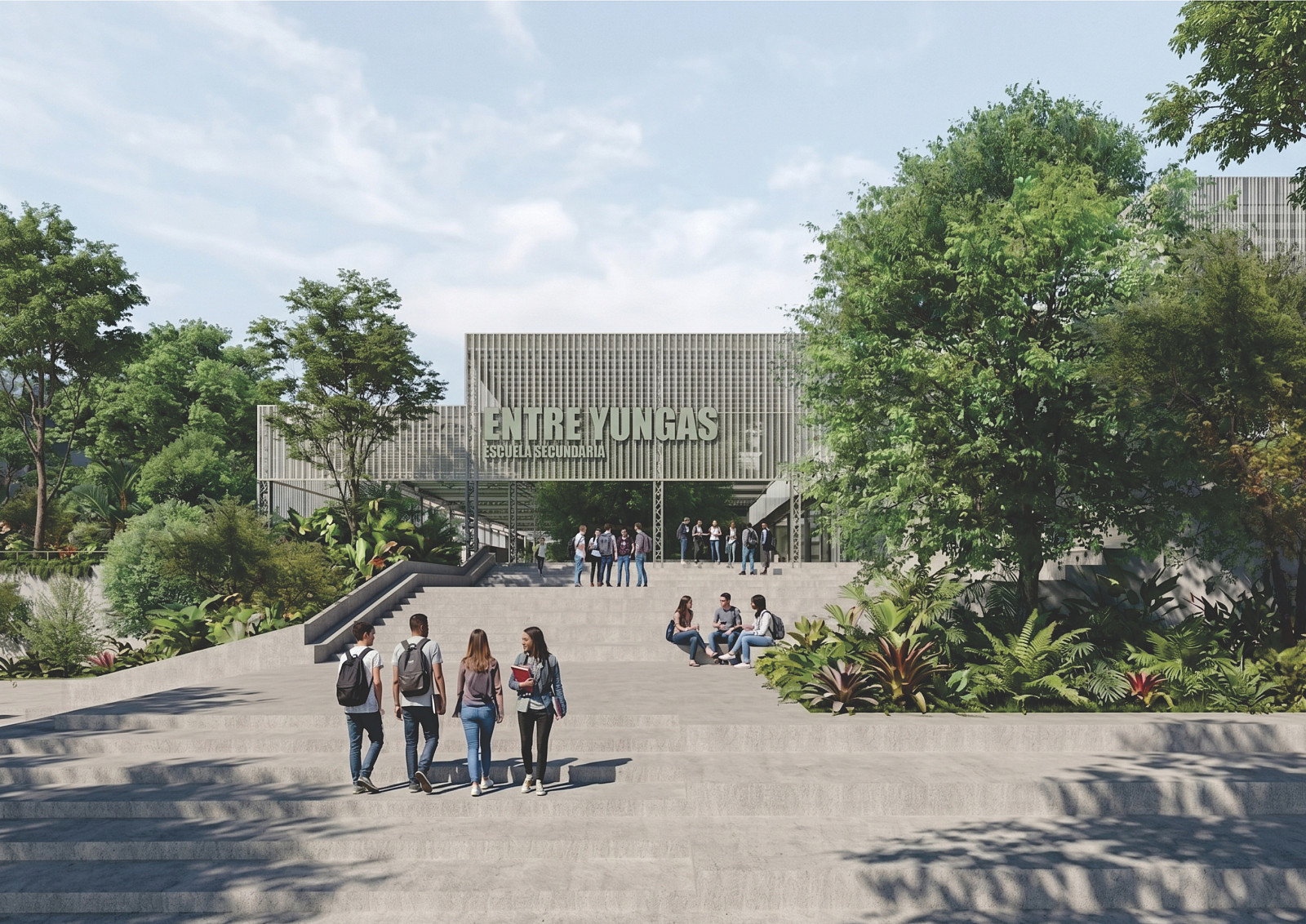
The school acts as a catalyst for collective well-being, inclusion, and resilience. It serves as a public space for the entire community and a hub for social interaction.
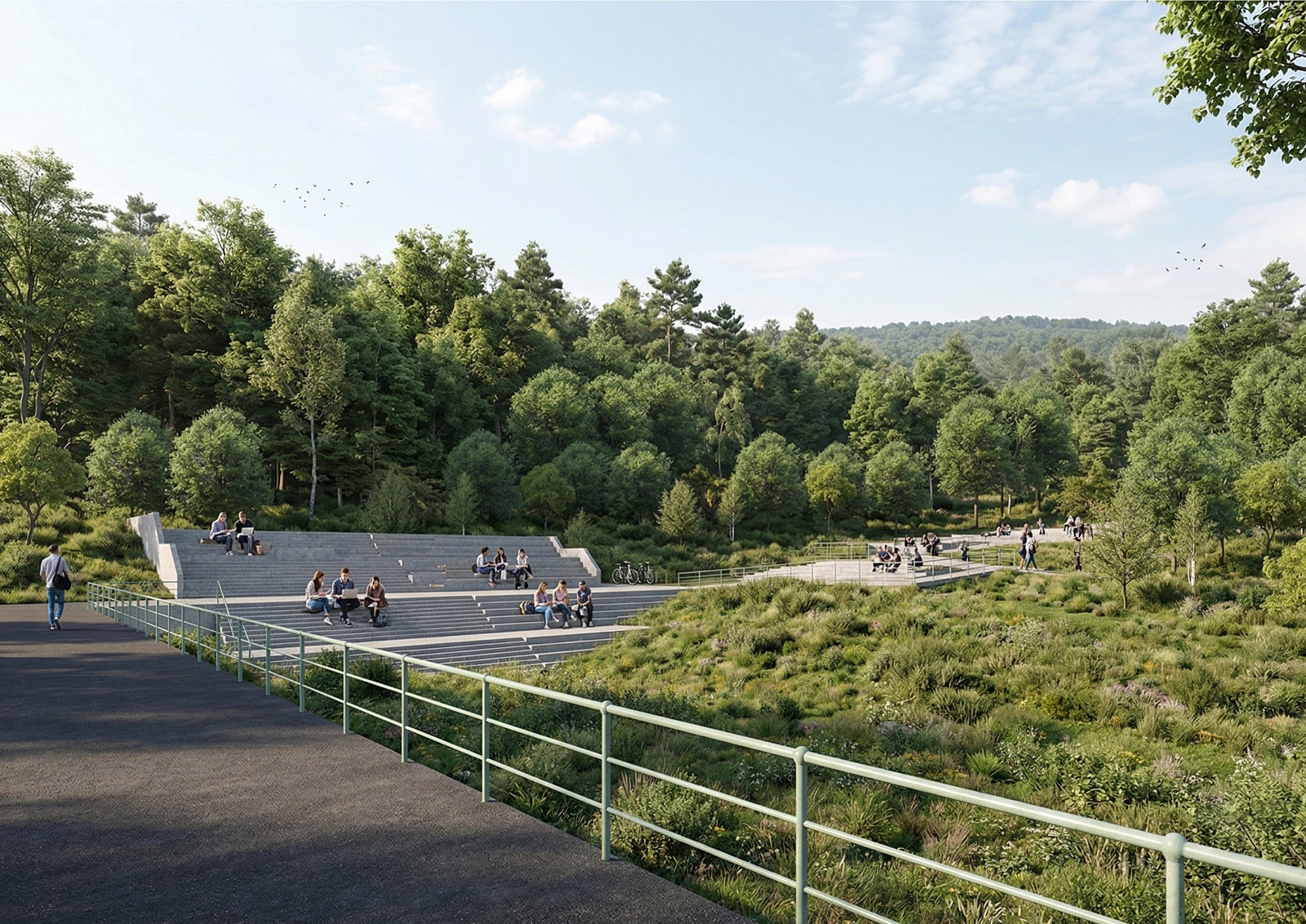
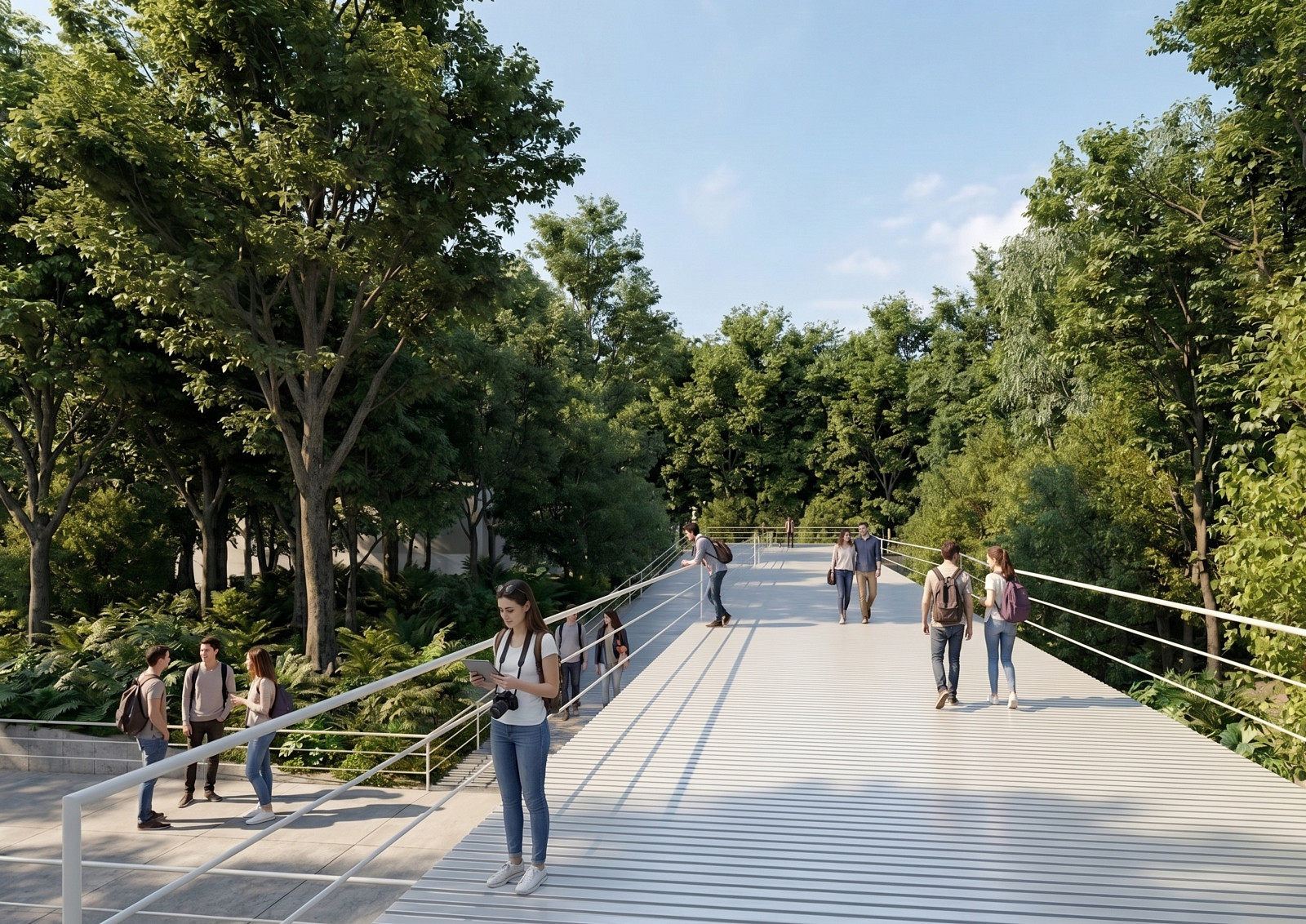
The school aims to materialize a learning environment for the whole community, acting as a nexus between society and the environment. Therefore, it features an environmental interpretation center equipped with immersive technology. Furthermore, it leverages its immediate context to create a pathway via a canopy walkway, allowing the community to experience and appreciate part of Las Yungas Tucumanas.
Project description
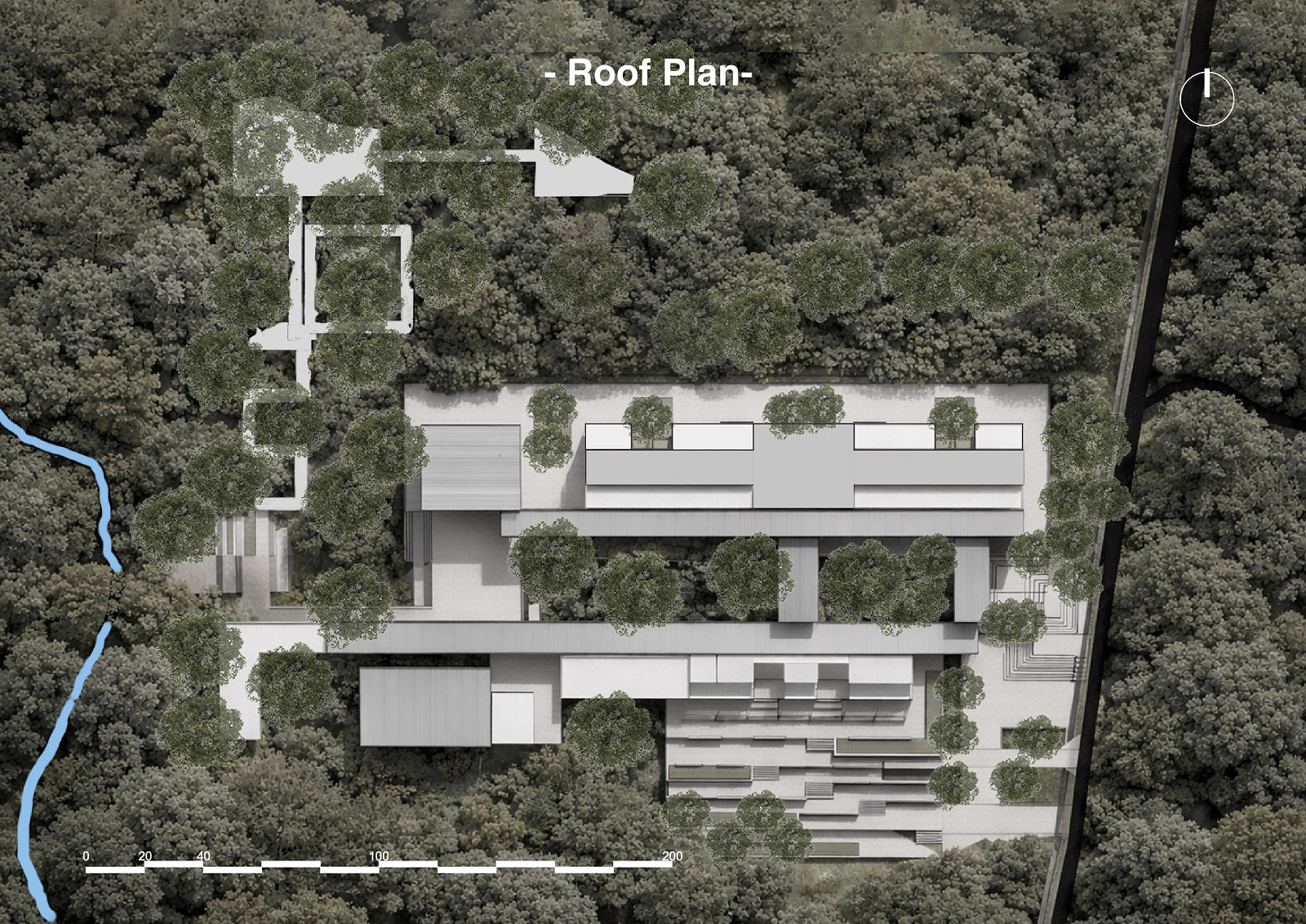
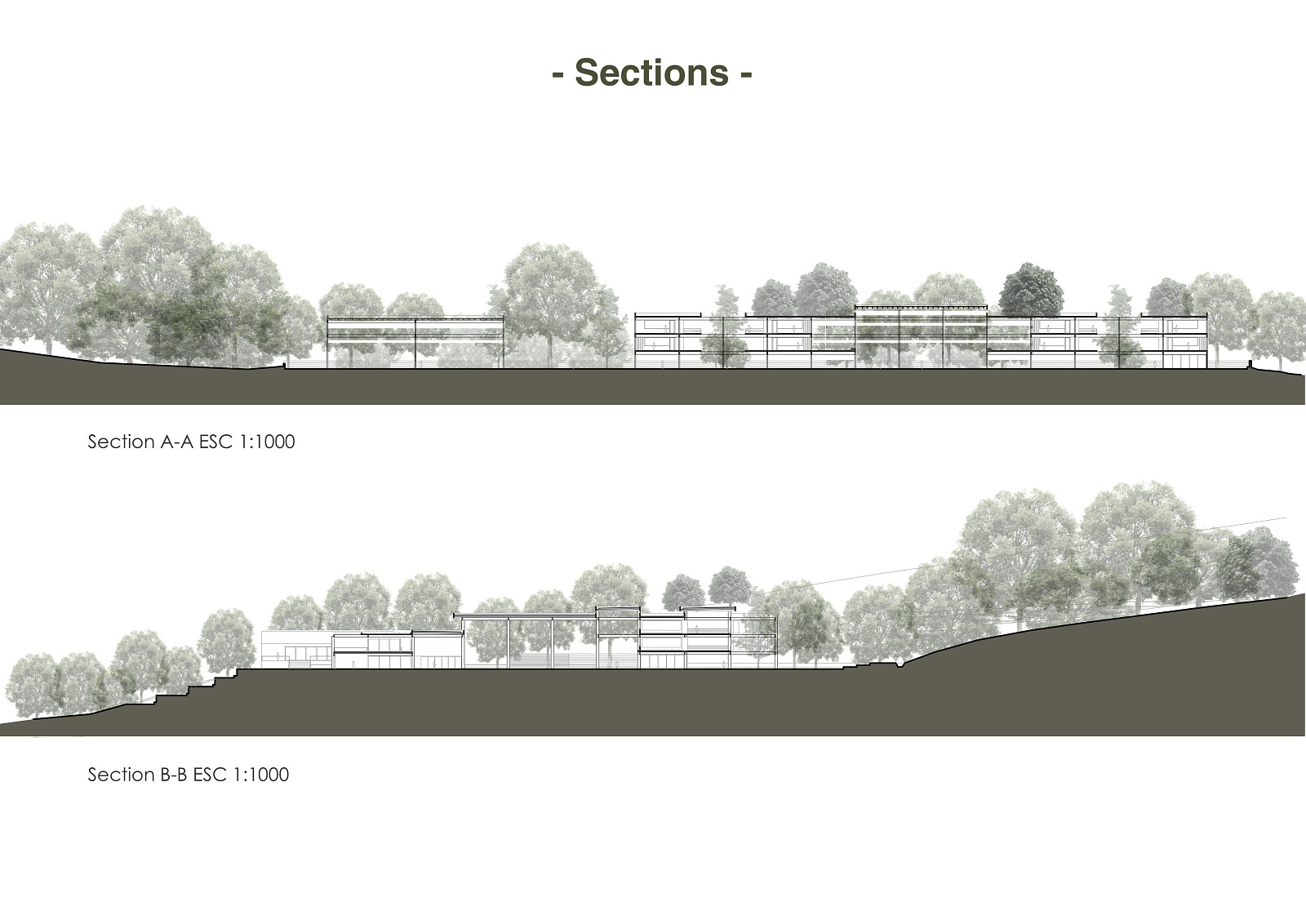
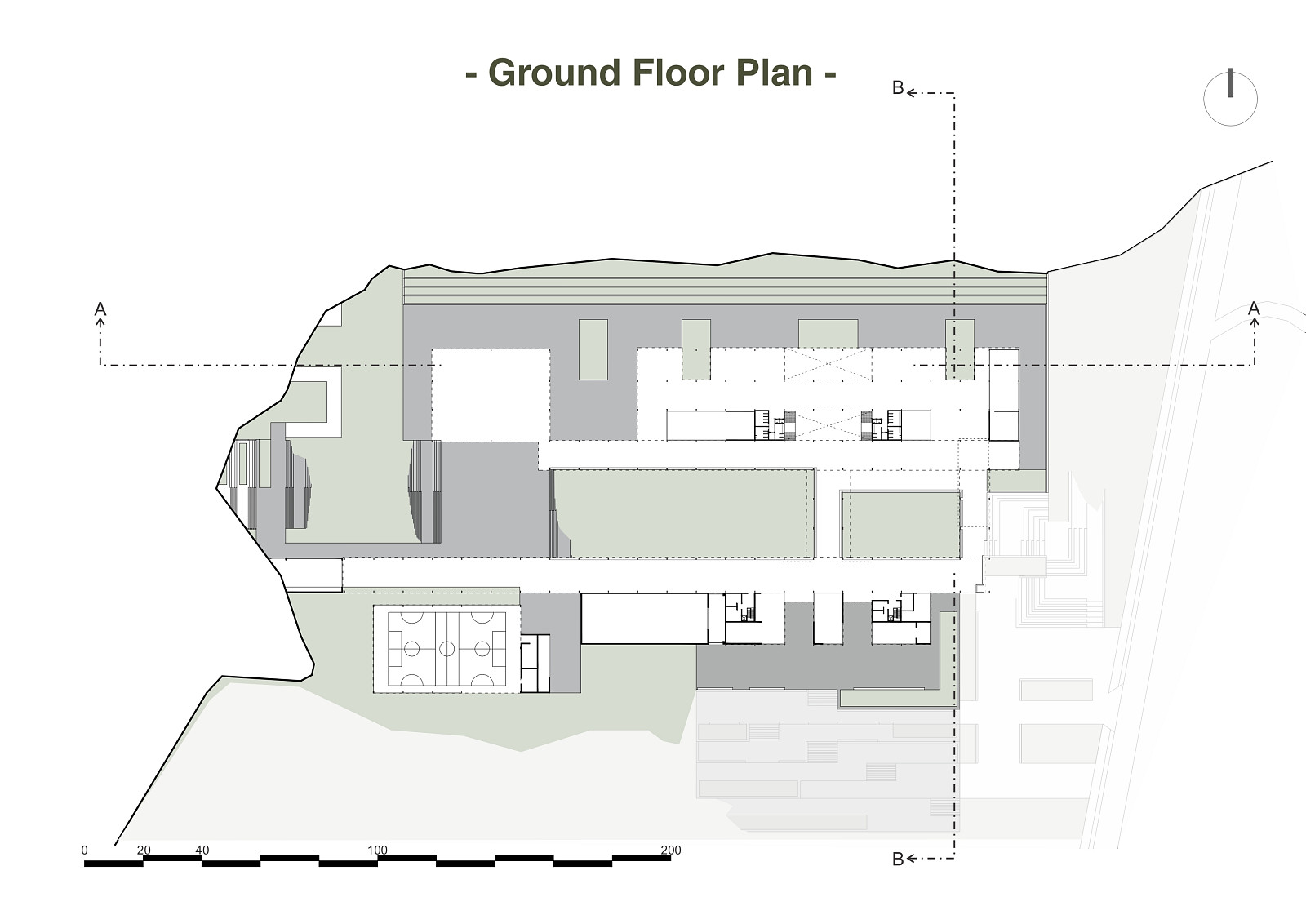
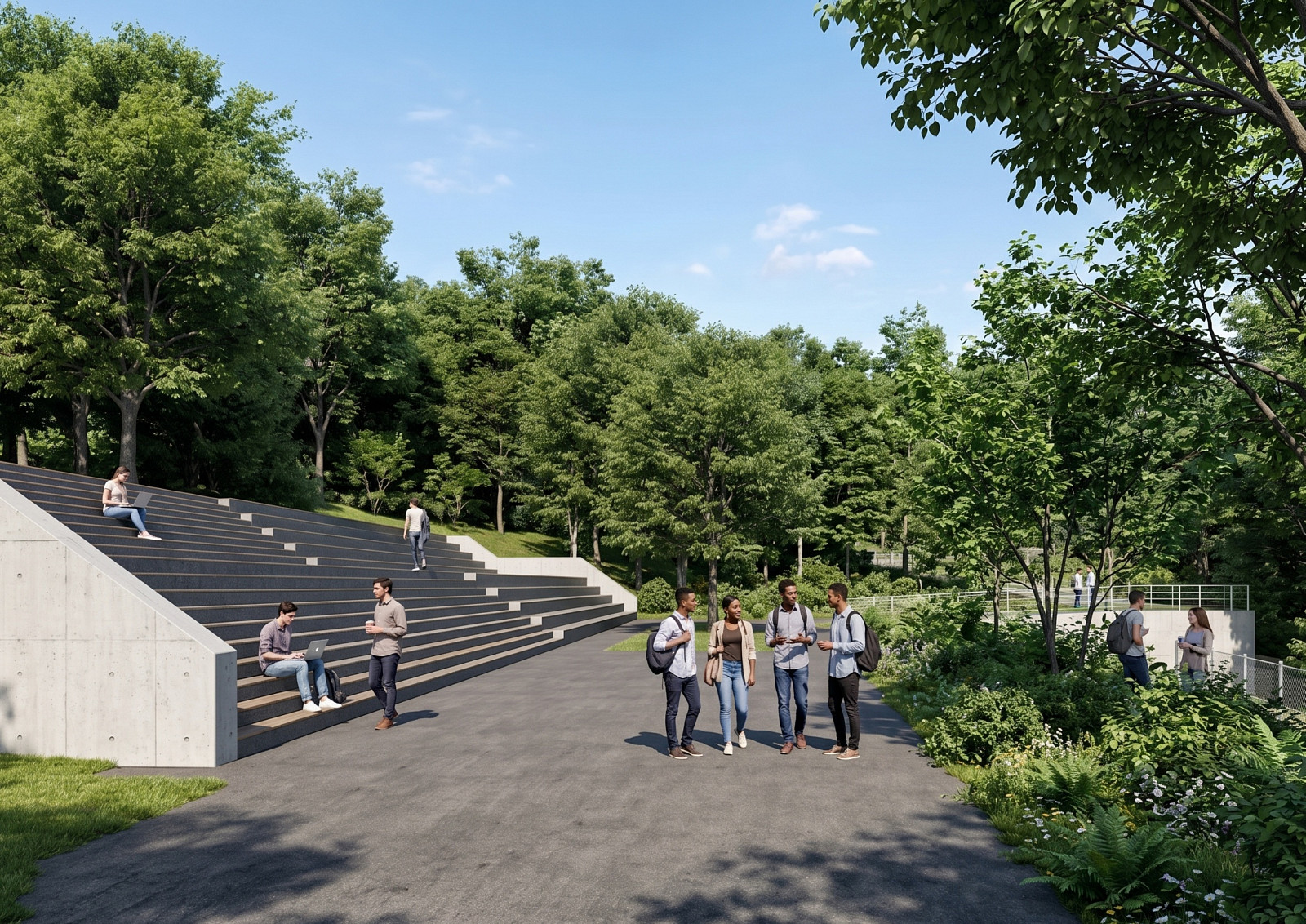
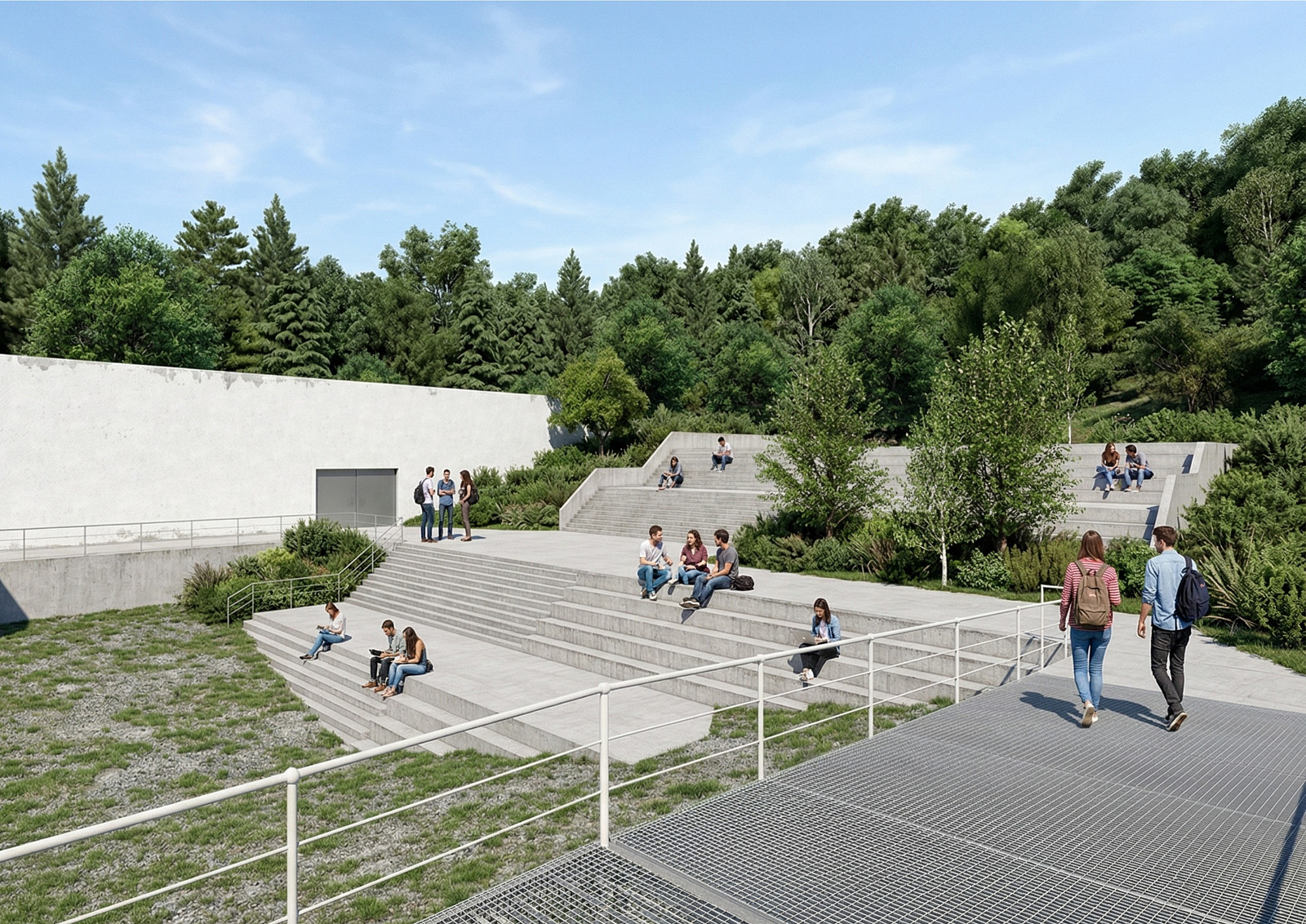
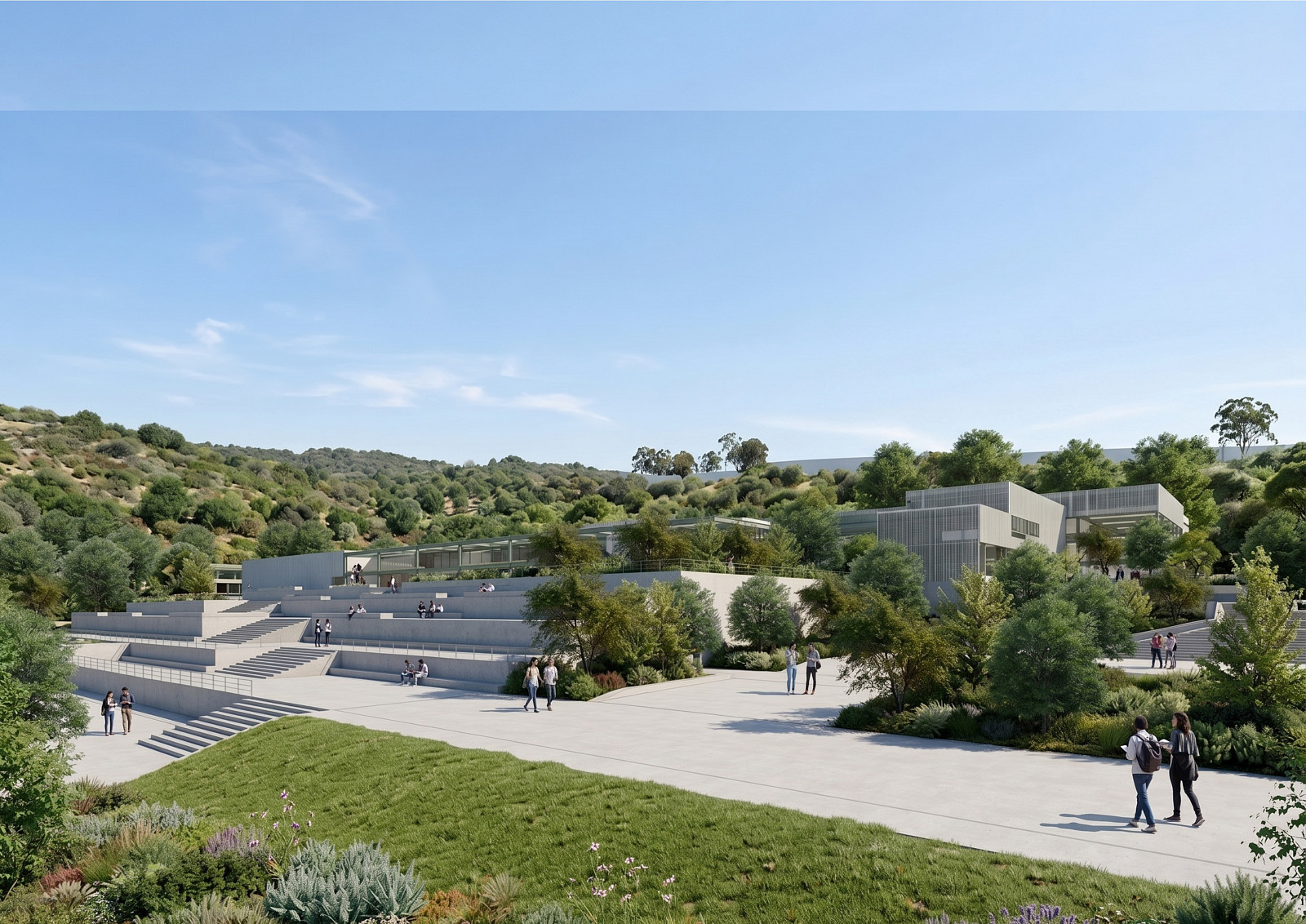
The school is composed of two sectors—the educational sector and the community sector—located on two platforms implemented along the slope of the site, seeking to establish a respectful dialogue with the physical and natural context.
These two platforms that shape the building are designed to be completely surrounded by the existing vegetation.
The community sector includes the administrative area, a café, an interactive library, workshops for the community, an auditorium, a health and sports area, a public plaza, and the environmental interpretation center.
On its ground floor, the educational sector features the staff room, laboratories, a dining hall, and a large expanse of semi-covered areas that function as multi-functional spaces, serving as extensions for both the dining hall and laboratories, as well as lounge areas.
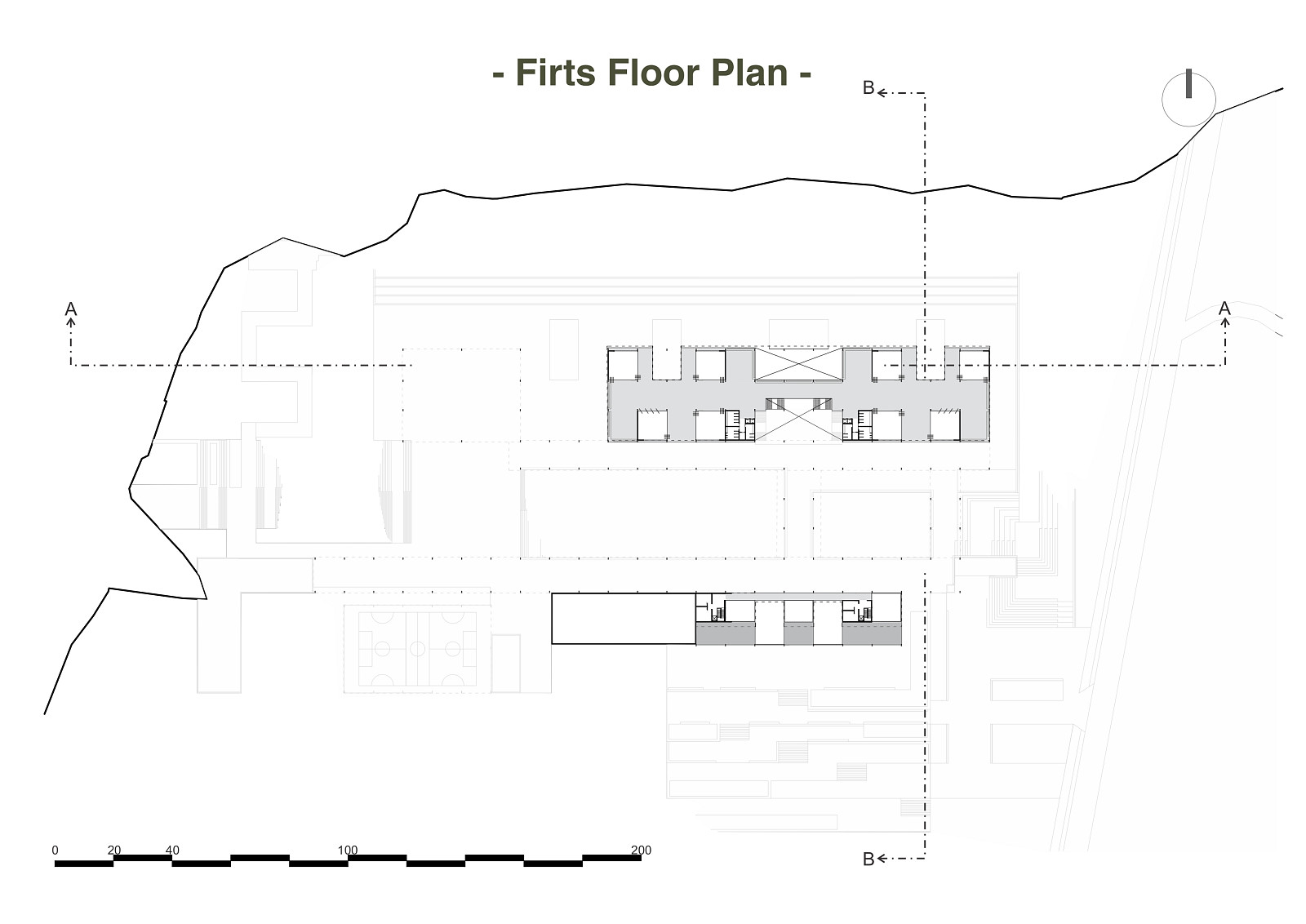
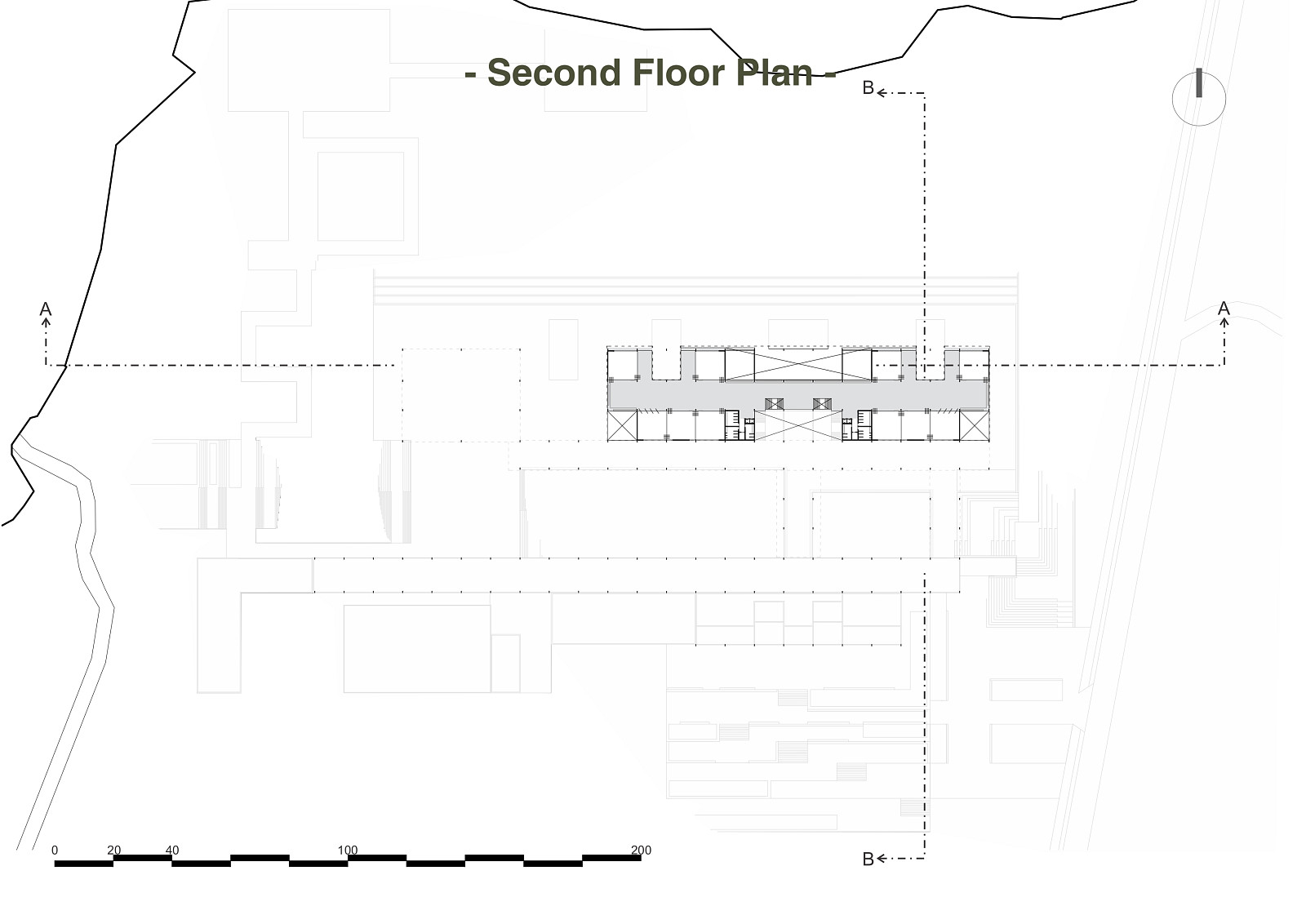
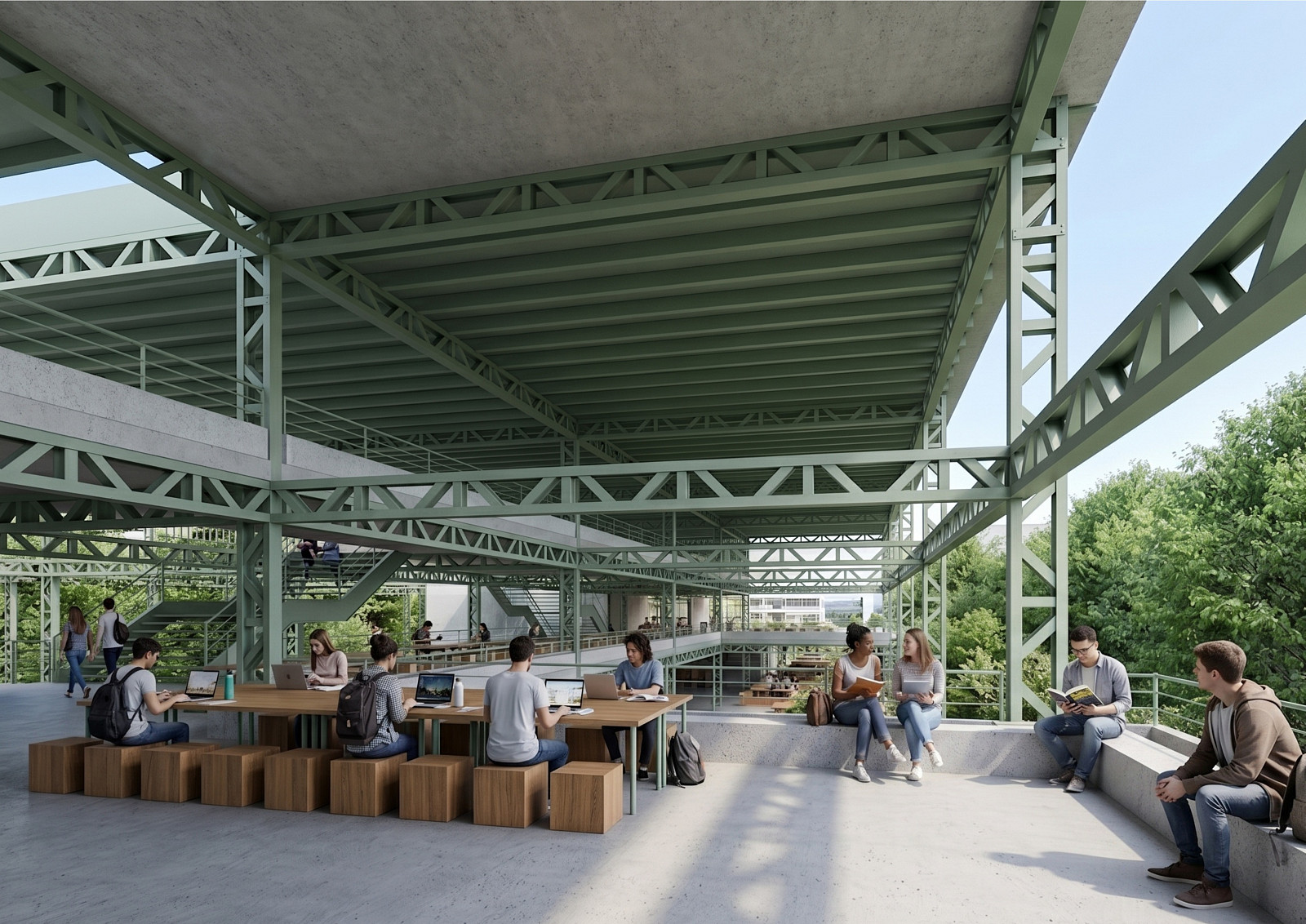
The first and second floors house the classrooms and their outdoor extensions, located in the East Wing and West Wing. These two symmetrical sectors enclose a triple-height central space, which is crossed by the footbridges that connect both classroom wings.
Technical information
The building's foundations consist of reinforced concrete slabs and footings.
The school's structure is materialized by a system of composite latticed steel beams and columns.
The first and second-floor footbridges feature a concrete slab utilizing the BubbleDeck system.
The roofs are designed with a lightweight steel system composed of primary and secondary beams, the corresponding insulation layers, and galvanized corrugated metal sheets.
Documentation

Copyright © 2026 INSPIRELI | All rights reserved. Use of this website signifies your agreement to the Terms of Use, Privacy Policy, and use of cookies.