Lines of the Estuary: A Wetland Interpretation Museum Complex

 Anika Sharmila
Project idea
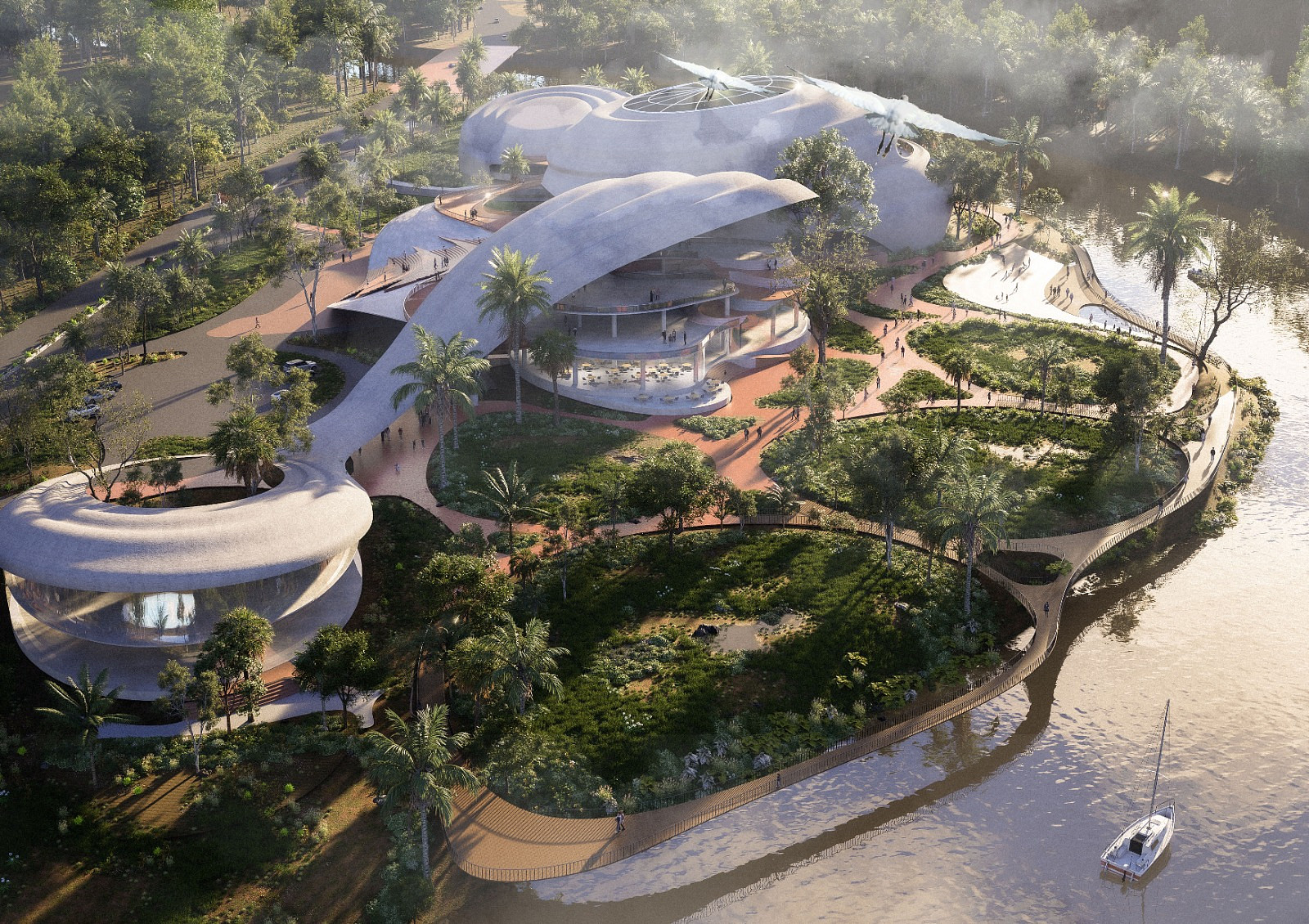
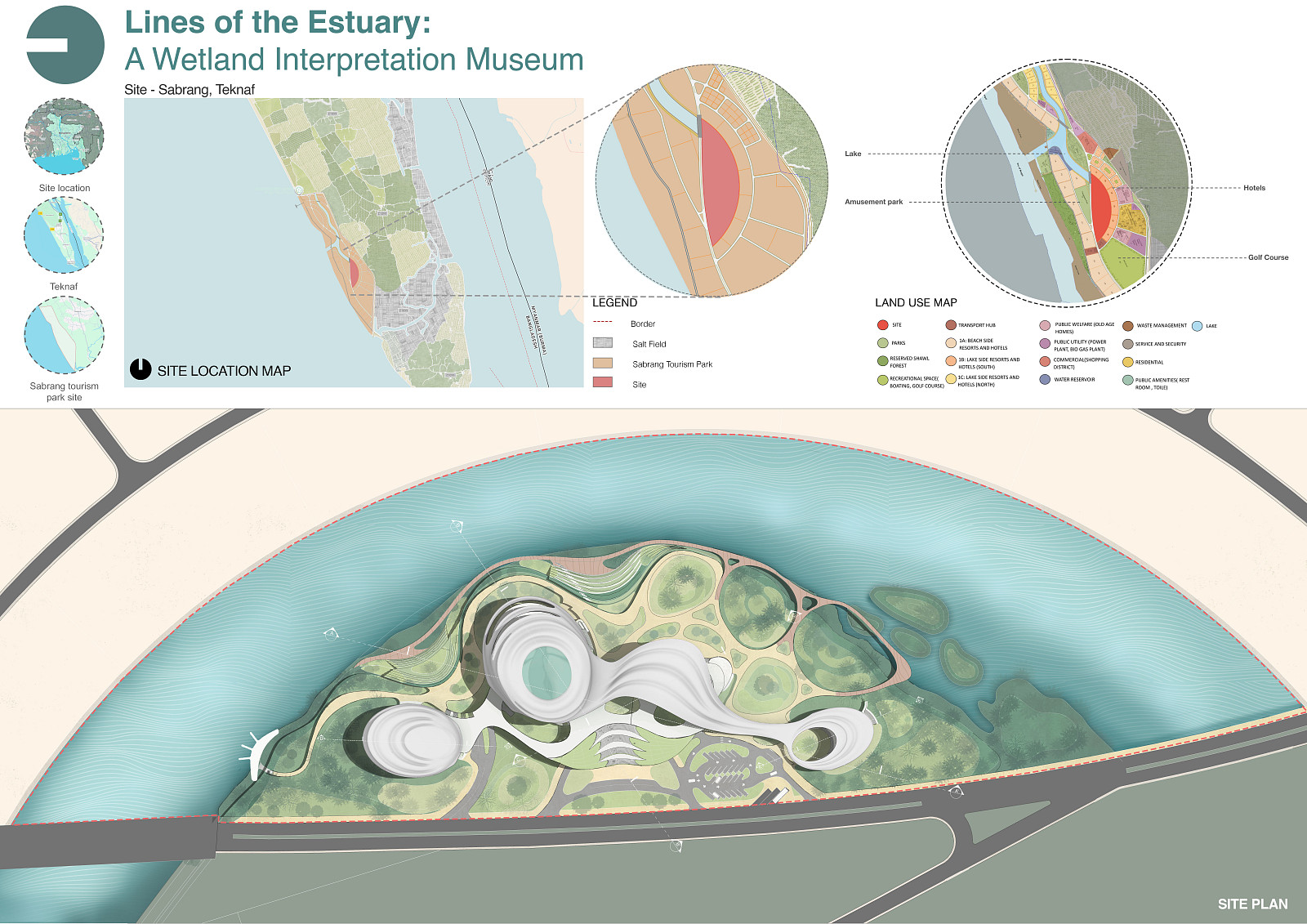
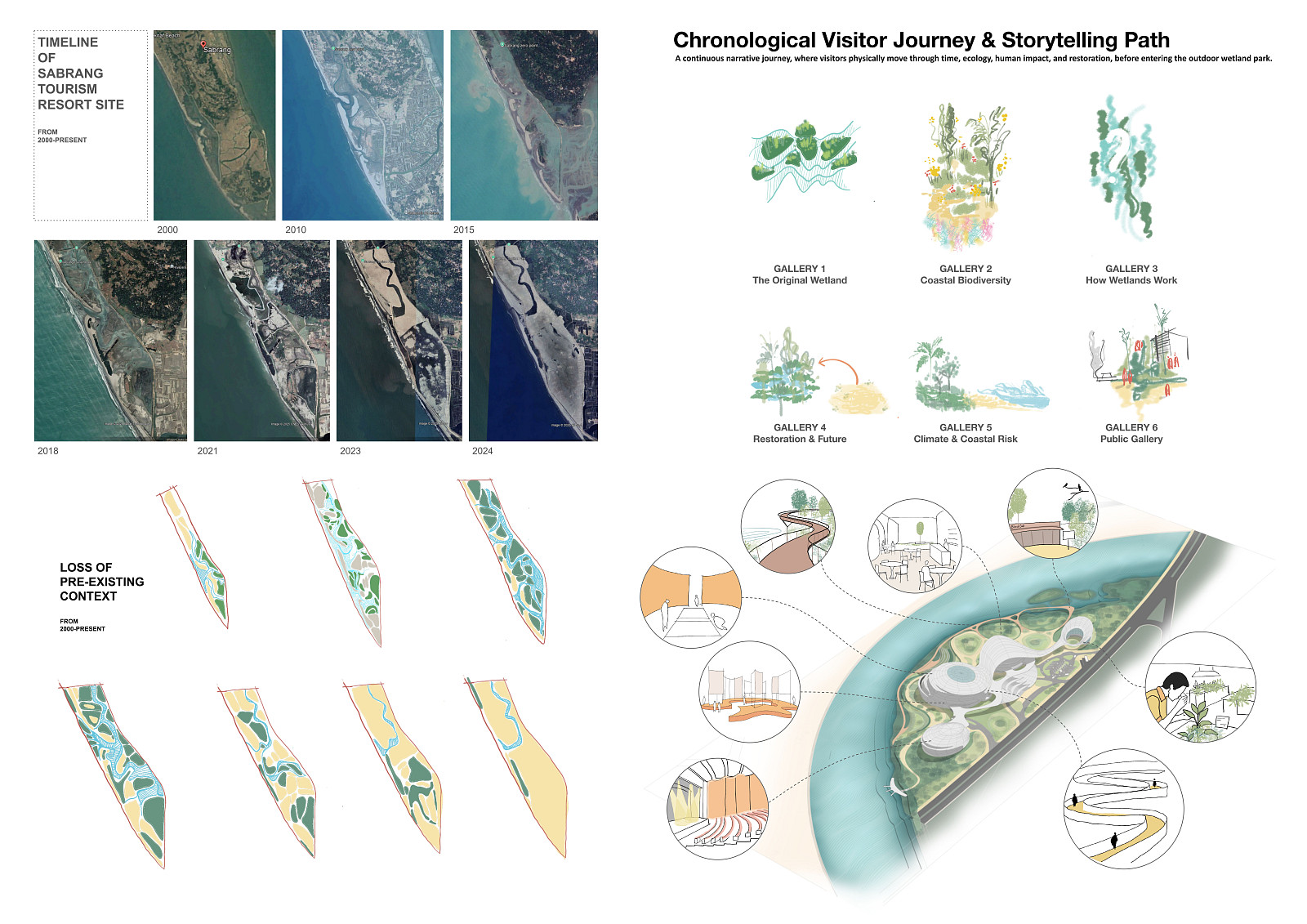
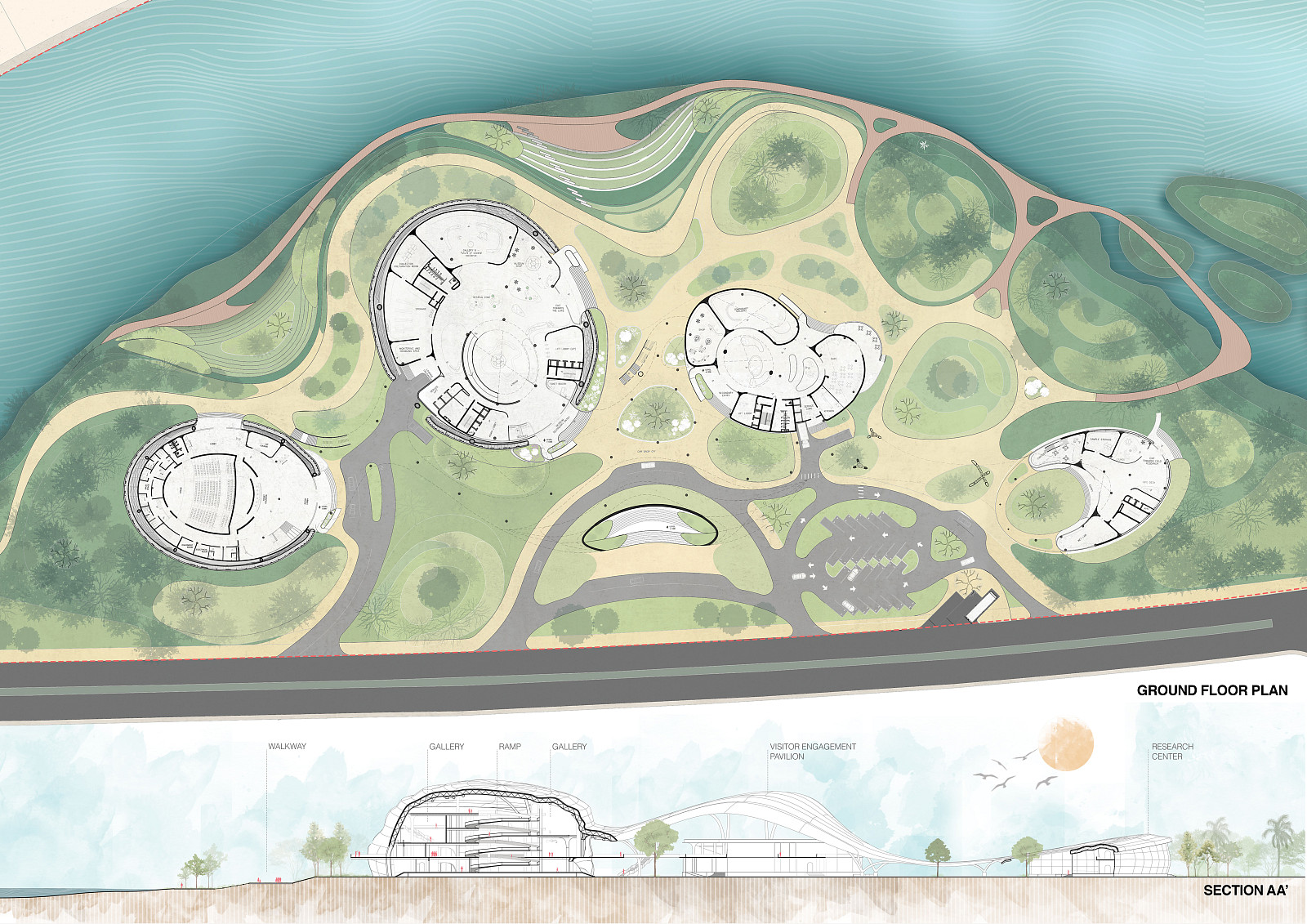
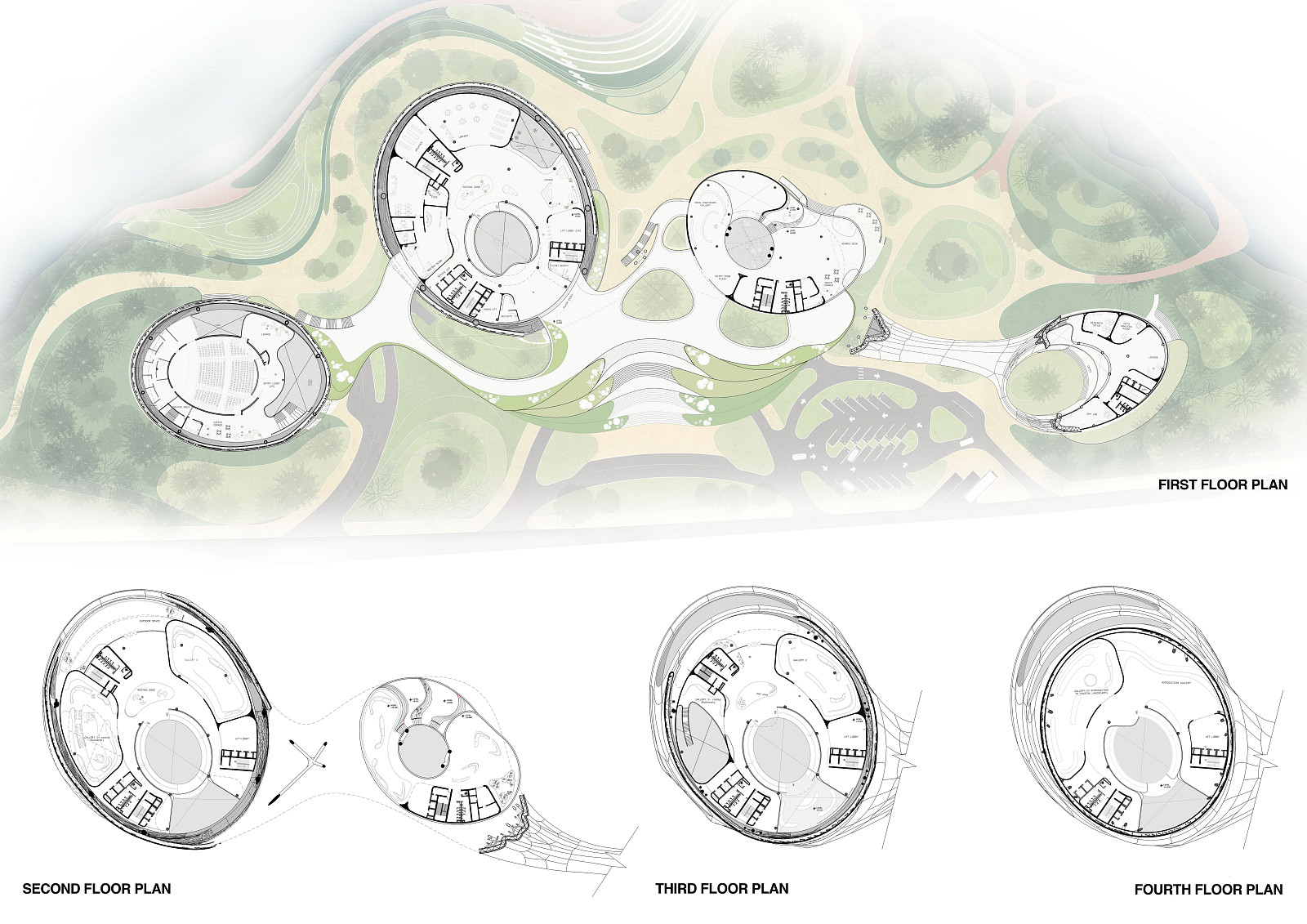
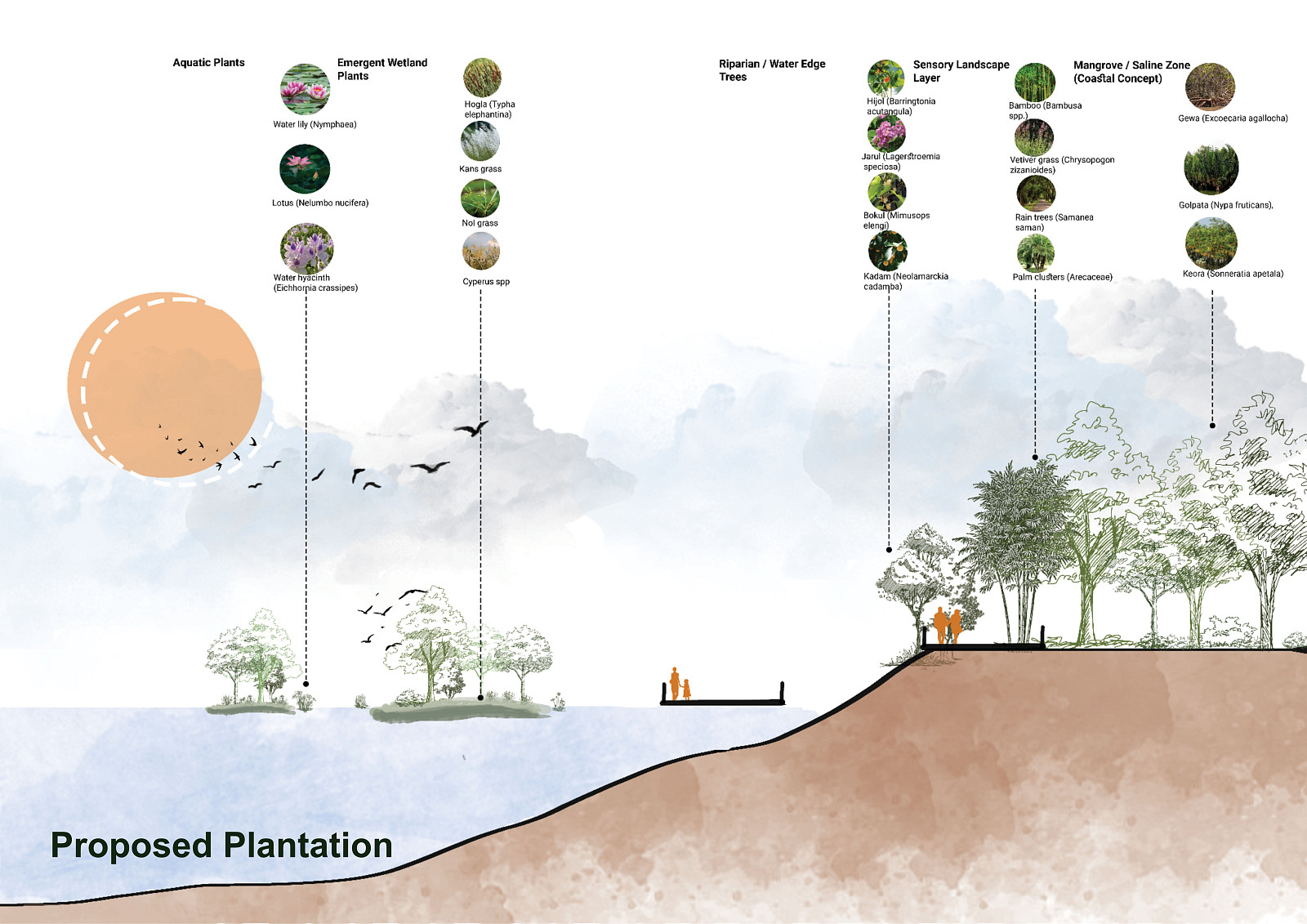
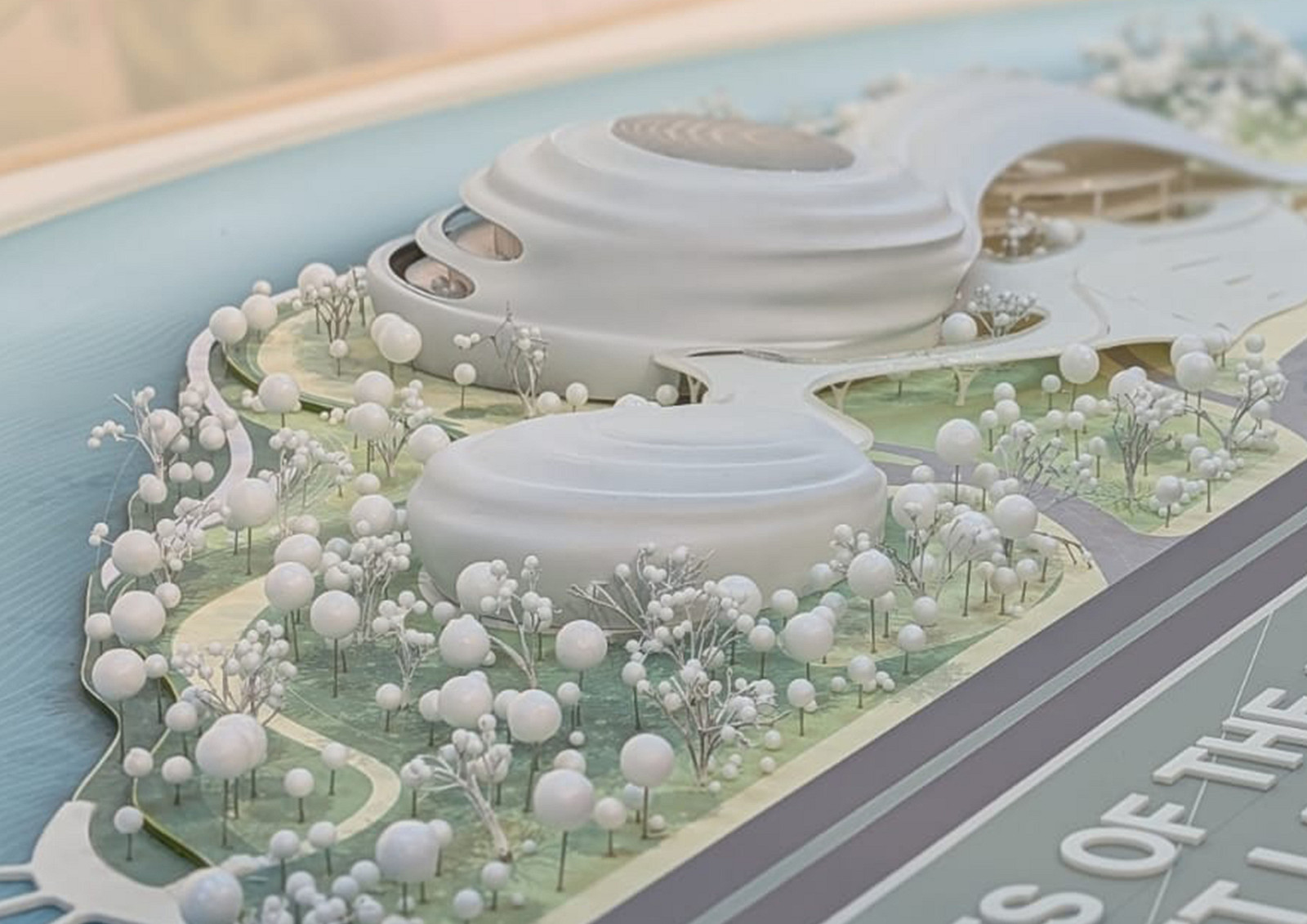
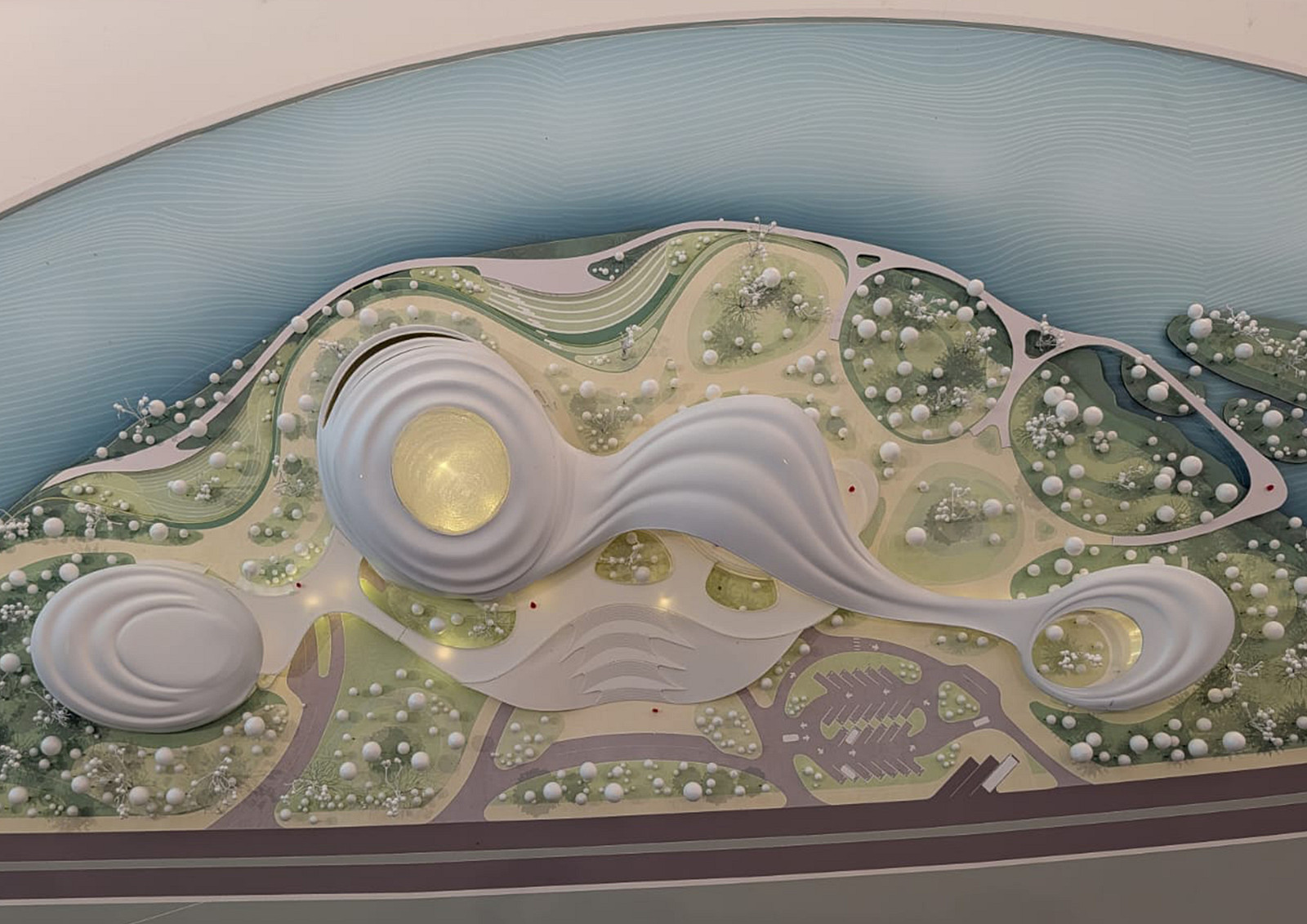
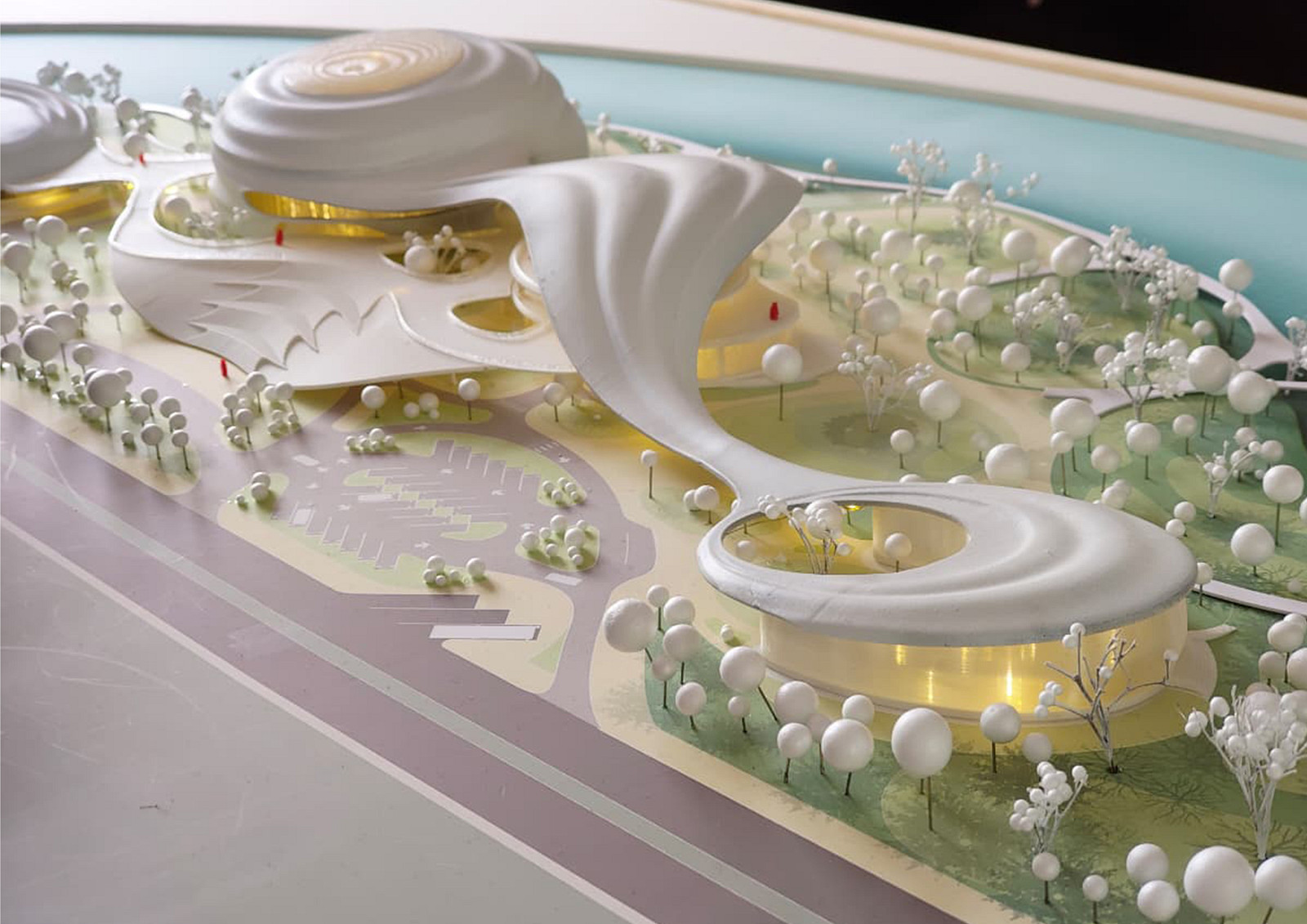
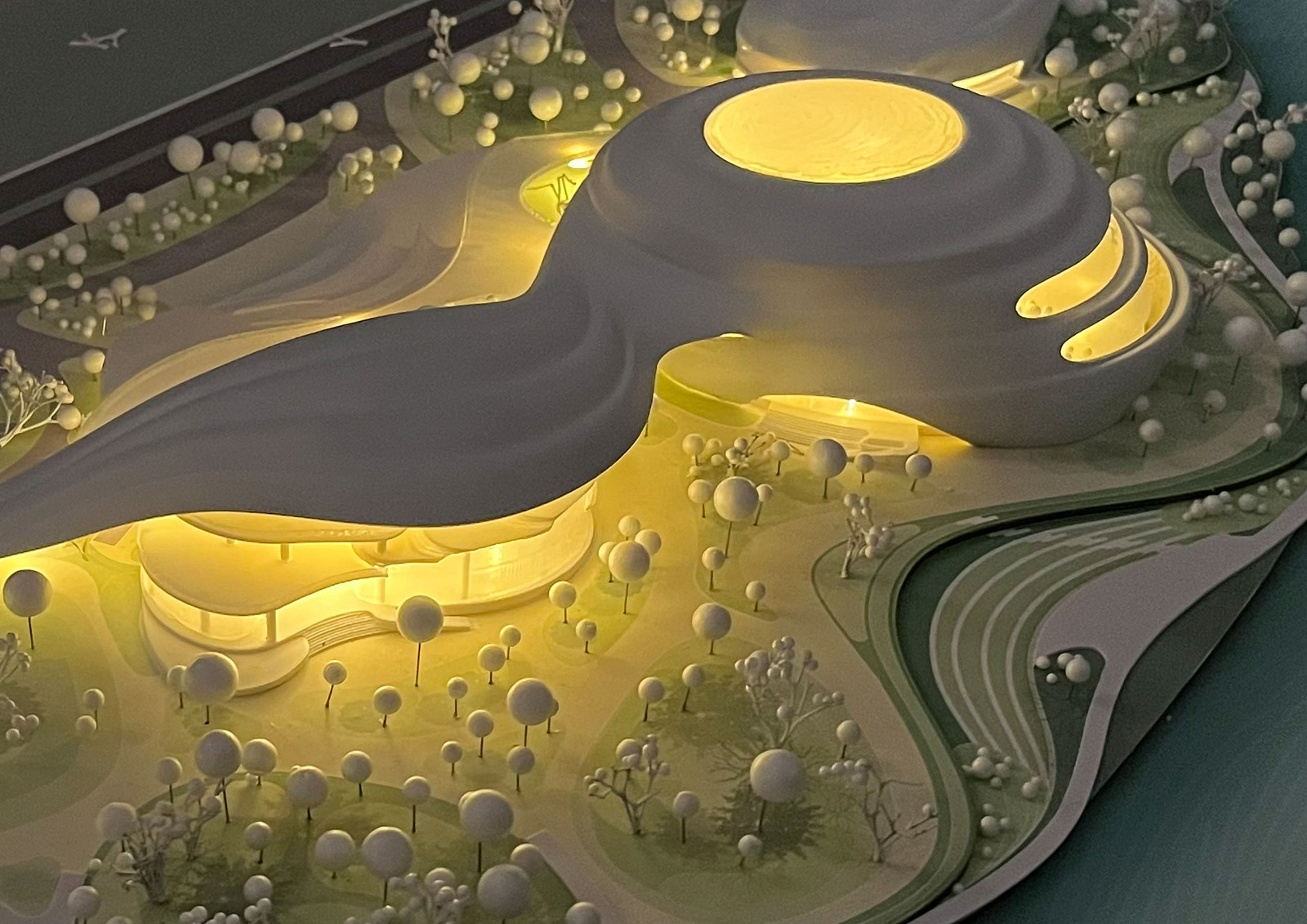
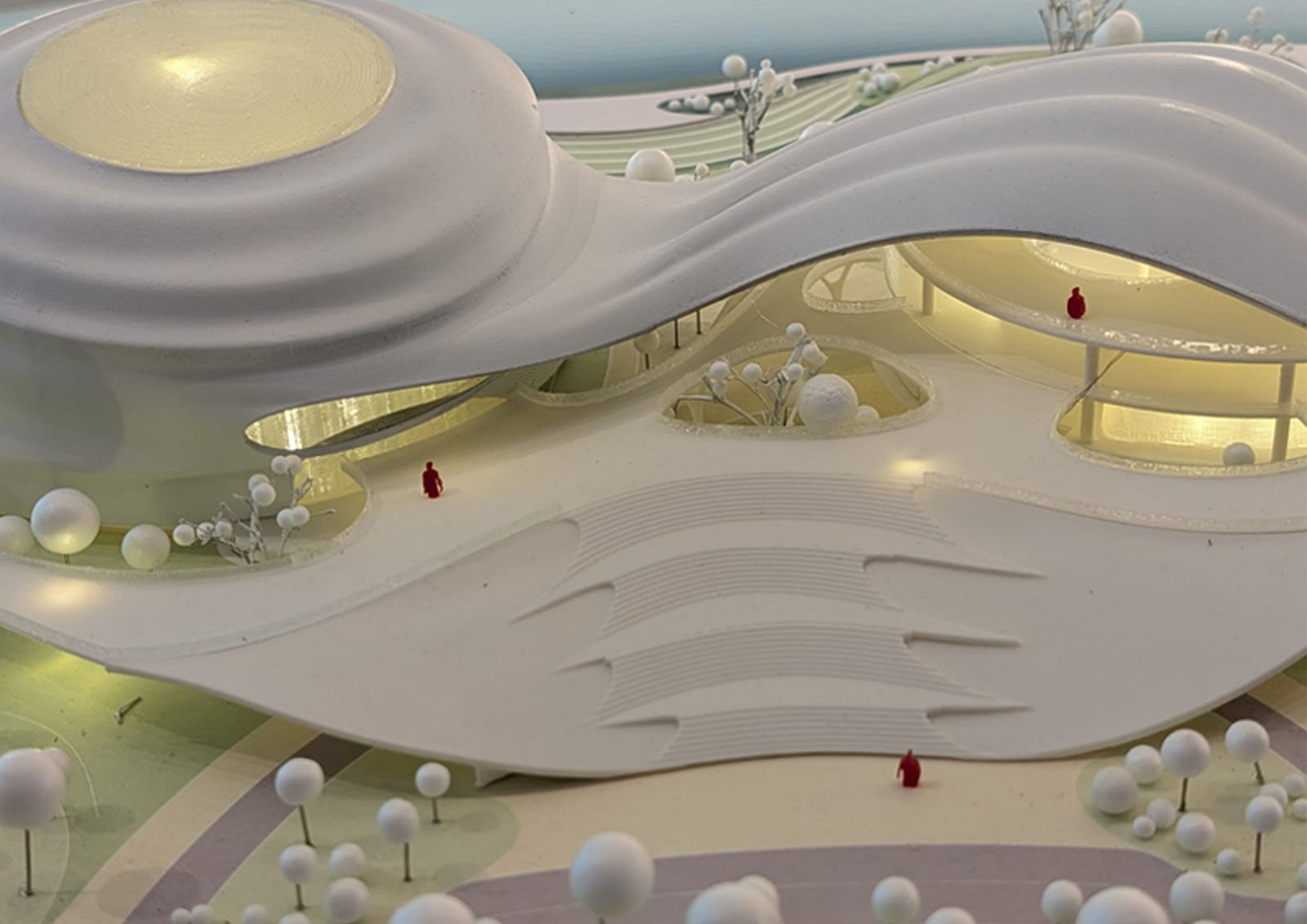
The project is a Wetland Interpretation Museum Complex located in Sabrang Tourism Park, Teknaf, Cox's Bazar, an area where rapid tourism development has transformed a historically sensitive wetland landscape. Rather than attempting to fully restore the original wetland, which is no longer feasible due to land reclamation and sand filling, the project introduces a controlled man-made wetland interpretation landscape integrated with a museum complex. Out of the 30-acre site, 17.91 acres are land and 12.09 acres comprise a water body. The complex explores architectural and landscape strategies to reinterpret the lost wetland ecosystem and reconnect visitors with the ecological heritage of the Bay of Bengal coastal region. The challenge was to balance tourism and economic opportunities with the need to address biodiversity loss, ecological disruption, and climate vulnerability. Through a narrative-based spatial organization, symbiosis is created between the museum and the outdoors, allowing visitors to experience the recreated wetland through boardwalks, observation decks, and ecological interpretation zones without disturbing sensitive habitats. Lastly, the goal is to establish the museum as a cultural and ecological landmark that facilitates research and educates the public on coastal resilience. The site is divided into five broad zones: Public Arrival Zone, Core Museum Zone, Research & Educational Zone, Community & Cultural Zone, and the Ecological Landscape Zone.
Project description
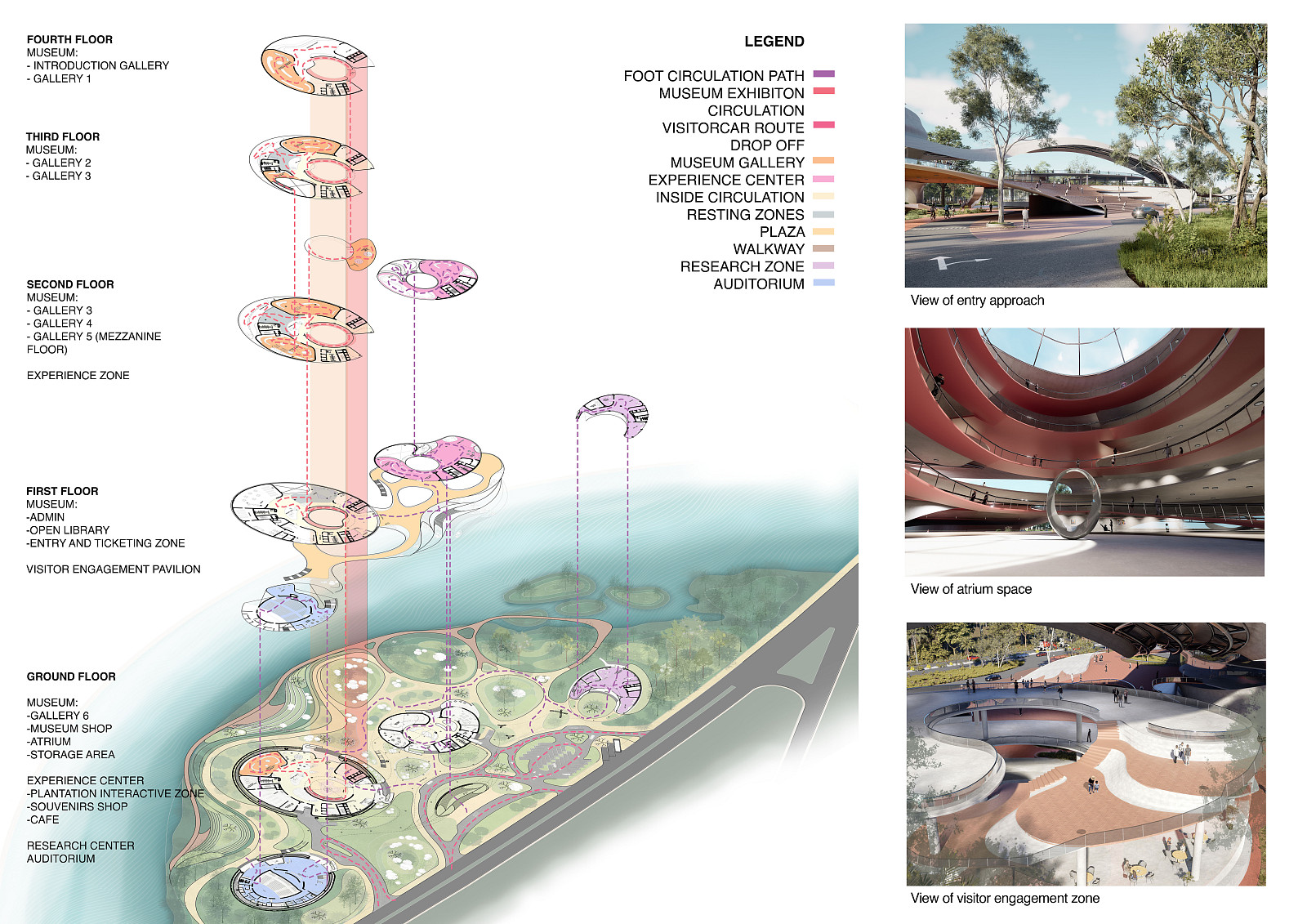
The main objective of this project is to create an educational, cultural, and environmental landmark that functions simultaneously as an exhibition space and an interactive outdoor landscape. To design a museum that seamlessly bridges indoor exhibitions with a living wetland park was challenging, as it required blurring the boundary between the built environment and nature. The indoor museum presents the biodiversity, environmental history, and climate challenges of Bangladesh's coastal region through a chronological five-gallery sequence: The Original Wetland, Coastal Biodiversity, How Wetlands Work, Restoration & Future, and Climate Change & Coastal Risk.
To ensure a seamless and highly functional spatial organization, the circulation strategy clearly separates visitor movement from back-of-house operations. The main public entry is elevated to the first floor, creating a dedicated and welcoming arrival sequence for guests, while all maintenance, storage, and service routes are strictly confined to the ground floor to prevent any disruption.Inside the museum, a continuous central ramp acts as the primary circulatory spine, physically and narratively connecting the five exhibition galleries. This ramp guides visitors through a curated, chronological journey that ultimately flows outward into the recreated wetland park, blurring the threshold between the built environment and nature.To actively engage visitors with the coastal ecosystem, the outdoor park is equipped with specialized interactive zones. Elevated viewing decks and a dedicated bird call area allow guests to observe and connect with the local fauna. Furthermore, the landscape features an interactive "choose and plant your seedling" initiative; here, visitors can select a rare plant native to the coastal area, and a digital screen displays the exact location within the park where their specific seedling will be planted. This hands-on experience not only educates the public but fosters a deep, personal connection to the ongoing ecological restoration of the site.
On the other hand, the research center focuses on studying these ecosystems, featuring an eco-resource library, laboratories, and dedicated spaces for academics. The prime focus here is experiential learning, where visitors transition from indoor spaces to outdoor interpretation platforms and elevated walkways to observe the flora and fauna in their habitat. The public engagement pavilion acts as the social interface, holding a cafe, retail stores.
Technical information
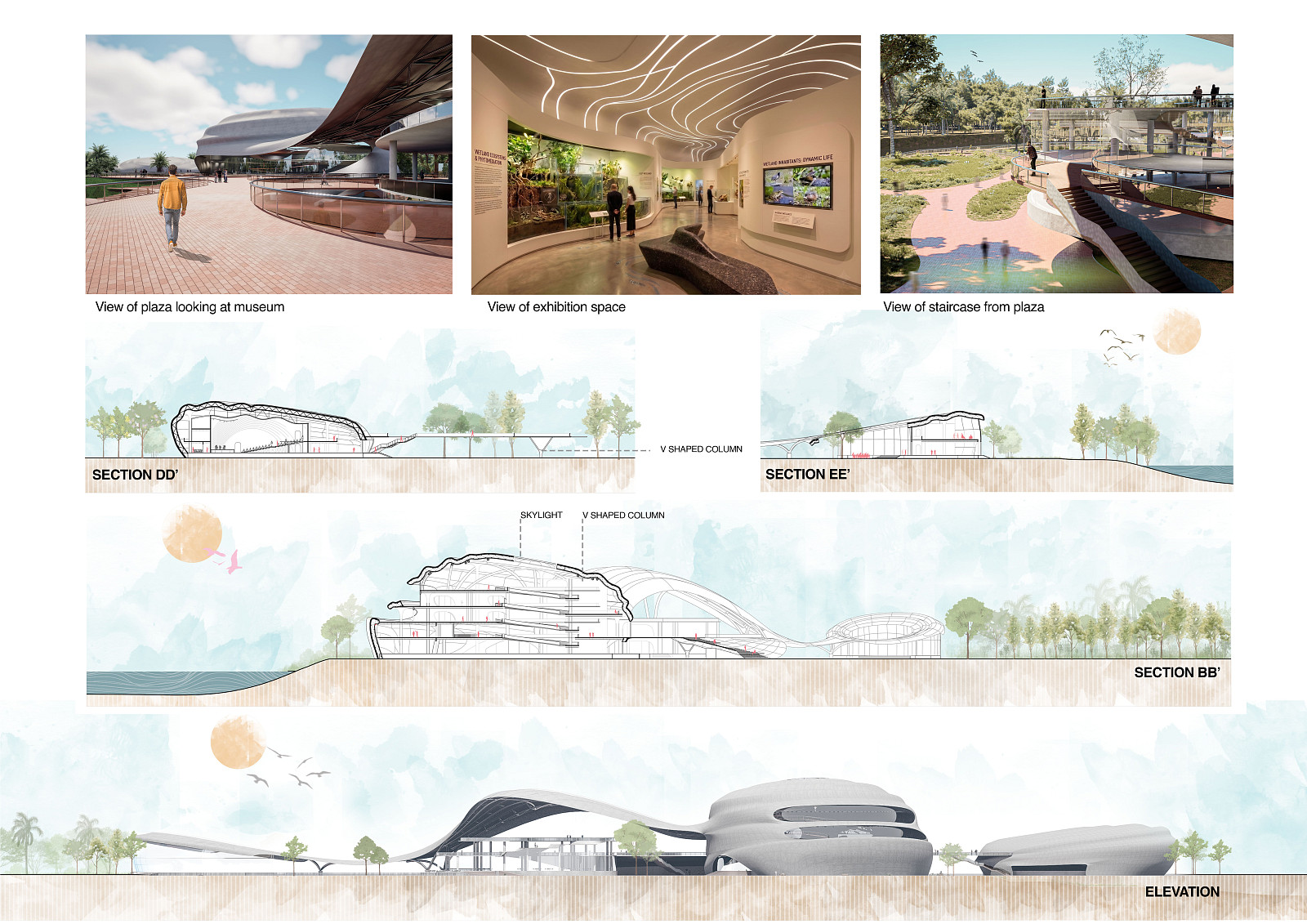
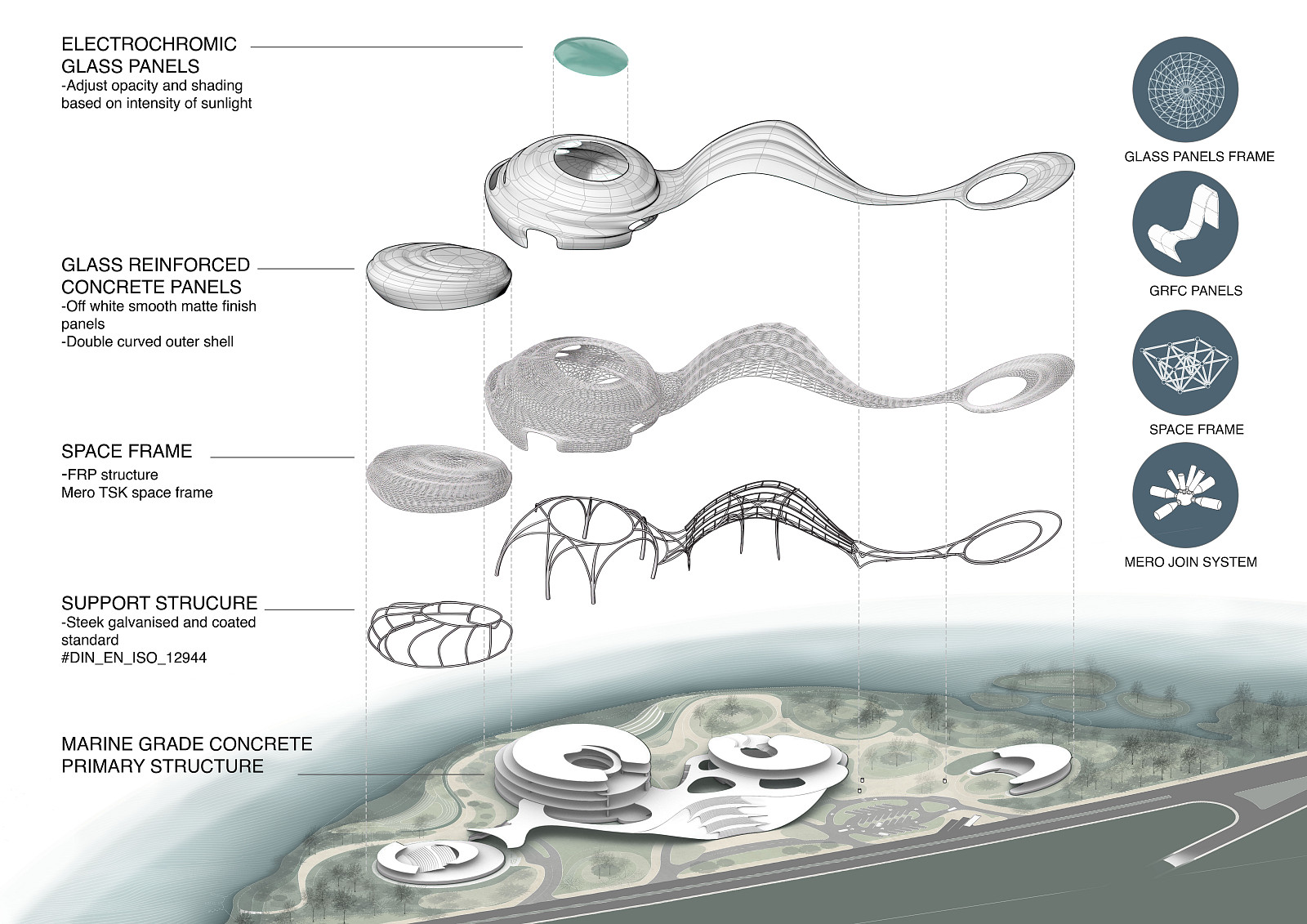
To address the site's challenging environmental characteristics, including low soil bearing capacity from sand filling, exposure to salt-laden winds, and vulnerability to storm surges, the architecture employs a climate-responsive, lightweight, and efficient structural system. For the substructure, marine-grade reinforced concrete foundations and core structures are used to withstand the humid coastal environment and provide long-term durability against corrosion and moisture. Above the primary structure, galvanized and coated steel support members are utilized to achieve the building's complex, fluid geometry while minimizing structural weight. For the superstructure's roof and large-span portions, a Fiber Reinforced Polymer (FRP) space frame utilizing MERO TSK technology is implemented, allowing for large column-free spaces. The external envelope features a double-curved outer shell made of Glass Fiber Reinforced Concrete (GFRC) panels, which are lightweight, durable, and highly weather-resistant. Integrated within the atrium roof are electrochromic glass panels, a smart glazing system that automatically adjusts its opacity in response to sunlight intensity. This advanced glazing reduces solar heat gain, minimizes glare, and improves indoor comfort while maximizing daylight penetration. To further adapt to the coastal climate, passive design strategies such as cross ventilation, overhanging roofs, and elevated structures are deeply integrated to protect against heavy monsoon rainfall and seasonal flooding

Copyright © 2026 INSPIRELI | All rights reserved. Use of this website signifies your agreement to the Terms of Use, Privacy Policy, and use of cookies.
