CONCHA ARTS & CULTURE CENTRE


Project idea
THE CONCEPT
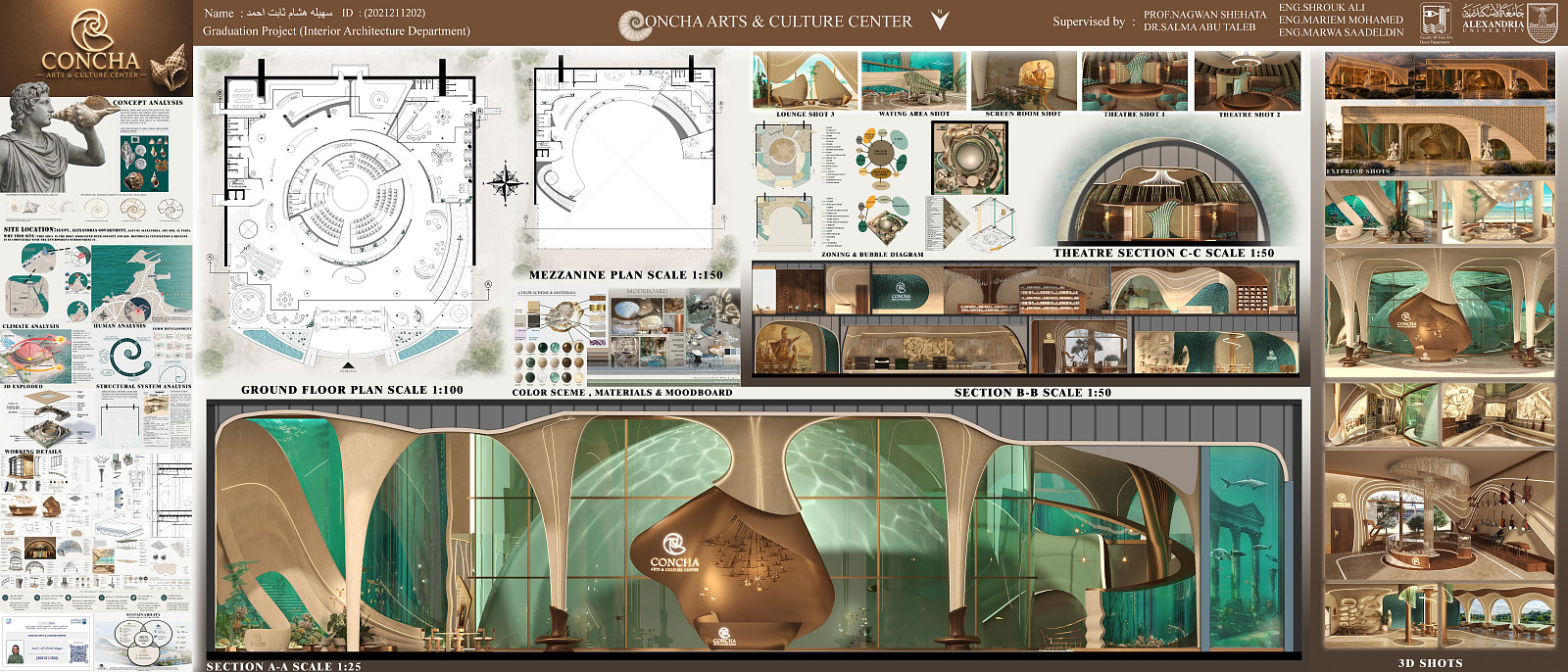
1. Conceptual Genesis The Origin of Convergence
The concept of **CONCHA Arts & Culture Center** originates from a fundamental exploration of humanity's earliest methods of gathering before the emergence of contemporary cultural institutions. The project investigates how sound once functioned as a catalyst for human convergence and how natural acoustic phenomena shaped collective experiences.
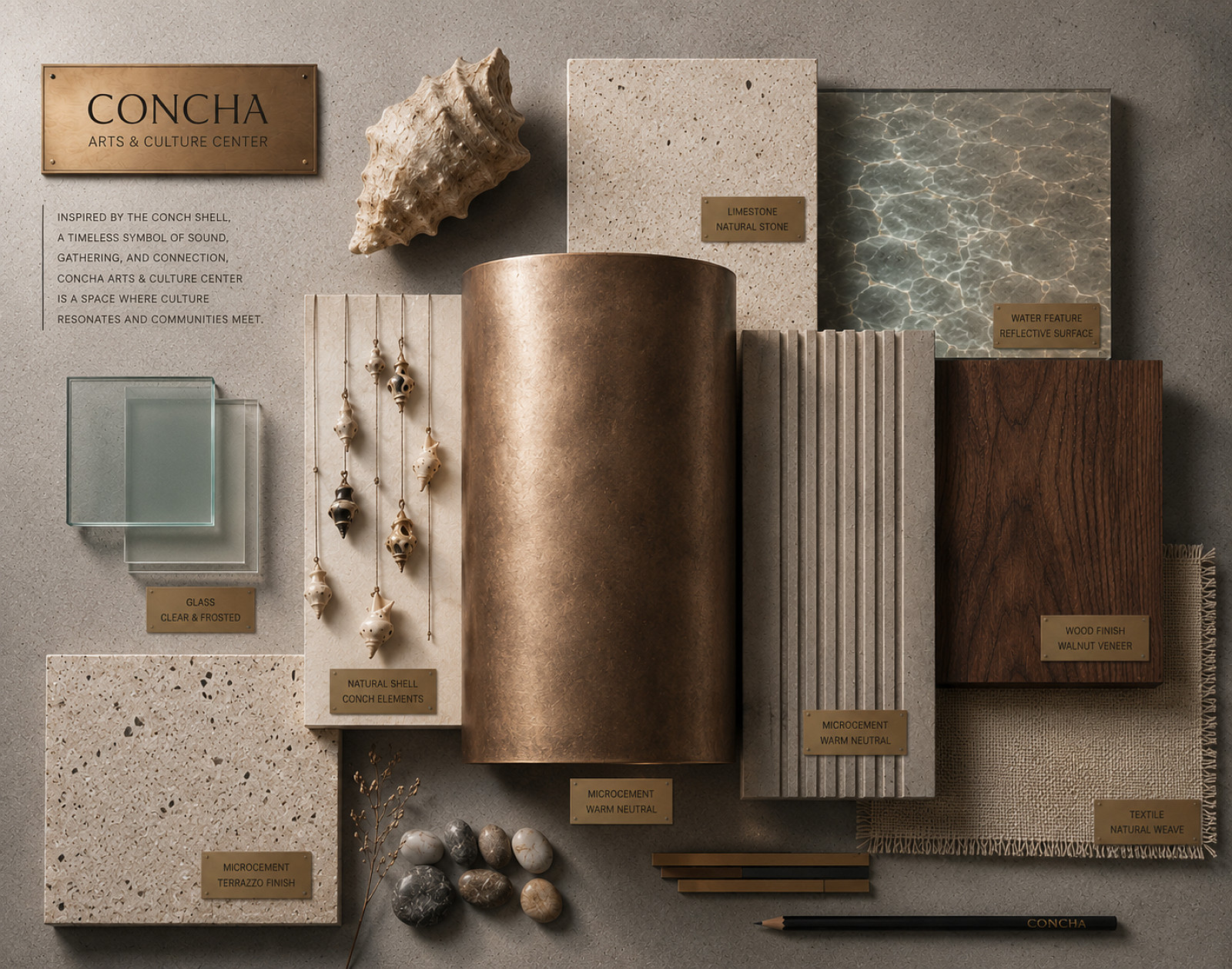
Historically, the **Conch Shell** evolved into the **Conch Horn**, one of the earliest natural instruments used by ancient civilizations to communicate across distances, announce ceremonies, and invite communities to gather around shared events. Rather than replicating the shell as a literal architectural form, CONCHA translates its cultural and symbolic role into architecture. The project reinterprets the shell as a contemporary medium that reconnects people through art, music, education, and cultural interaction.
2. Spatial Narrative & Experiential Flow
The architectural experience is conceived as a continuous spatial journey inspired by the internal geometry of the conch shell. Visitors are gradually guided through interconnected spaces where movement unfolds naturally rather than through rigid circulation.
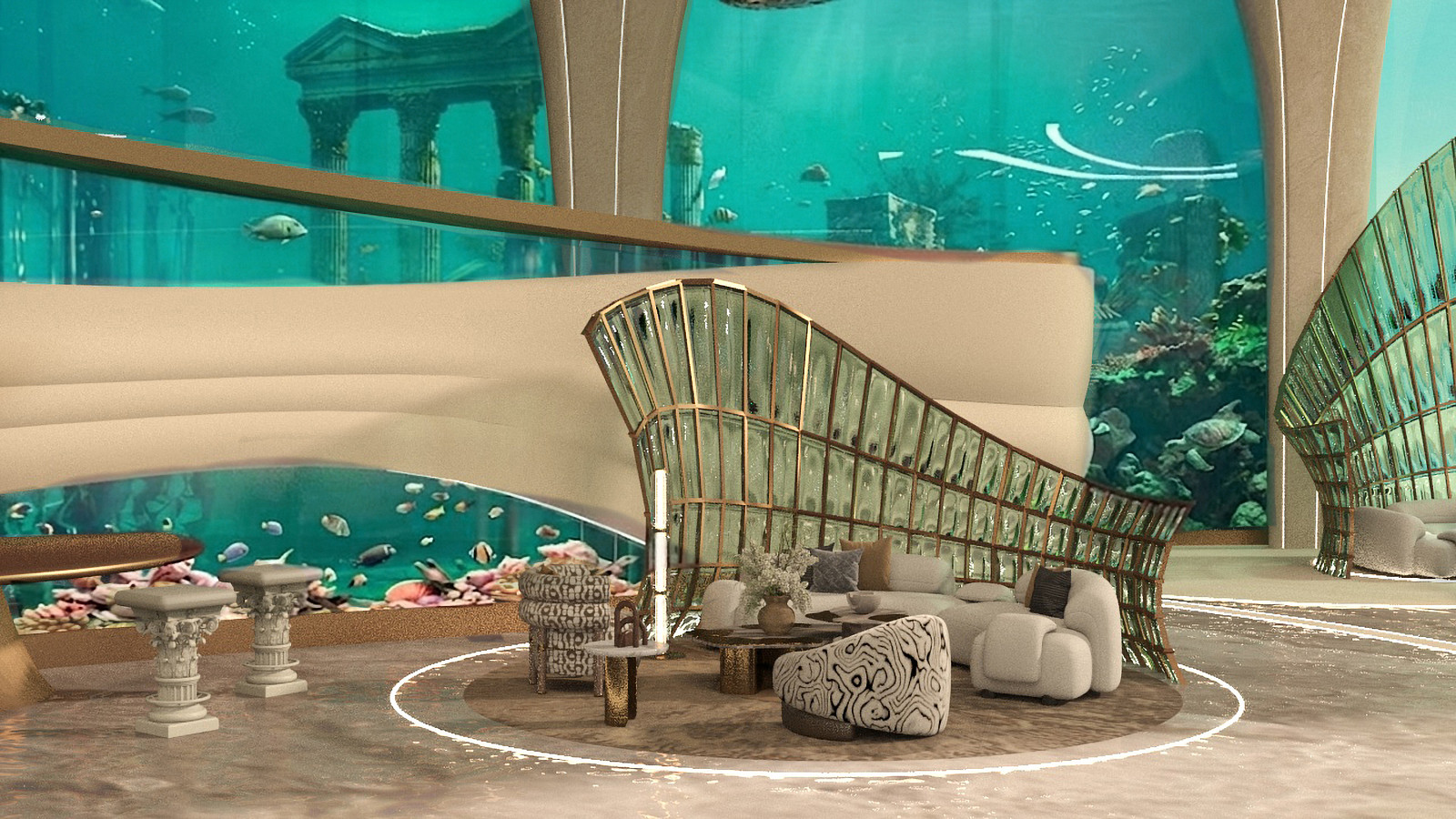
Fluid curves, layered perspectives, and sequential visual connections encourage exploration, allowing spaces to reveal themselves progressively. This choreographed circulation transforms movement into an immersive cultural narrative, where every transition introduces a new artistic experience while maintaining a seamless relationship between architecture and human behavior.
3. Architectural Organization & Cultural Core
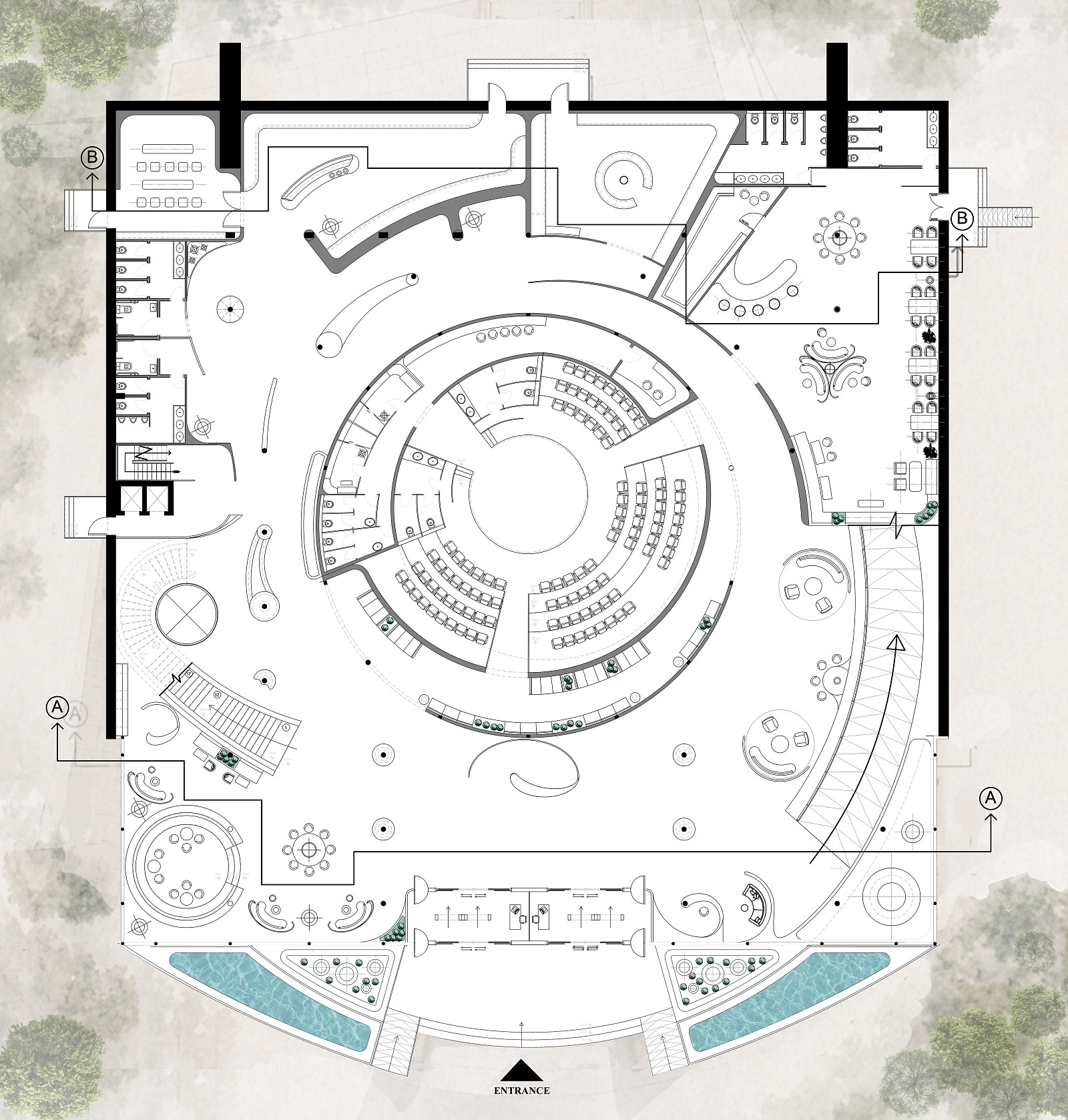
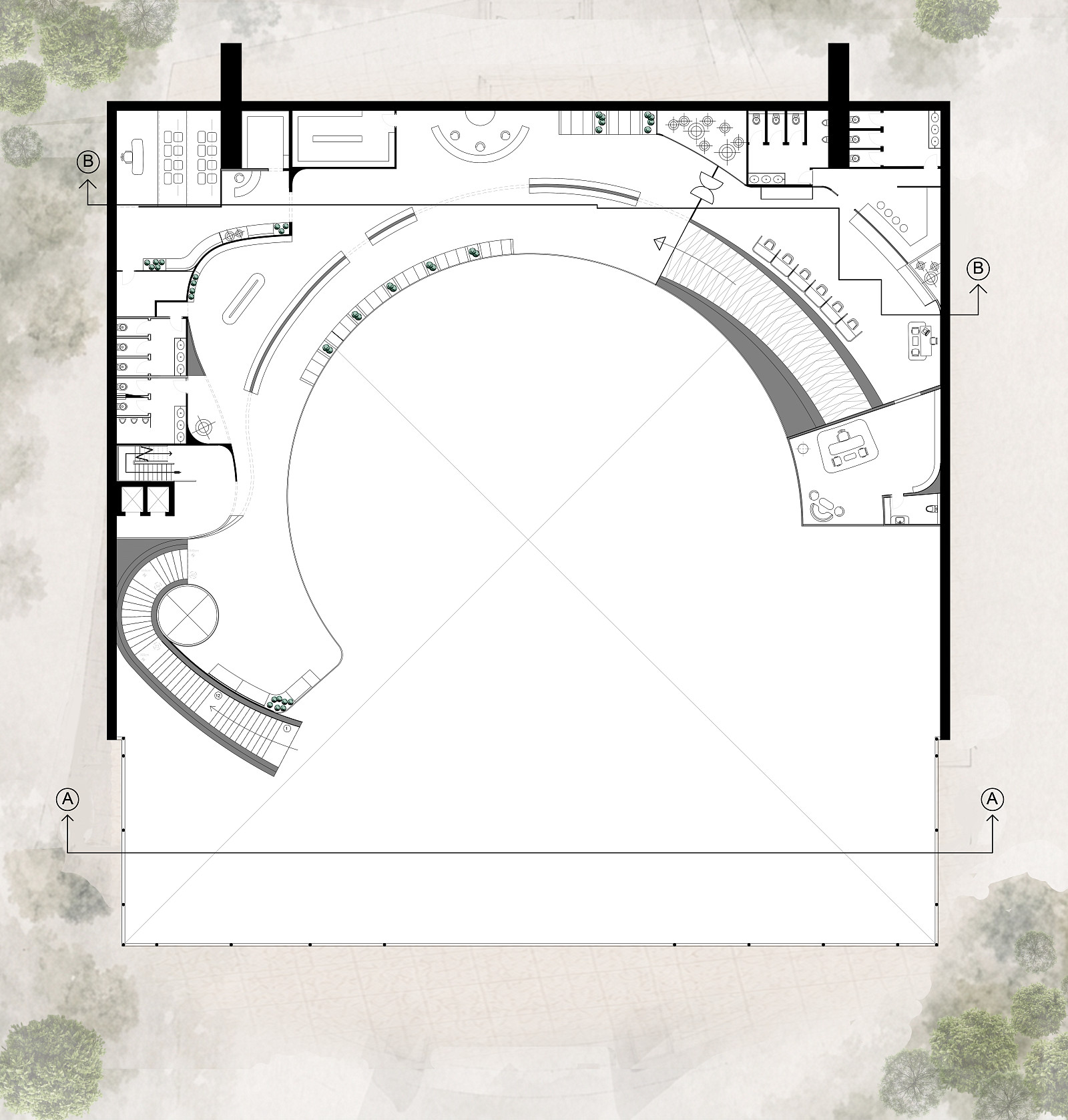
At the heart of CONCHA lies its cultural nucleus—the contemporary interpretation of the historical point from which the conch horn projected its sound. Around this central hub, the project's primary functions—including exhibition spaces, performance venues, educational workshops, music galleries, and interactive cultural experiences—are strategically organized to maximize accessibility and interaction.
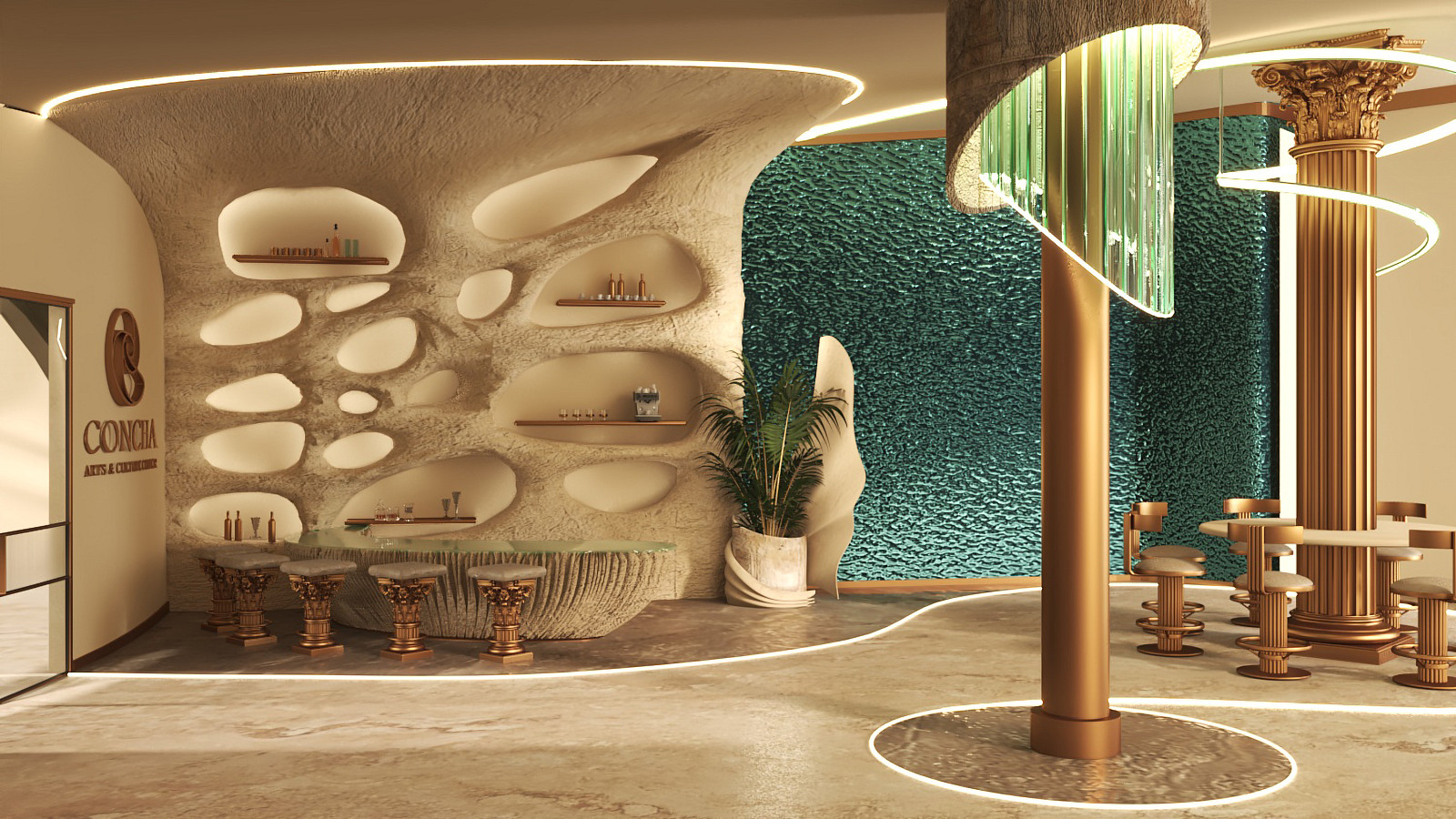
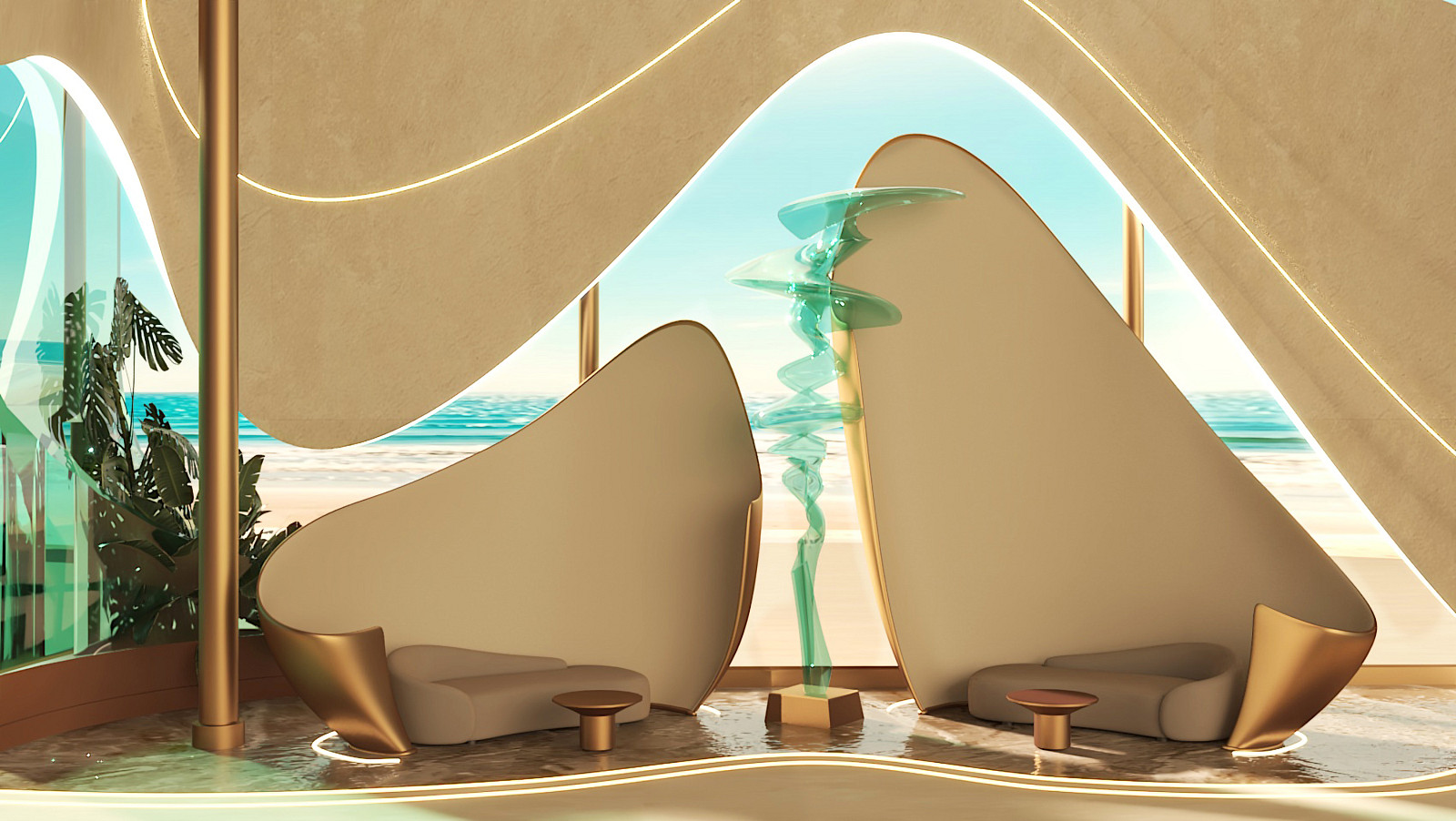
The architectural composition avoids literal imitation of the shell's external geometry. Instead, it adopts the shell's principles of continuity, growth, and spatial hierarchy, creating an organic environment that naturally attracts movement toward its center. Through this approach, architecture becomes the modern "voice" of the conch shell, transforming sound into space and establishing arts and culture as the new force that brings communities together.
Project description
This project consists of the following zones:
1) Main Entrance Plaza
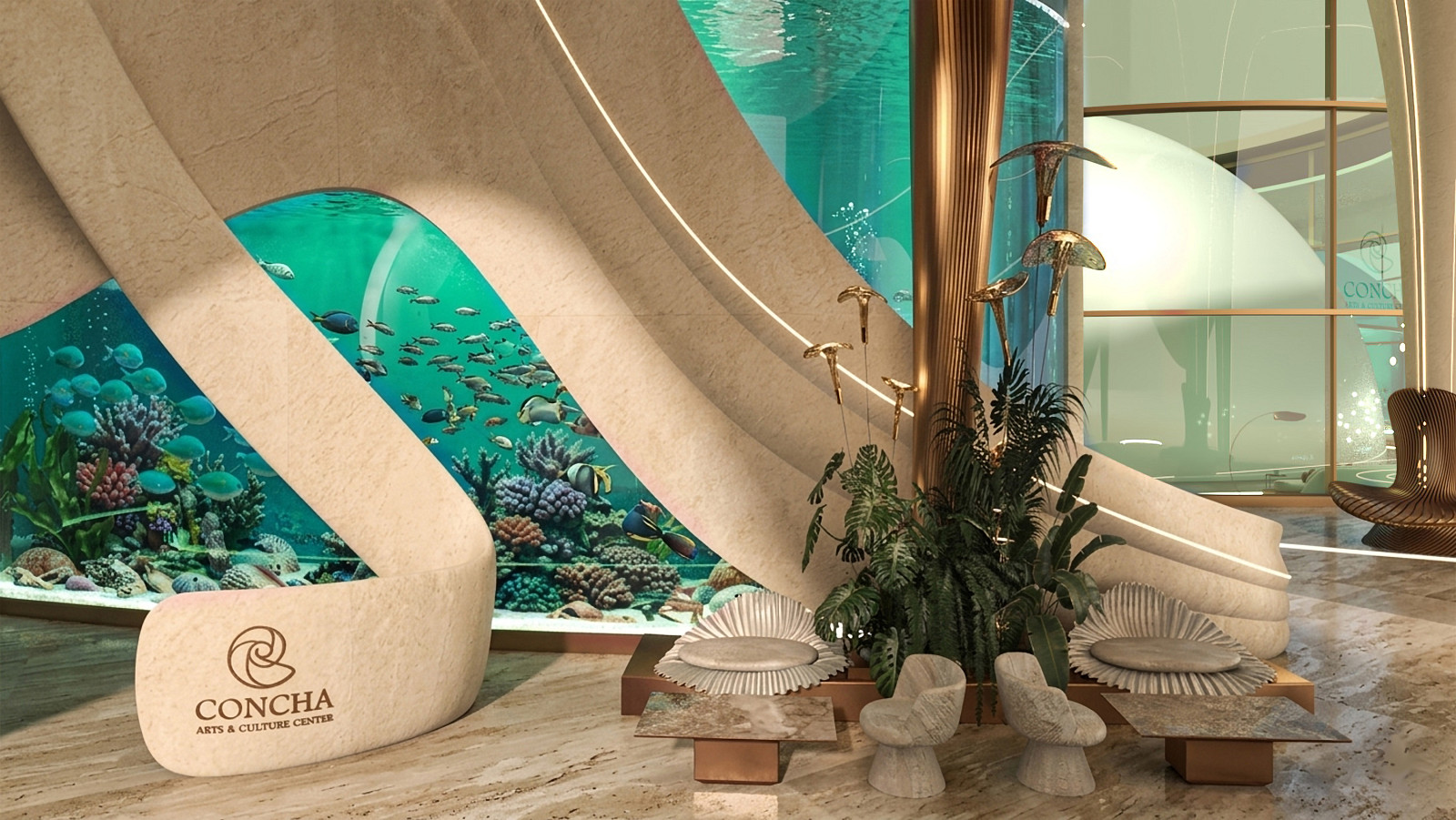
A welcoming public entrance that introduces the project's concept through fluid architectural forms inspired by the Conch Shell. The space encourages gathering and serves as the first point of interaction between visitors, culture, and the surrounding urban context.
2) Reception & Information Desk
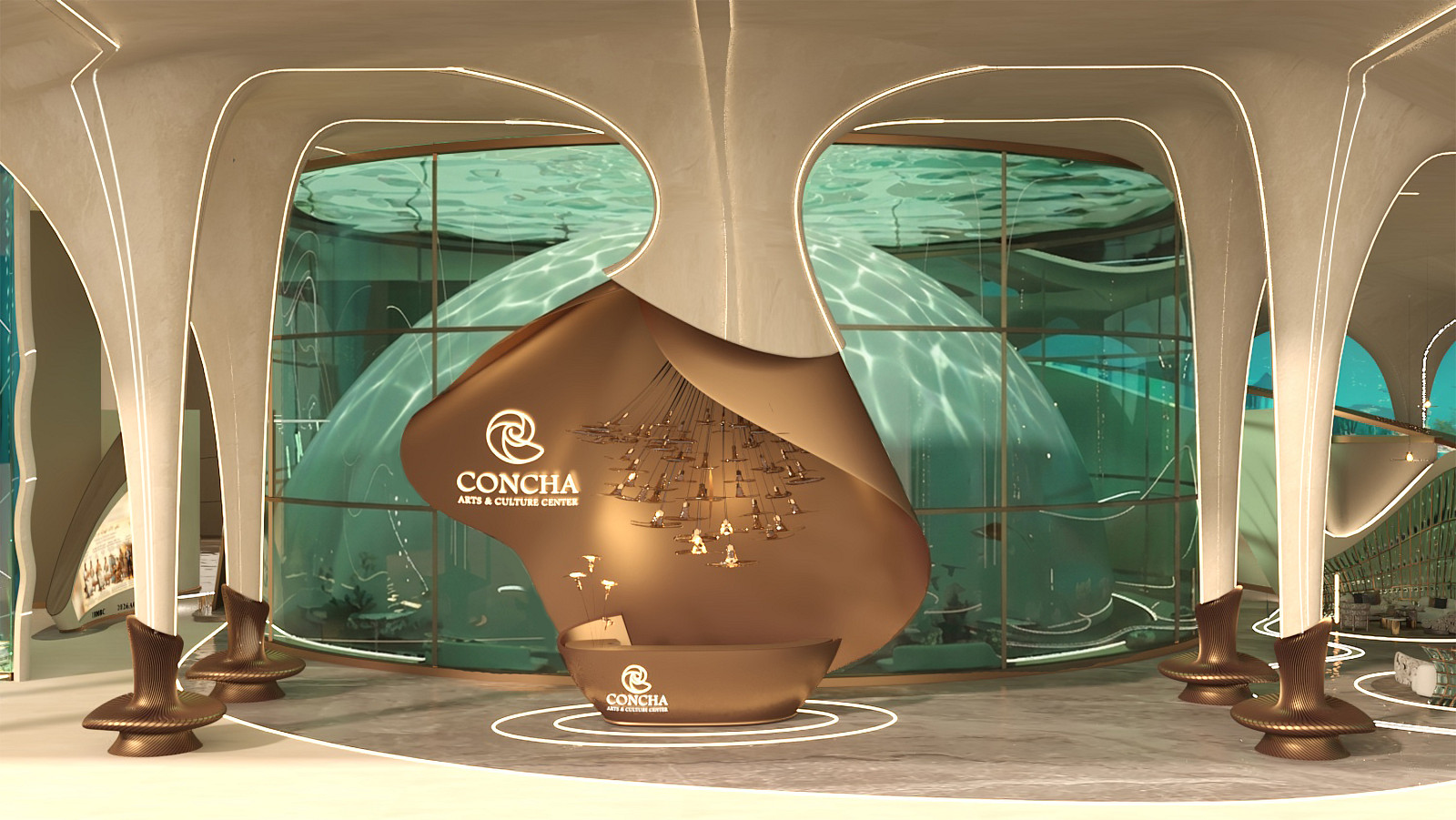
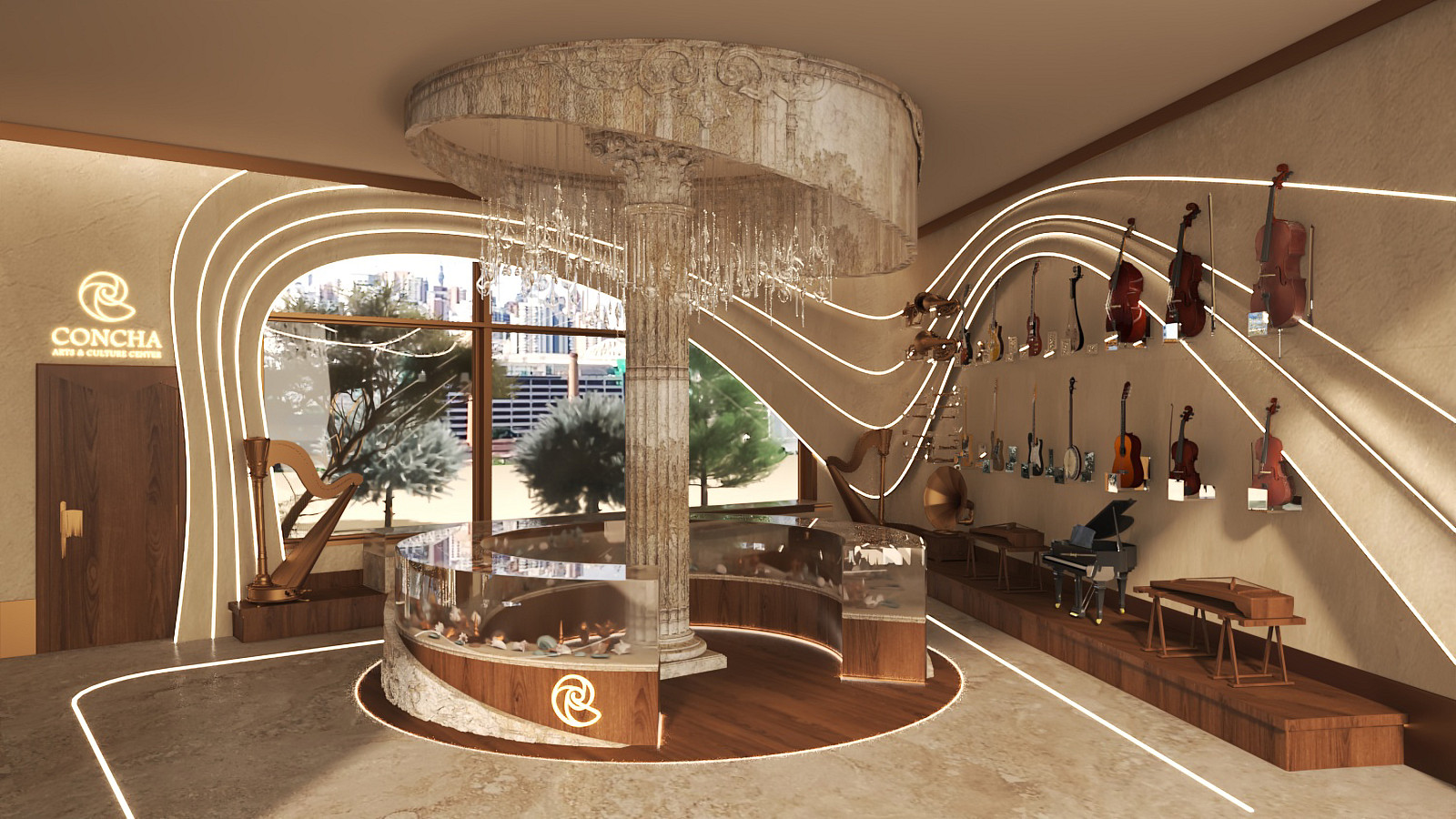
An open reception area providing visitor guidance, ticketing, and information. The space establishes the identity of CONCHA while offering clear orientation and seamless access to all cultural facilities.
3) Conch Story Gallery
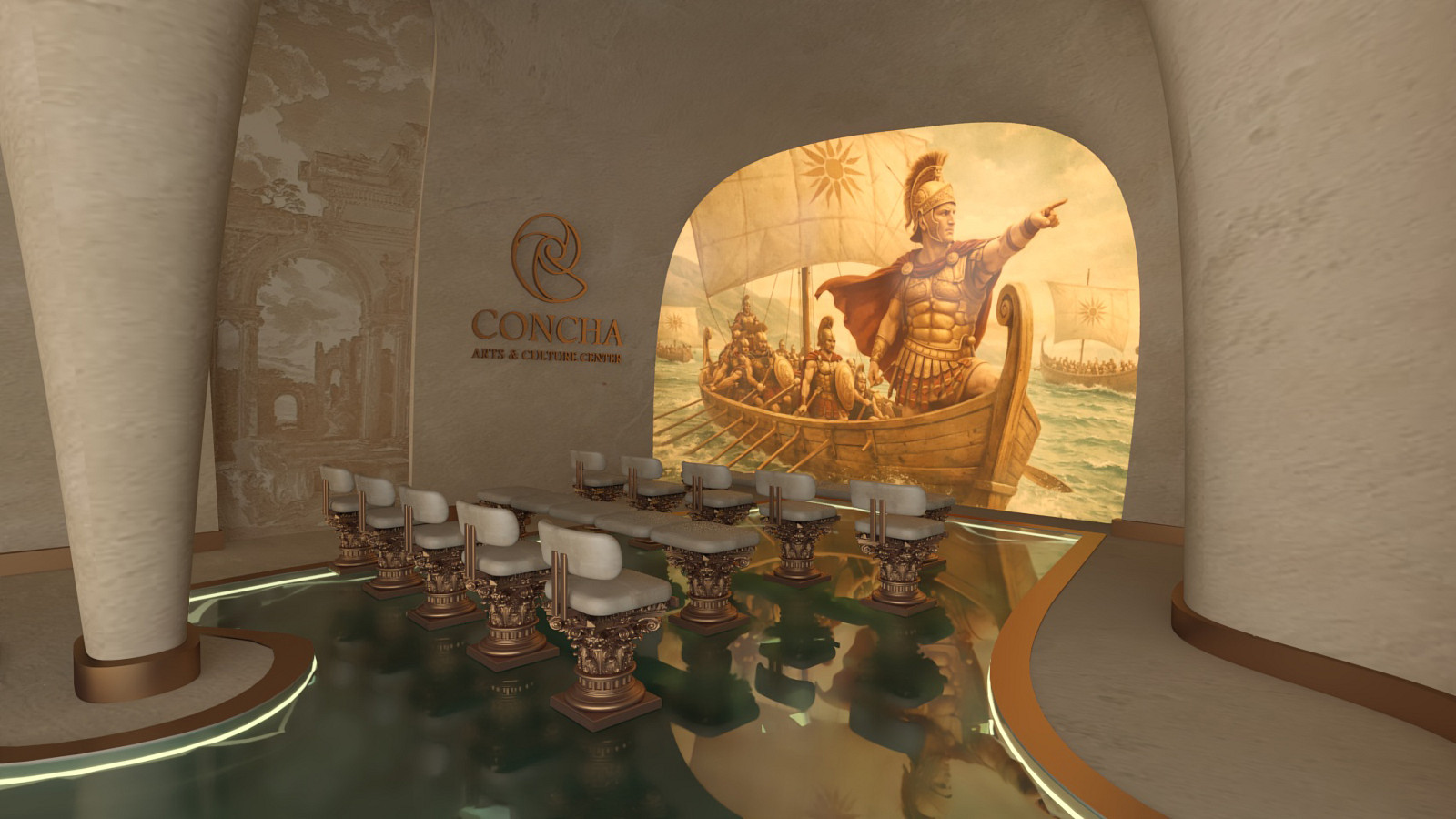
An introductory exhibition presenting the historical evolution of the Conch Shell from a natural acoustic instrument into a symbol of communication and community. Interactive displays explain its cultural significance across ancient civilizations.
4) Musical Heritage Gallery
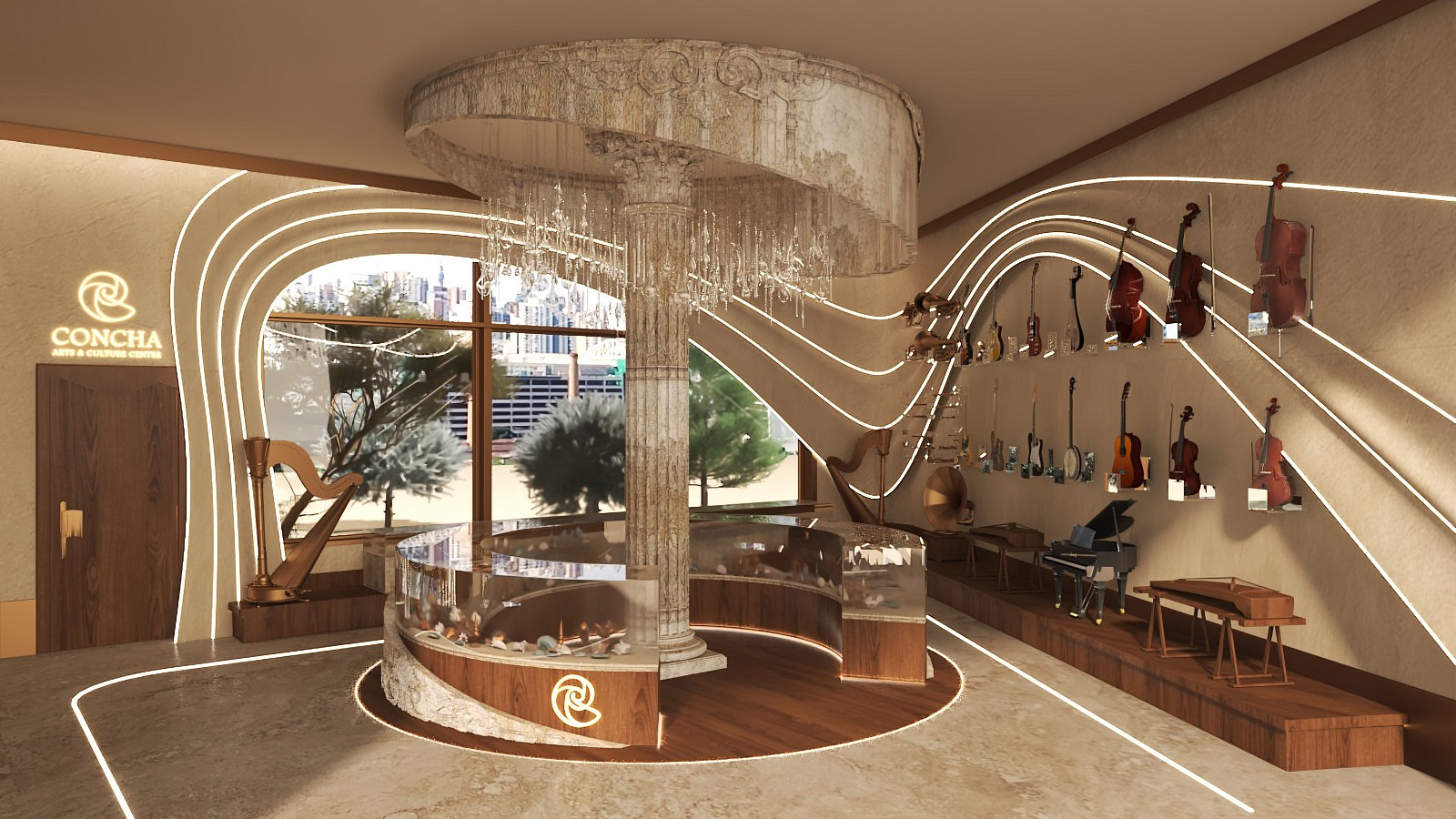
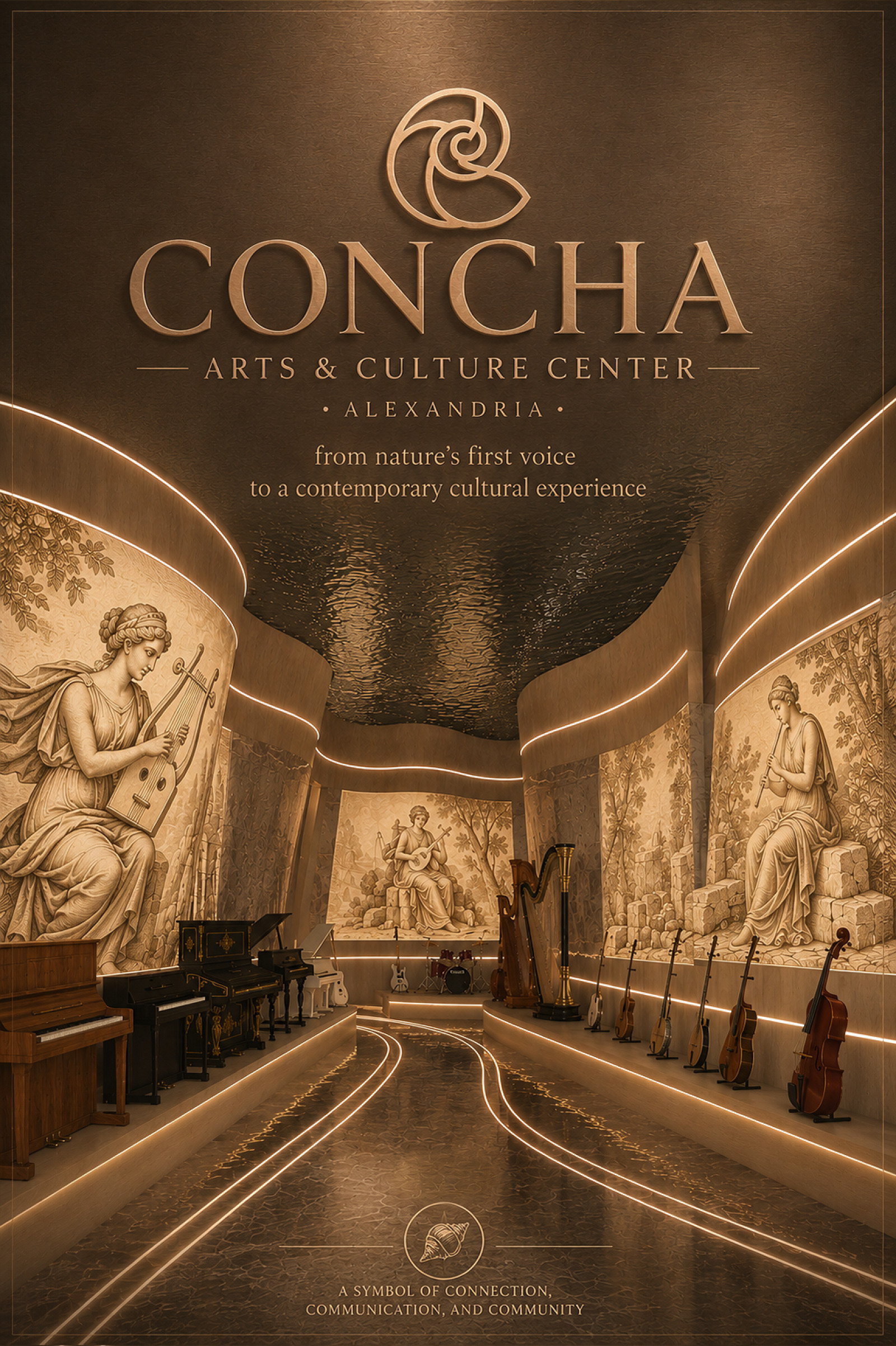
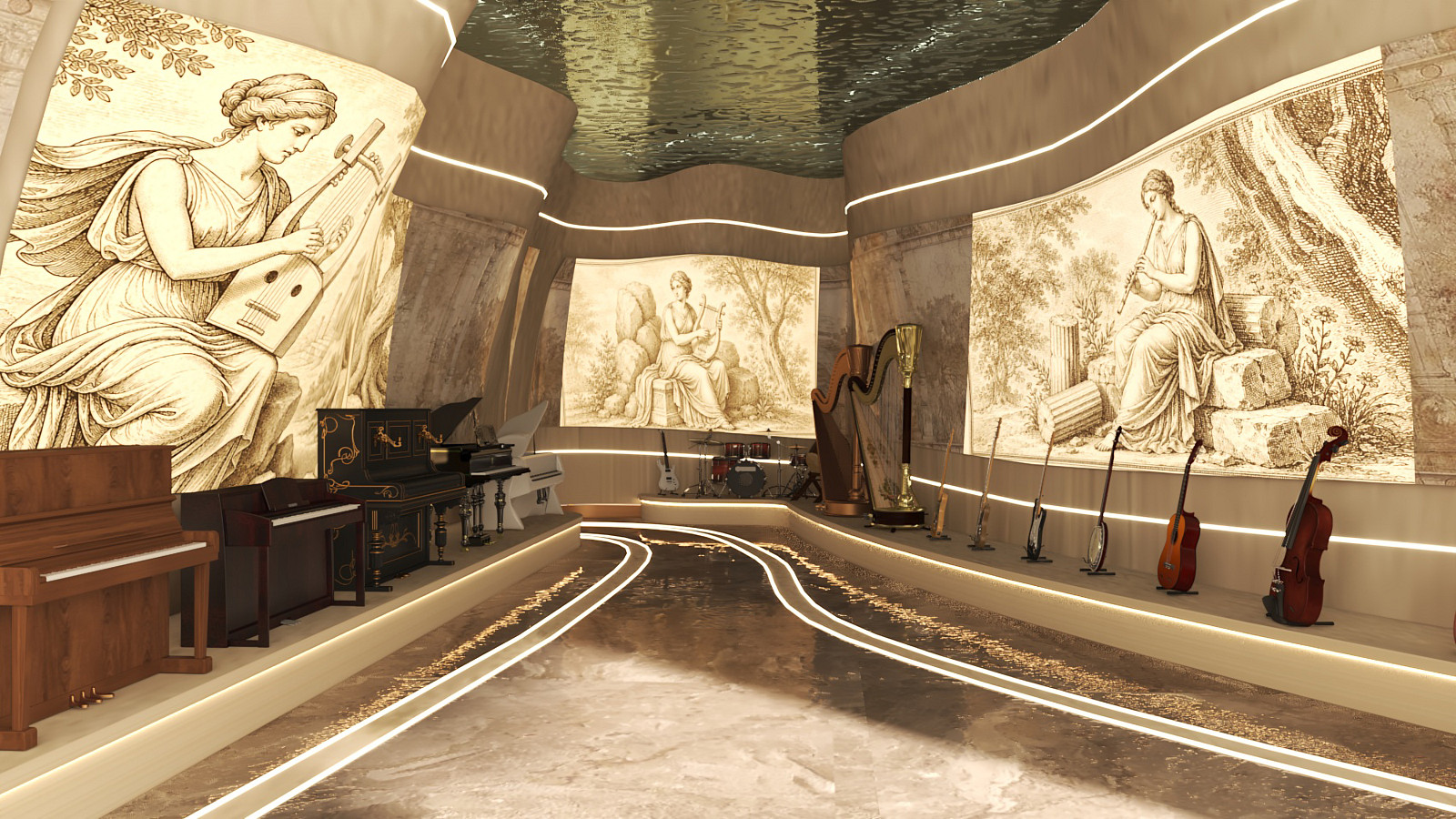
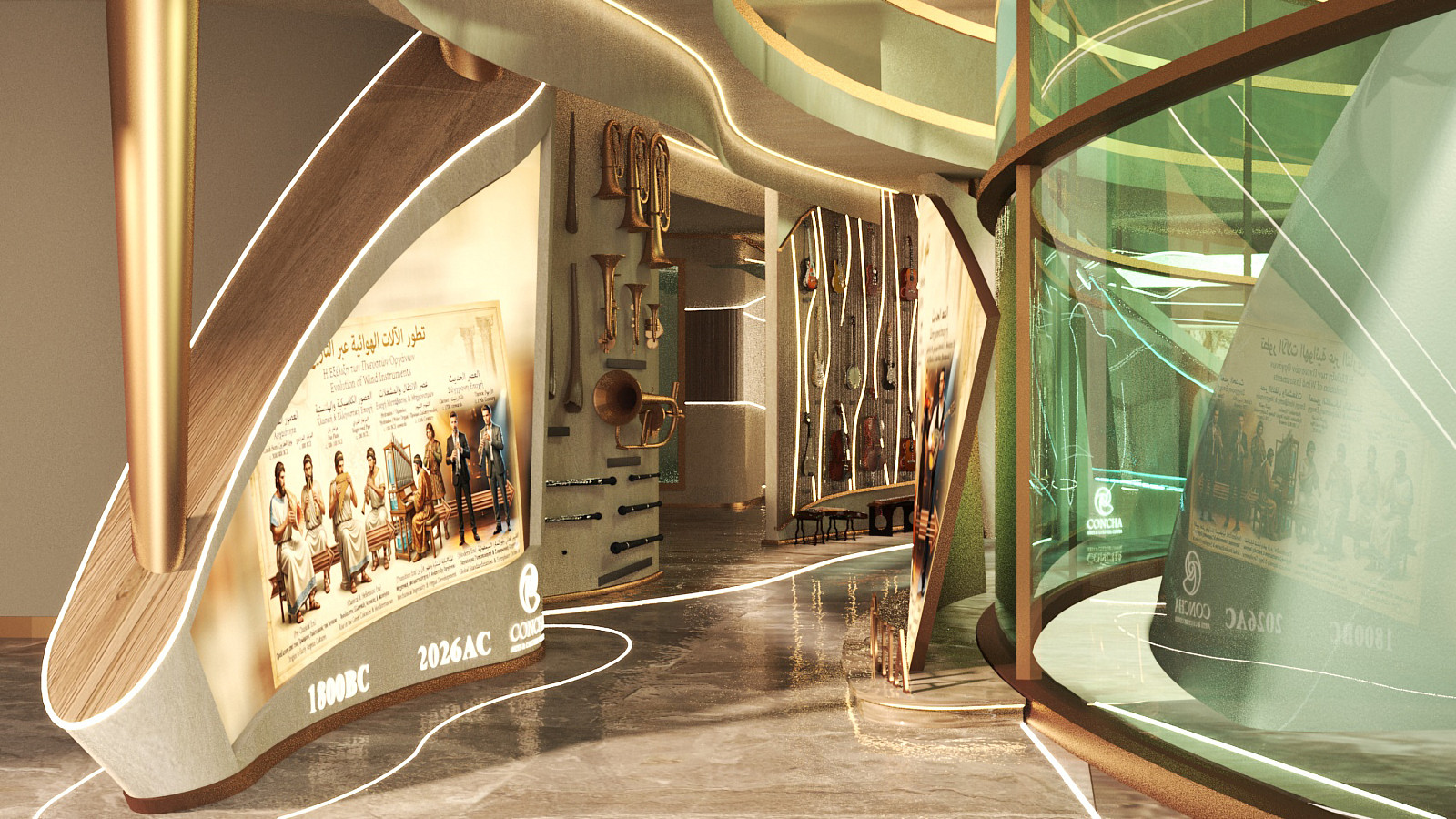
An immersive exhibition showcasing the evolution of musical instruments from ancient to contemporary times. Original instruments, replicas, digital media, and educational displays celebrate the development of musical expression across different cultures.
5) Interactive Experience Zone
A multi-sensory exhibition where visitors engage with sound, projection mapping, digital installations, and interactive technologies, transforming passive observation into an engaging cultural experience.
6) Performance Hall (The Cultural Core)
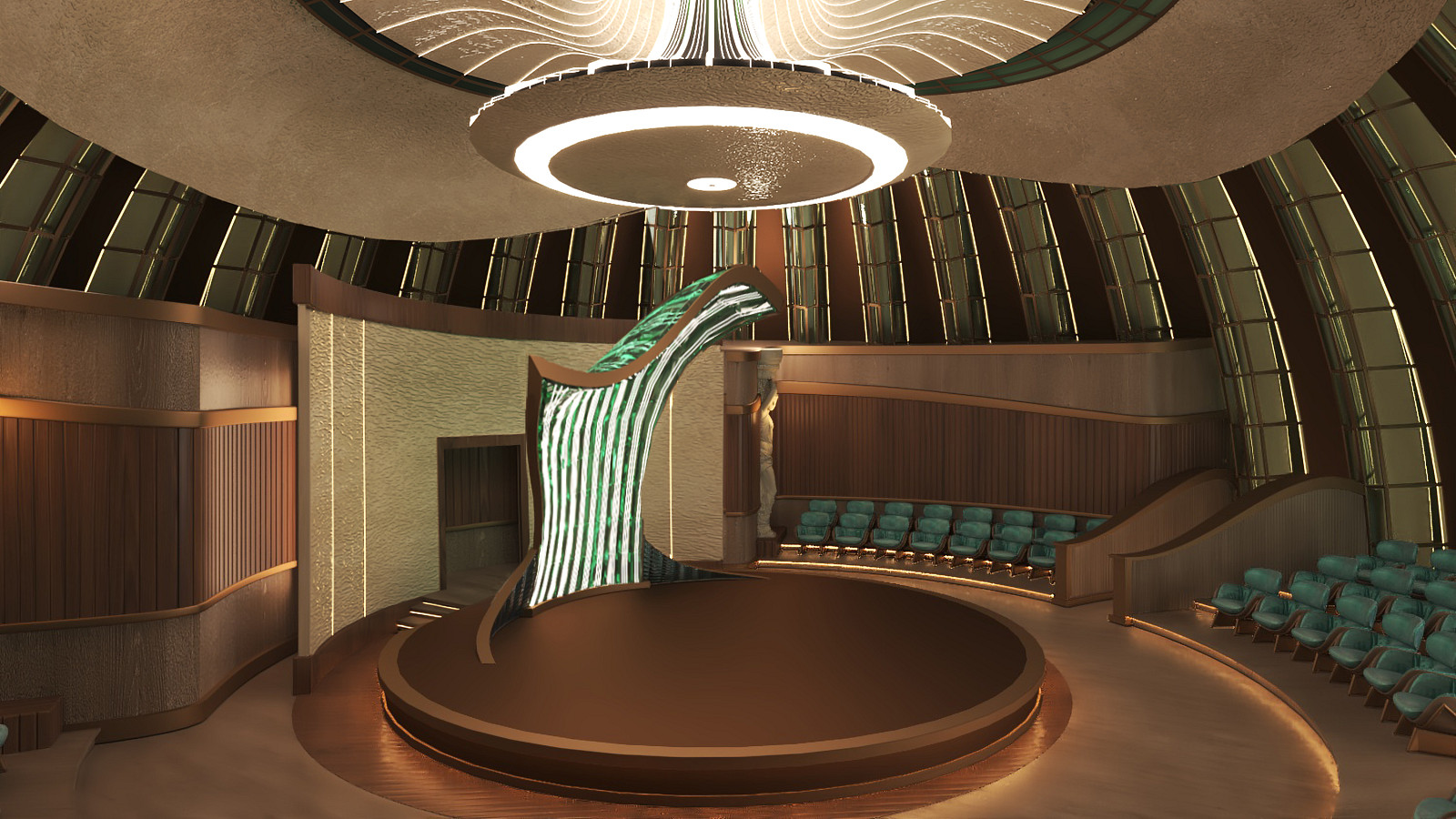
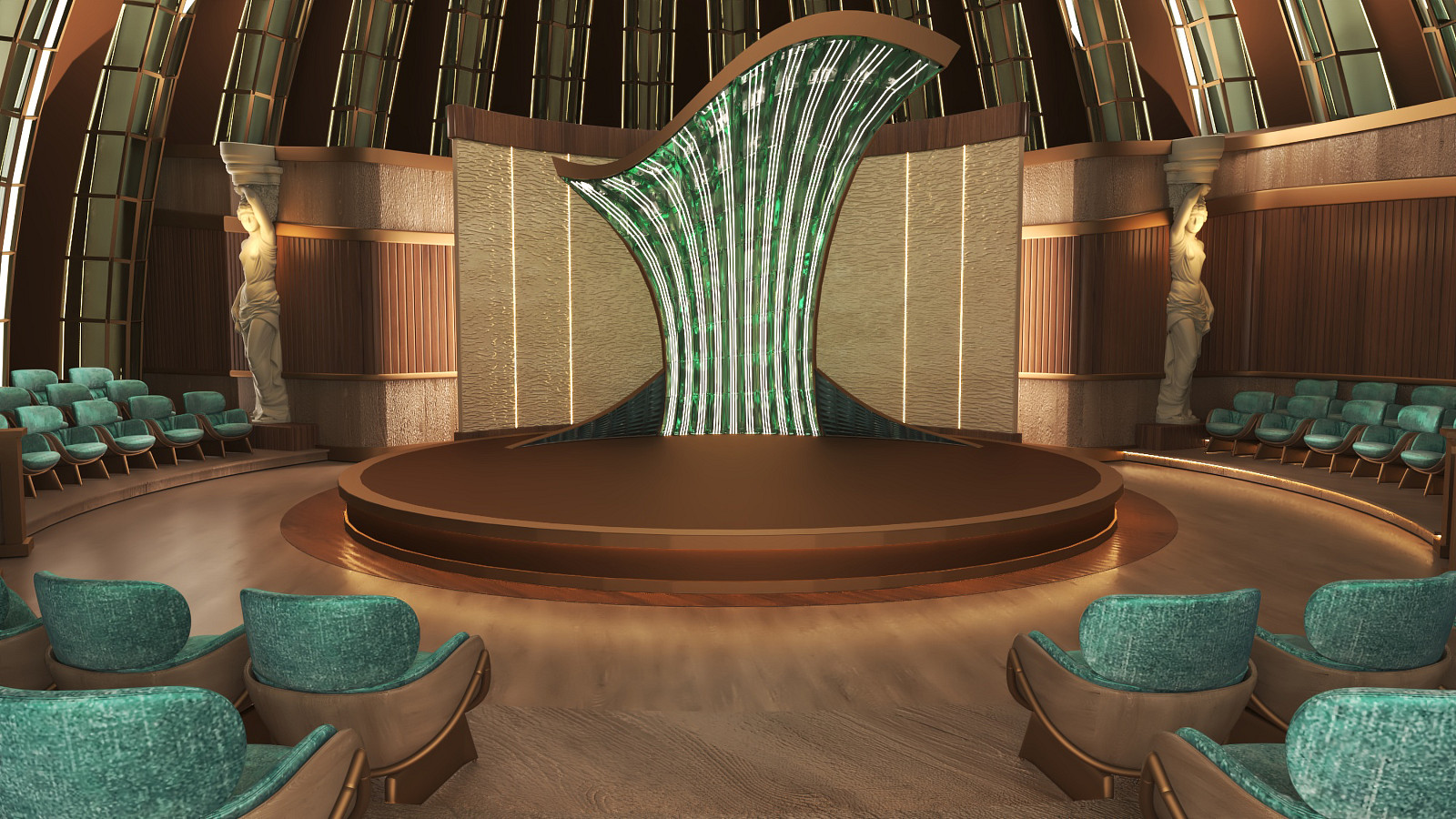
The central gathering space of the project, designed for concerts, theatrical performances, lectures, and cultural events. Inspired by the symbolic role of the Conch Horn, this space becomes the contemporary source that brings people together through art and performance.
7) Workshops & Creative Studios
Flexible learning spaces dedicated to music, visual arts, crafts, and cultural education. These studios encourage creativity, collaboration, and knowledge exchange for visitors of all ages.
8) Temporary Exhibition Gallery
A flexible gallery designed to host rotating exhibitions, seasonal events, and international cultural collaborations, ensuring that the visitor experience remains dynamic and continuously evolving.
9) Library & Cultural Resource Center
A quiet learning environment offering books, digital archives, multimedia resources, and research materials related to music, arts, history, and cultural heritage.
10) Café & Social Hub
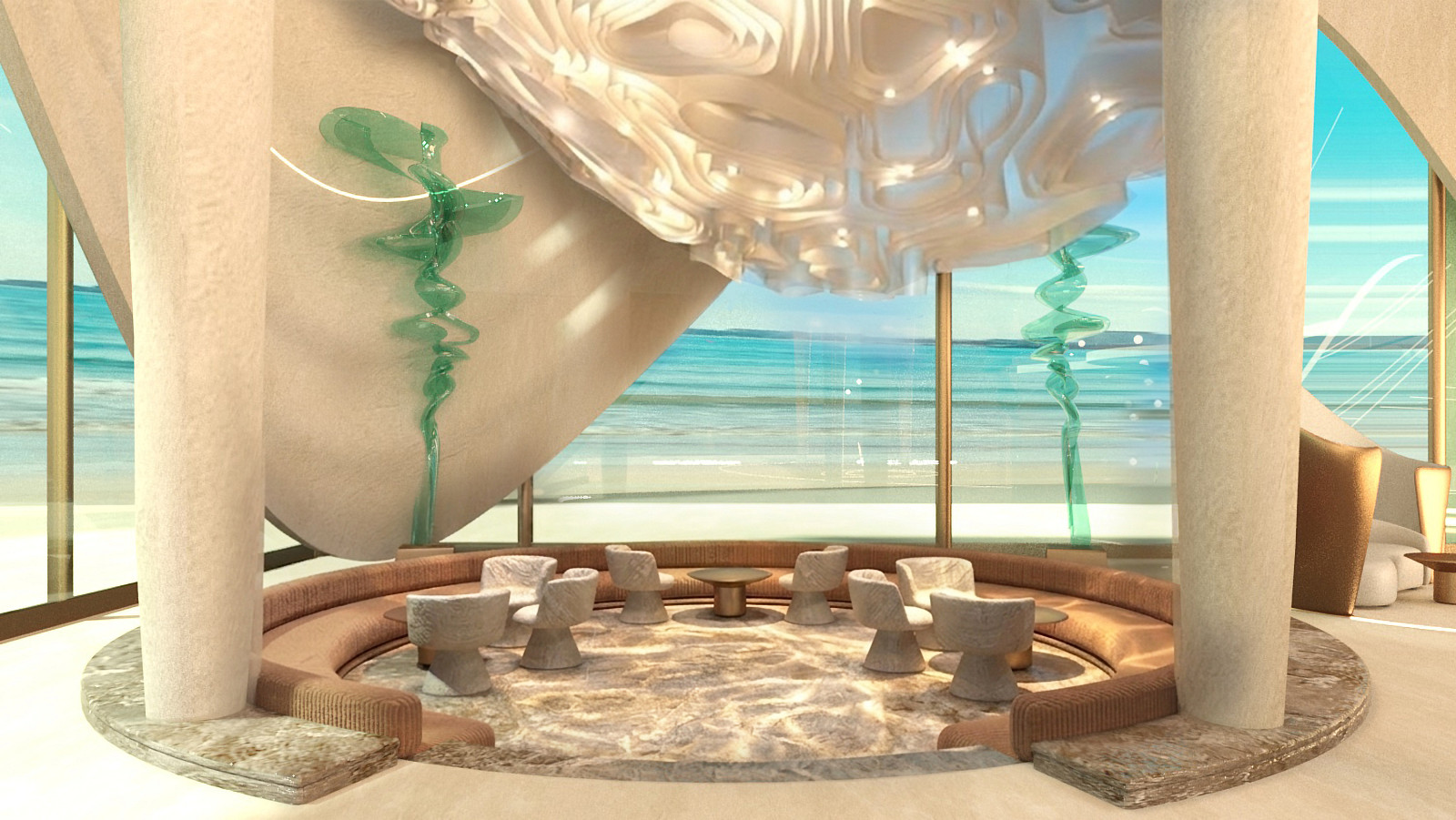
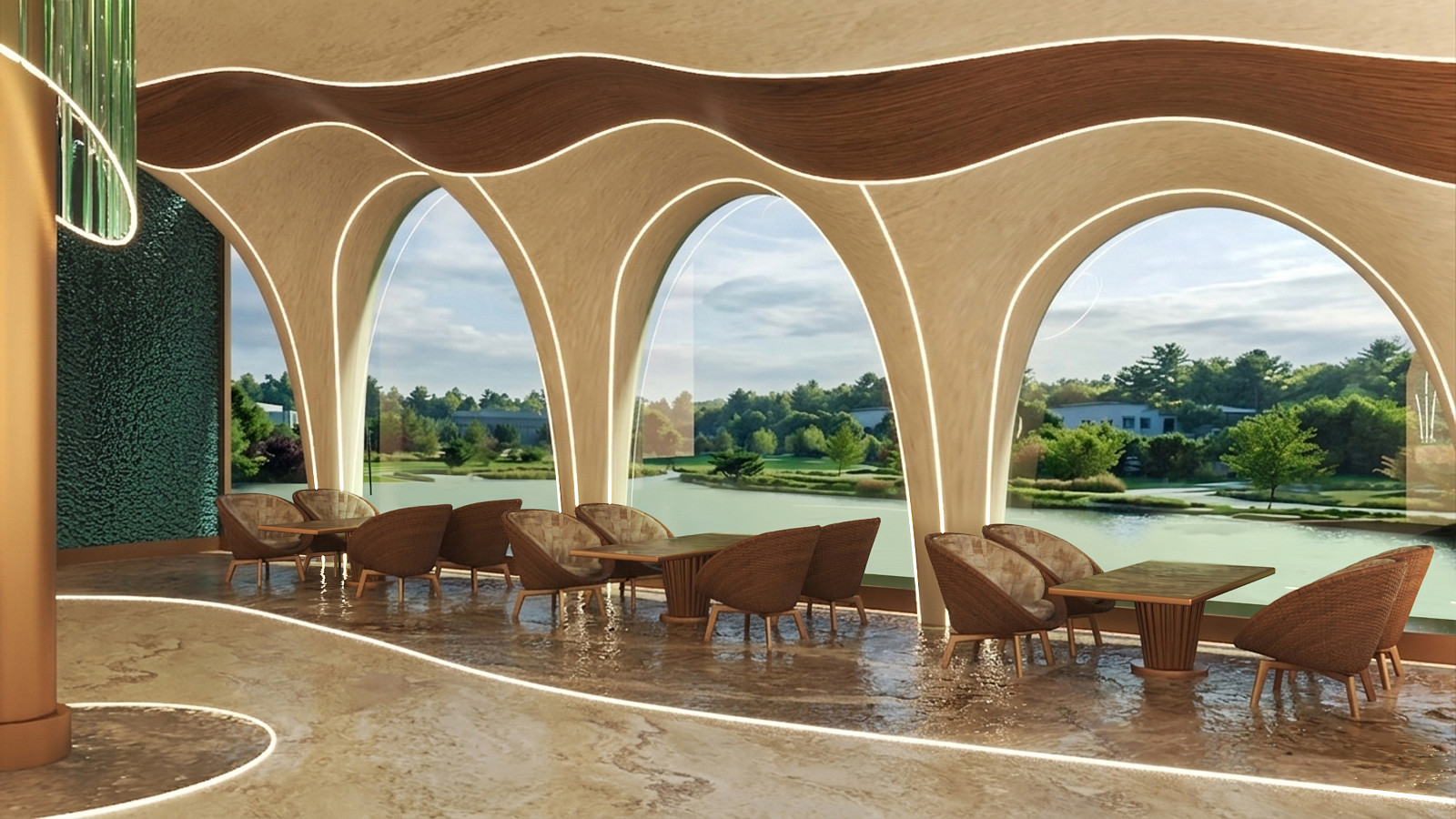
A relaxed gathering space overlooking the project's public areas, encouraging conversation, cultural exchange, and social interaction beyond the exhibition experience.
11) Administration & Support Services
Operational spaces including administration offices, staff facilities, storage, technical rooms, and building services that support the daily functioning of the cultural center.
Technical information
STEEL STRUCTURE BUILDING


Copyright © 2026 INSPIRELI | All rights reserved. Use of this website signifies your agreement to the Terms of Use, Privacy Policy, and use of cookies.