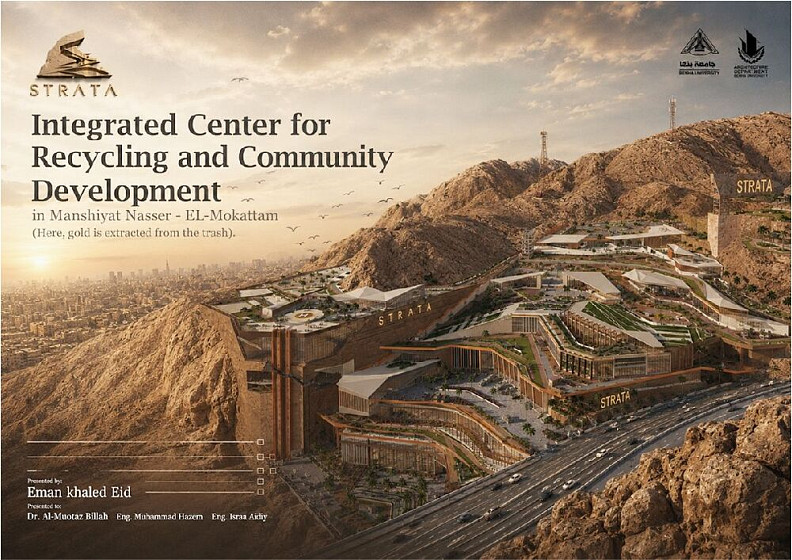
Integrated Center for Recycling and Community Development (In Manshiet Nasser , El- Mokattam, Egypt)


Project idea
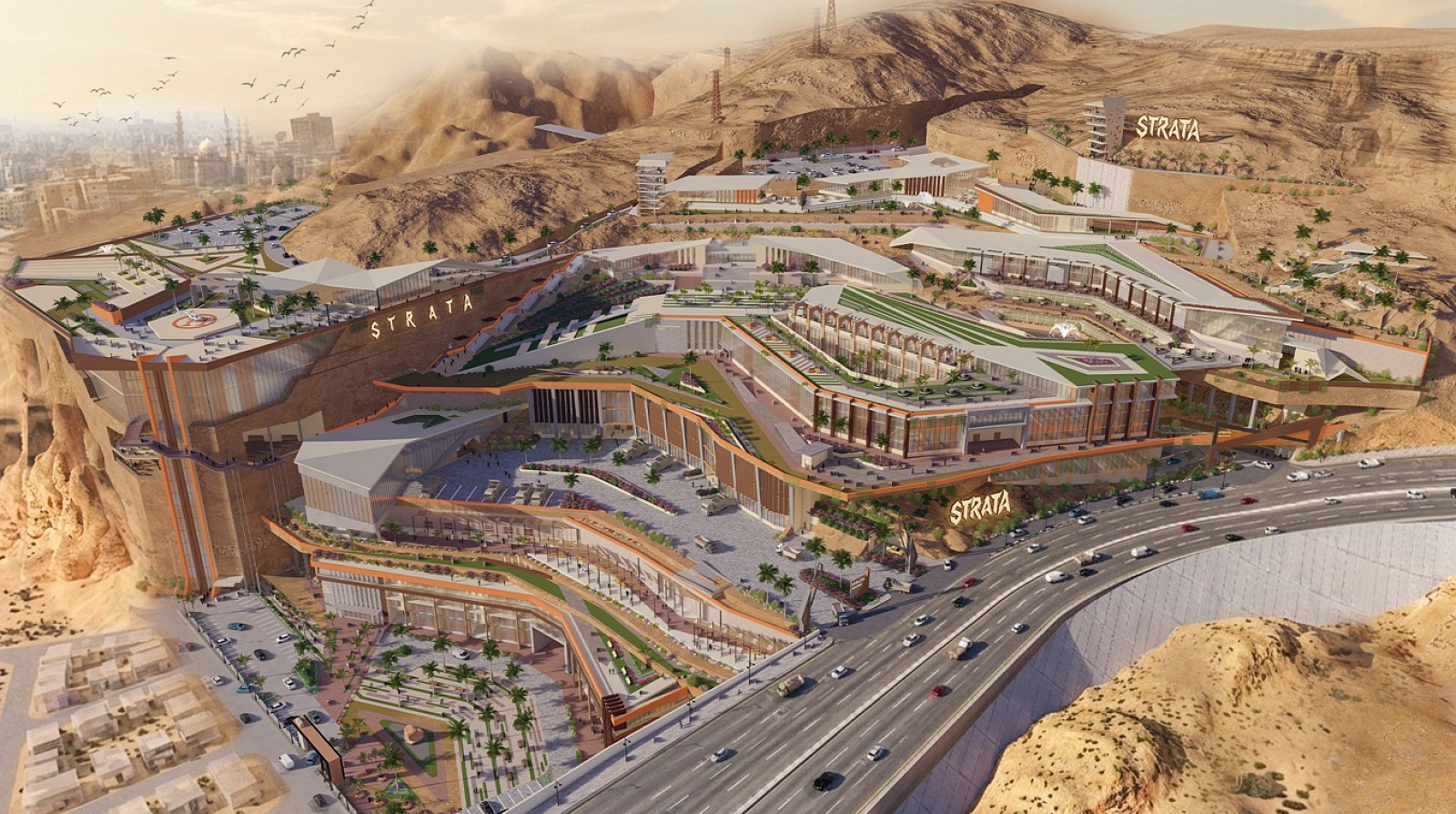
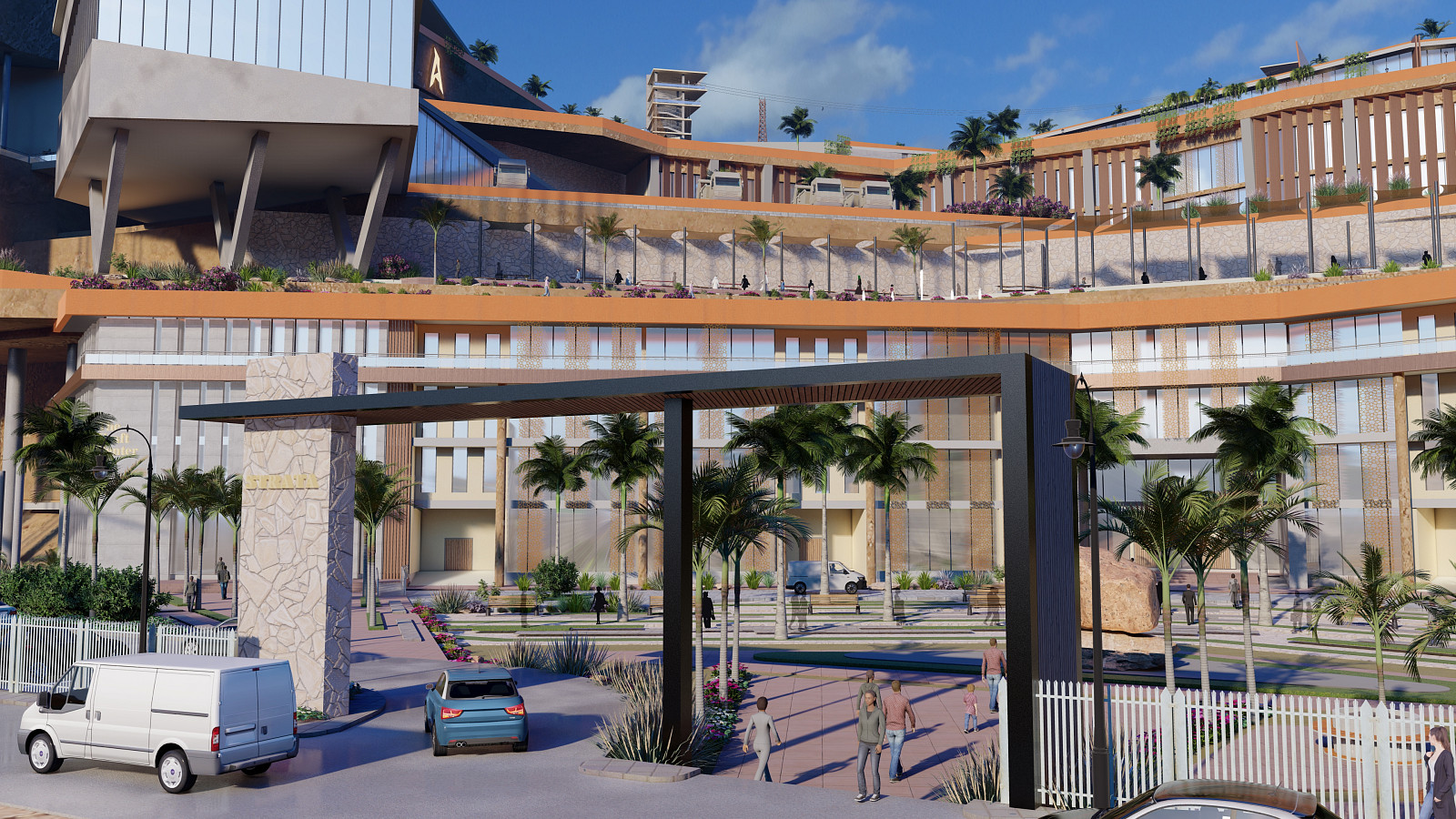
The Integrated Center for Recycling and Community Development in Manshiet Nasser aims to transform waste into environmental, social, and economic value through a sustainable recycling system. The project combines recycling facilities, training spaces, and community services to support local recyclers and raise environmental awareness.
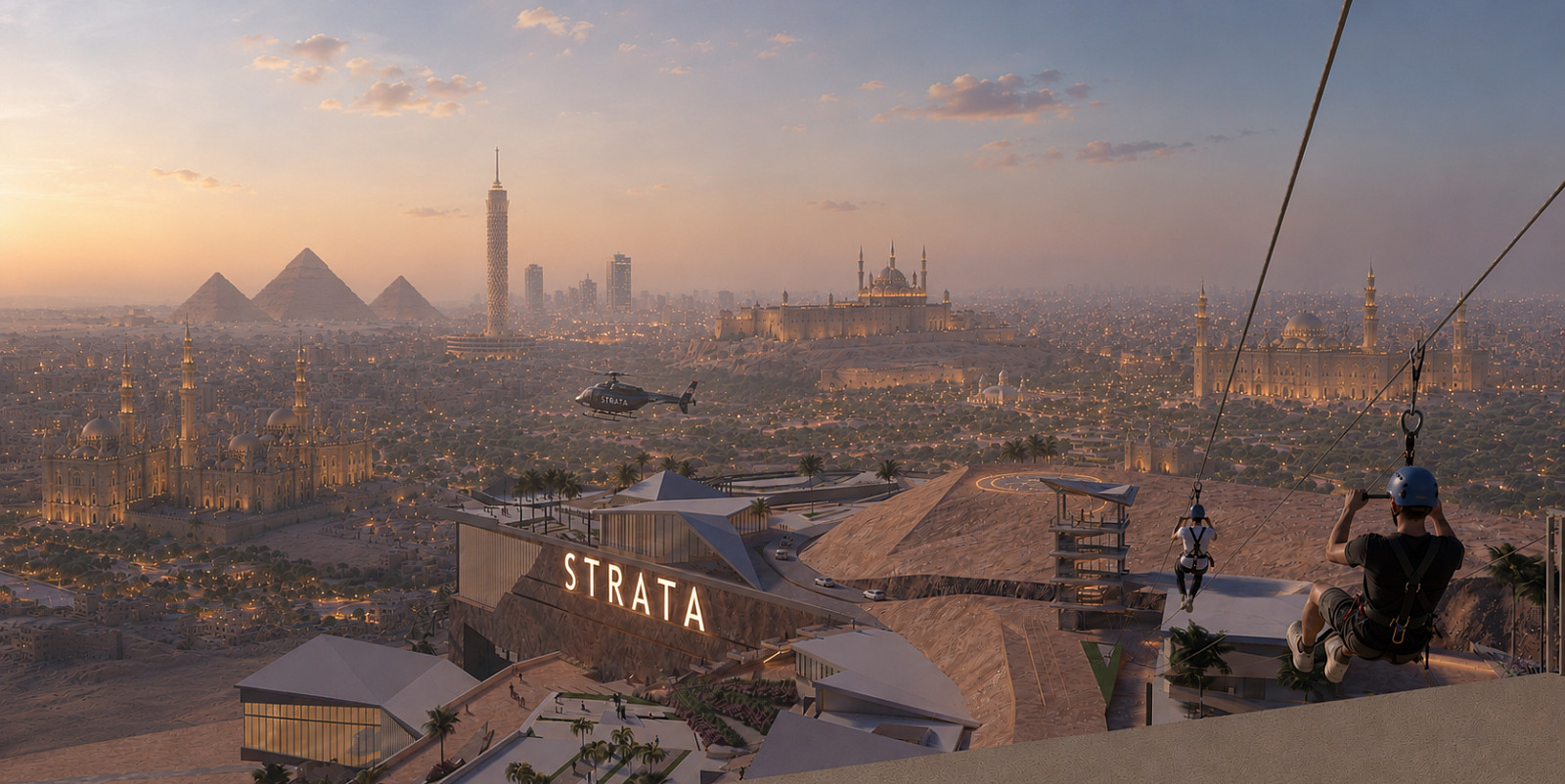
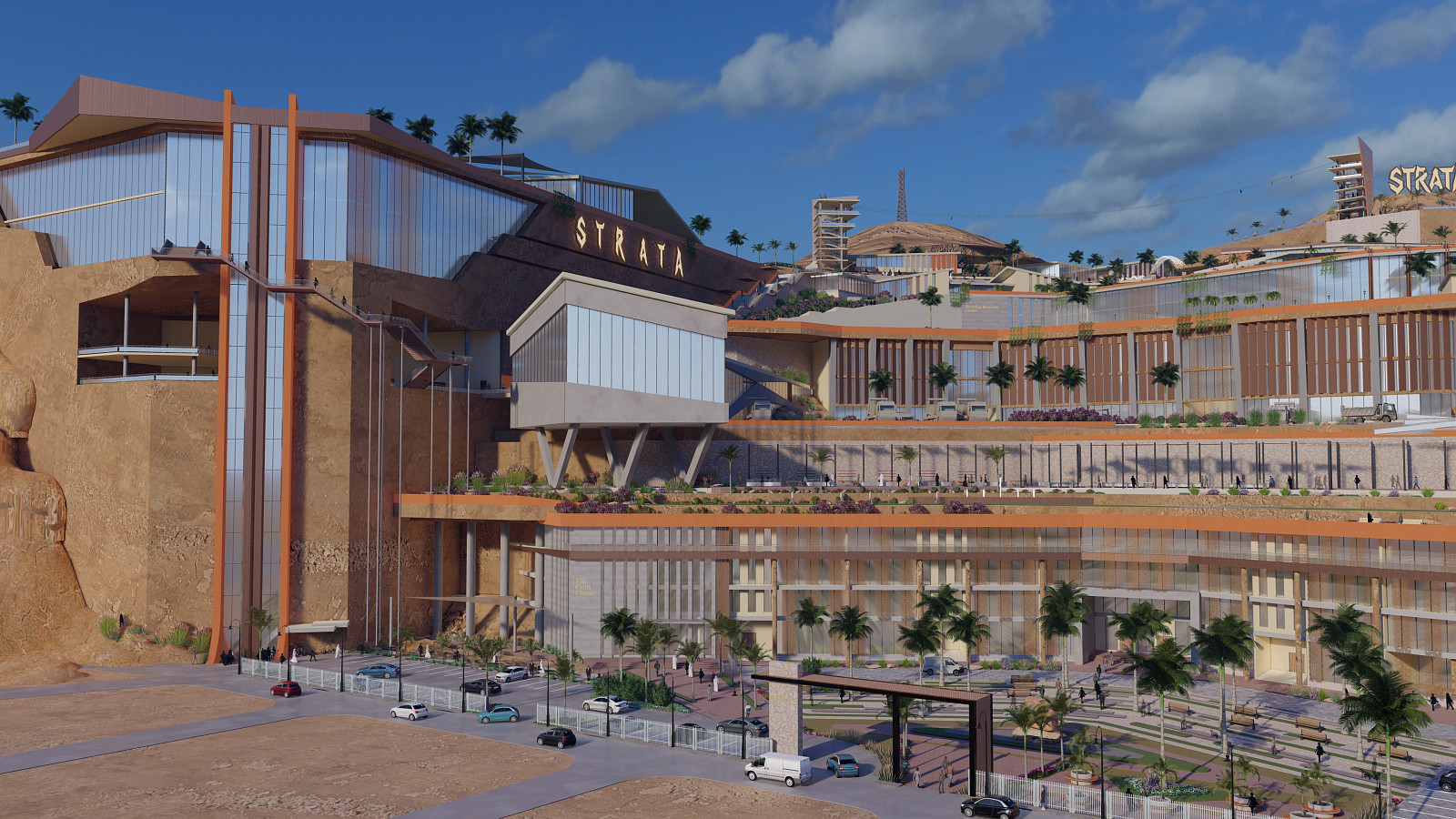
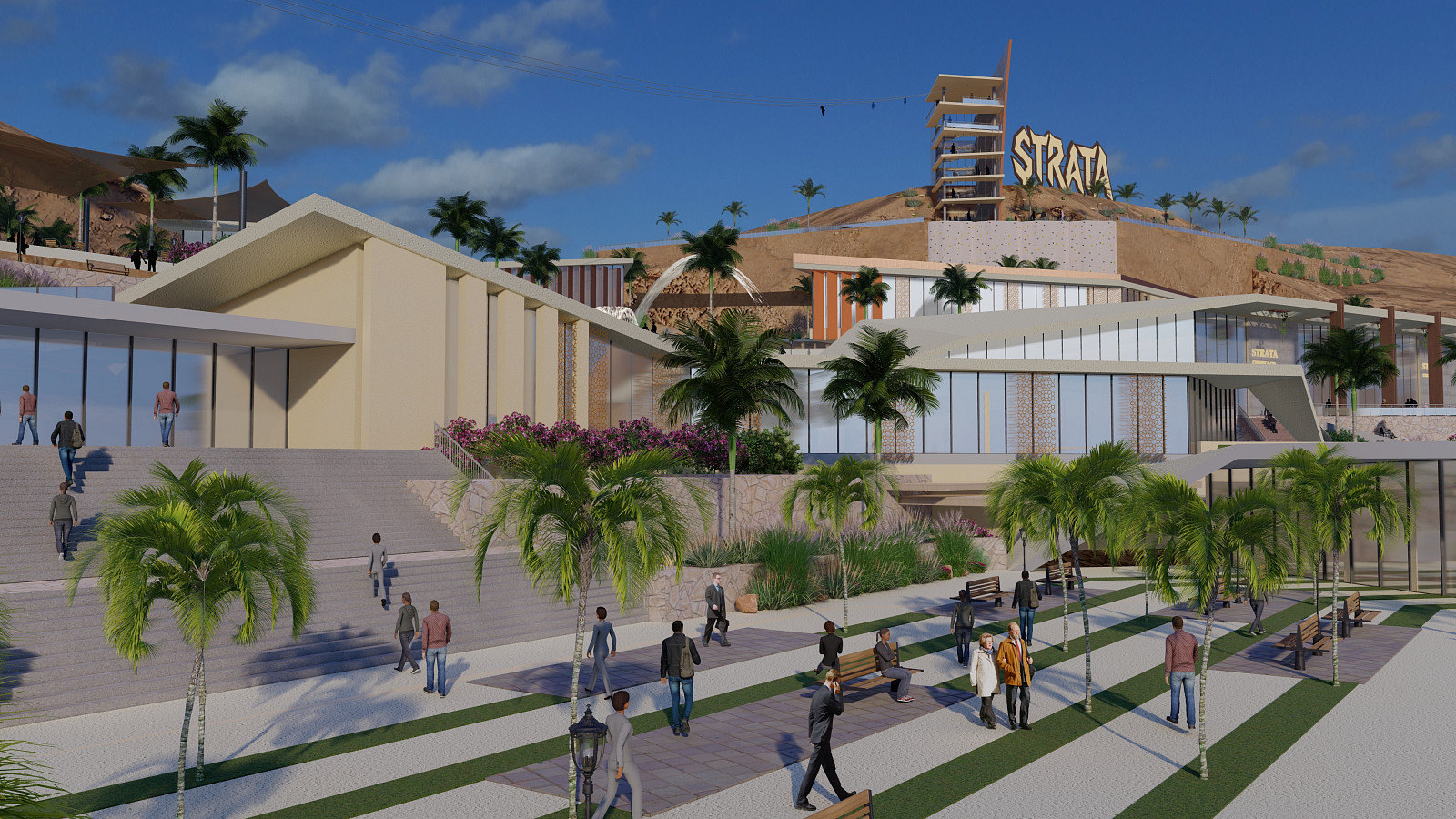
The site was selected for its strong connection to the recycling community and its unique location on El-Mokattam Hills, offering panoramic views of Cairo. Inspired by the surrounding landscape, the project creates a strong link between the community, the city, and sustainable development.
Project description
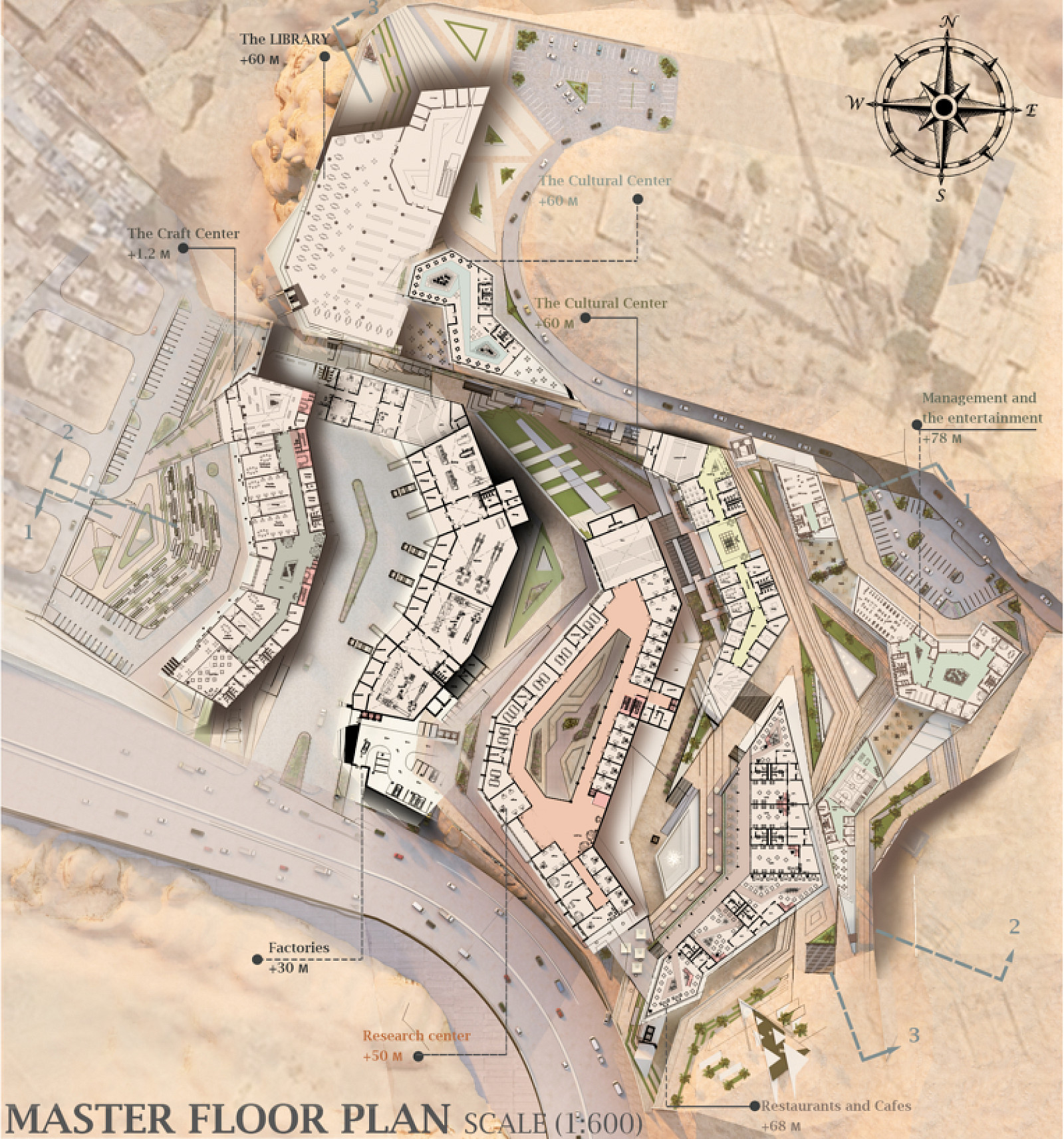
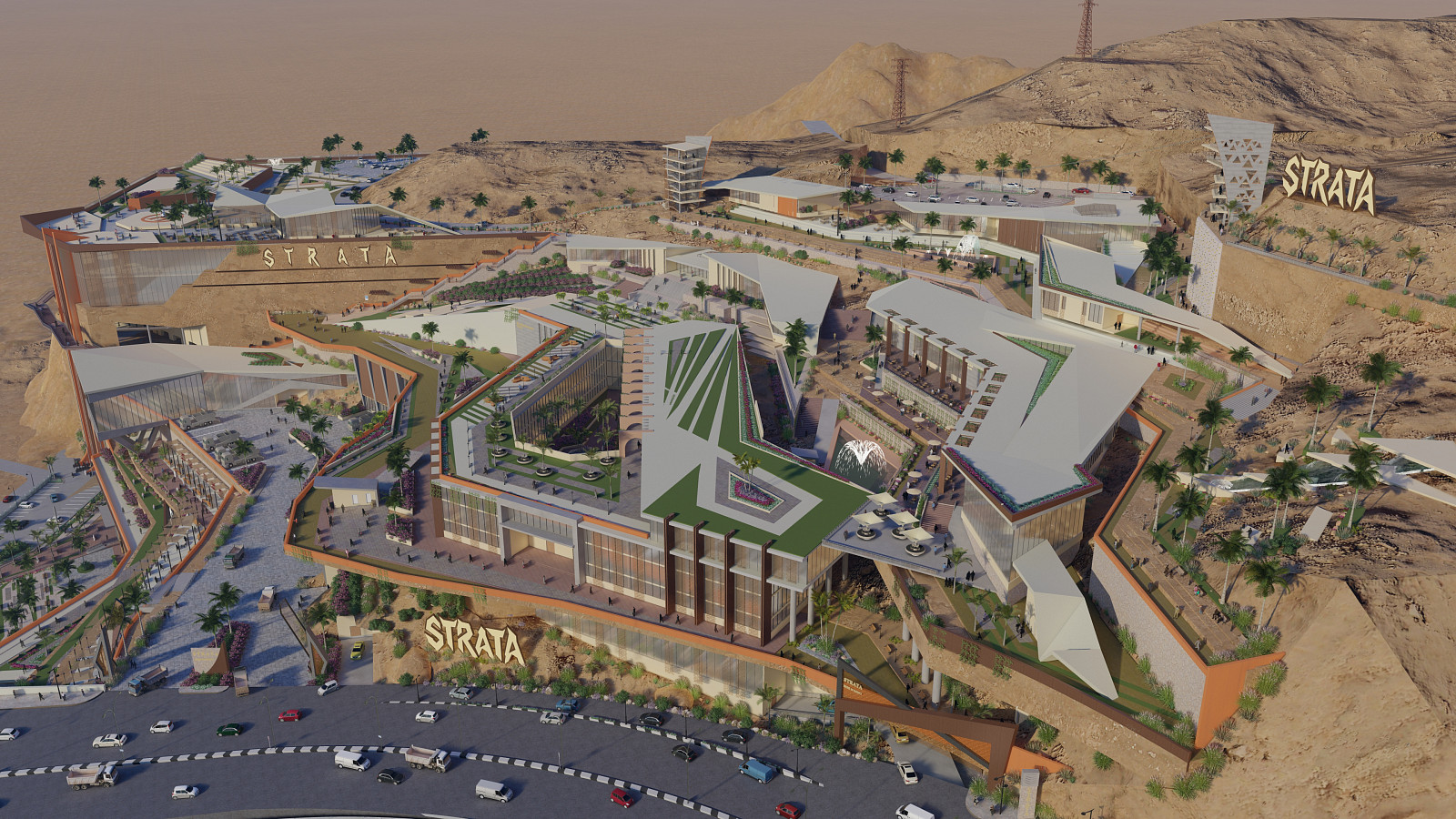
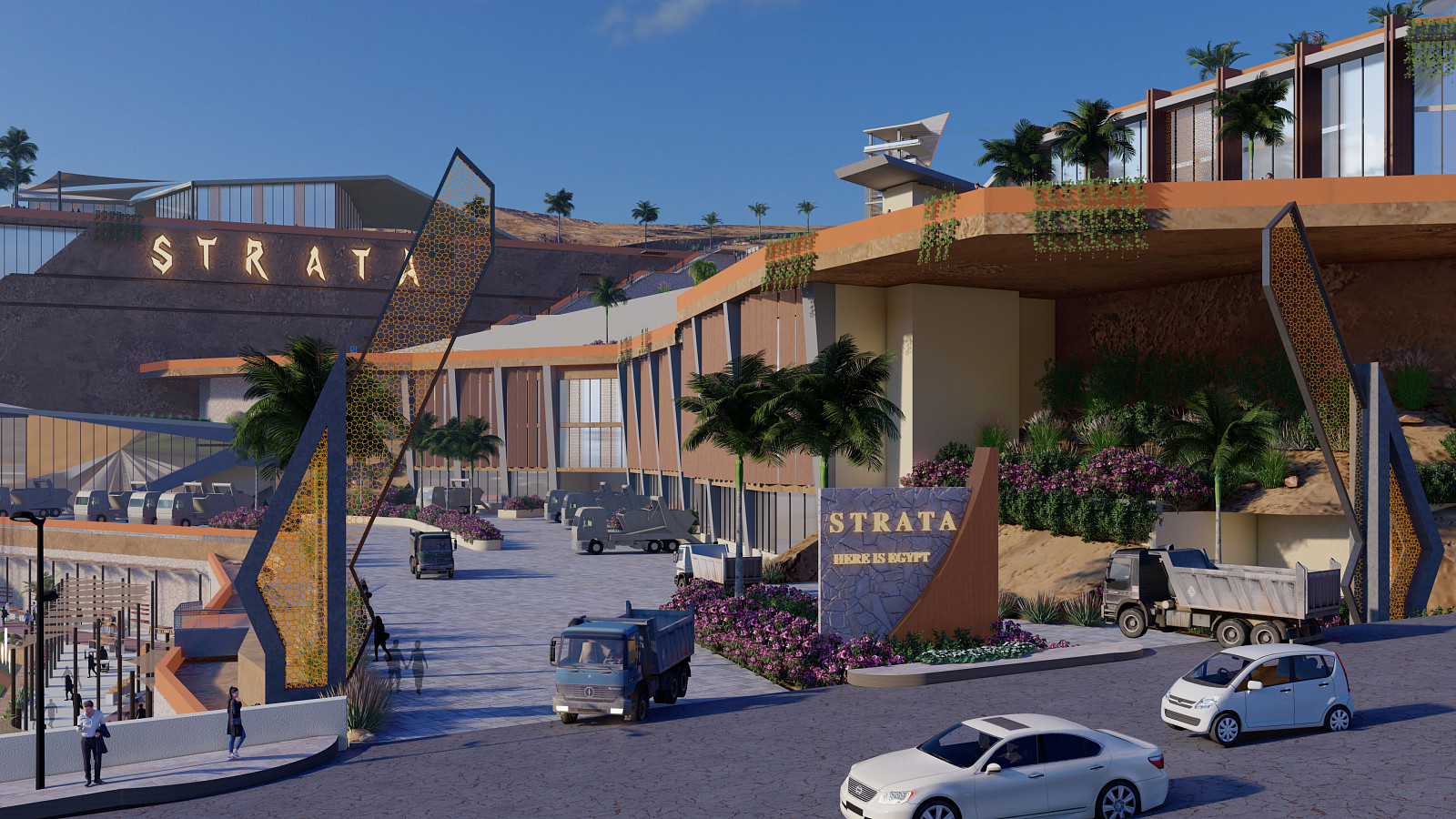
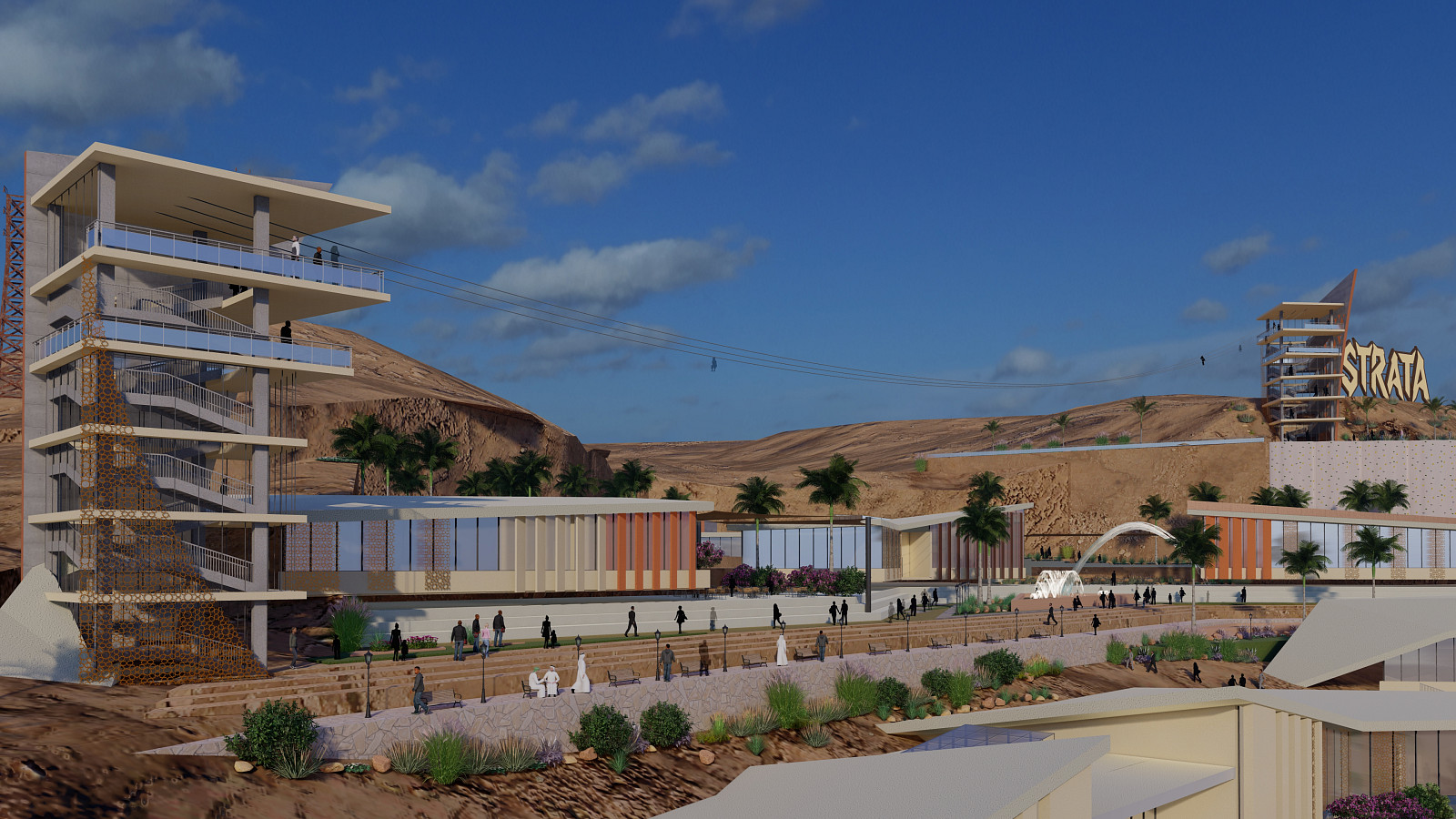
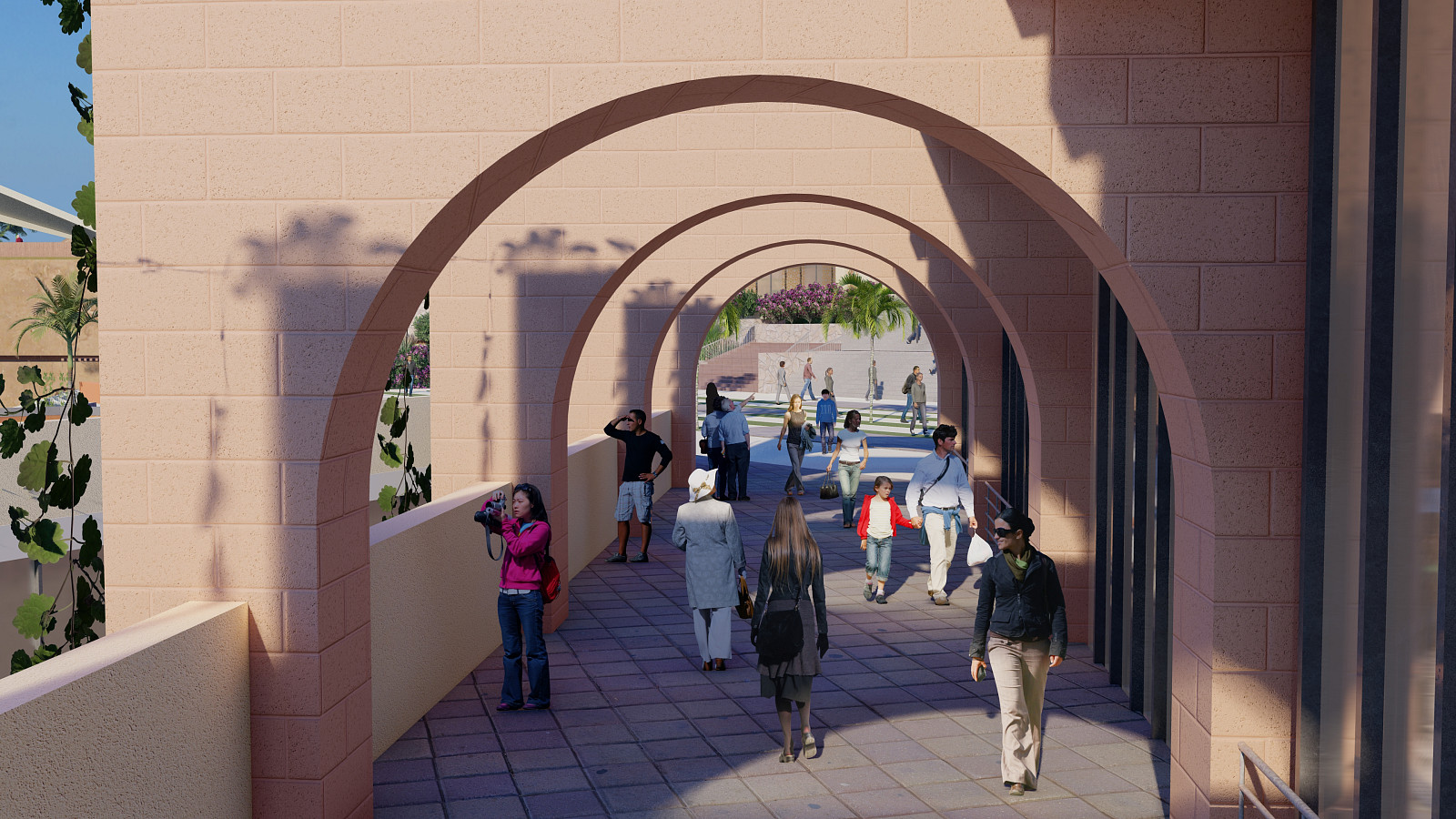
The project provides an integrated solution for waste management and community development in Manshiet Nasser. It includes recycling and waste-processing facilities, educational and training spaces, community services, public areas, and exhibition spaces that promote environmental awareness.
The project aims to improve recycling efficiency, support local workers, create economic opportunities, and strengthen the connection between the community and the city through sustainable architectural and environmental strategies.
Technical information
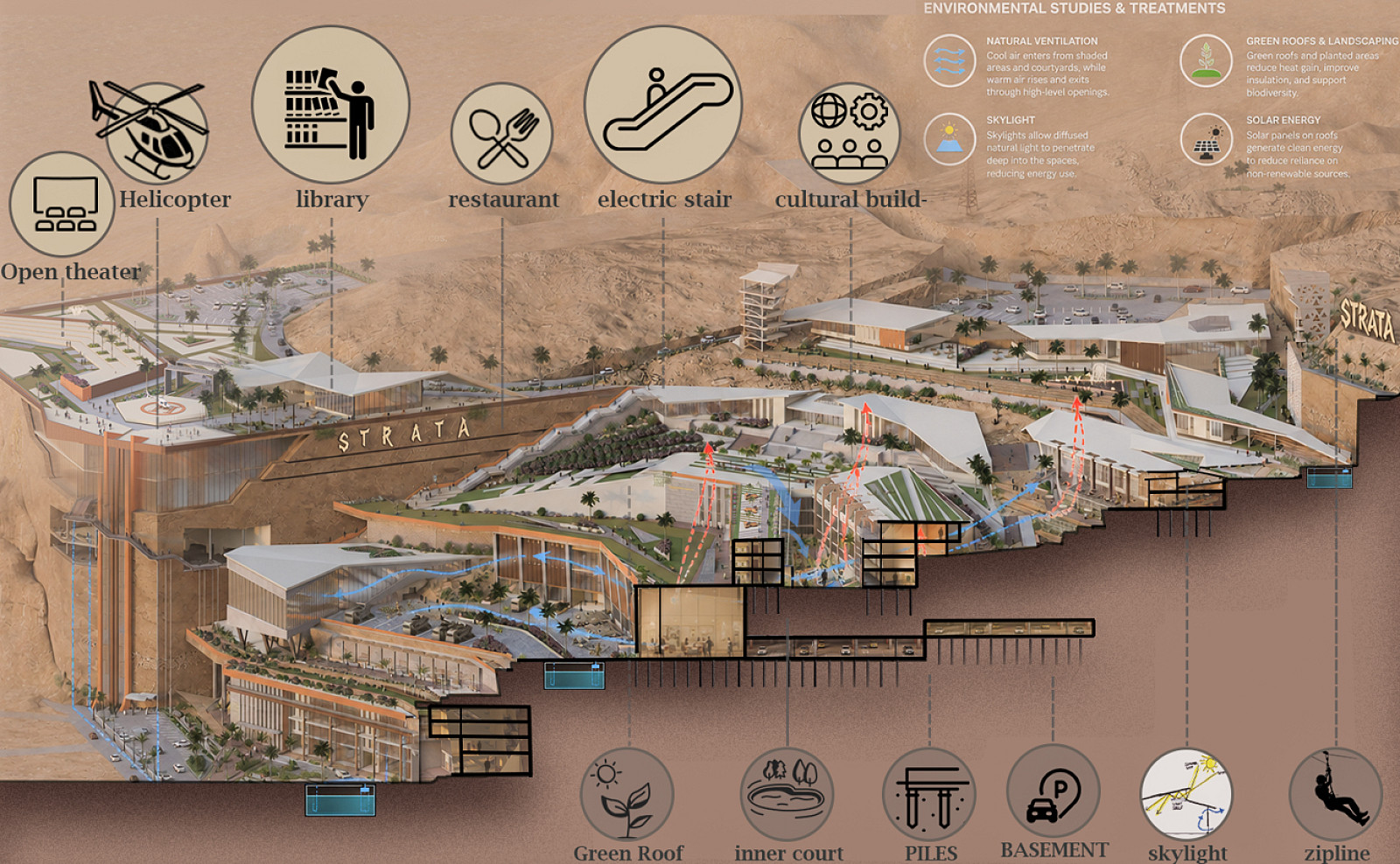
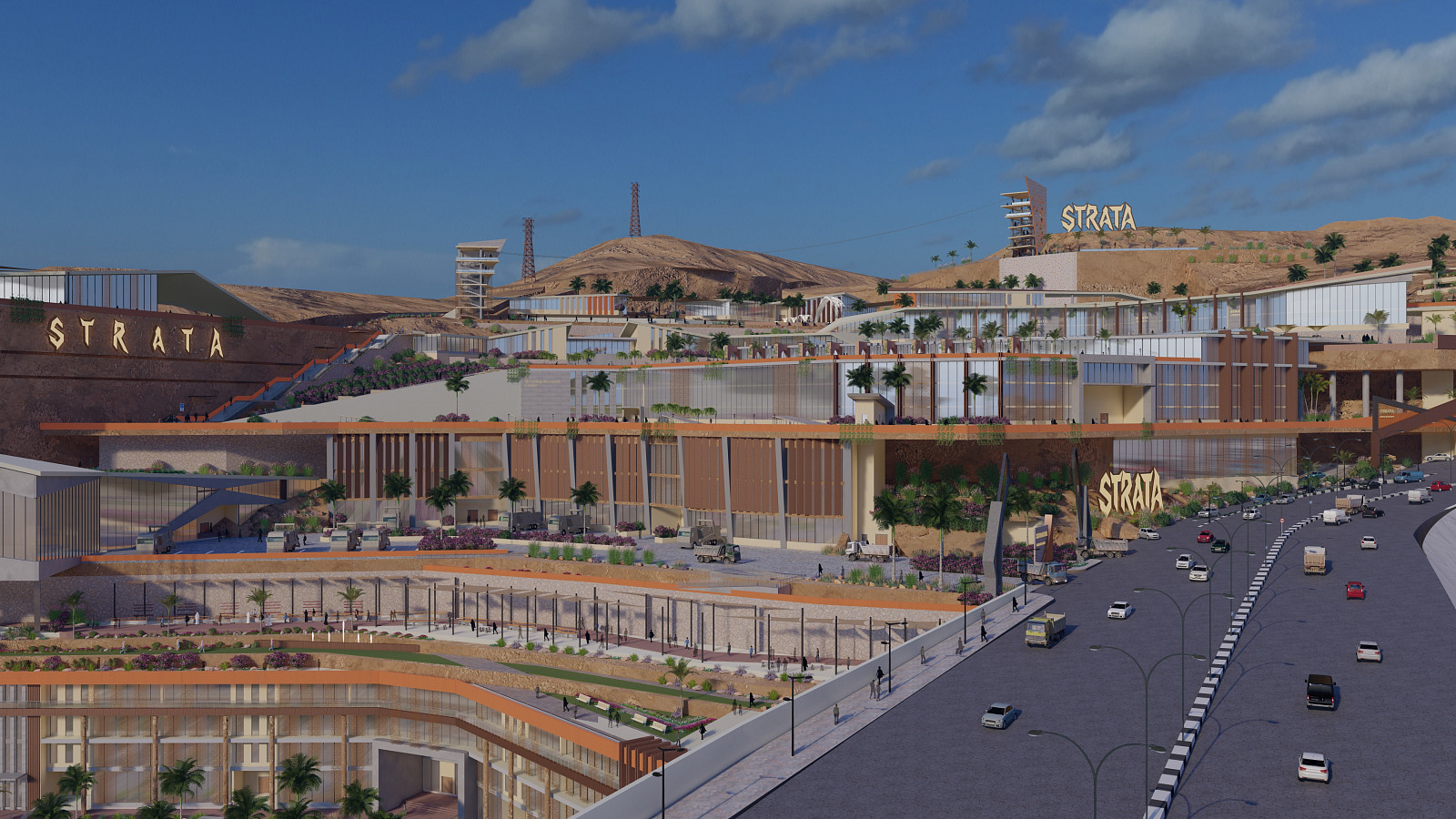
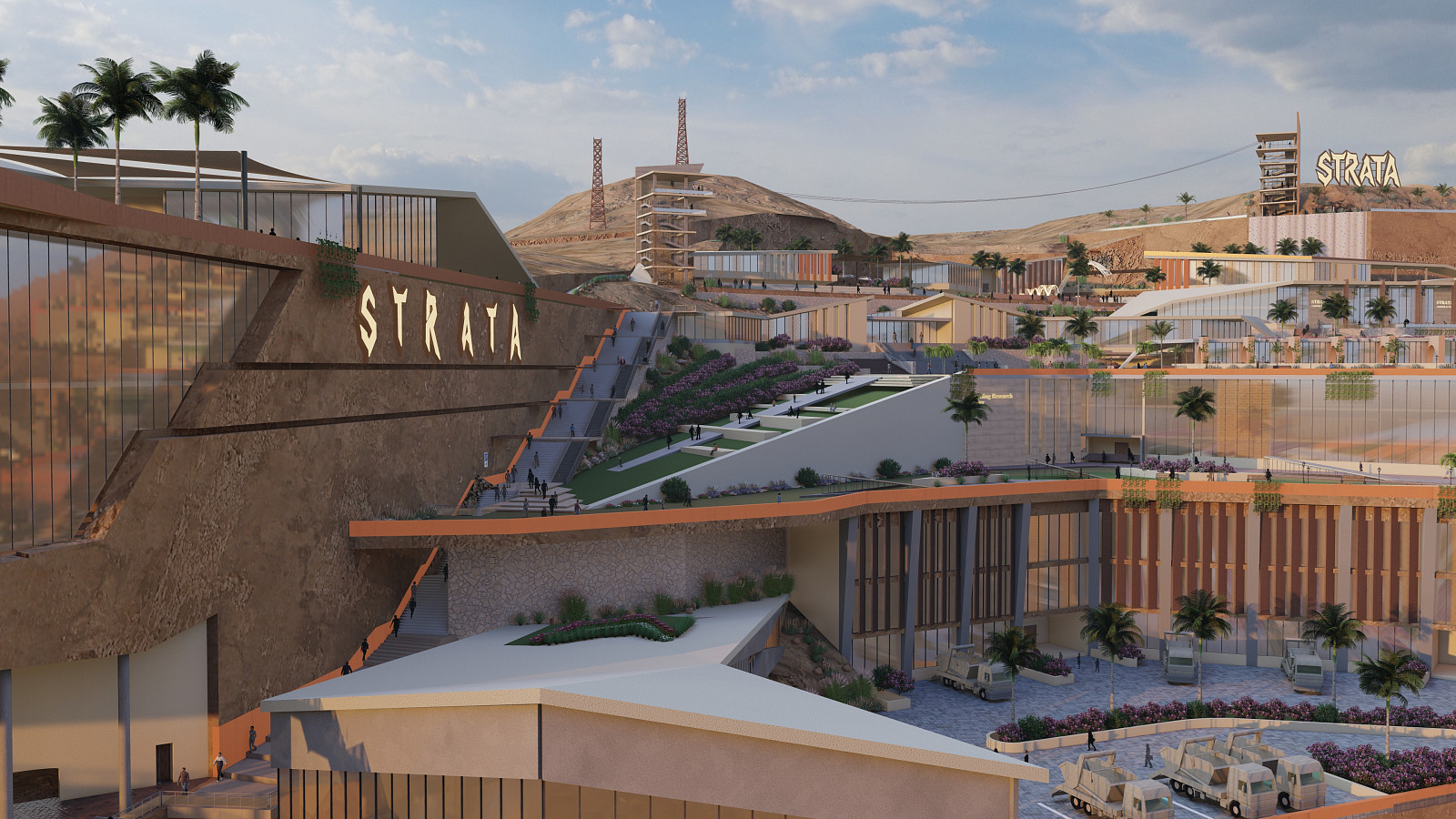
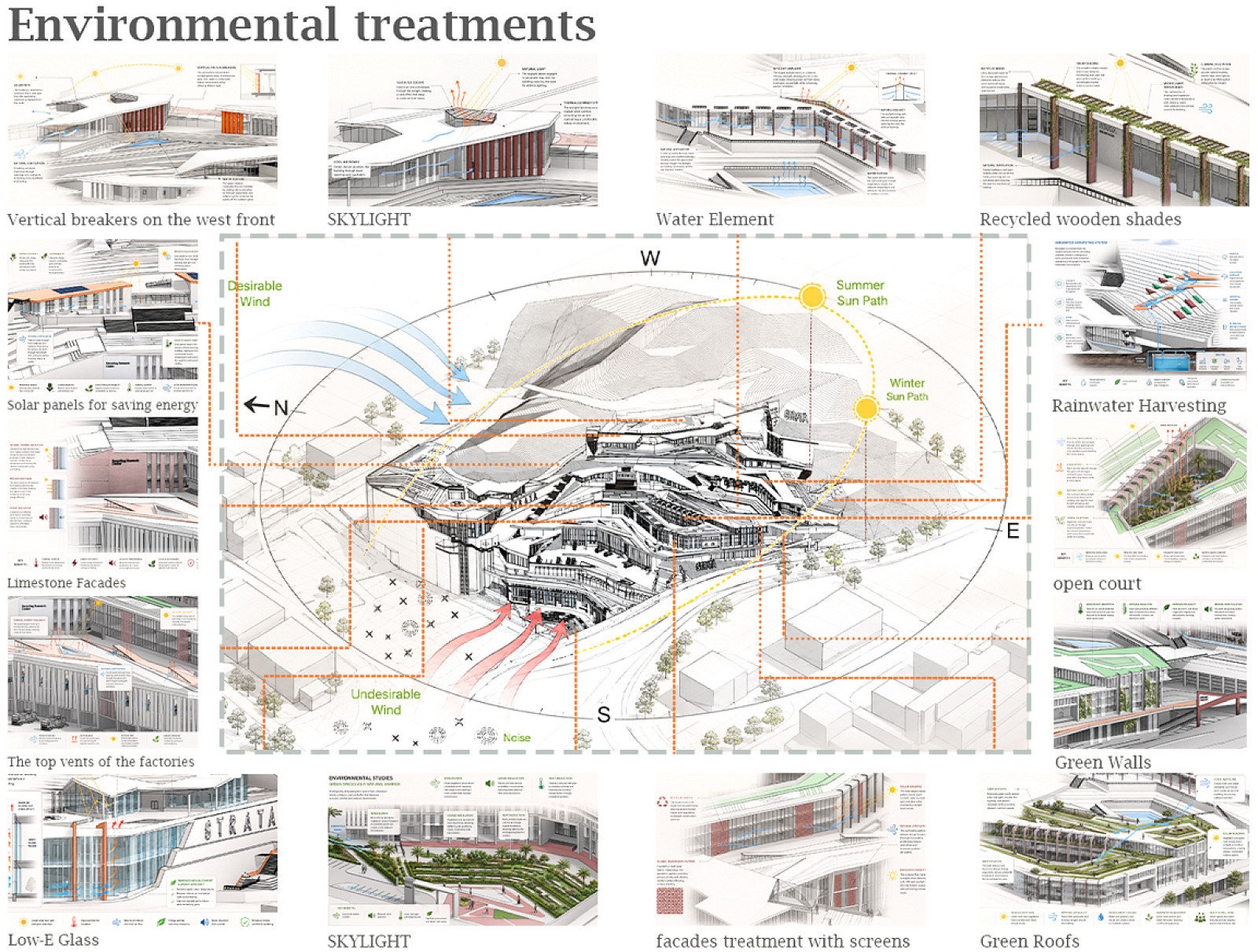
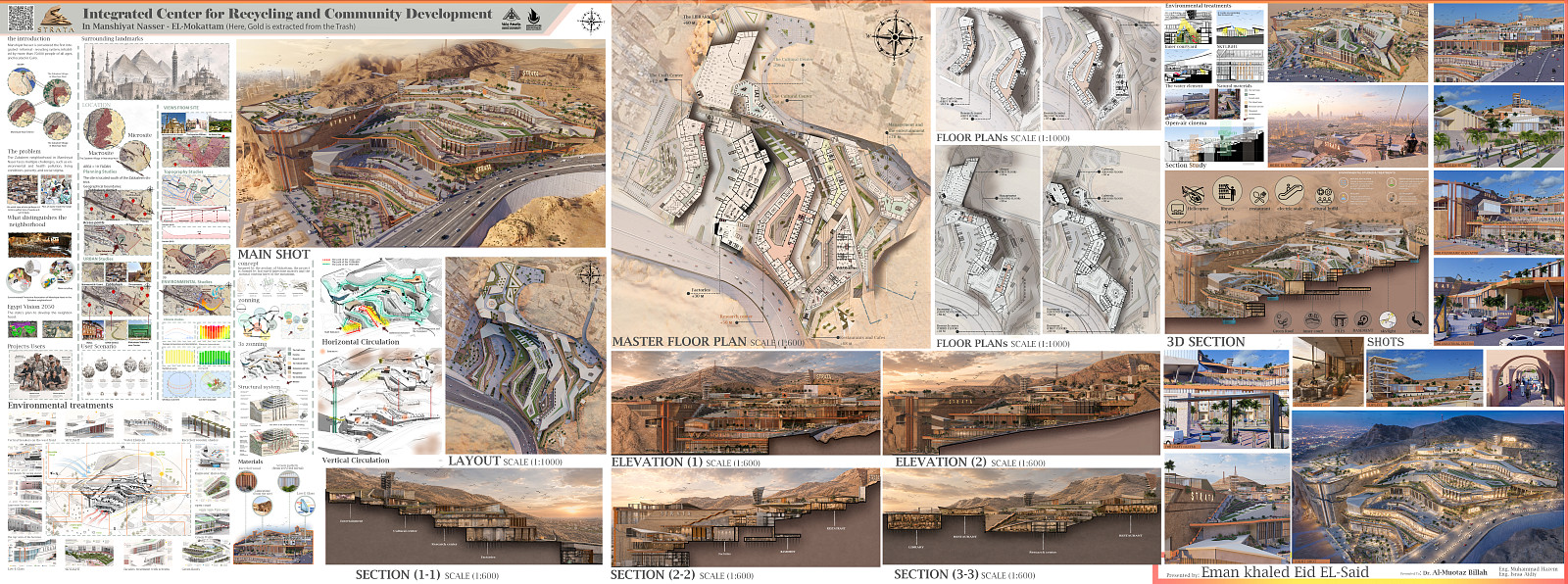
The project includes Environmental treatments include courtyard designs, water elements, and climate-responsive strategies. The structural system addresses the challenging hillside terrain. Materials selection considers local context and sustainability. The design incorporates horizontal and vertical circulation systems to navigate the multi-level terraced structure.
The project is designed as an integrated recycling and community development center that responds to the topography of El-Mokattam Hills. The building incorporates sustainable design strategies including natural ventilation, daylight optimization, rainwater harvesting, green landscaping, and energy-efficient systems.
The structural system is adapted to the rocky terrain and slope conditions of the site, ensuring stability and safety. Recycled and locally sourced materials are utilized where possible to reduce environmental impact. The project also integrates waste collection, sorting, processing, educational, and community facilities within a unified architectural framework
Documentation

Copyright © 2026 INSPIRELI | All rights reserved. Use of this website signifies your agreement to the Terms of Use, Privacy Policy, and use of cookies.
