Kinetic Hydrologies | The Miasmatic Network


Project idea
THE MIASMATIC NETWORK
London is approaching a critical environmental threshold. In the foreseeable future, the city faces a paradoxical climate crisis. While rising flood levels threaten to disrupt the existing urban fabric, predicted water shortages loom as an imminent threat to daily life. A future where citizens can rely on readily available clean drinking water is no longer a guaranteed promise. To mitigate these extreme fluctuations and safeguard the city, the built environment must radically adapt. The escalating water stress demands action, making it clear that a completely new approach to urban infrastructure had to be explored.
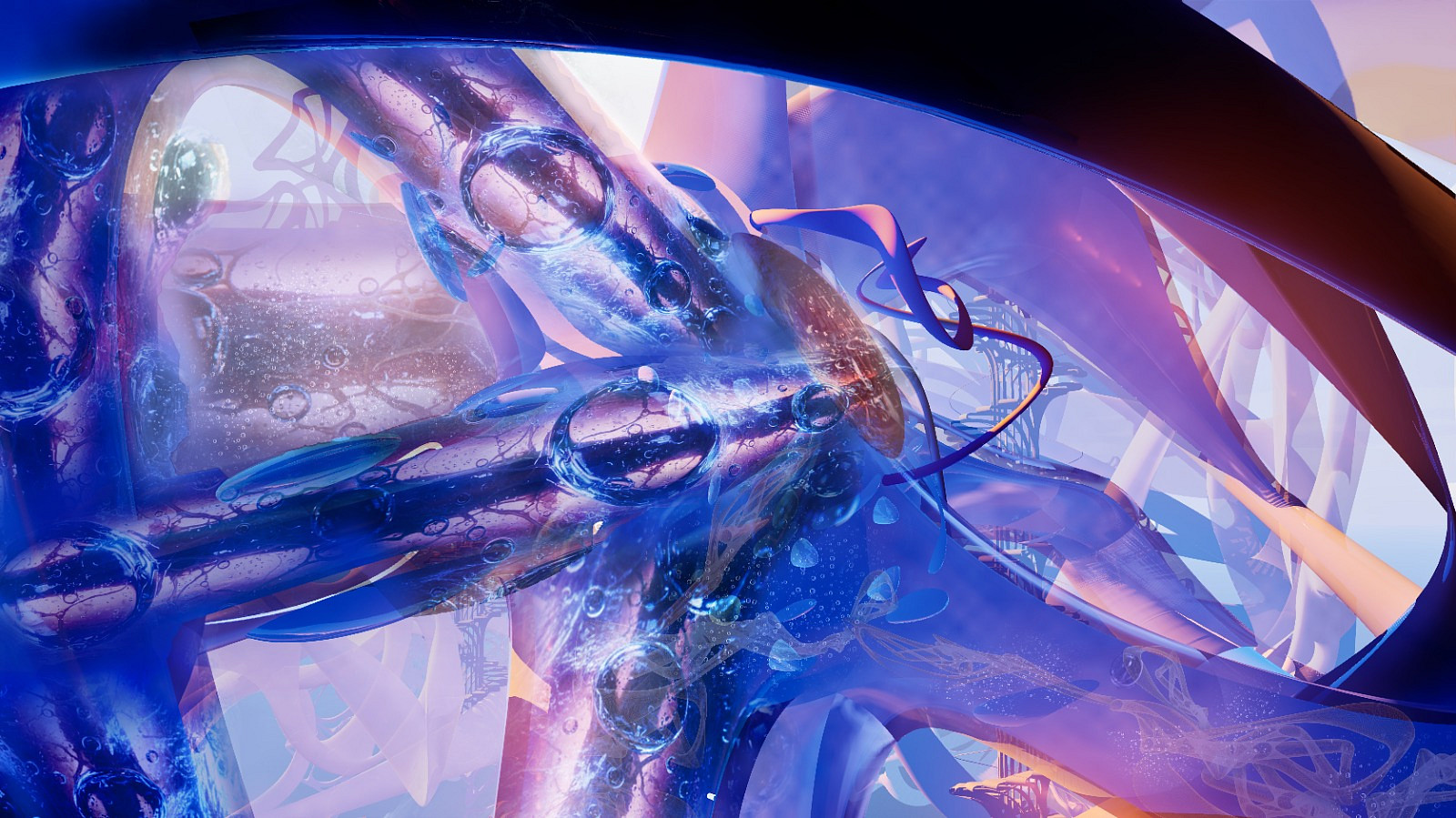
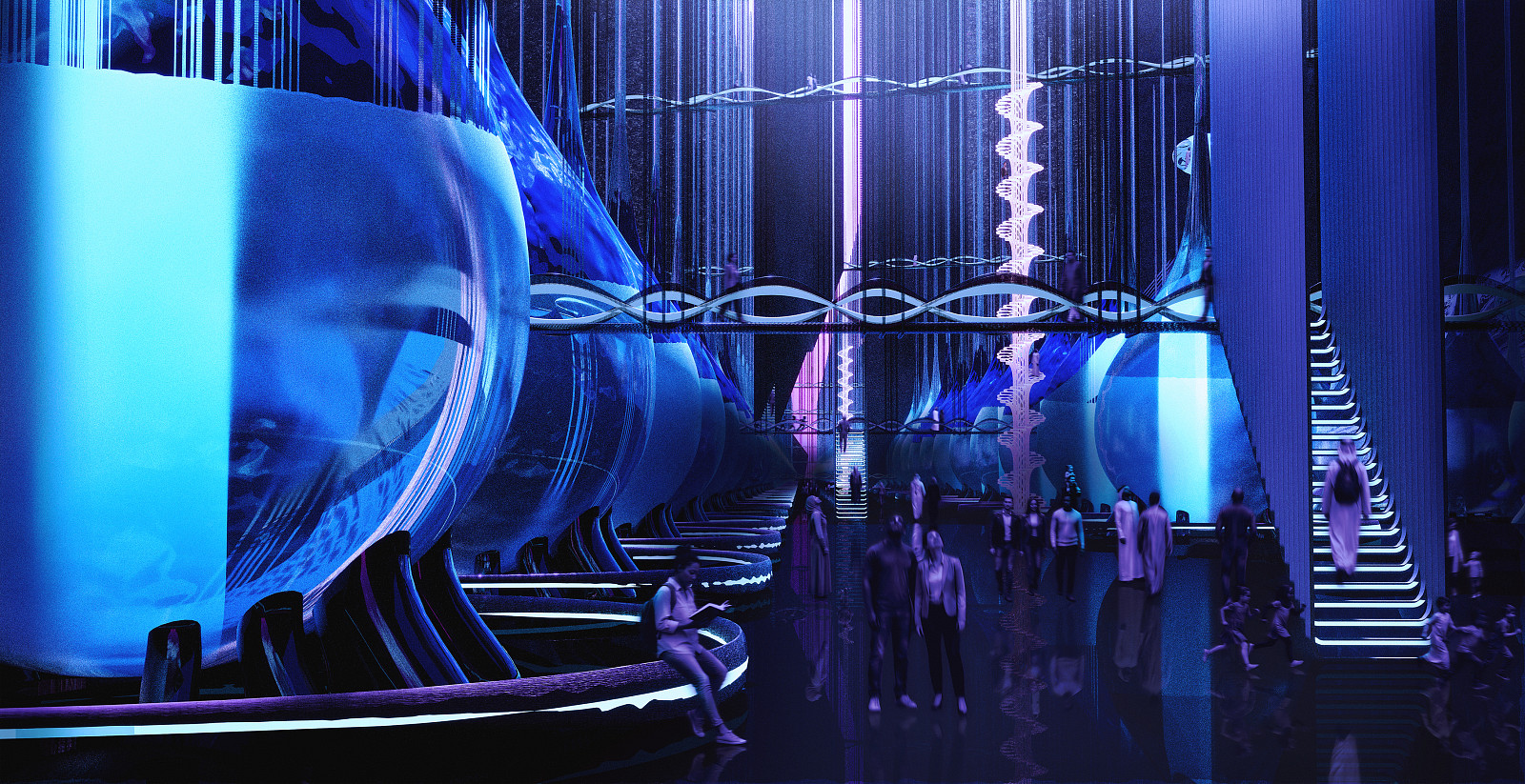
The Miasmatic Network emerges as a direct response to this crisis. The proposal utilises newly innovated materiality and advanced technology to operate as a living environmental machine. Rather than relying on depleted ground sources, the architecture actively harvests invisible water vapour directly from the atmosphere. This collected moisture is systematically filtered, securely stored within submerged volumes beneath the river, and continuously distributed to the public realm above. It creates a self sustaining system of water production tailored for an uncertain future.
However, the intervention extends beyond atmospheric collection. As the structural network interfaces with the tidal currents, it actively works to depollute the River Thames itself. By simultaneously sourcing clean water from the sky and healing the river below, the project creates a vital source of replenishment for Londoners. Ultimately, it brings about a new horizon for urban infrastructure, ensuring a cleaner river, a resilient city, and a secure water supply for the citizens of tomorrow.
Project description
The Miasmatic Network proposes a multi-layered infrastructural intervention positioned above, along, and within the River Thames. Conceived as a vertical environmental system, the project operates through three interdependent zones, each contributing to a wider atmospheric, hydrological, and civic network.
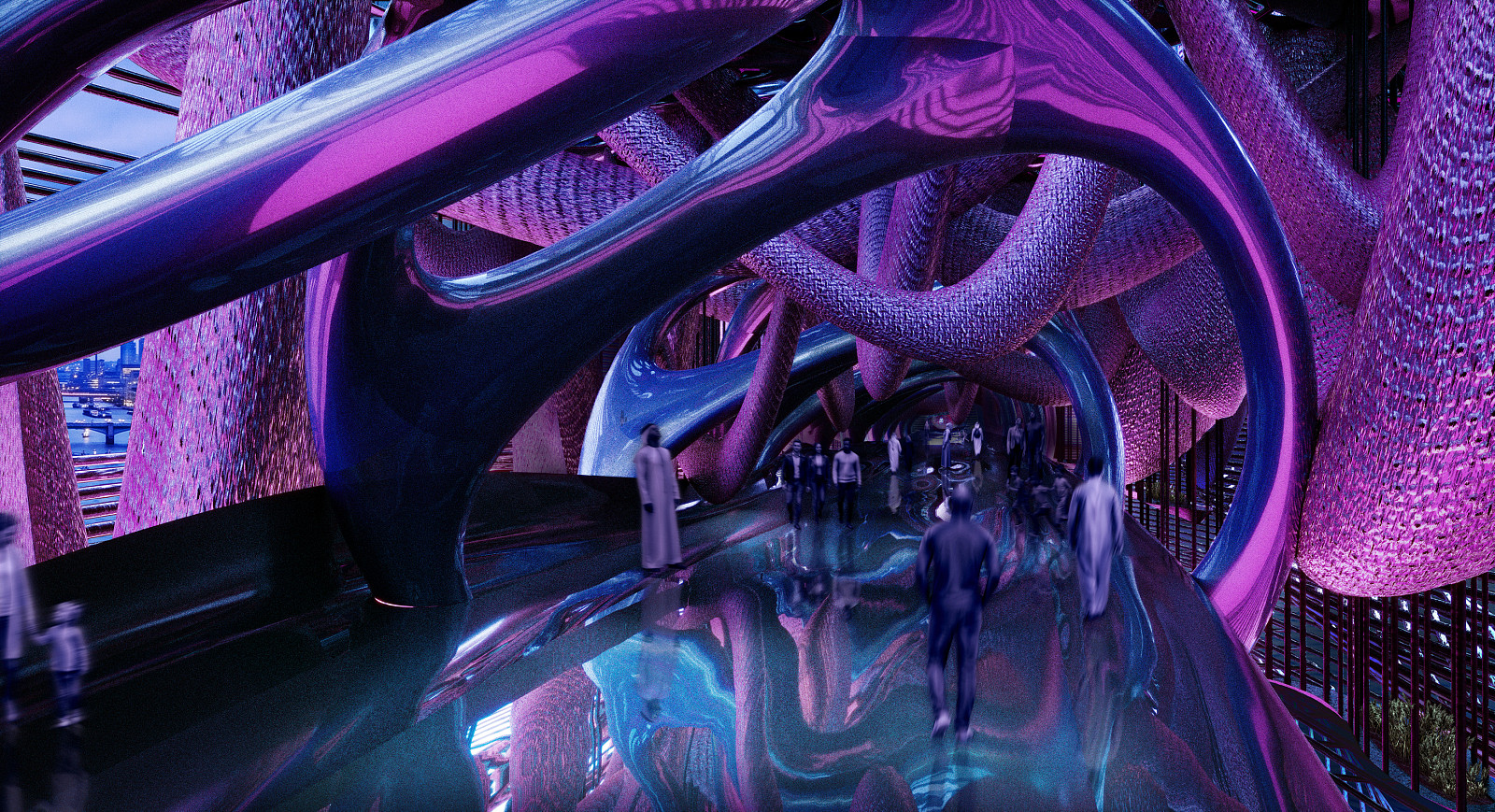
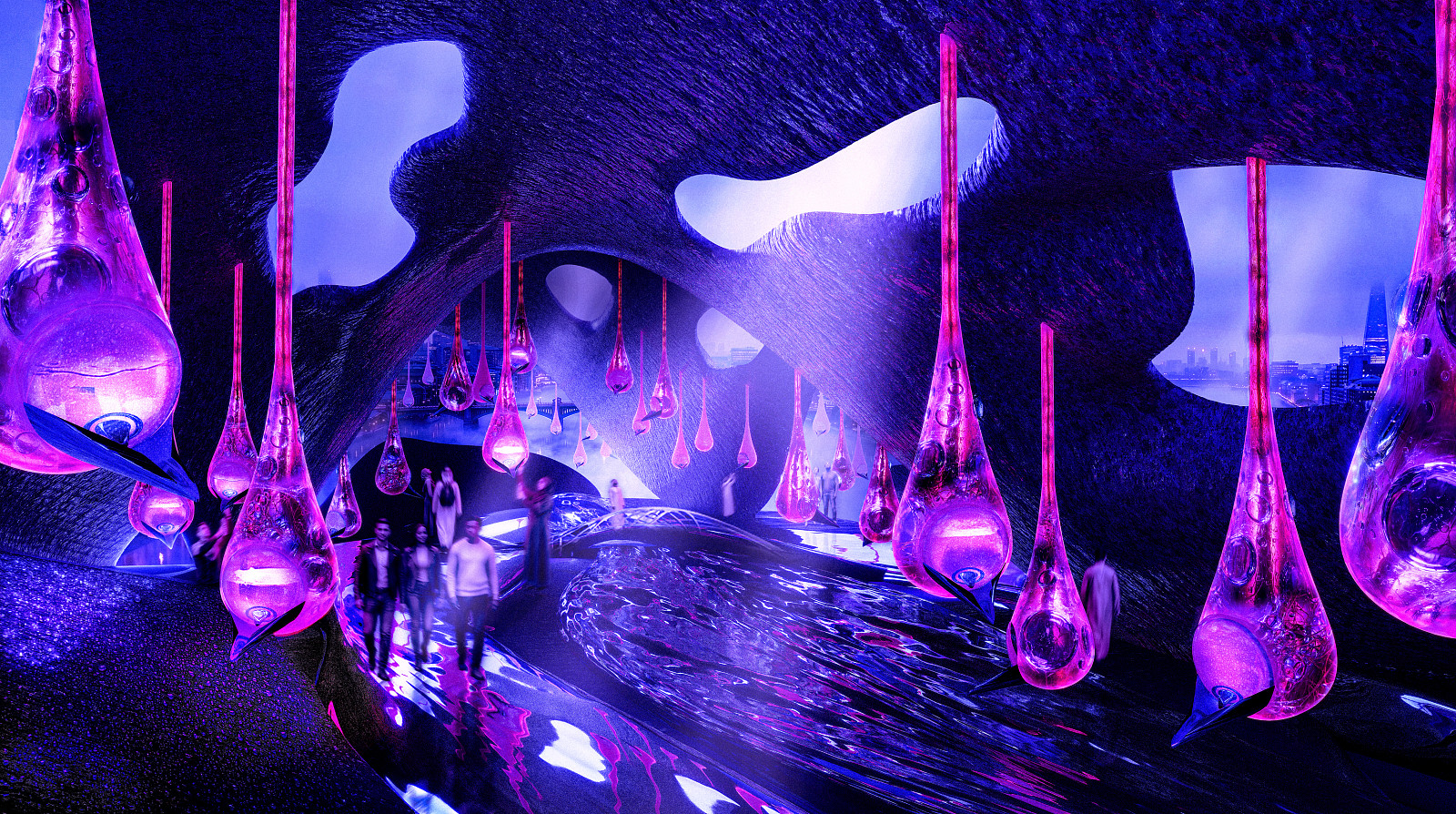
At its highest point, a suspended harvesting canopy hovers above the river, forming the primary interface between architecture and atmosphere. This canopy draws moisture from the humid air, transforming invisible vapour into a collected water source. Beneath the tidal currents, a series of submerged vaults form a hydrodynamic storage system, securing the harvested water while responding to the pressures of flooding, movement, and fluctuating river levels. At ground level, the intervention unfolds into a civic landscape, where public space becomes an active threshold between environmental infrastructure and collective experience. Here, harvested water is filtered through biological treatment systems and redistributed for public use, while the lower foundations work continuously to depollute the surrounding tidal currents.
Technical information
The construction of The Miasmatic Network combines biomimetic material intelligence with performative structural systems. The atmospheric harvesting canopy is formed from hygroscopic material and high-tensile mesh, calibrated to attract, condense, and collect water vapour from the air.
The public realm is shaped through computational form-finding, translating patterns of movement, footfall, and gathering into a fluid topography of civic occupation. Integrated reed beds provide ecological filtration through phytoremediation, allowing the harvested water to be naturally treated before entering the public network. Below the river, the submerged storage vaults are constructed from pressure-resistant composite materials, designed to withstand hydrostatic loads, tidal fluctuations, and extreme flood conditions.
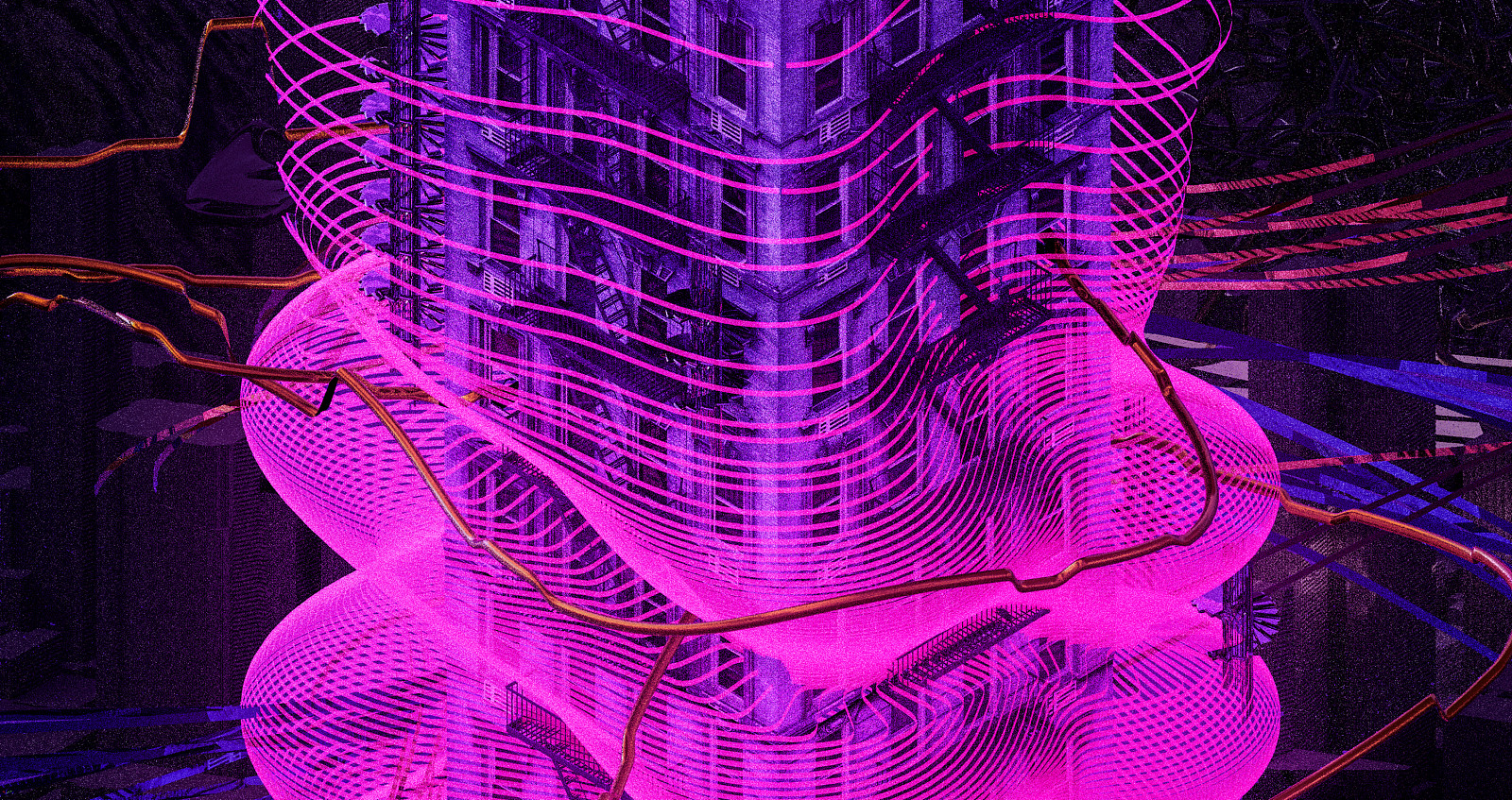
At the core of the structure, kinetic filaments and osmotic membranes adjust their porosity, tension, and responsiveness in relation to humidity, temperature, and airflow. Through this, the architecture becomes more than a fixed infrastructural object. It behaves as a responsive, metabolic organism, continuously sensing, filtering, storing, and redistributing water within the changing conditions of the Thames.

Copyright © 2026 INSPIRELI | All rights reserved. Use of this website signifies your agreement to the Terms of Use, Privacy Policy, and use of cookies.