MEMORY PARK ENCOUNTER


Project idea
The concept behind this project revolves around “encounter”—in the social, cultural, and spiritual spheres—which is why all its forms and paths are always designed to facilitate such encounters among people, serving as a symbol that honors the memory of the victims of the CCD.
Project description
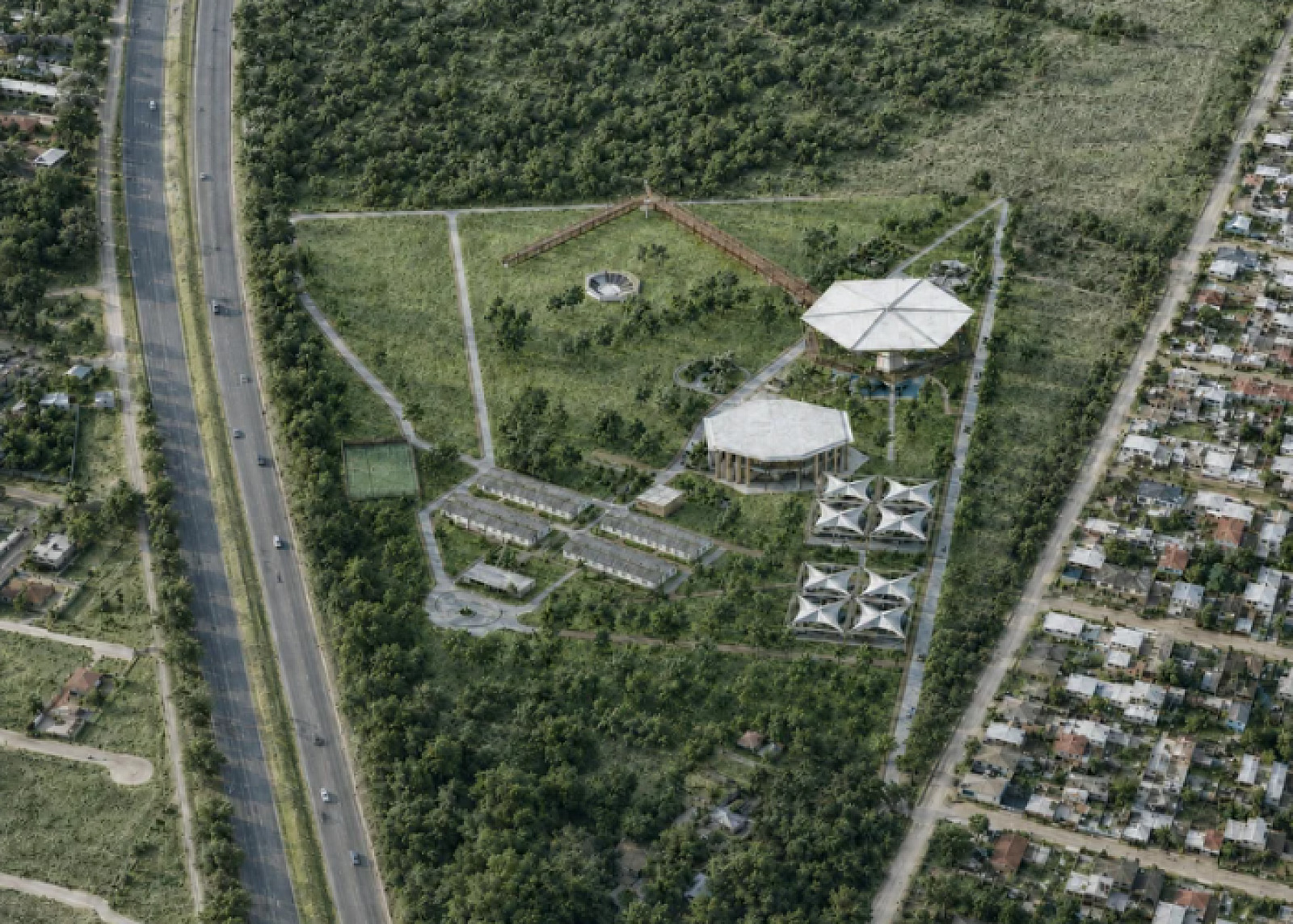
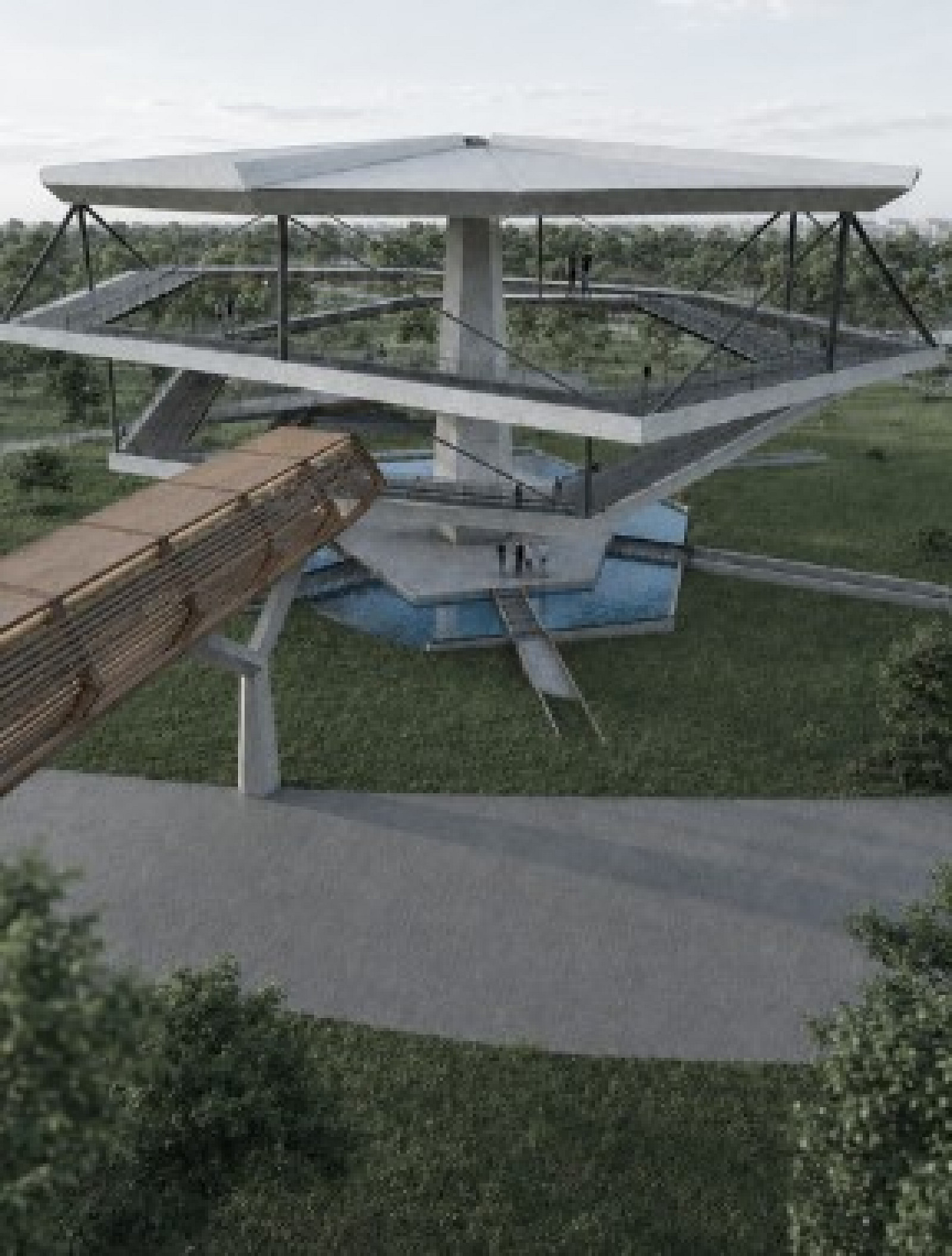
The project aims to revitalize the void—in every sense of the word—left by the abandoned barracks; therefore, the proposal calls for a park that will provide drinking water services, help address the flooding problem in the surrounding area, and support the aforementioned initiative, while also offering educational, cultural, sports, transportation, and recreational services to the community.
Technical information
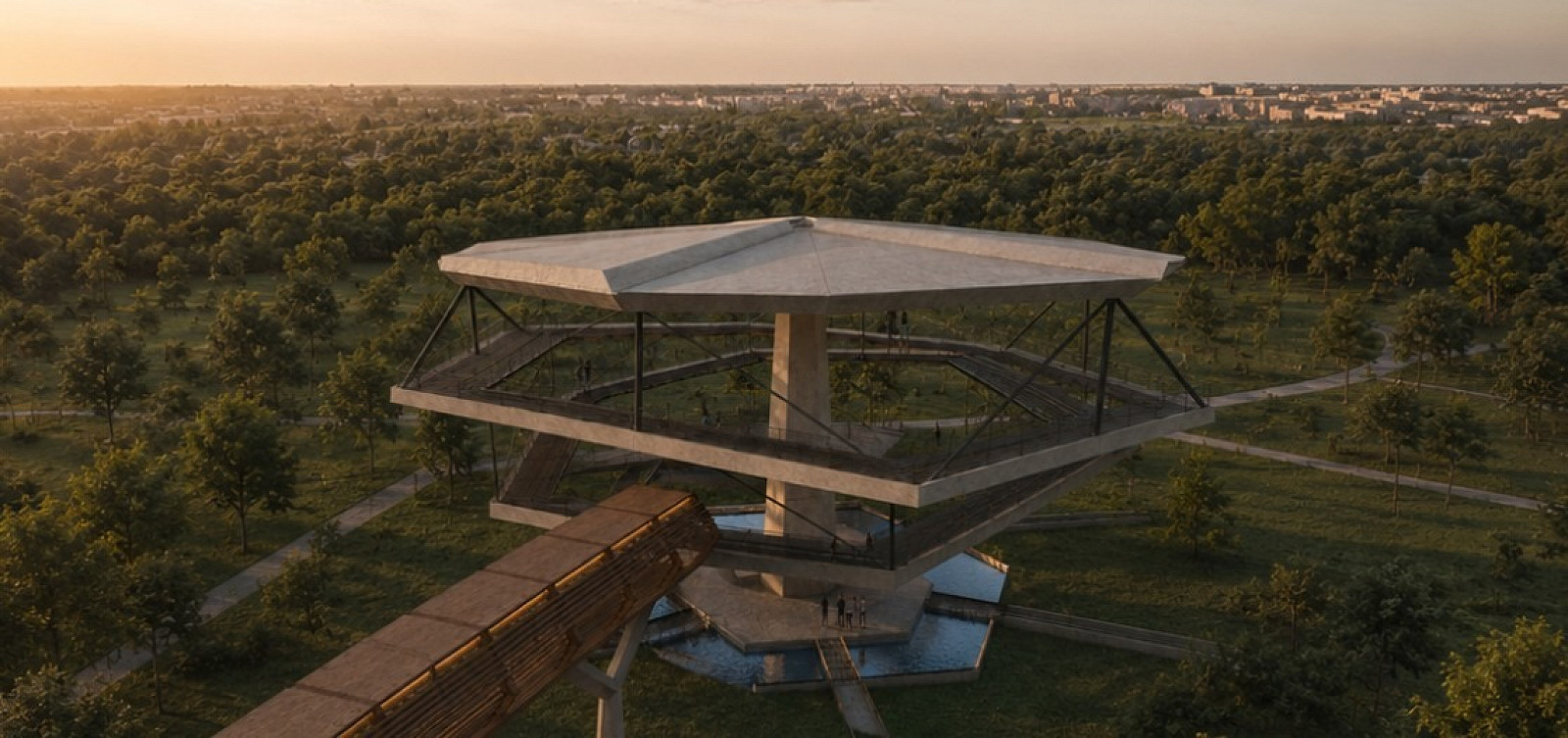
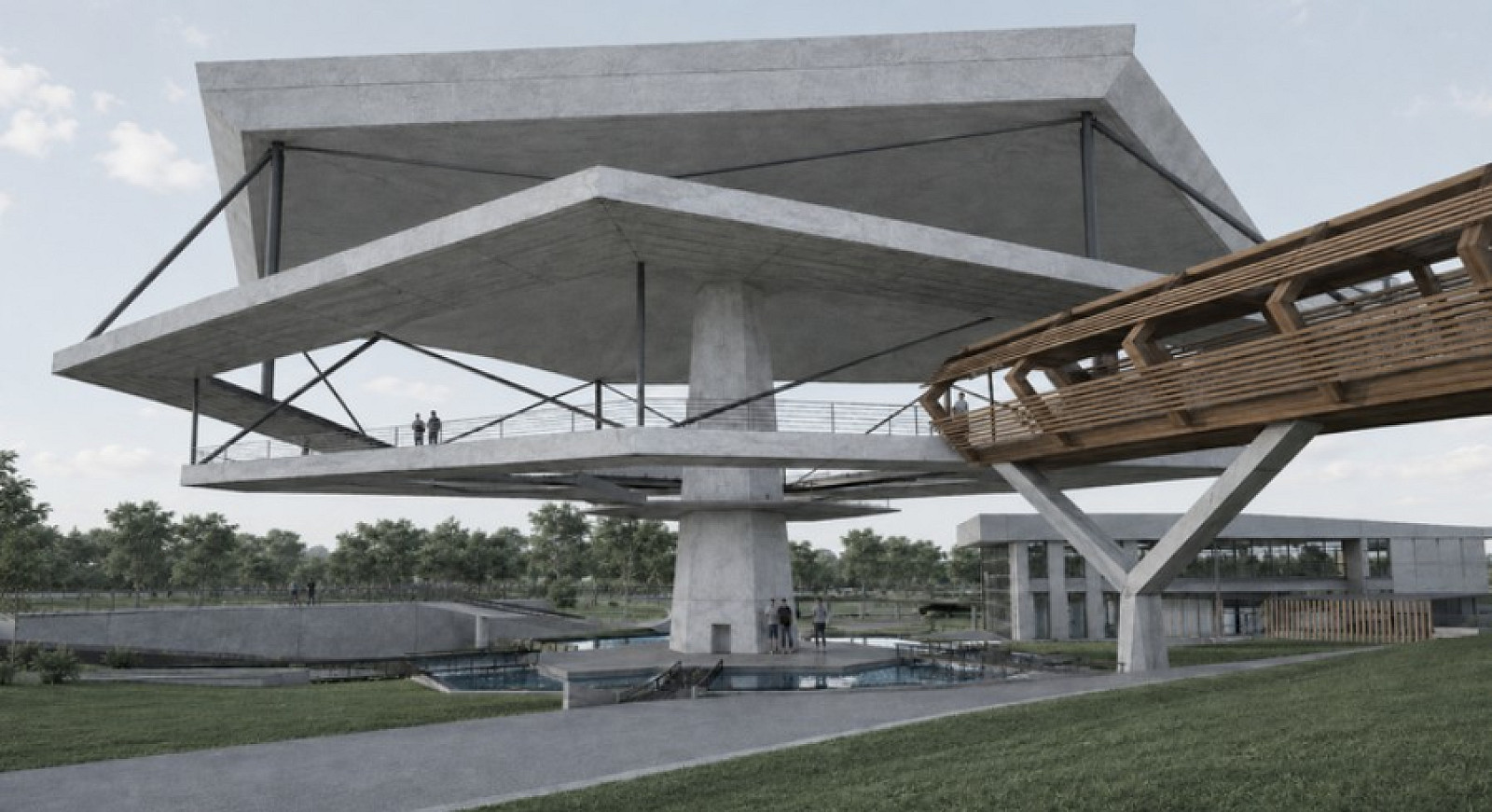
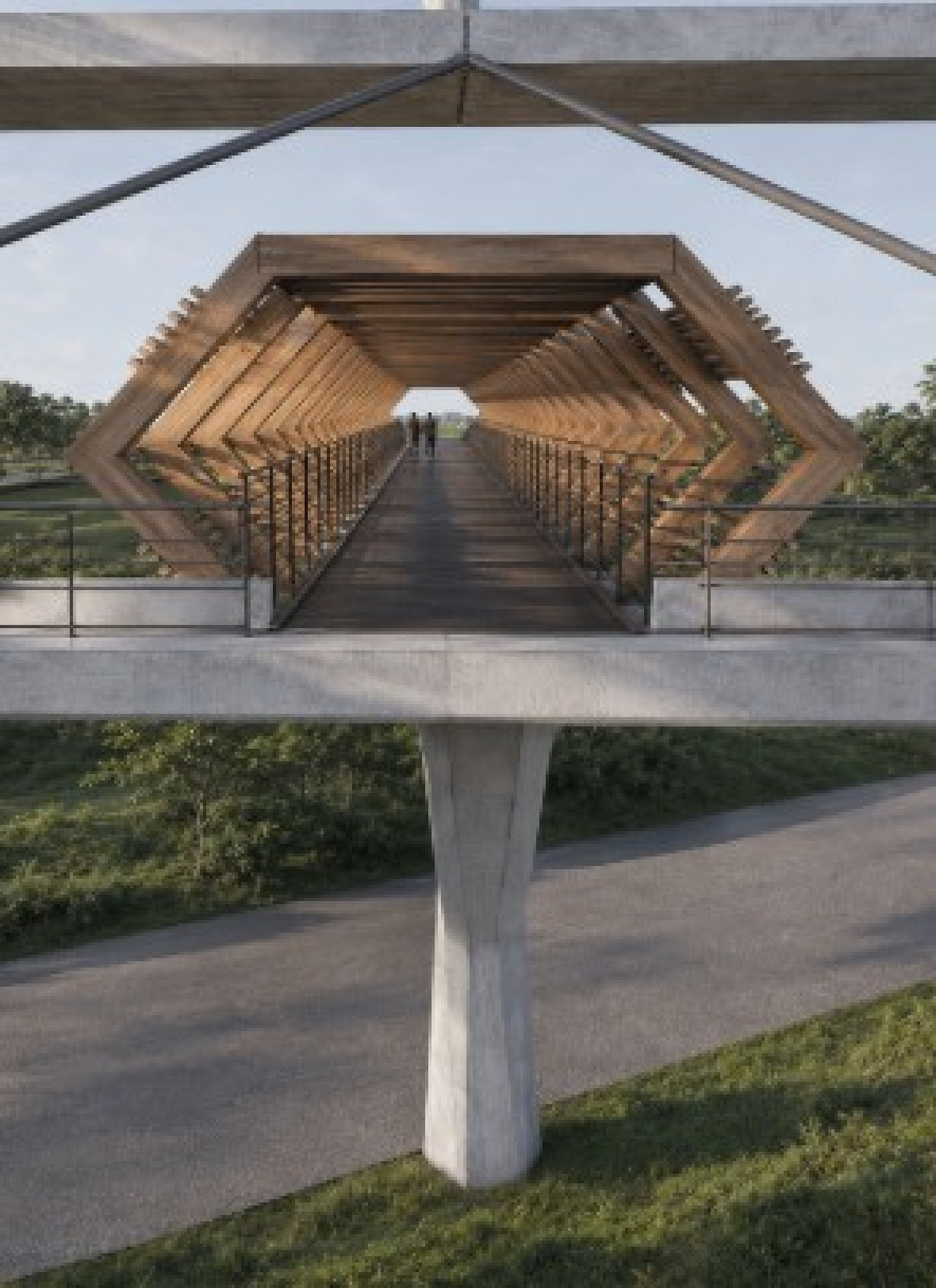
The project uses materials such as wood for the structure of buildings like the Umbraculo, the Pavilion of Memory, and the bridges that connect the entire project—supported in this case by concrete columns of varying cross-sections, while the Pavilion of Memory features two slanted steel rings clad in concrete panels, along with a series of tension cables that support them and are in turn anchored to the head of the central column, which houses an elevator providing access from the first level to the rings


Copyright © 2026 INSPIRELI | All rights reserved. Use of this website signifies your agreement to the Terms of Use, Privacy Policy, and use of cookies.