Um-El Rakham Narrative Museum


Project idea
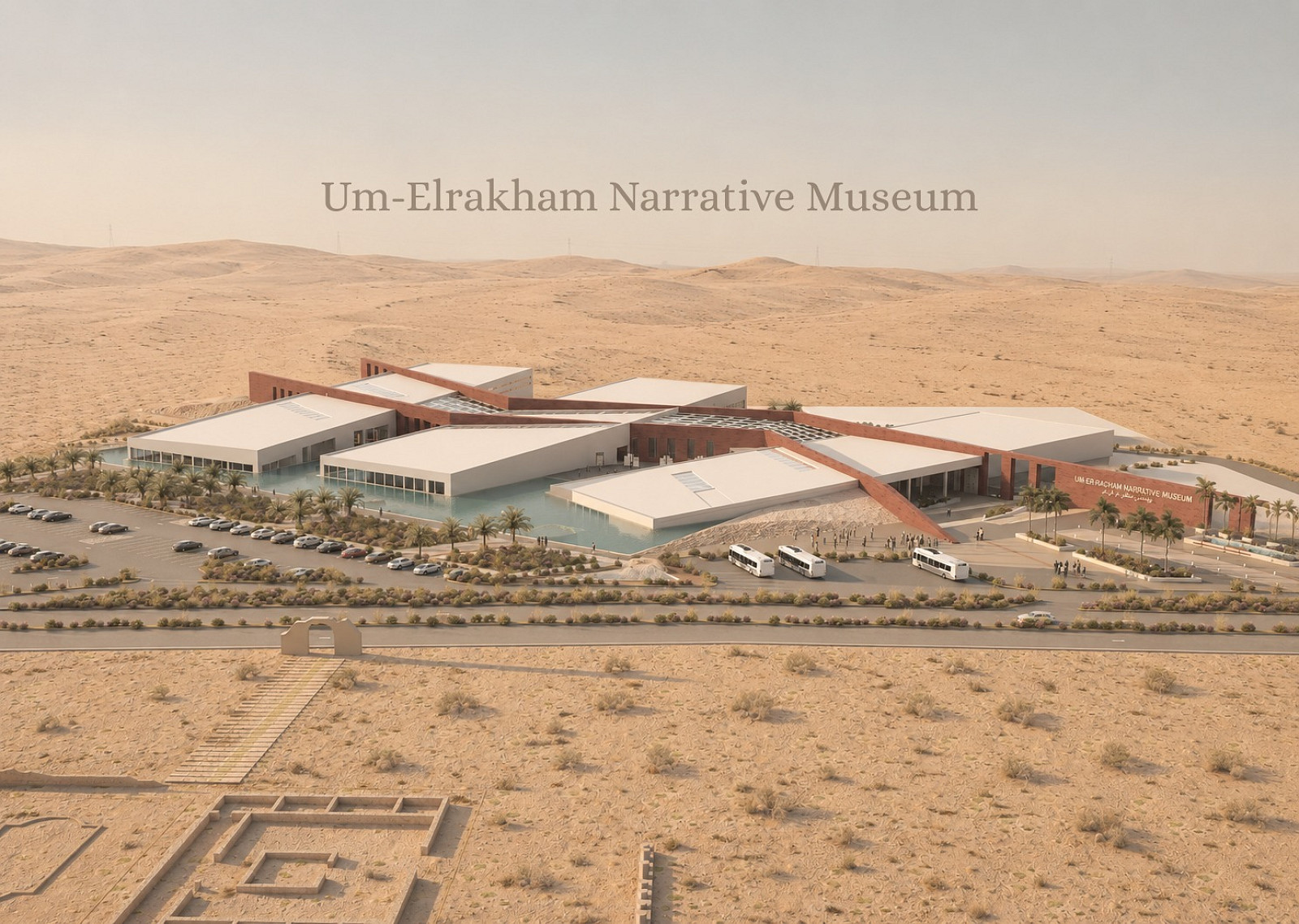
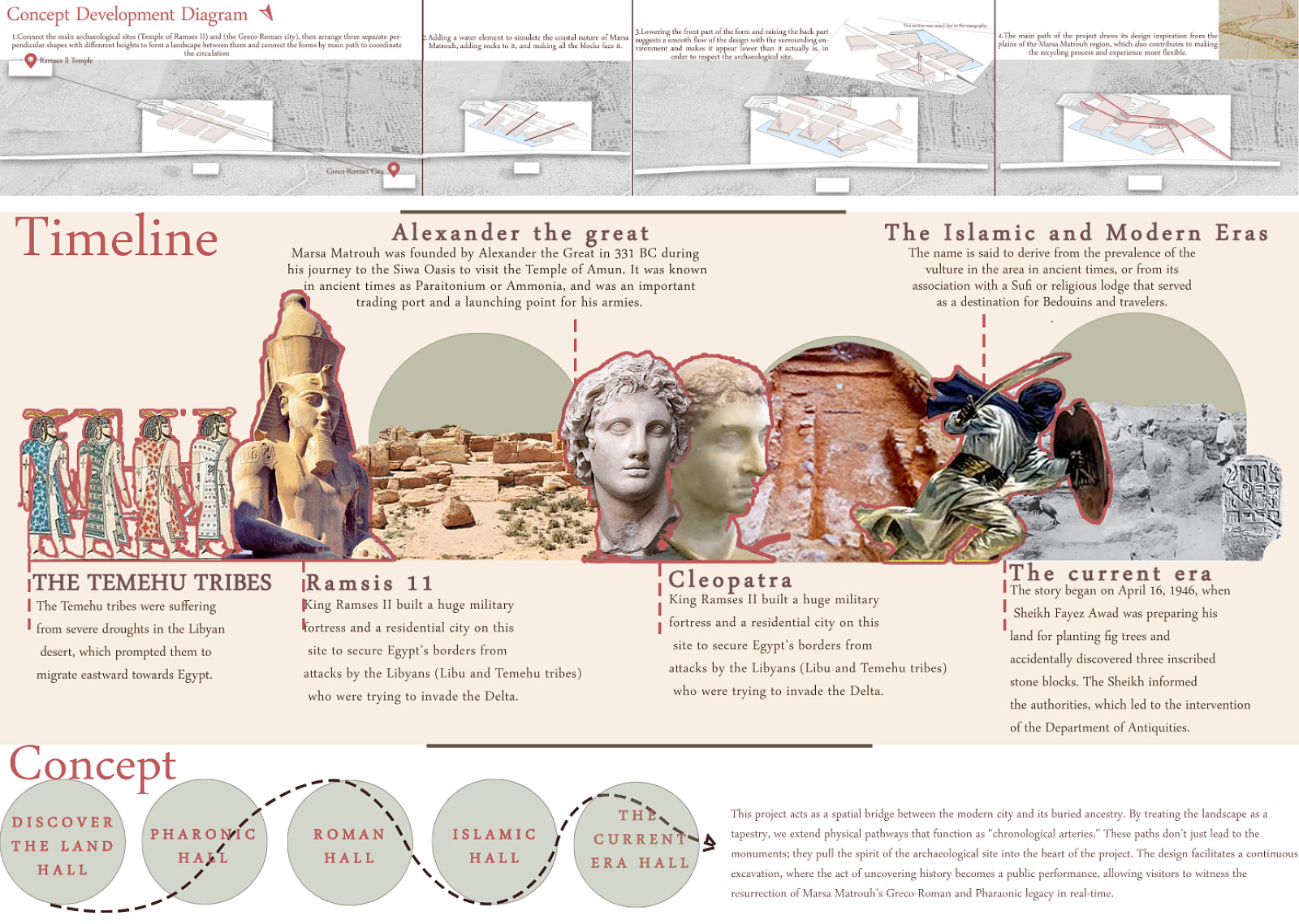
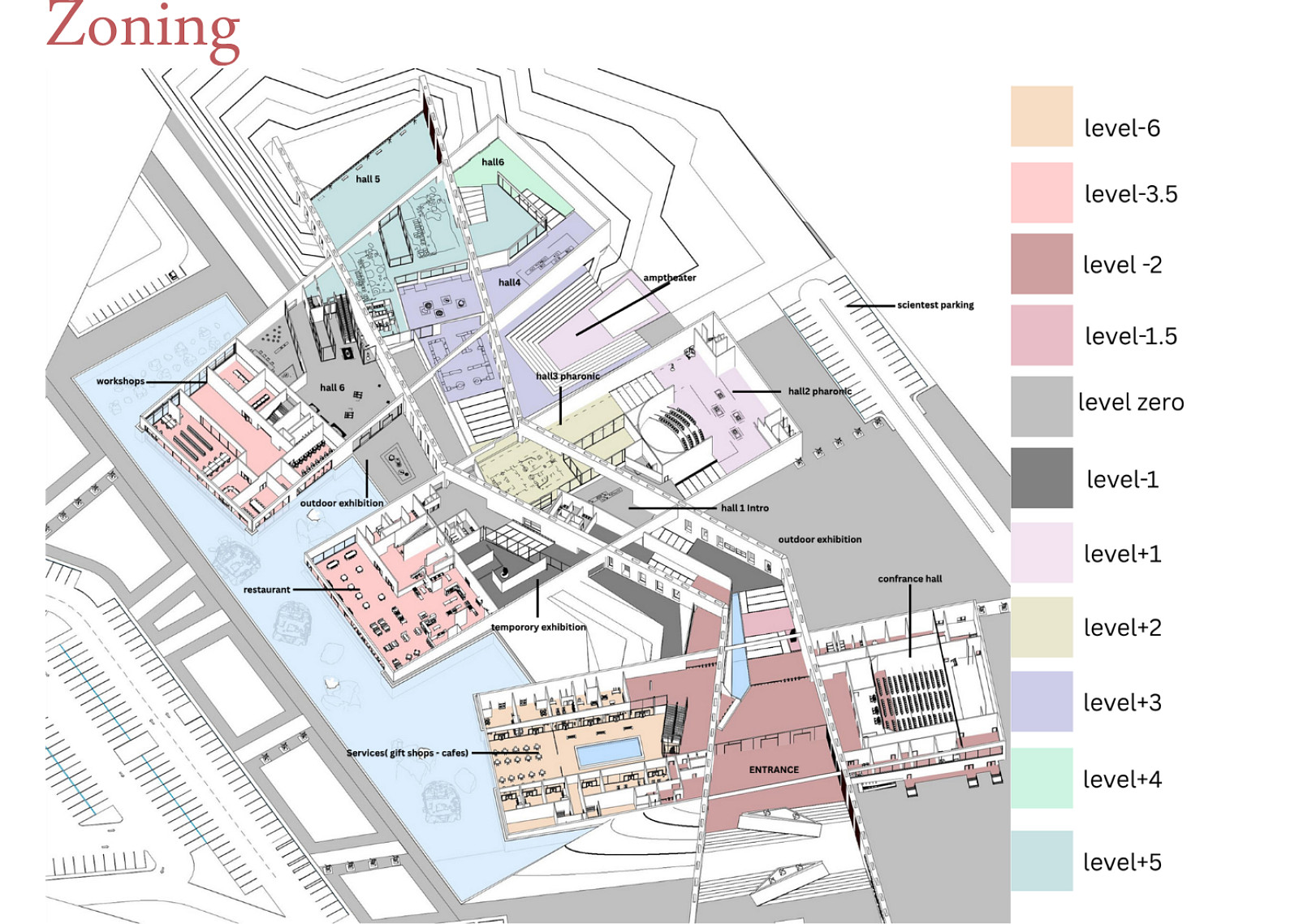
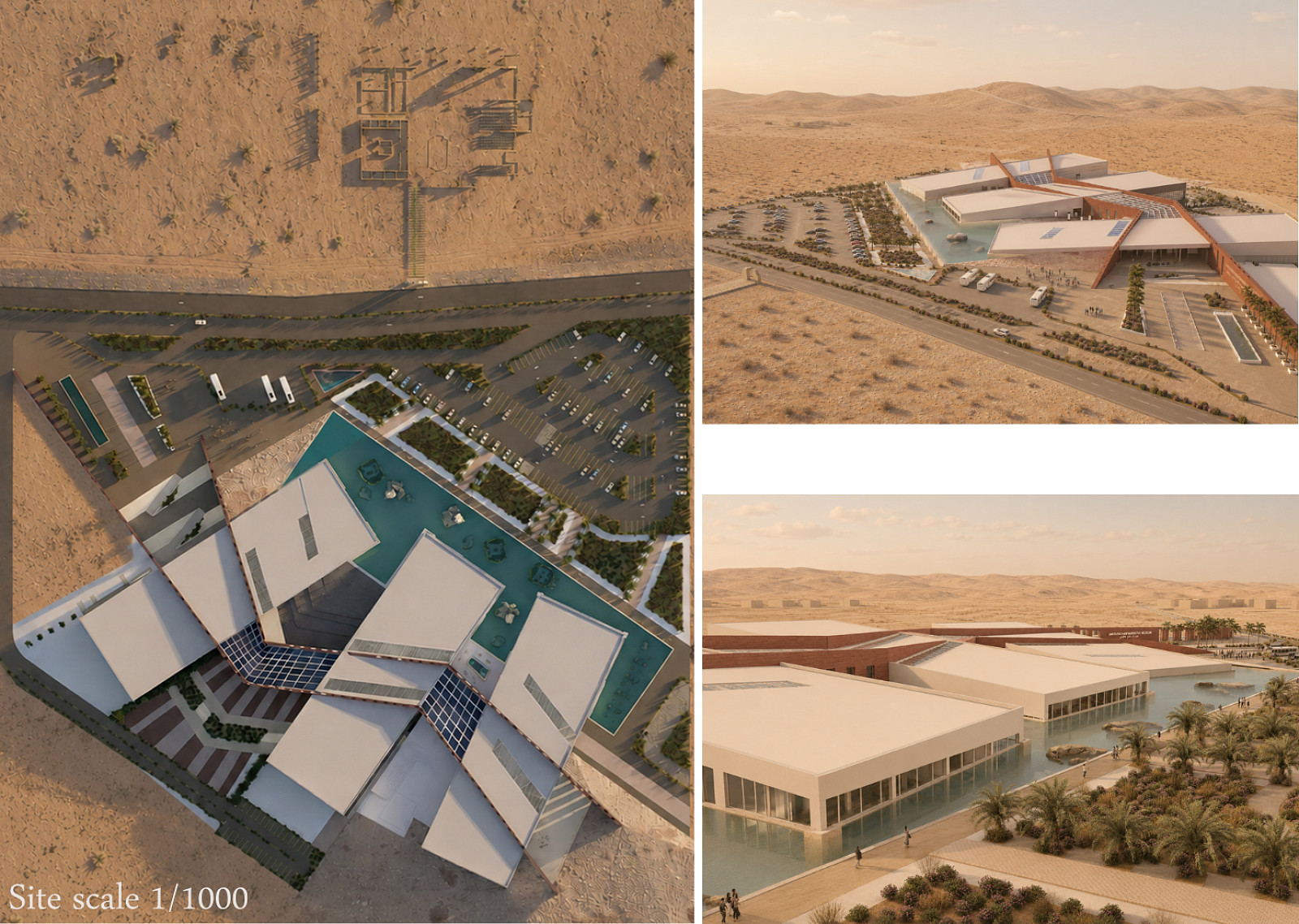
The museum aims to revitalize the neglected archaeological site of Umm al-Rakham, transforming it from an underutilized area into a vibrant cultural, educational, and tourist destination. The museum is designed to bridge the visible archaeological remains with the hidden layers beneath, focusing on the experience of discovery rather than static display. The project includes a research and excavation center dedicated to documenting, preserving, and revitalizing interest in the site.
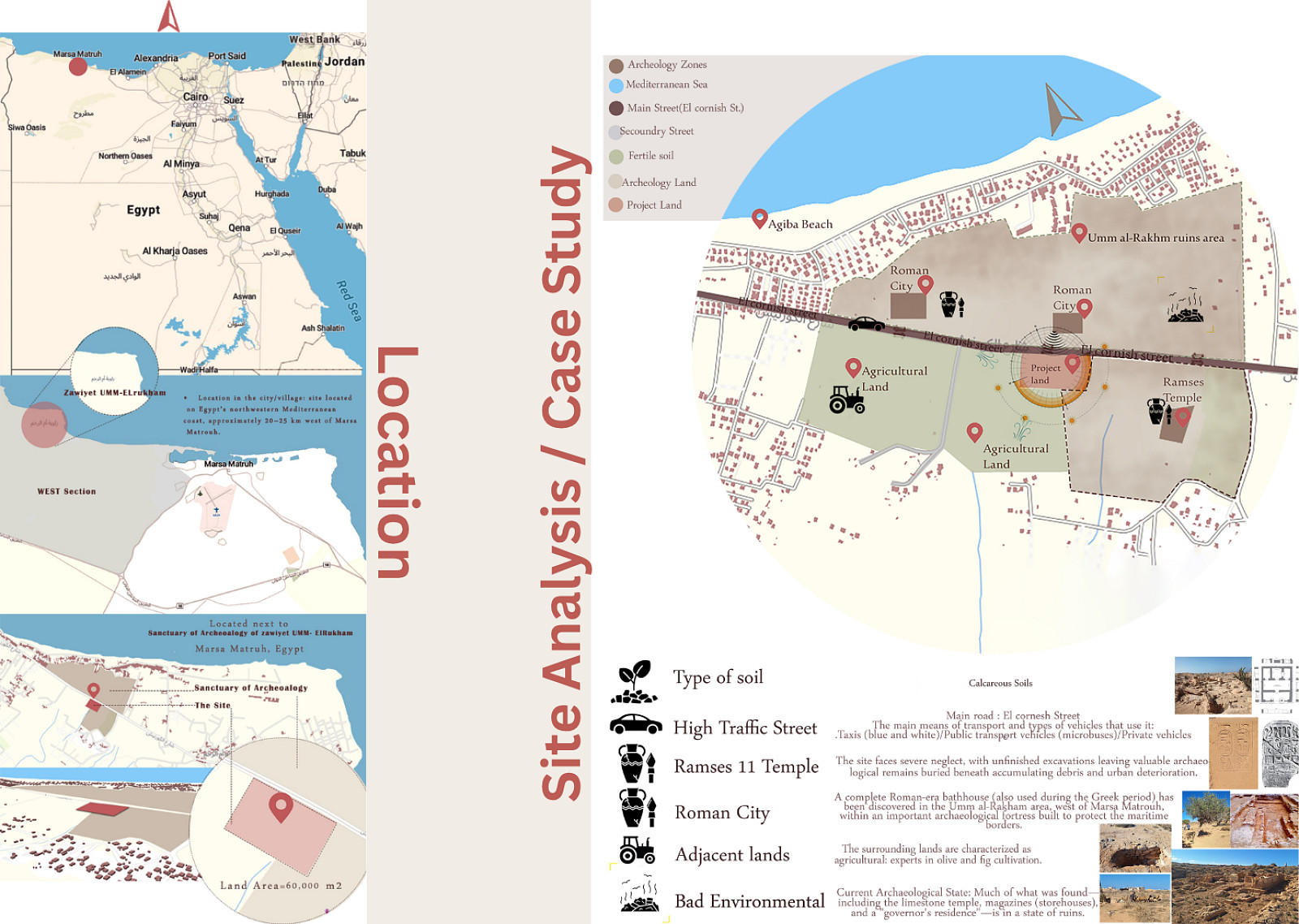
Regionally, the project redefines Umm al-Rakham's identity by transforming a neglected area into a cultural hub, connecting the site to nearby attractions such as Agiba Beach and Umm al-Rakham Beach, and promoting heritage tourism and archaeological education.
Project description
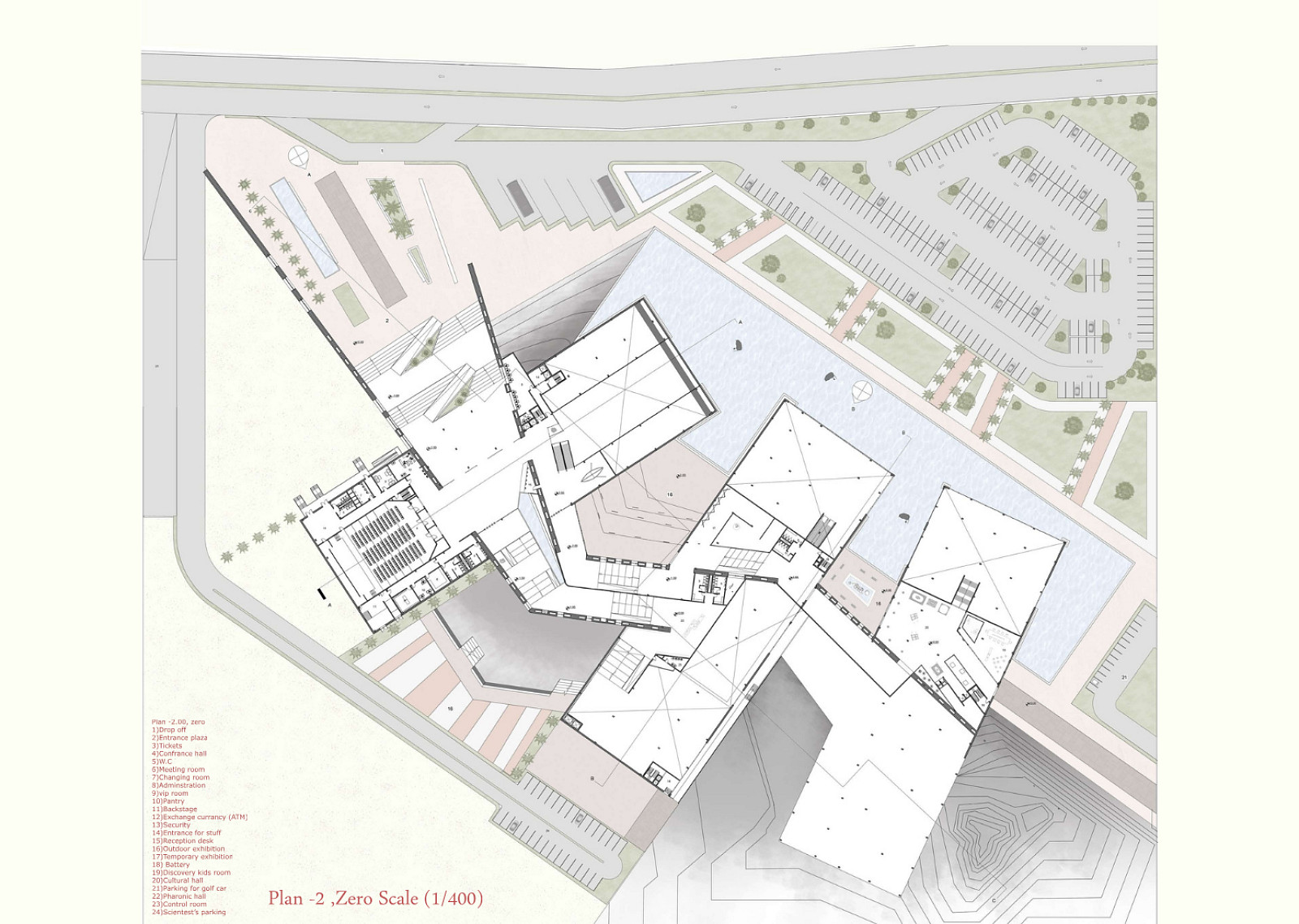
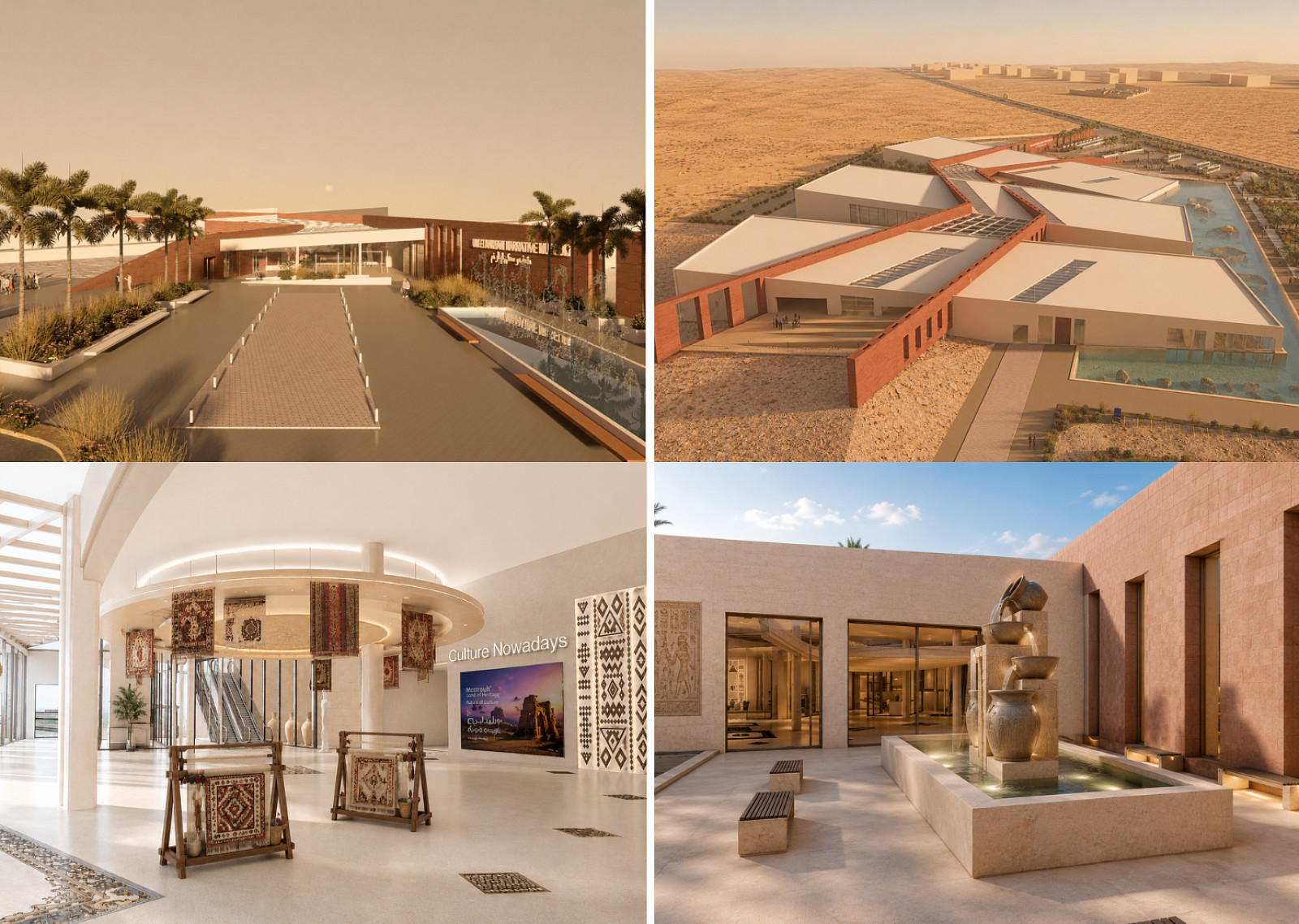
The project is a specialized Narrative Museum and Archaeology Center located at the historic site of Zawiyet Umm el-Rakham in Marsa Matrouh, Egypt. The core architectural vision is to transform this historically significant but neglected archaeological site into a vibrant, year-round cultural gateway. By integrating archaeological research facilities with an immersive storytelling experience, the museum revives the area's rich history while establishing a sustainable, regional landmark.
Technical information
1. Passive Cooling & Wall Morphology
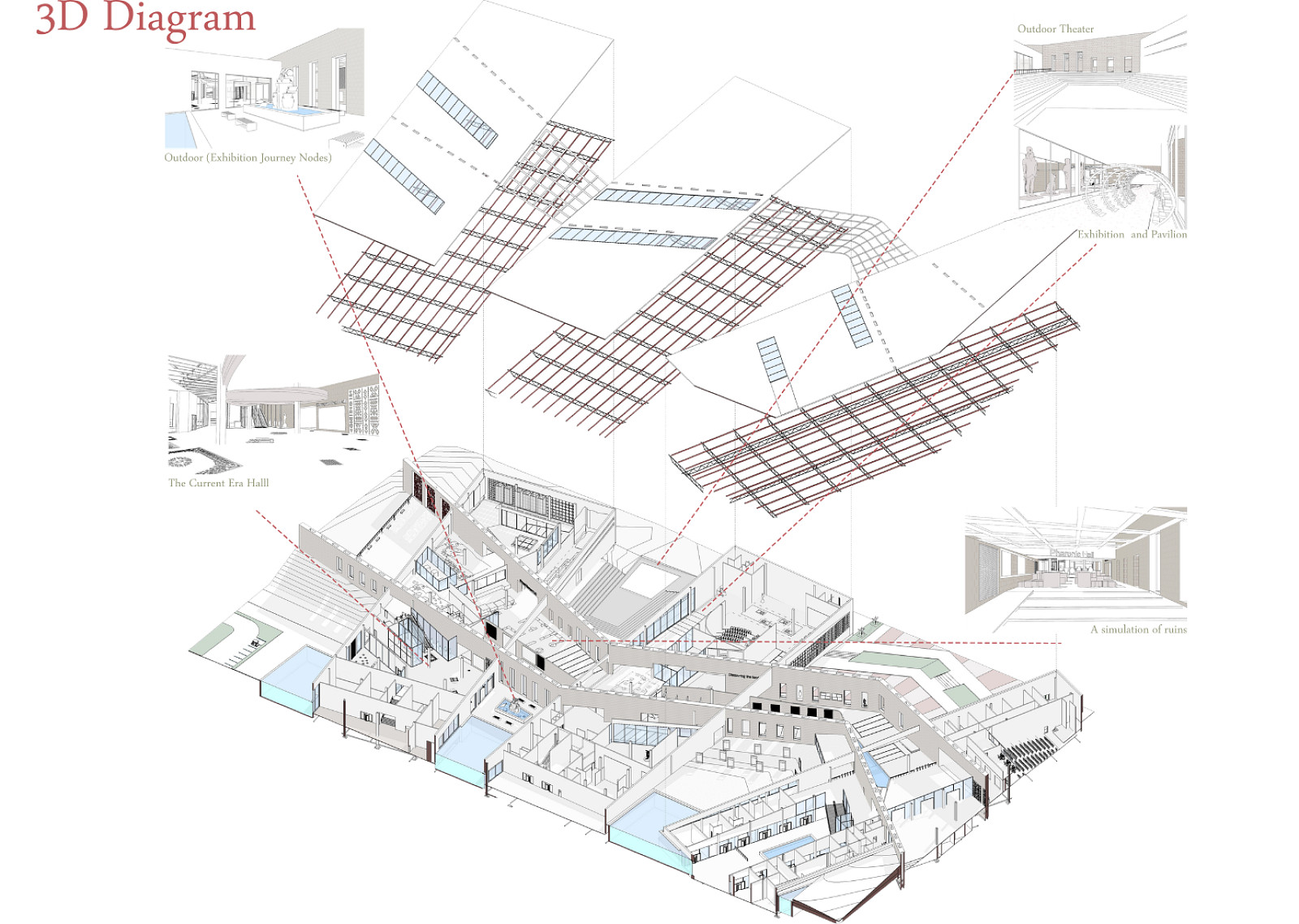
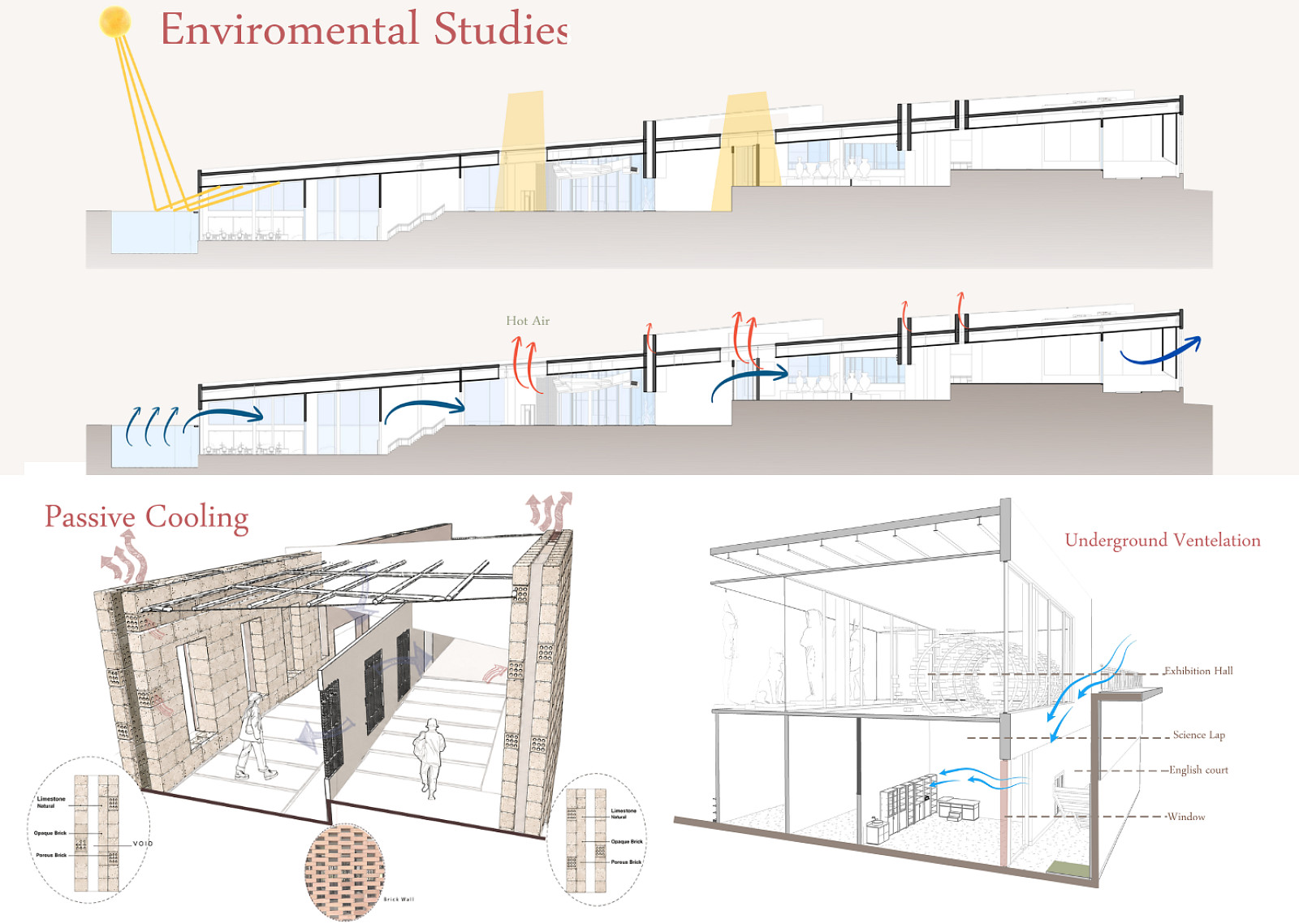
Multi-Layered Cavity Wall (Void Wall): The system features a double-skin wall mechanism with an internal air void acting as a thermal buffer. This cavity minimizes direct heat transfer into the internal spaces.
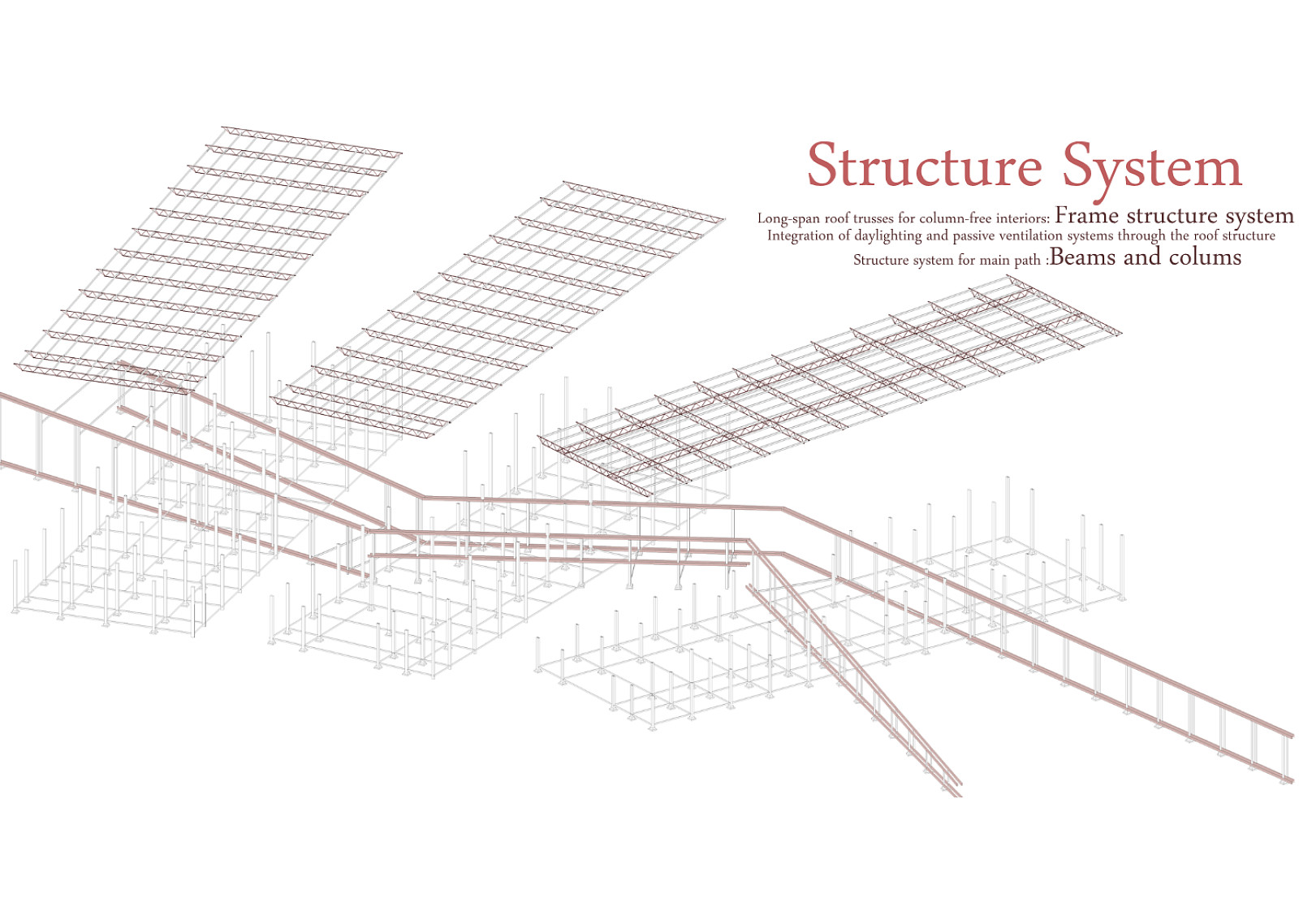
2. Structural System
Long-Span Roof Trusses: To ensure open, flexible, and column-free interiors, the main large volumes utilize a lightweight frame structure system driven by long-span trusses. This is ideal for exhibition halls or flexible gathering spaces.
3. Environmental Studies & Sectional Performance
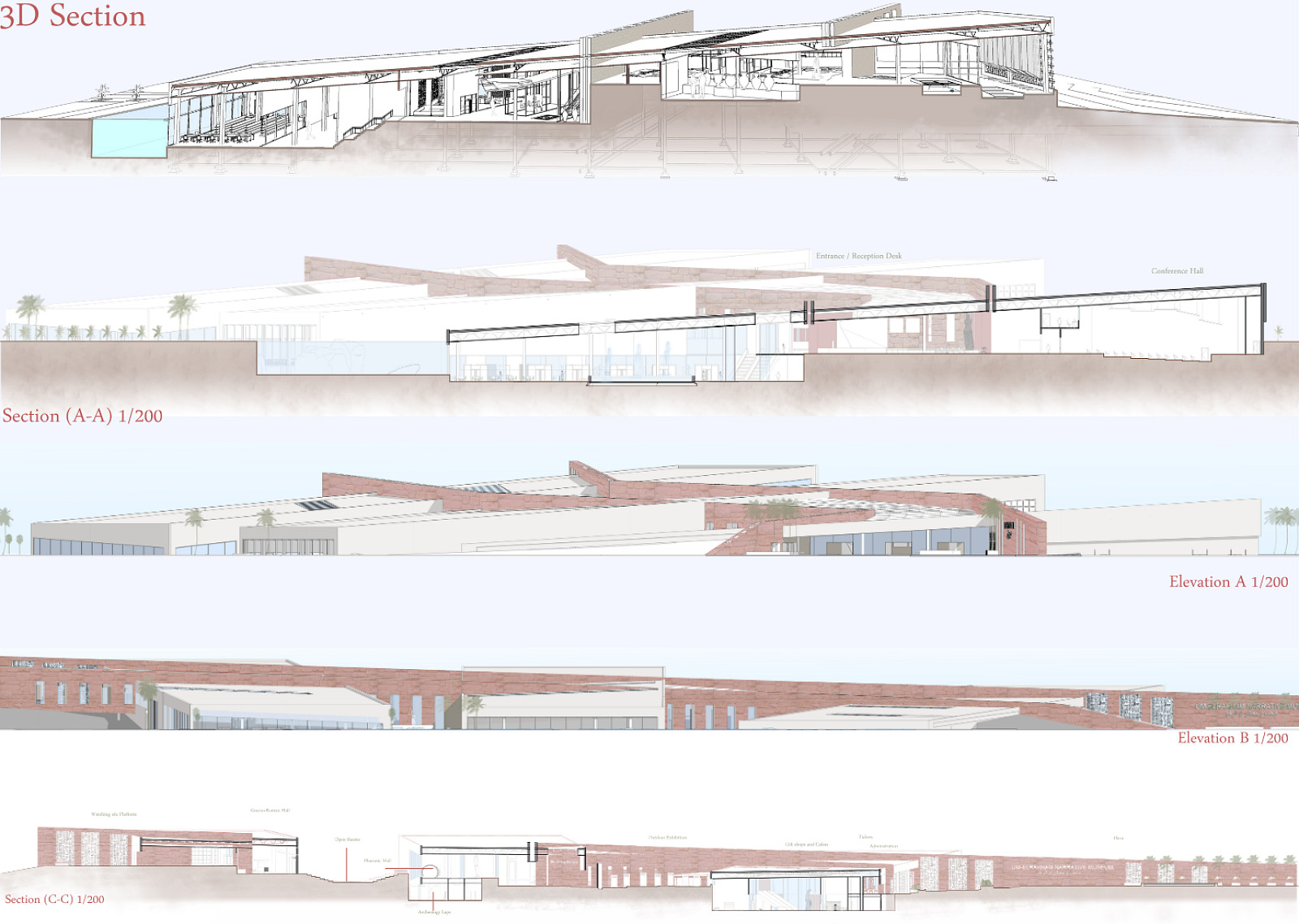
Cool air is drawn in from the lower levels and open facades.
As air travels through the spaces and absorbs heat, it rises naturally due to the stack effect.
High-level roof openings and vertical thermal chimneys act as release valves, pulling the hot air upward and out of the building, ensuring a continuous supply of fresh, cool air.

Copyright © 2026 INSPIRELI | All rights reserved. Use of this website signifies your agreement to the Terms of Use, Privacy Policy, and use of cookies.