Strata of Arches


Project idea
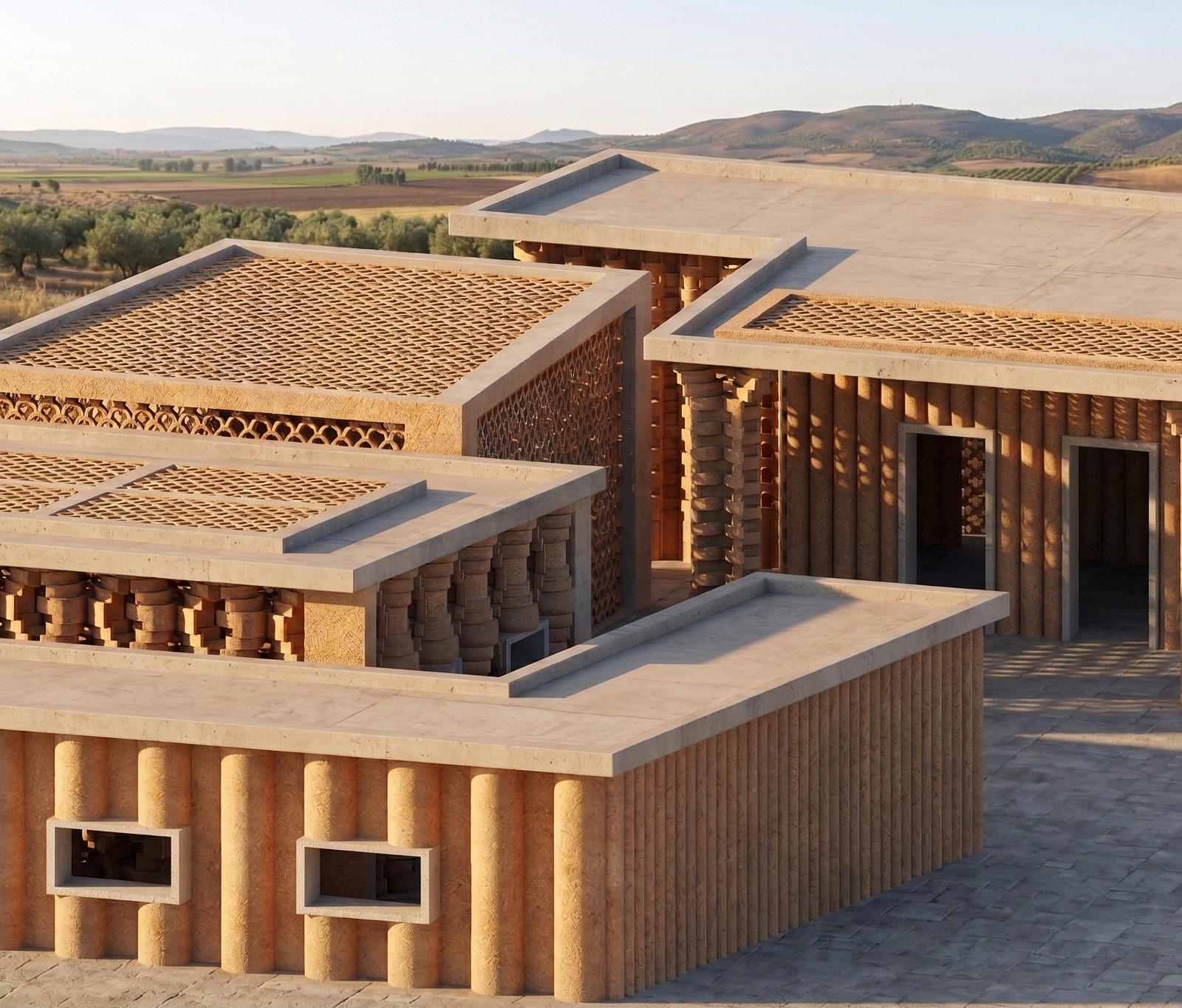
"Strata of Arches" proposes a new paradigm for academic architecture by bridging ancient earth-building techniques with advanced robotic fabrication. Conceived as an Experimental Archaeology Complex, the project is deeply rooted in morphological research of the Middle Bronze Age Triple-Arched Gate at Tel Dan. By studying its radial brick courses and structural logic, the project translates historic wisdom into a contemporary robotic language. The primary objective is to create a distributed educational campus for experiential learning, inspired by centers like Crow Canyon. The design aims to harmonize active research and communal areas with quiet accommodation zones, utilizing layered earthen geometries to foster a profound tactile connection between the students, historical artifacts, and the environment.
Project description
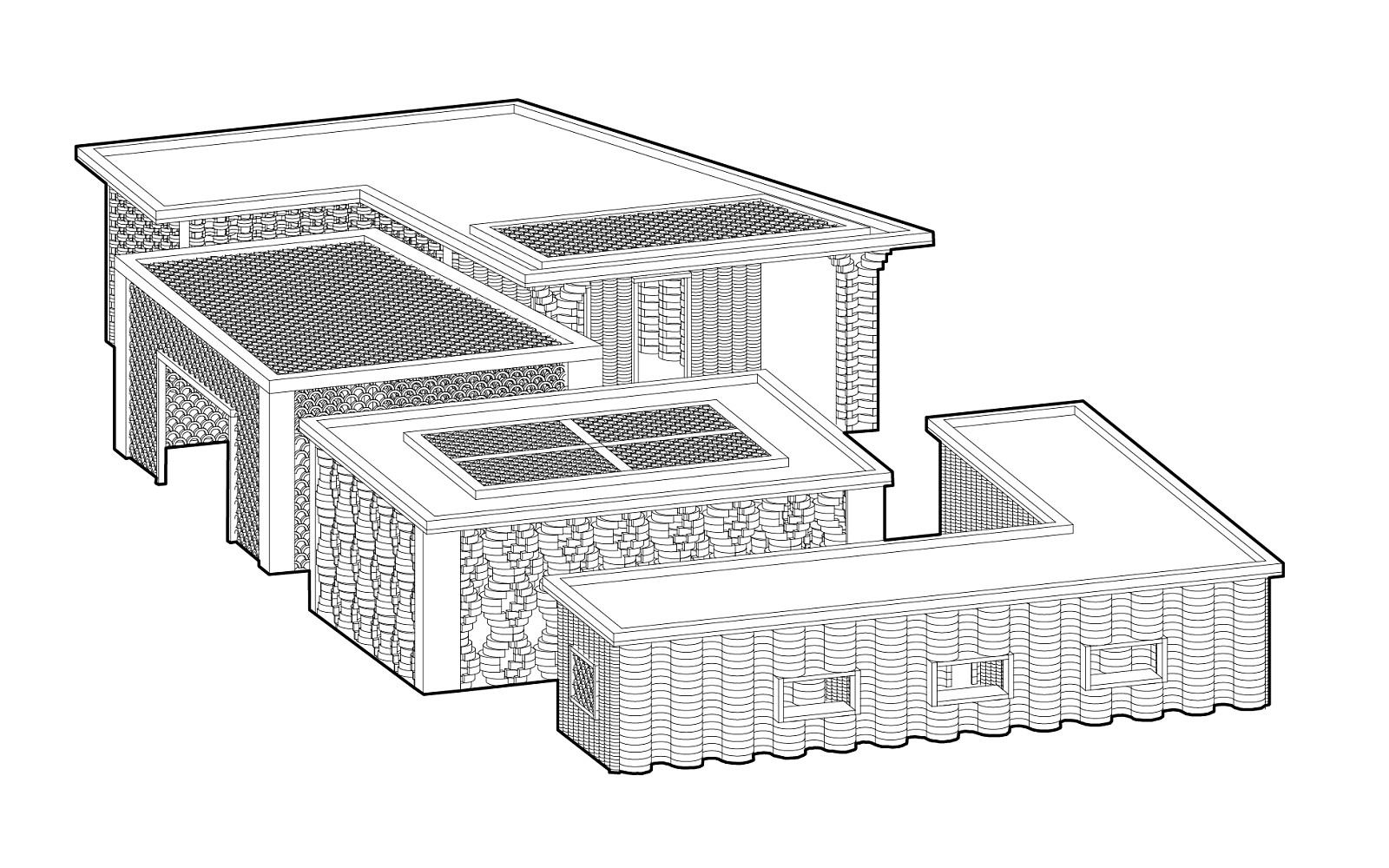
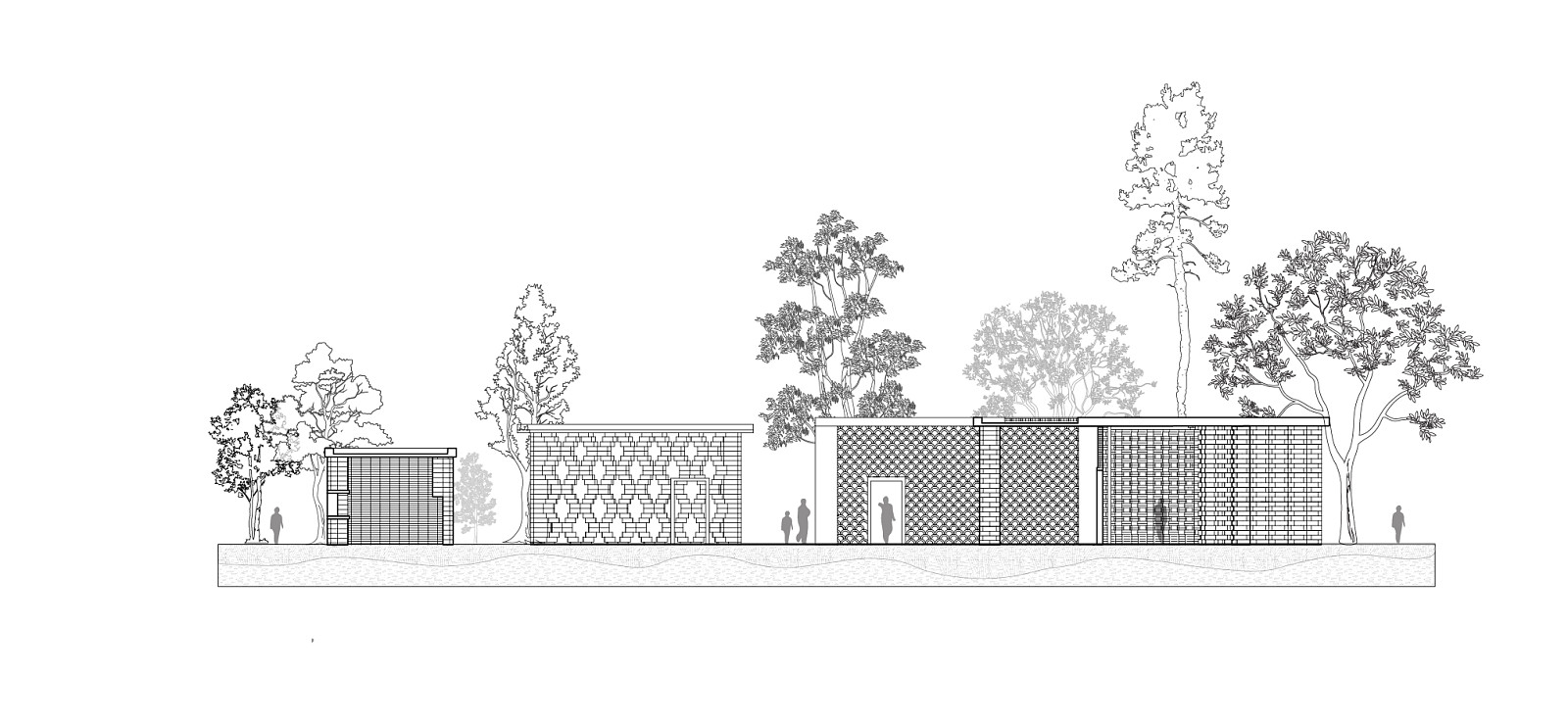
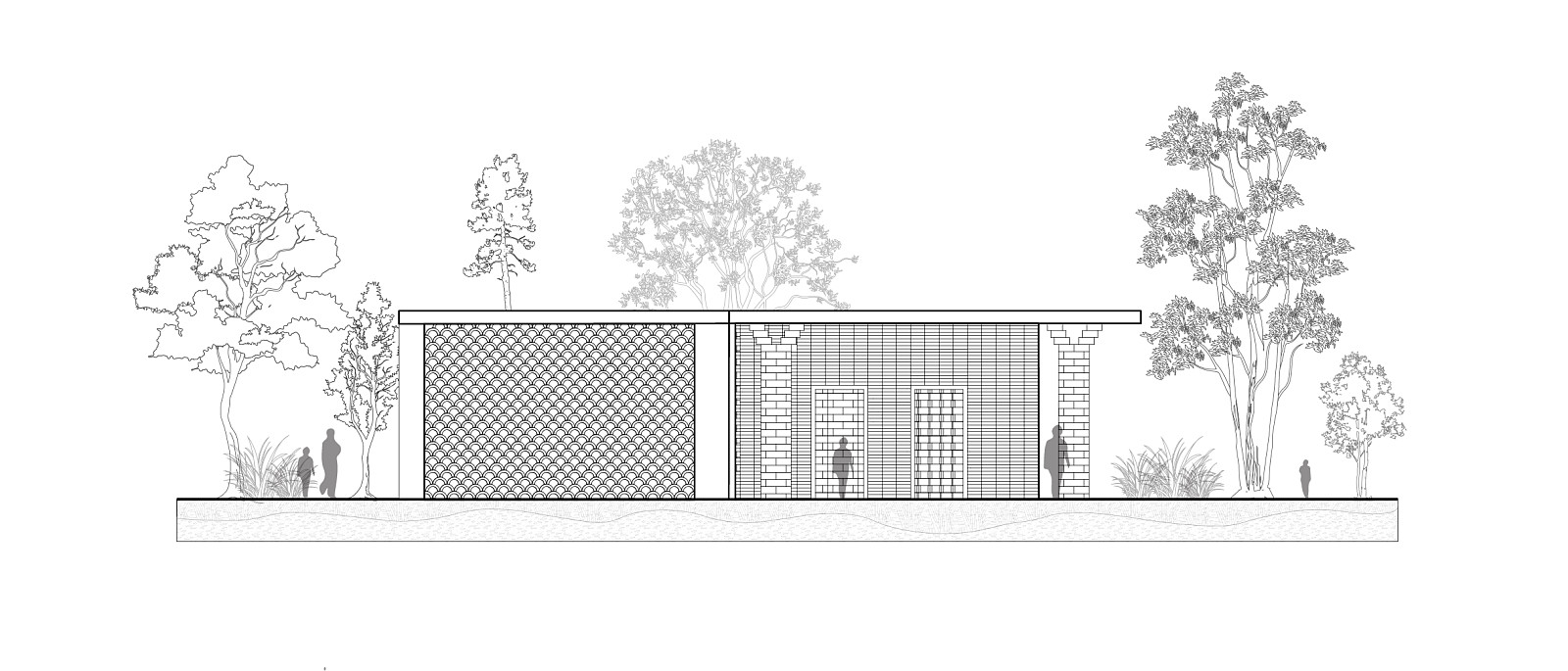
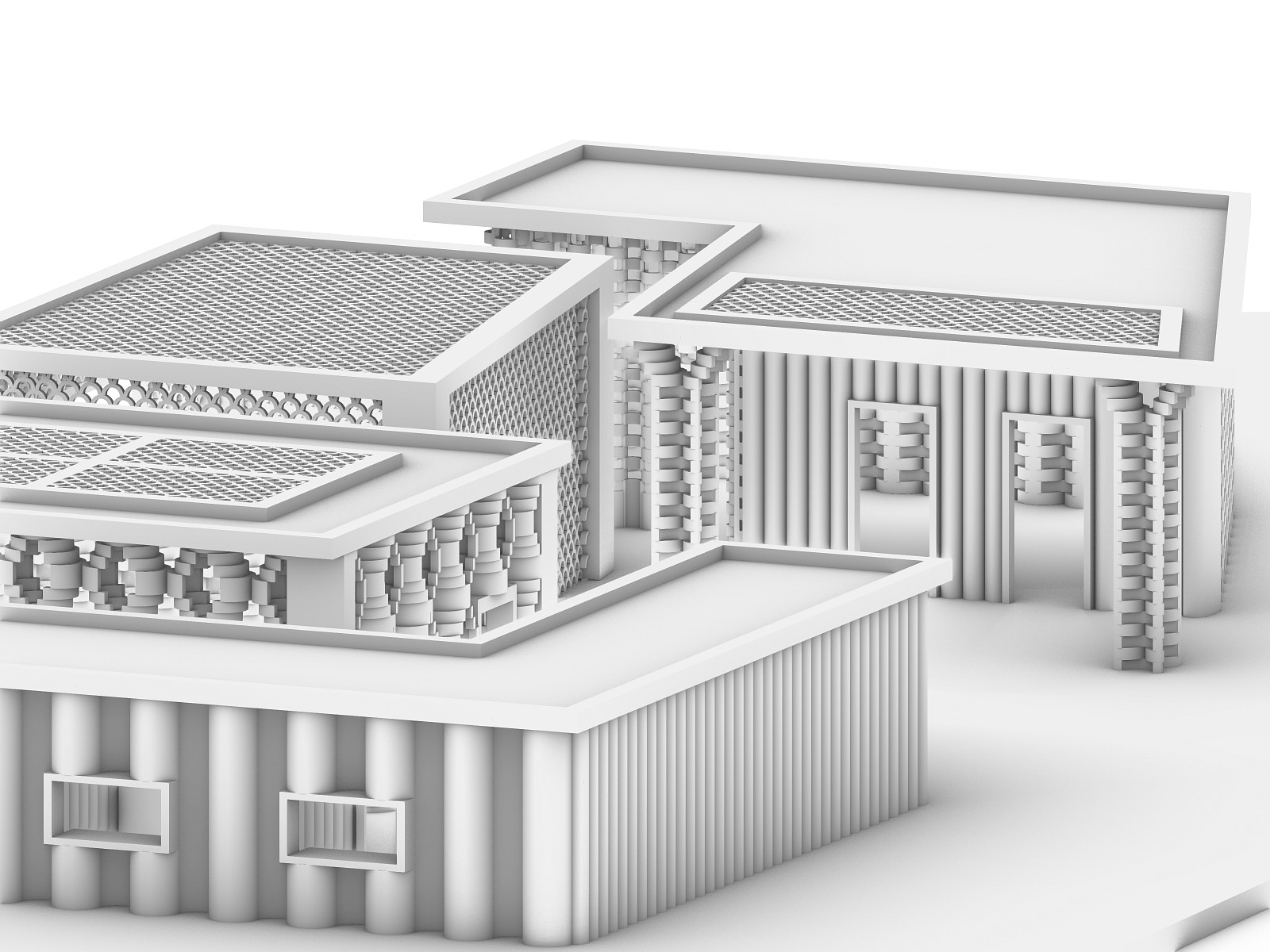
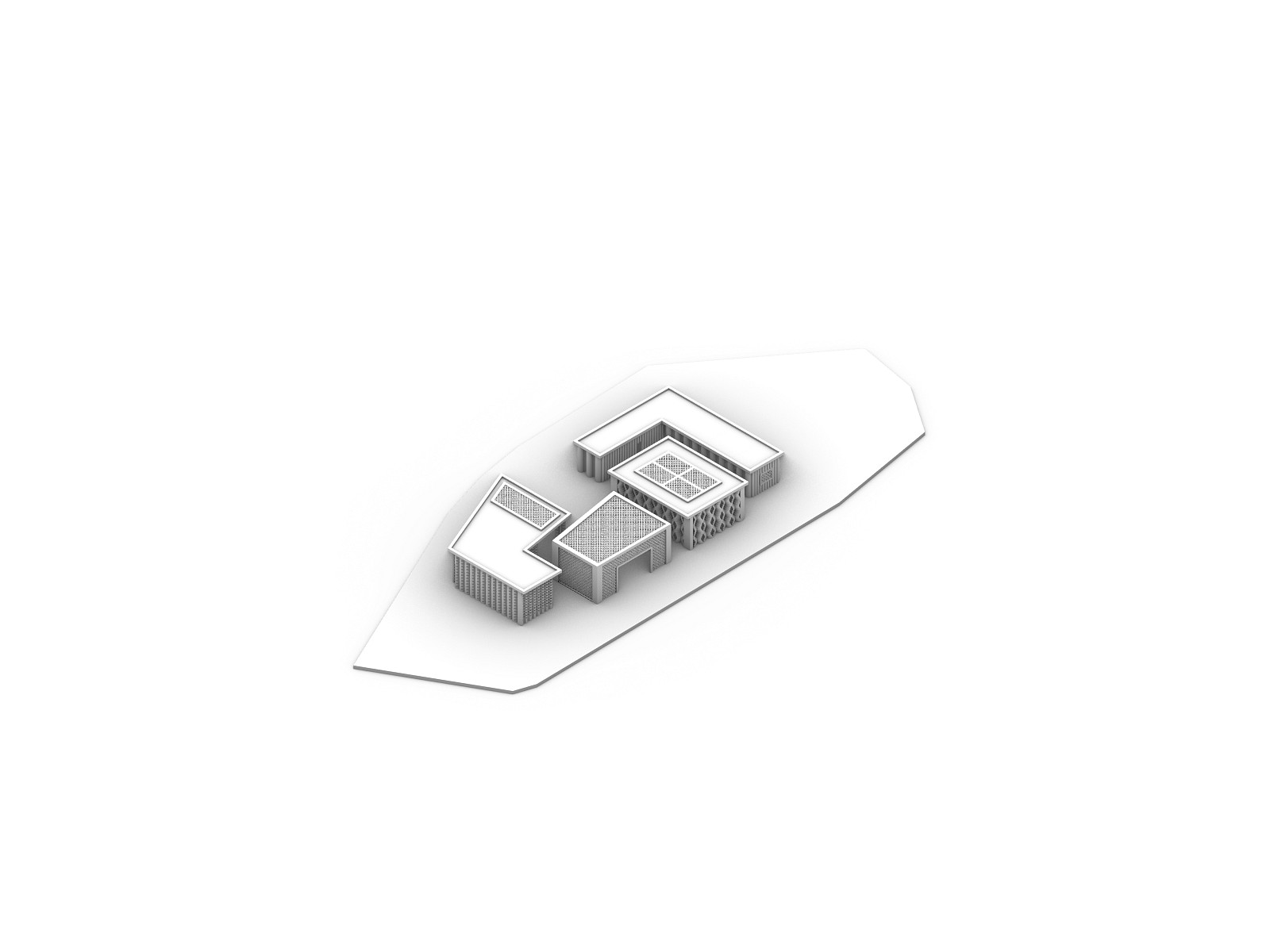
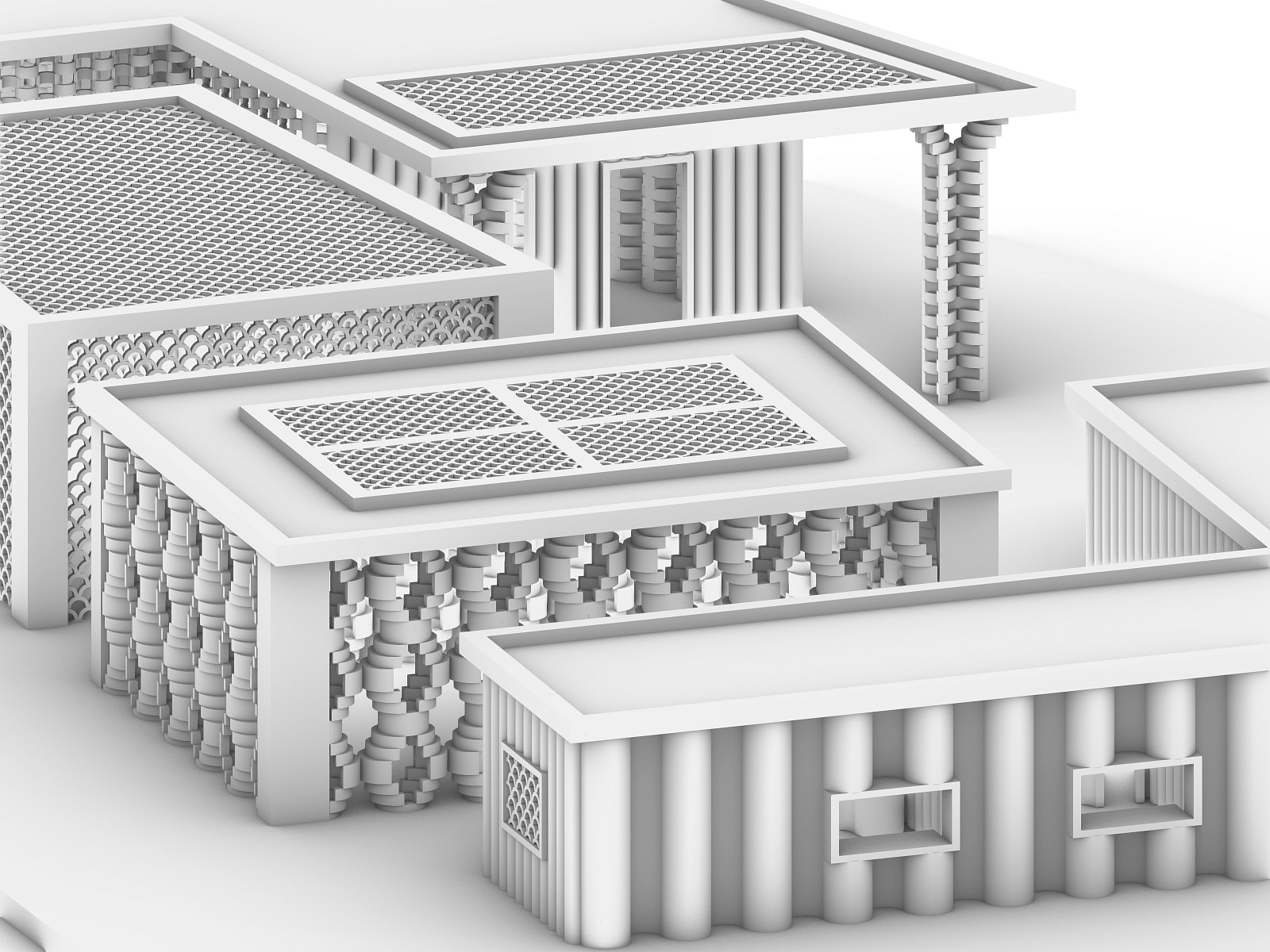
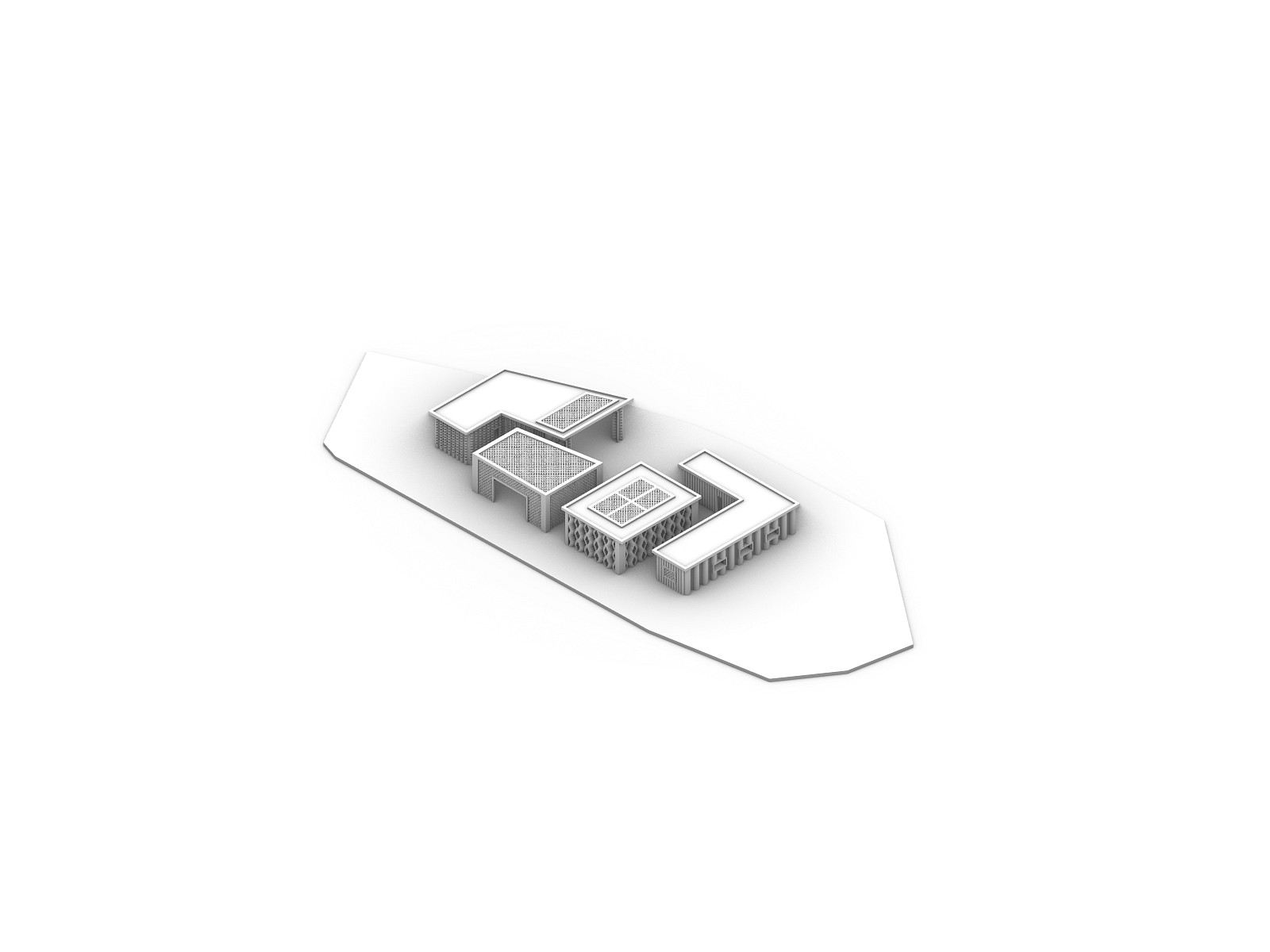
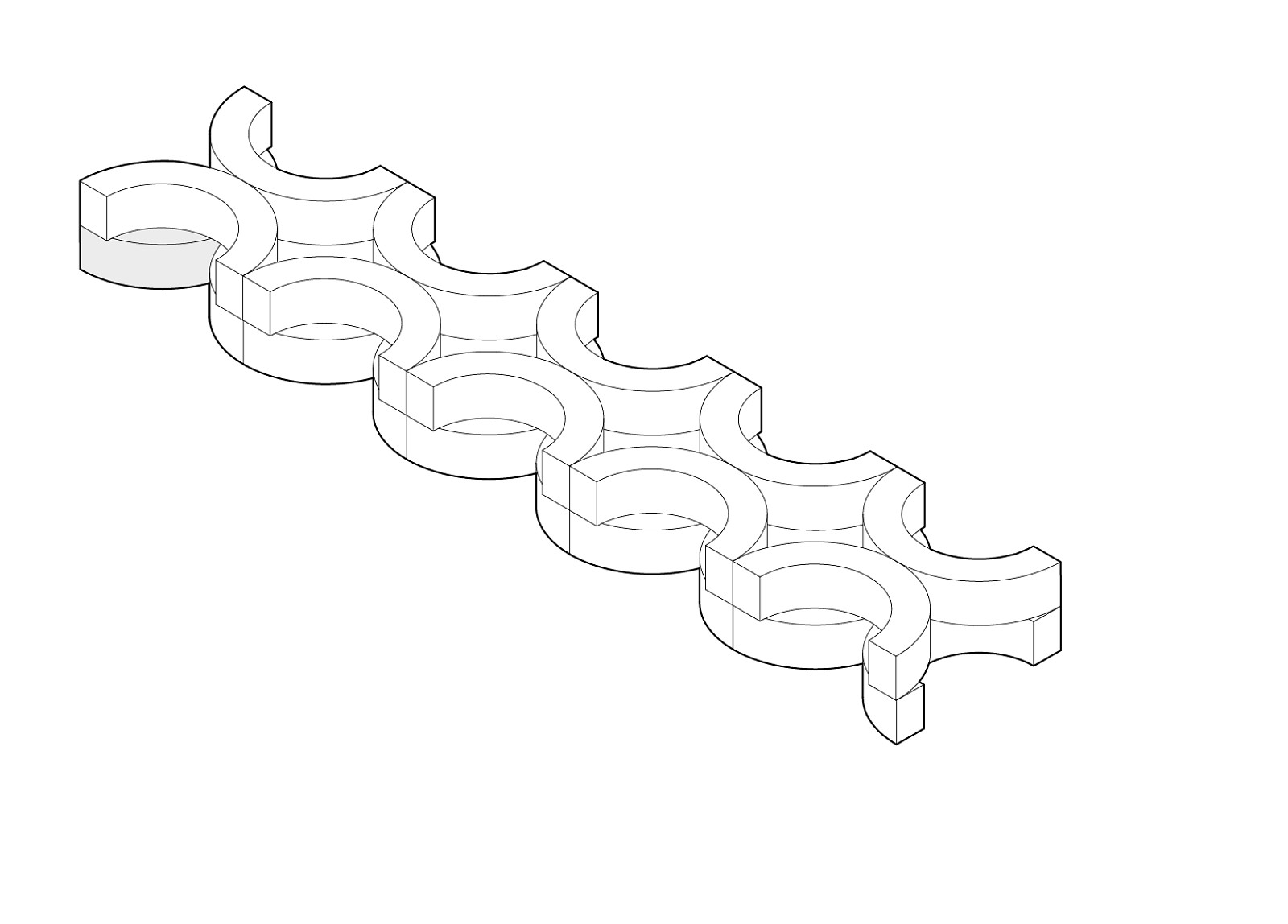
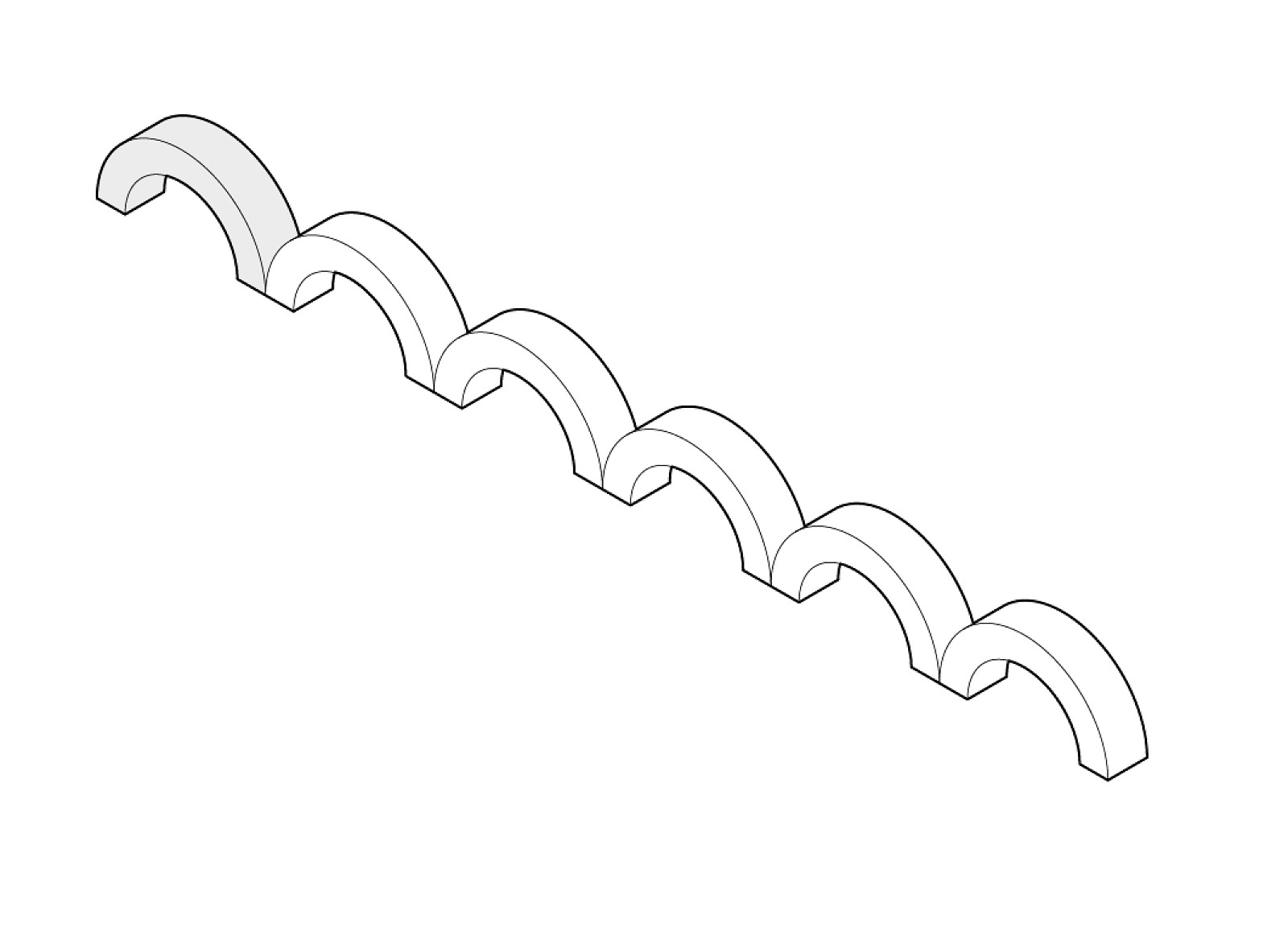
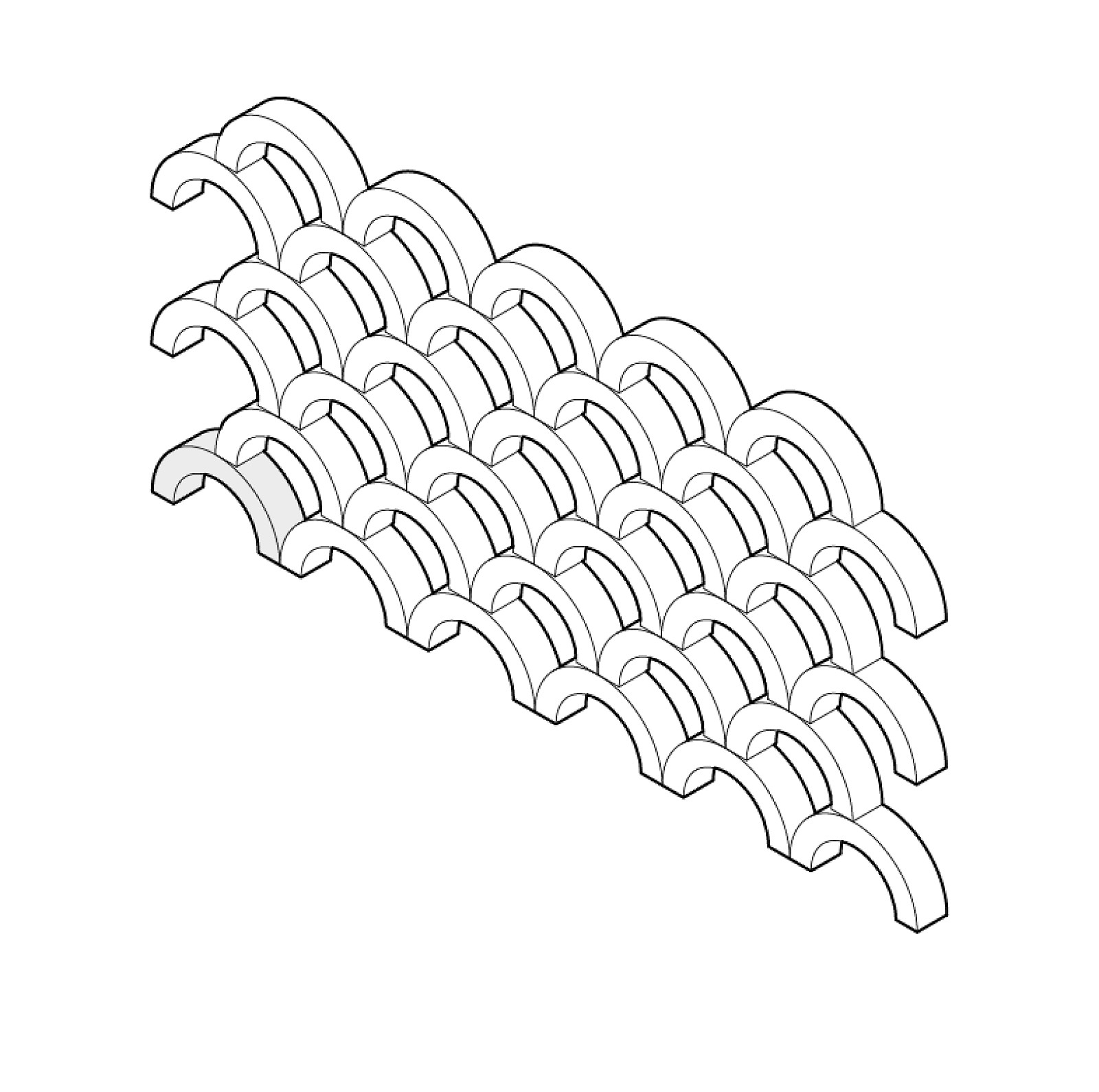
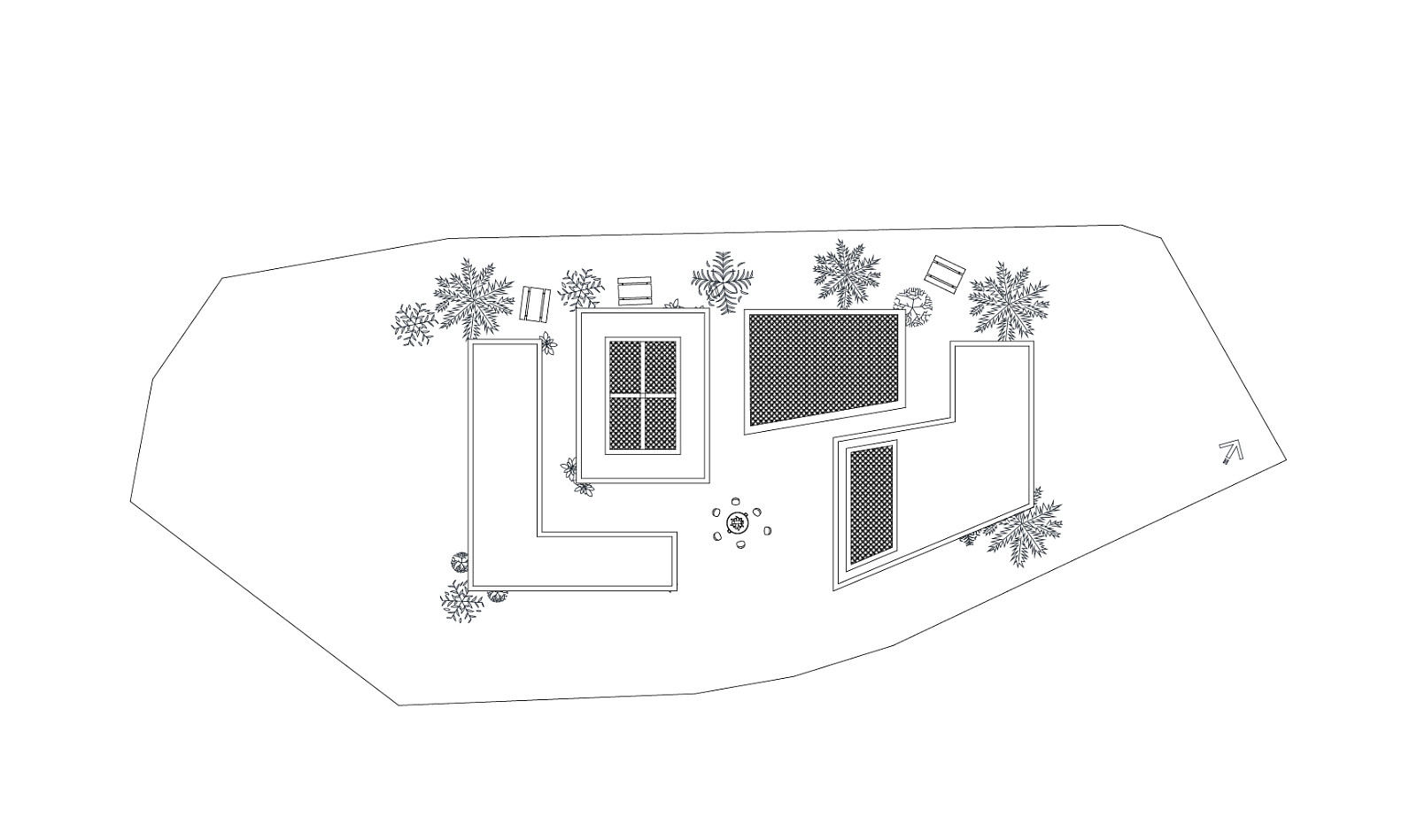
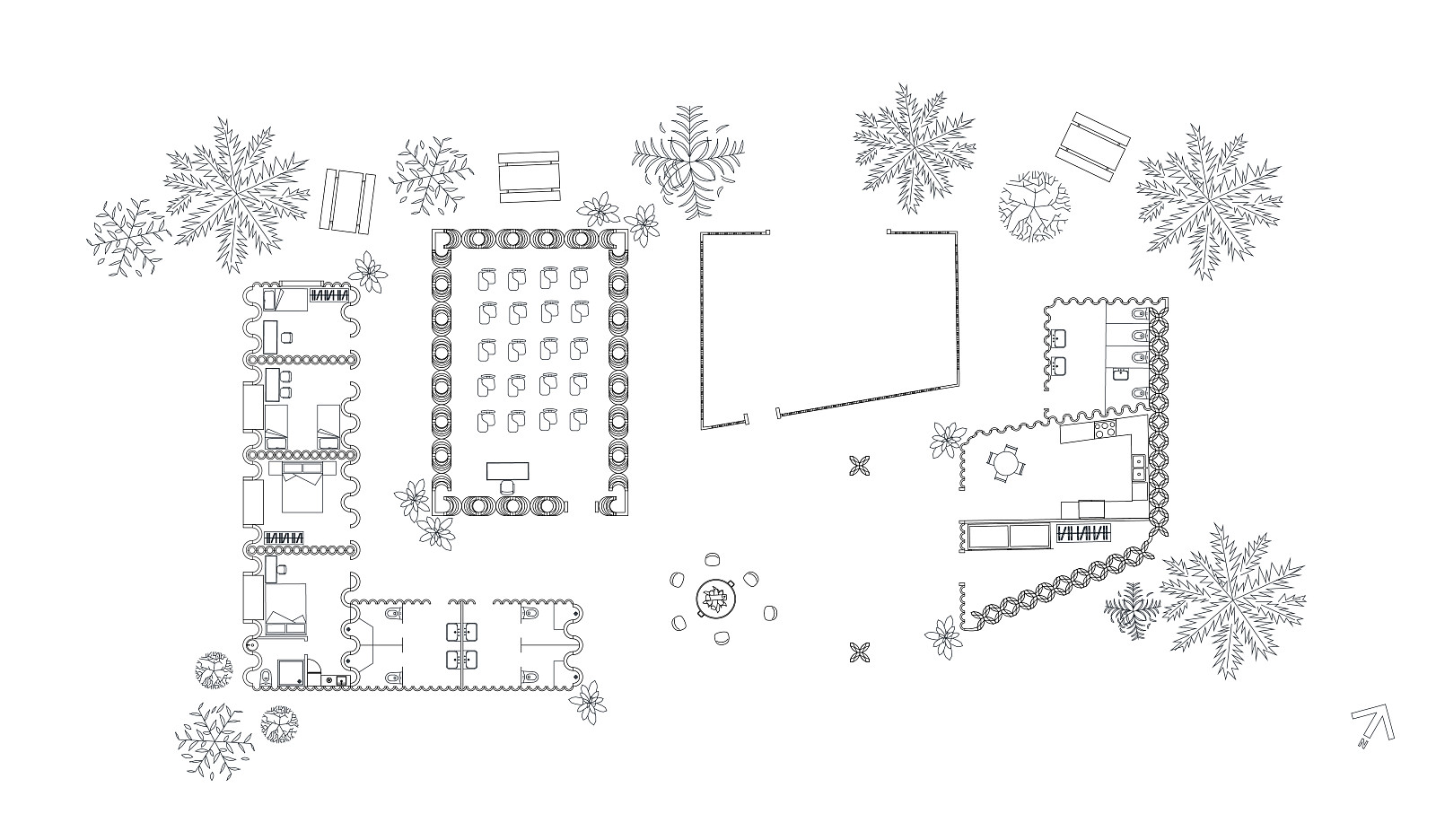
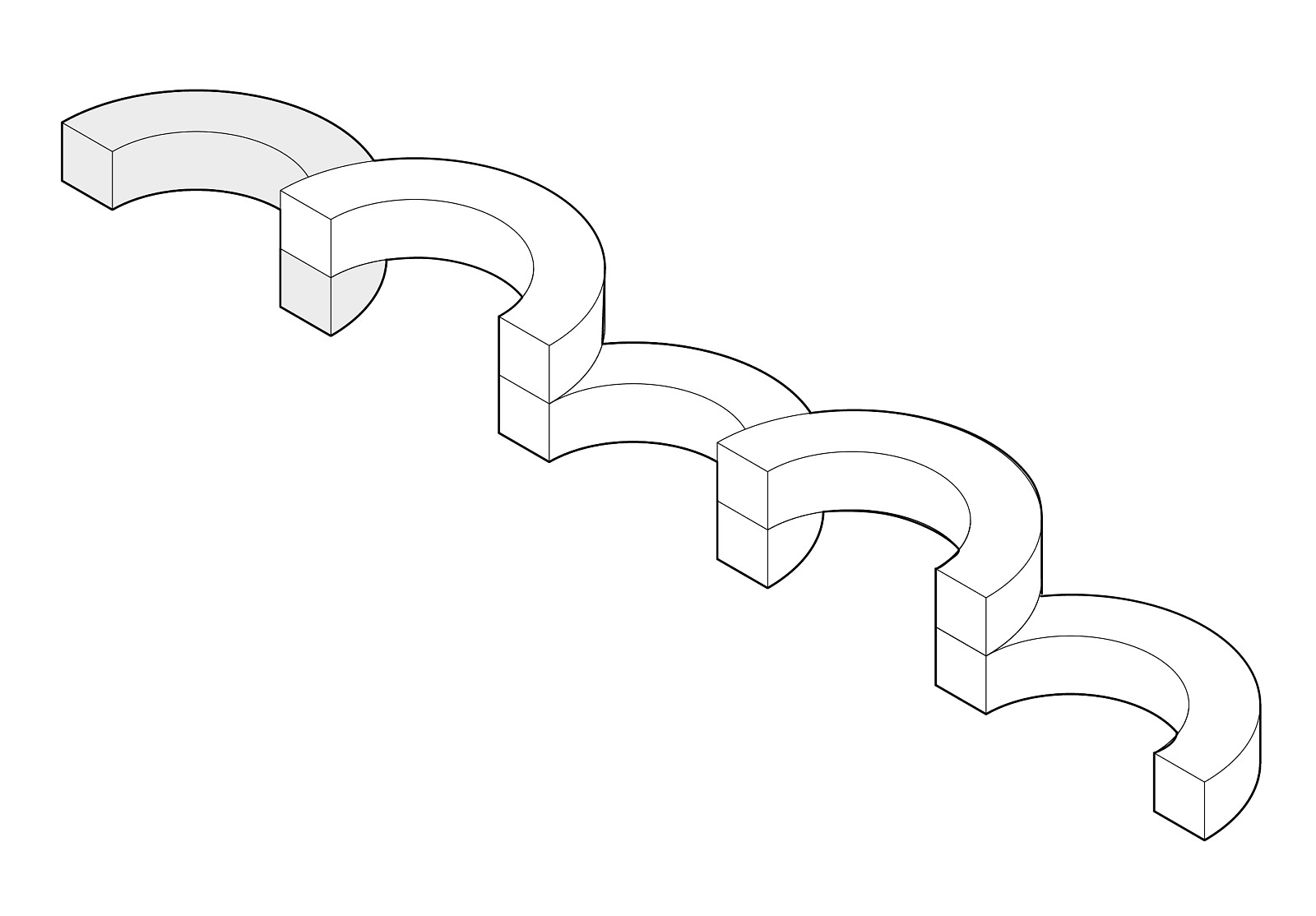
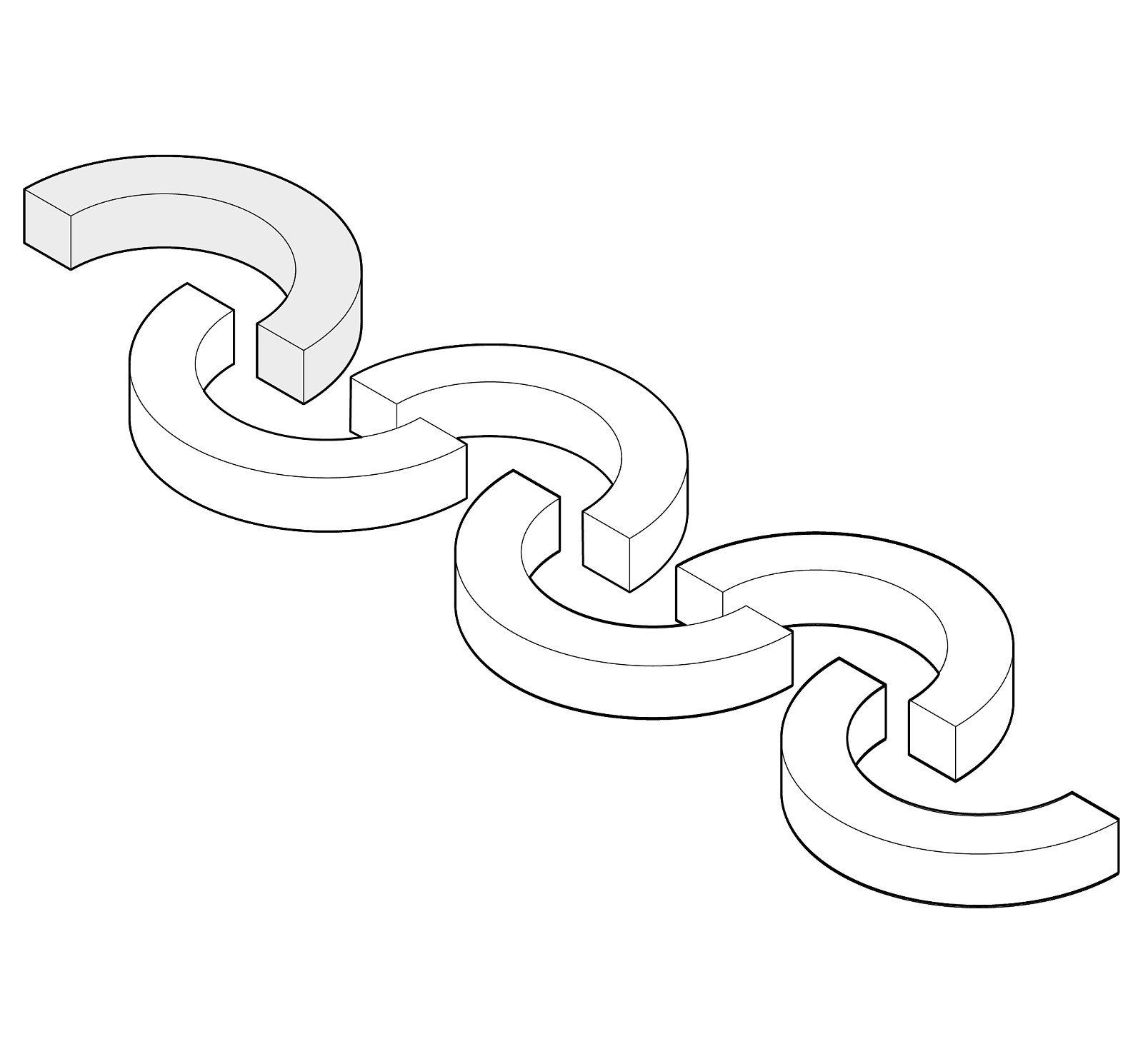
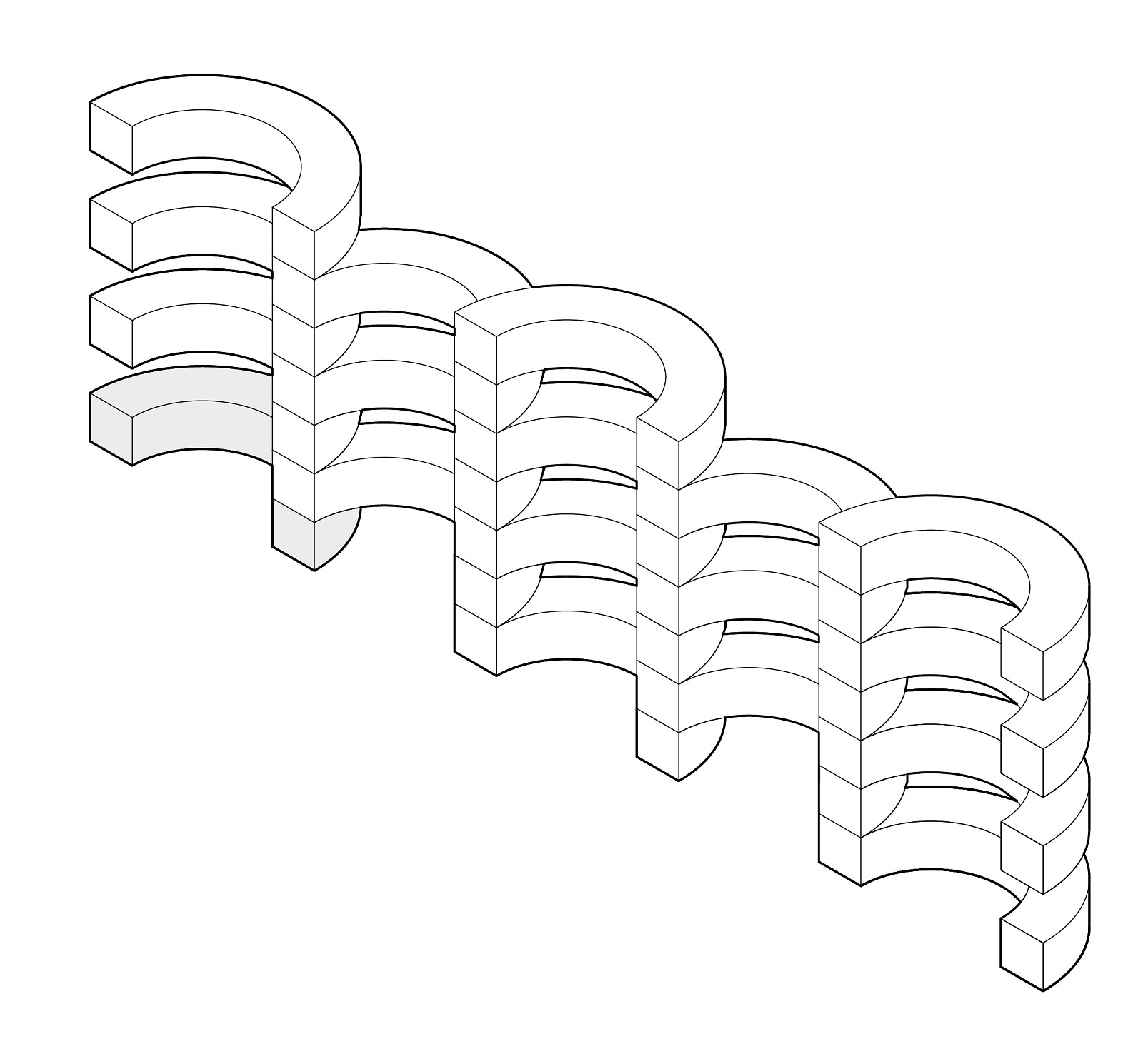
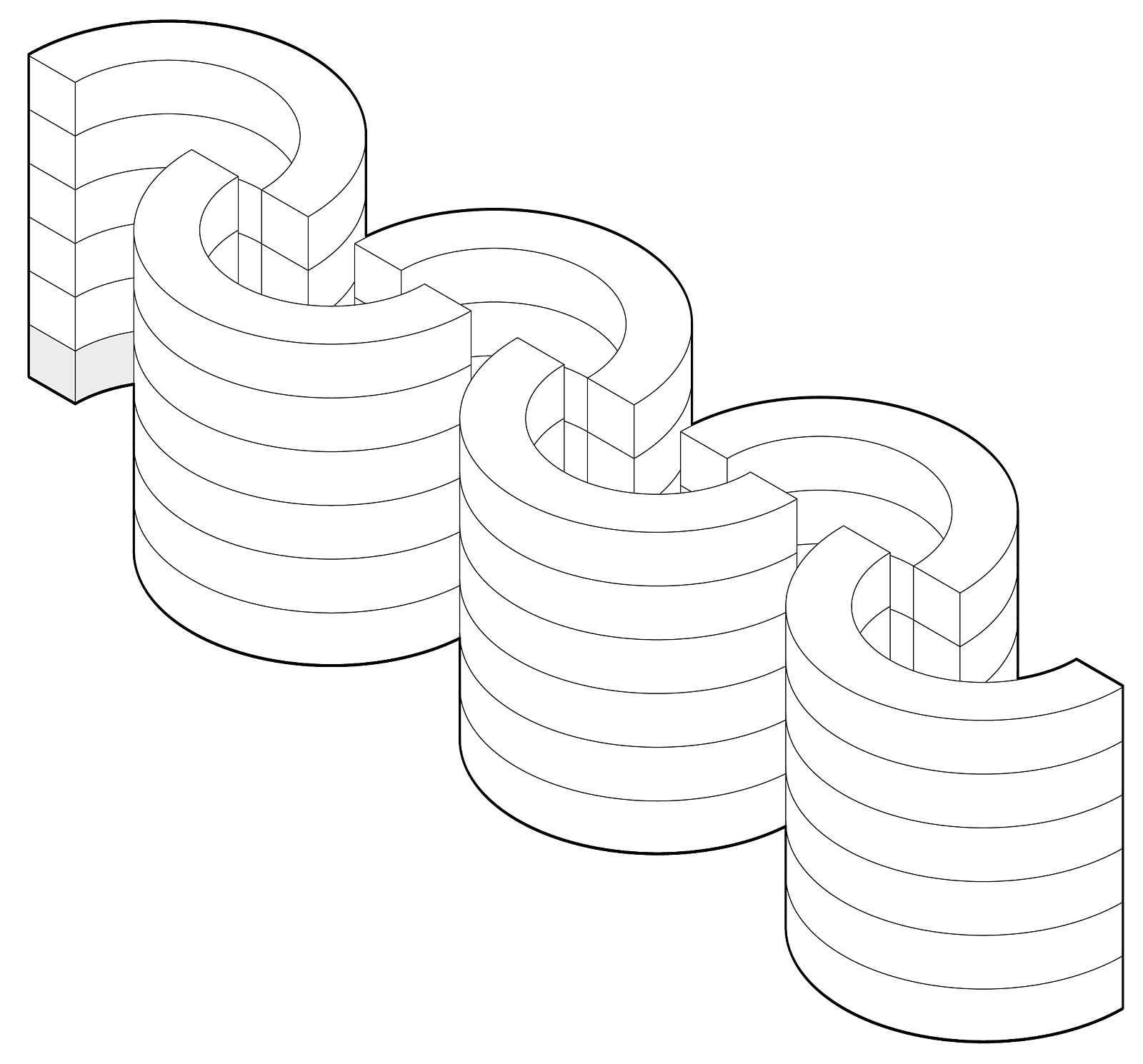
Developed within the Robotic Studio at the ARCA Lab (School of Architecture, Ariel University), the project translates academic research into a functional spatial reality. The complex functions as a distributed campus integrated into the landscape. The programmatic scope is carefully balanced: Communal and learning spaces (30%), Accommodations (25%), Sanitary facilities (20%), Storage (15%), and Administration (10%). The spatial design relies entirely on the aggregation of a single basic module-the "Arch Brick." Through duplication, shifting, and alternating arrangements, this simple unit develops into a rich architectural language, ranging from continuous "wave walls" to airy mashrabiya structures. This configuration defines specific functional zones while orchestrating the penetration of natural daylight, creating dynamic transitions throughout the complex.
Technical information
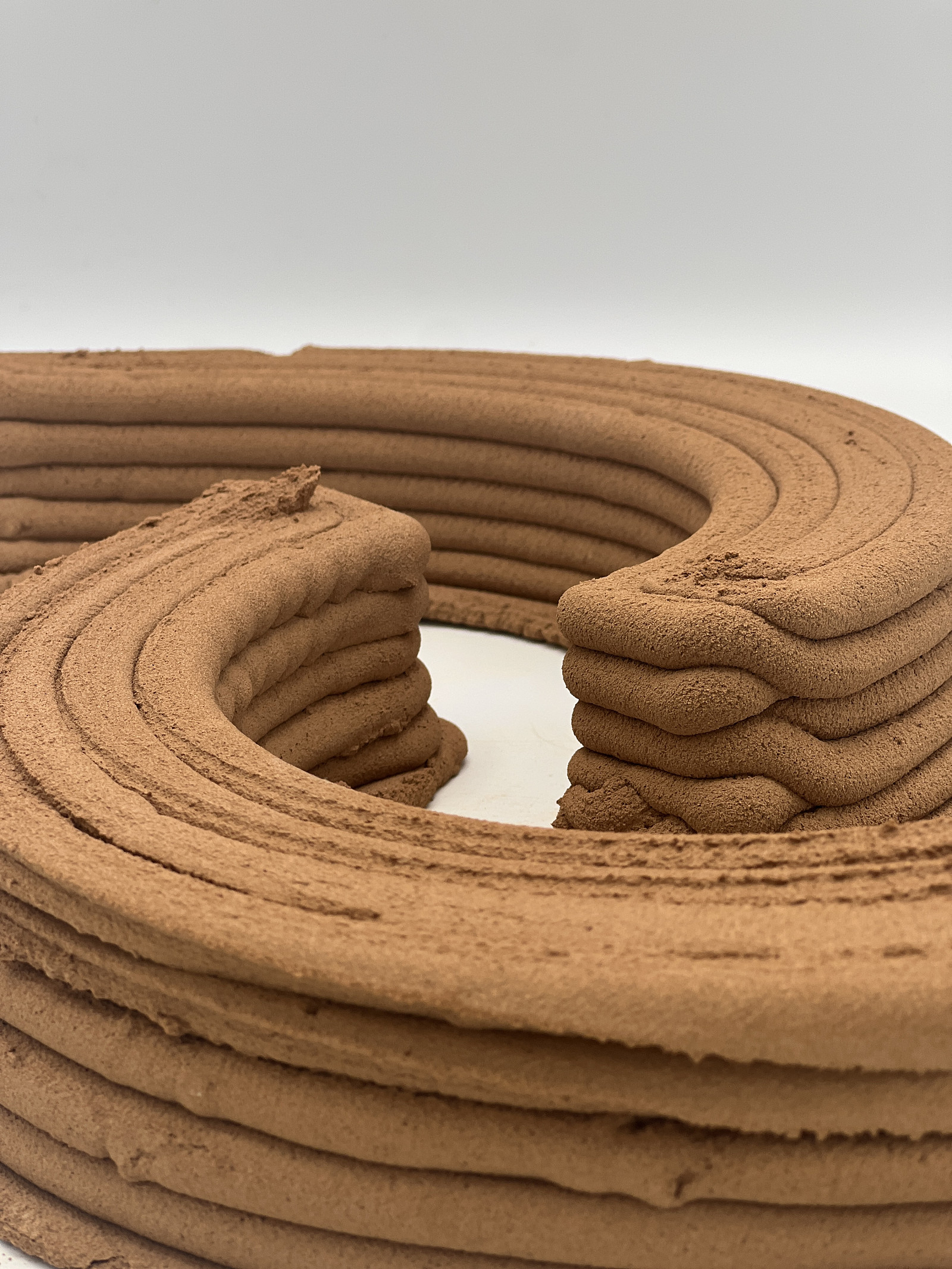
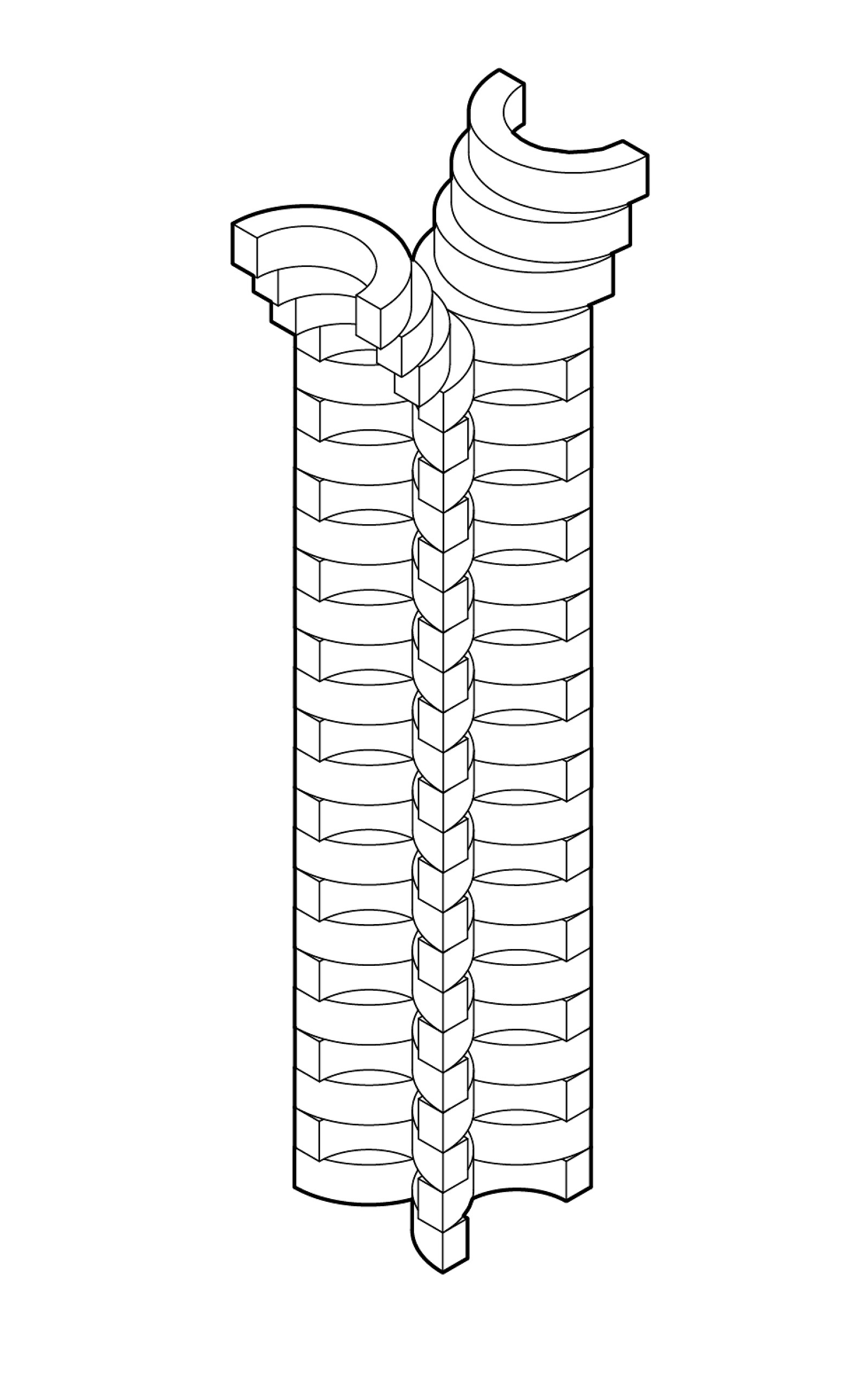
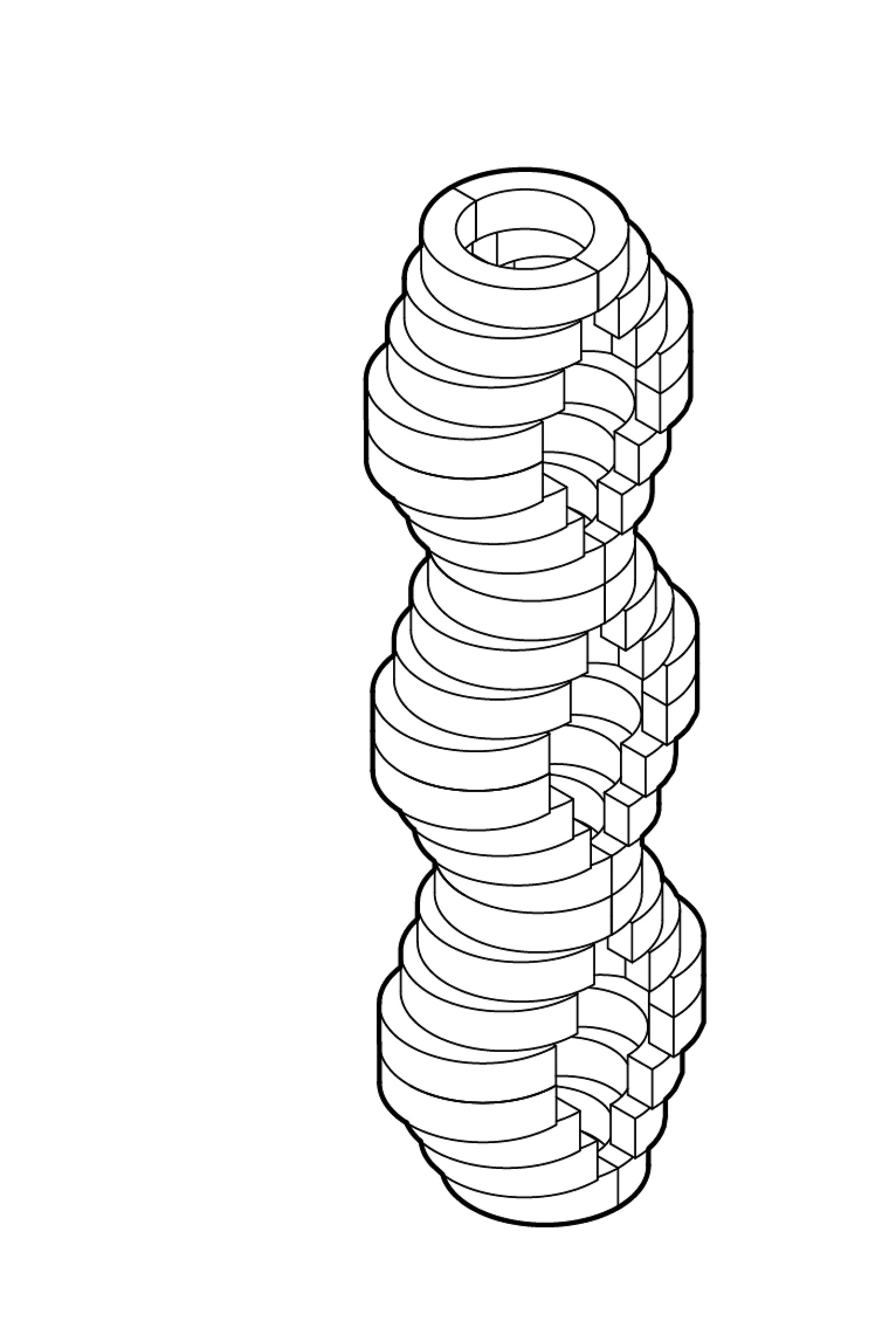
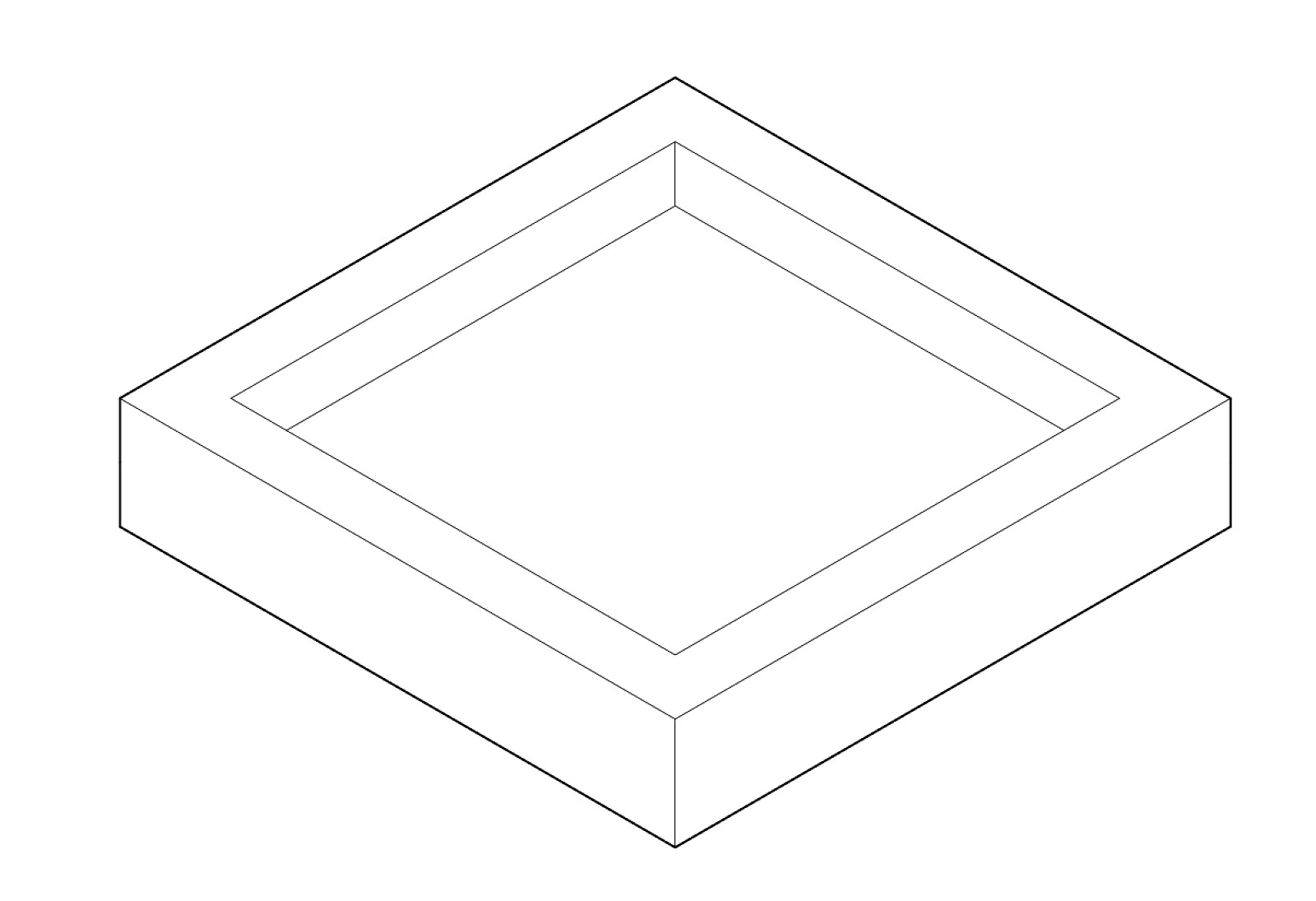
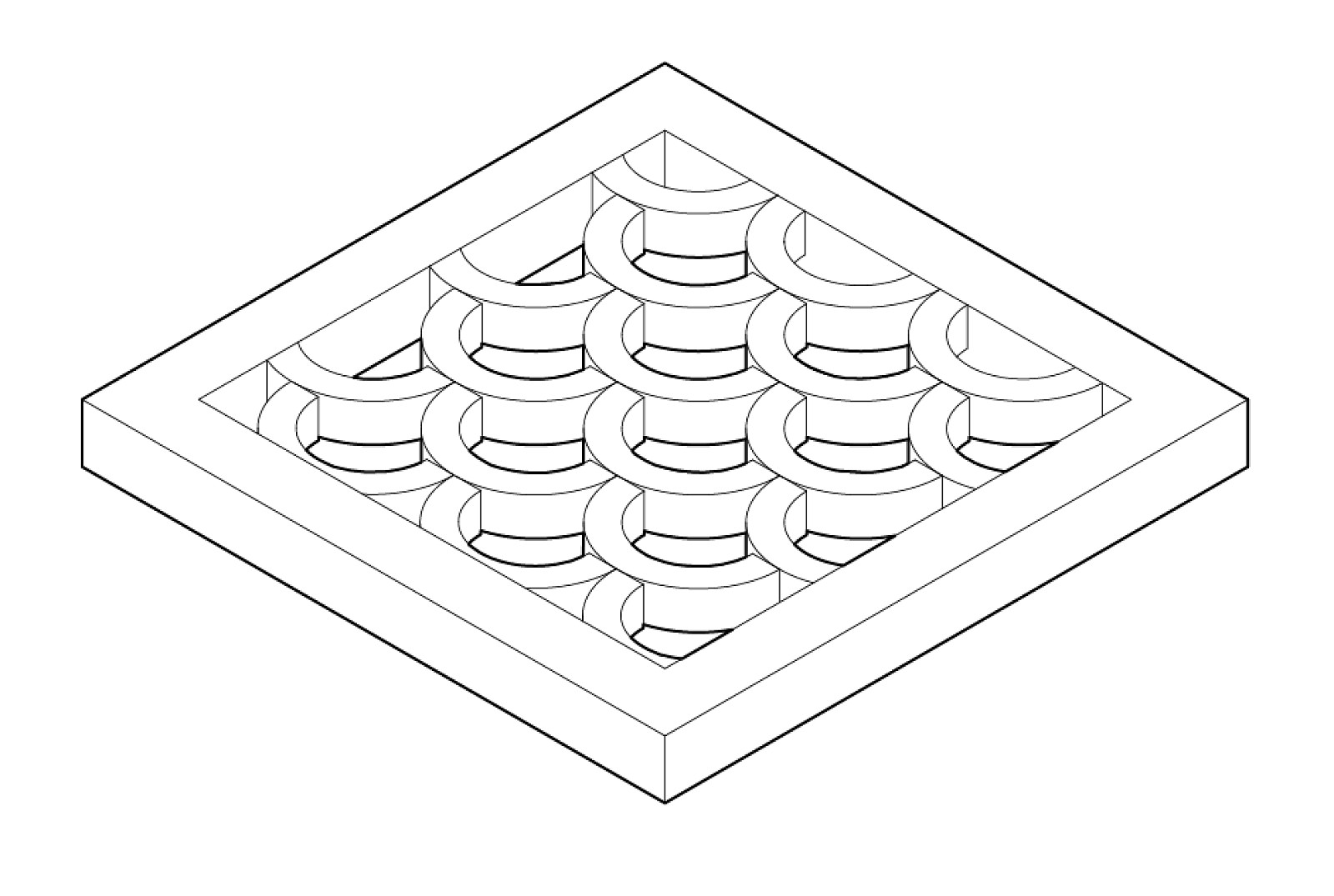
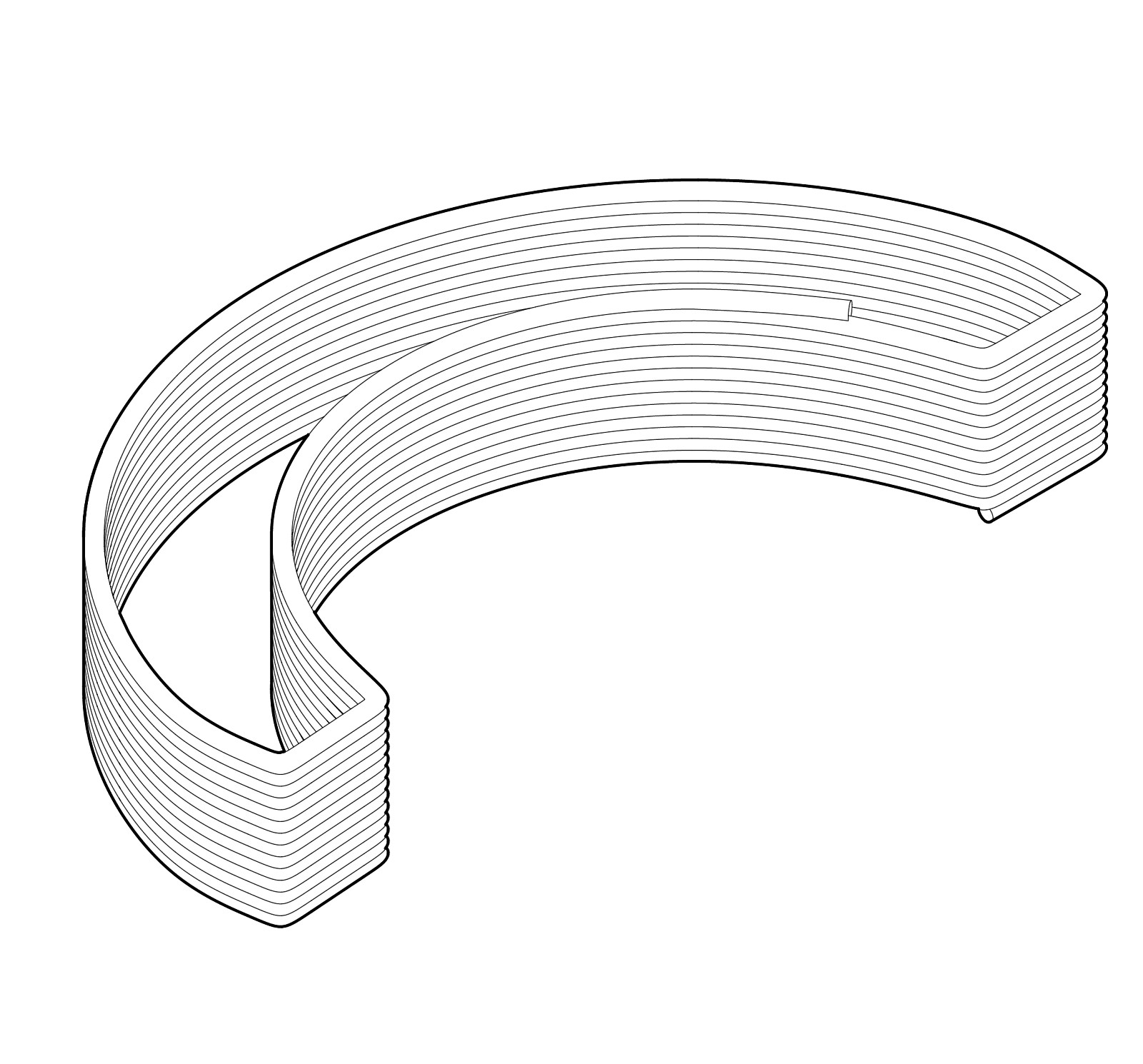
The construction relies on advanced robotic 3D printing technology, utilizing earthen mixtures inspired by ancient mud-brick compositions (such as natural soil, crushed sherds, and debris). The structural system is entirely based on the "Arch Brick" module, conceived by adding volume and thickness to a basic 2D arc. This parametric variation allows for the creation of intricate, self-supporting topographies without the need for traditional formwork. The layer lines inherent to the 3D printing process are intentionally exposed, providing distinct tactile textures that echo archaeological strata. By manipulating this single modular element in various orientations (horizontal, vertical, inverted), the complex achieves diverse environmental filters that optimize passive shading, structural integrity, and natural light diffusion.
Documentation

Copyright © 2026 INSPIRELI | All rights reserved. Use of this website signifies your agreement to the Terms of Use, Privacy Policy, and use of cookies.
