AL-Quseir Cultural & Heritage Compex


Project idea
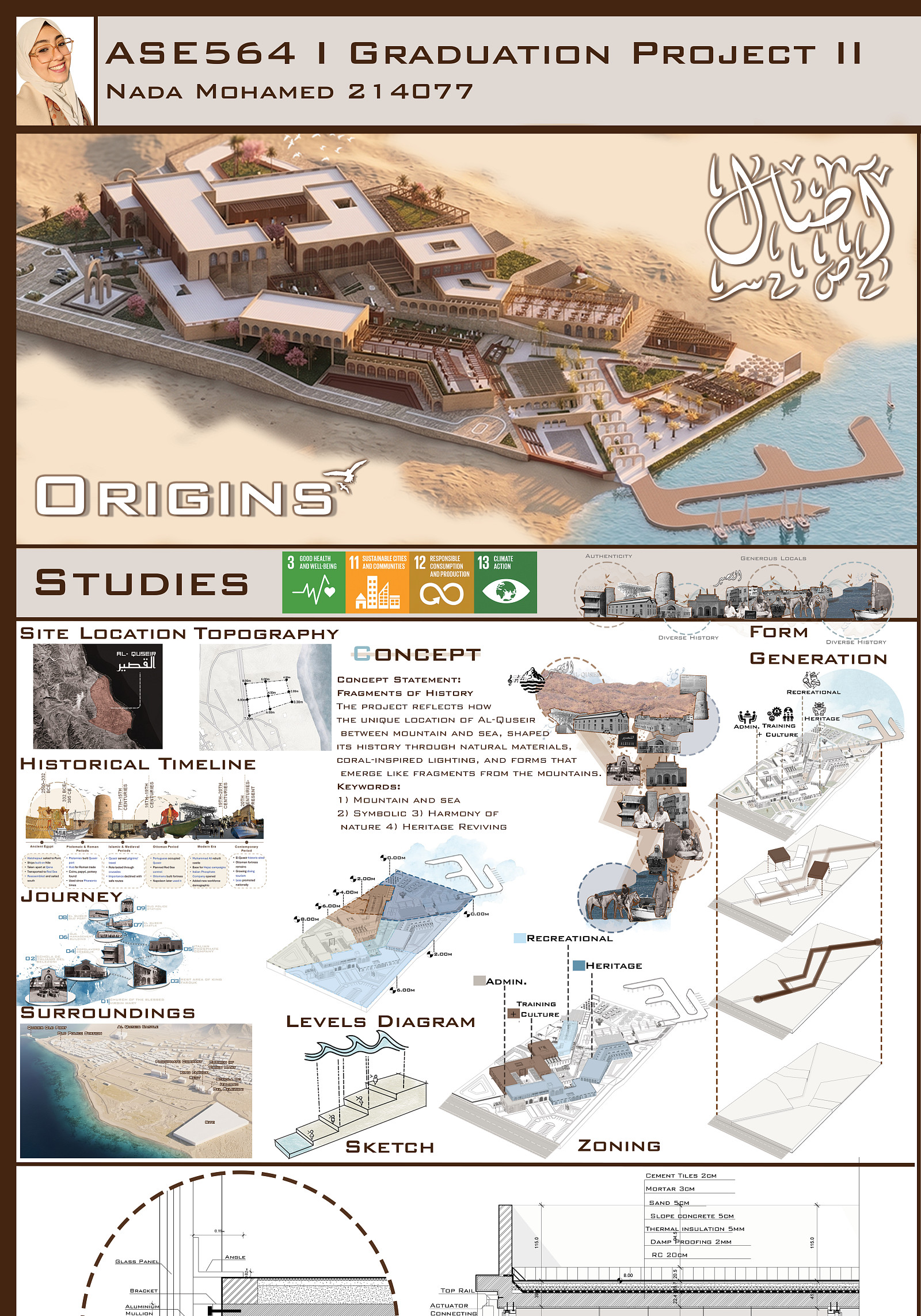
A cultural and heritage complex in Al-Quseir City, inspired by my visit to the city and its rich but under recognized history. The project aims to attract tourists, tell the story of Al-Quseir through a cultural experience, and raise awareness of the city's heritage, preserving its identity for future generations and supporting the local economy, while celebrating and protecting an important part of Egypt's cultural legacy.
Project description
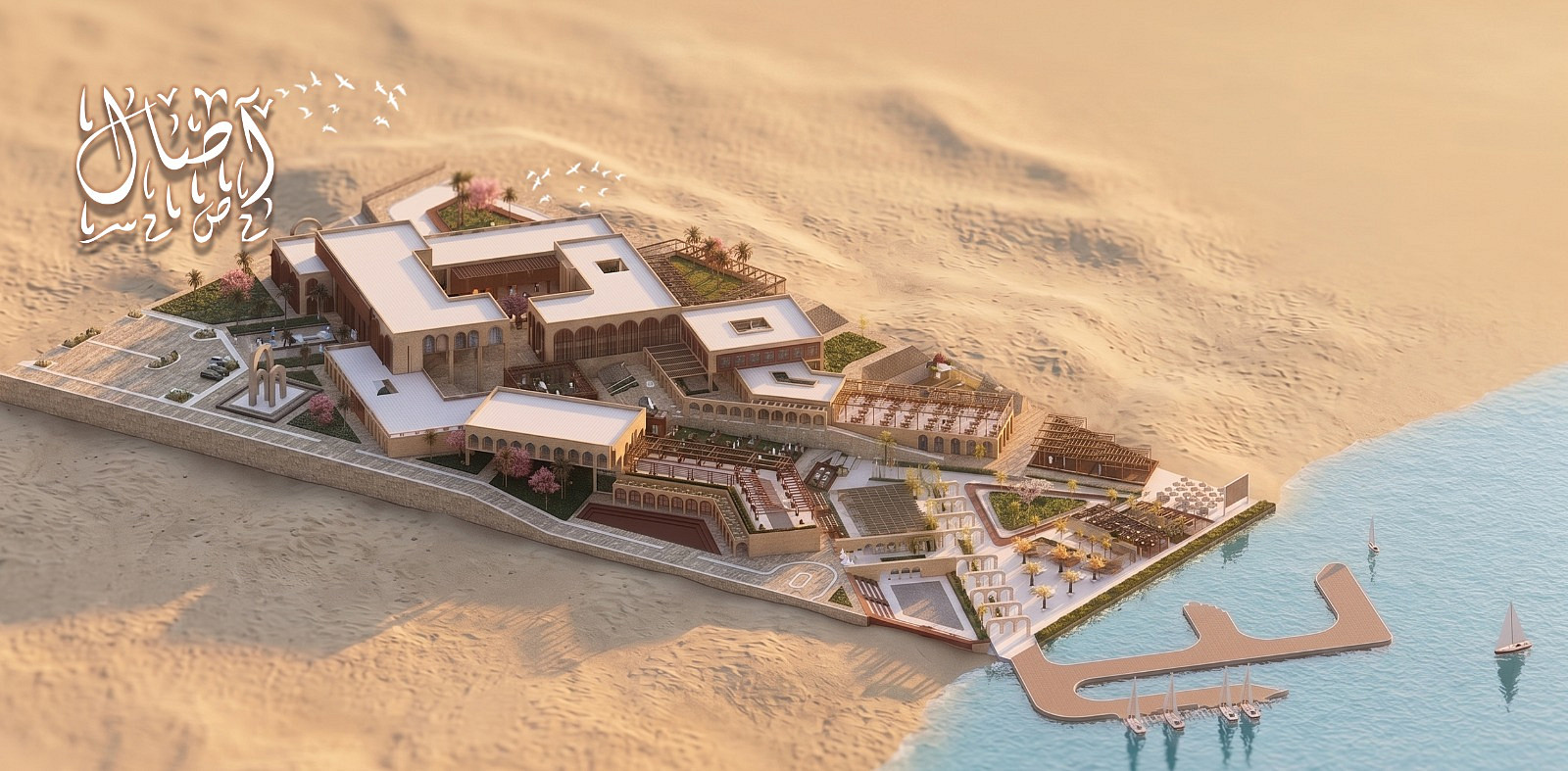
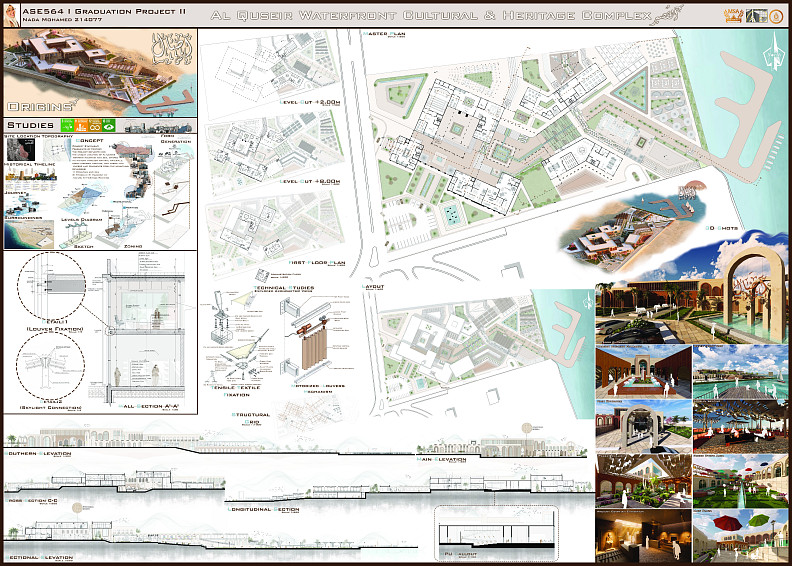
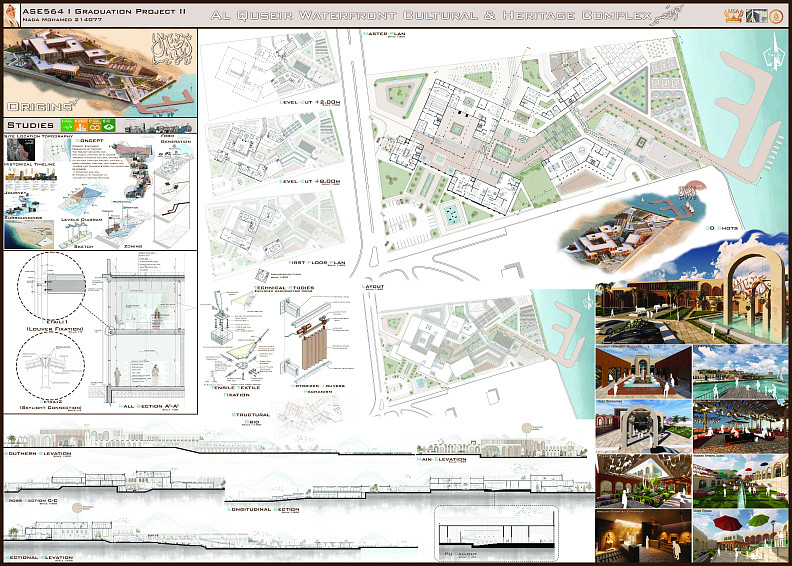
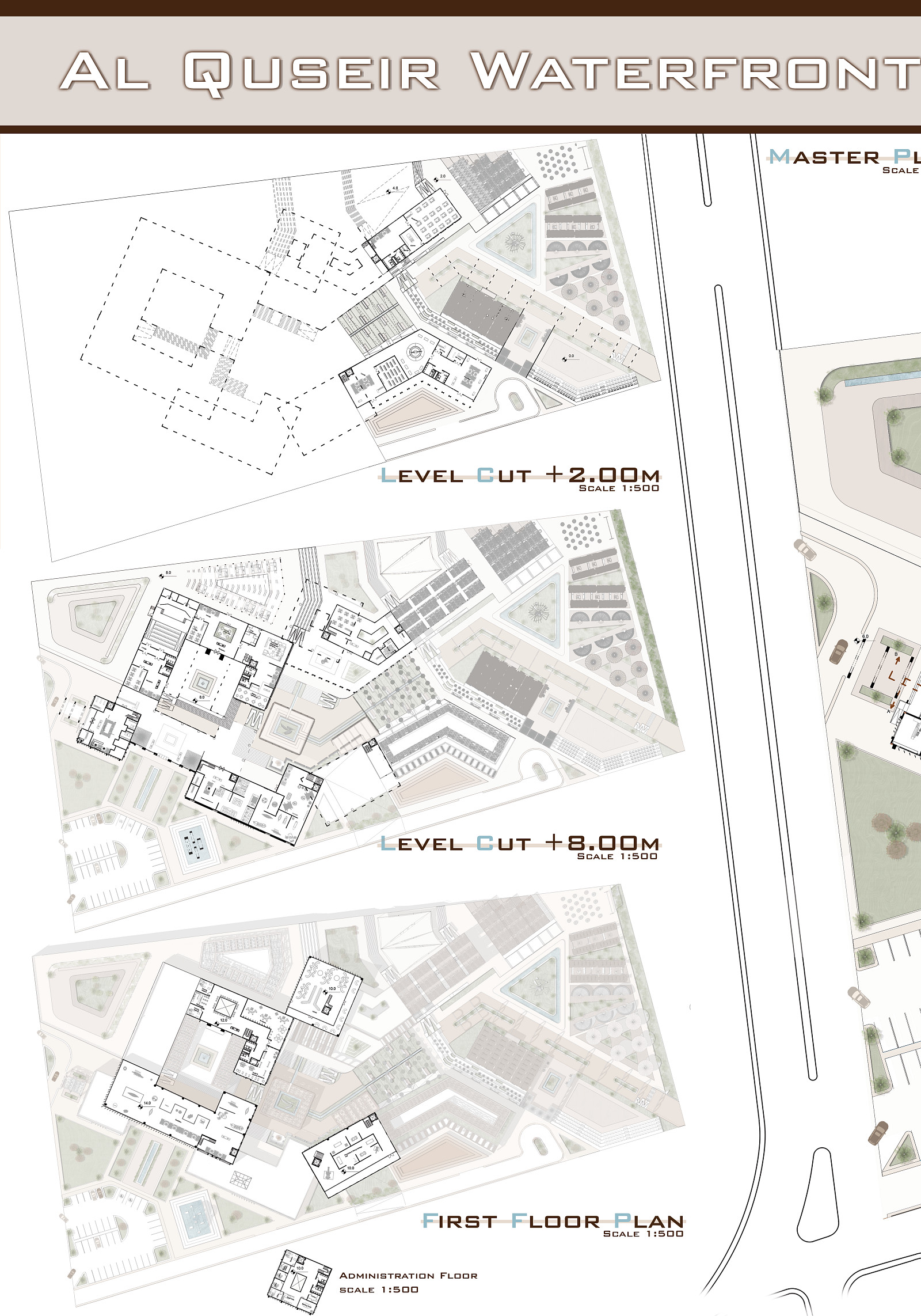
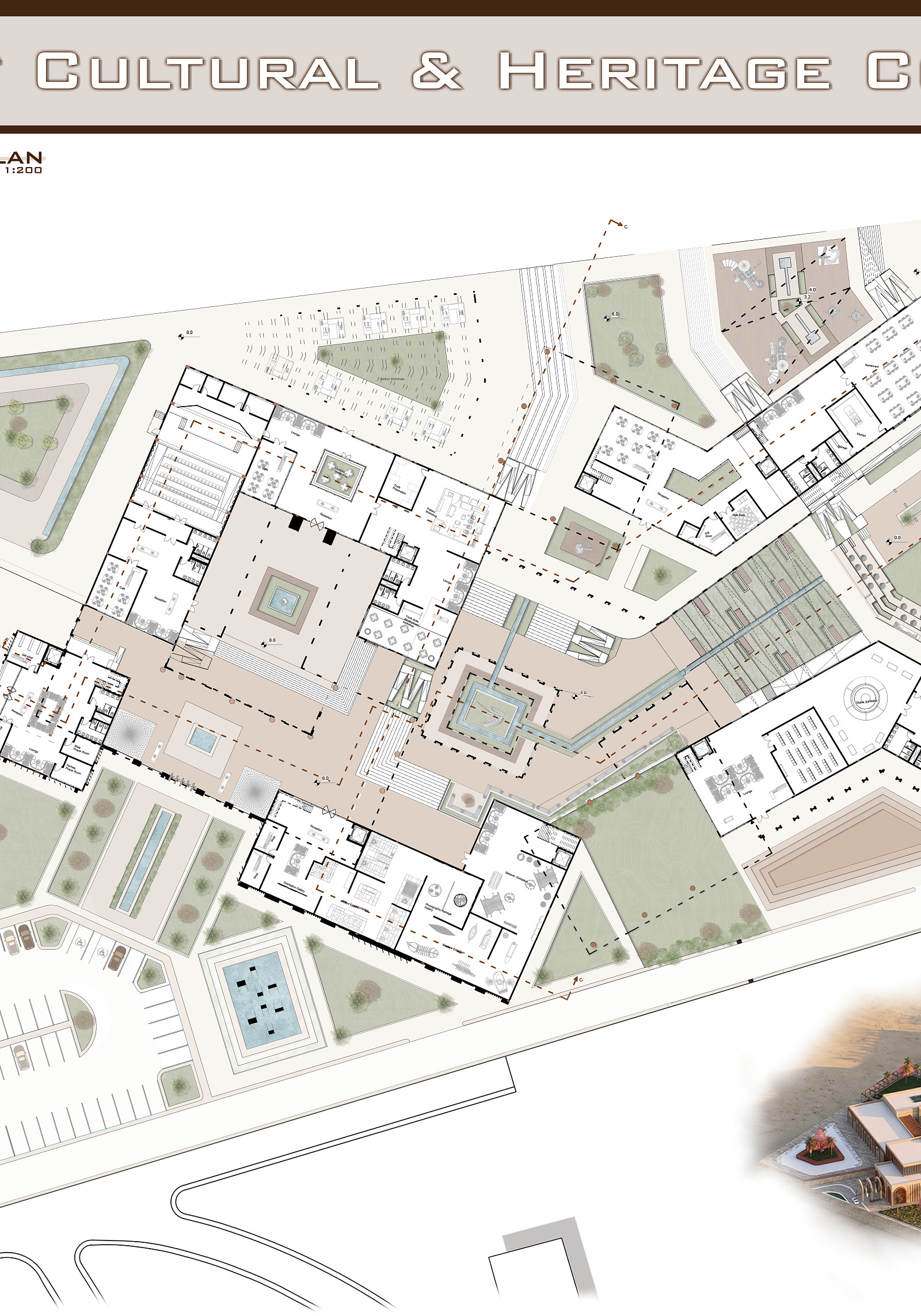
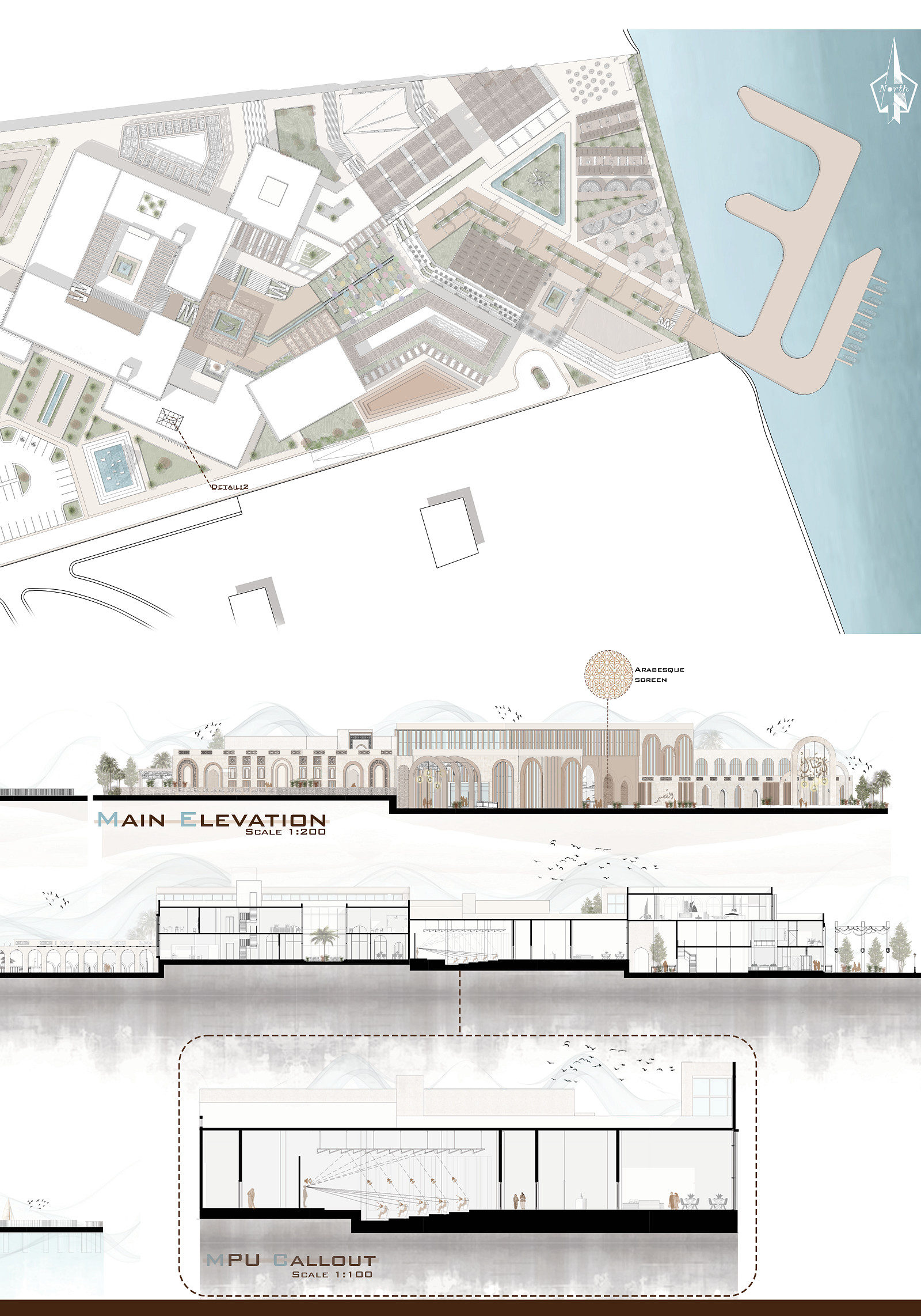
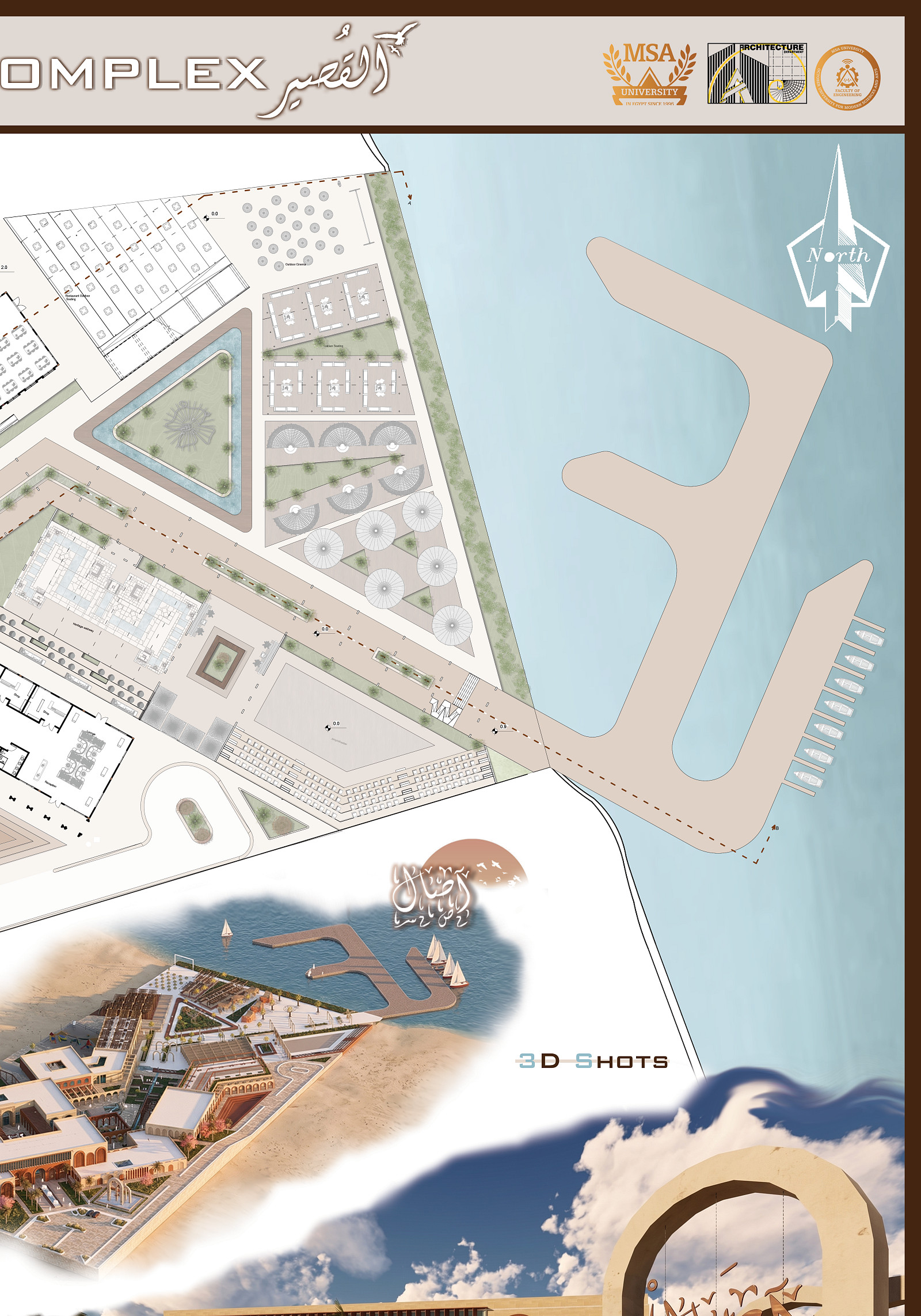
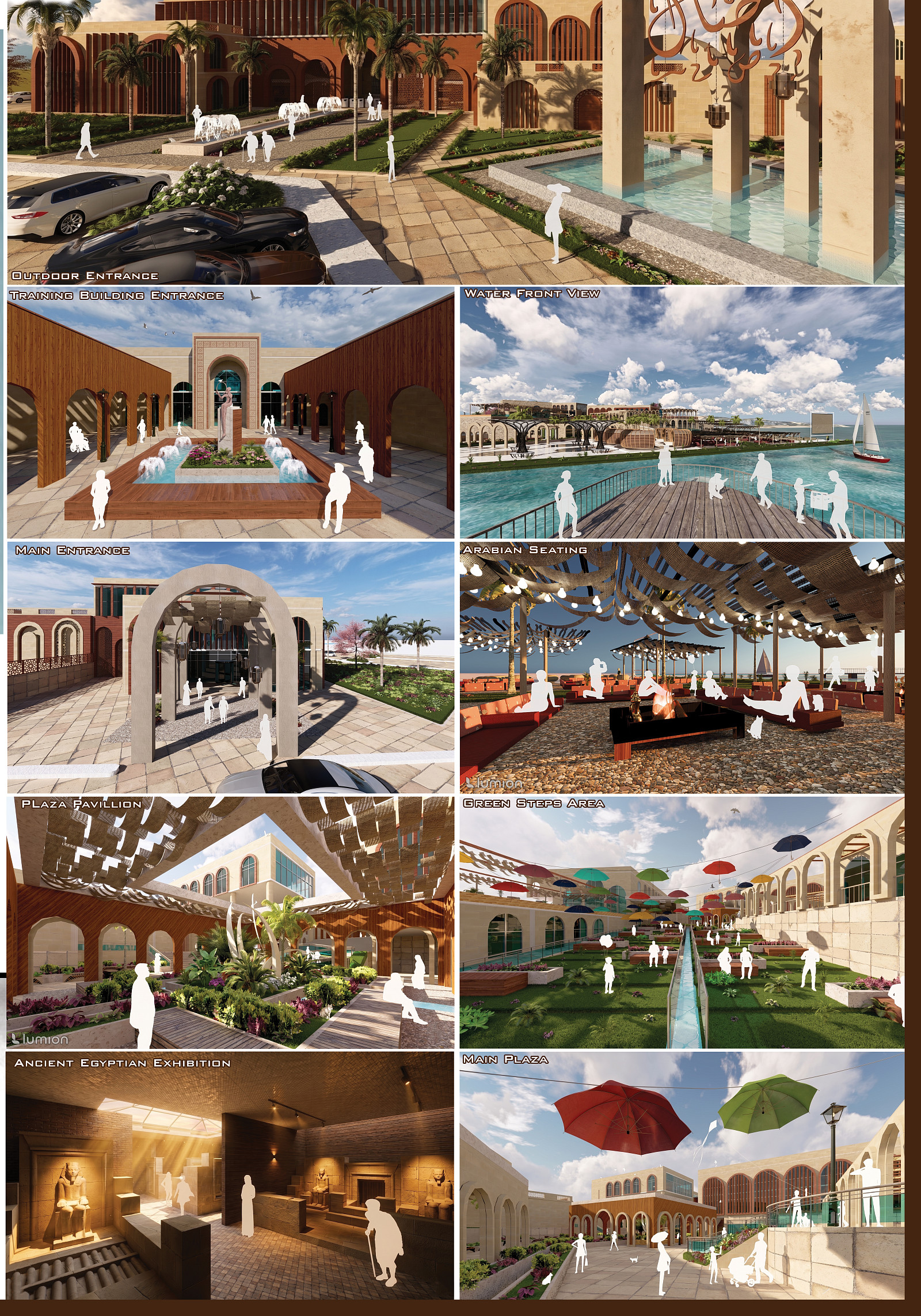
My project named Origins, referring to the objective of the project to retain the history and origins of the city in Al-Quseir, is a multifunctional destination that integrates culture, education, recreation, and community engagement to preserve and celebrate the city's historic legacy. The design includes a multi-purpose hall for cultural events, and a dedicated training center where local artisans teach traditional crafts such as woodworking, weaving, and ironwork. Interactive exhibition spaces present the history of Al-Quseir in an accessible and engaging way. Complementary amenities include cafes, restaurants, children's recreation areas, and public gathering spaces. Strategically located along the Red Sea waterfront, the project responds to both the natural and historical context, with buildings oriented to maximize sea views and visual connections to landmarks like the former Phosphate Company site. The natural topography is integrated to form stepped terraces and seating overlooking the waterfront, strengthening the relationship between the site, the city, and its heritage.
Technical information
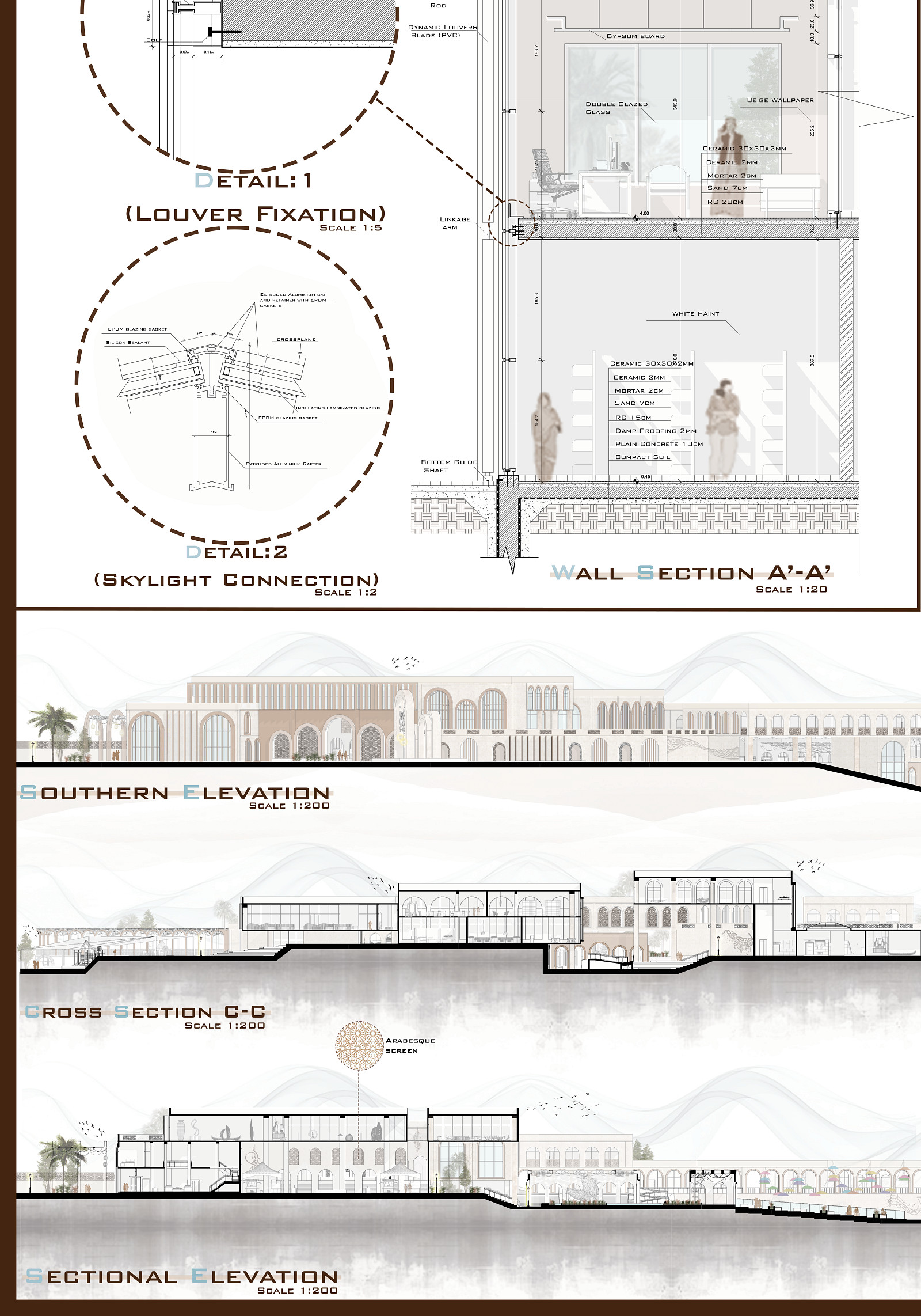
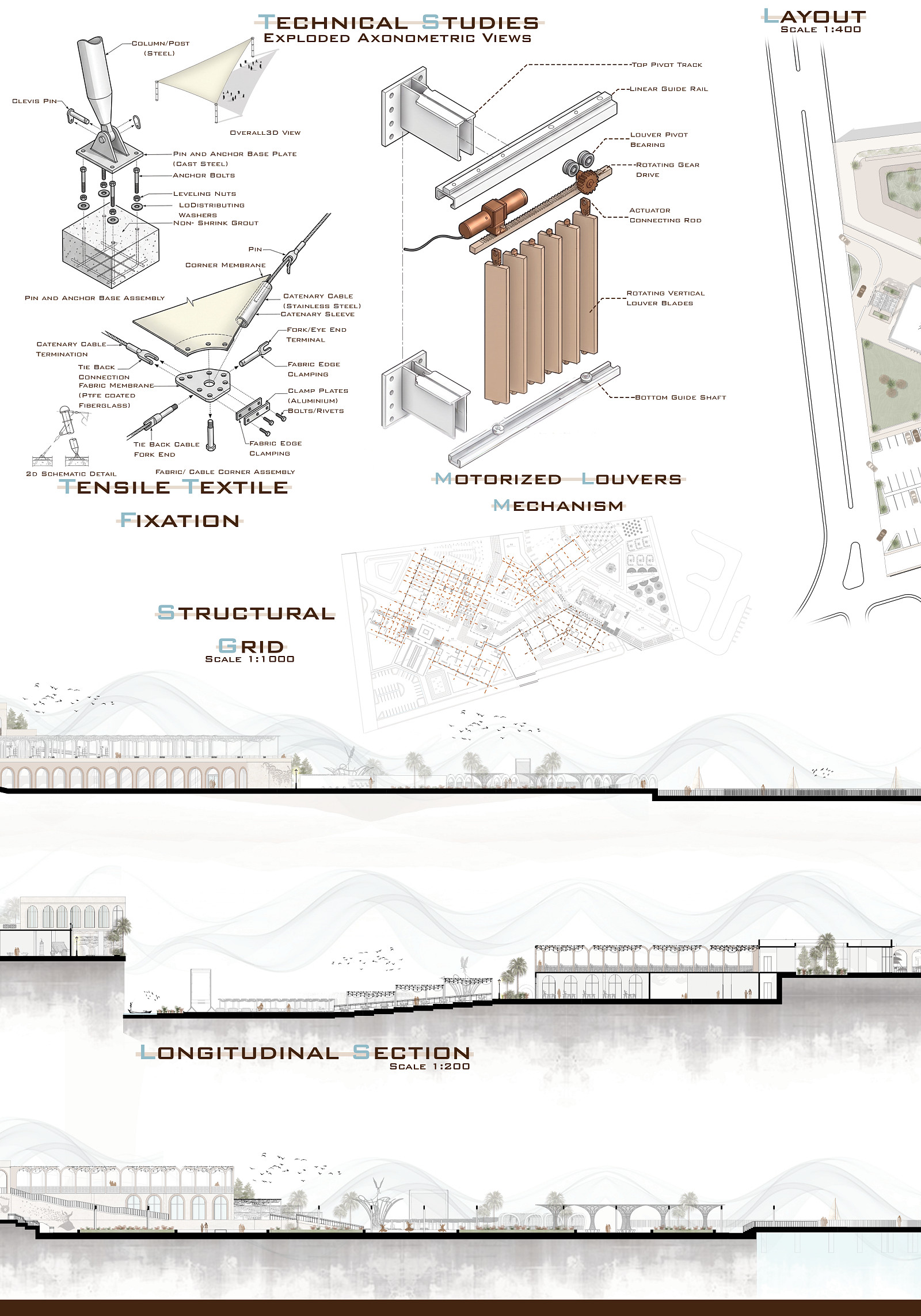
The project uses a passive environmental strategy tailored to Al-Quseir's climate and geology, integrating thick stone inspired by the coral stone high porosity walls. I also used dynamic louvers to control glare and preserve views. Courtyards bring daylight and cross-ventilation, while thoughtful massing provides mutual shading and allows sea breezes to flow through. Water features and native vegetation enhance evaporative and evapotranspirative cooling. Building heights are controlled to respect soil bearing capacity near the waterfront, using simple, cost-effective structural systems. Architecturally, the design interprets the city's Italian and Islamic influences, creating a contextual blend that complements the local character. Together, these decisions create a sustainable and context-sensitive development that responds to climate, heritage, and local economy, while offering a comfortable, memorable experience for visitors and residents.
Documentation

Copyright © 2026 INSPIRELI | All rights reserved. Use of this website signifies your agreement to the Terms of Use, Privacy Policy, and use of cookies.