Muktagacha Cultural Complex


Project idea
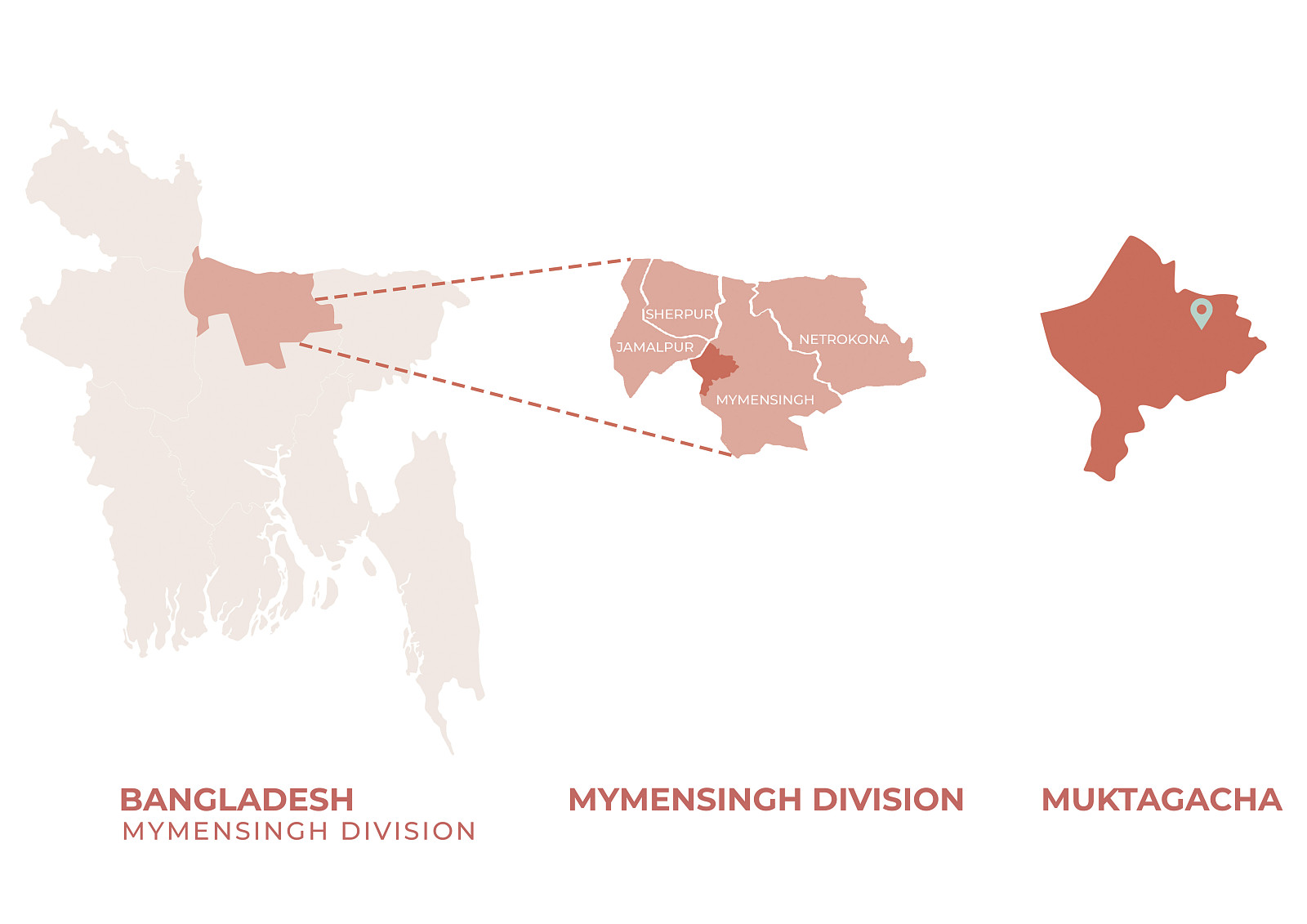
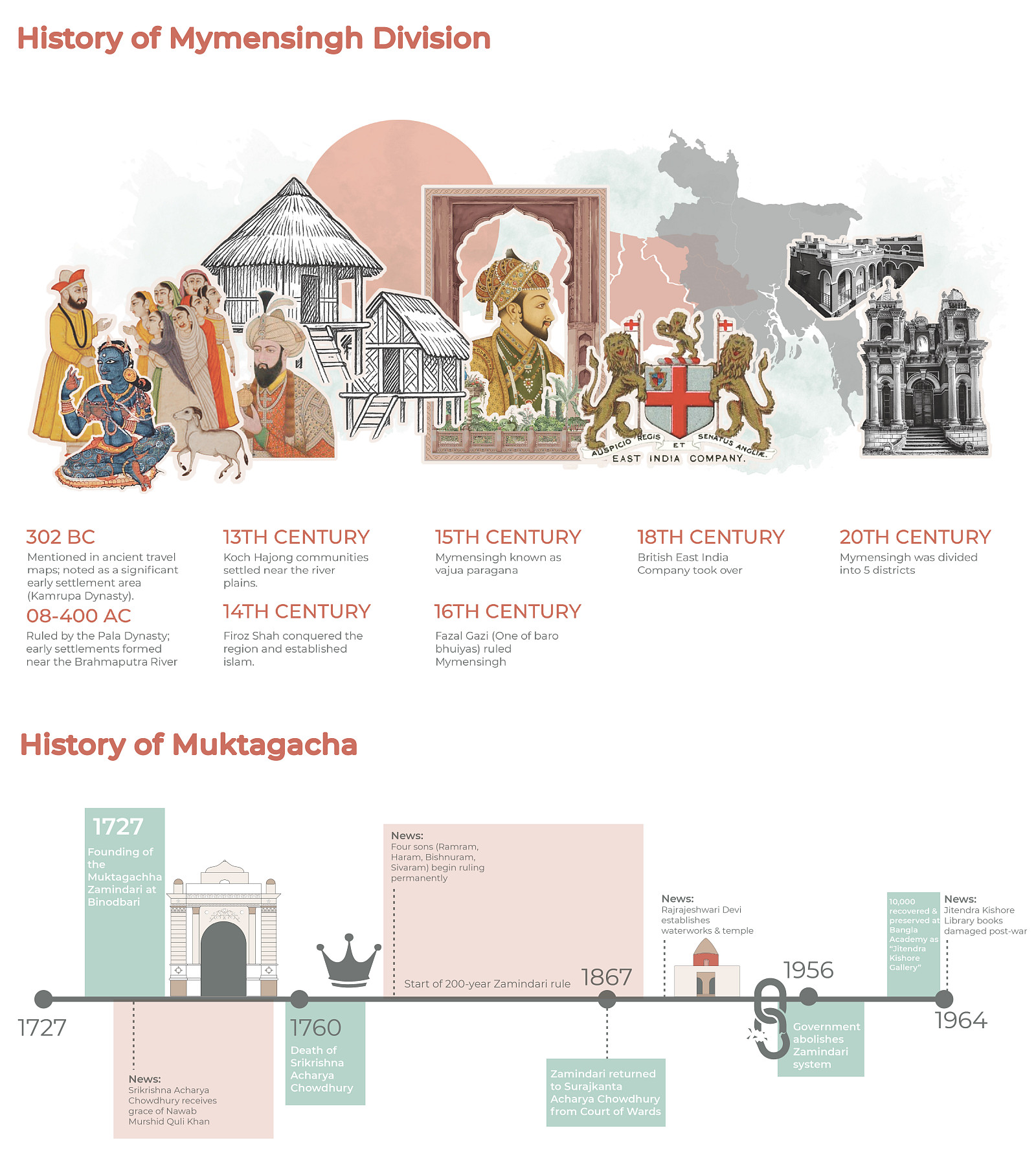
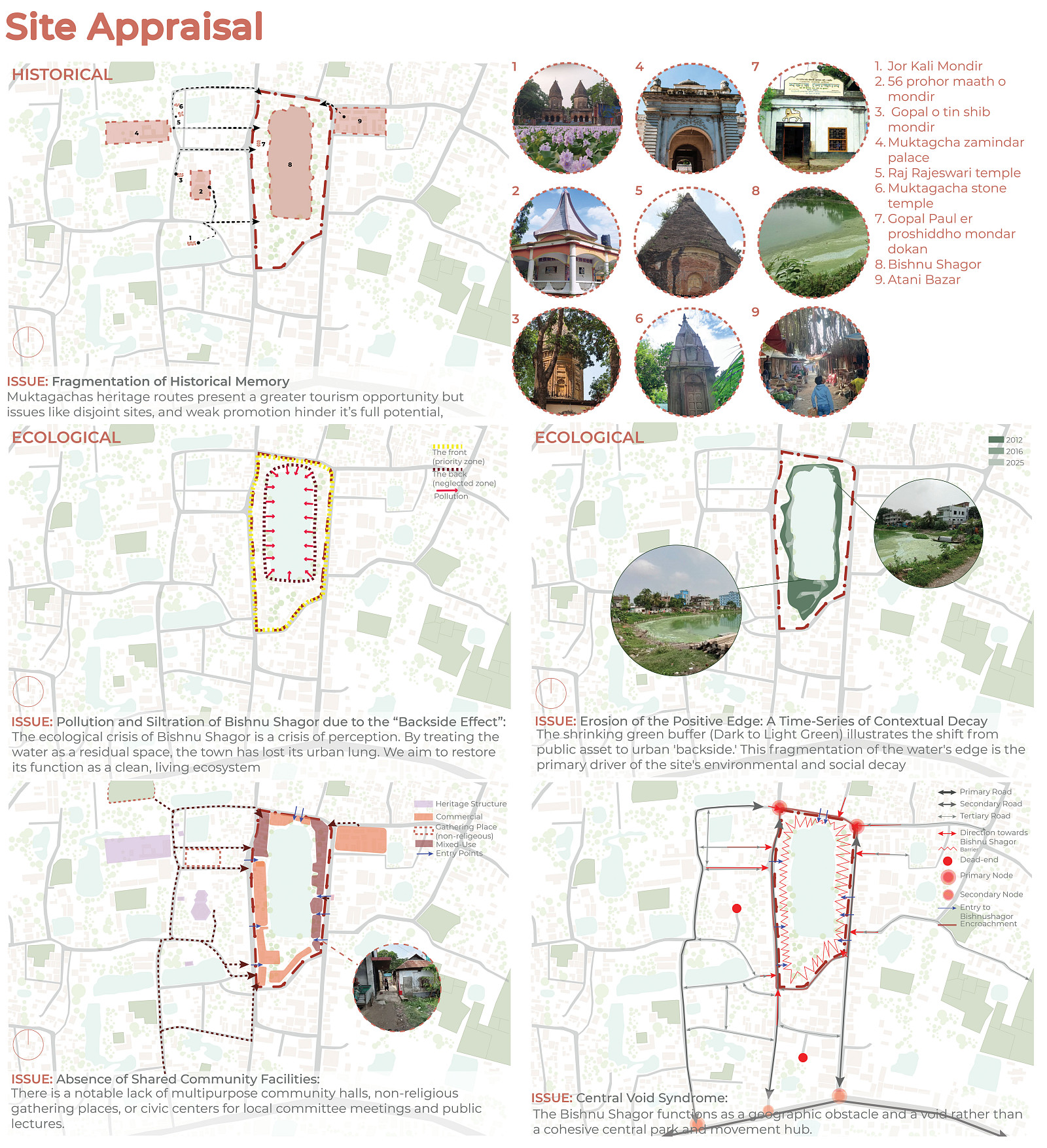
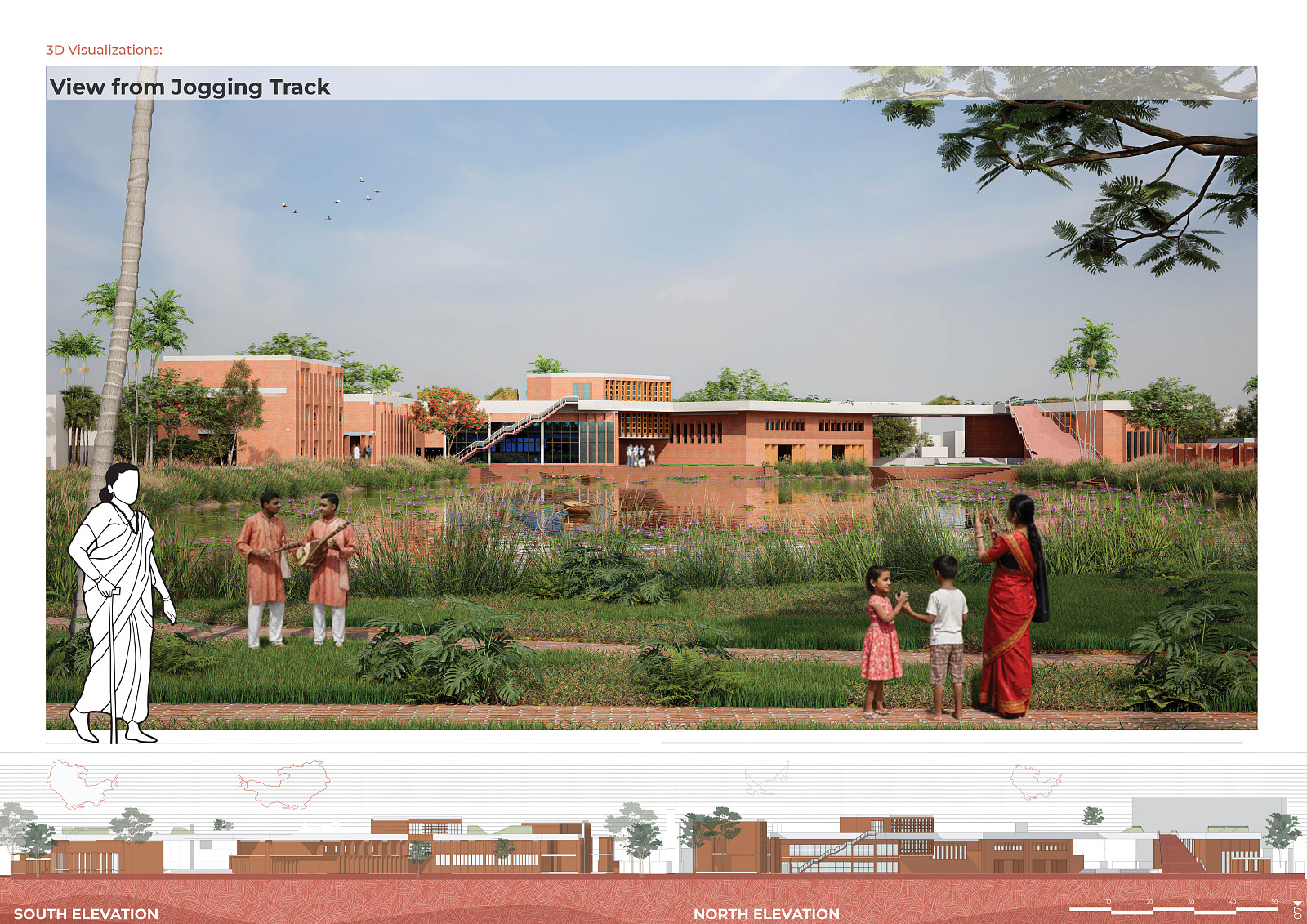
The Muktagacha Cultural Complex is an architectural response to the gradual loss of cultural visibility within the historic town of Muktagacha, Bangladesh. Once a vibrant center of intellectual discourse, craftsmanship, and performing arts, the town now faces a condition of contextual decay caused by uncontrolled commercial expansion and fragmented urban growth. This transformation has weakened the relationship between the community and its historical landmarks, particularly the Bishnu Shagor an 11-acre sacred reservoir that once structured the social and spiritual life of the town.
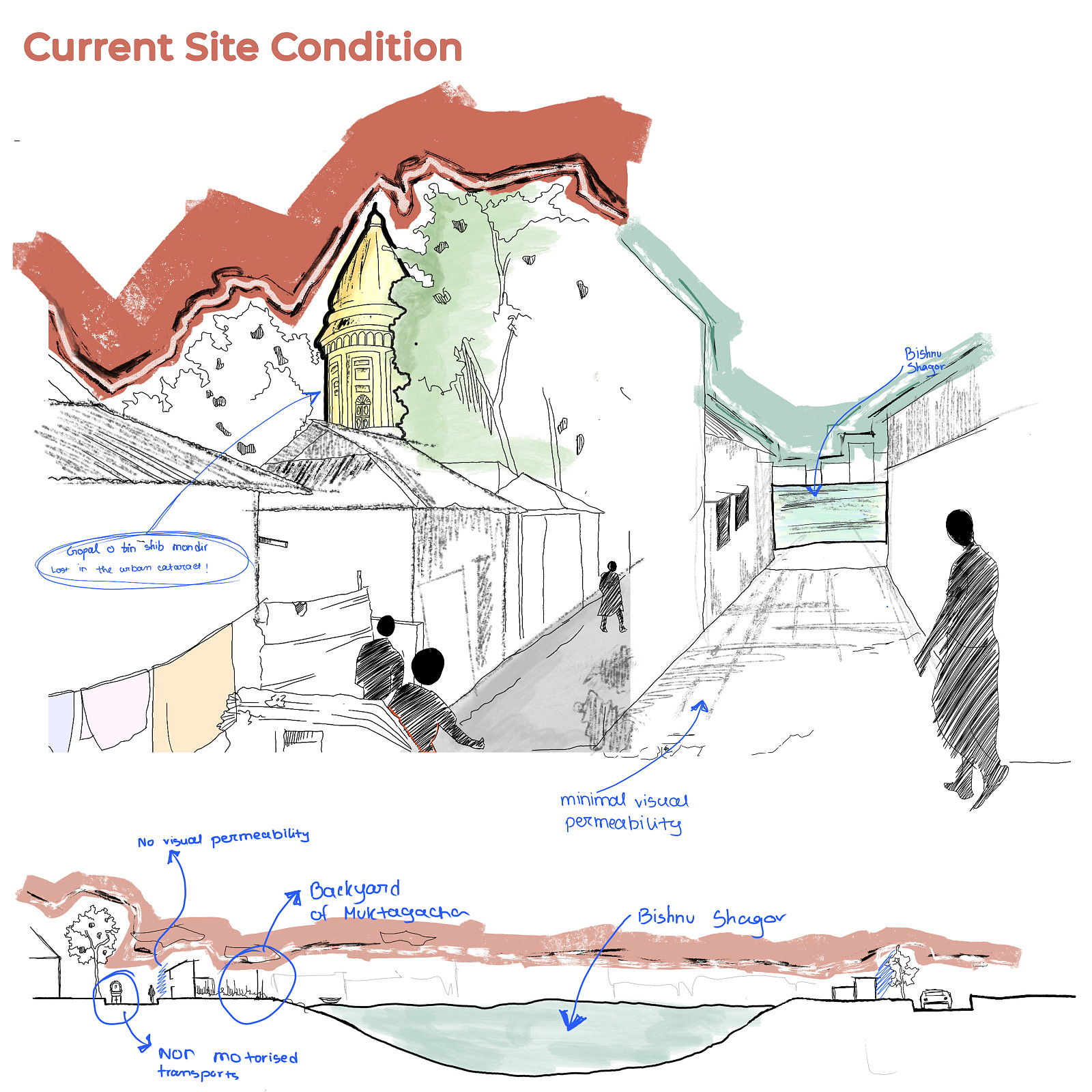
Over time, encroachments and informal development have pushed this historic water body into the “backside” of the urban fabric, turning an important civic landmark into a neglected municipal void. This phenomenon, described in the project as an “Urban Cataract,” obstructs the community’s visual and cultural connection to its heritage.
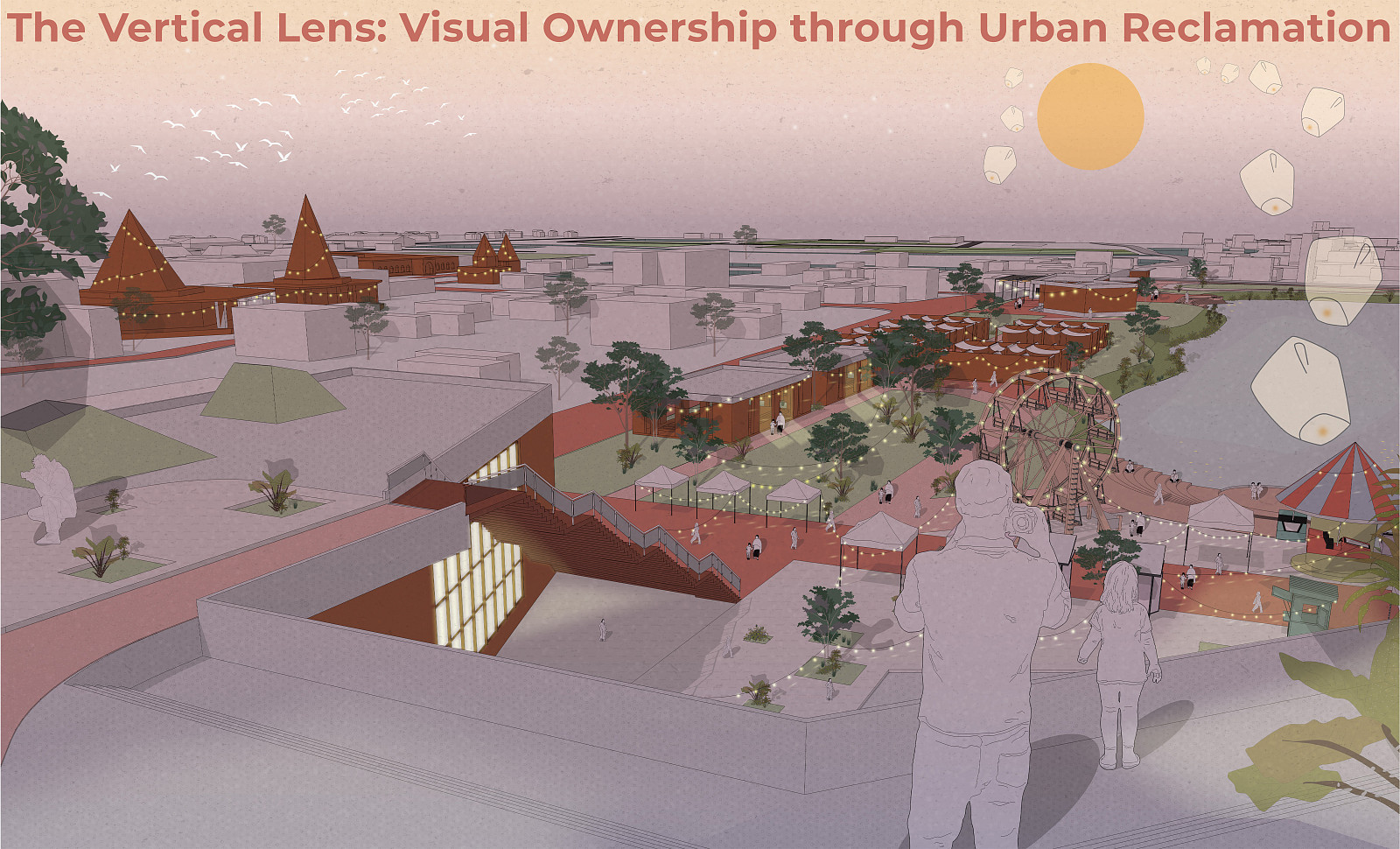
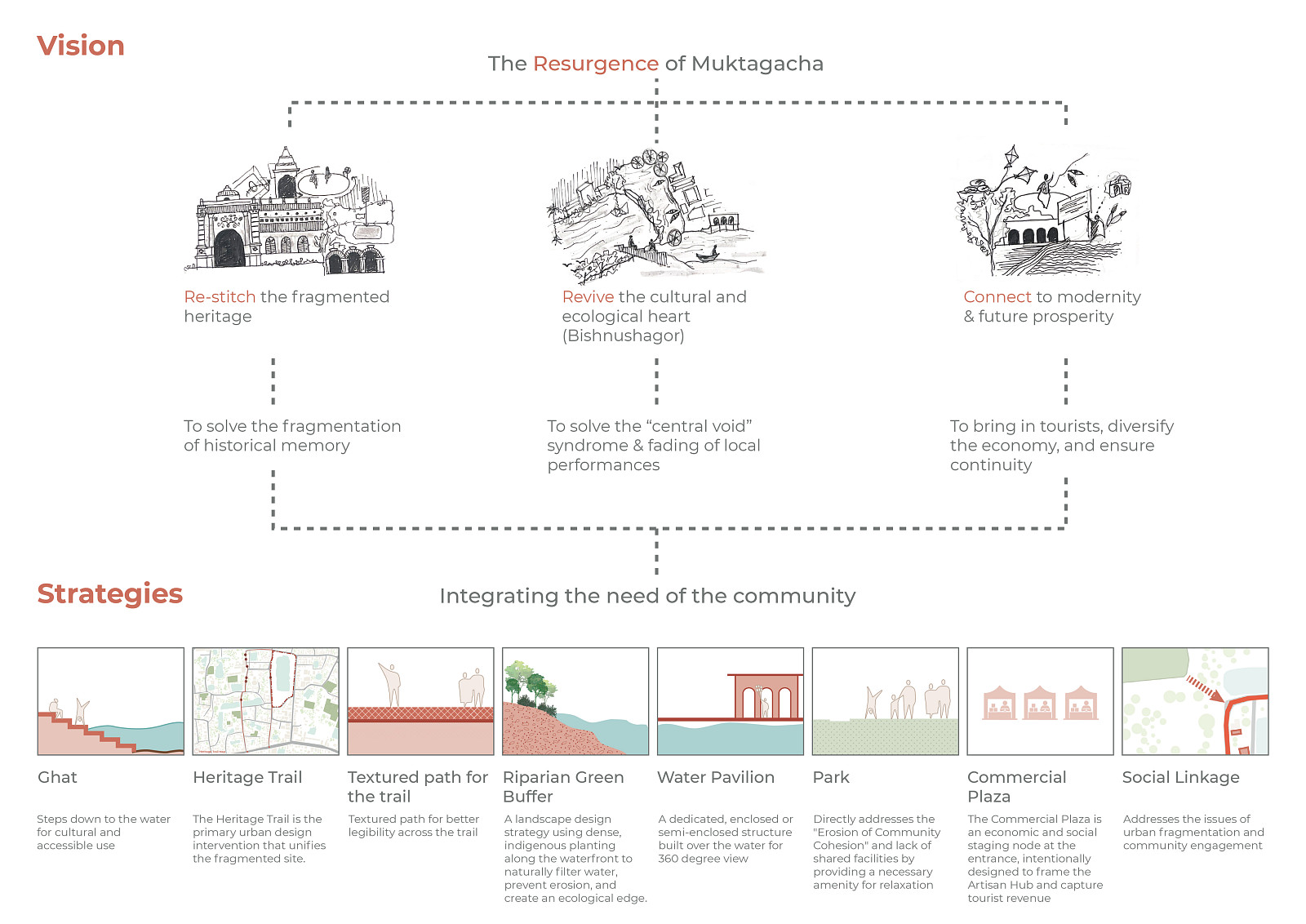
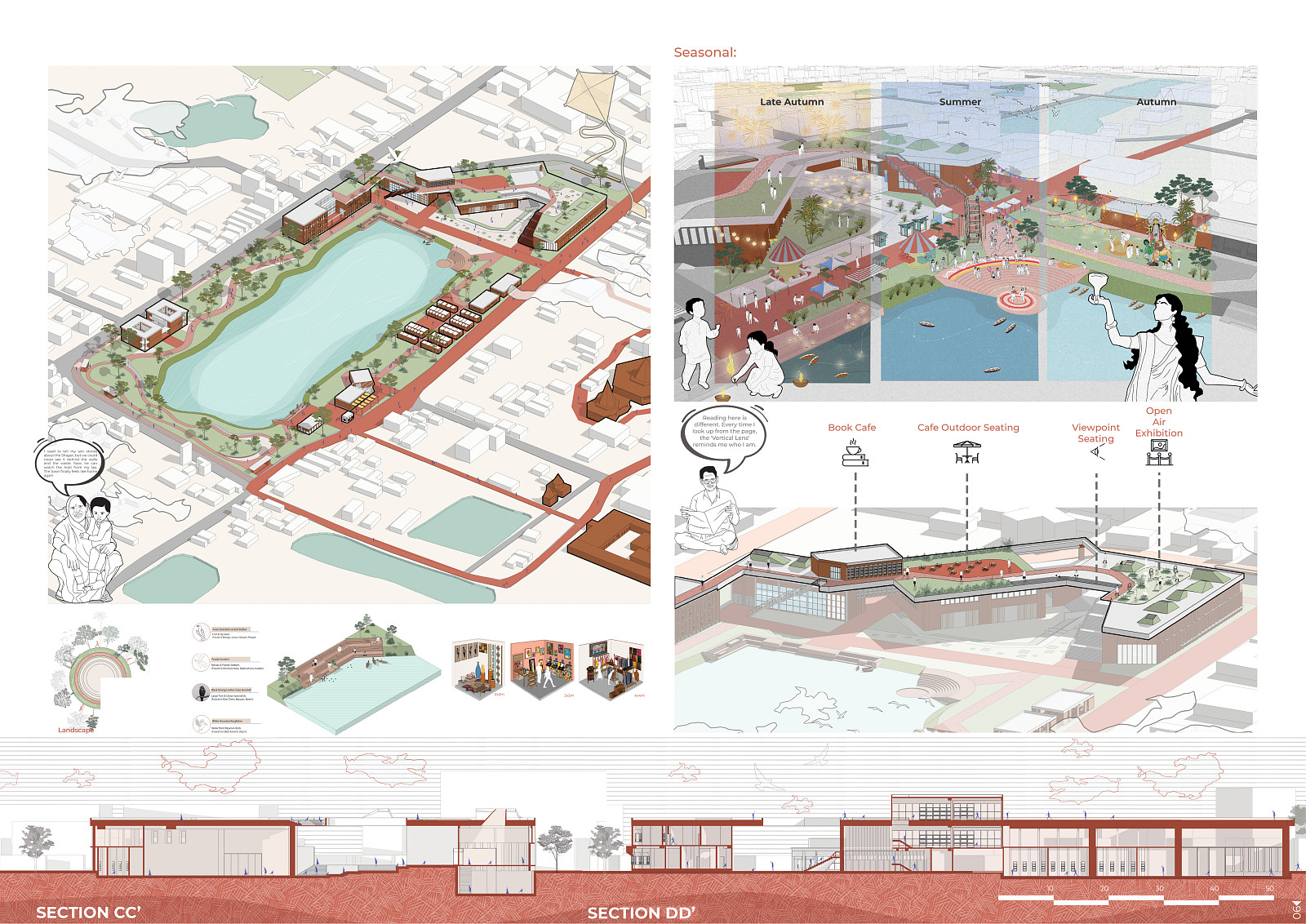
The project proposes the Resurgence of Muktagacha through architecture that does not merely preserve historical artifacts but reactivates the town’s Living Heritage, its crafts, performances, rituals, and collective memory. The central design concept, the Vertical Lens, creates strategic view corridors that reconnect the public realm to the Zamindar Palace and temple shikharas, restoring visual ownership of the historic landscape.
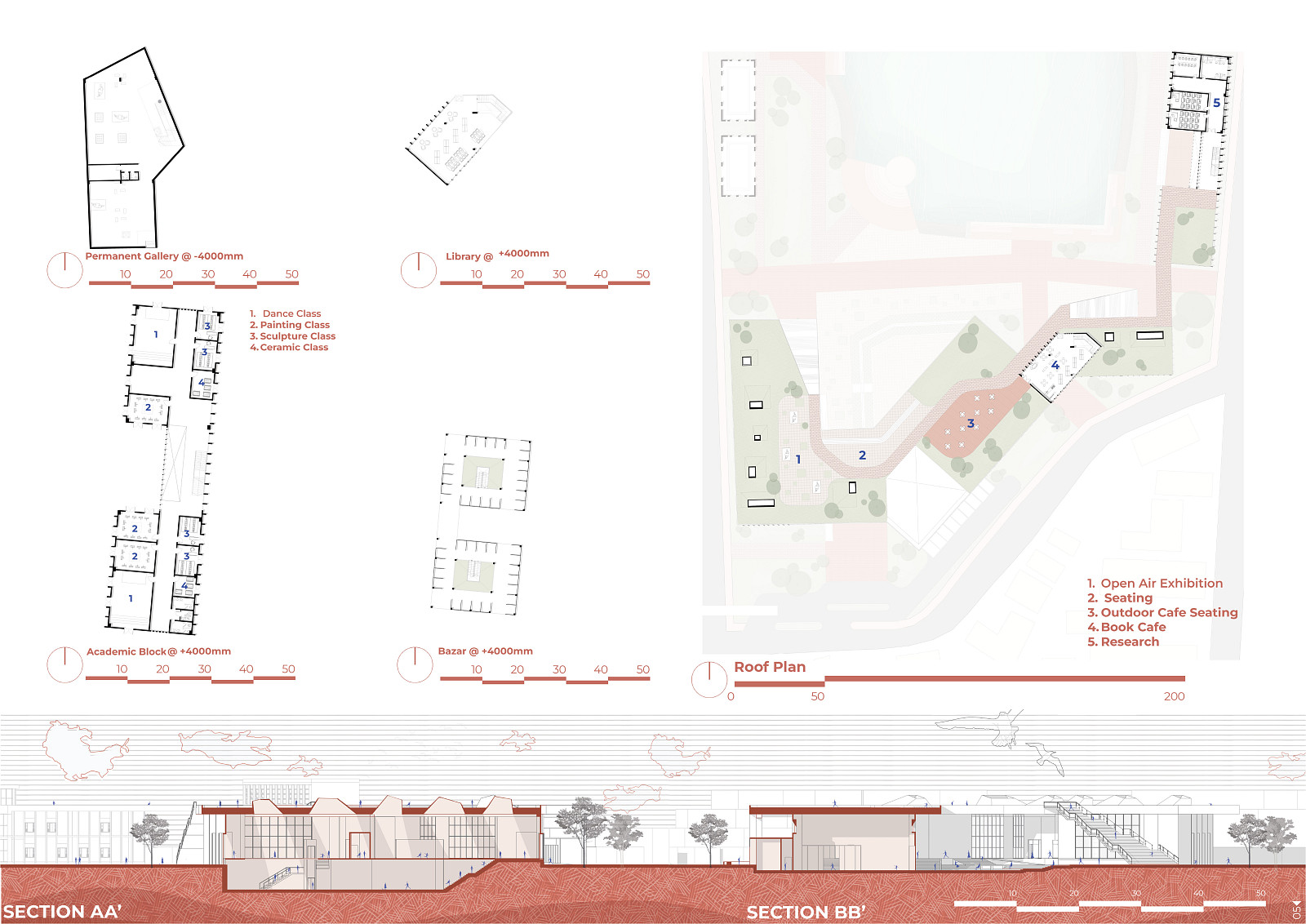
By elevating the primary public realm onto a “Third Ground,” the design bypasses the chaotic commercial sprawl and re-establishes a civic platform where cultural production, community interaction, and historical memory coexist. The project therefore acts as both an urban diagnostic tool and a cultural catalyst, enabling Muktagacha’s suppressed identity to resurface and thrive within a contemporary architectural framework.
Project description
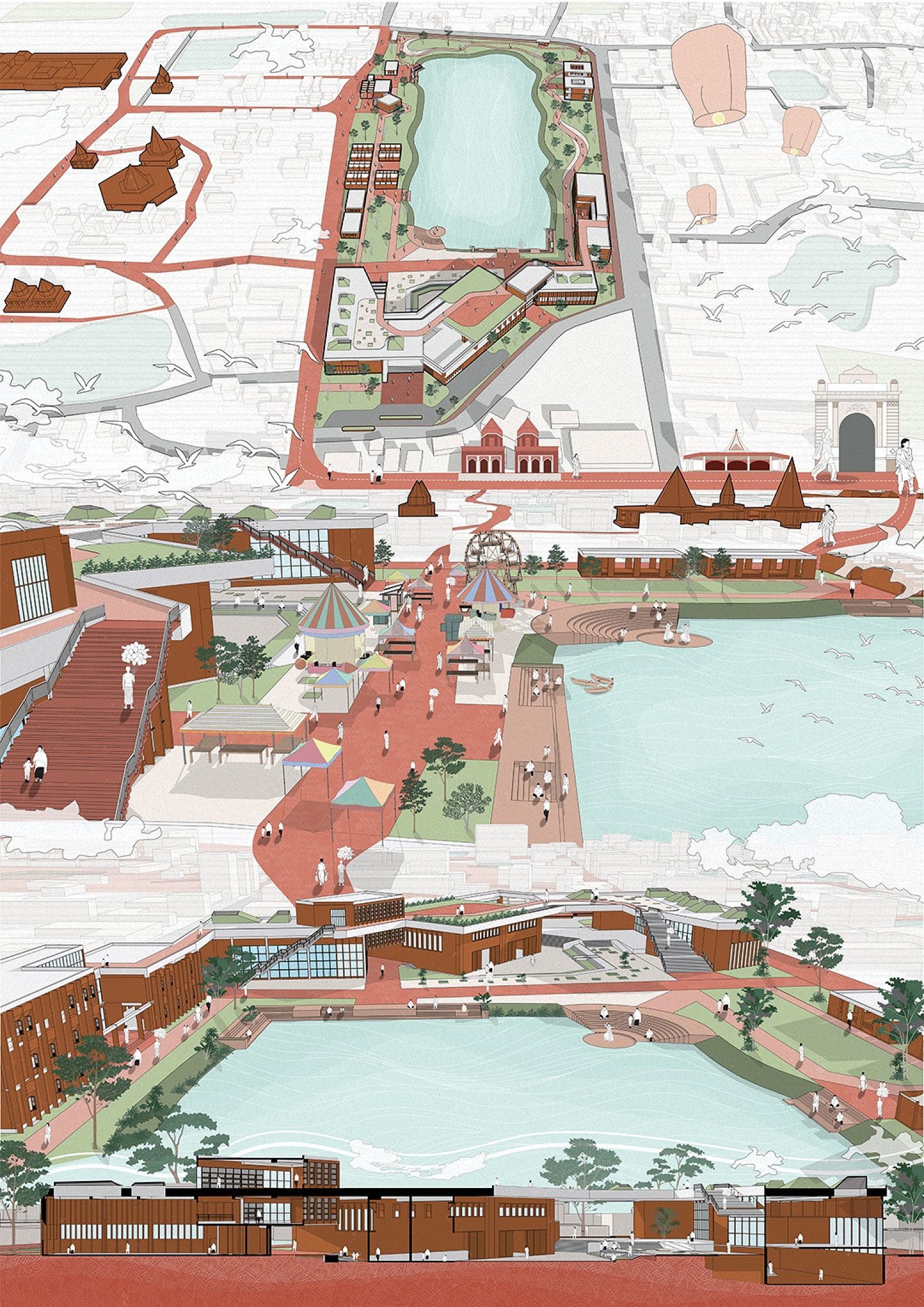
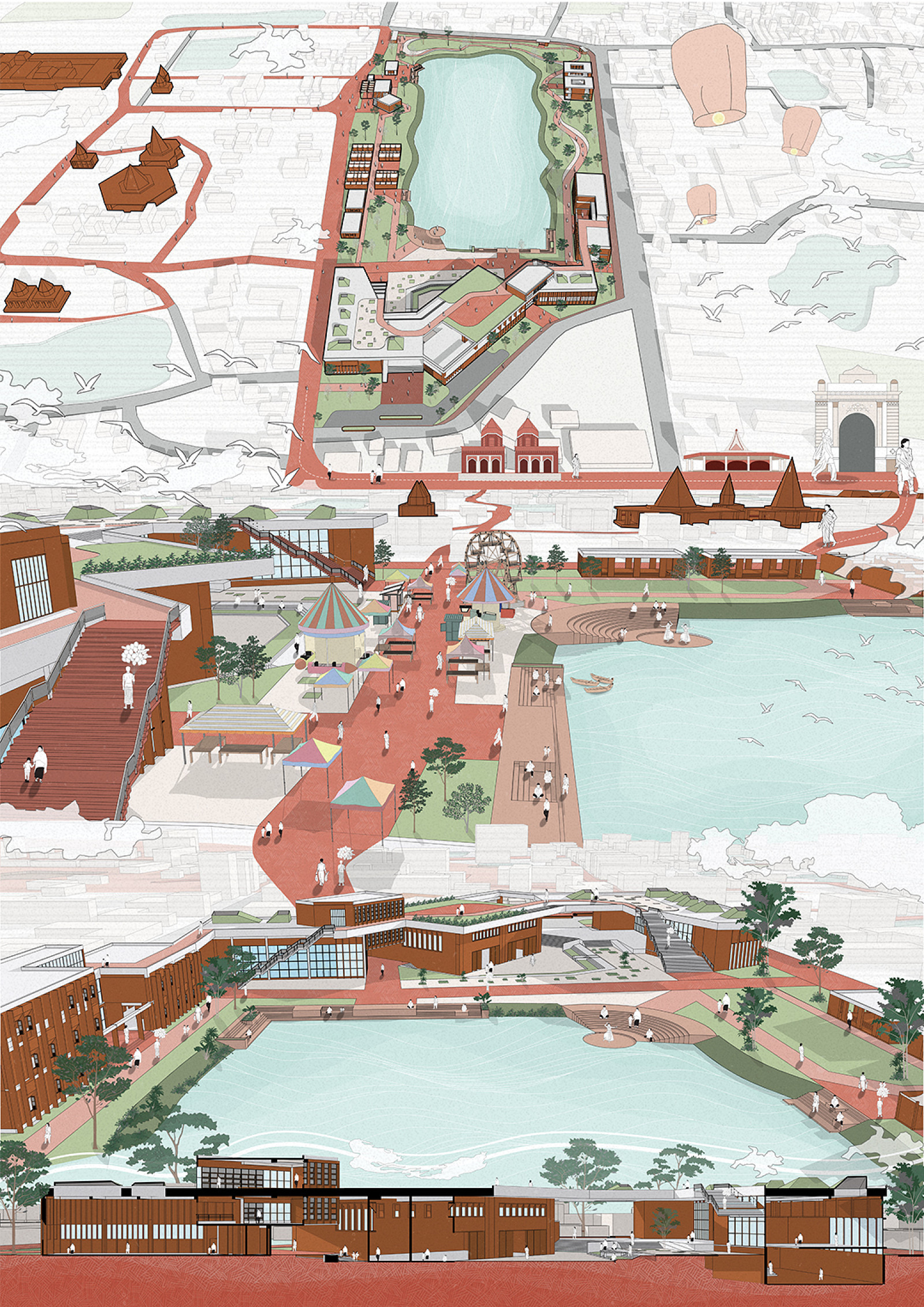
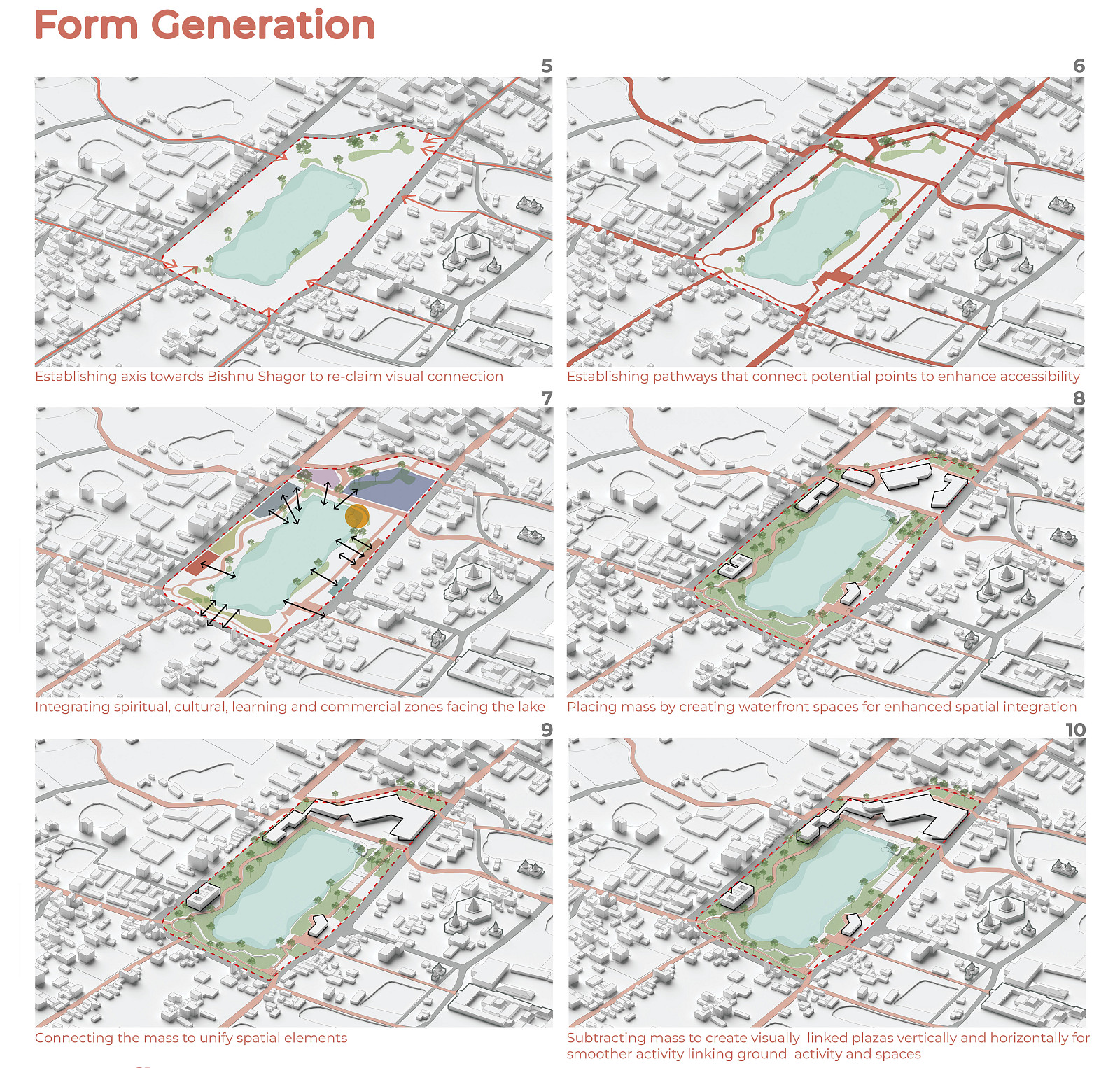
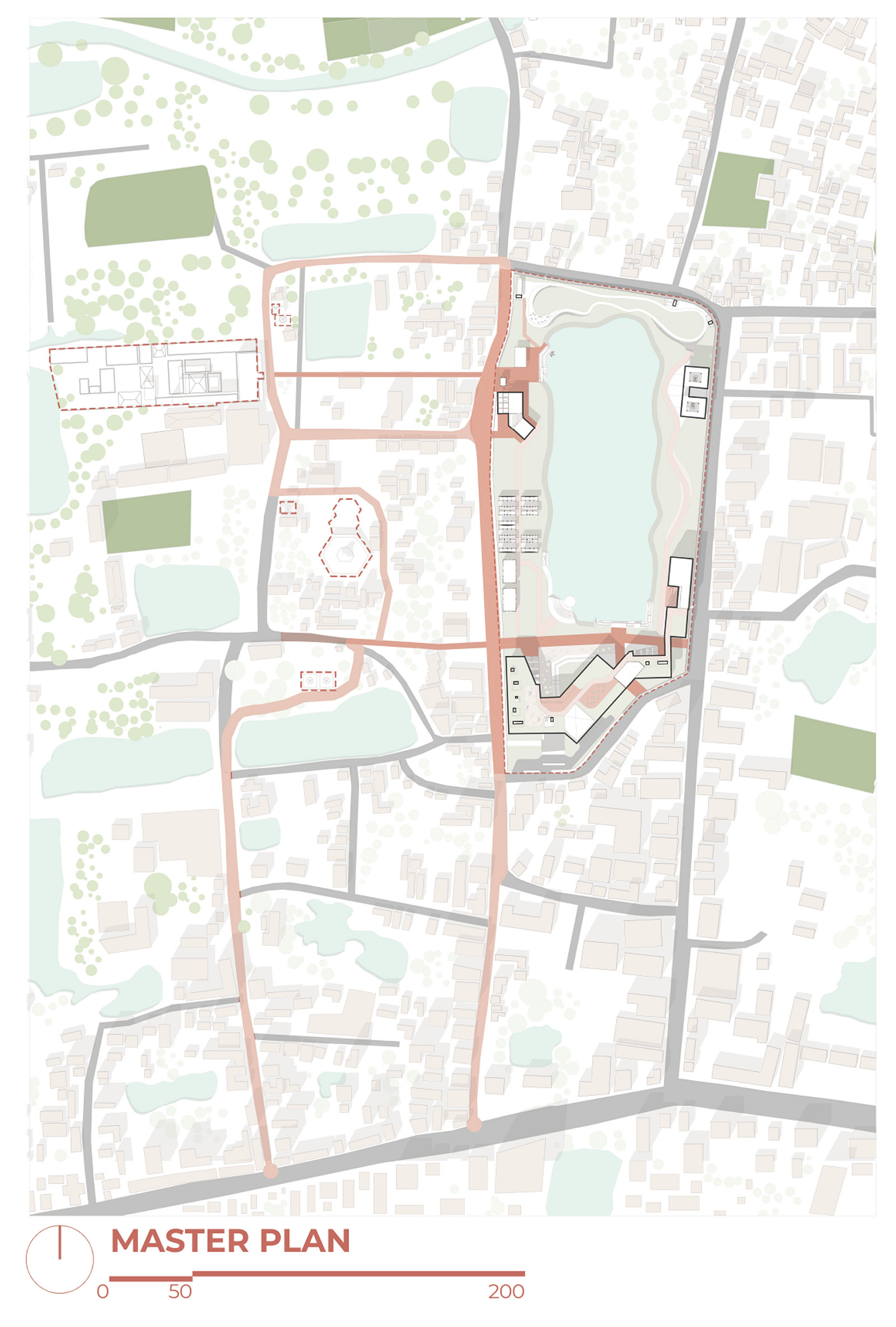
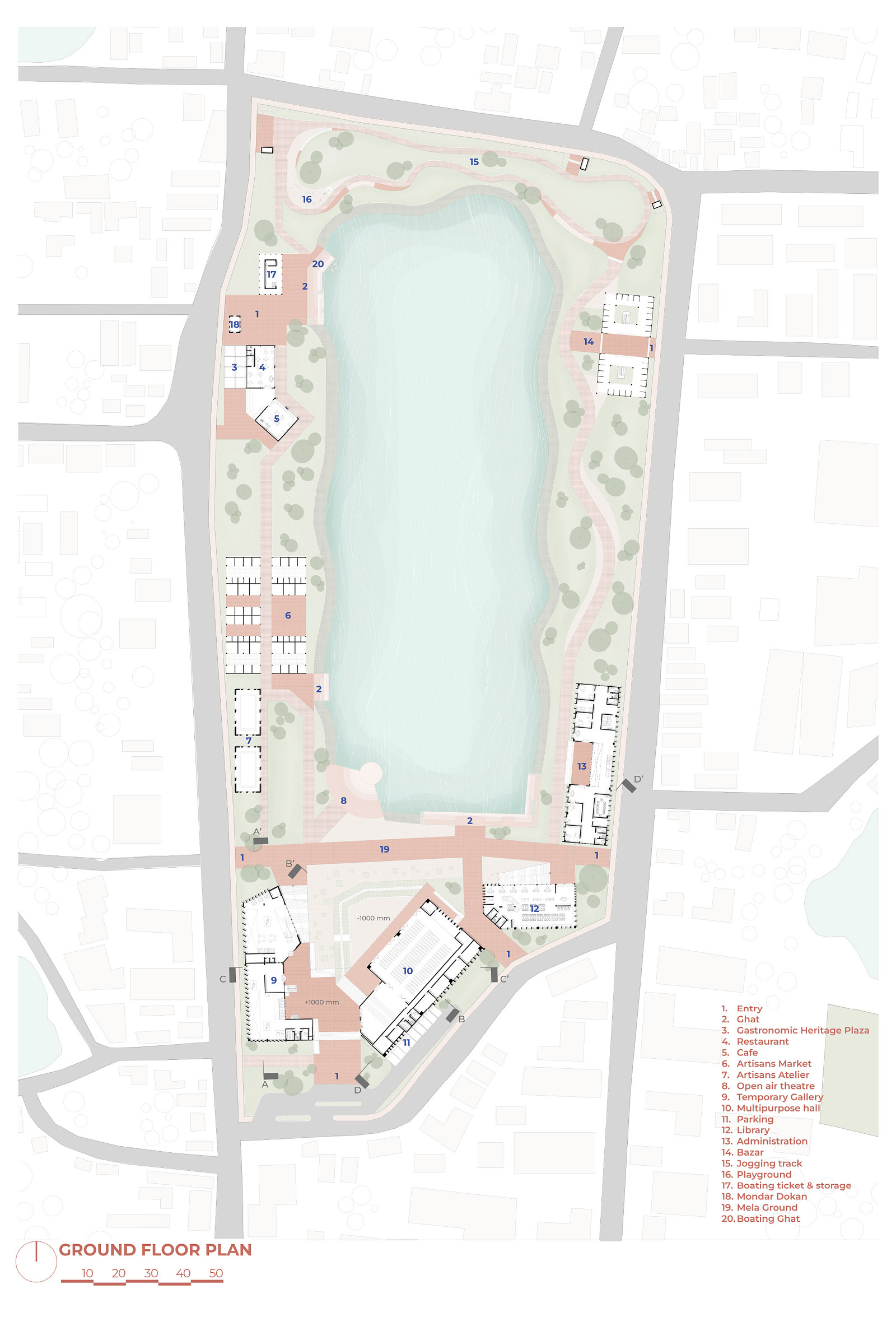
The Muktagacha Cultural Complex is conceived as an integrated cultural and landscape masterplan that reconnects the town’s heritage assets with its contemporary social life. The project repositions the Bishnu Shagor reservoir as the central civic foreground while introducing a network of cultural, ecological, and public spaces that revive Muktagacha’s historic identity.
The masterplan is structured around five key urban and landscape interventions.
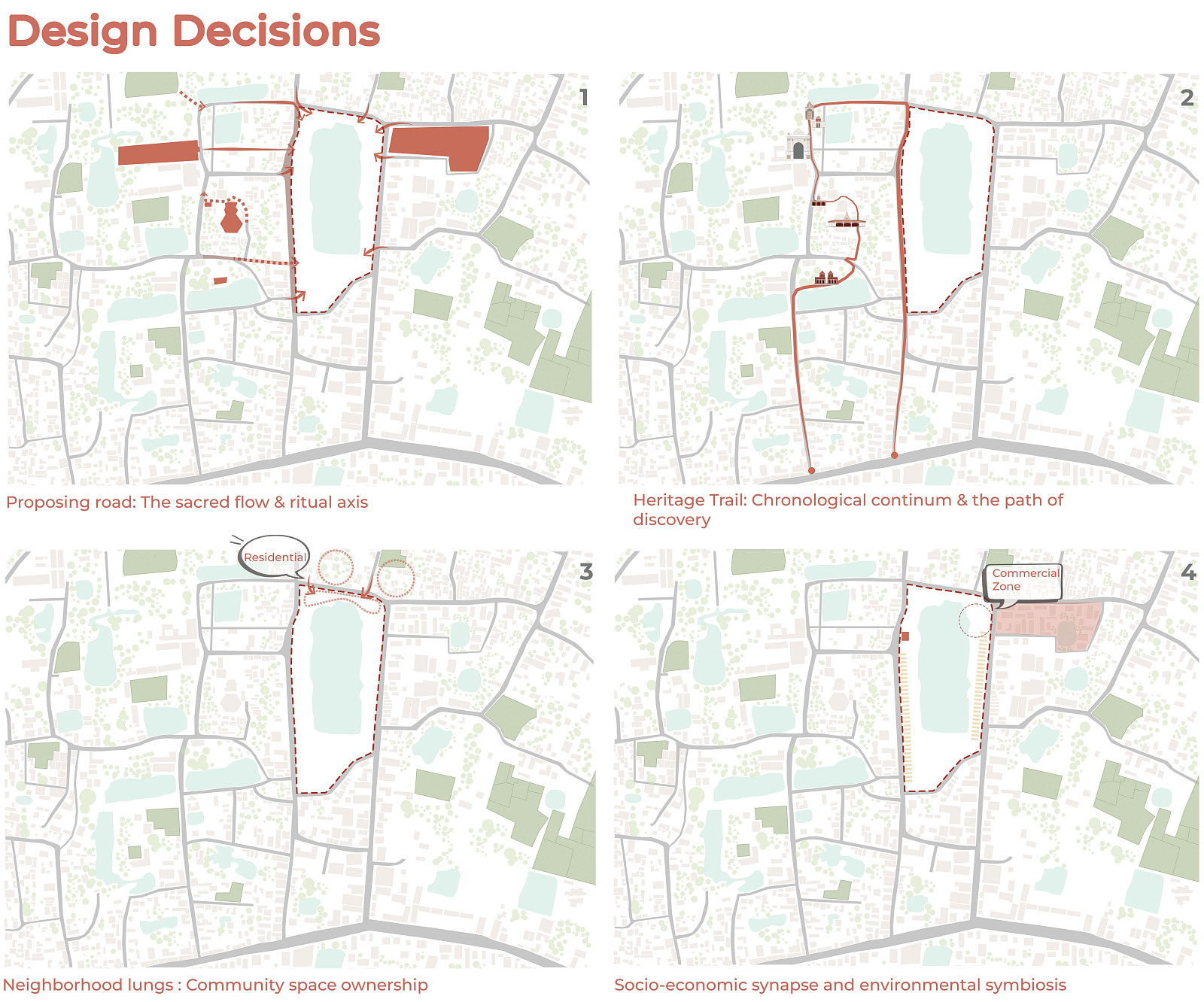
The Heritage Trail forms a continuous pedestrian loop that reconnects fragmented historical landmarks across the town. By replacing informal encroachments with dignified public pathways, the trail guides visitors and residents through a spatial narrative that links Atani Bazar, the historic water body, and surrounding cultural nodes.
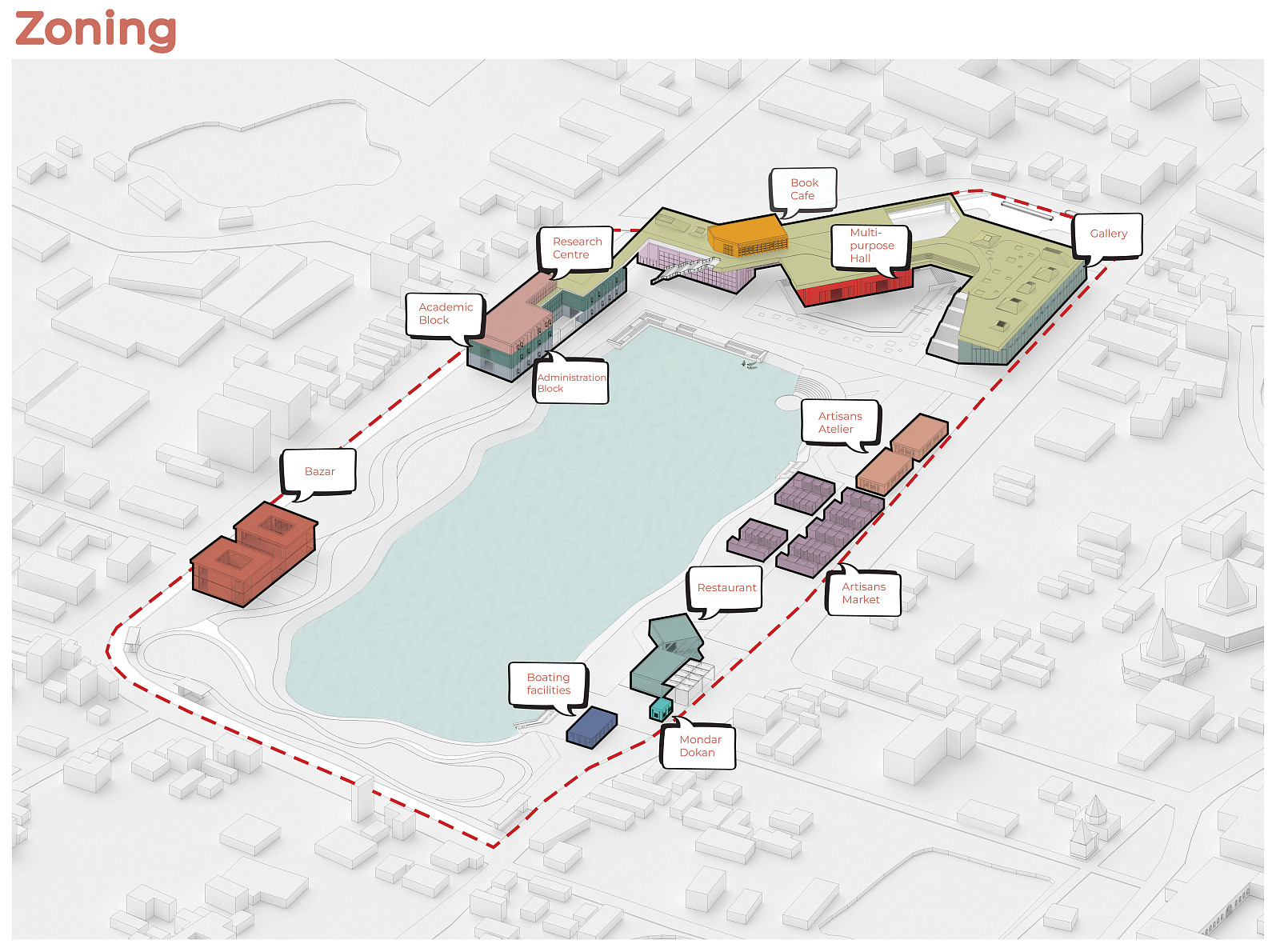
A significant conservation intervention is the preservation of Gopal Chandra Pal’s original Monda shop, the birthplace of the renowned Muktagacha Monda sweet established in 1824. Rather than relocating or reconstructing the structure, the project preserves it as a living cultural artifact. The shop becomes an anchor of culinary heritage within the cultural landscape.
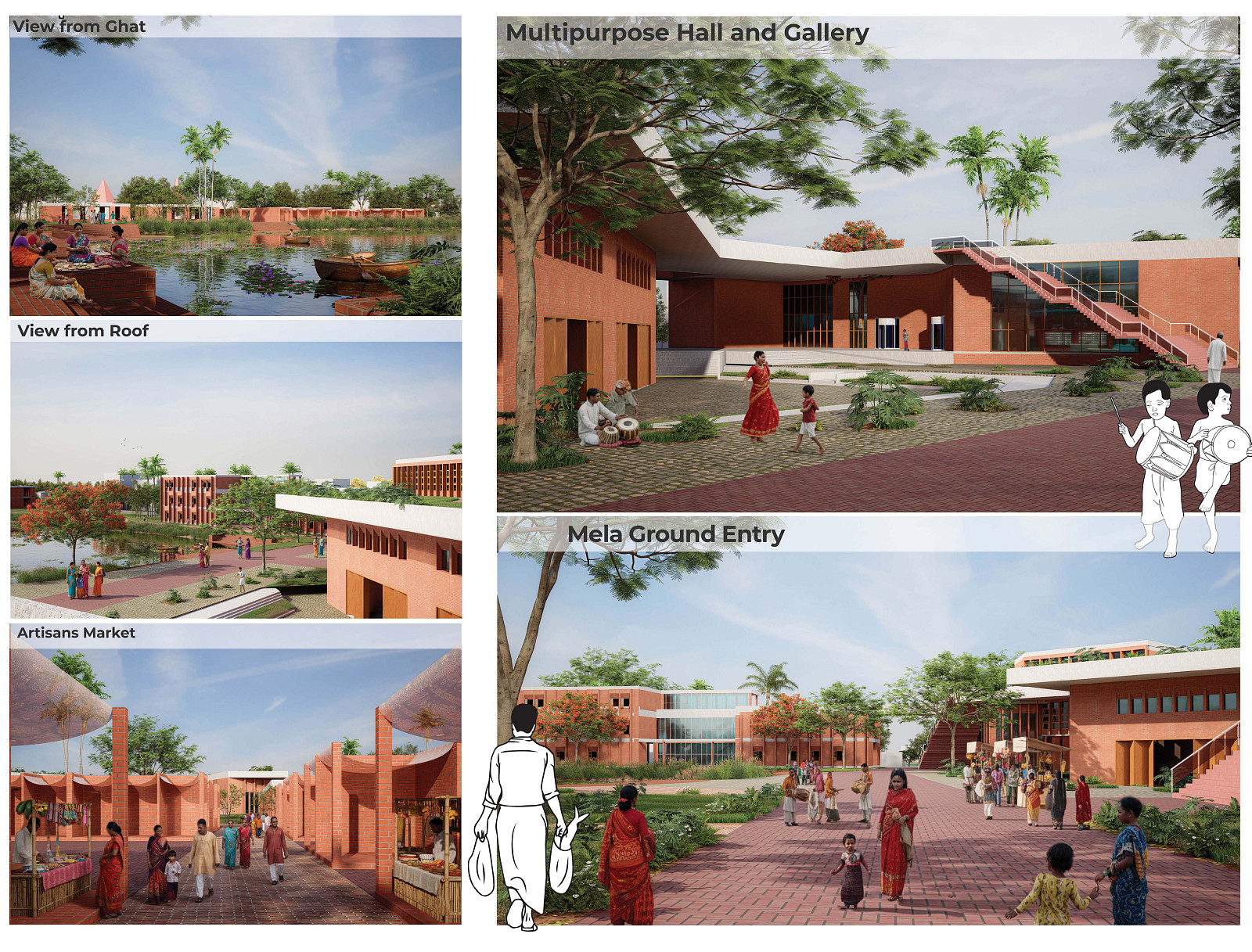
The introduction of Commemorative Ghats transforms the neglected edge of Bishnu Shagor into an active civic interface. These stepped platforms create dignified spaces for ritual bathing, daily gathering, and spiritual reflection while strengthening the town’s relationship with water.
Recognizing the seasonal rhythm of Muktagacha’s cultural traditions, the project includes a Mela Ground, a flexible open space designed to accommodate festivals, Pala Gaan performances, and community celebrations. This space formalizes the spontaneous cultural energy that characterizes the town.
Finally, a Neighborhood Park is introduced as an ecological and social buffer for surrounding residential areas. Acting as the town’s urban lung, the park mitigates the dense commercial surroundings while providing accessible green space for everyday recreation.
Together, these elements transform the neglected waterfront into a layered cultural landscape where heritage, performance, ecology, and community life converge.
Technical information
The architectural language of the Muktagacha Cultural Complex draws from the historic material traditions of the region while integrating contemporary spatial strategies. The primary construction material is locally sourced red brick, referencing the masonry heritage of the surrounding Zamindar architecture and reinforcing the project’s contextual identity.
The complex is organized through a series of interconnected brick volumes and open courtyards that frame views toward the Bishnu Shagor reservoir and nearby heritage landmarks. Elevated circulation platforms form the “Third Ground,” allowing pedestrians to move through the site while maintaining uninterrupted visual corridors created by the Vertical Lens concept.
Landscape design plays a crucial technical role in the project. The edge of the reservoir is rehabilitated through riparian ecological restoration, stabilizing the water boundary while improving environmental performance and biodiversity. Stone and brick ghats are constructed along selected portions of the water’s edge to support cultural rituals and public use.
The complex also incorporates Karigar Atelier spaces, dedicated workshops that provide dignified work environments for local artisans. These spaces support craft production and cultural education, strengthening the local creative economy.
Passive environmental strategies guide the design, including shaded courtyards, permeable landscape surfaces, and cross-ventilated interior spaces suited to the tropical climate. The integration of cultural infrastructure with ecological restoration ensures that the project functions not only as an architectural intervention but also as a long-term urban and environmental catalyst.

Copyright © 2026 INSPIRELI | All rights reserved. Use of this website signifies your agreement to the Terms of Use, Privacy Policy, and use of cookies.