ZAHRA


Project idea
This project explores the creation of an interior environment that integrates cultural inspiration with contemporary spatial design. The idea behind the project is to develop a space that balances functionality, aesthetic expression, and user experience while responding to modern lifestyle needs.
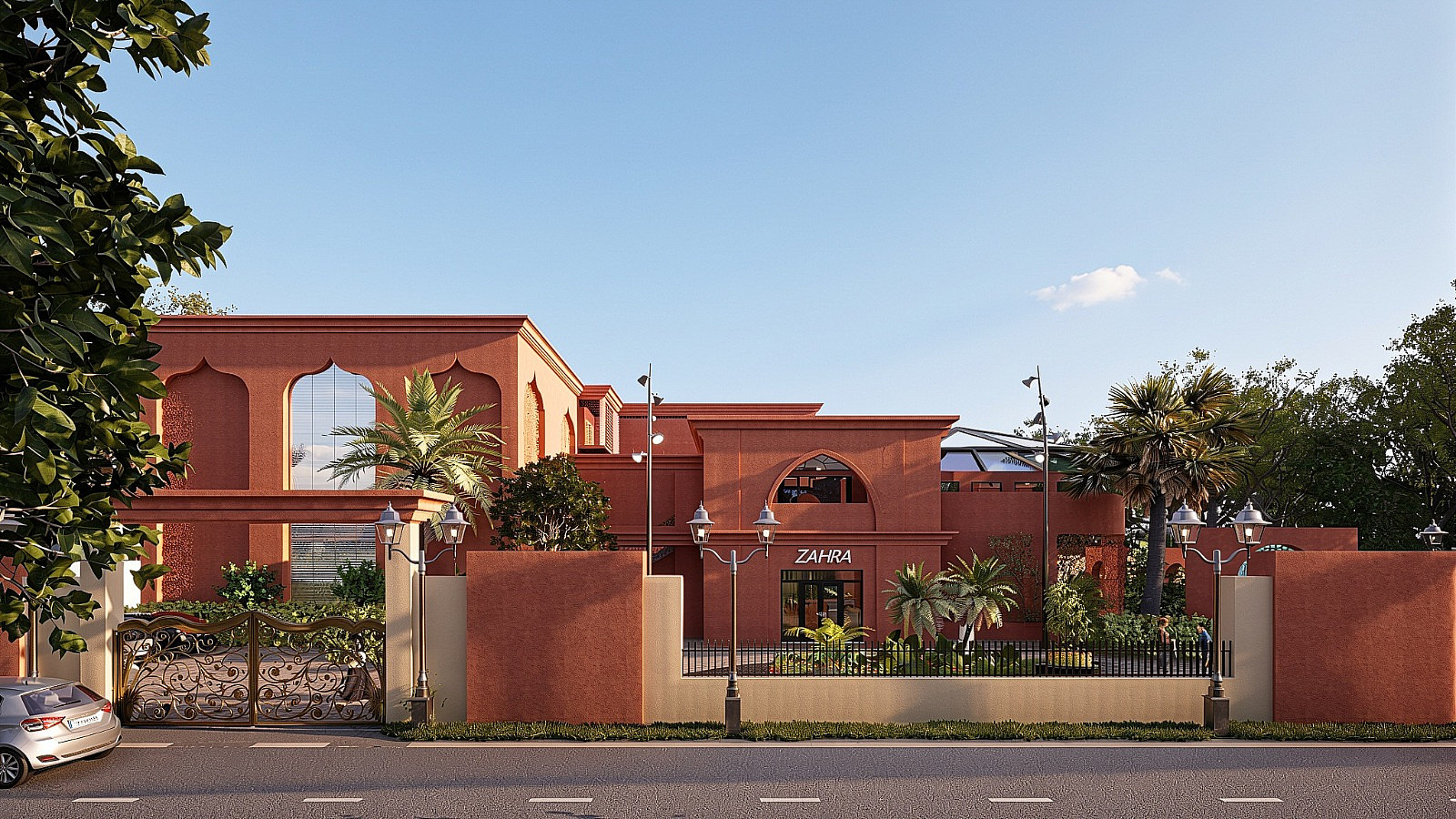
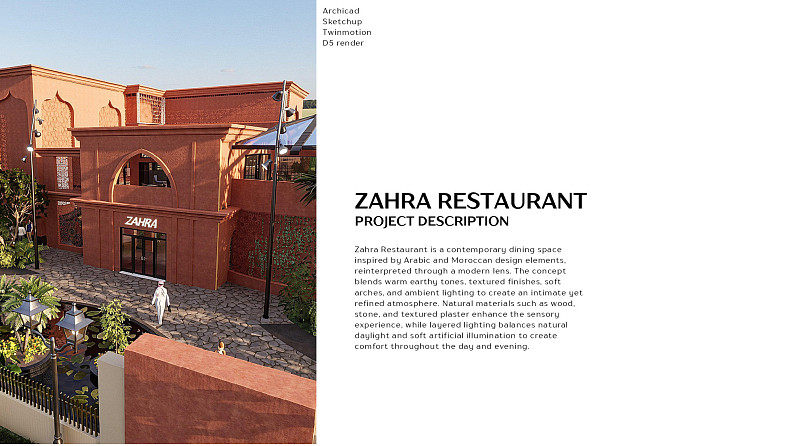
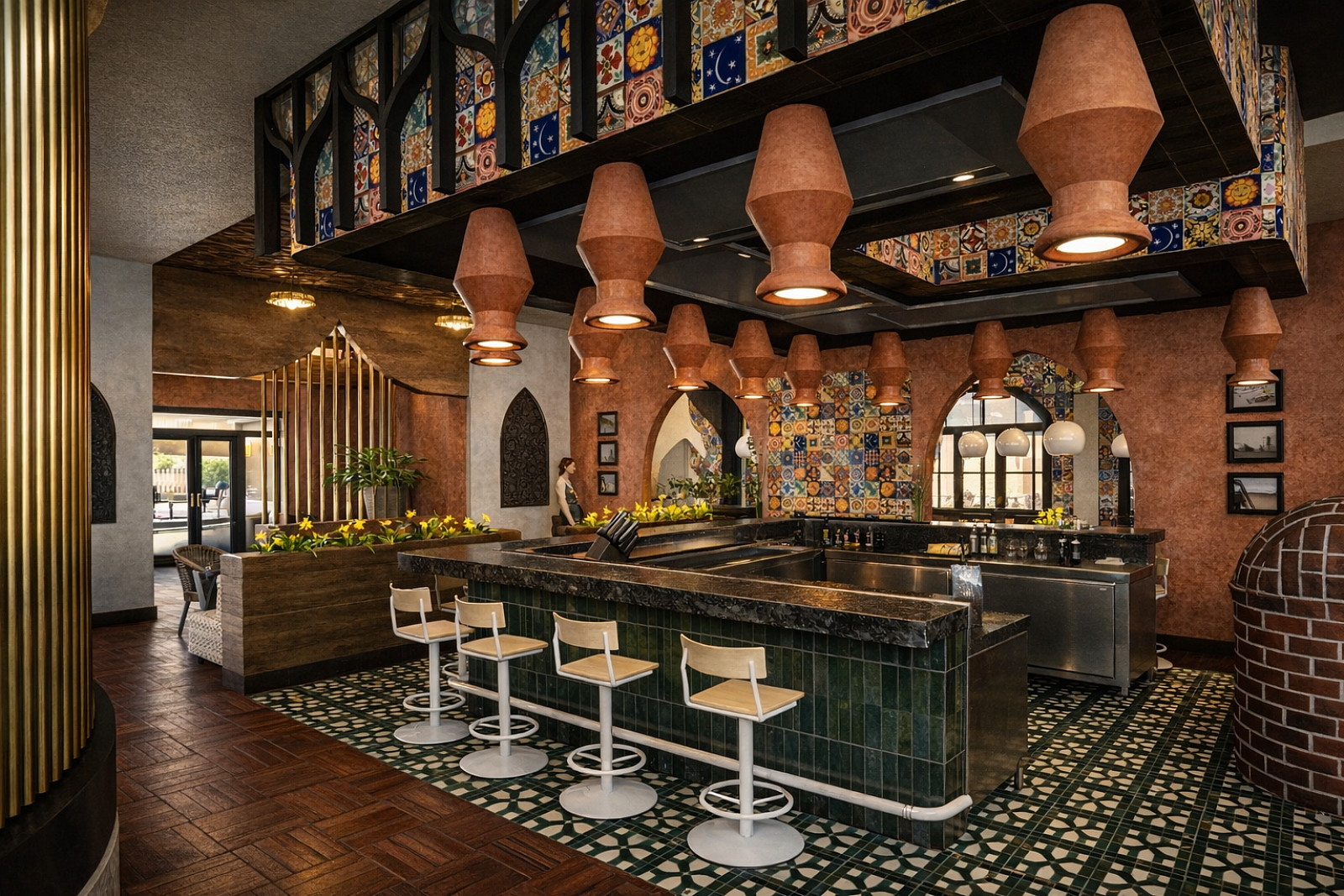
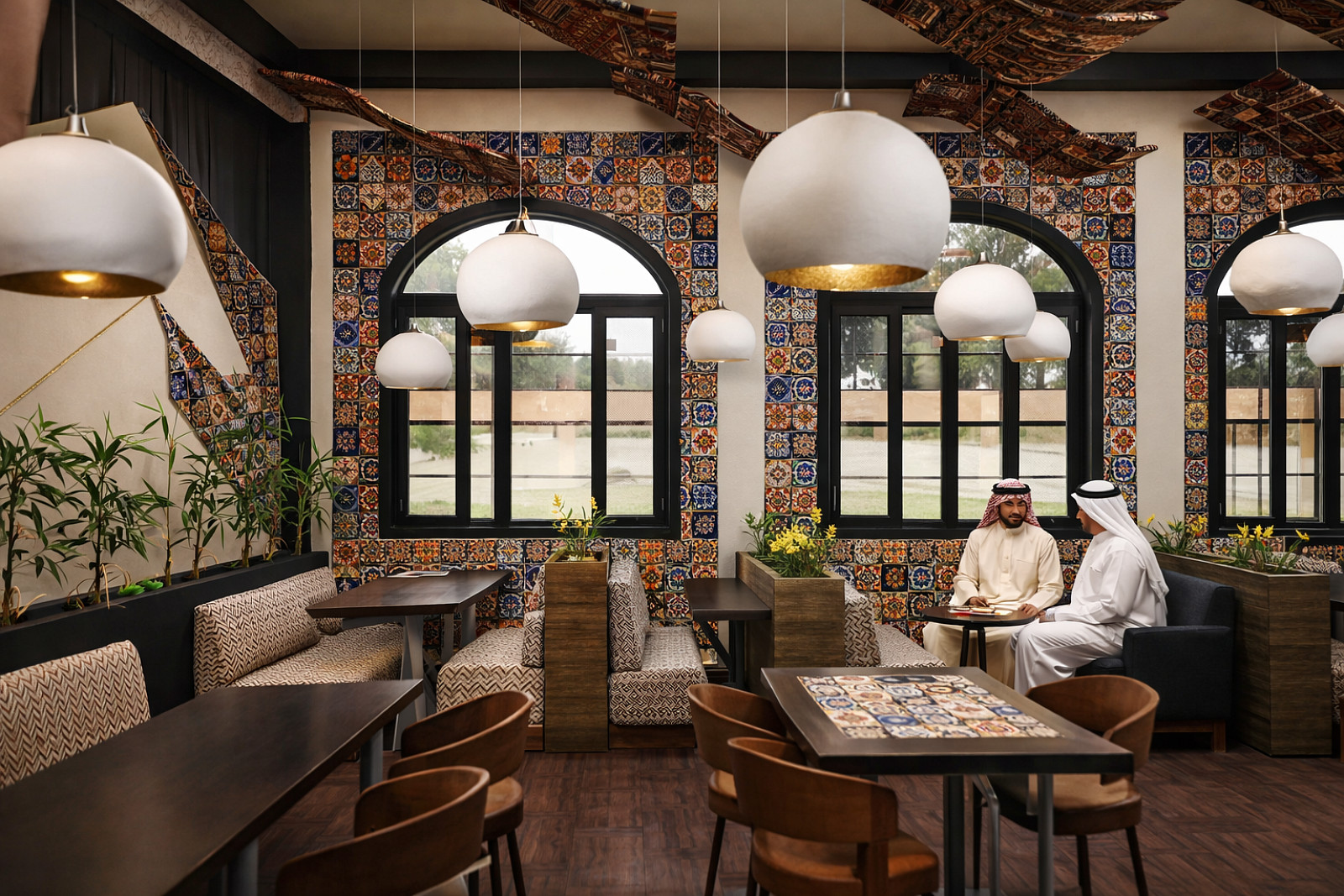
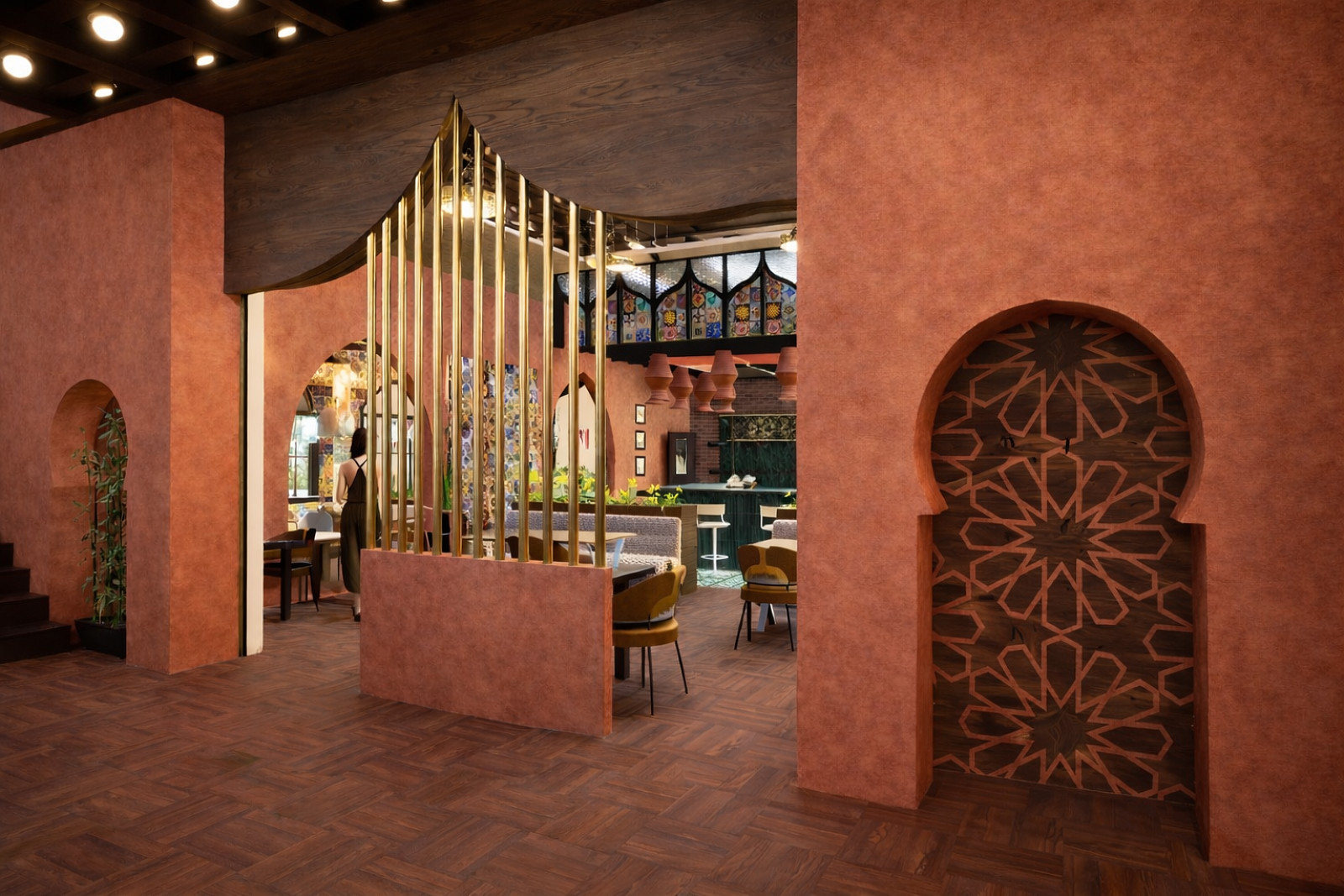
The design concept is inspired by the rich architectural language of Arabic and Moroccan design traditions, reinterpreted through a modern interior design approach. Elements such as geometric patterns, textured materials, and carefully curated lighting are incorporated to create an atmosphere that reflects cultural depth while maintaining simplicity and elegance.
The context of the project is based on the growing demand for spaces that not only serve practical functions but also provide meaningful and memorable experiences for users. By combining traditional influences with contemporary spatial organization, the project aims to create an environment that encourages comfort, social interaction, and visual engagement.
The primary objective of this project is to demonstrate how interior design can transform a functional space into a culturally expressive and immersive environment. Through thoughtful spatial planning, material selection, and design detailing, the project seeks to achieve a harmonious balance between tradition and modernity while enhancing the overall quality of the interior experience.
Project description
This project consists of the design and spatial organization of a contemporary interior environment that integrates cultural inspiration with modern functionality. The design proposal focuses on creating a cohesive and immersive space that enhances both user experience and spatial efficiency.
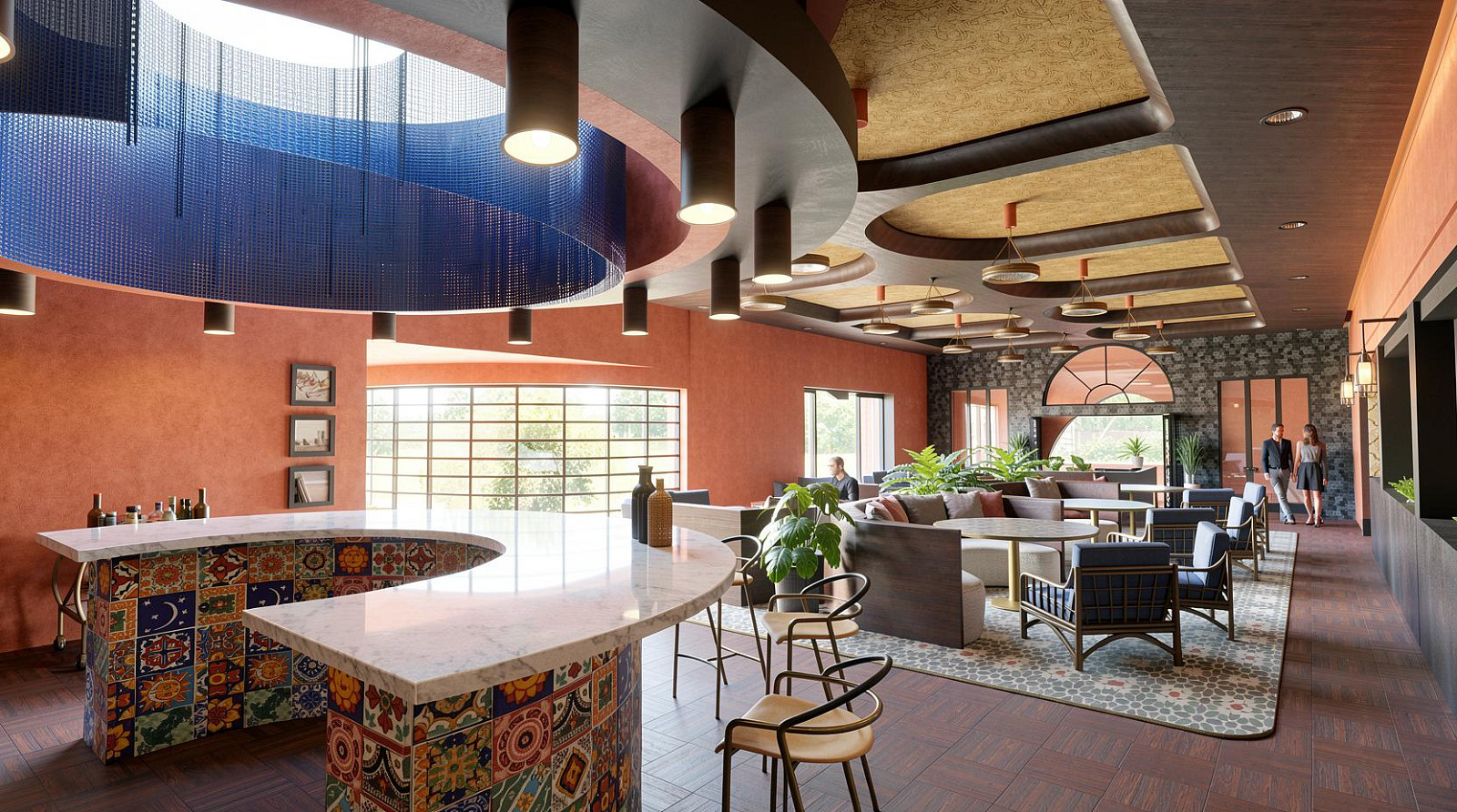
The project includes several key functional areas designed to support the overall purpose of the space. The main area serves as the central social and activity zone, where users can gather, interact, and experience the visual identity of the design. Supporting areas include seating and lounge spaces, circulation pathways, and designated functional zones that contribute to the comfort and usability of the interior.
The design solution emphasizes clear spatial planning, effective circulation, and the integration of architectural and decorative elements. Materials, lighting, and textures are carefully selected to reinforce the project’s concept and to create a balanced atmosphere between traditional influences and contemporary design.
Through the combination of functional zoning, thoughtful material selection, and a strong visual identity, the project aims to deliver a space that is both practical and aesthetically engaging. The overall design demonstrates how interior architecture can create meaningful environments that support social interaction, comfort, and cultural expression.
Technical information
The project is designed using a contemporary interior construction approach that combines durable materials with refined finishing elements. The structural framework of the building is assumed to be reinforced concrete, which provides stability and flexibility for interior spatial organization.
Interior partitions are constructed using lightweight drywall systems to allow adaptable space planning and efficient installation. Flooring materials vary according to functional zones and include ceramic or stone tiles in high-traffic areas and decorative finishes in feature spaces to enhance the visual character of the interior.
Wall finishes incorporate a combination of plaster, textured surfaces, and decorative panels inspired by Arabic and Moroccan geometric patterns. These elements contribute to the project’s aesthetic identity while maintaining durability and ease of maintenance.
The lighting strategy integrates both natural and artificial lighting. Large openings or windows are used where possible to introduce natural light, while layered artificial lighting including ambient, task, and accent lighting is implemented to highlight architectural features and create a balanced atmosphere.
Mechanical and electrical systems are integrated discreetly within the design to maintain visual clarity and spatial harmony. Ventilation, electrical outlets, and lighting fixtures are positioned strategically to support both functionality and comfort within the space.
Overall, the technical solution focuses on creating a practical, durable, and visually cohesive interior environment that supports the project’s conceptual and functional objectives.
Documentation
Created in:


Copyright © 2026 INSPIRELI | All rights reserved. Use of this website signifies your agreement to the Terms of Use, Privacy Policy, and use of cookies.
