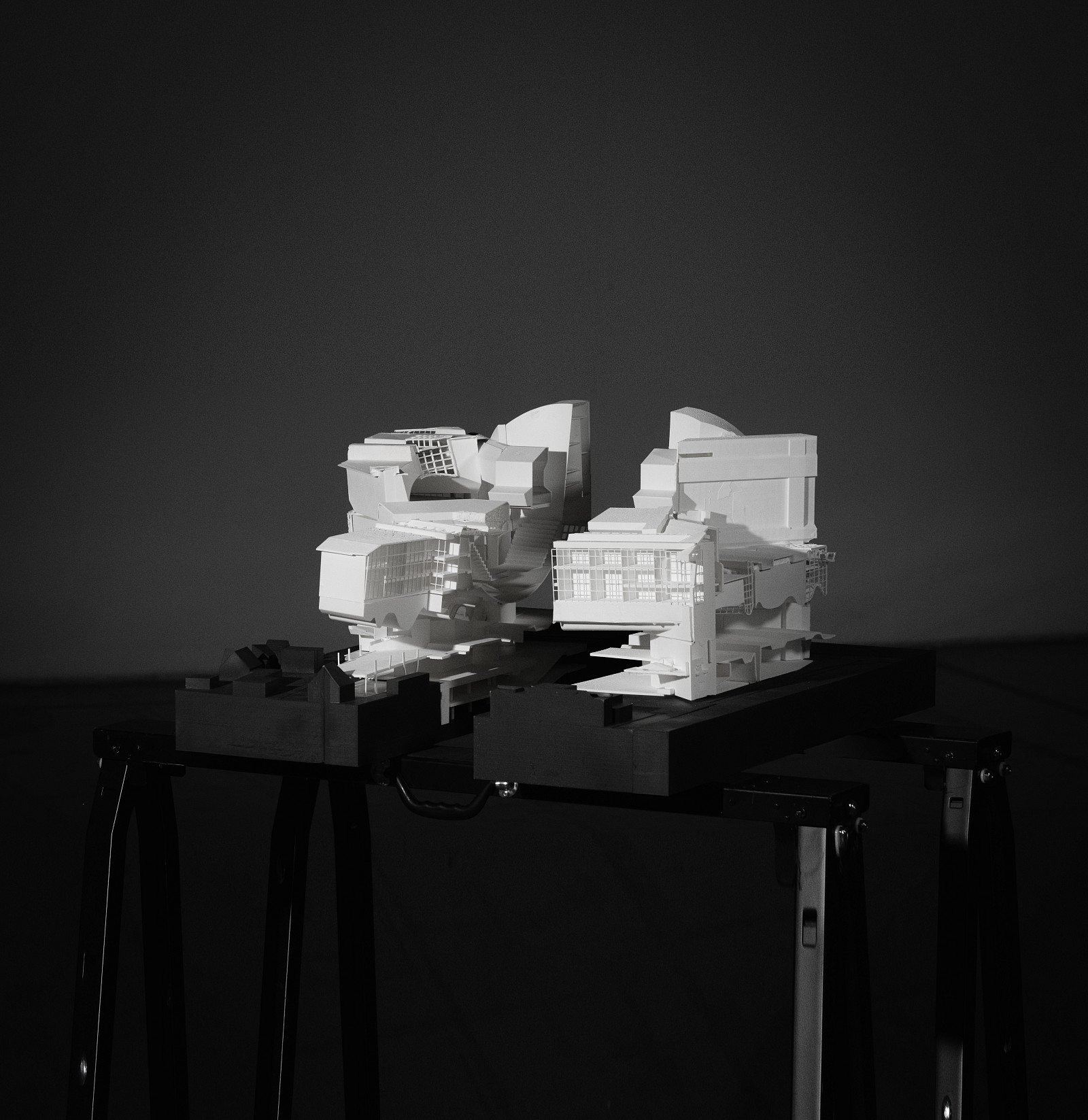
Chainsaw


Project idea
Architecture of Cutting, Deconstruction, Inheritance, and Transformation
SCI-Arc Eric Owen Moss Vertical Studio 1
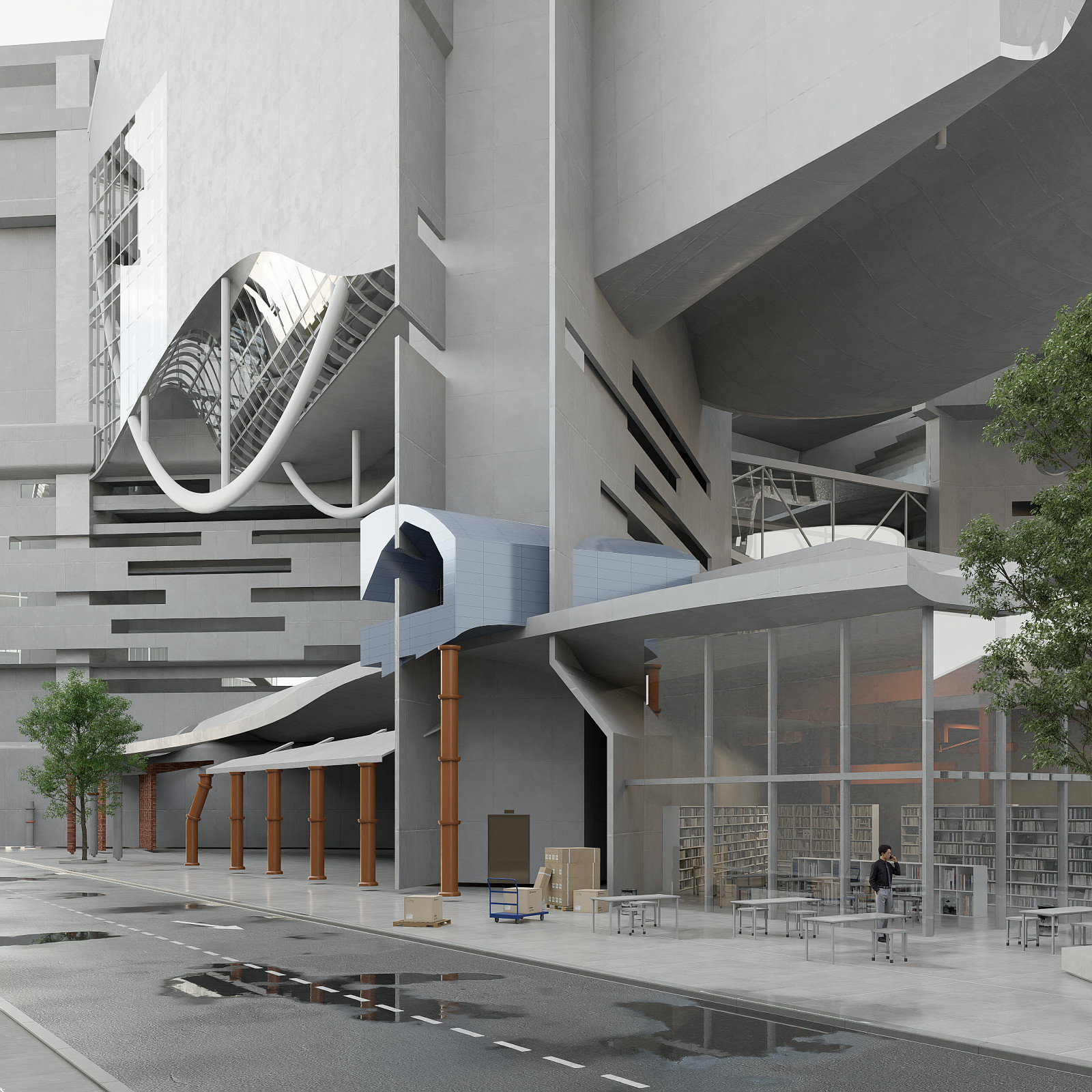
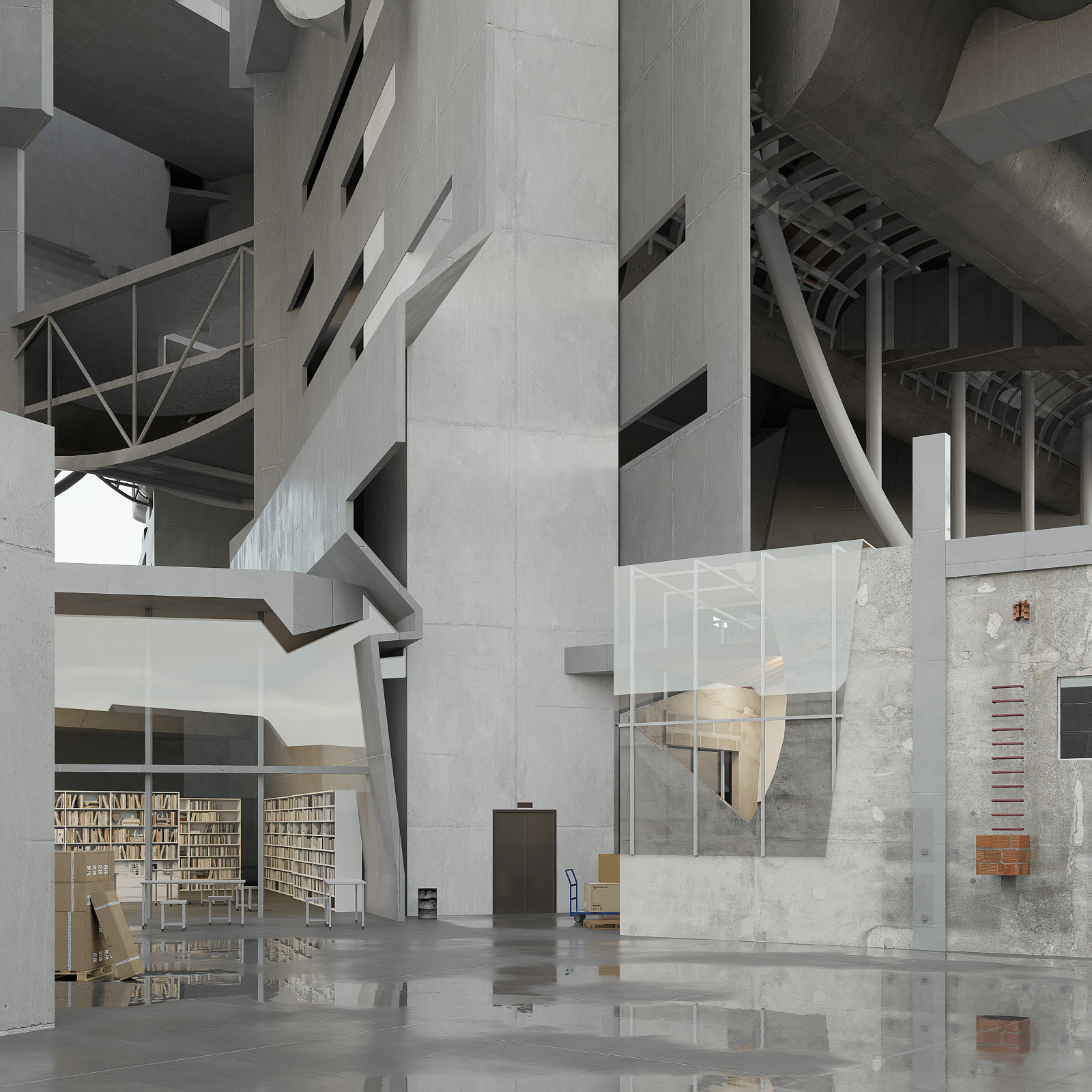
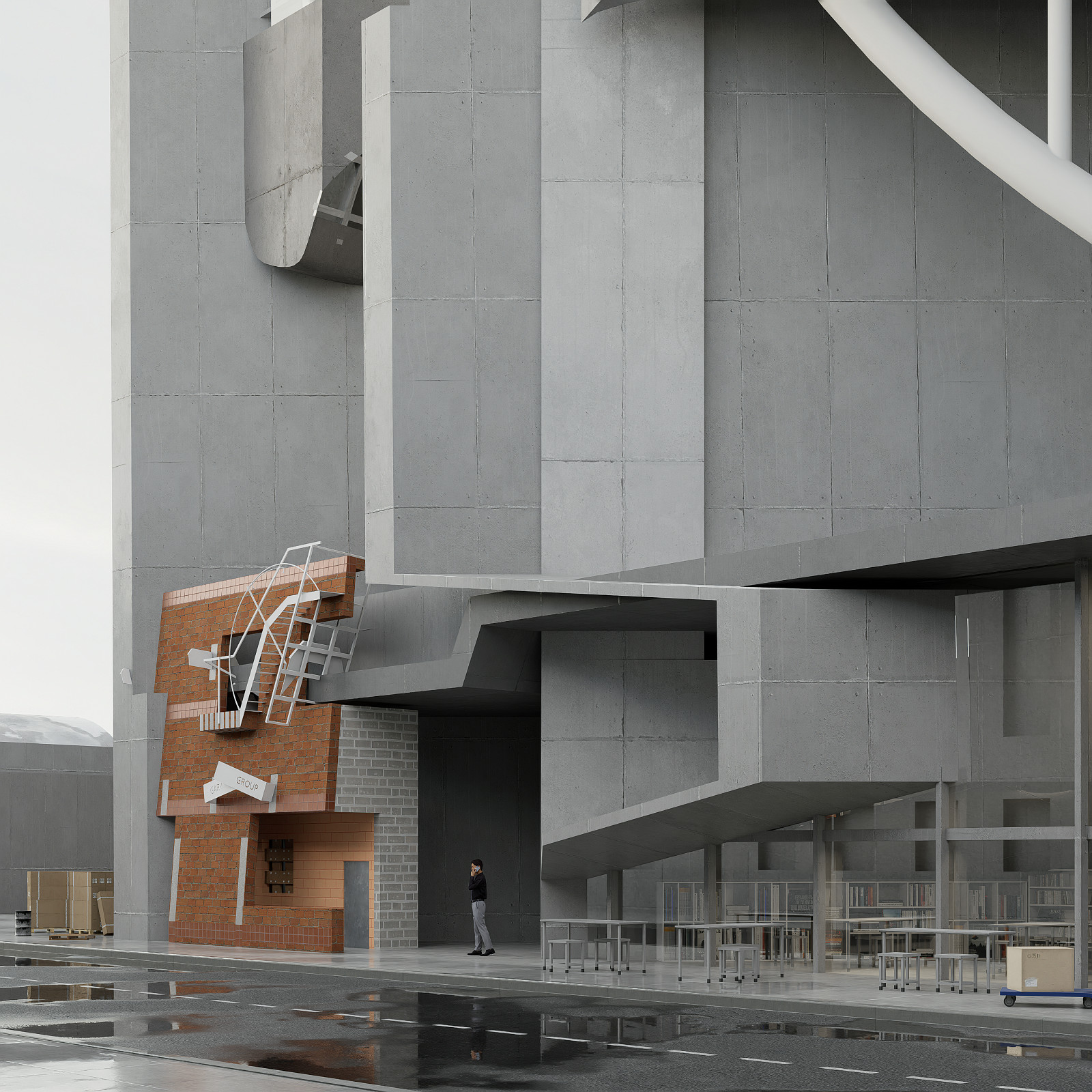
This project investigates cutting as both a spatial operation and a critical framework for engaging with existing architectural language. Rather than treating architecture as a fixed and complete object, the project approaches an already-built work by Eric Owen Moss as a site of inquiry—one that can be dissected, reinterpreted, and reassembled.
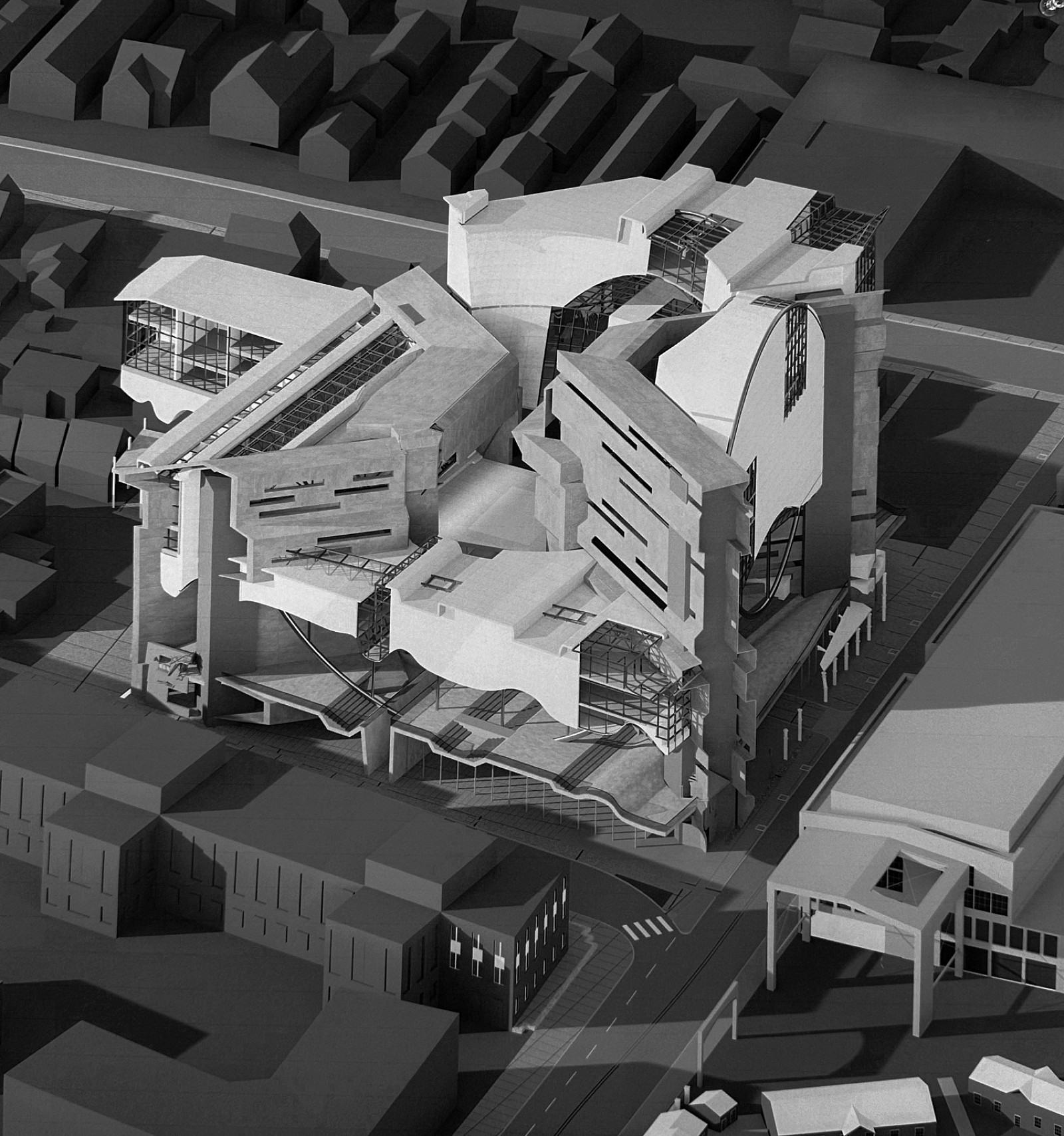
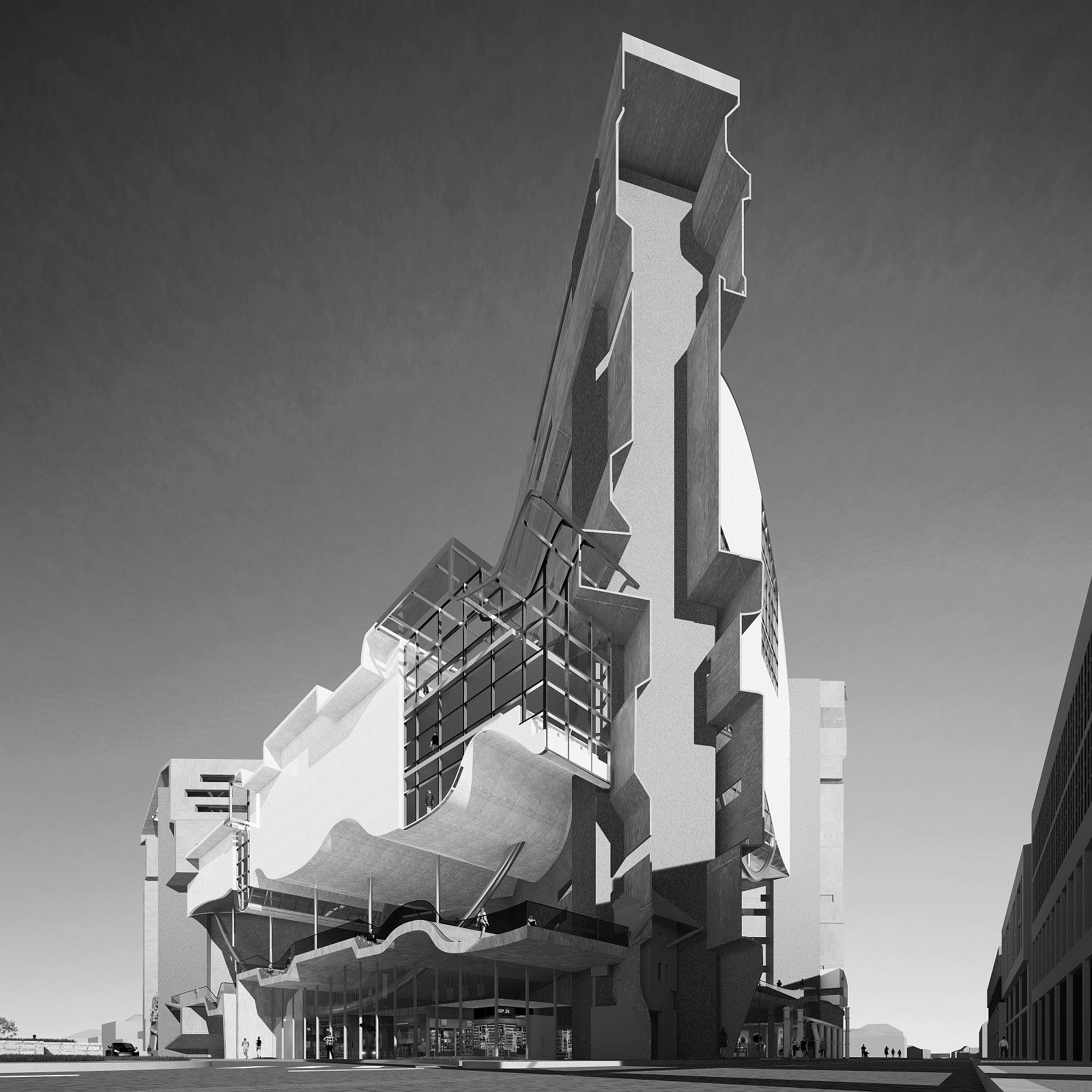
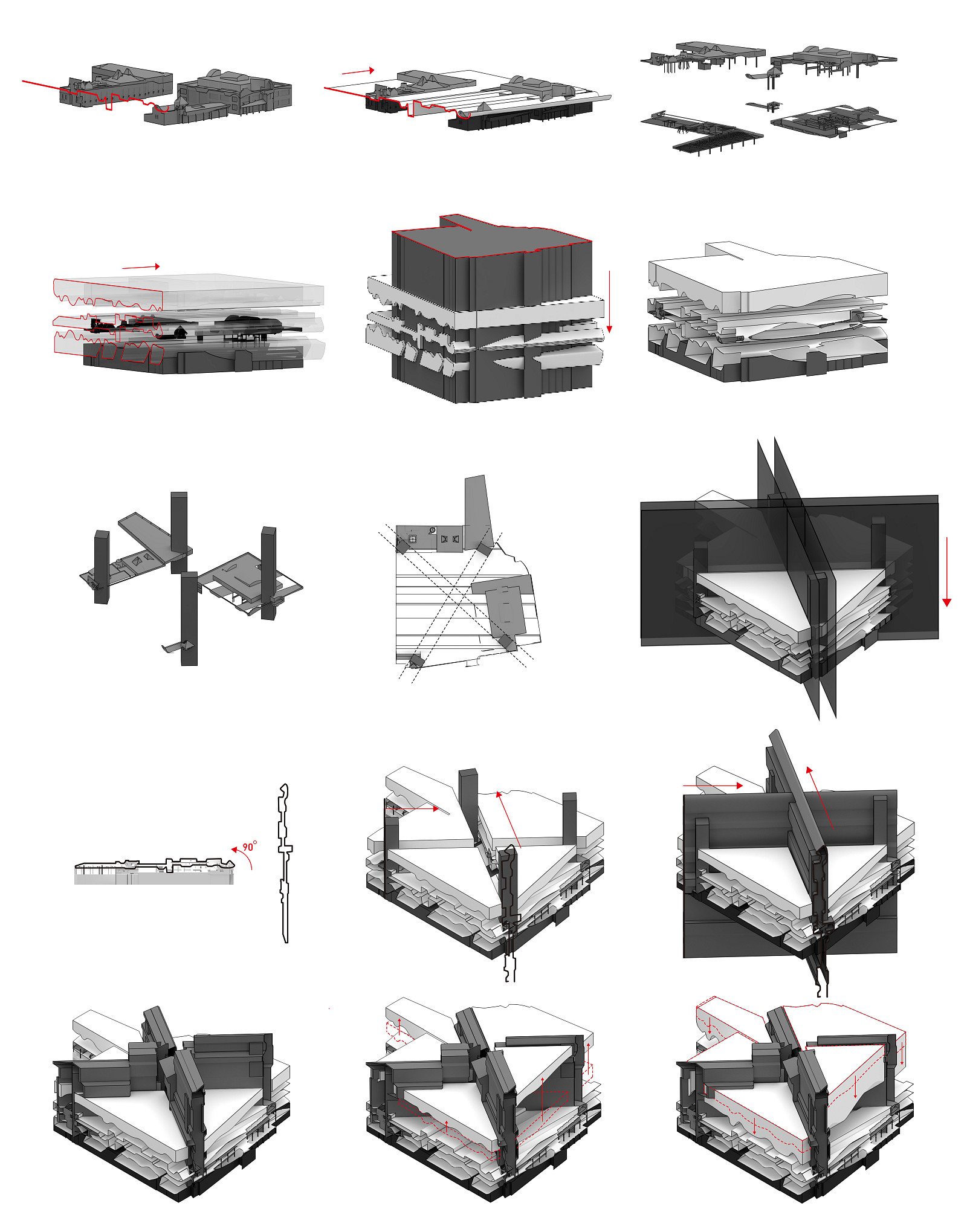
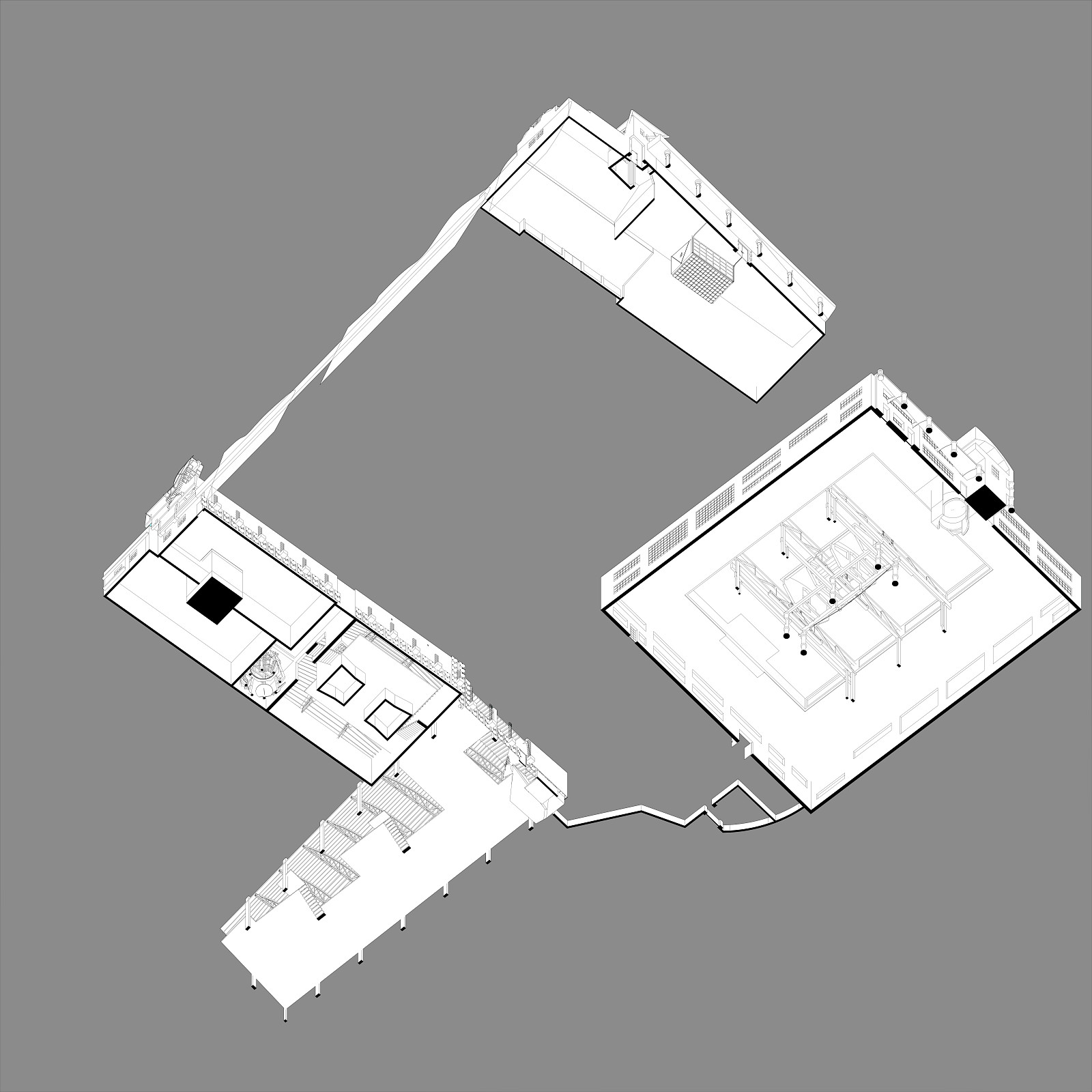
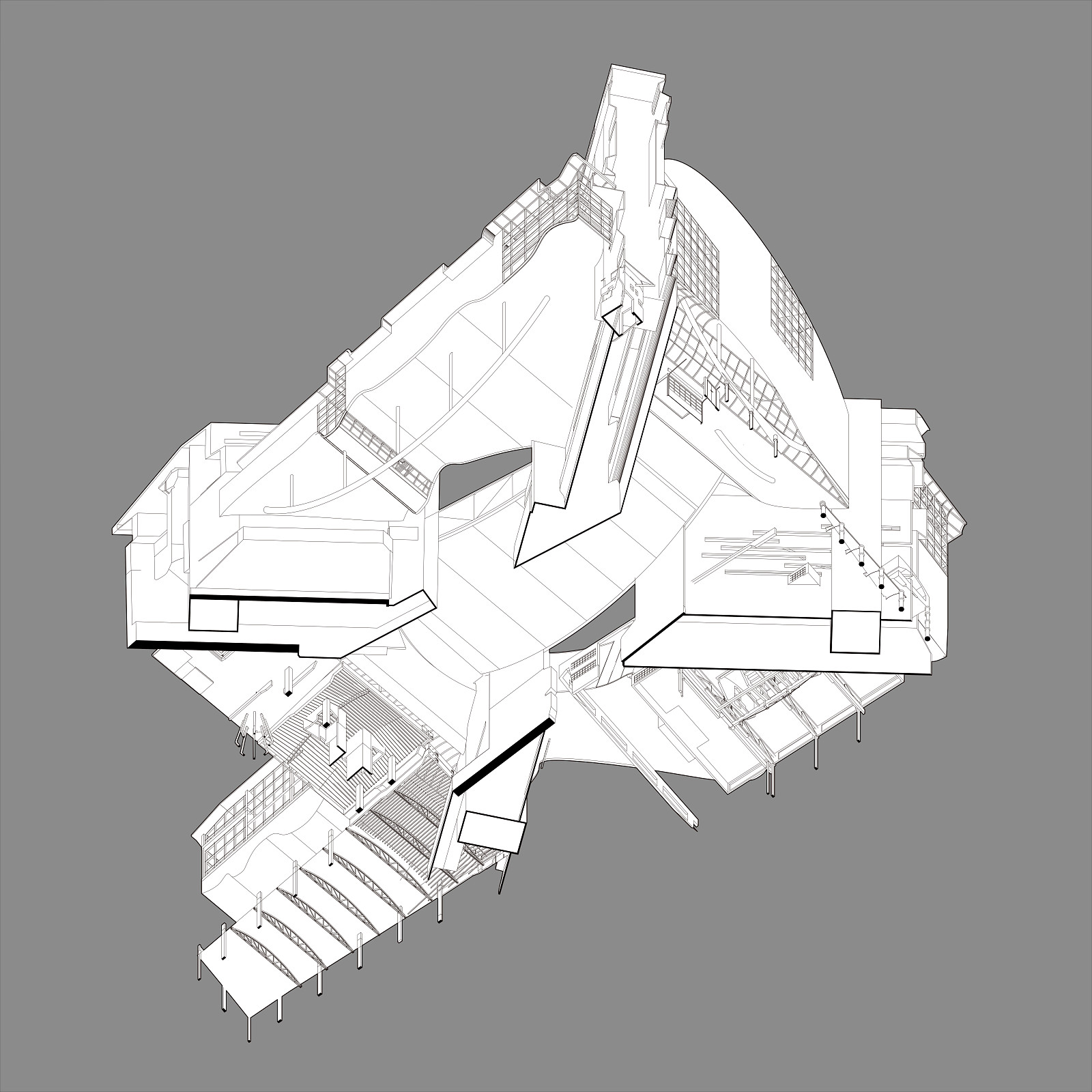
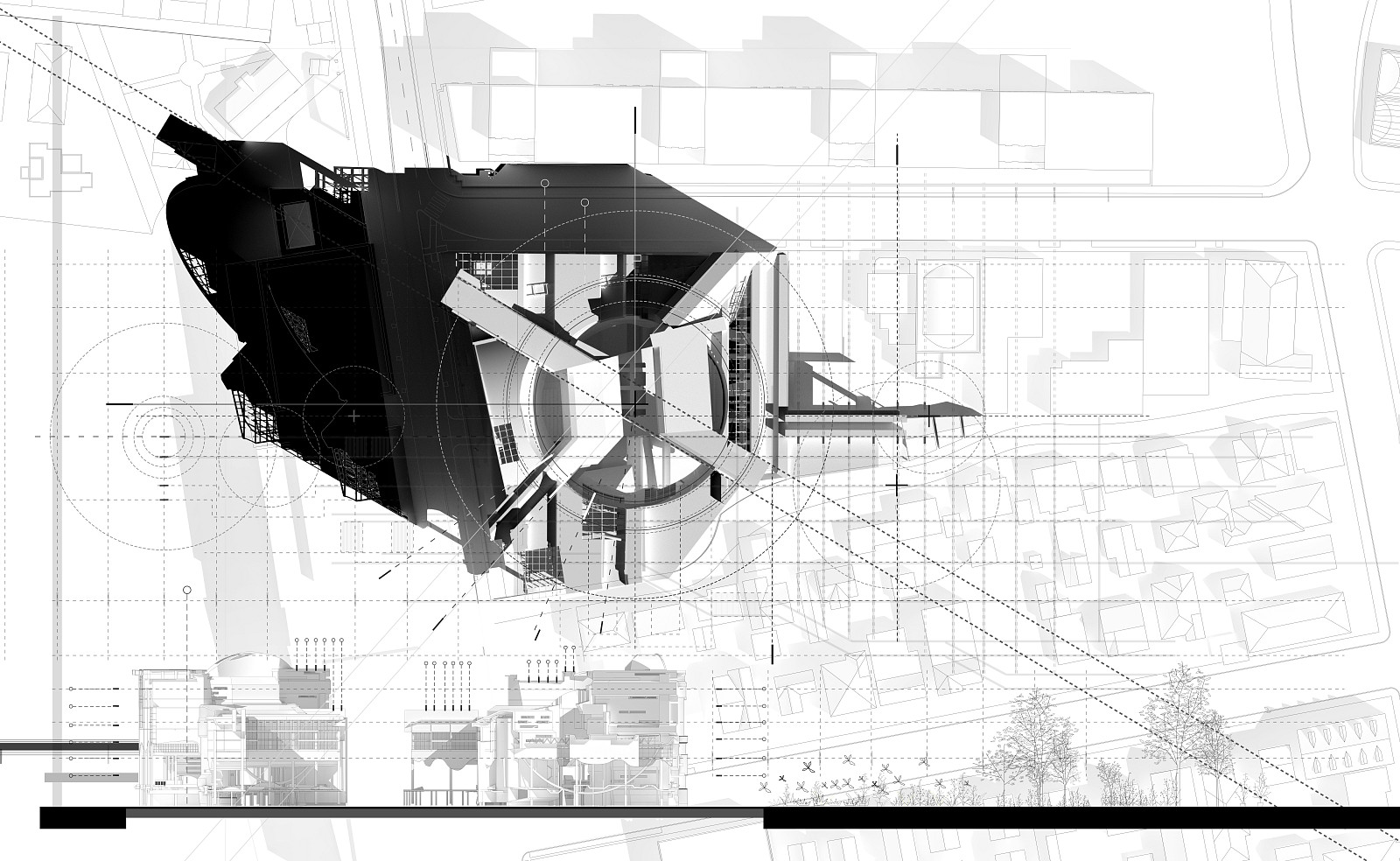
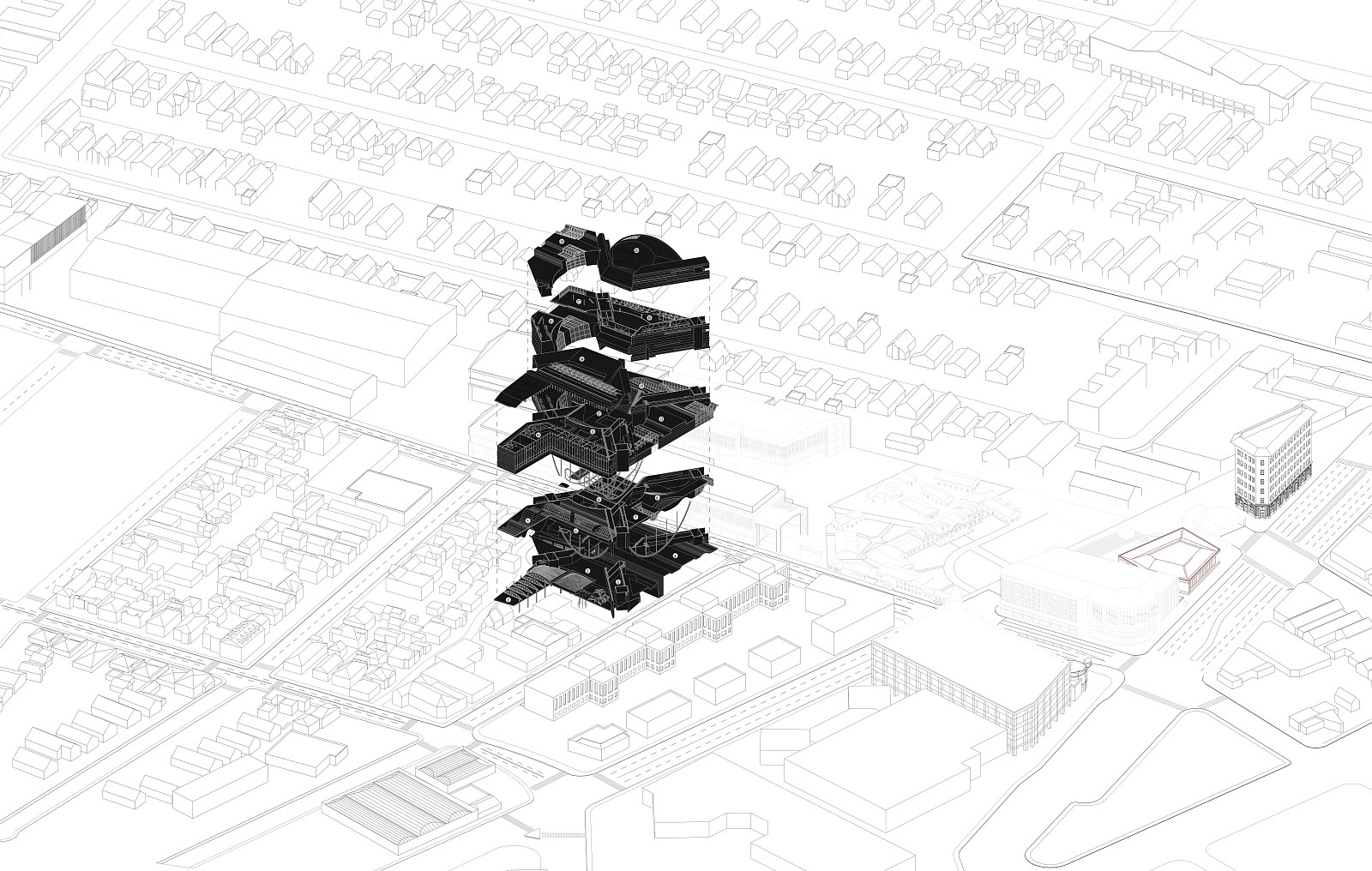
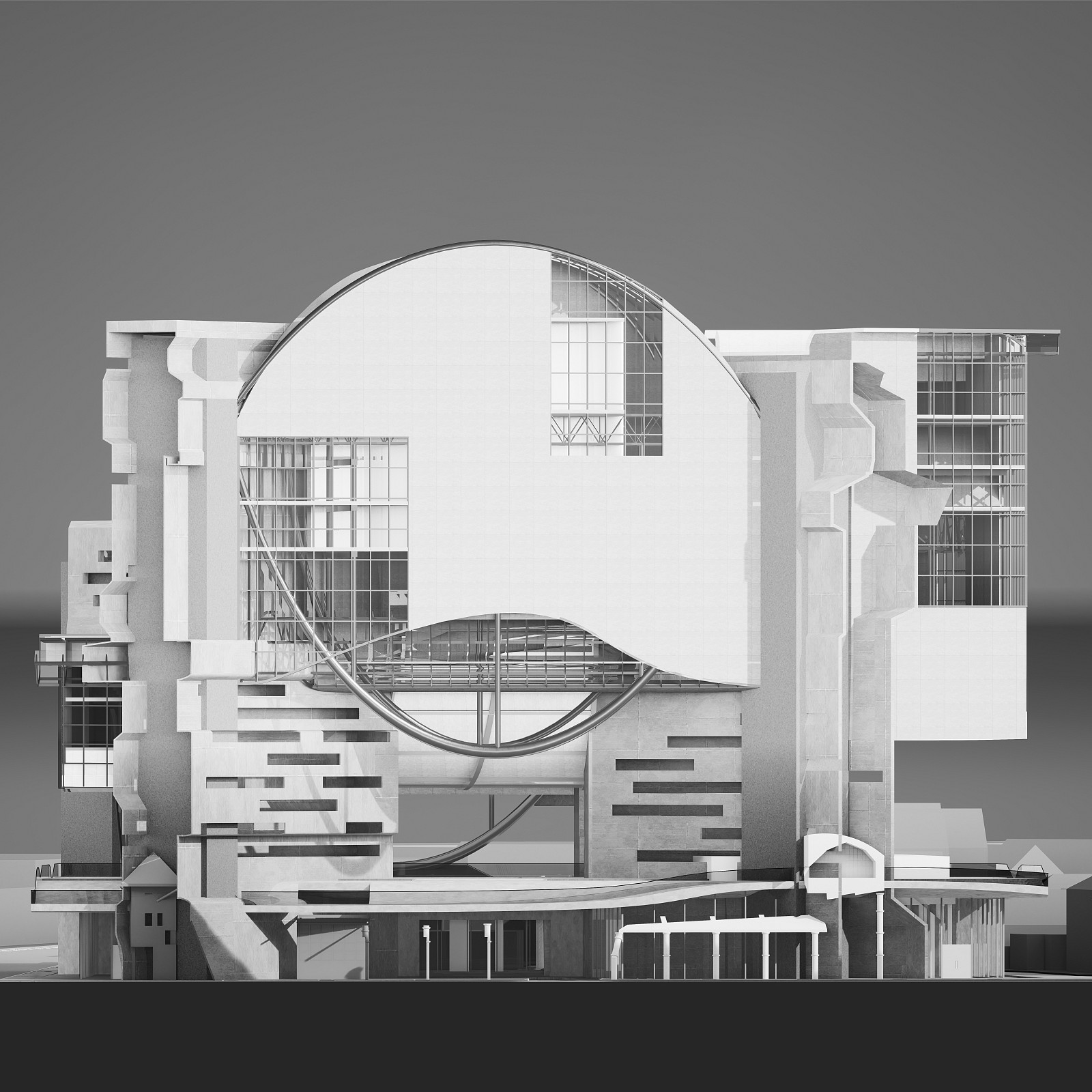
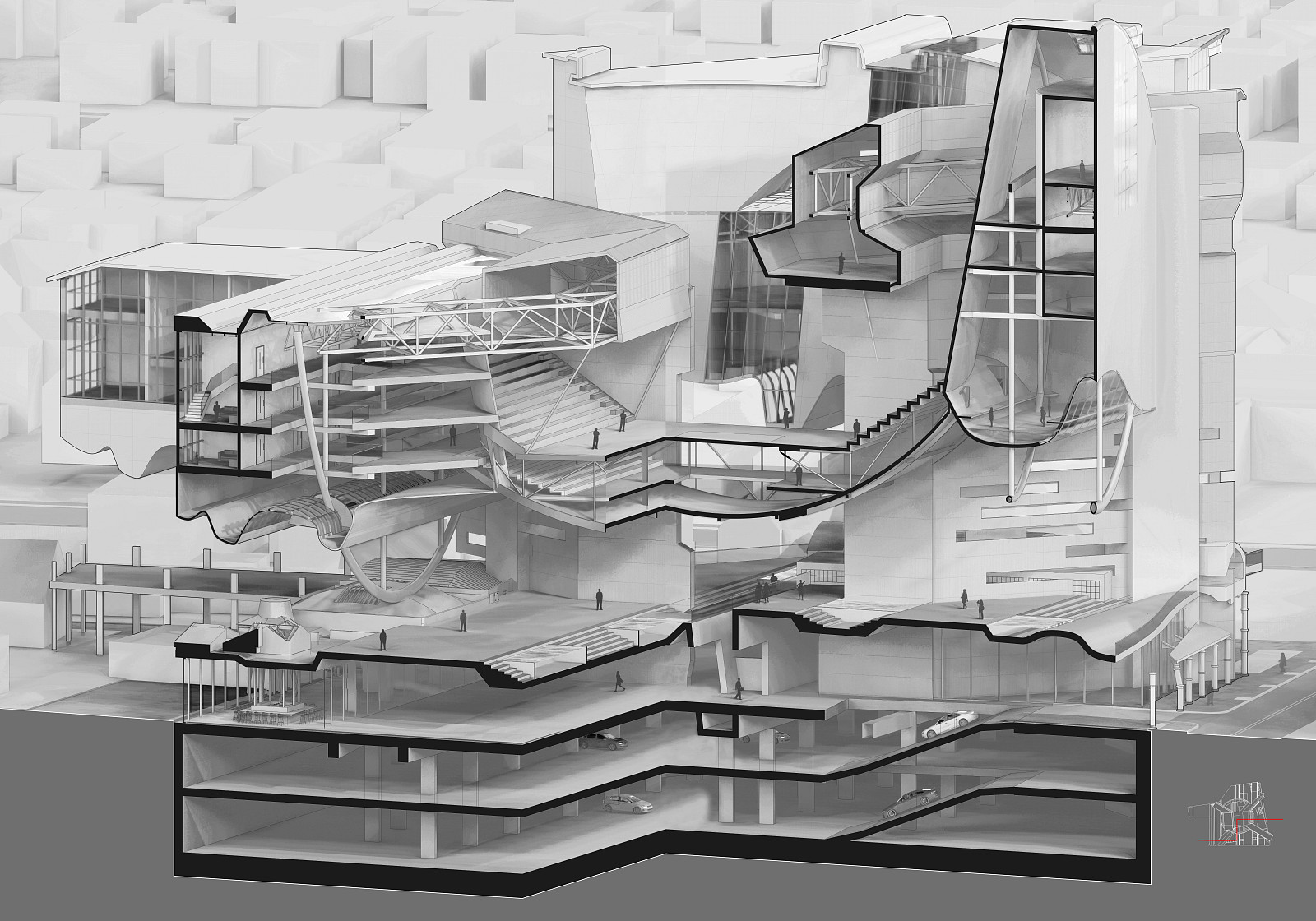
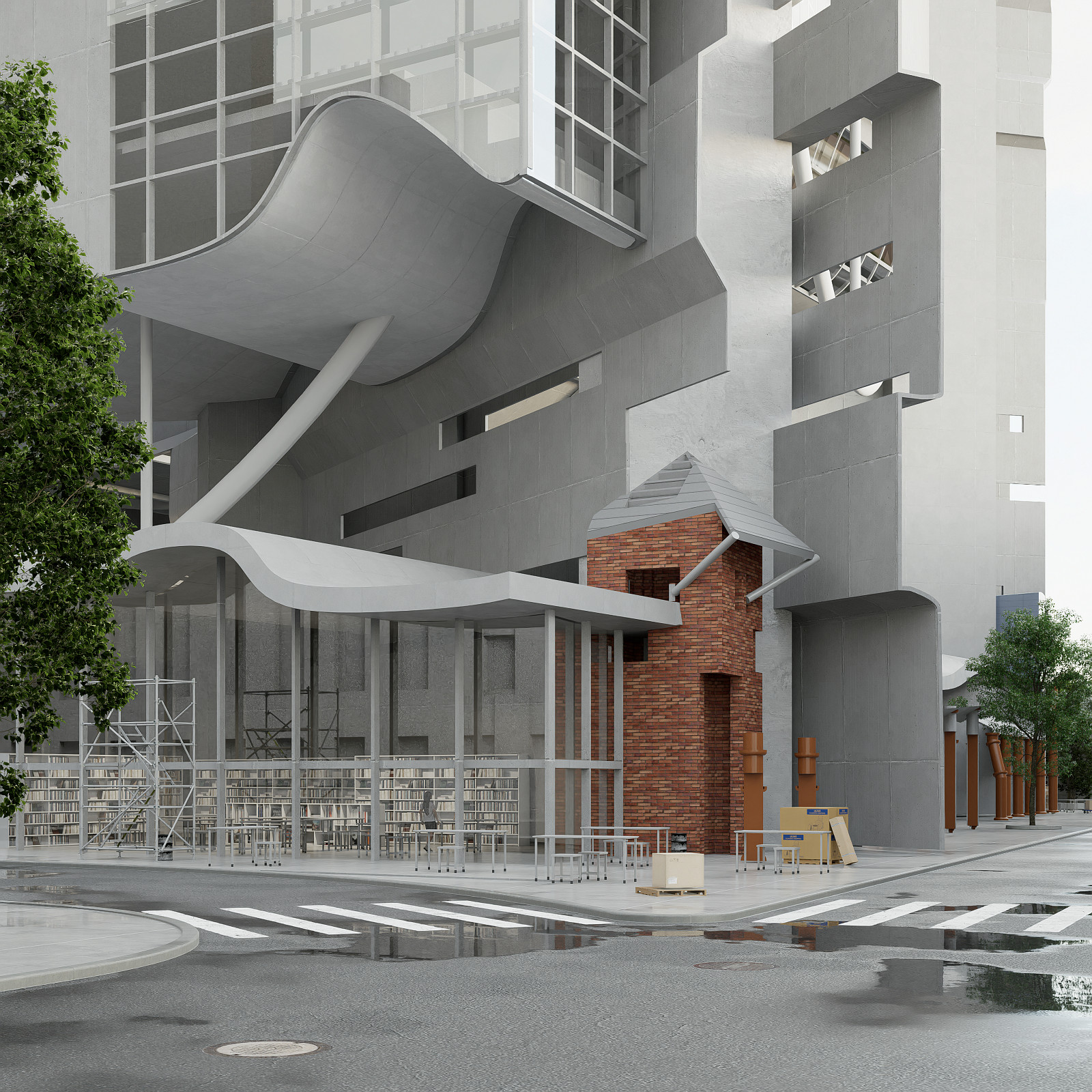
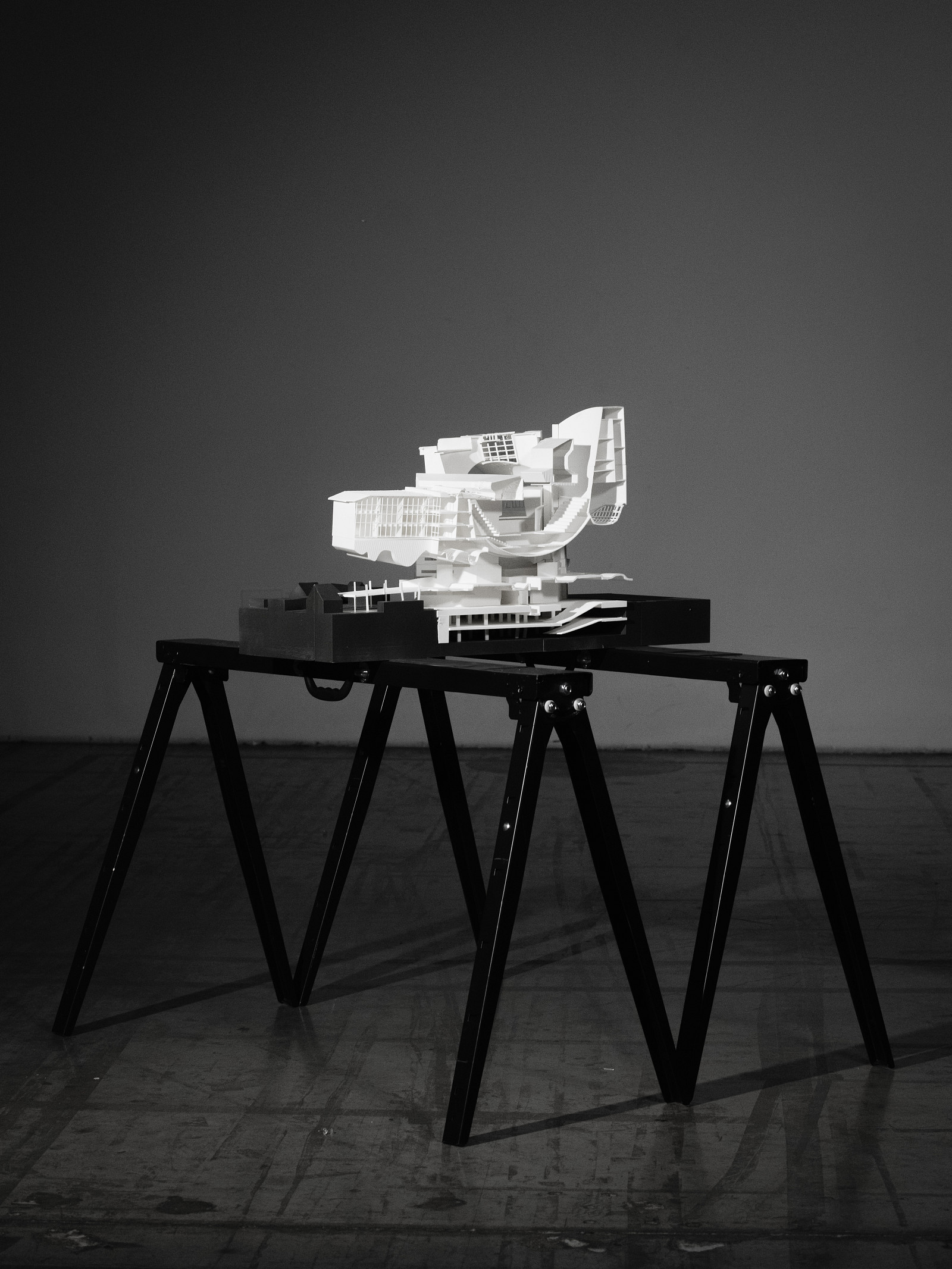
The design focuses on the roof, the most condensed and expressive element of Moss’s architecture. Through successive acts of cutting and extraction, fragments of the roof are removed, exaggerated, and reorganized into a new “sandwich building.” These fragments are not preserved as static references, but are displaced and recomposed to create a dialogue between old and new. Circulation, structure, and enclosure are interwoven through these cuts, allowing the building to register moments of overlap, interruption, and continuity.
At a conceptual level, Chainsaw examines authorship, inheritance, and the persistence of architectural meaning after transformation. Cutting becomes a method of thinking rather than destruction—an external tool to question how architectural ideas survive displacement and how form can carry memory without remaining intact. The project positions architecture not as a resolved solution, but as a condition open to questioning, reinterpretation, and ongoing negotiation.
Project description
This project proposes an architectural transformation based on the analysis and reinterpretation of an existing Eric Owen Moss building. Rather than preserving the original building as a complete object, the design selects its most expressive element—the roof—as the primary subject of intervention. Through cutting, extraction, displacement, and recomposition, the project develops a new architectural system that reuses formal logic from the original work while generating a distinct spatial and tectonic identity.
Technical information
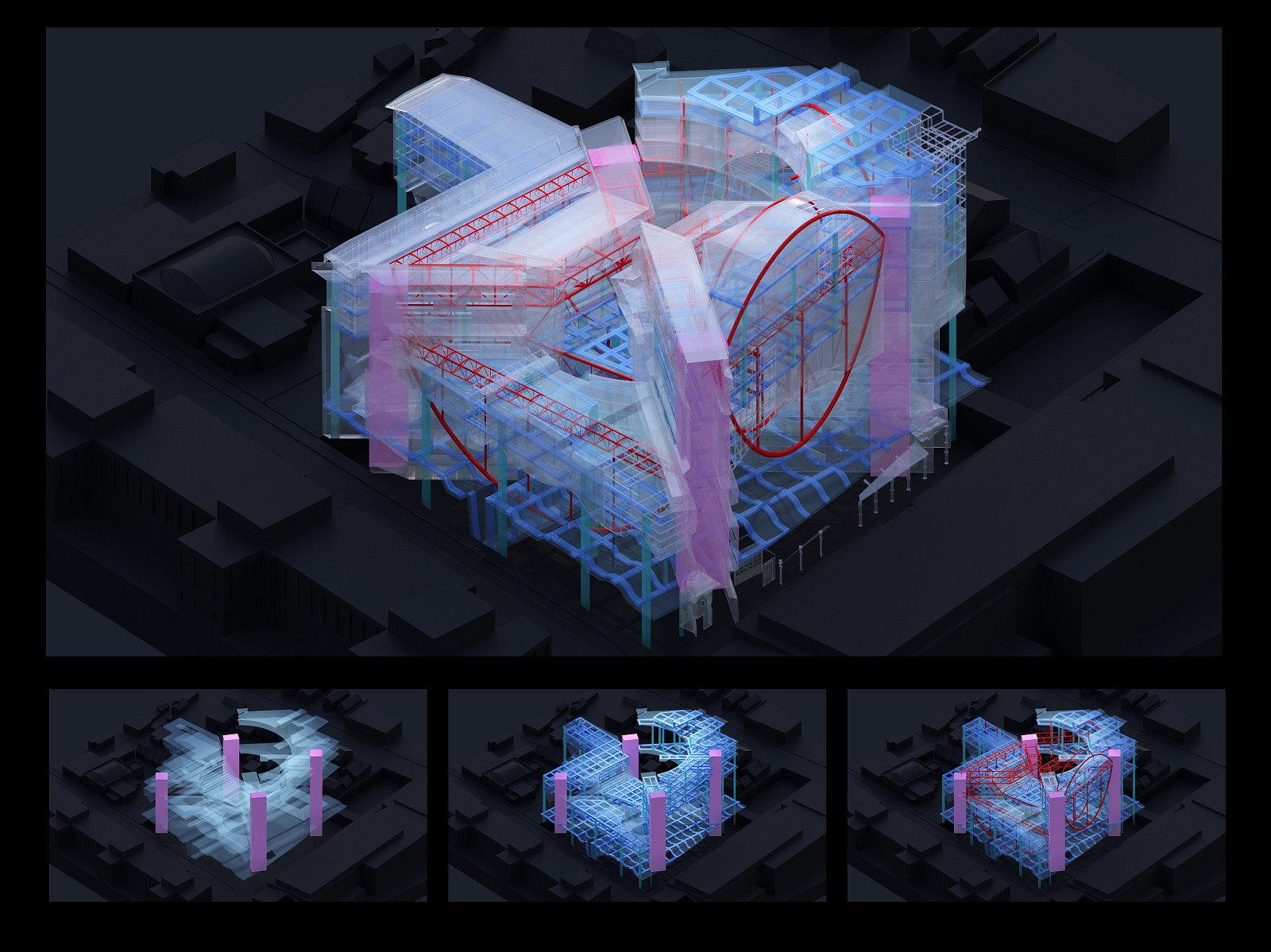
The roof is treated as the most concentrated formal and structural component of the original architecture. Through cutting, displacement, scaling, and recomposition, roof fragments are transformed into a new spatial and tectonic system.The structure is conceived as a hybrid framework combining inherited geometries from the original building with newly inserted supporting members.


Copyright © 2026 INSPIRELI | All rights reserved. Use of this website signifies your agreement to the Terms of Use, Privacy Policy, and use of cookies.