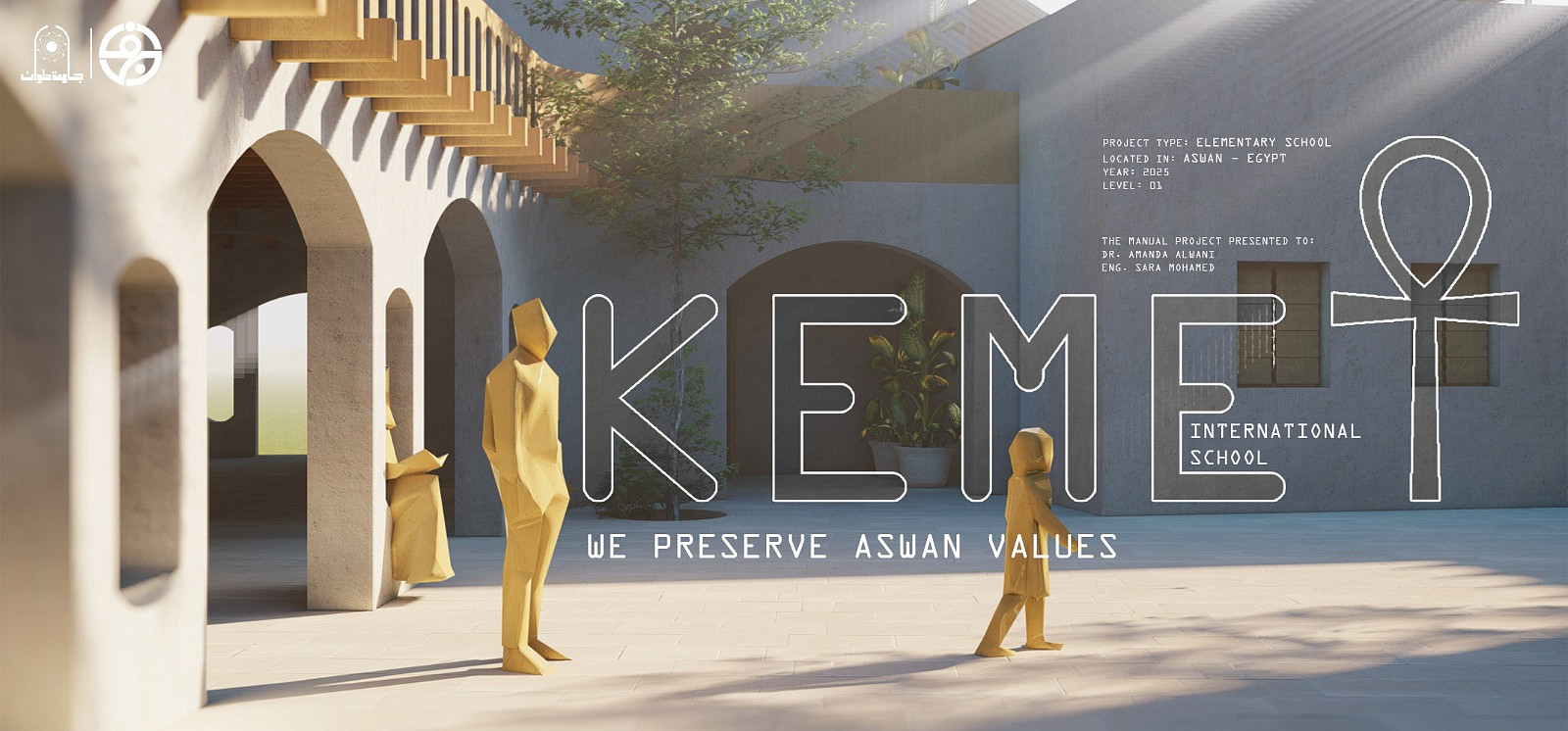
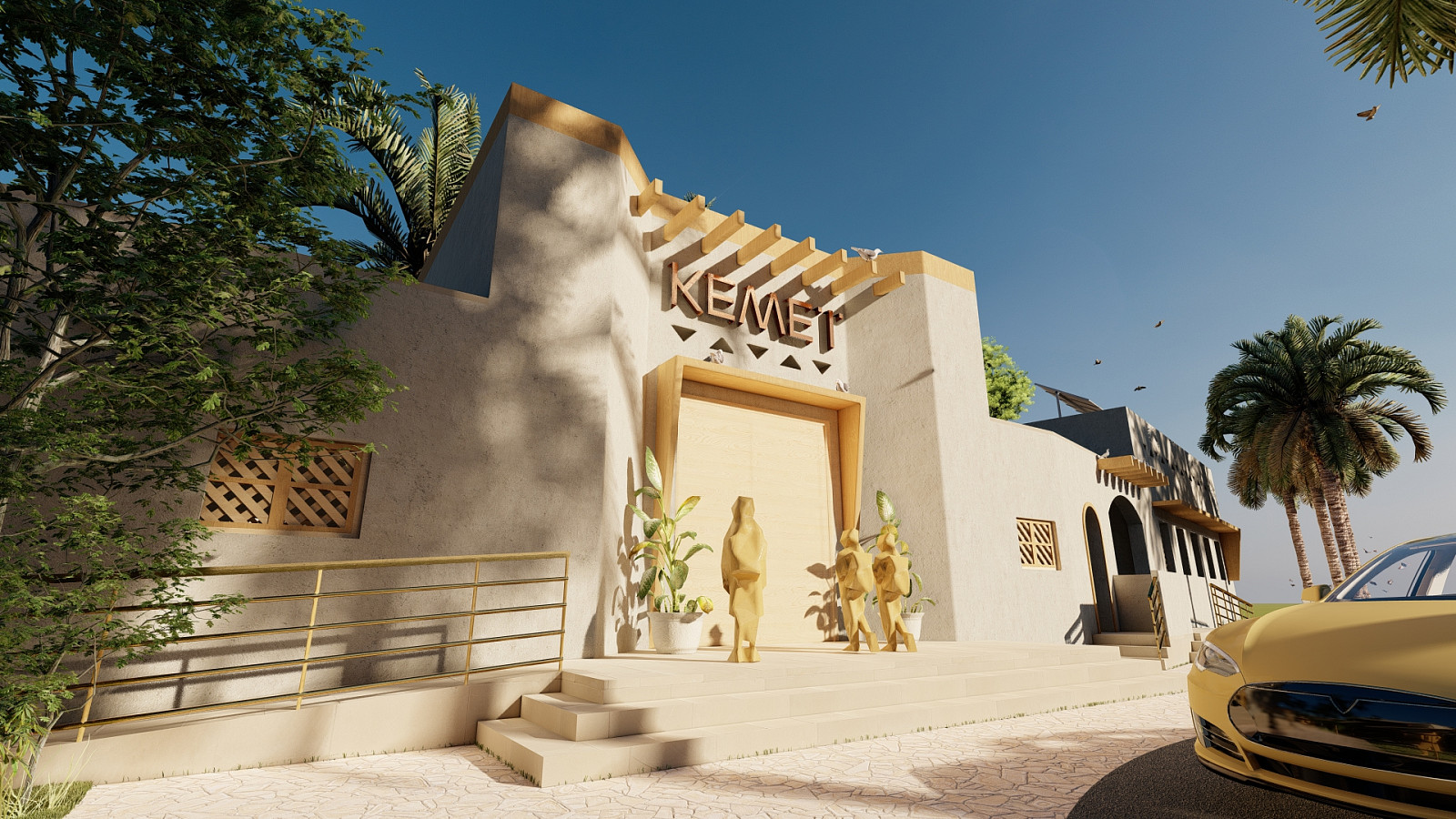
KEMET


Project idea
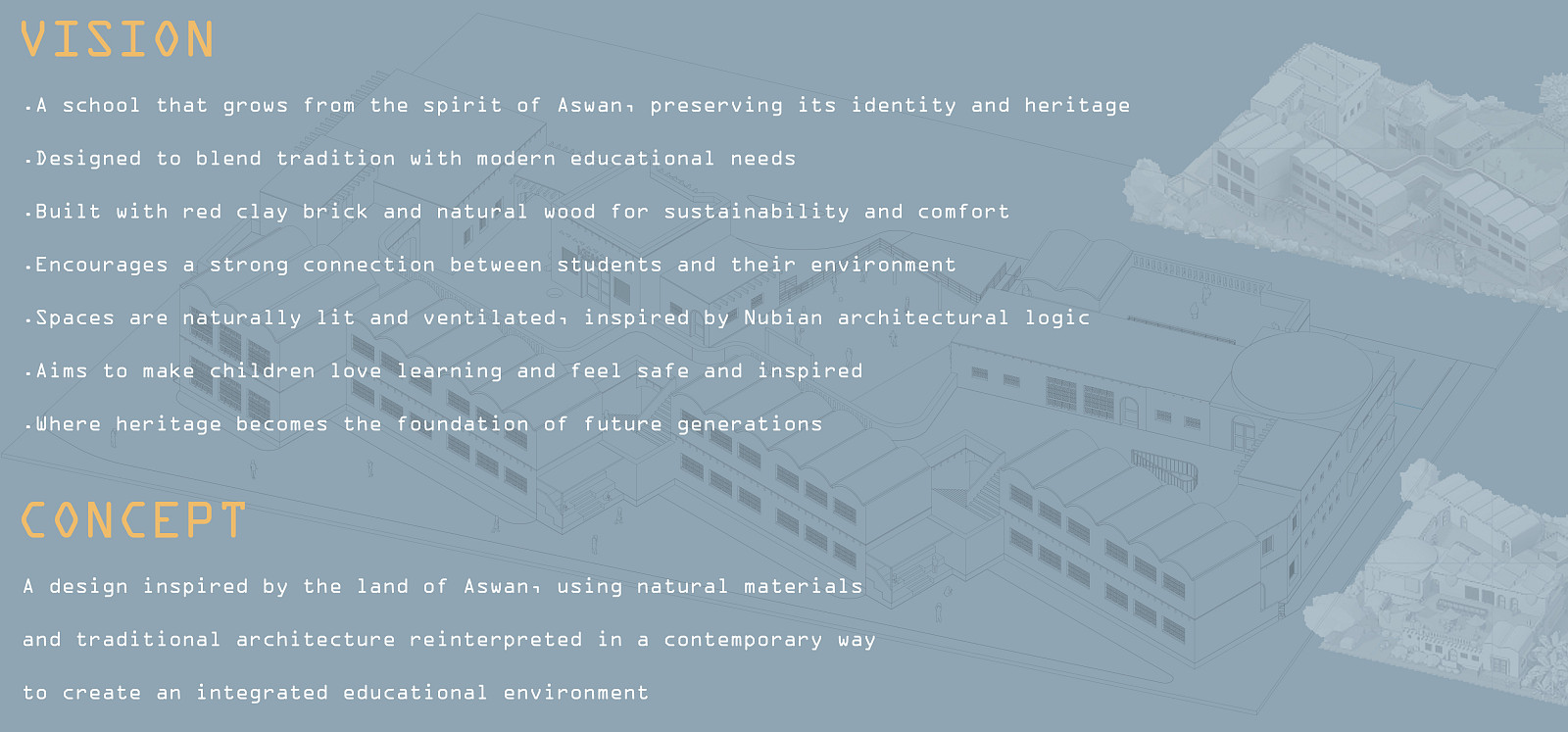
VISION
-A school that grows from the spirit of Aswan, preserving its identity and heritage.
-Designed to blend tradition with modern educational needs.
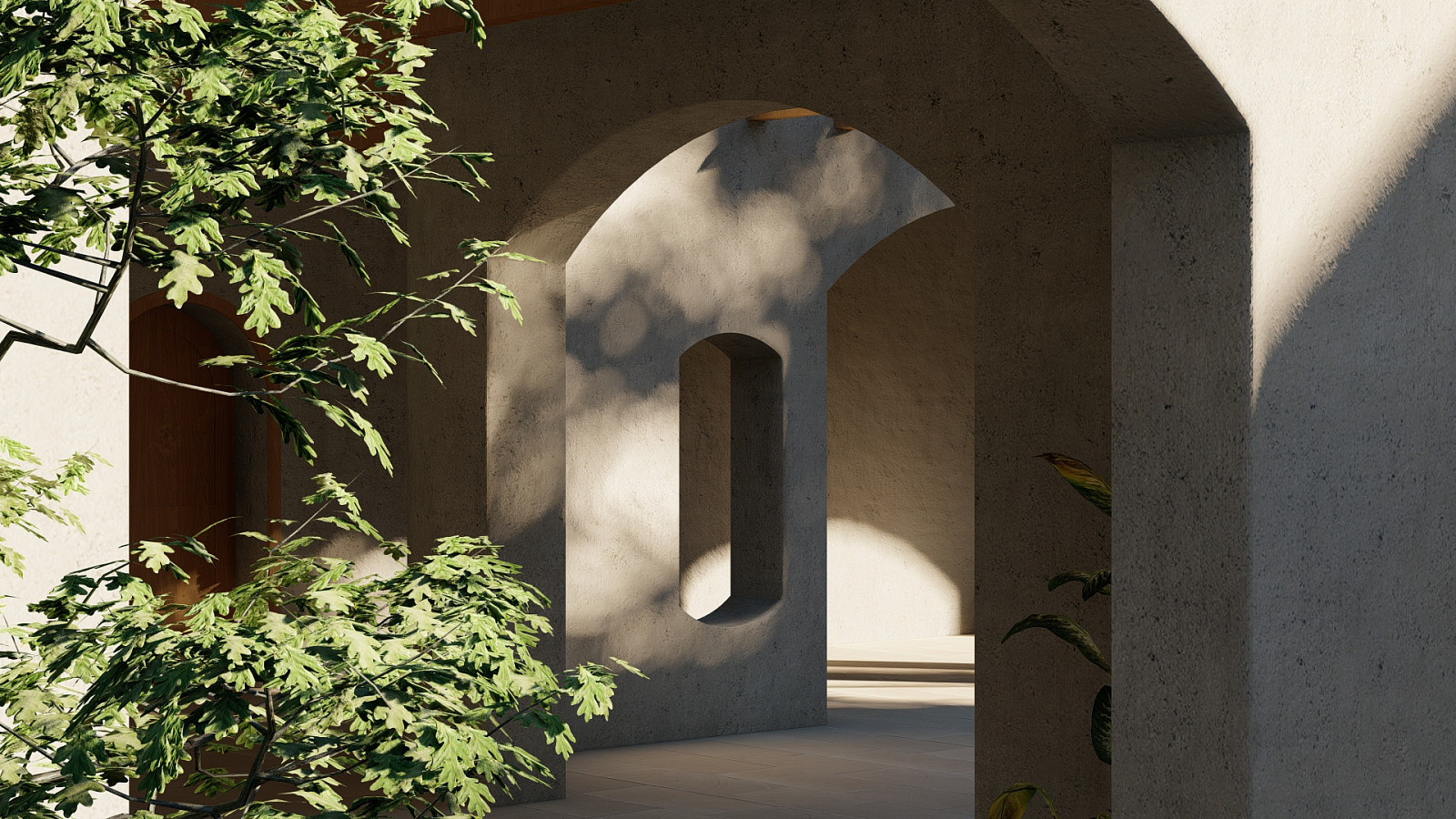
-Built with red clay brick and natural wood for sustainability and comfort.
-Encourages a strong connection between students and their environment.
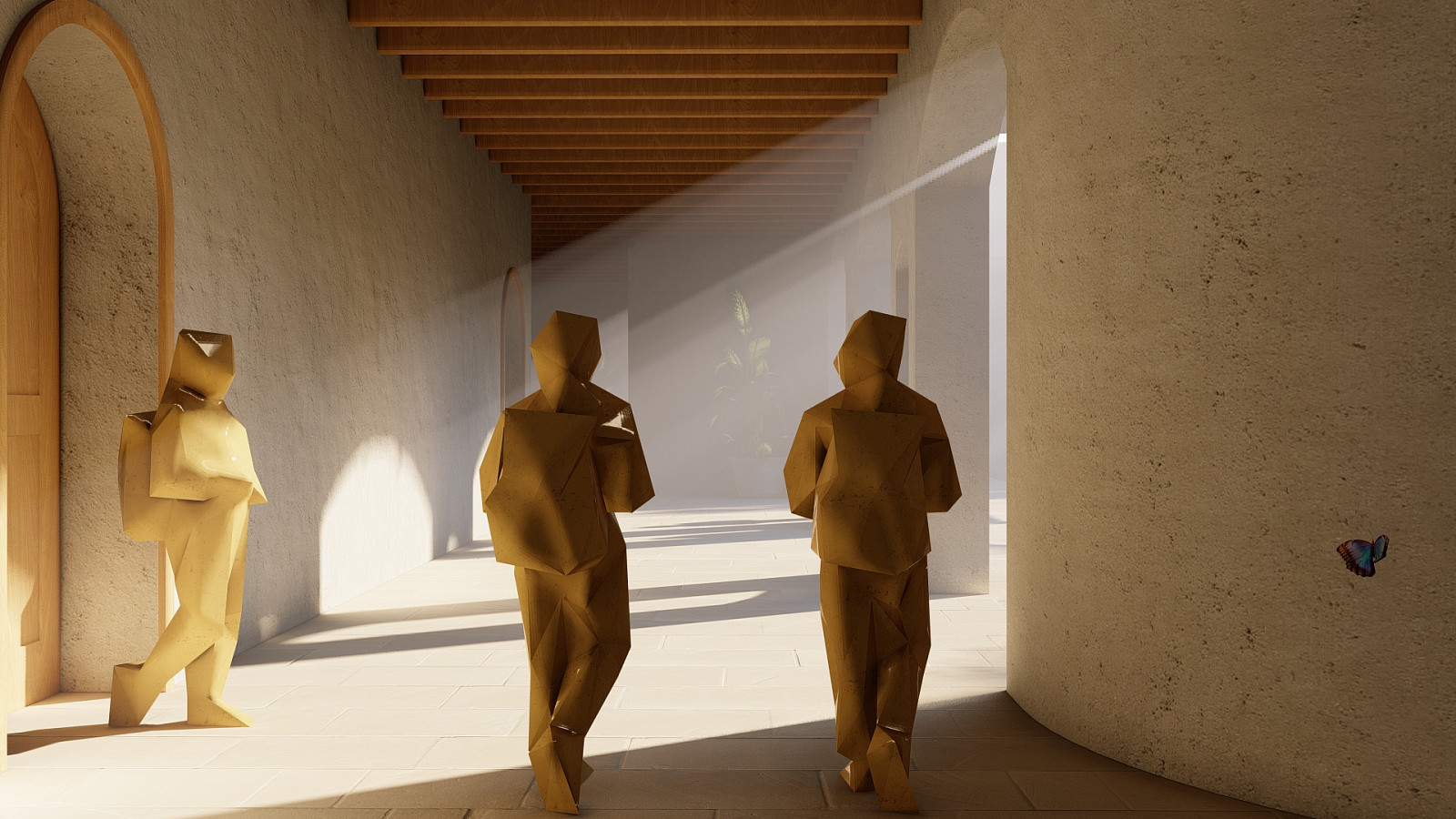
-Spaces are naturally lit and ventilated, inspired by Nubian architectural logic.
-Aims to make children love learning and feel safe and inspired.
-Where heritage becomes the foundation of future generations.
CONCEPT
A design inspired by the land of Aswan, using natural materials and traditional architecture reinterpreted in a contemporary way to create an integrated educational environment.
Project description
Location & Context
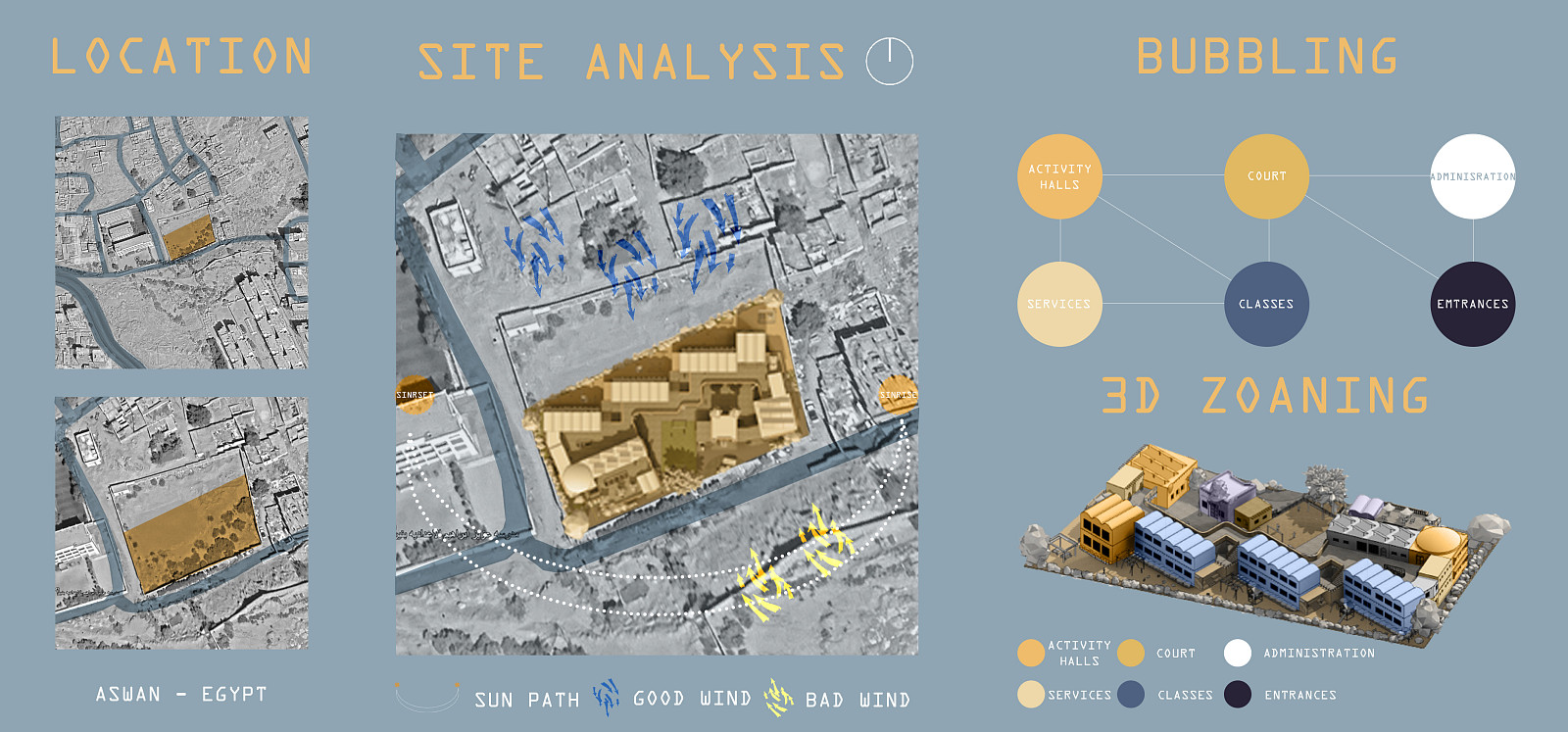
The project is situated in Aswan, Egypt, a region characterized by its rich heritage and challenging desert climate. The site analysis focuses on harnessing environmental elements to create a sustainable educational hub.
Site Analysis & Environmental Response
The design is a direct response to the site’s climatic conditions:
-Sun Path:
The building orientation and massing are optimized to manage solar gain throughout the day.
-Wind Management:
The layout is designed to invite "Good Winds" (North/North-West) for natural cooling while creating a barrier against "Bad Winds" (dust-laden or hot southern winds).
-Natural Integration:
The project respects the existing topography and urban fabric of Aswan.
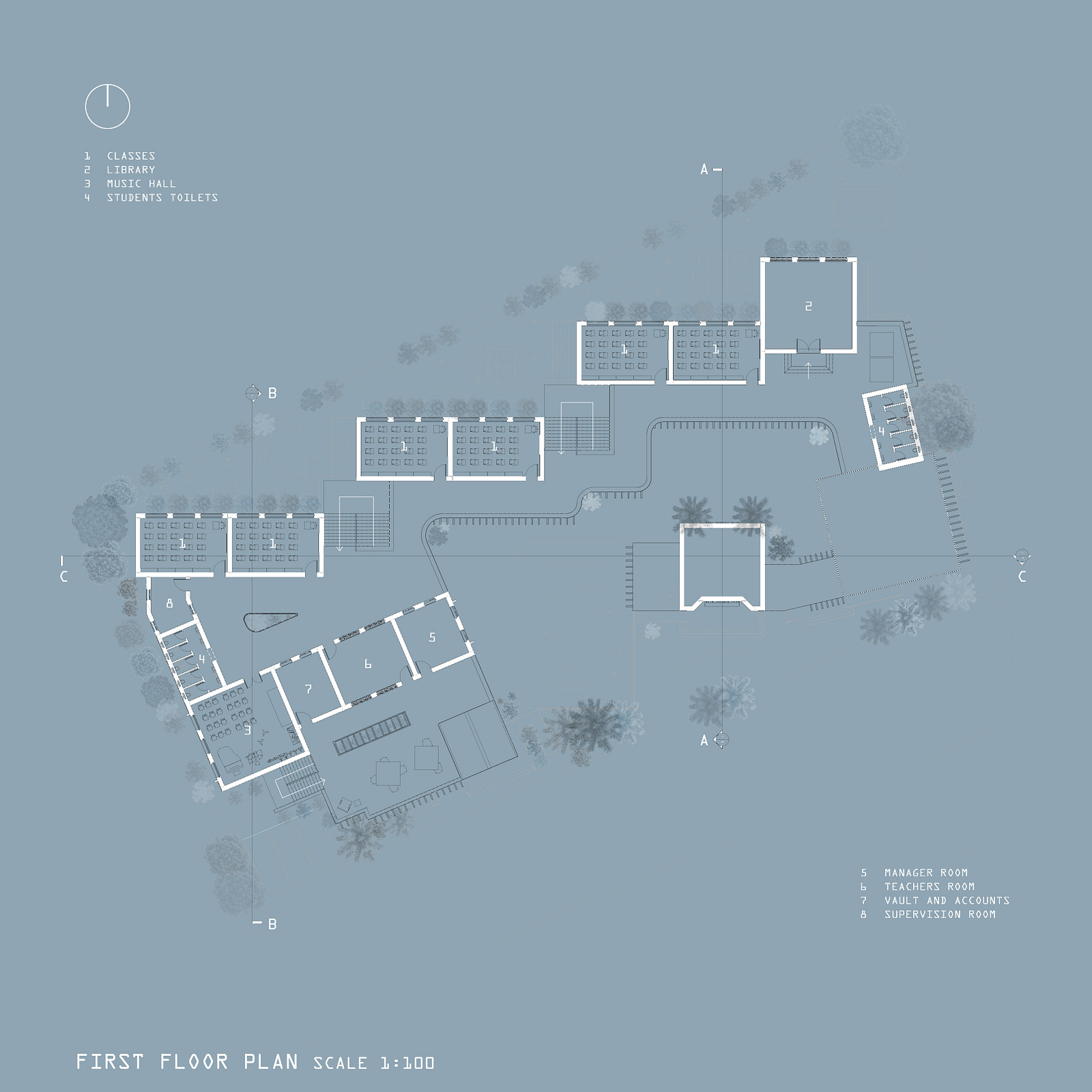
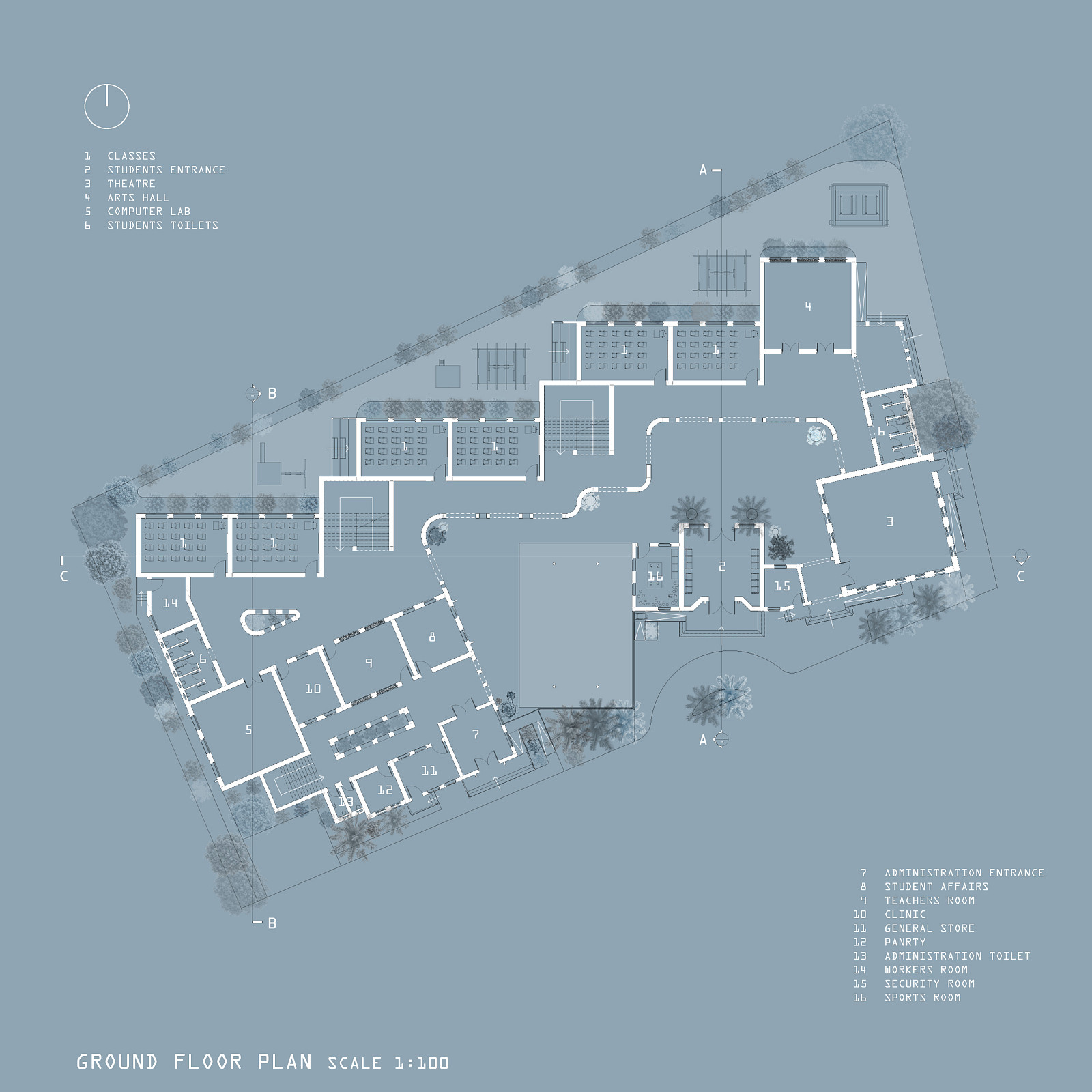
Functional Zoning & Bubbling
The spatial organization follows a clear hierarchy to ensure a seamless educational experience:
-Core Learning:
Centrally located Classes to ensure focus and accessibility.
-Social Heart:
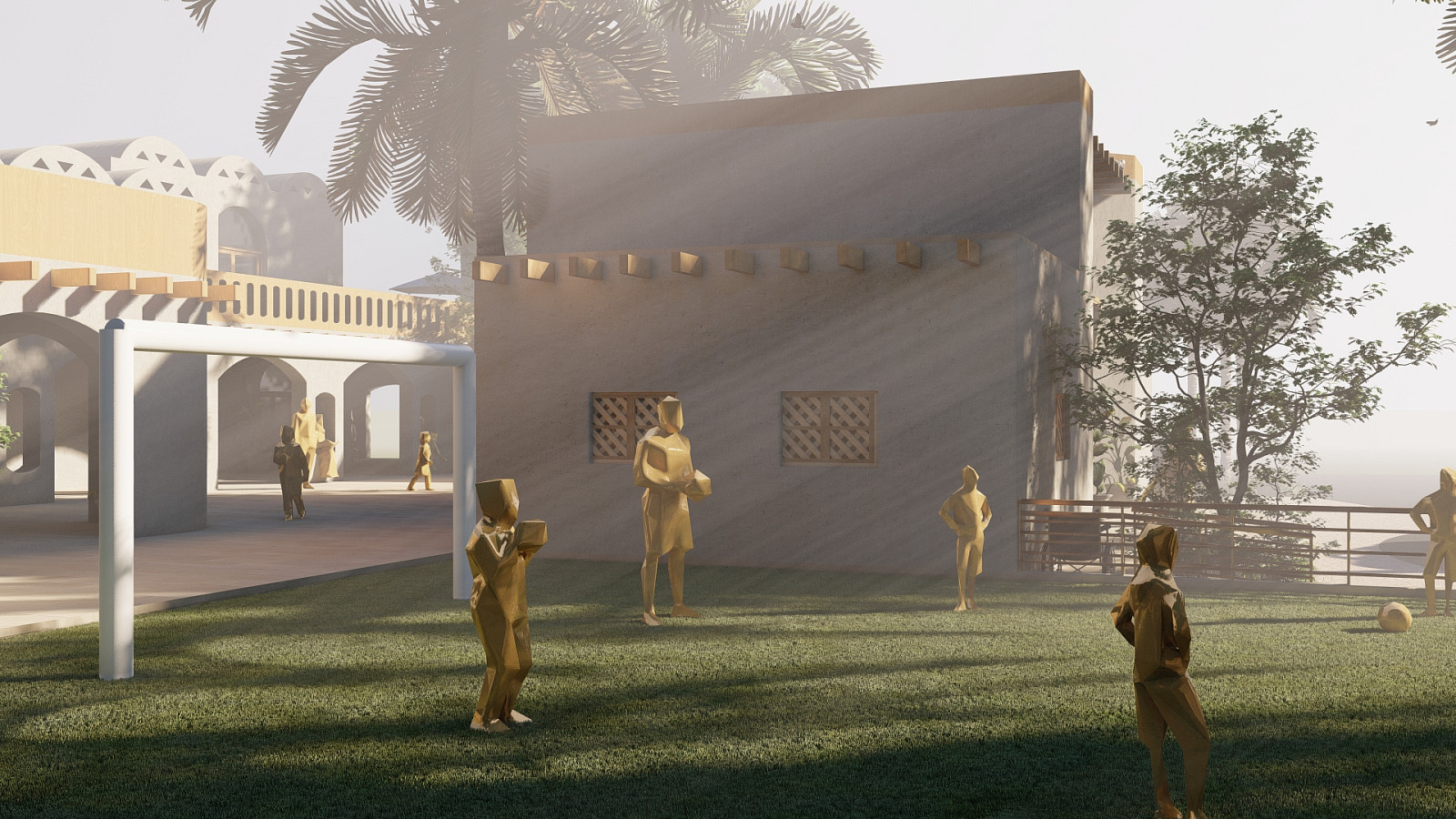
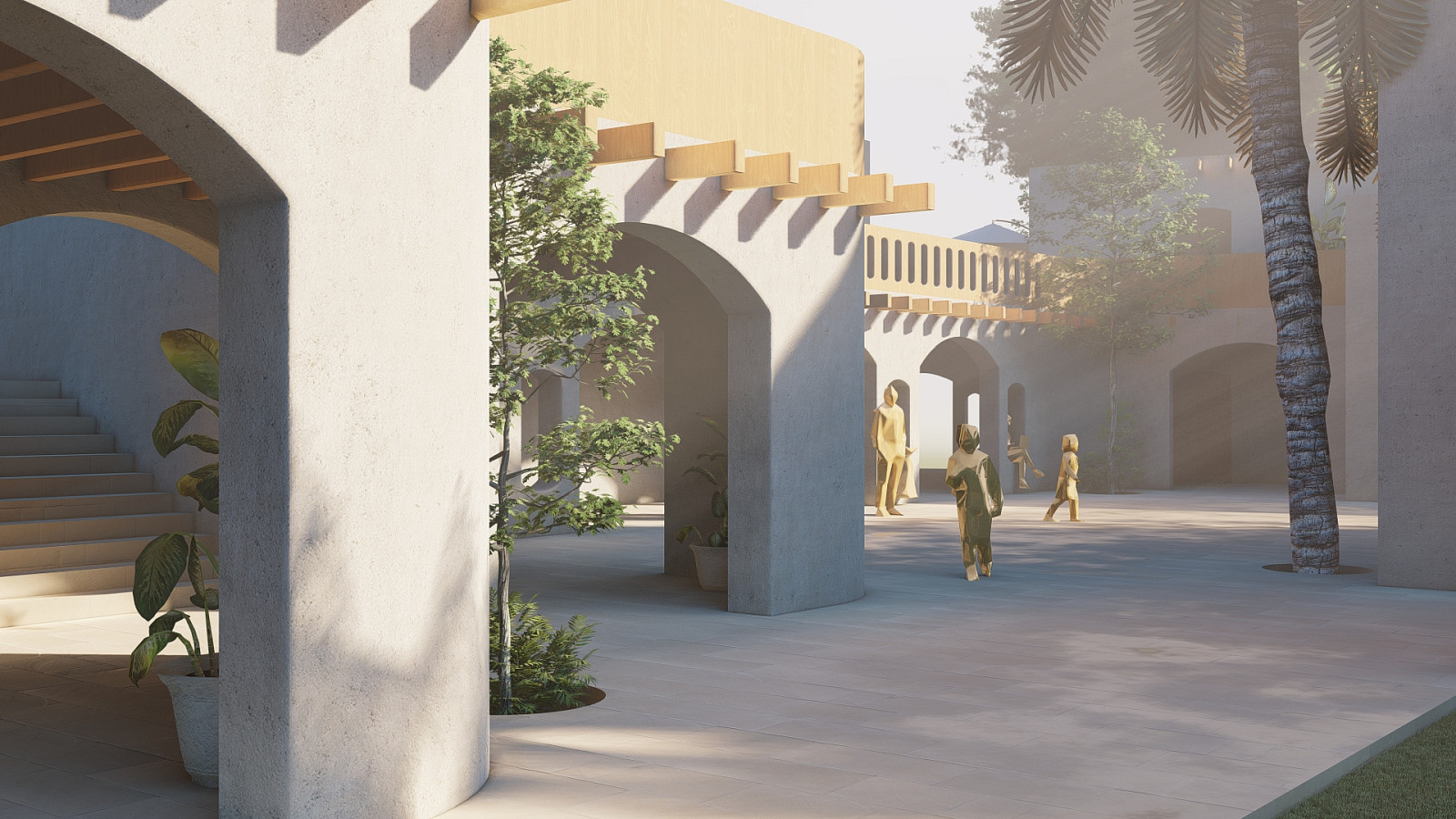
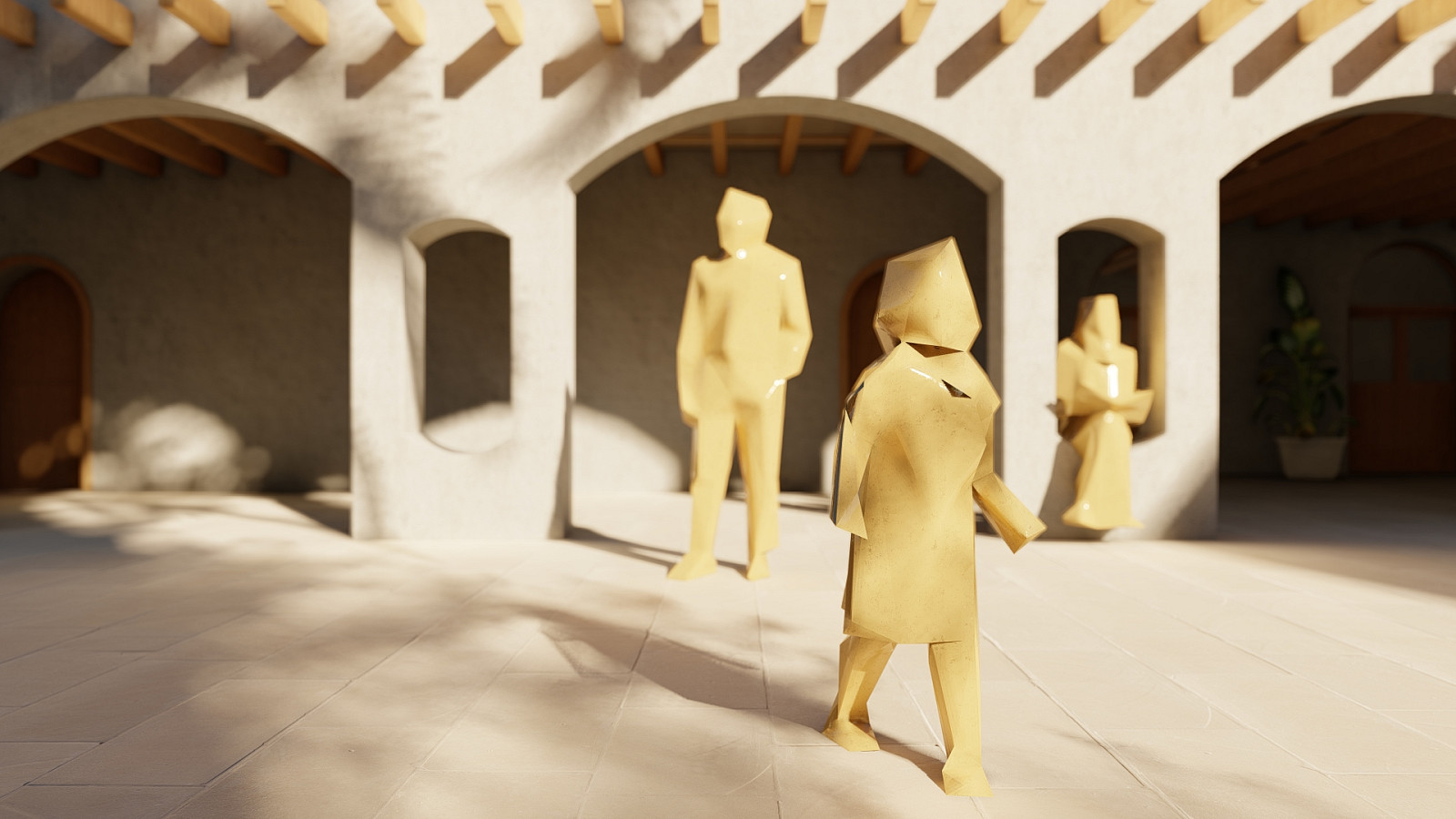
A central Court that acts as the main gathering space, facilitating natural light and social interaction.
-Support Zones:
Strategic placement of Activity Halls, Administration, and Services to minimize cross-circulation conflicts.
-Access:
Clearly defined Entrances that manage the flow of students and visitors efficiently.
Architectural Solution (3D Zoning)
The 3D Zoning reflects a "human-scale" architectural approach.
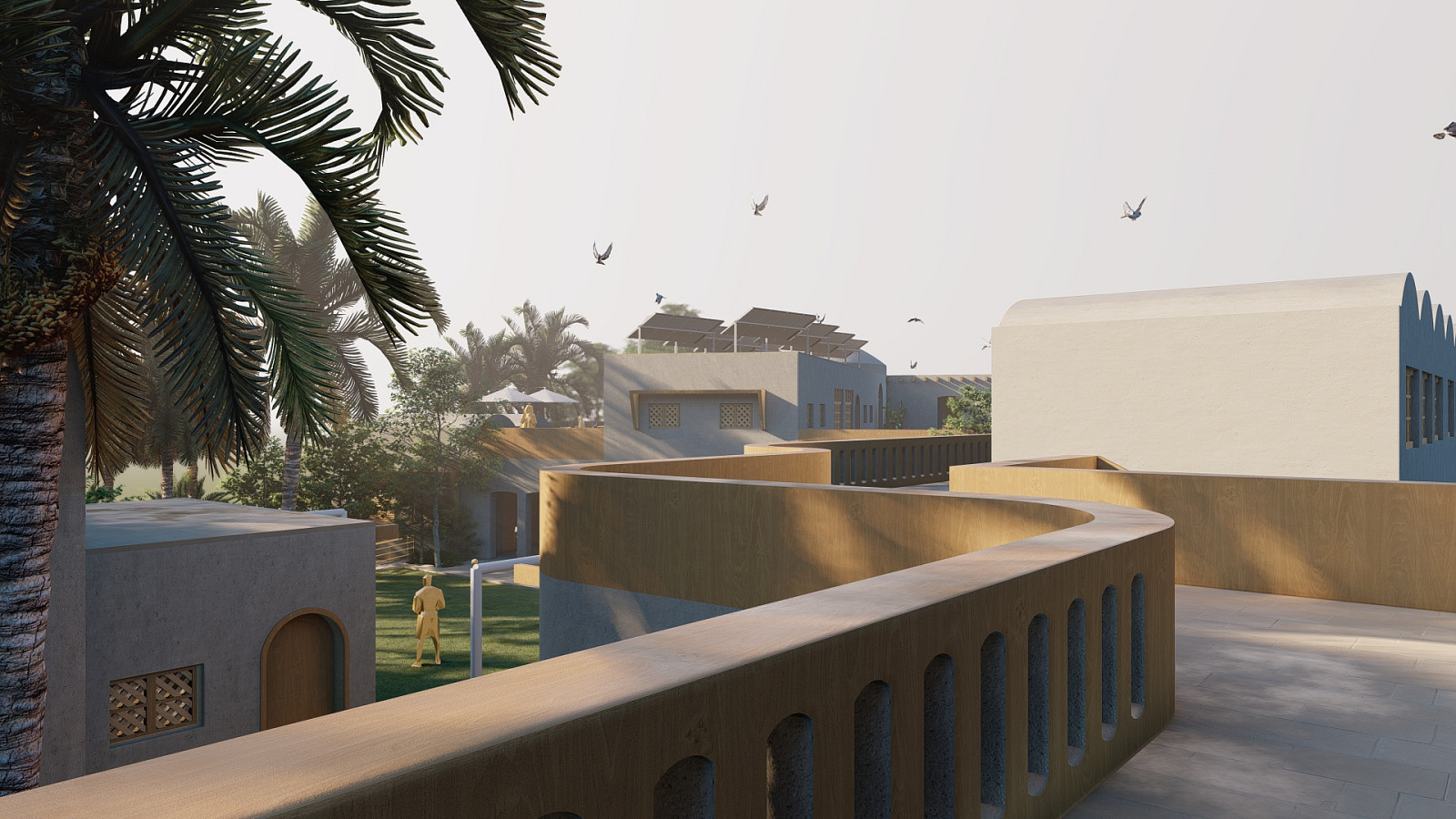
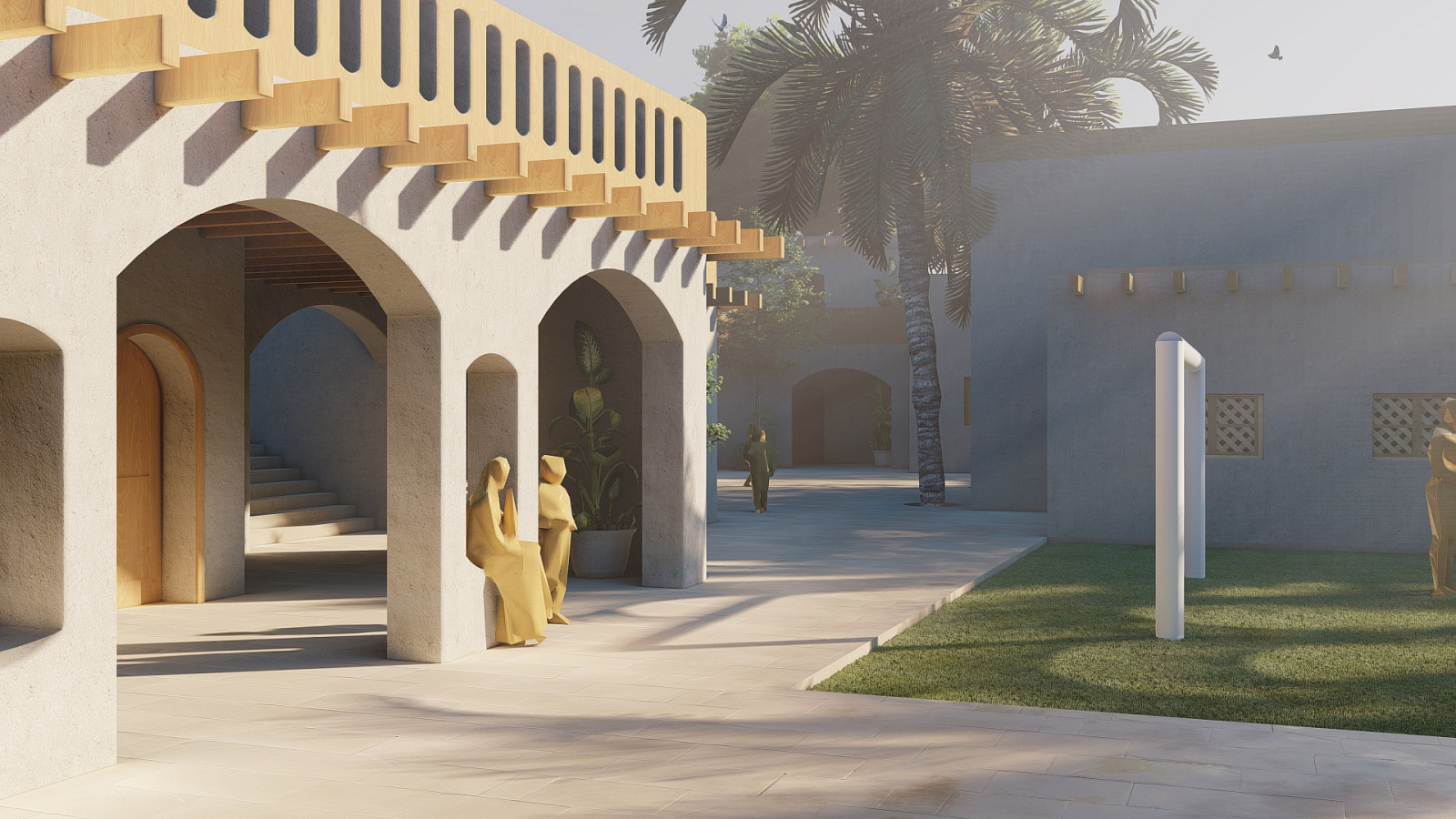
By breaking down the masses, the project creates a variety of shaded outdoor spaces and courtyards, inspired by traditional Nubian logic but executed with a contemporary structural language.
The solution provides a safe, inspired, and thermally comfortable environment for children to grow and learn.
Technical information
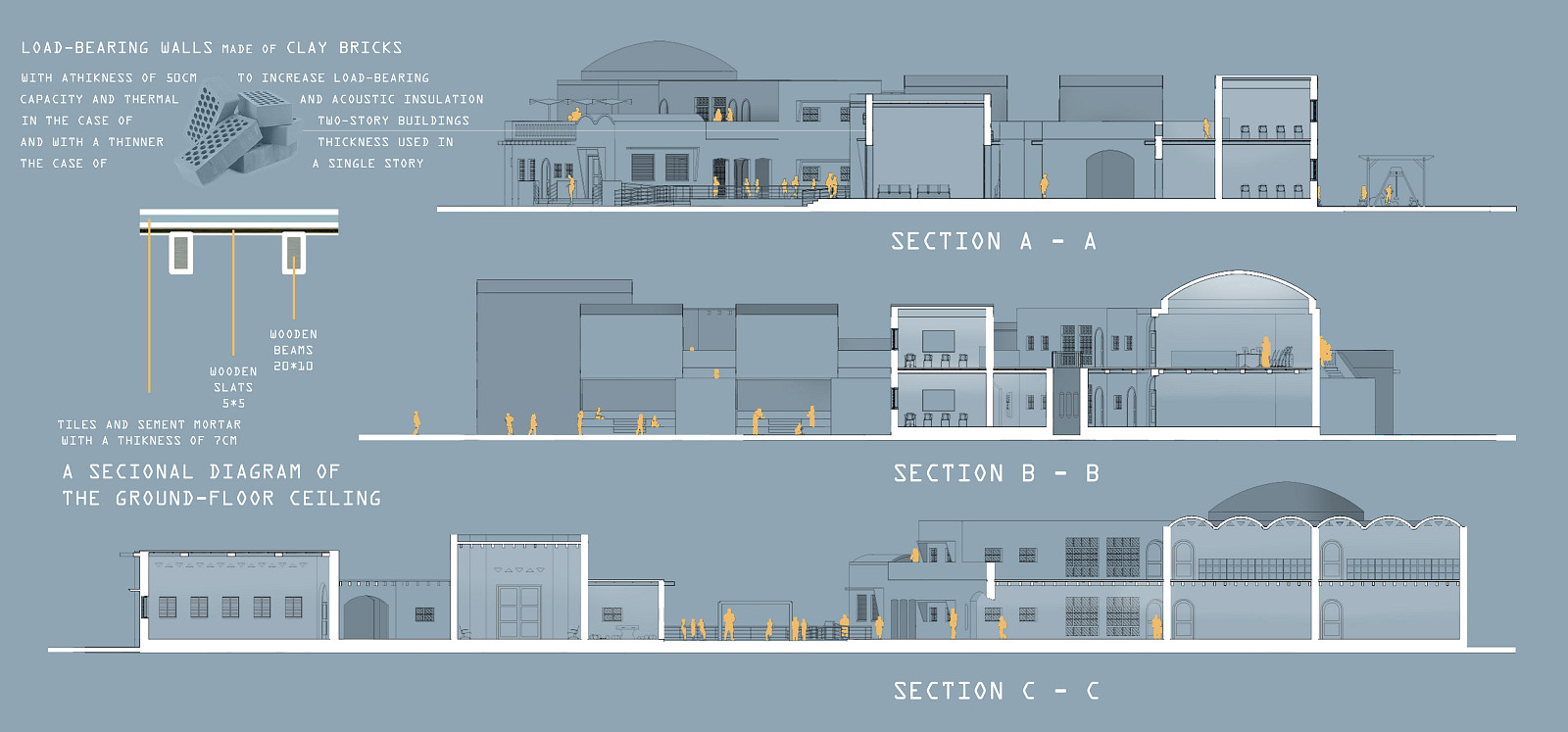
Structural System: Load-Bearing Walls
The project utilizes a Load-Bearing Wall System constructed from local clay bricks, honoring the traditional Egyptian building techniques while ensuring structural efficiency:
-Two-Story Buildings:
Walls are designed with a 50cm thickness to maximize load-bearing capacity and provide superior thermal and acoustic insulation, crucial for the Aswan climate.
-Single-Story Buildings:
A reduced wall thickness is utilized to optimize material consumption while maintaining structural stability.
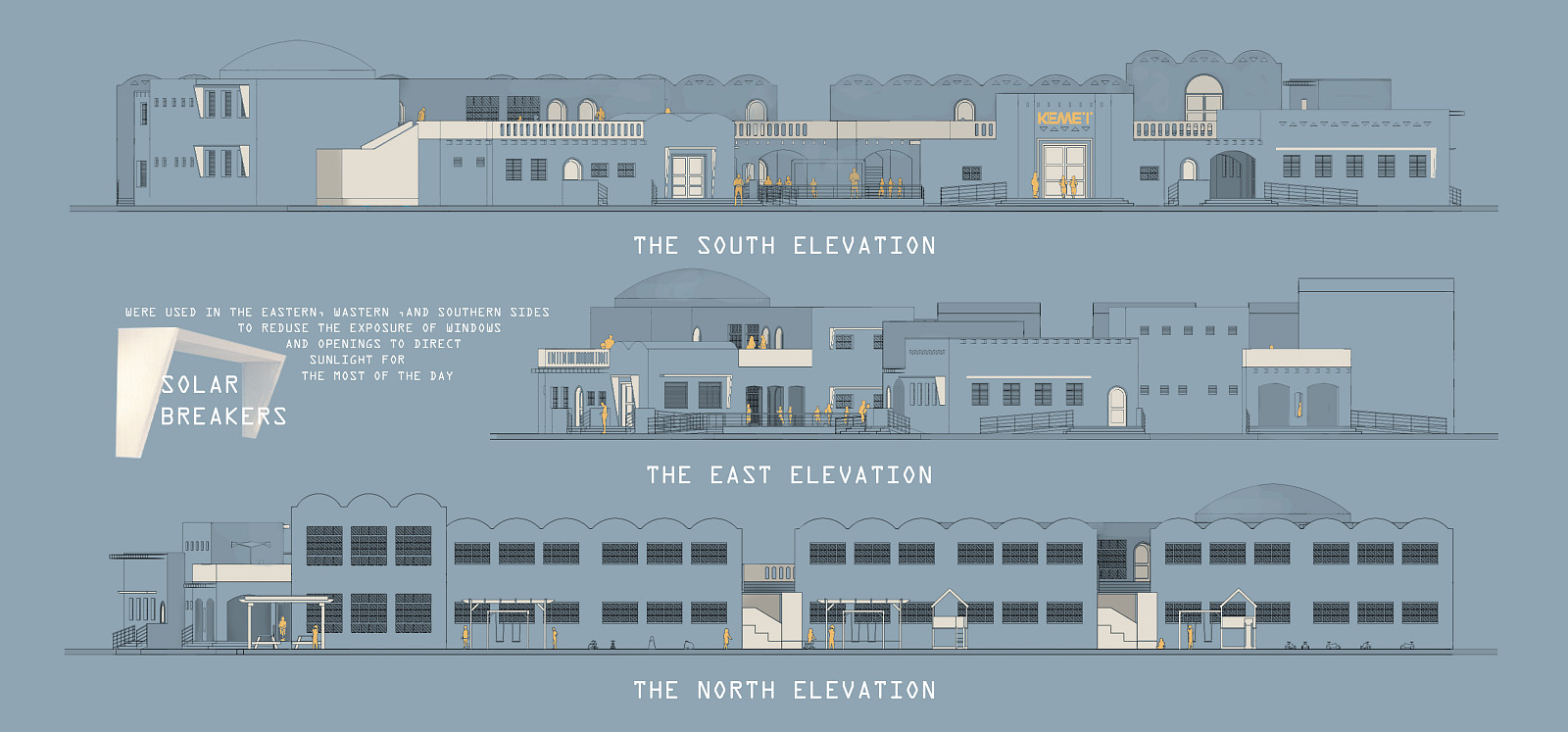
Passive Solar Strategies
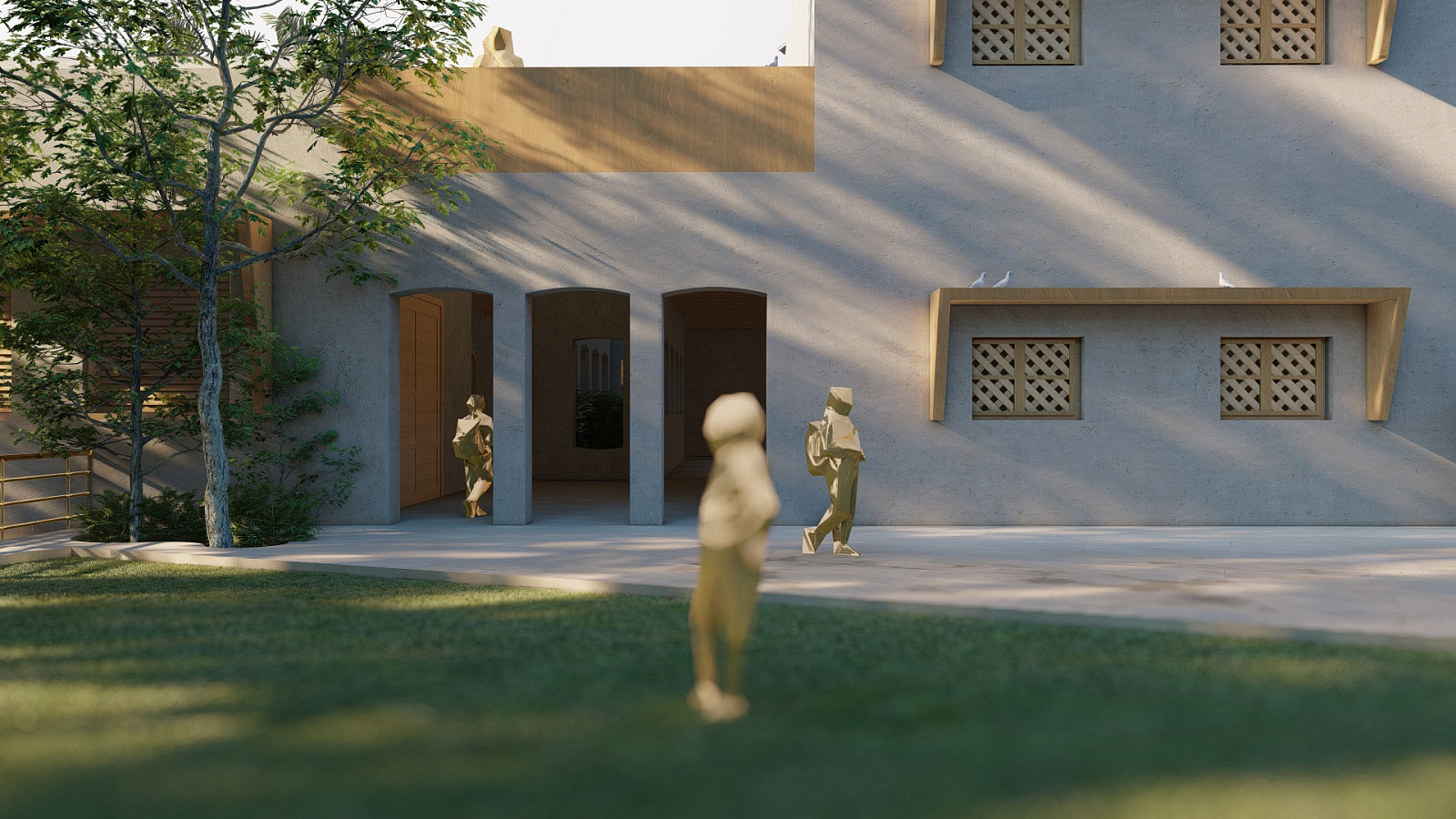
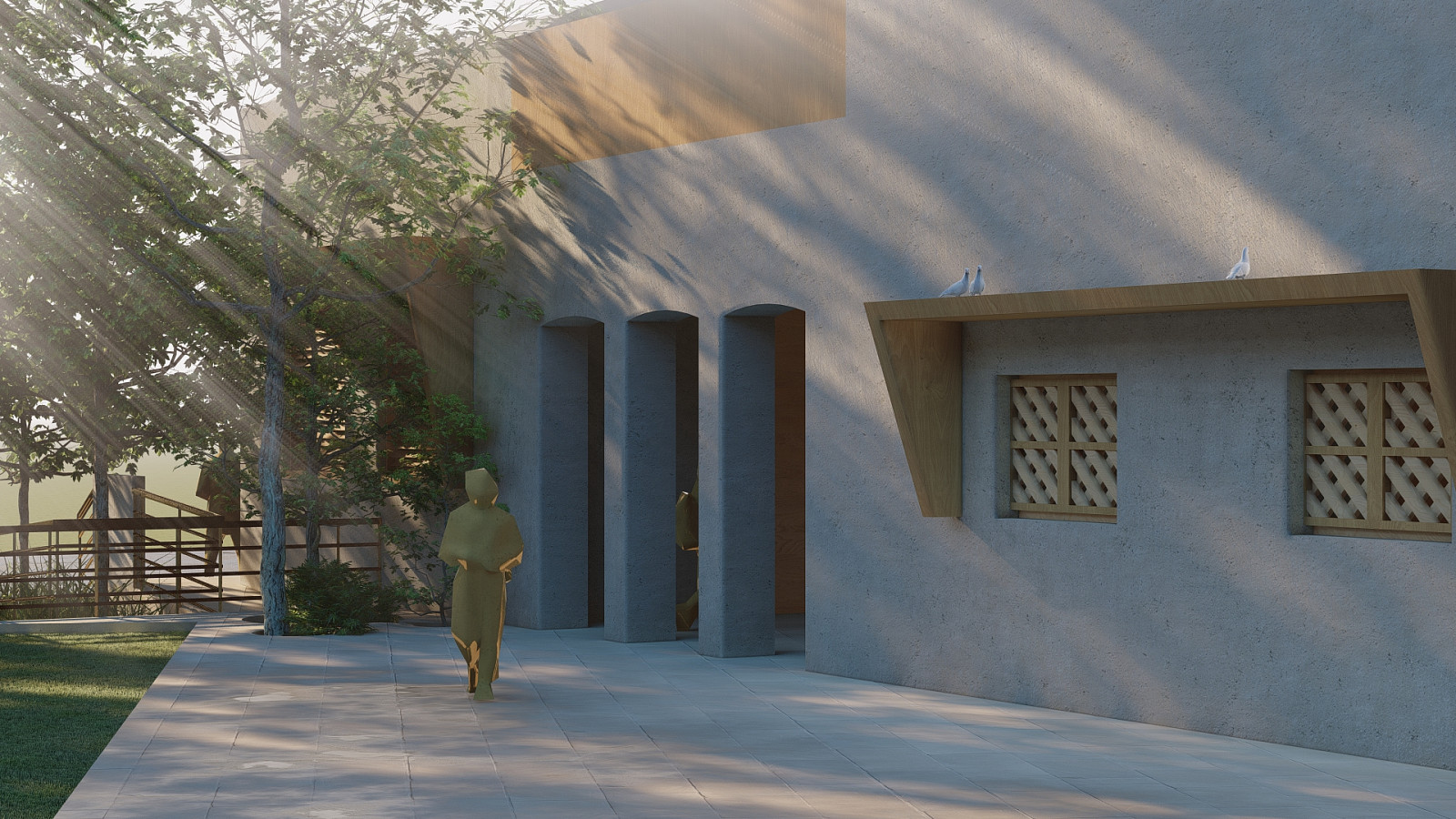
To mitigate the harsh desert sun, the design incorporates Solar Breakers (Louvers/Shading Devices):
-Strategic Orientation:
These elements are installed on the Eastern, Western, and Southern facades.
-Function:
They are specifically engineered to reduce direct solar exposure on windows and openings, allowing for diffused natural light to enter the spaces without the associated heat gain.
Roofing & Material Details
The roofing system combines traditional aesthetics with functional layering:
-Timber Support:
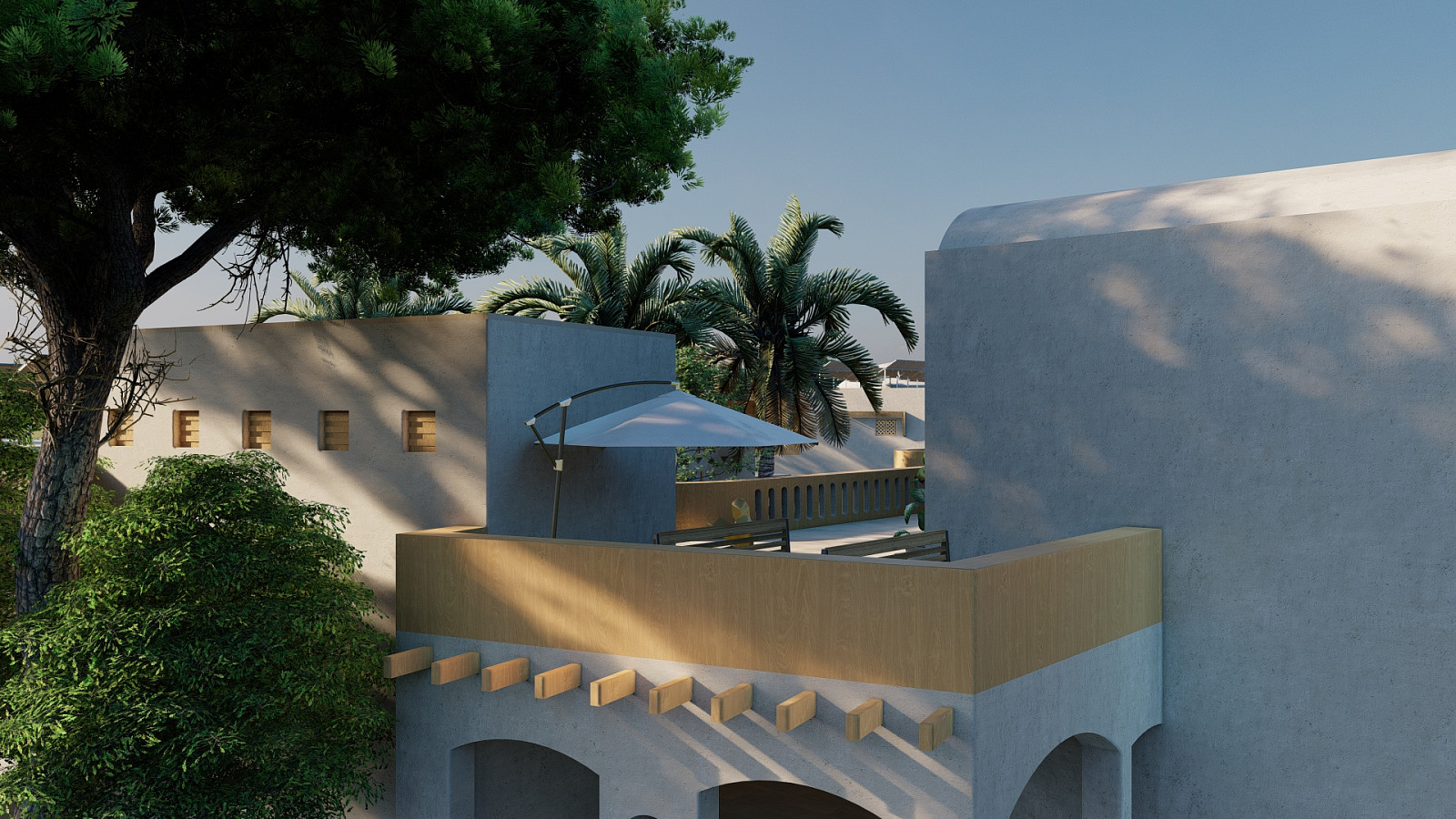
The structure uses 20x10cm Wooden Beams supported by 5x5cm Wooden Slats.
-Finishing Layers:
A 7cm layer consisting of Cement Mortar and Tiles provides the final weatherproofing and durable walking surface.
-Sustainability:
By using clay and wood, the project achieves a low carbon footprint and ensures a high level of indoor thermal comfort through the high thermal mass of the walls.

Copyright © 2026 INSPIRELI | All rights reserved. Use of this website signifies your agreement to the Terms of Use, Privacy Policy, and use of cookies.