NAVIGATION AND MARITIME MUSUEM


Project idea
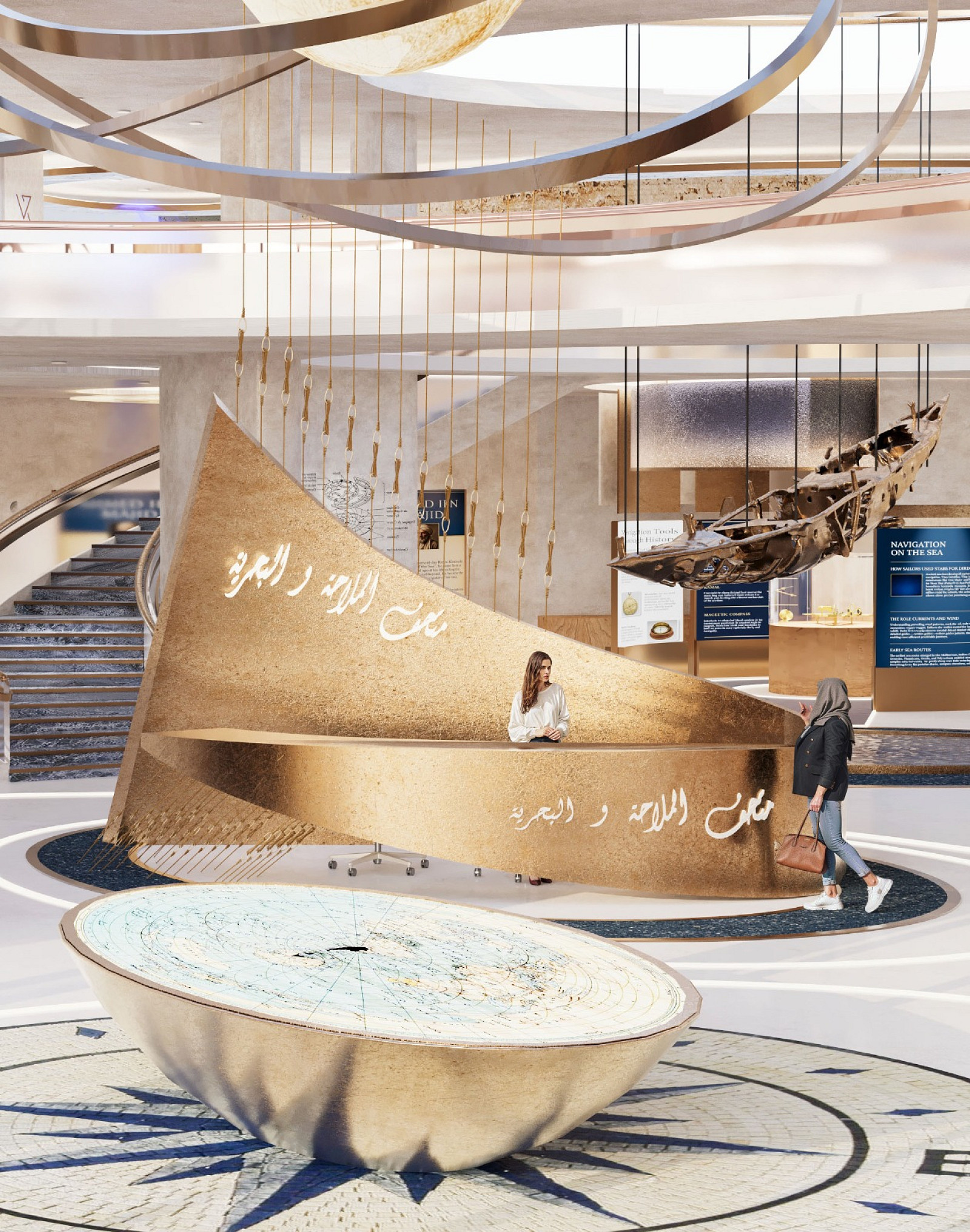
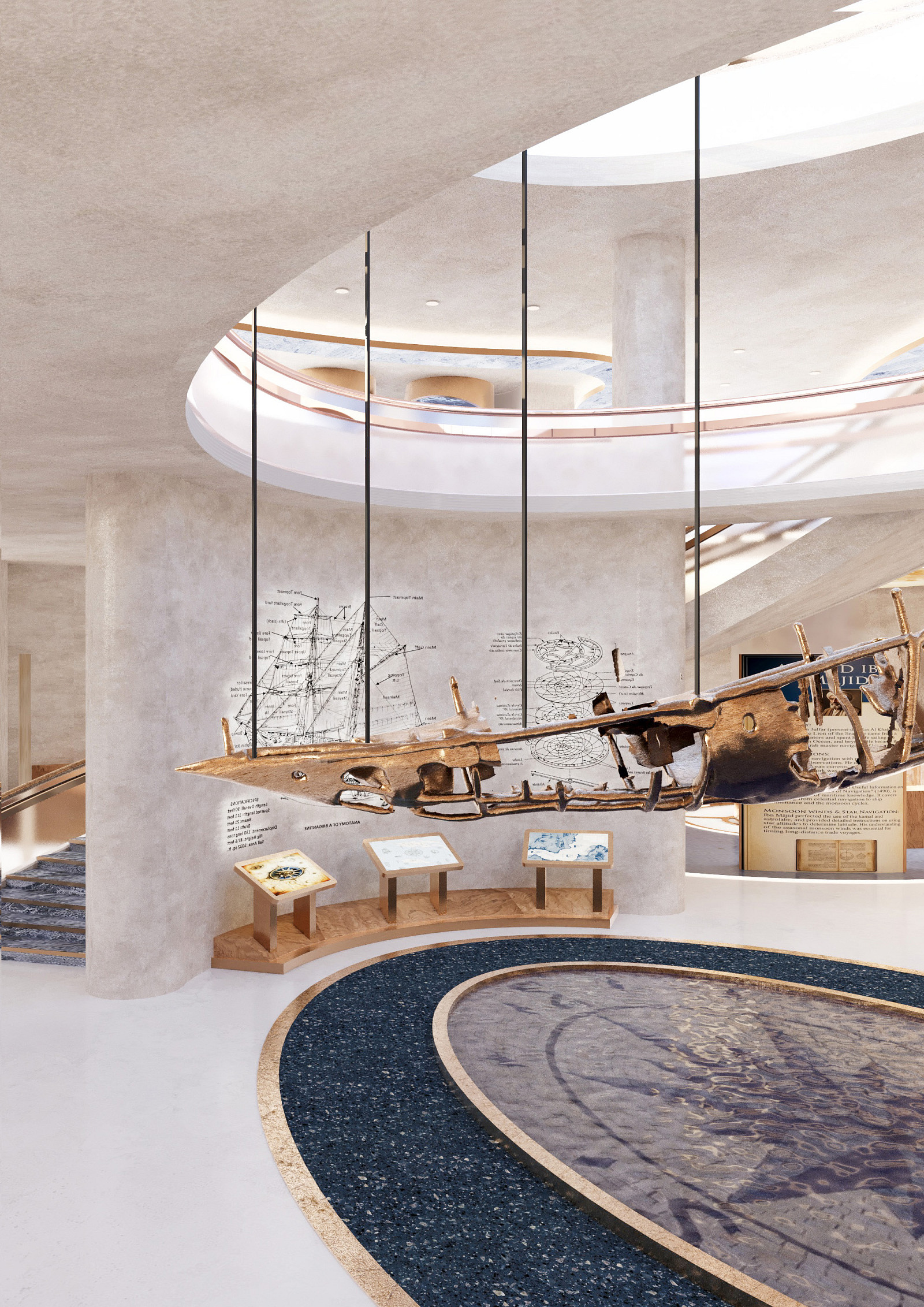
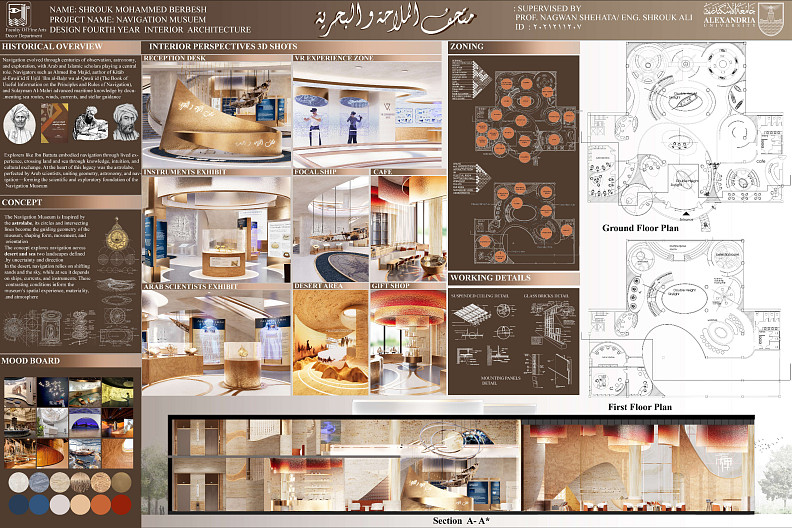
The Navigation Museum is Inspired by the astrolabe, its circles and intersecting become the guiding geometry of the museum, shaping form, movement, and orientation
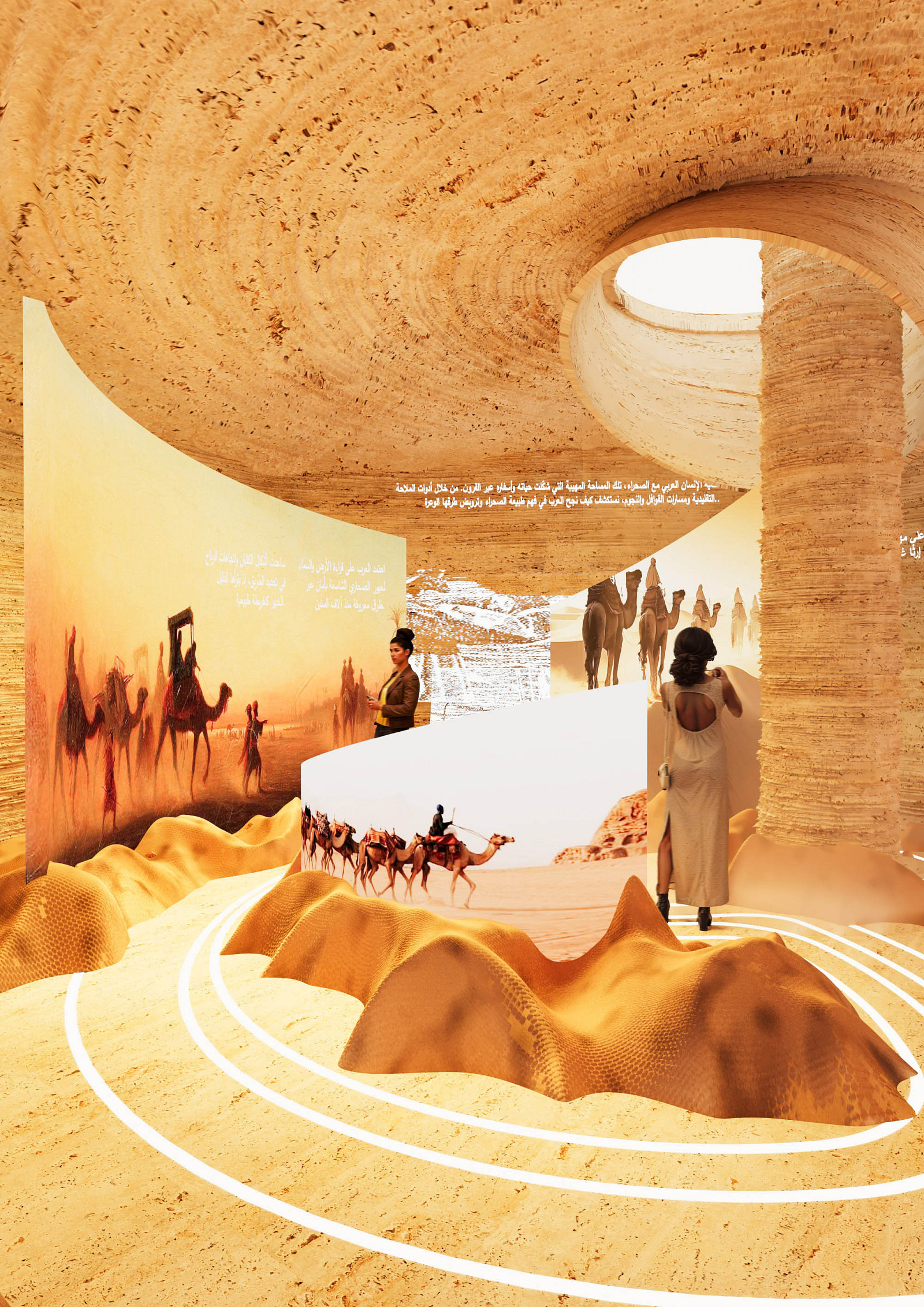
The concept explores navigation across desert and sea two landscapes defined by uncertainty and direction in the desert, navigation relies on shifting sands and the sky; while at sea it depends on ships, currents, and instruments. These contrasting conditions inform the museum's spatial experience, materialty and atmosphere.
Project description
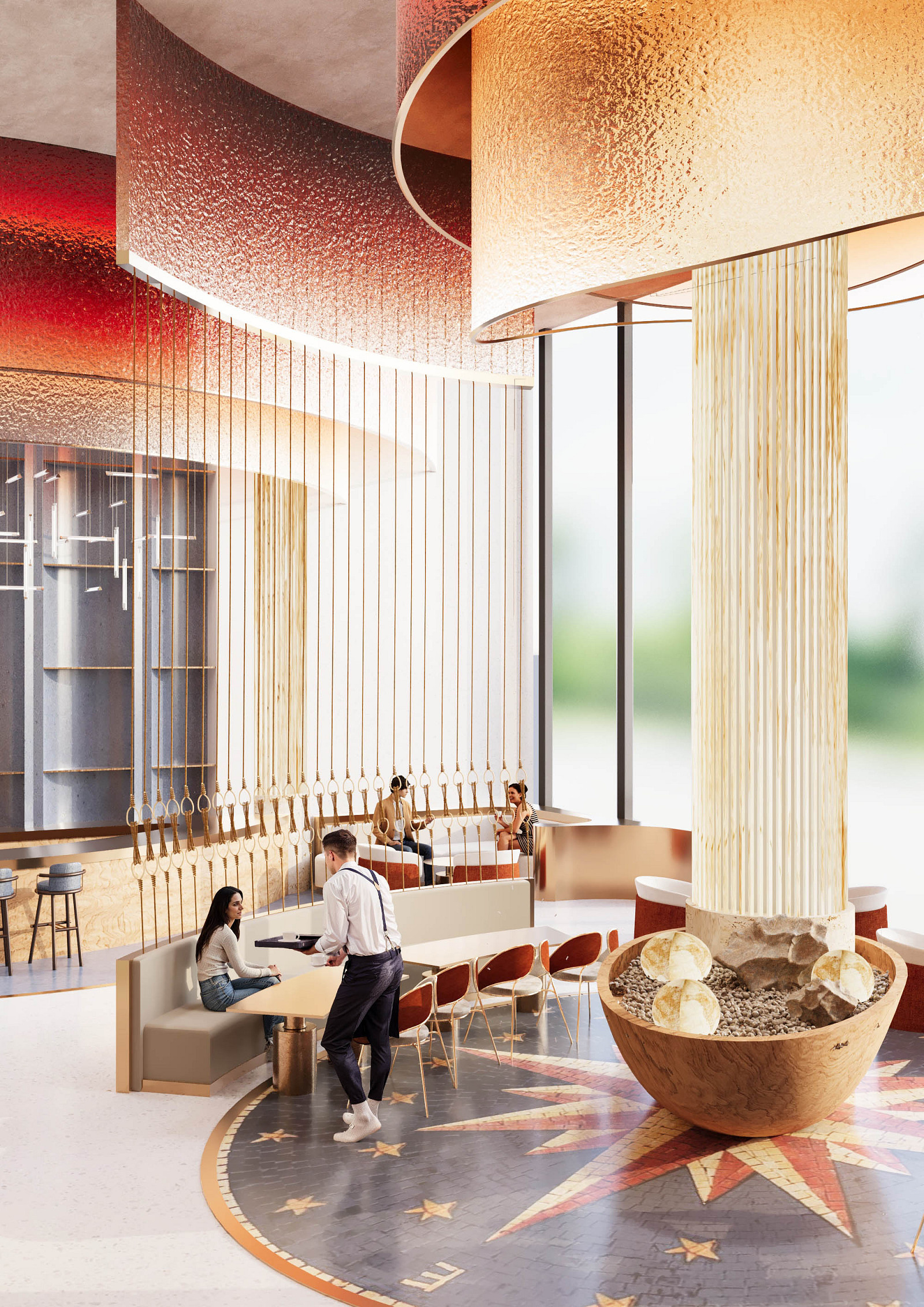
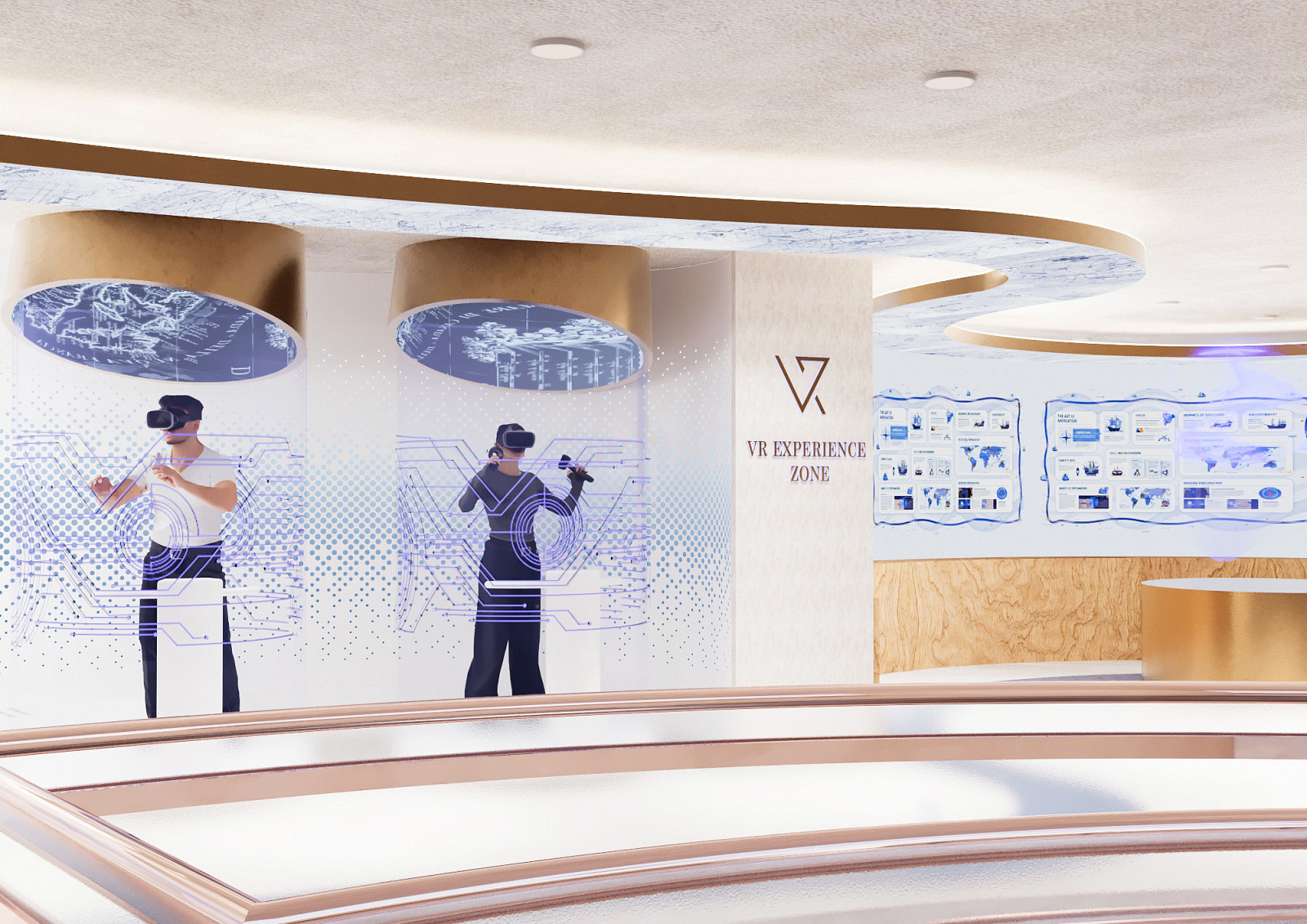
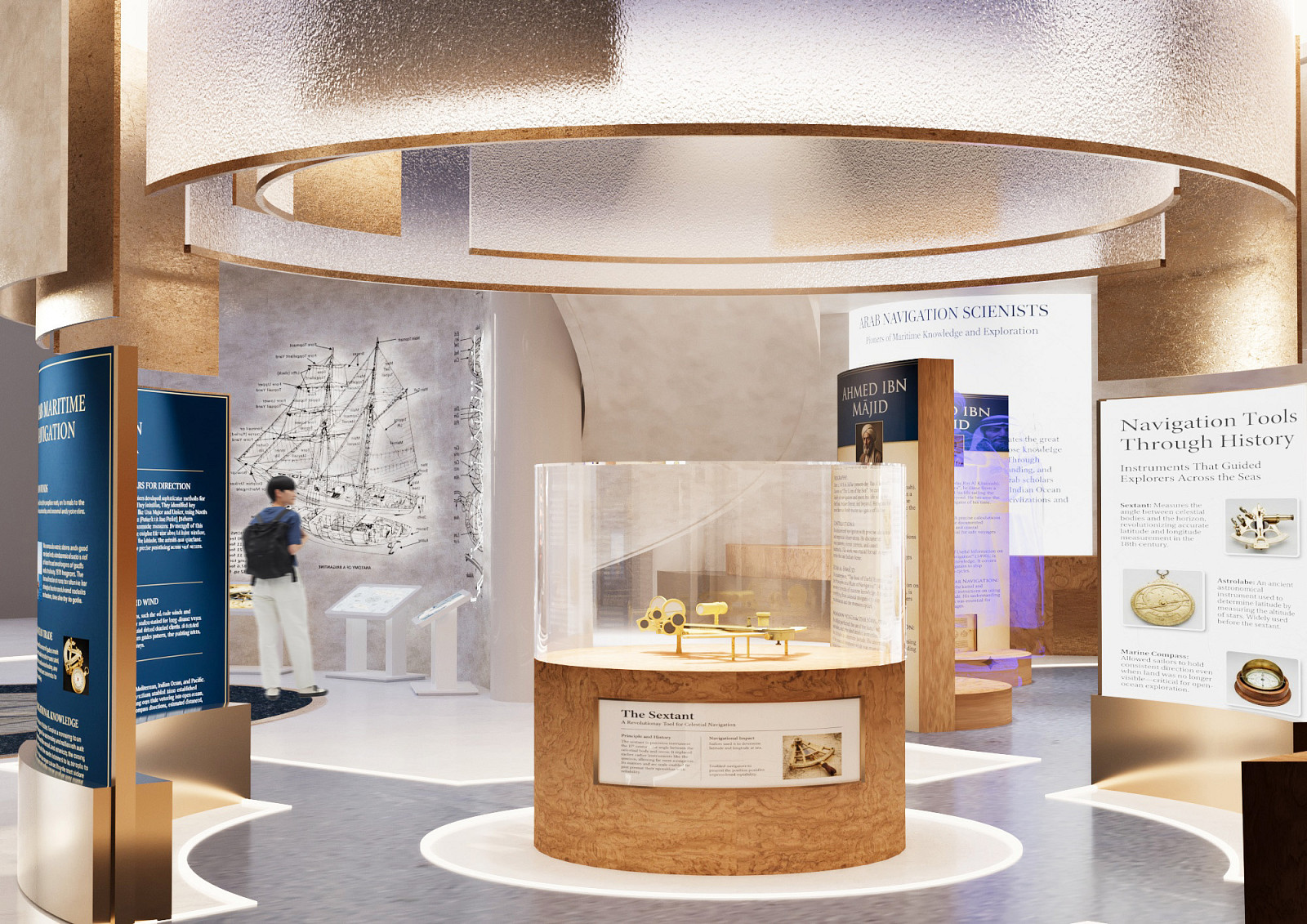
This museum interior design project creates an immersive spatial journey that blends cultural heritage with contemporary expression. The concept is driven by fluid, curvilinear forms that guide visitors through a sequence of interconnected exhibition spaces, enhancing movement and storytelling. Each zone is designed to evoke a unique emotional response, supported by variations in scale, lighting, and materiality. Warm tones and natural textures reinforce a sense of authenticity, while interactive elements encourage engagement. The design transforms the museum from a static display into a dynamic experience, allowing visitors to connect deeply with history, identity, and cultural narratives in a cohesive environment.
Technical information
Curved geometries define spatial organization and enhance continuity. Materials such as wood, stone, and textured finishes are selected for durability and cultural relevance, complemented by metallic accents. The lighting design combines ambient, accent, and concealed systems to highlight exhibits and architectural forms. Custom furniture and modular display units provide flexibility and ergonomic comfort. Technical drawings include plans, sections, and detailed elements. Sustainable considerations include energy-efficient lighting and long-lasting materials, supporting functionality, maintenance efficiency, and environmental responsibility in a public interior space.
Documentation

Copyright © 2026 INSPIRELI | All rights reserved. Use of this website signifies your agreement to the Terms of Use, Privacy Policy, and use of cookies.