Sakana


Project idea
This project is called Sakana. It is an Arabic word I took inspiration from, meaning 'a space to dwell, settle, and find peace'. The project explores a temporary living environment for refugees, focusing on how architecture and the spaces in between can support the process of re-integration.
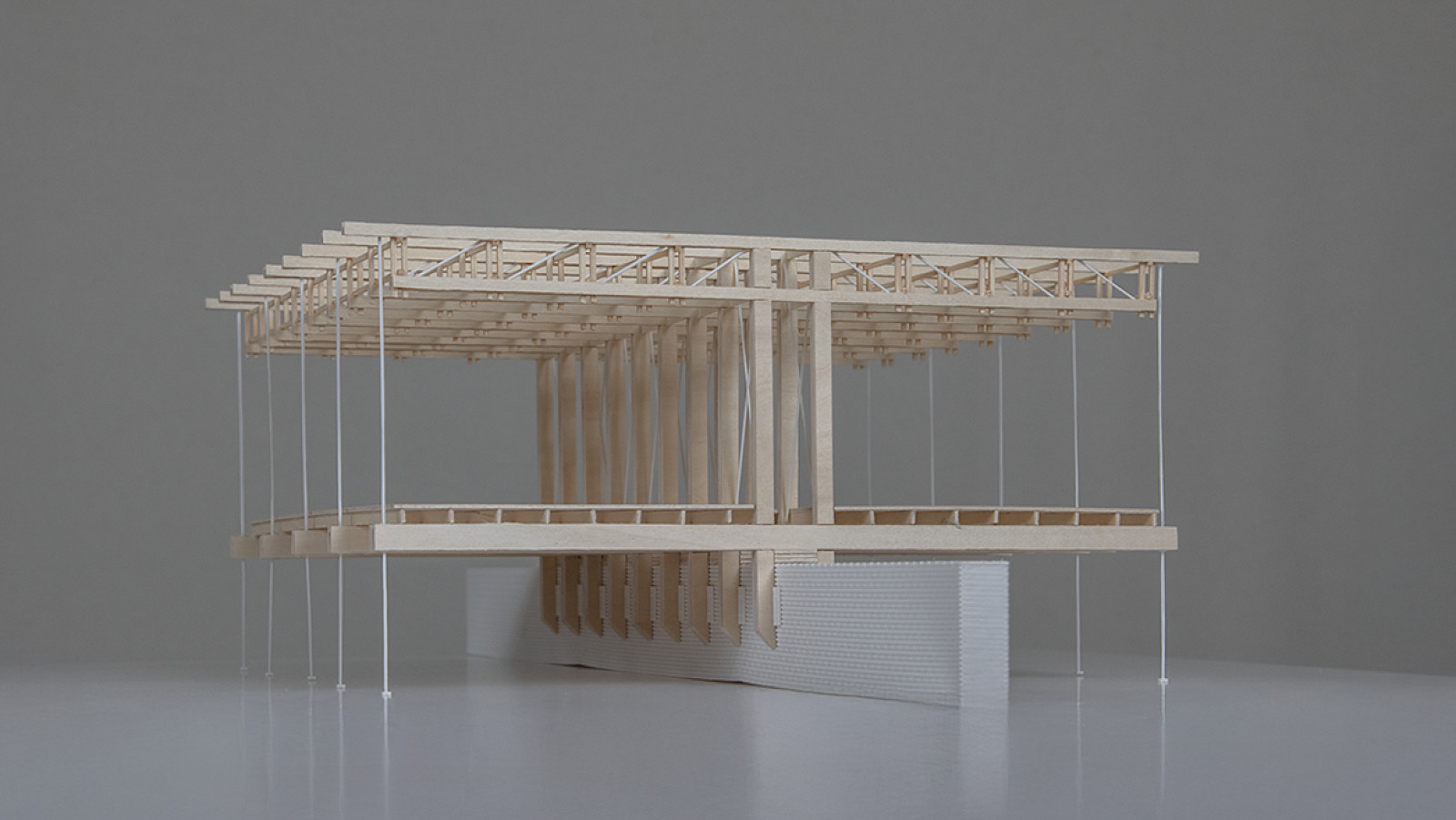
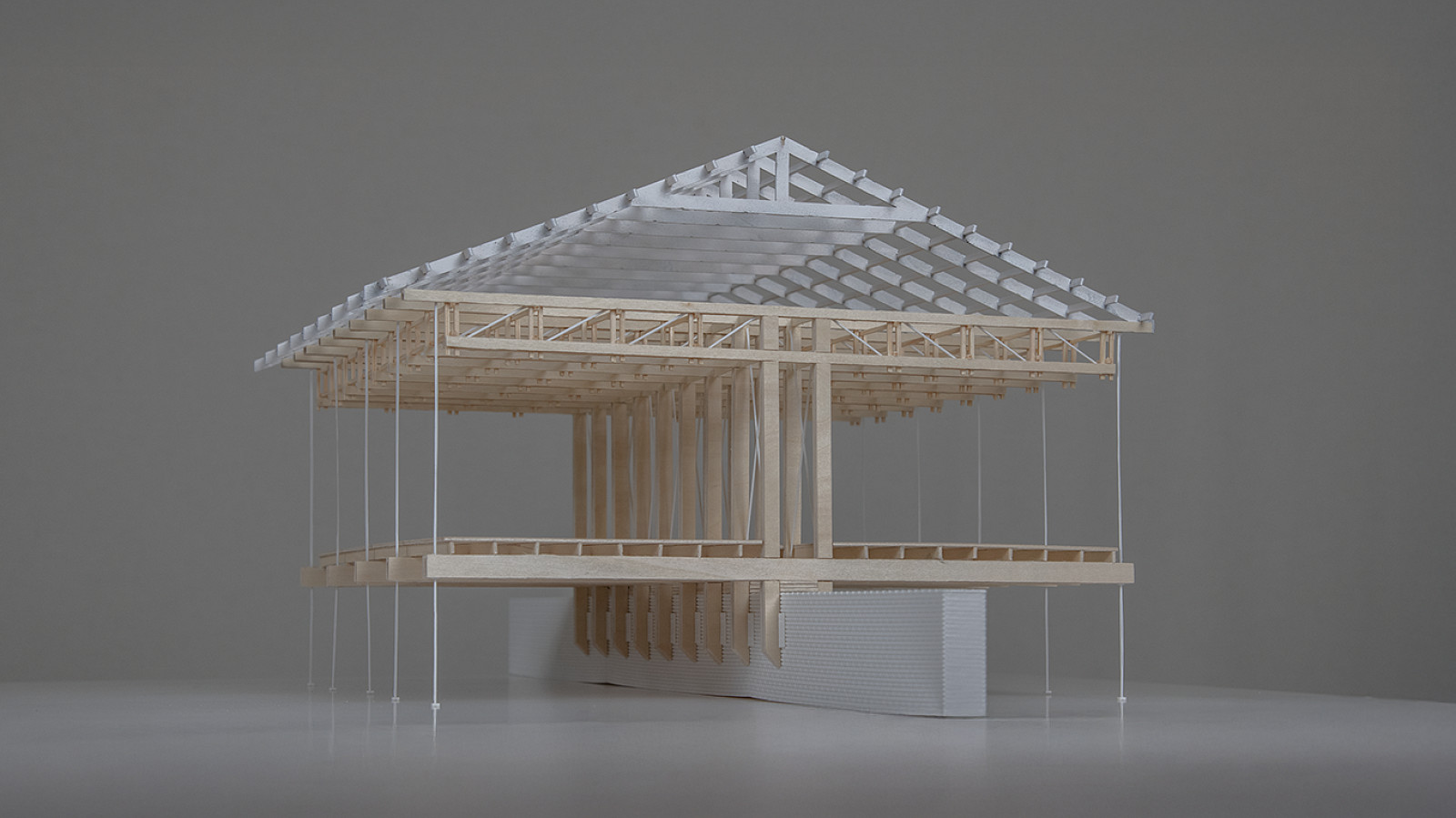
A wooden modular structure anchors itself onto the remains of a 14th-century monastery in Sint-Truiden, generating a series of collective and transitional spaces. While shaping a structure that responds to both context and program, I asked myself how we can expect refugees to simply reintegrate after losing everything that forms their identity. I used Maslow’s hierarchy of needs as a guiding framework, shaping architecture to support not only safety and shelter, but also social connection and opportunities for personal growth, helping residents gradually rebuild a sense of self and belonging.
Project description
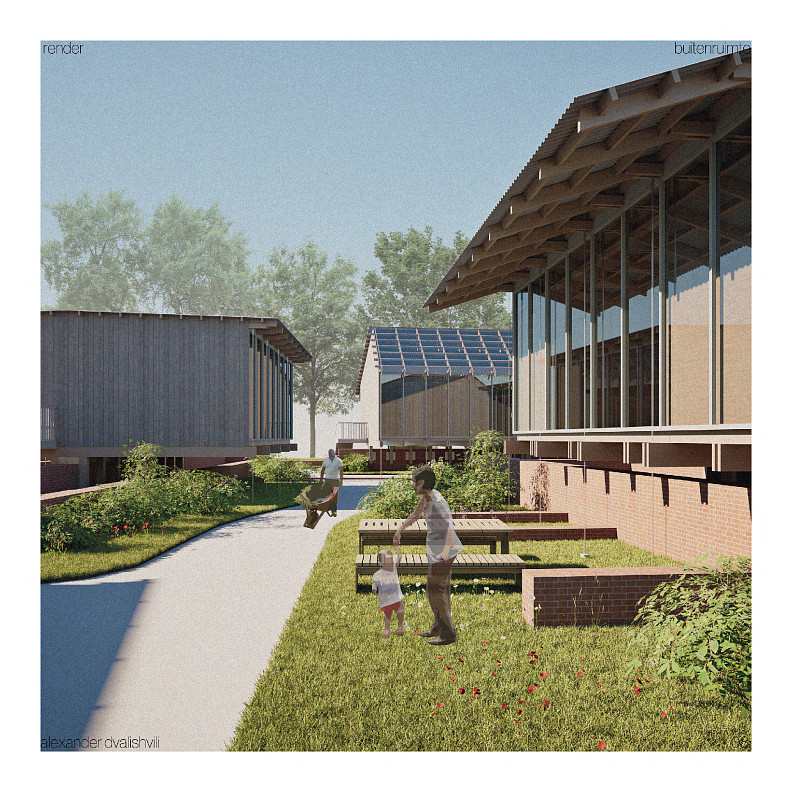
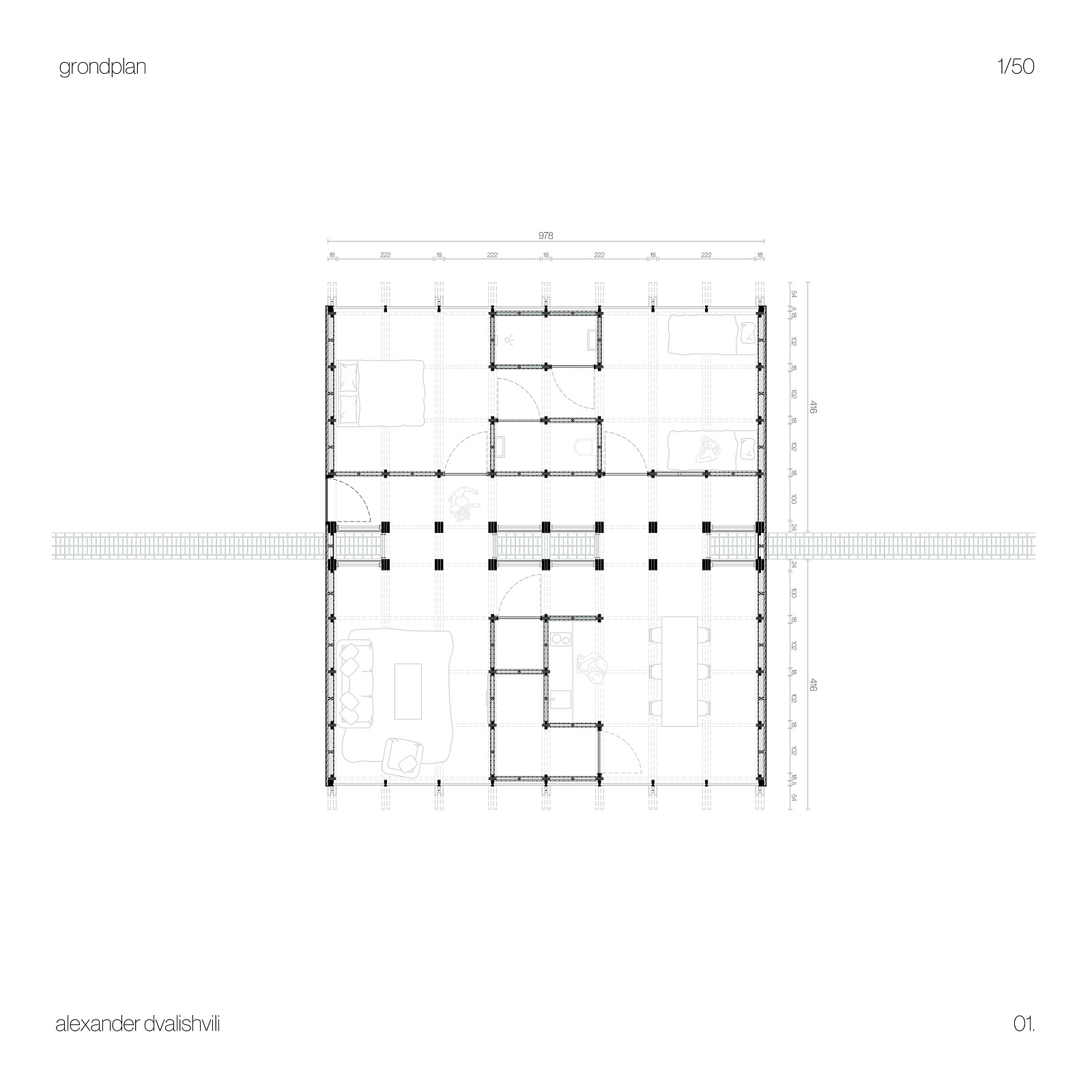
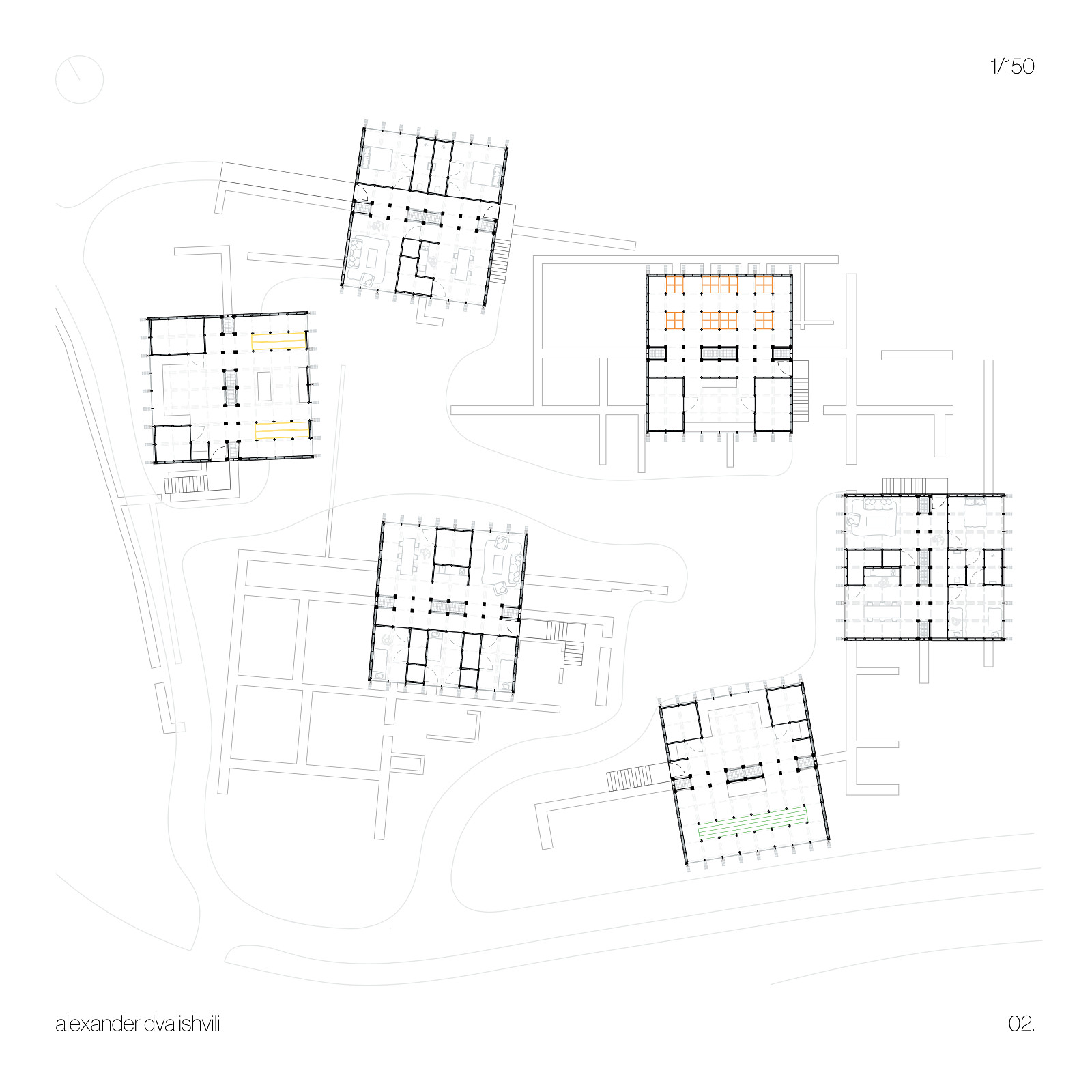
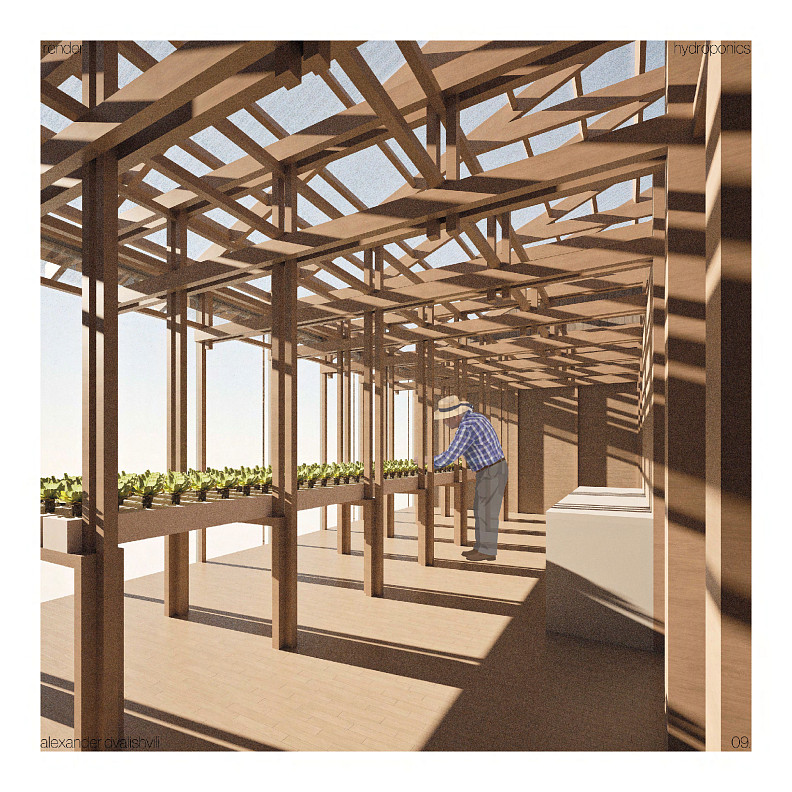
The project occupies the entire ruin site with six modules. Three of them are residential units that can be adapted to different demographics: families, couples and singles. The other three modules explore urban‑farming principles, each testing a different system: aquaponics, hydroponics, and vertical farming. This focus is especially relevant because Sint‑Truiden is Belgium’s main agricultural region; bringing agriculture into an urban setting makes the topic accessible and low‑threshold for people regardless of language background.
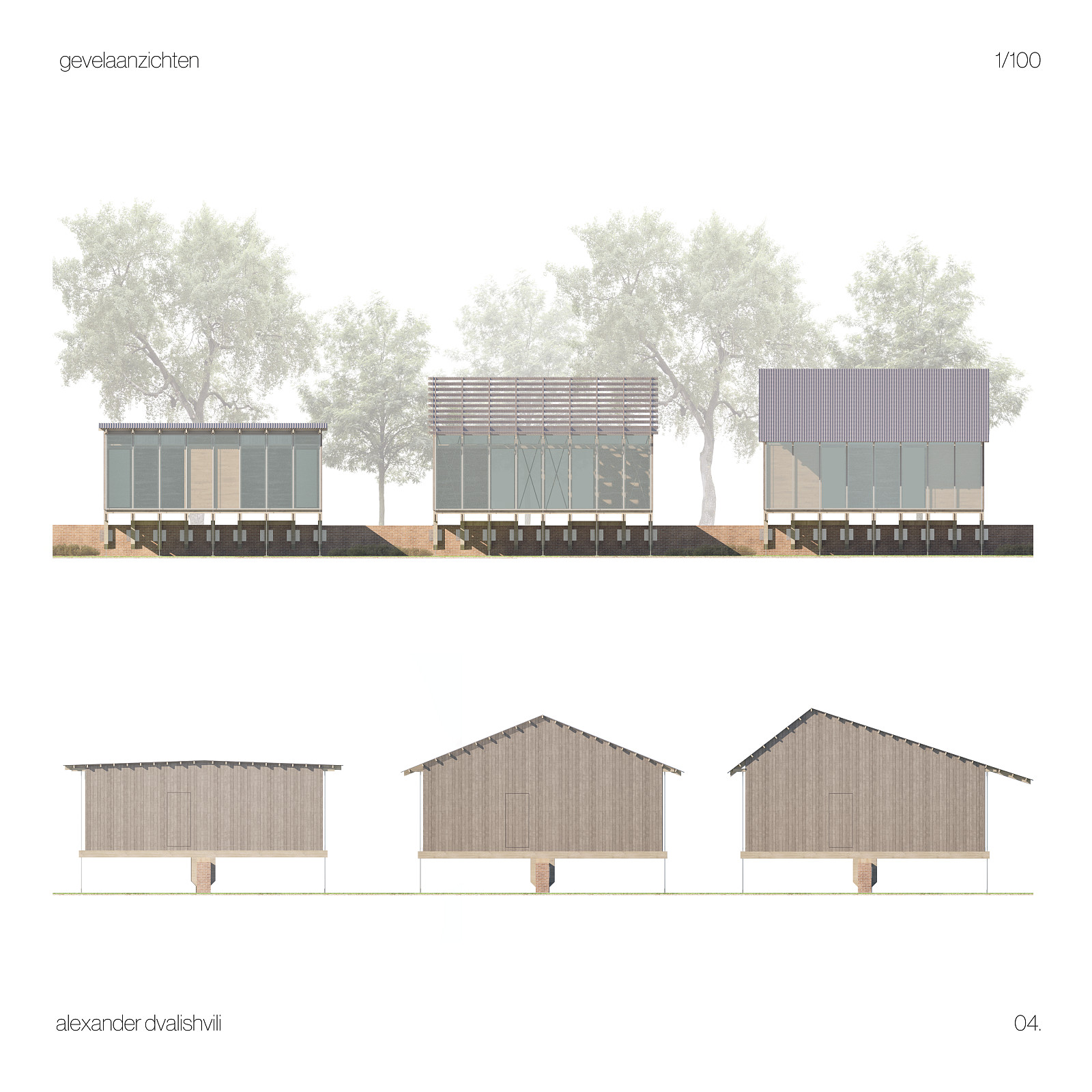
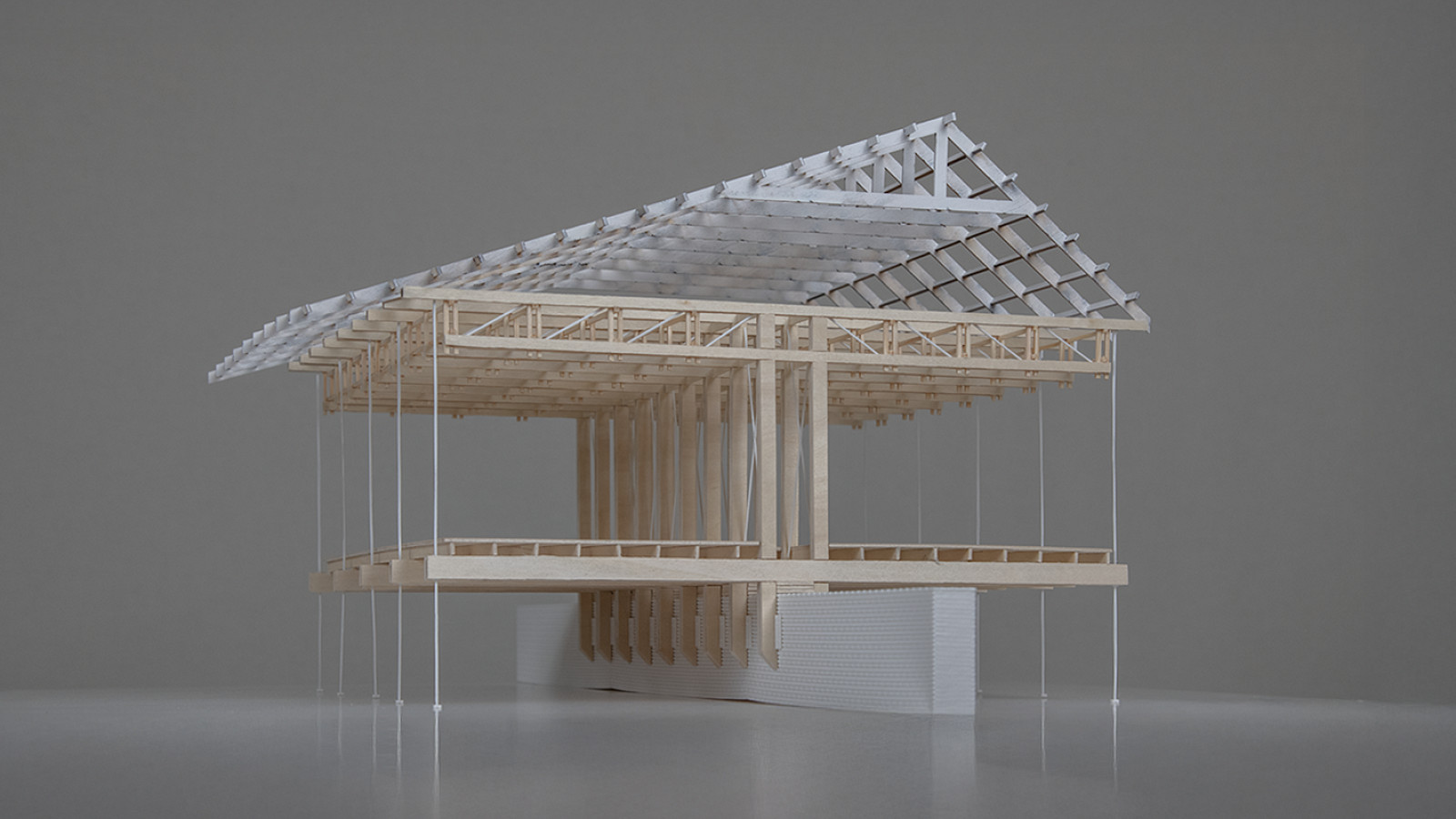
A vertical‑farming module naturally needs more space for its installations than a residential module, so it has a distinct roof. This roof not only provides the interior volume required for the equipment but also creates a sheltered outdoor area that enhances the site’s spatial quality.
Importantly, the ruin becomes part of the public realm: a new plaza is formed where people can walk through and experience the past together with the present. The project does not demolish any of the remaining ruin fragments. Instead, it makes use of the existing monastery walls, which eliminates the need for a new foundation. Only the points where the tension cables are anchored are fixed to the ground.
Technical information
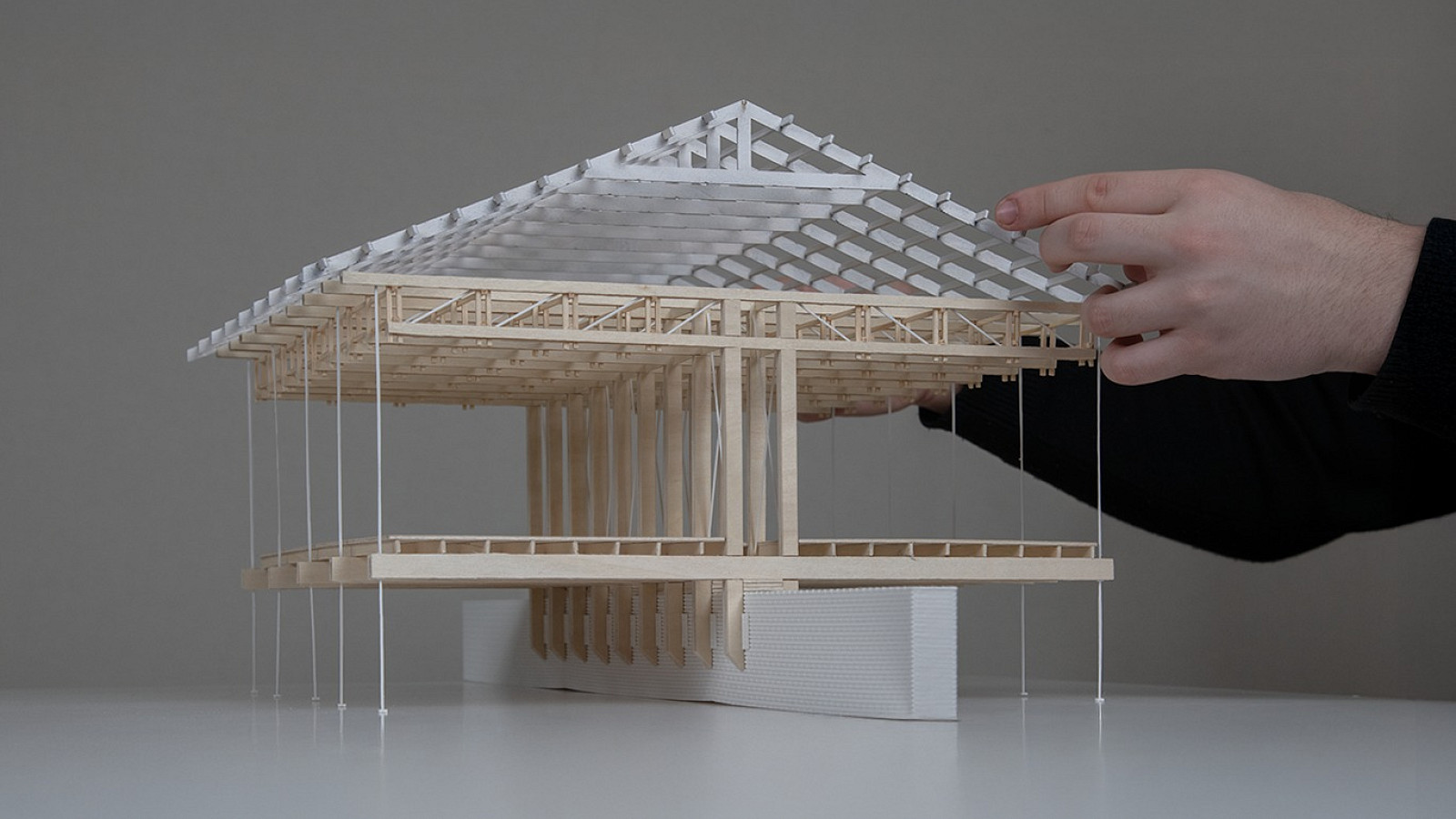
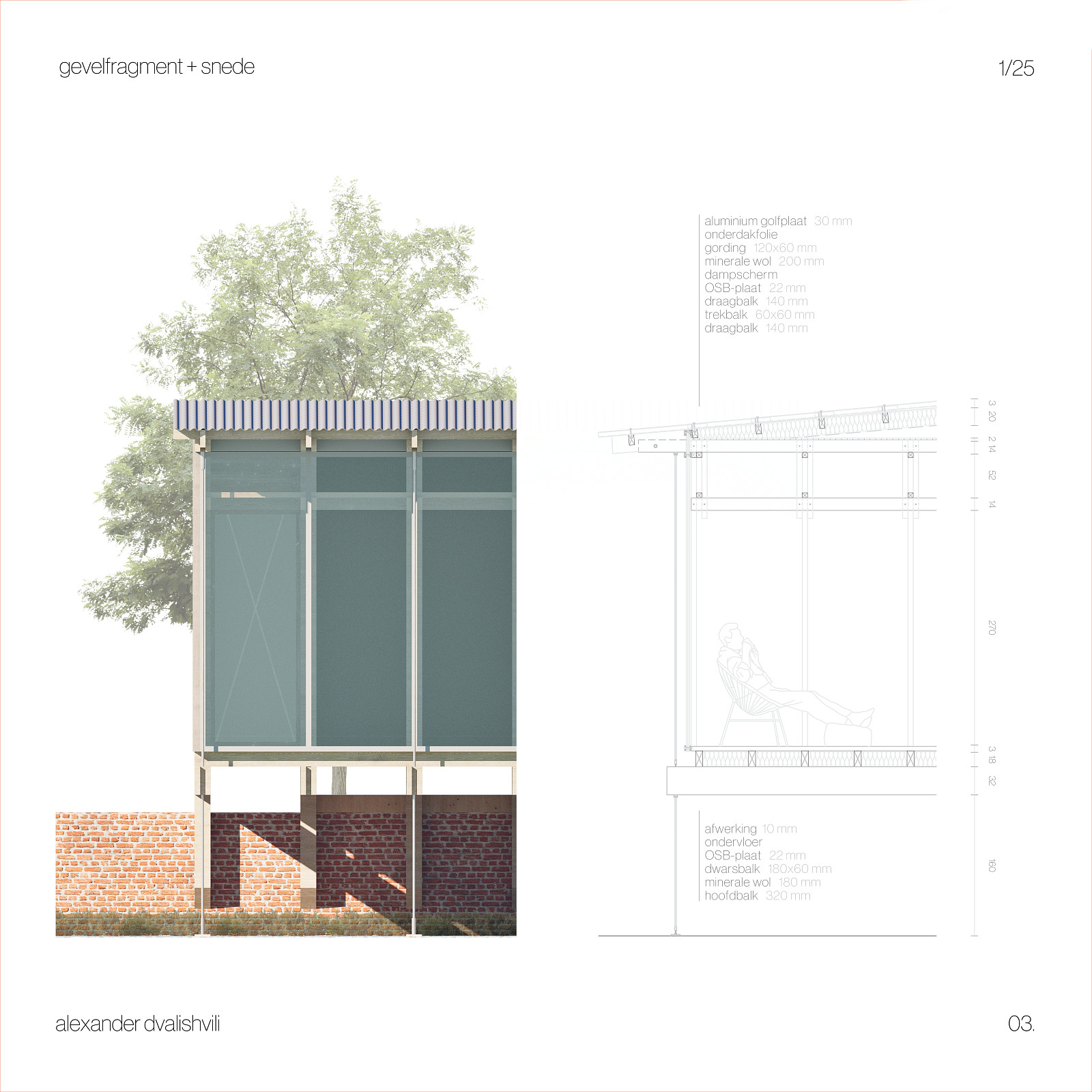
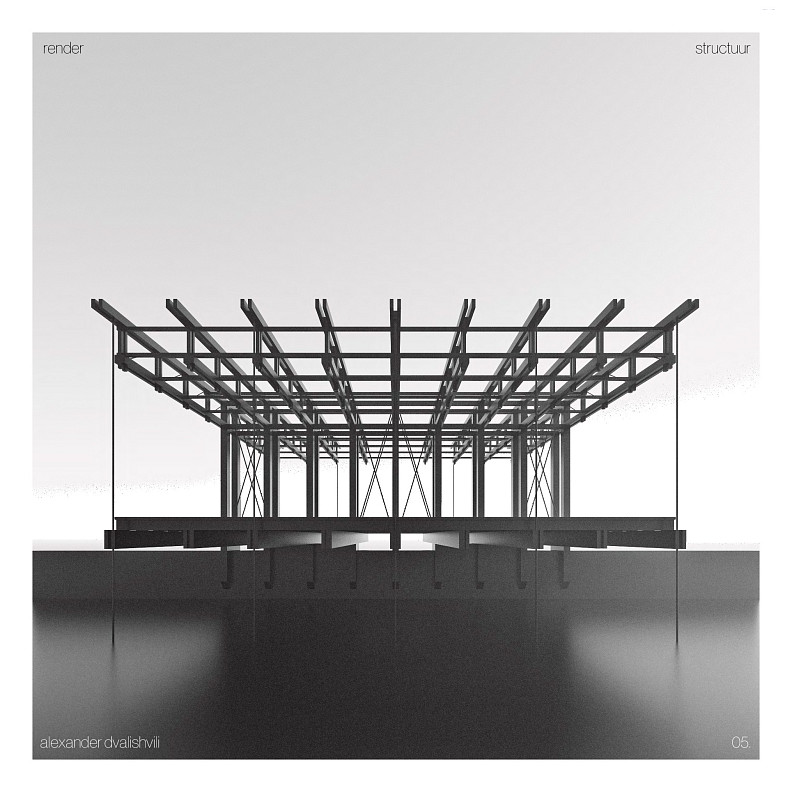
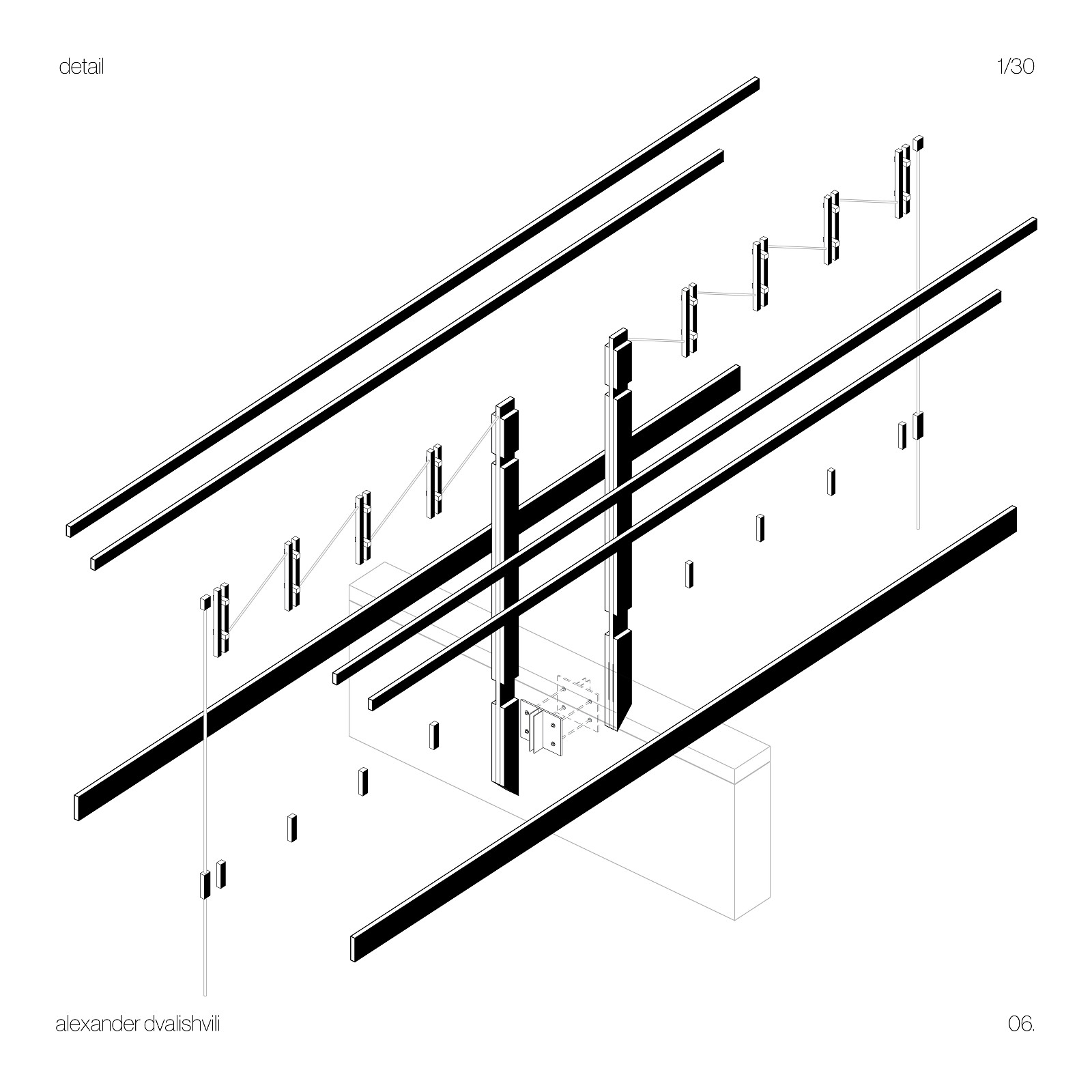
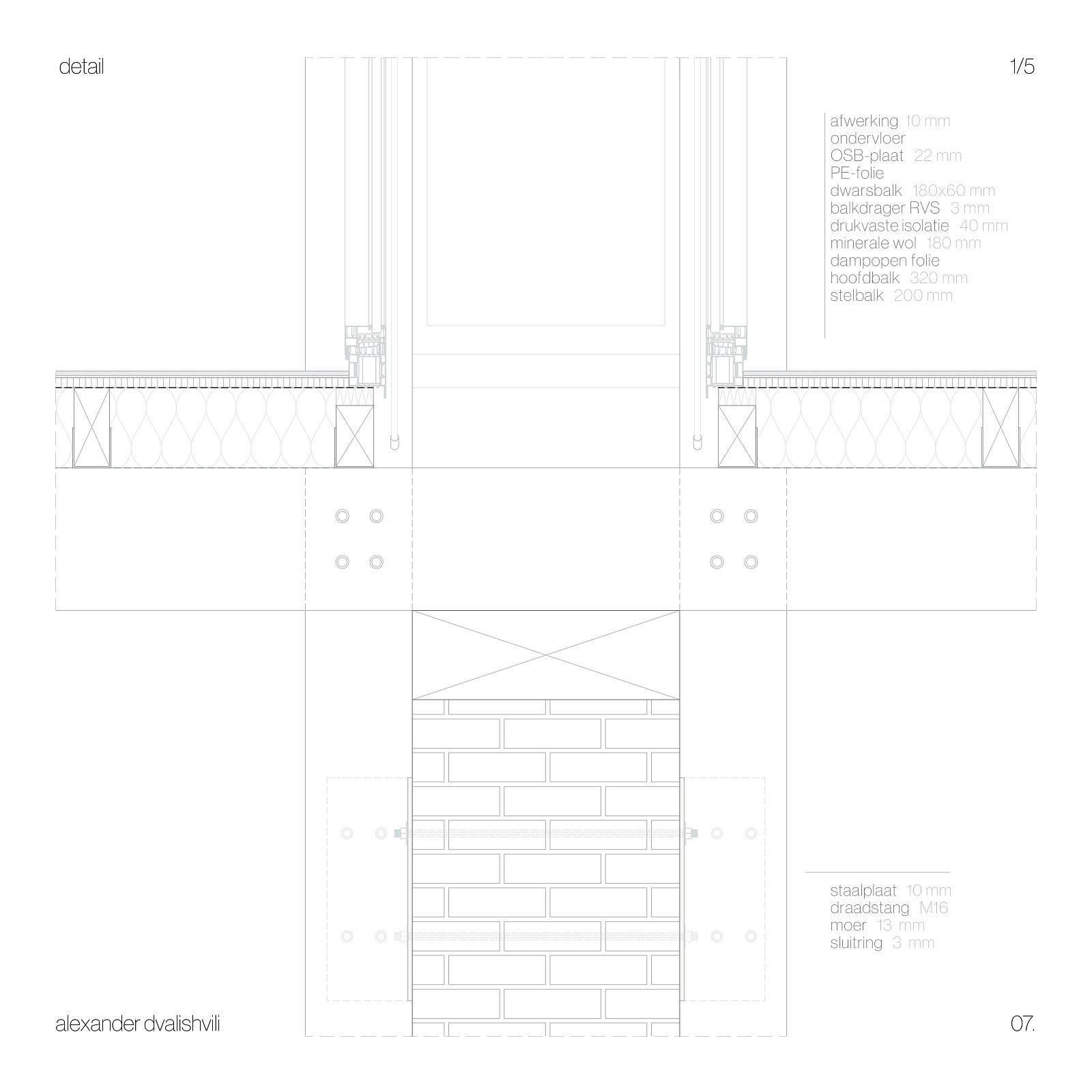
The structure is a hybrid system that combines a steel substructure with a primary timber framework. The timber elements work exceptionally well with the existing old monastery walls because wood can deform slightly without exerting excessive stress on the masonry. Connections between the timber and masonry walls are made using steel plates and threaded rods that secure both sides.
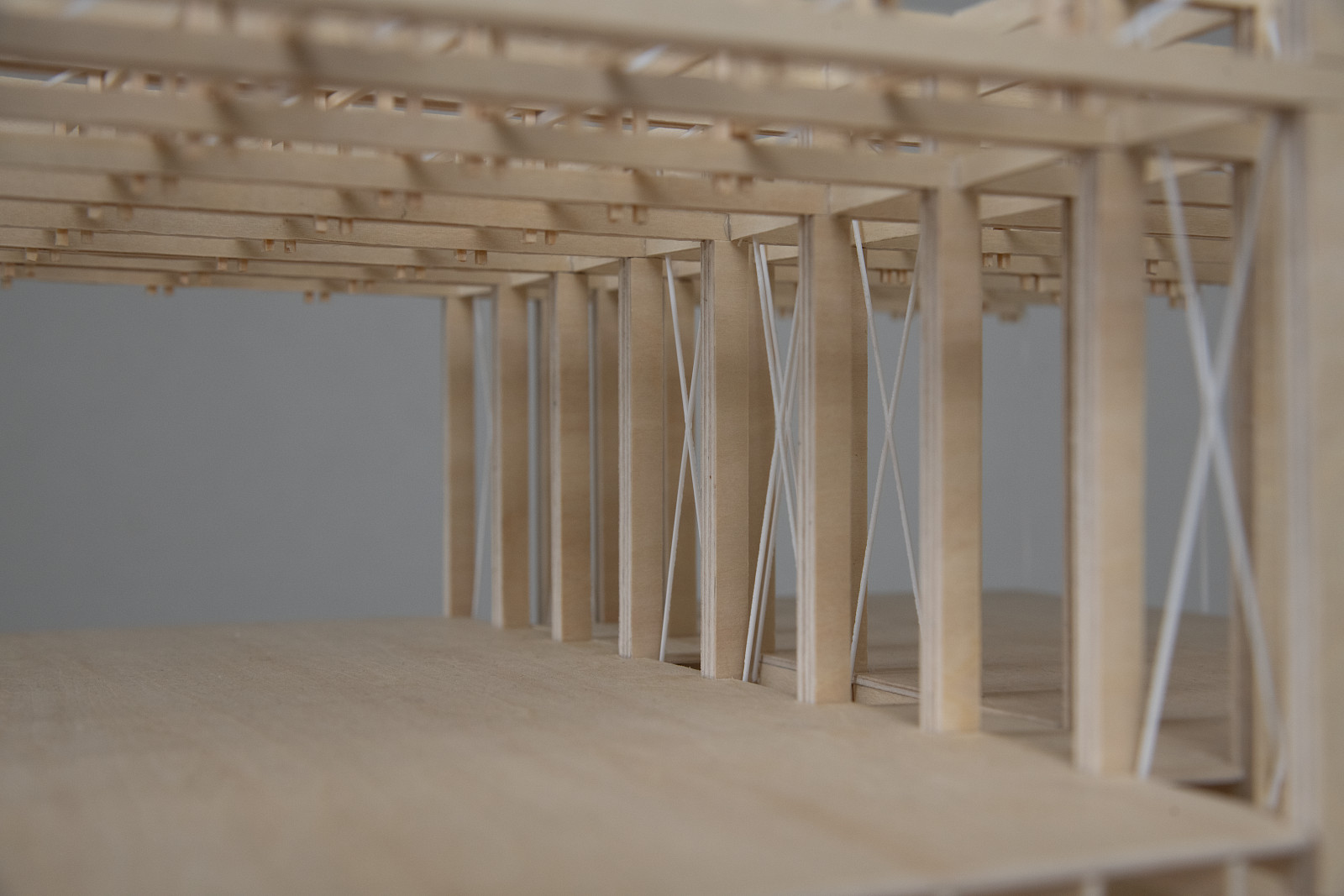
The joints and beams are designed to be as stiff as possible: they are doubled and incorporate transverse tie‑beams that create a rigid, upper‑level framework. This results in a structure with strong spatial presence and high stiffness.
The upper beams support the floor slab and are anchored with tension beams. Both the main beams and the tie‑beams are doubled on a 120 cm grid, a module that fits neatly within the program’s division between work and living spaces. This grid also ensures ample daylight penetrates the interior, regardless of the height of the upper zone. Importantly, the upper structure serves a dual purpose: it holds the floor up via the tension cables and also acts as a tension beam for the various roof types that can be placed on it. This dual role makes the module extremely flexible, allowing it to accommodate rapid demographic changes.
Documentation
Show PDF 1Show PDF 2Show PDF 3
Created in:


Copyright © 2026 INSPIRELI | All rights reserved. Use of this website signifies your agreement to the Terms of Use, Privacy Policy, and use of cookies.