Złocień - Dom Dziennego Wsparcia i Aktywności dla Osób z Zaburzeniami Pamięci


Project idea
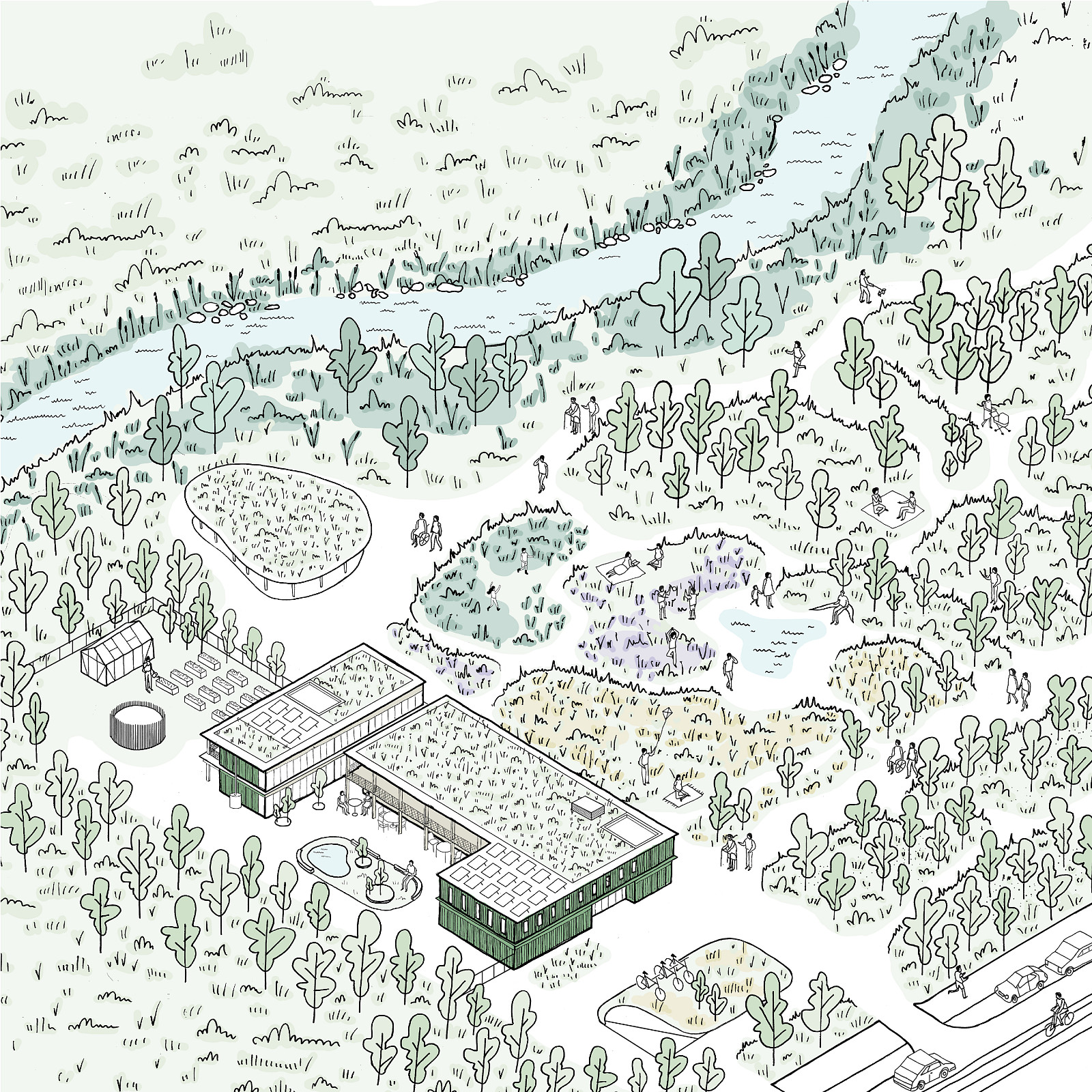
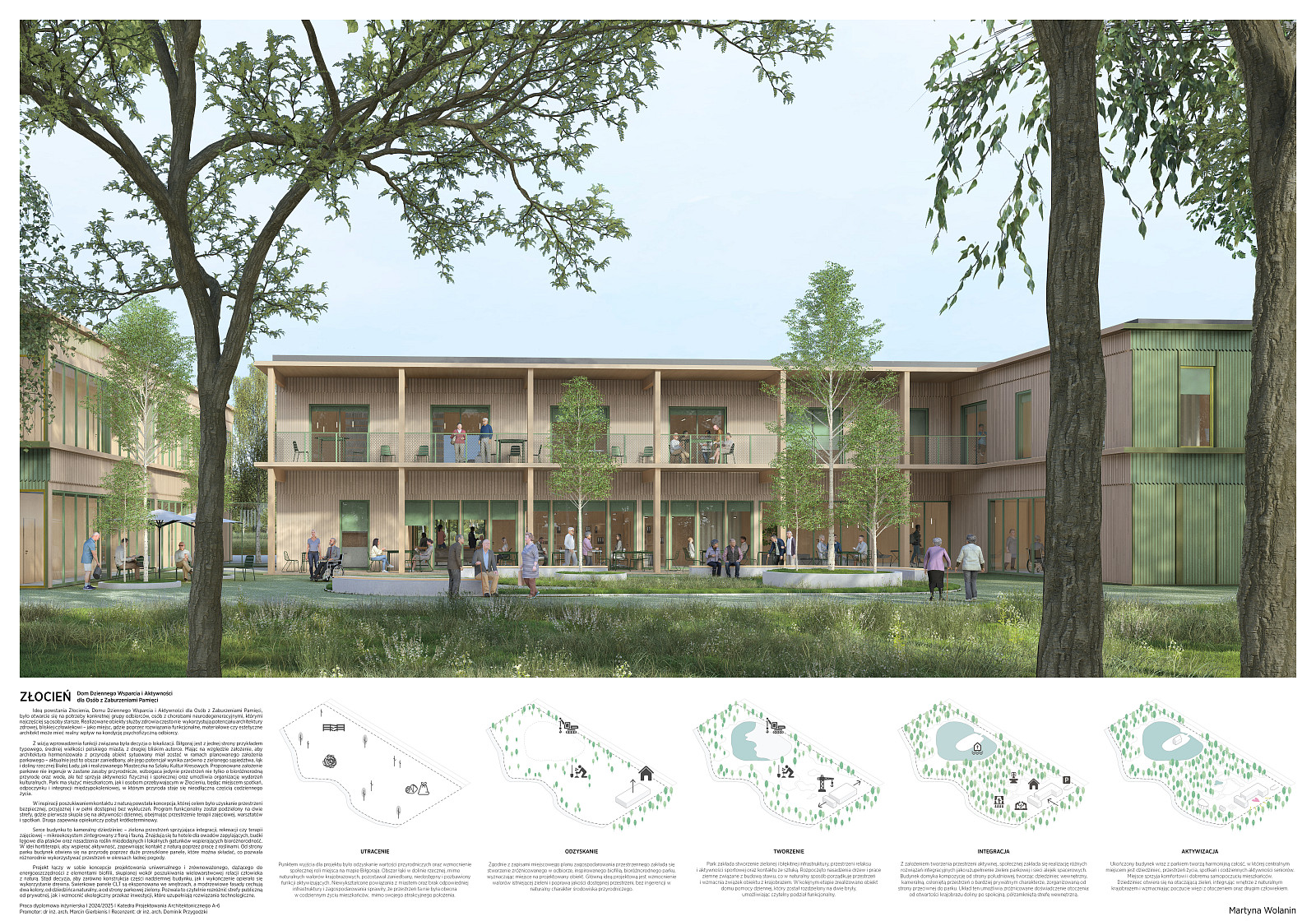
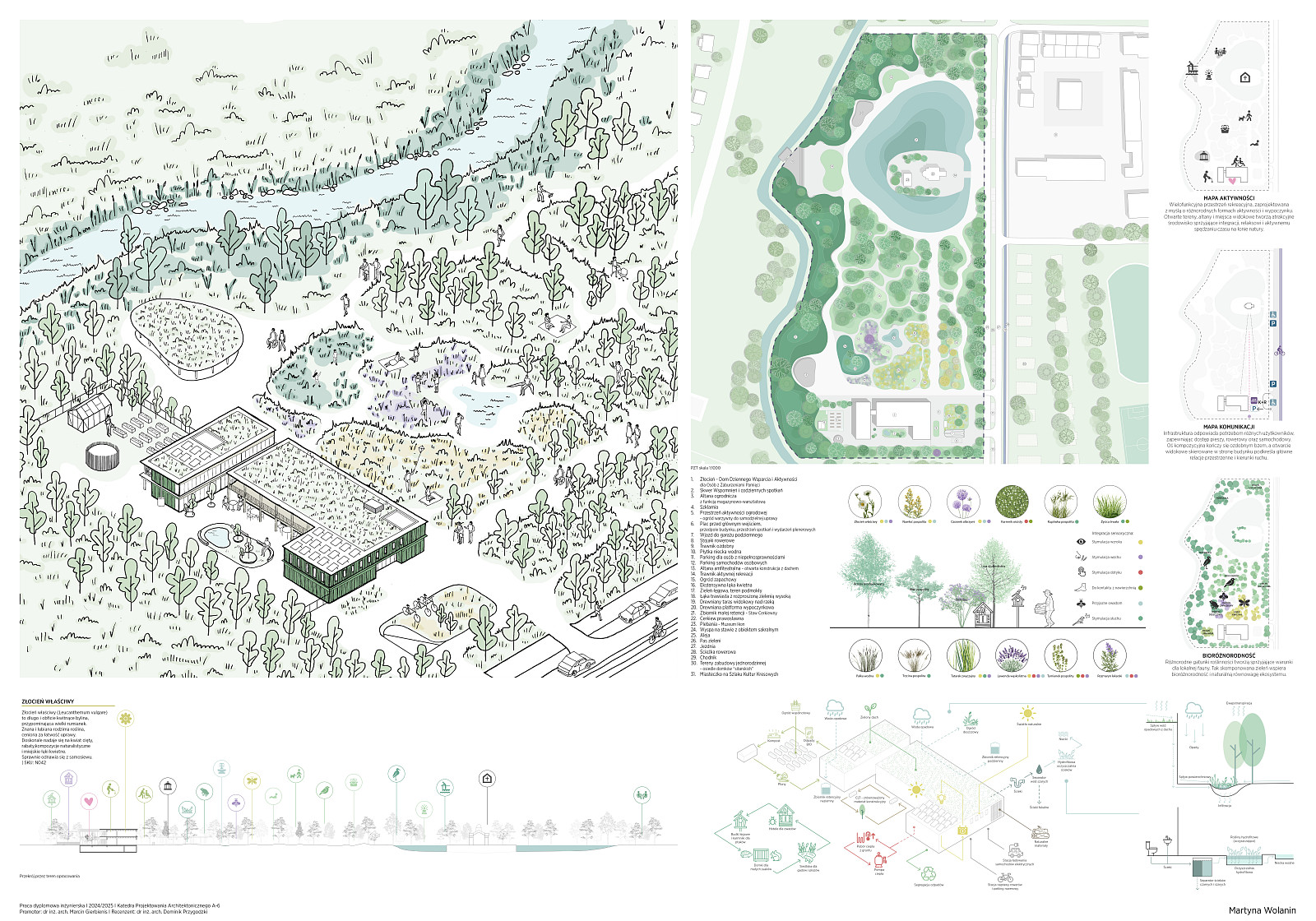
The concept of Złocień is rooted in the belief that architecture can become a gentle extension of the landscape rather than a separate, dominant object. Located within a planned park in Biłgoraj, the building grows out of its surroundings and blends into the existing greenery, forming a continuous and harmonious environment.
The park is not just a setting but a key element of the project. It creates a space of calm, openness, and everyday contact with nature. Meadows, water, and the nearby river valley shape the character of the place, while the architecture follows their rhythm instead of imposing its own. Paths, greenery, and built form interweave, creating a coherent whole that encourages movement, rest, and social interaction.
This idea is especially important in the context of the users for whom the project is designed. Złocień is dedicated to people with memory disorders, most often elderly individuals affected by neurodegenerative diseases. For them, a sense of safety, familiarity, and orientation is essential. The surrounding landscape becomes part of the therapeutic environment, offering gentle stimulation, seasonal change, and a natural rhythm that supports well-being.
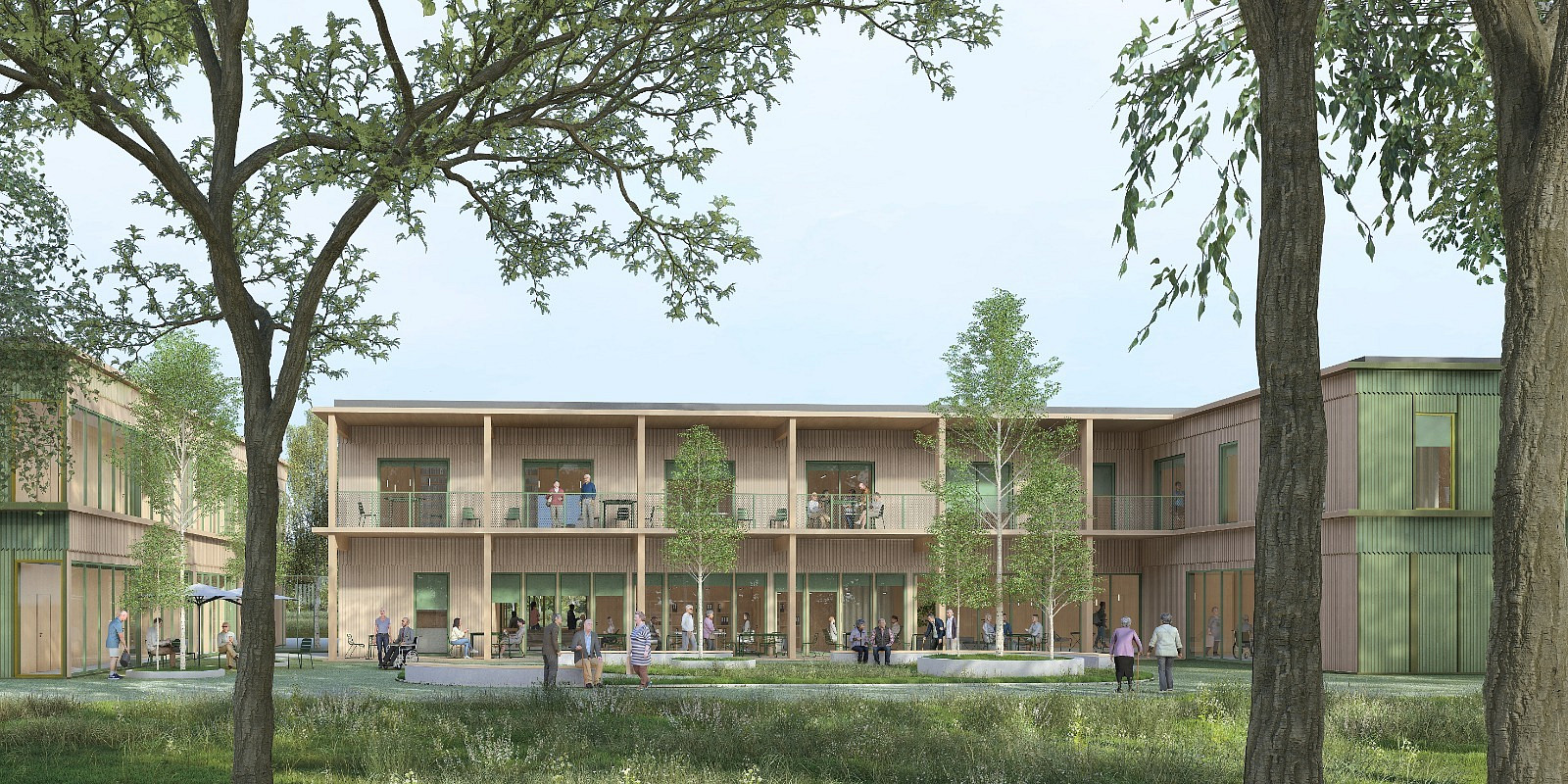
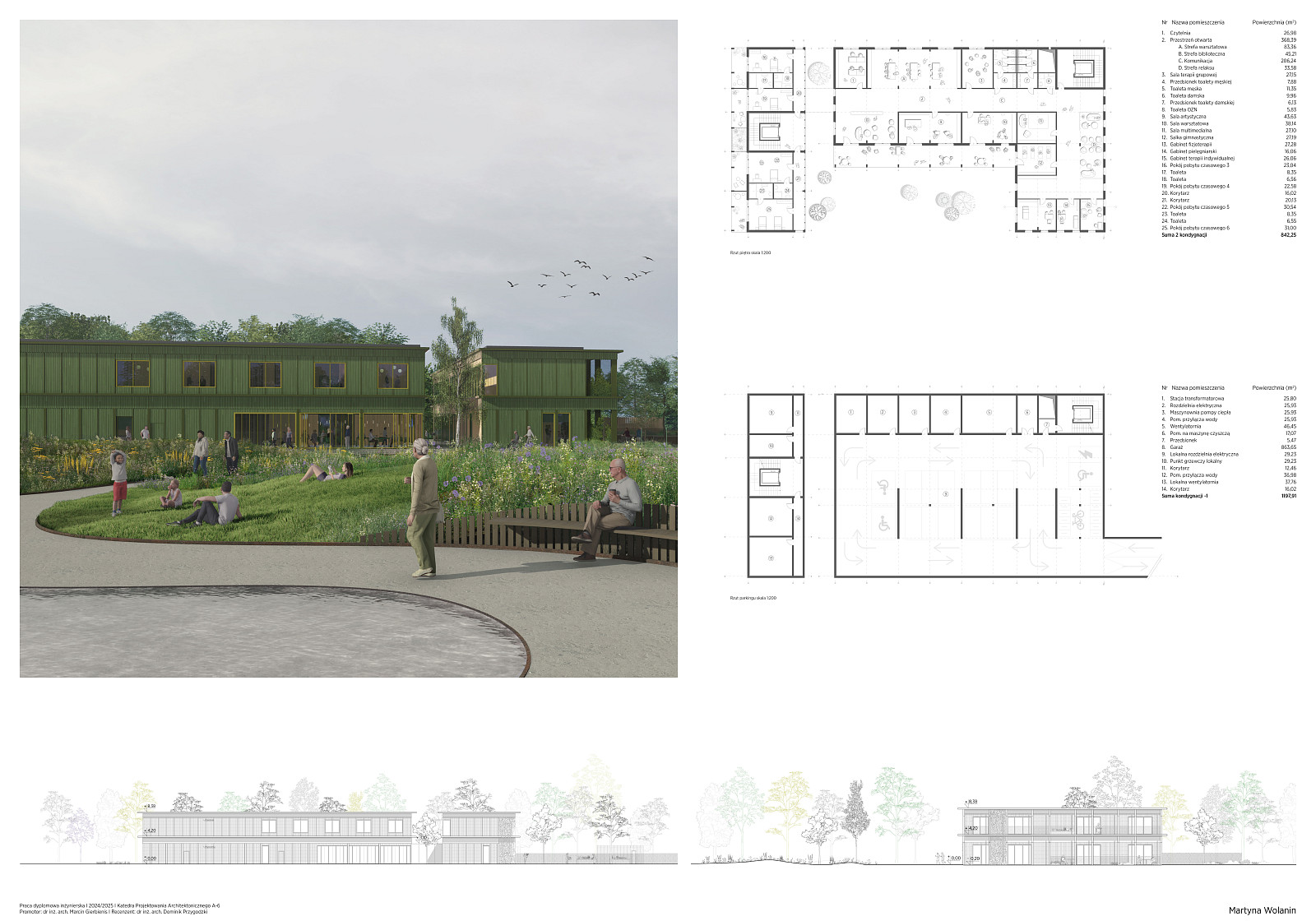
The building and the park together form a supportive, inclusive space without barriers or exclusion. Visual and physical connections with nature are constant. The courtyard, open views, and permeable edges blur the boundary between inside and outside, allowing users to remain in close contact with greenery at all times.
Złocień is therefore conceived not only as a care facility, but as a living fragment of the park. It is a place where architecture, nature, and human experience are closely intertwined, creating an environment that fosters calm, dignity, and a sense of belonging.
Project description
Złocień is a Day Support and Activity Center for people with memory disorders. The functional layout is divided into two main zones. The first is dedicated to daily use and includes spaces for occupational therapy, workshops, and social activities. The second provides short-term care accommodation.
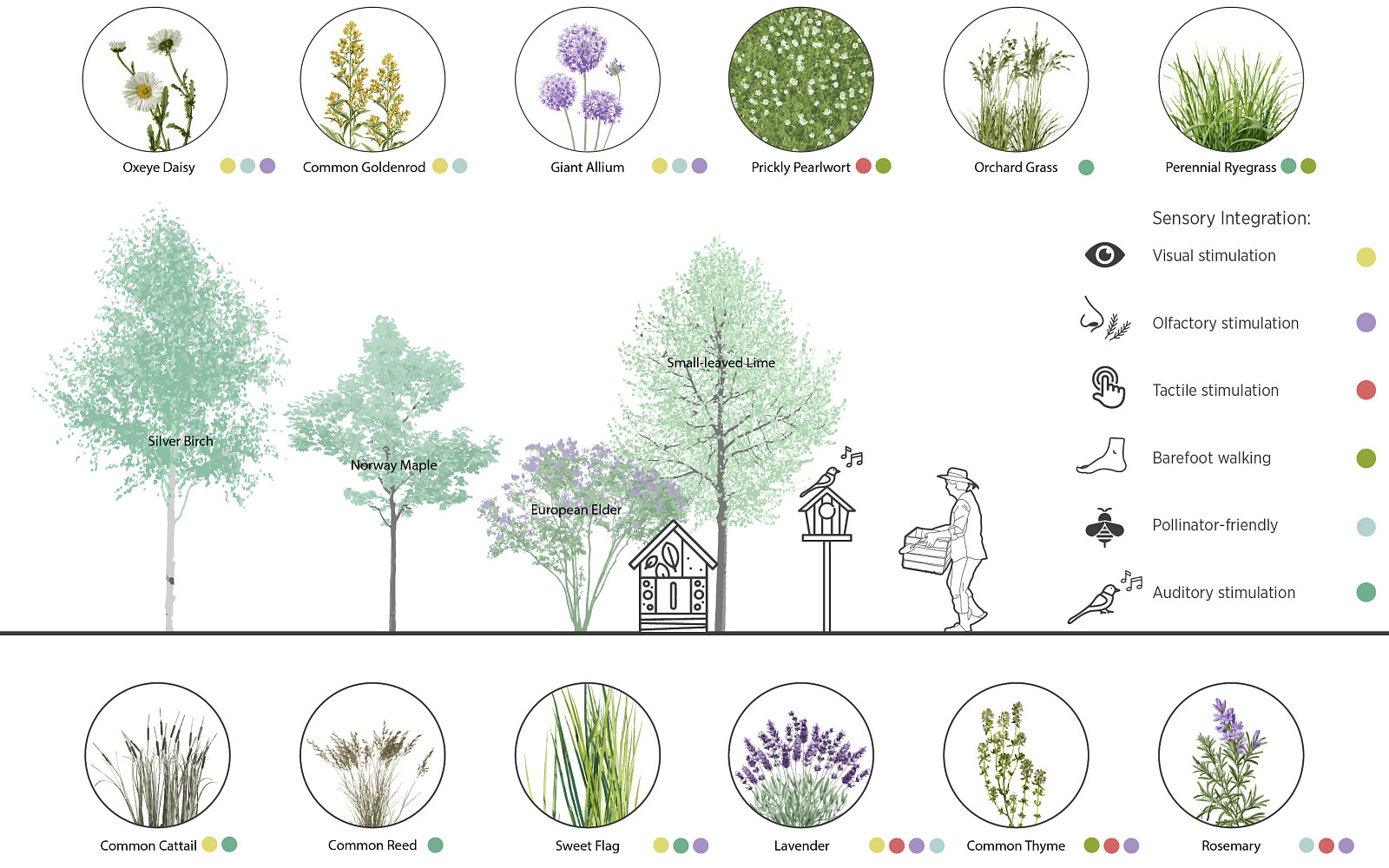
The building is organized around a central courtyard, which acts as the heart of the composition. This intimate green space supports integration, recreation, and therapeutic activities. It is designed as a small ecosystem, with insect habitats, bird nesting boxes, and plantings of nectar-rich and native species that enhance biodiversity.
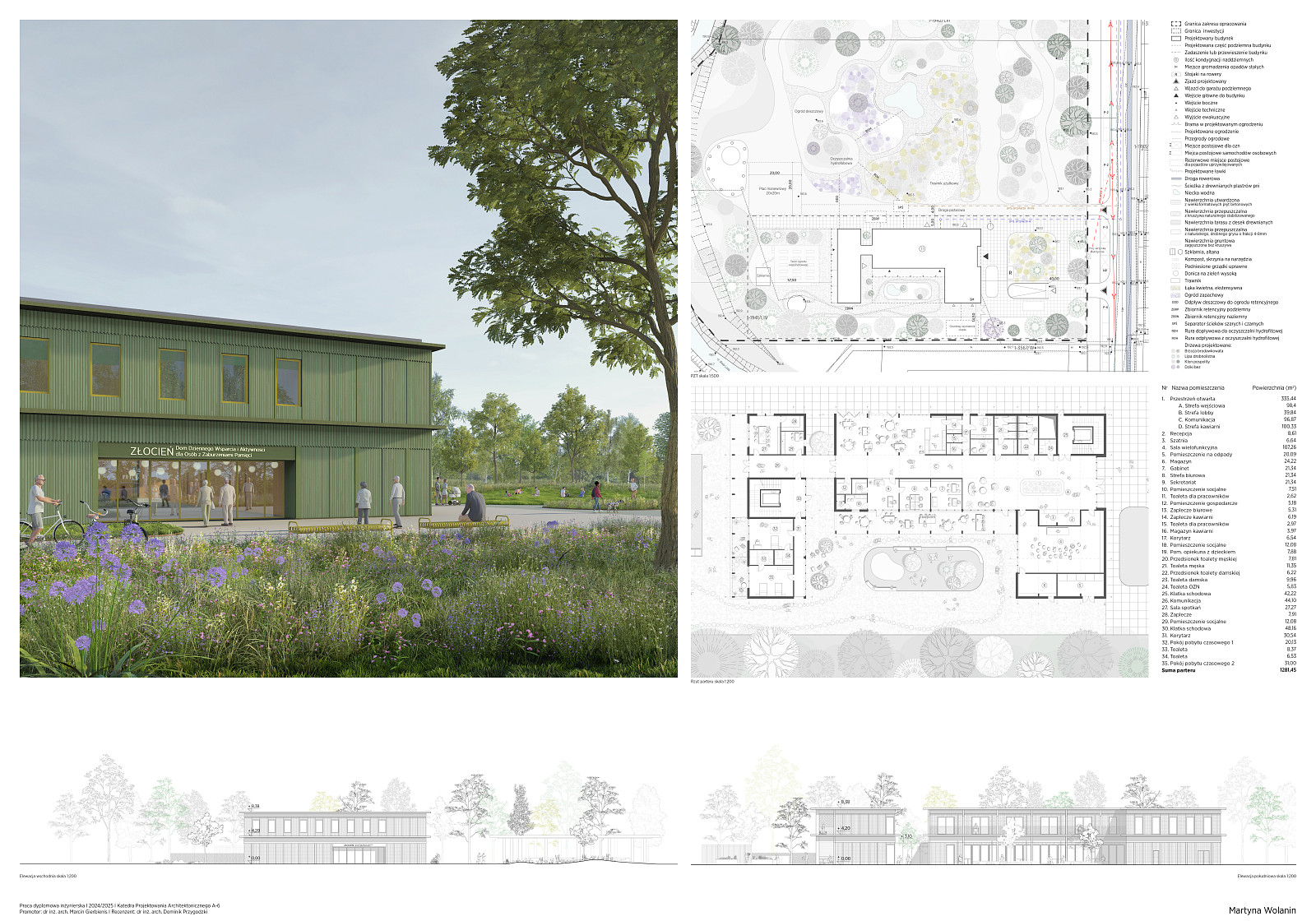
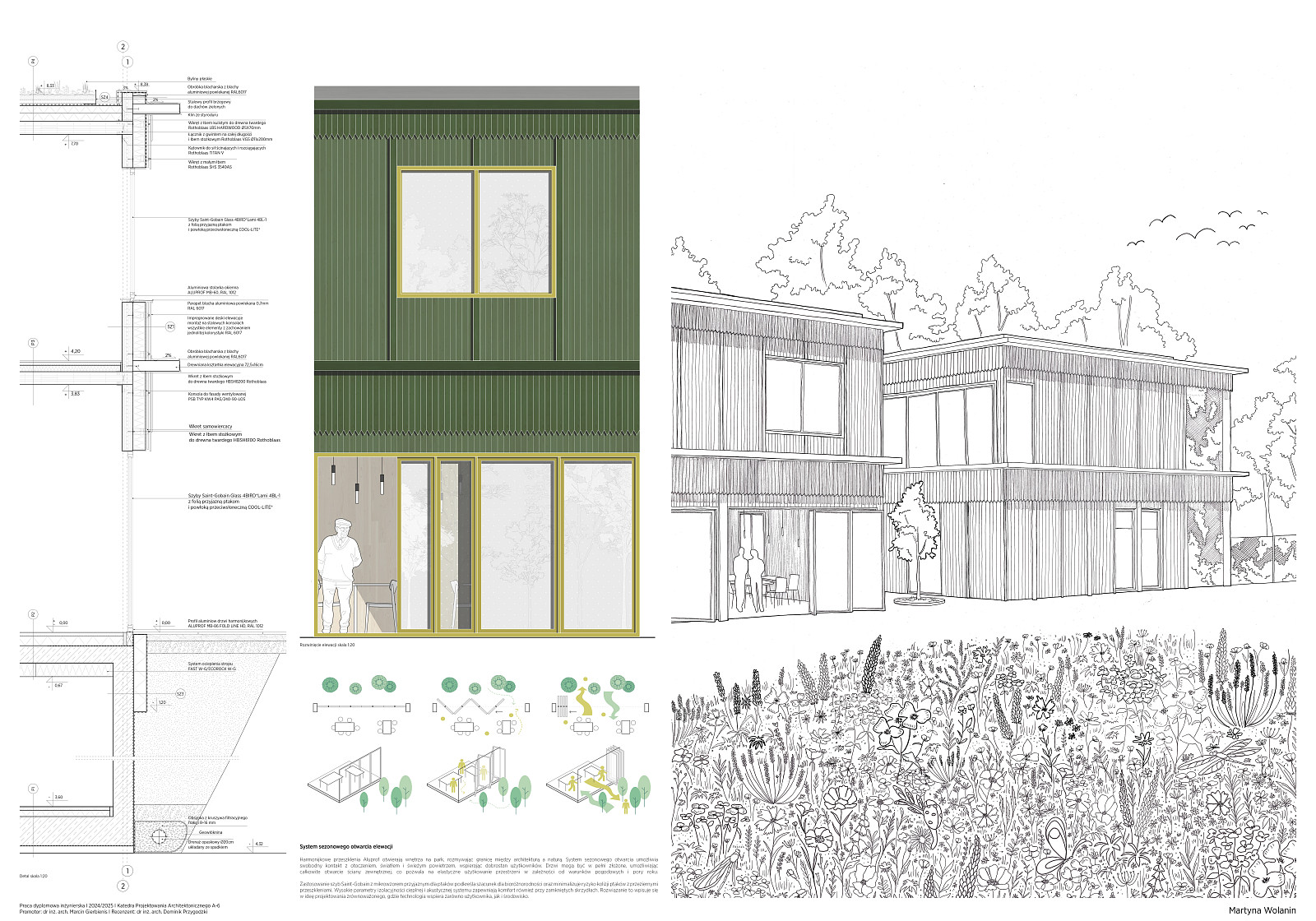
From the park side, the building opens with large foldable glazed panels. This allows the interior spaces to extend outdoors during good weather and creates a strong visual and physical connection with the surrounding landscape.
The form of the building is simple and clear, supporting intuitive orientation and ease of use, which is particularly important for people with cognitive impairments. The design follows the principles of universal accessibility and user comfort, creating an environment that is readable, safe, and welcoming.
Wood plays a key role in shaping the atmosphere of the building. Spruce CLT panels are exposed in the interiors, while the larch façades are differentiated by color. The courtyard side remains natural, while the park side is finished in green, helping to distinguish between more private and more public areas.
Technical information
The project incorporates structural and material solutions adapted to the functional layout of the building while meeting current regulatory requirements.
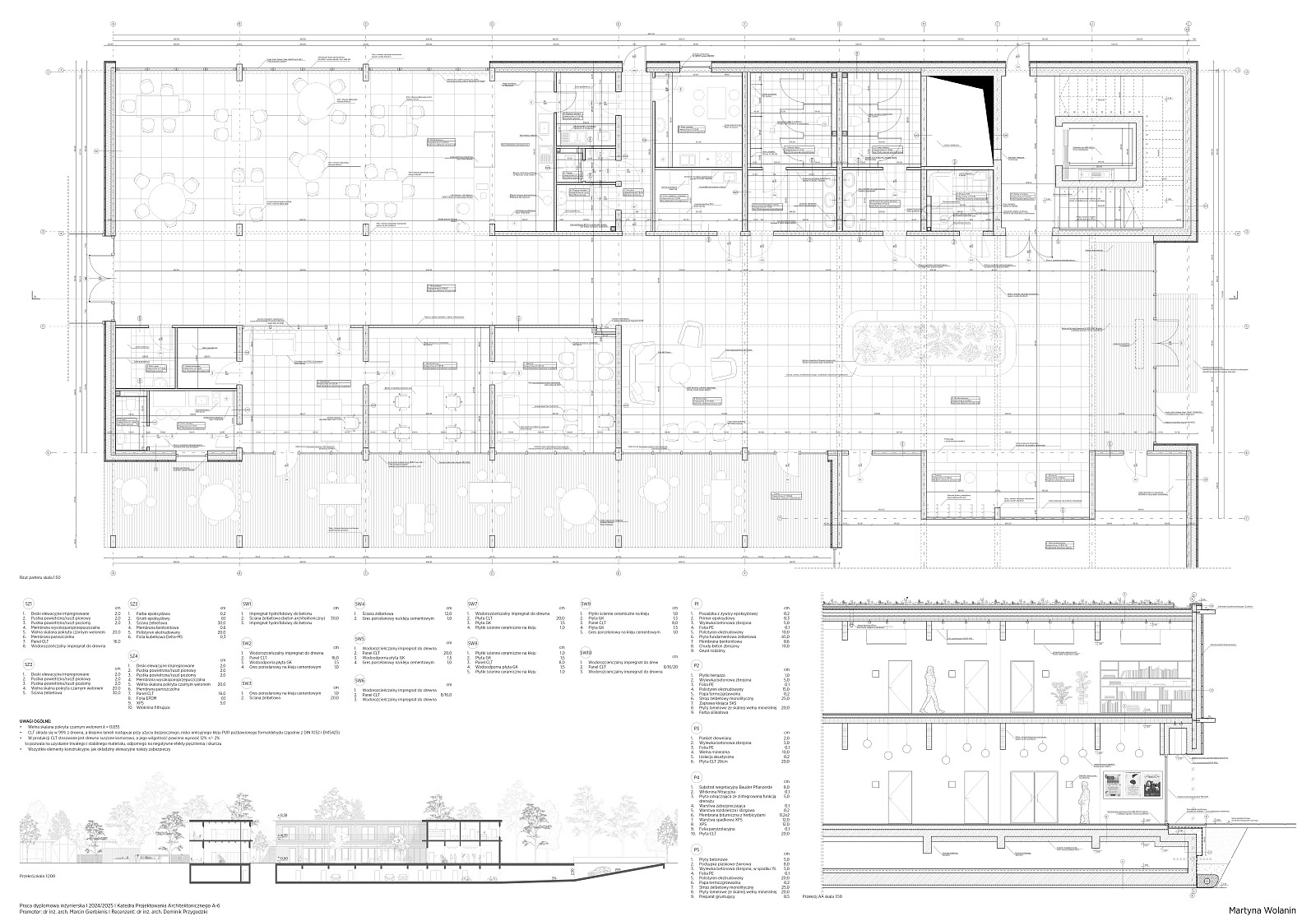
The underground level is designed in reinforced concrete, ensuring durability and structural stability. The above-ground structure is based on prefabricated engineered timber elements, using CLT panels for walls and slabs, and GLT elements for beams and columns. This system allows for flexibility in shaping interior spaces and supports a clear and efficient structural layout. Key elements such as staircases and elevator shafts are executed in reinforced concrete to ensure appropriate fire safety.
The façades combine solid timber elements with large glazed surfaces in a curtain wall system, strengthening the visual connection between the interior and the surrounding park.
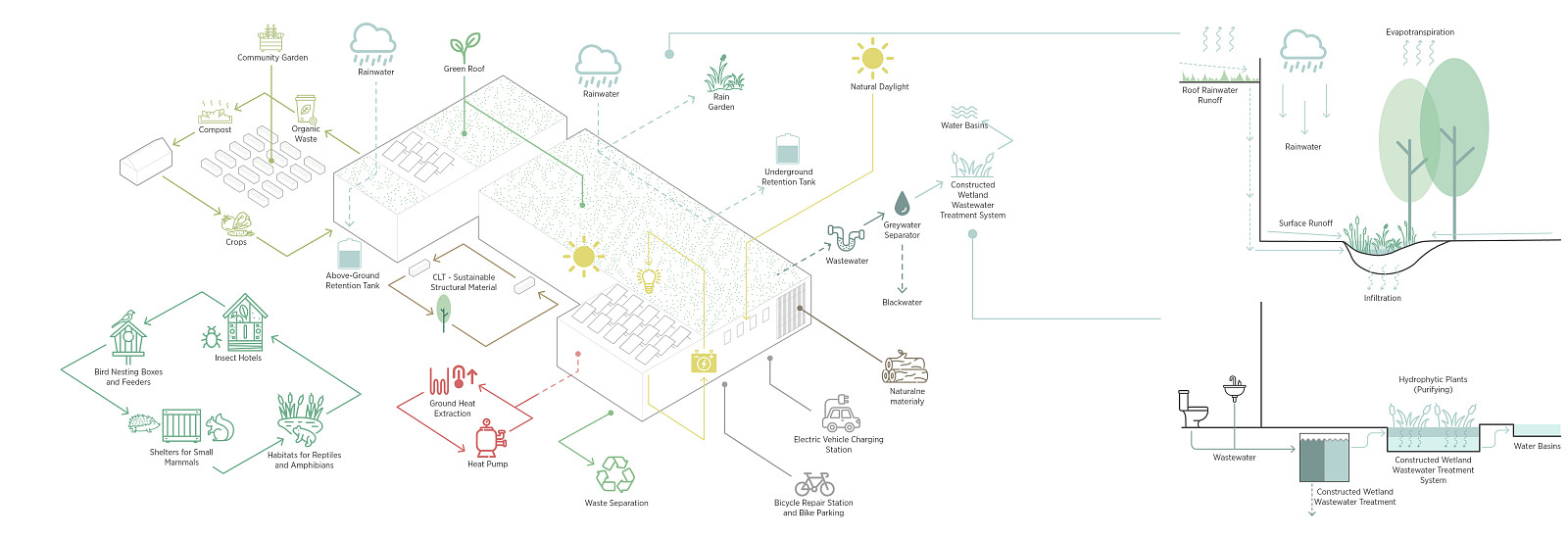
The project integrates several environmentally conscious solutions aimed at reducing its impact on the environment. A heat pump serves as the main source of heating, supported by solar collectors for domestic hot water. Mechanical ventilation with heat recovery improves overall energy efficiency.
Water management is addressed through rain gardens, retention systems, and natural filtration solutions, supporting sustainable water circulation on site. Additional measures include bird-safe glazing to prevent collisions, as well as the introduction of microhabitats such as nesting boxes and insect hotels to support local biodiversity.
The use of timber as the primary construction material significantly reduces the building’s carbon footprint, reinforcing the project’s sustainable and ecological approach.

Copyright © 2026 INSPIRELI | All rights reserved. Use of this website signifies your agreement to the Terms of Use, Privacy Policy, and use of cookies.