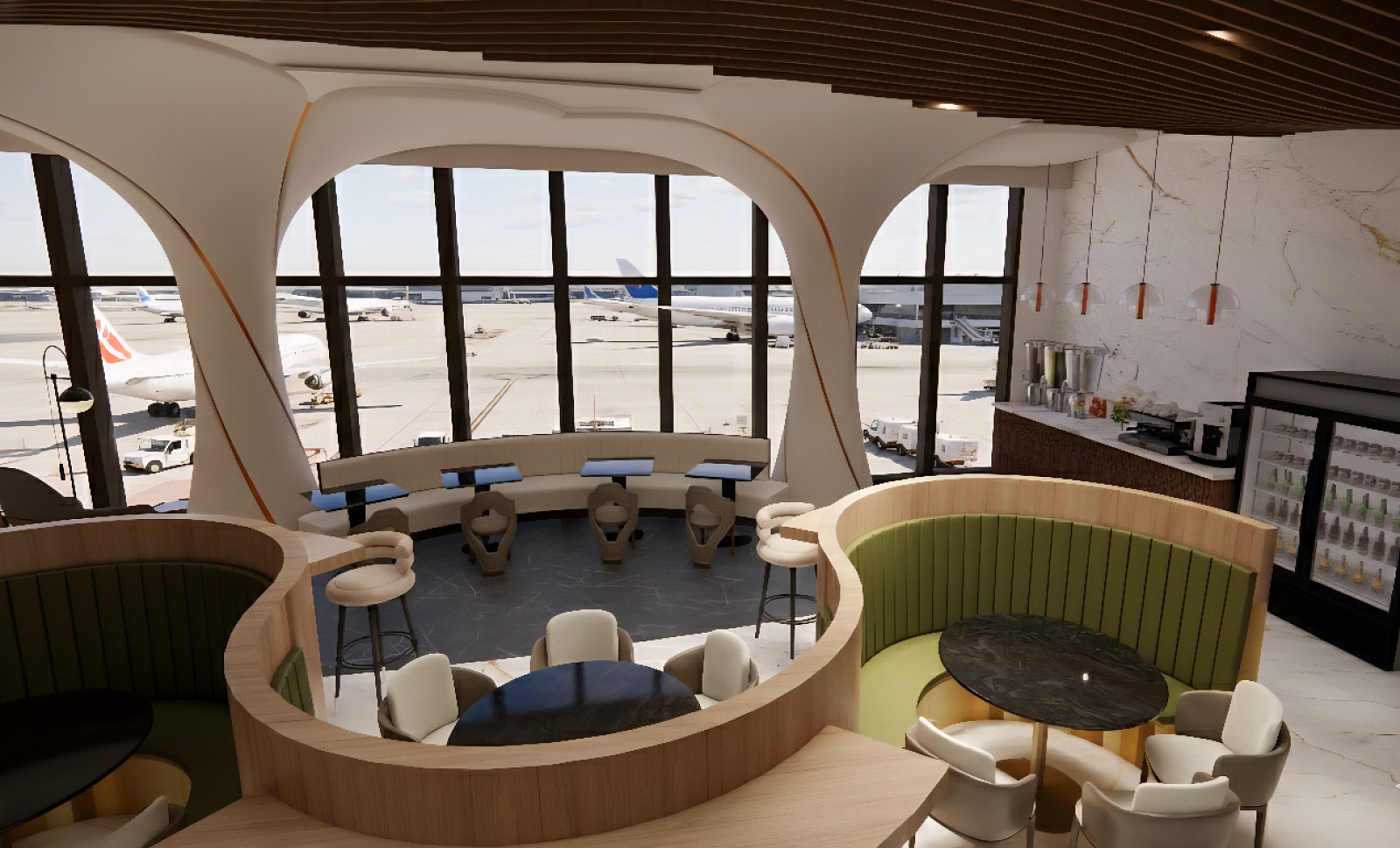
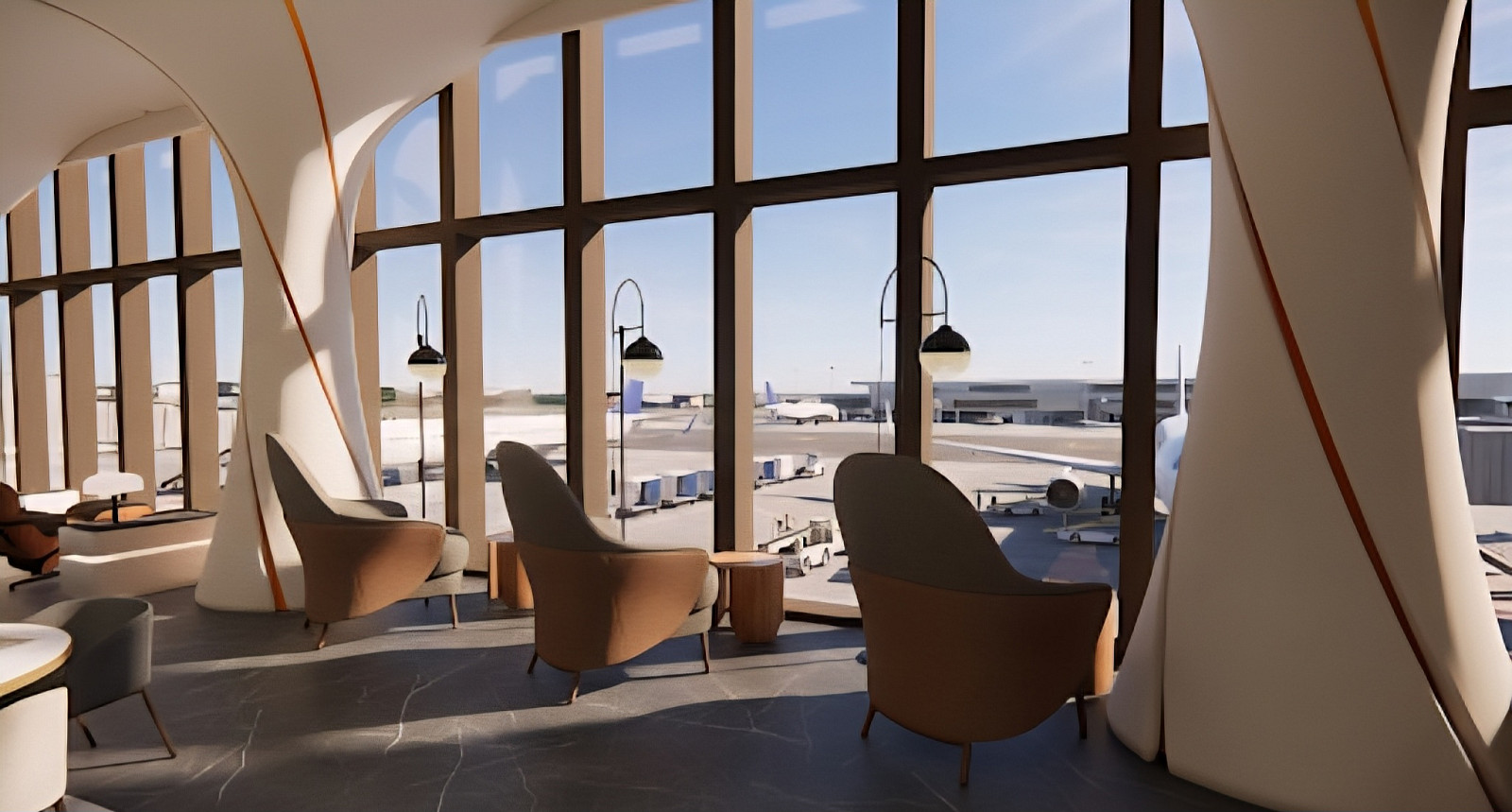
Adani aiport lounge (mumbai T2)


Project idea
The design of an Adani Airport Business Lounge provides a valuable opportunity for me to explore and understand the application of parametric design within the field of interior design. Until now, I have not practically implemented parametric tools or techniques in any of my previous design projects. Through this topic, I aim to learn how computational and data-driven design approaches can be used to shape dynamic, fluid spaces that respond to user movement, visual flow, and functionality. Parametric design not only allows for visual innovation but also introduces a new level of responsiveness and control over space-making, making it especially relevant in high-impact environments like airport lounges. Designing a premium business lounge comes with its own set of challenges—balancing aesthetics with comfort, privacy with openness, and functionality with luxury—all within a limited area. This complex context offers the perfect ground to explore how parametric principles can help achieve intelligent zoning, smart material usage, and a unique visual identity. Additionally, this project will allow me to strengthen my skills in spatial planning, lighting integration, and ambience creation while learning to approach design problems with a computational mindset. The experience gained through this topic will be highly valuable for my future as a designer, particularly in large-scale public or commercial projects where innovation and precision are essential.
Project description
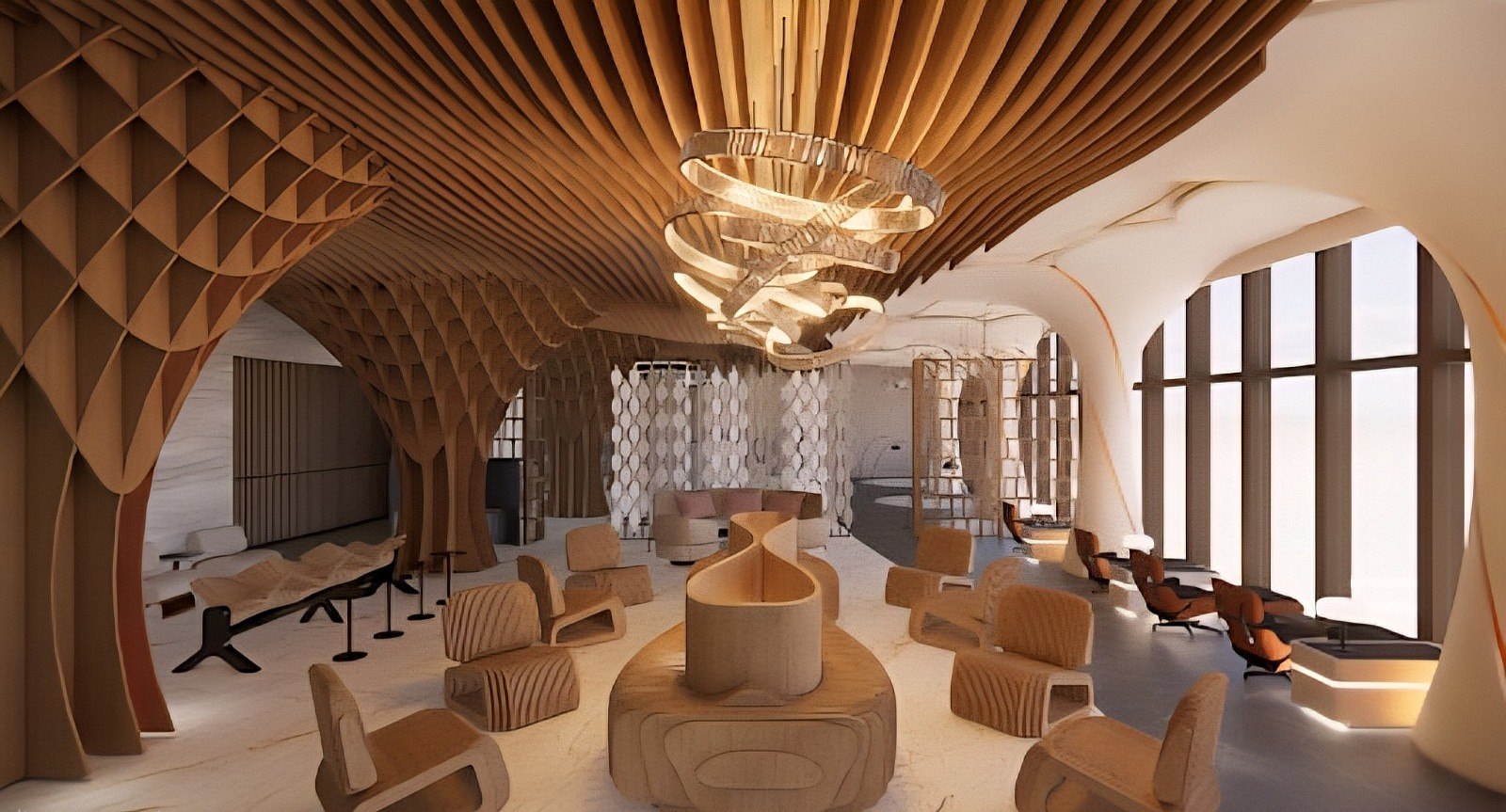
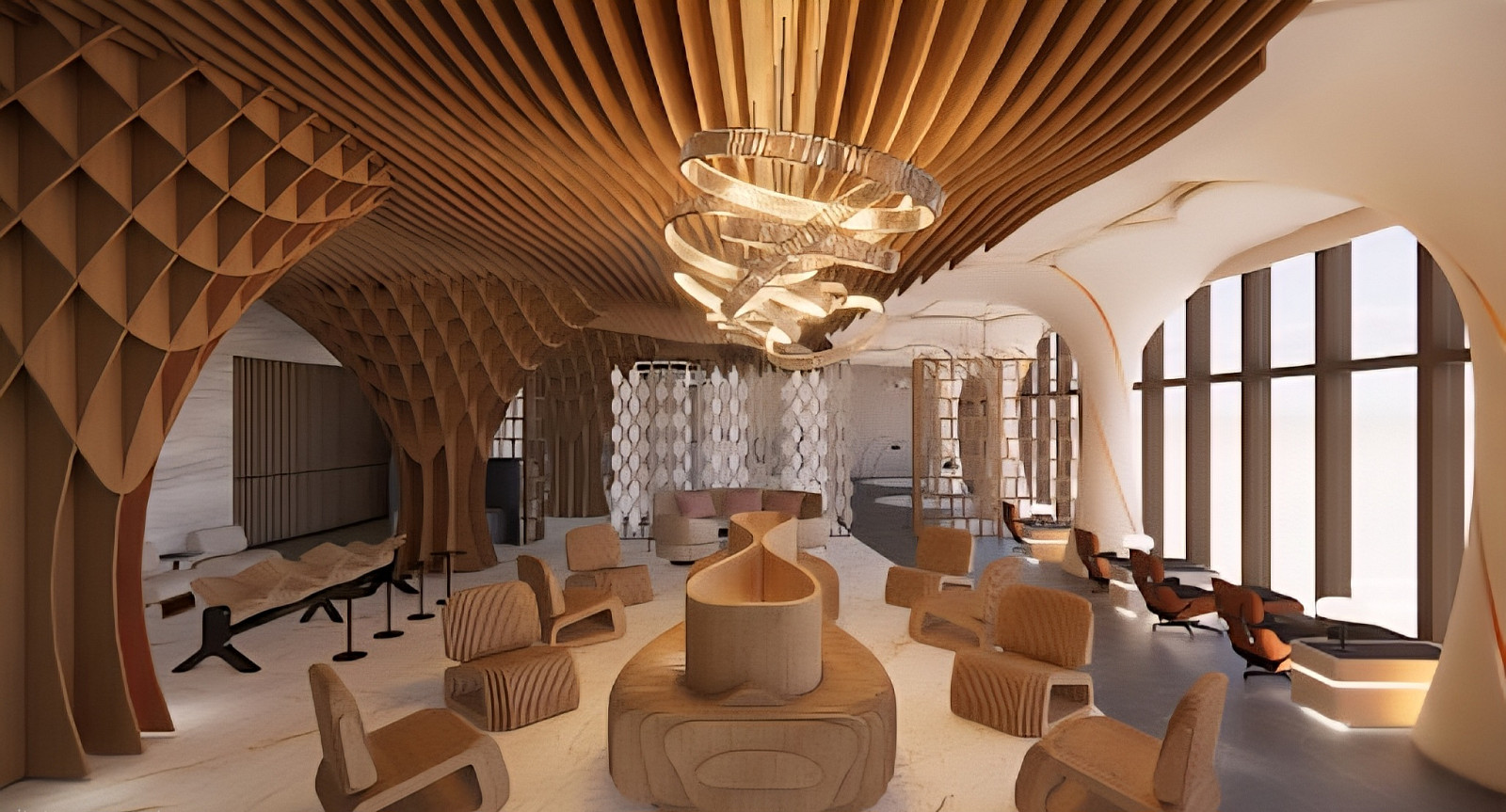
To design a Adani Airport Waiting Lounge Using parametric design principles, Focusing on premium aesthetics, user comfort and futuristic interior experiences tailored for Elite Passengers. Design Front areas like, seating lounge, reception, food & beverage area, VIP zone, and spa area & kids area will be detailed and well-designed with full attention to layout, materials, lighting, and ceiling concepts.
Technical information
Service-based planning (like HVAC, false ceiling, lighting layout, and basic MEP integration) will be a major design focus
Documentation



Copyright © 2026 INSPIRELI | All rights reserved. Use of this website signifies your agreement to the Terms of Use, Privacy Policy, and use of cookies.