LANDSCAPE INTEGRATION INTO A SENIOR DAY CARE CENTER


Project idea
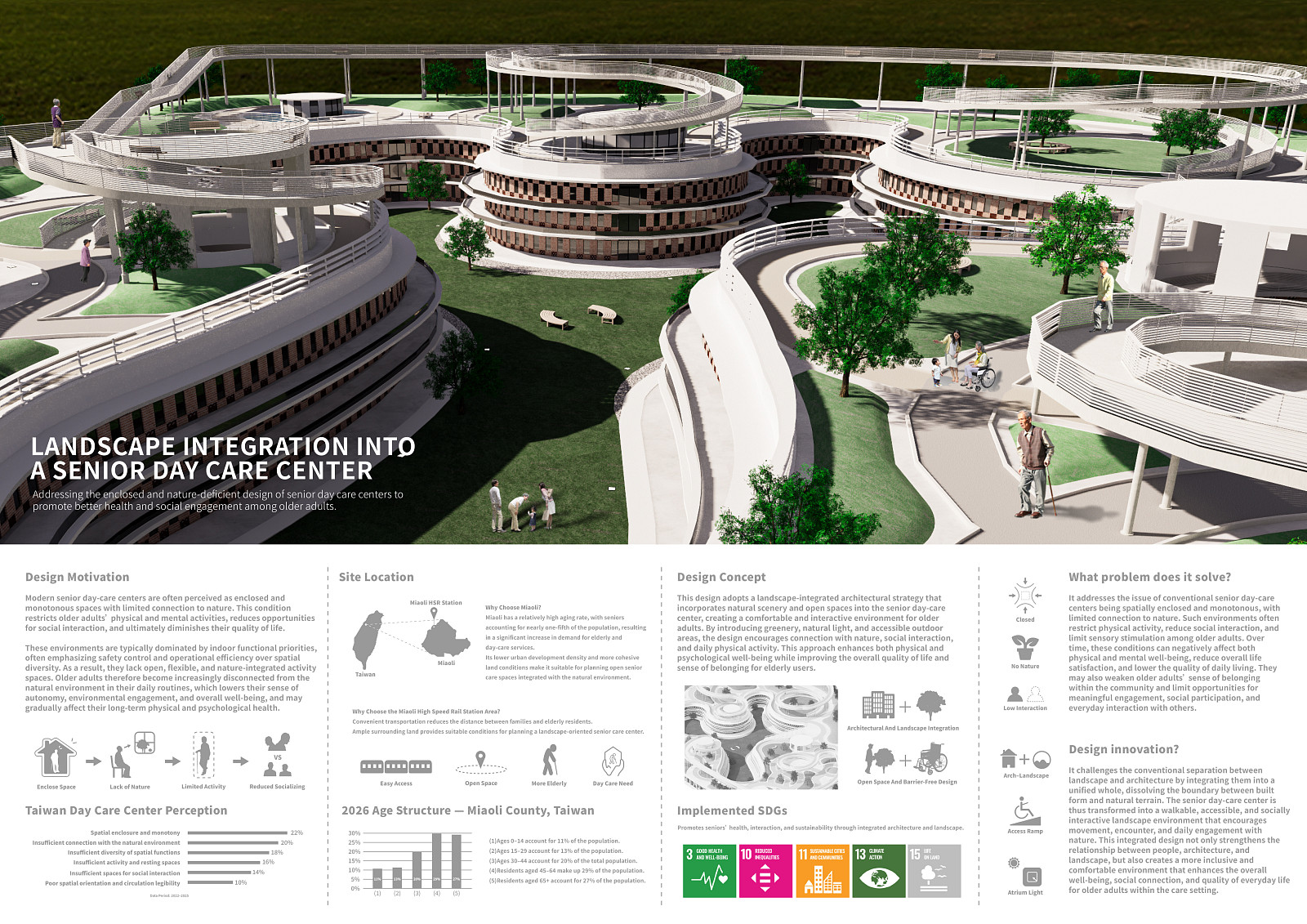
Modern senior day-care centers are often perceived as enclosed and monotonous spaces with limited connection to nature. This condition restricts older adults’ physical and mental activities, reduces opportunities for social interaction, and ultimately diminishes their quality of life.
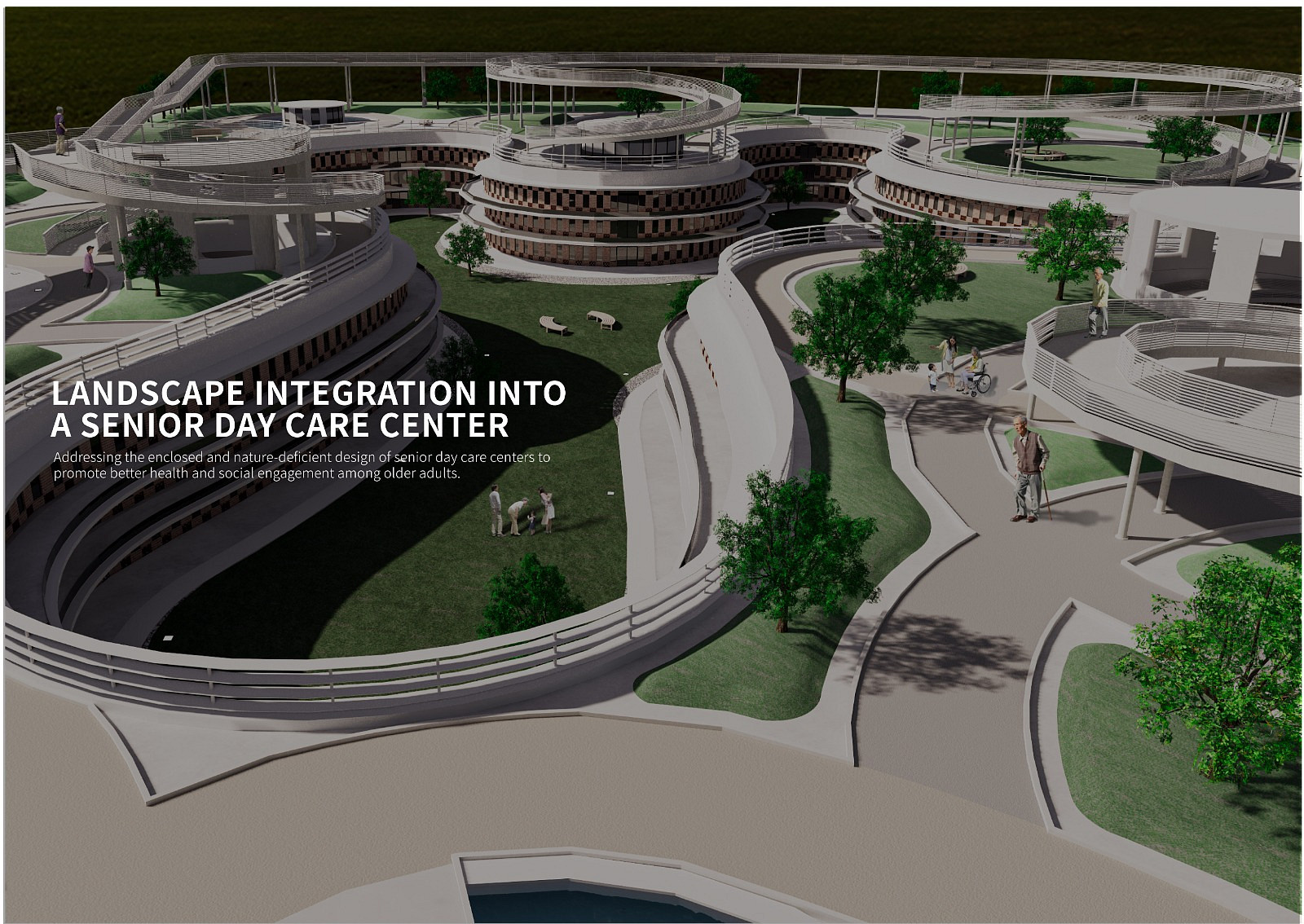
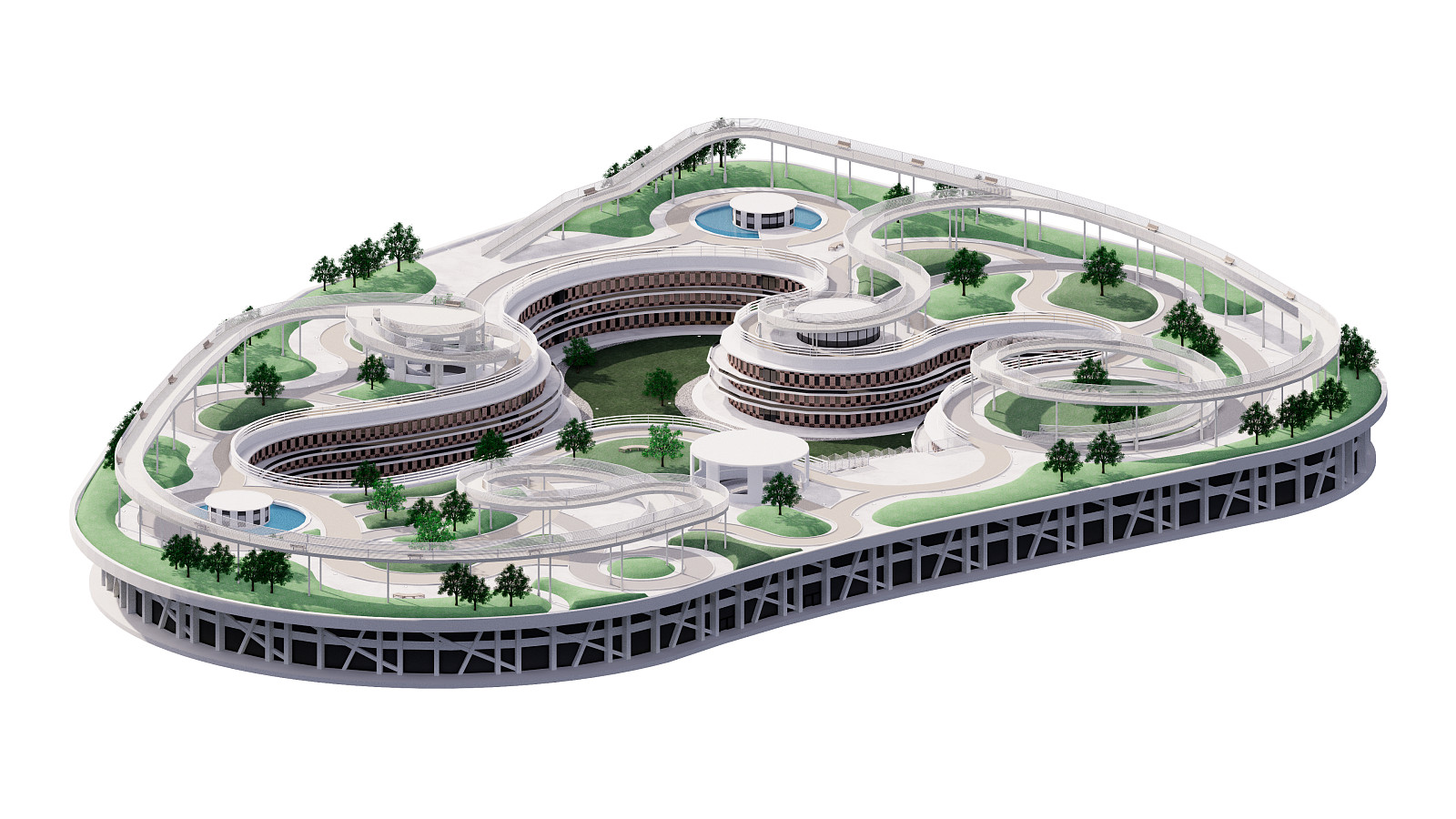
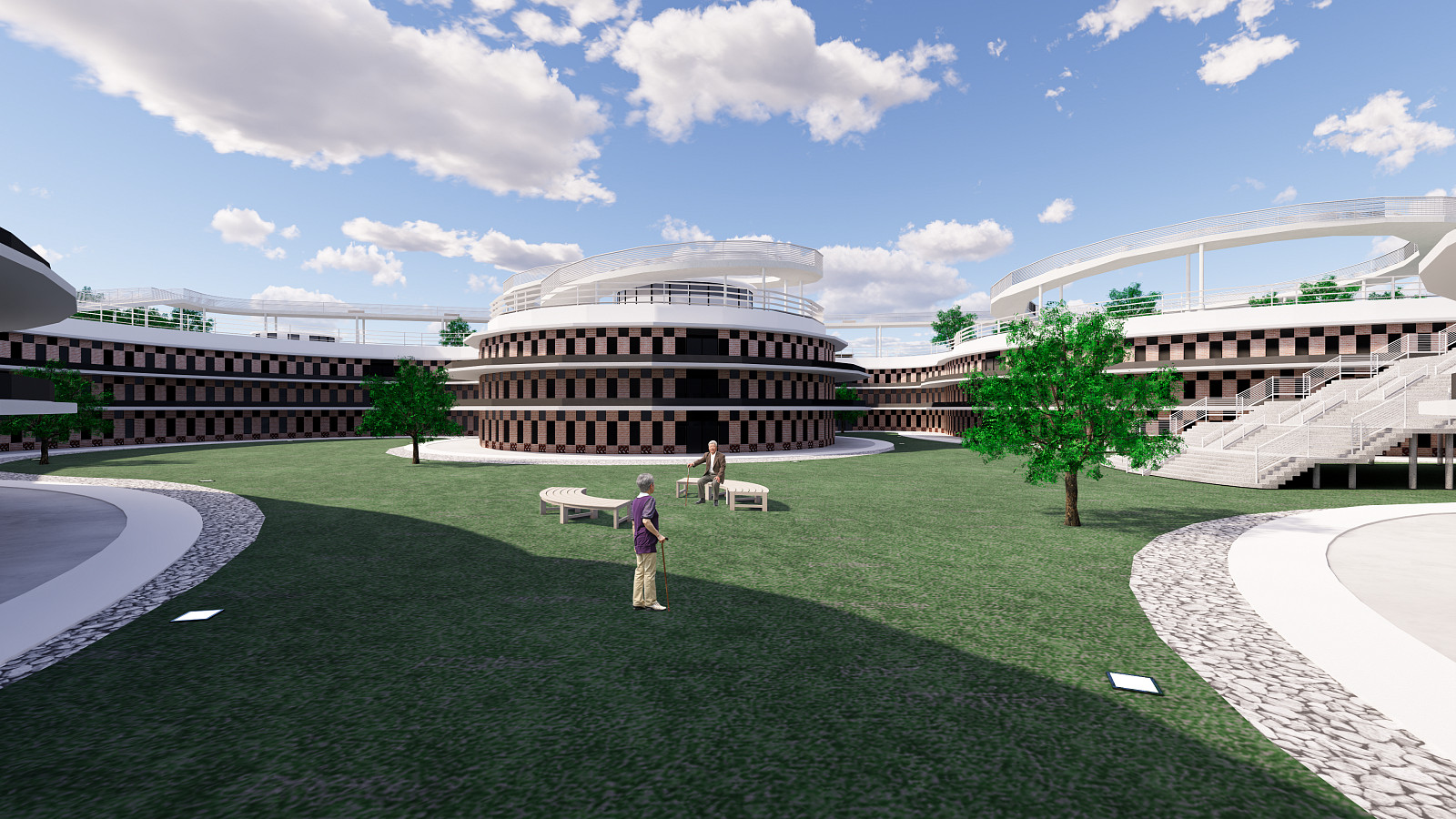
This design adopts a landscape-integrated architectural approach, incorporating natural scenery and open spaces into the day-care center to create a comfortable and highly interactive environment. By reconnecting older adults with nature, the design also promotes social engagement and enhances both physical and mental well-being, enriching their daily experiences and strengthening their sense of belonging.
Project description
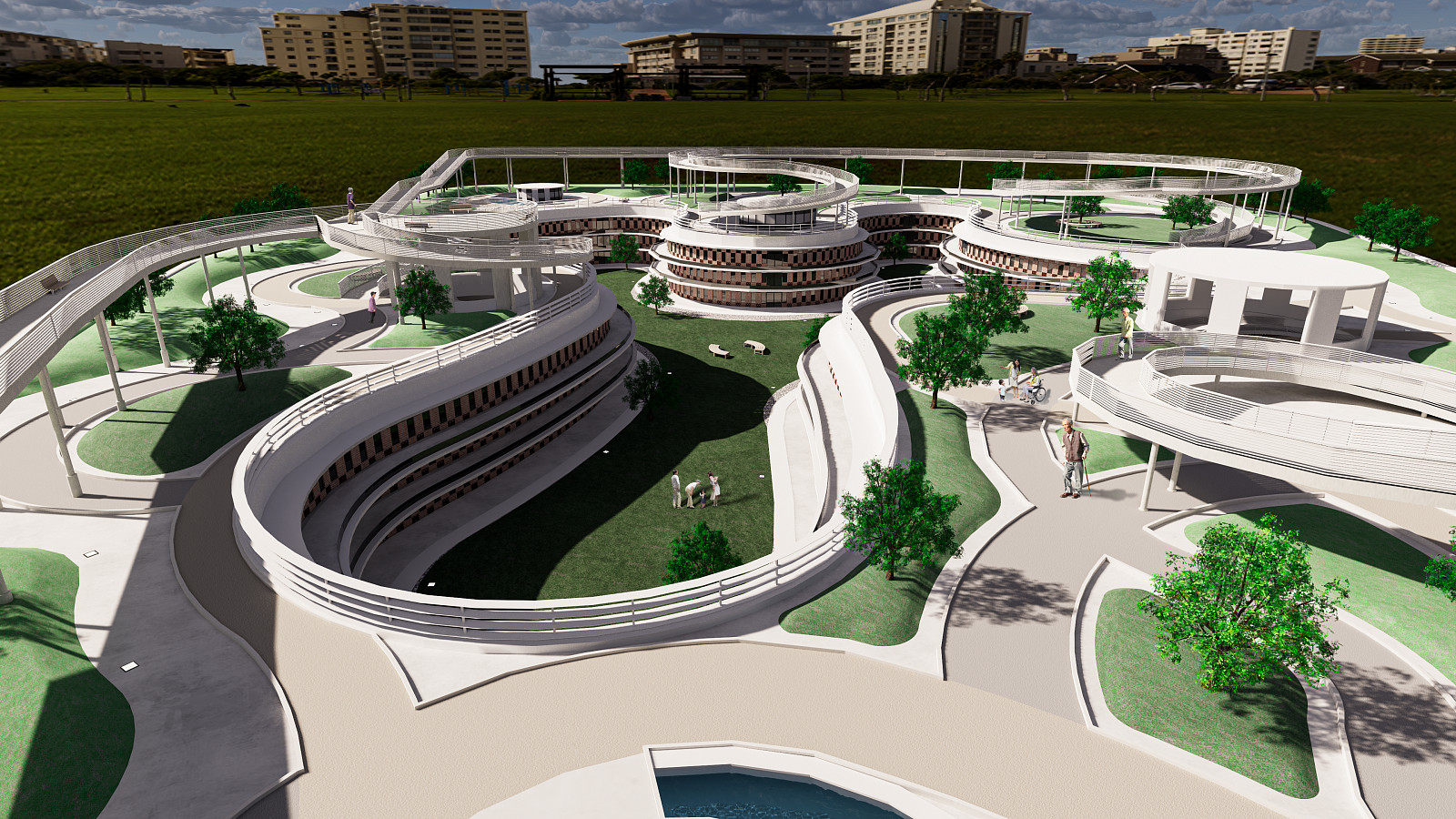
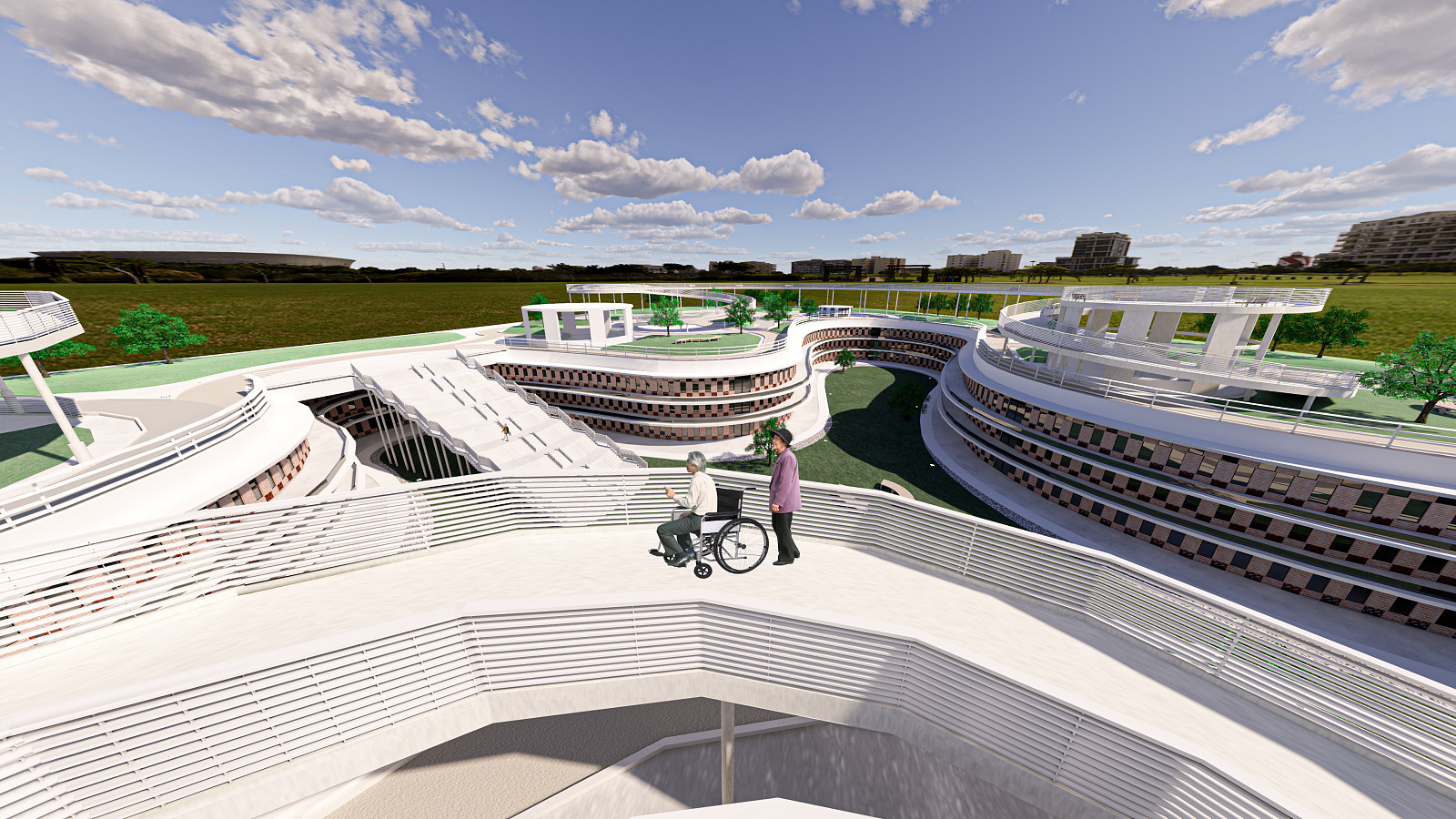
This project addresses the lack of connection between older adults and the natural environment in conventional senior day-care centers. By integrating landscape into the interior of the building through a landscape-based architectural approach, it breaks away from enclosed and monotonous spatial conditions.
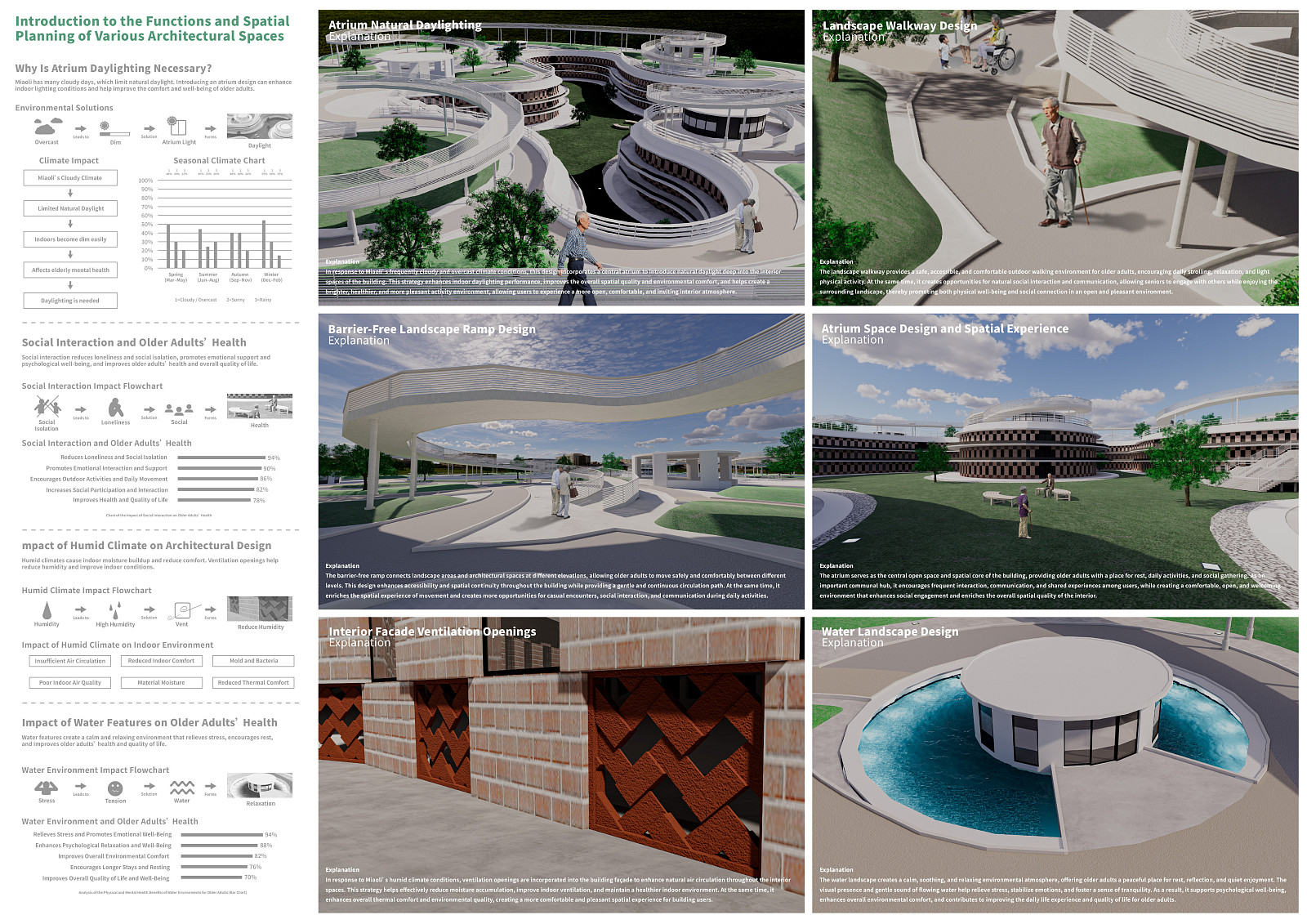
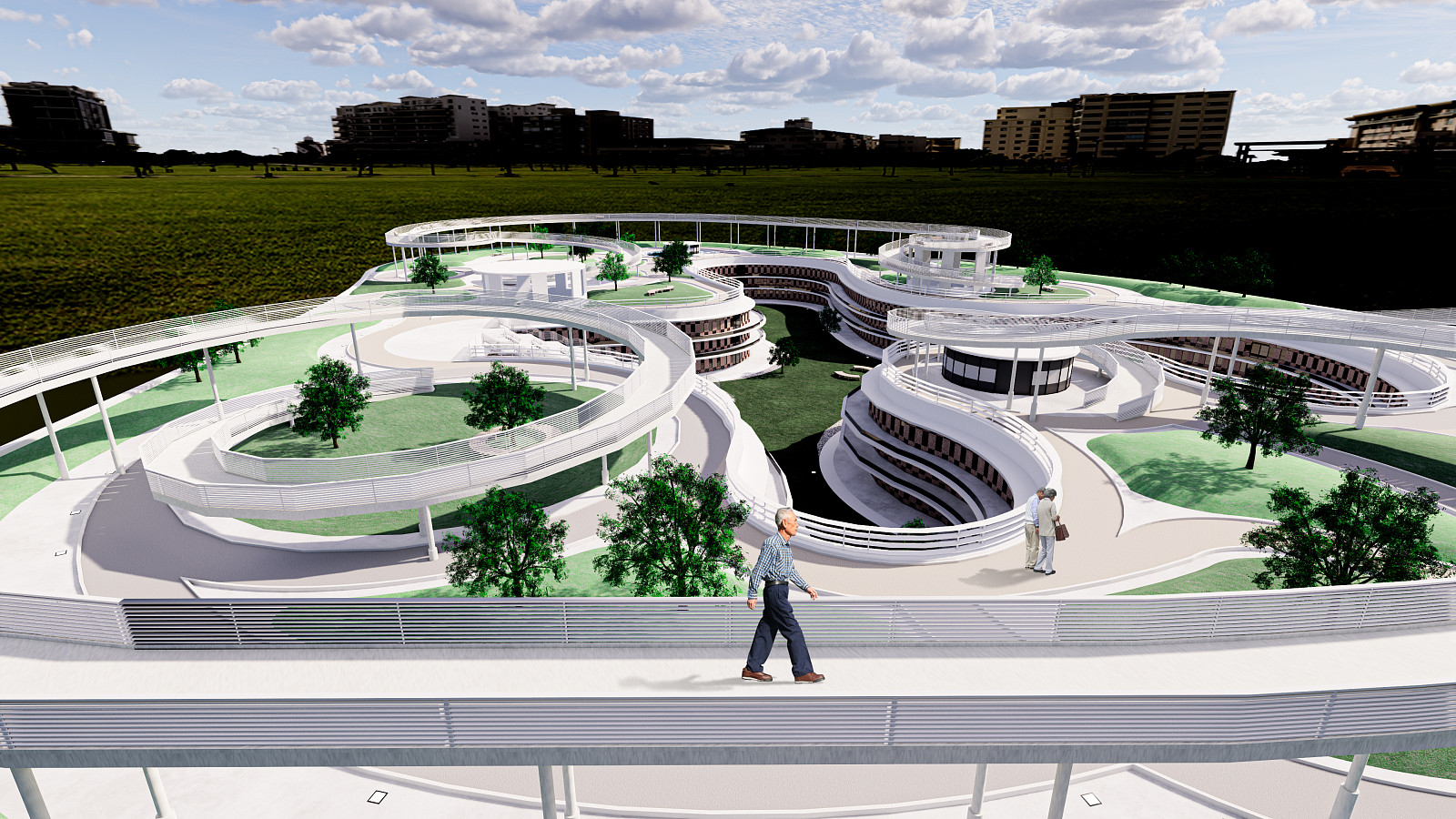
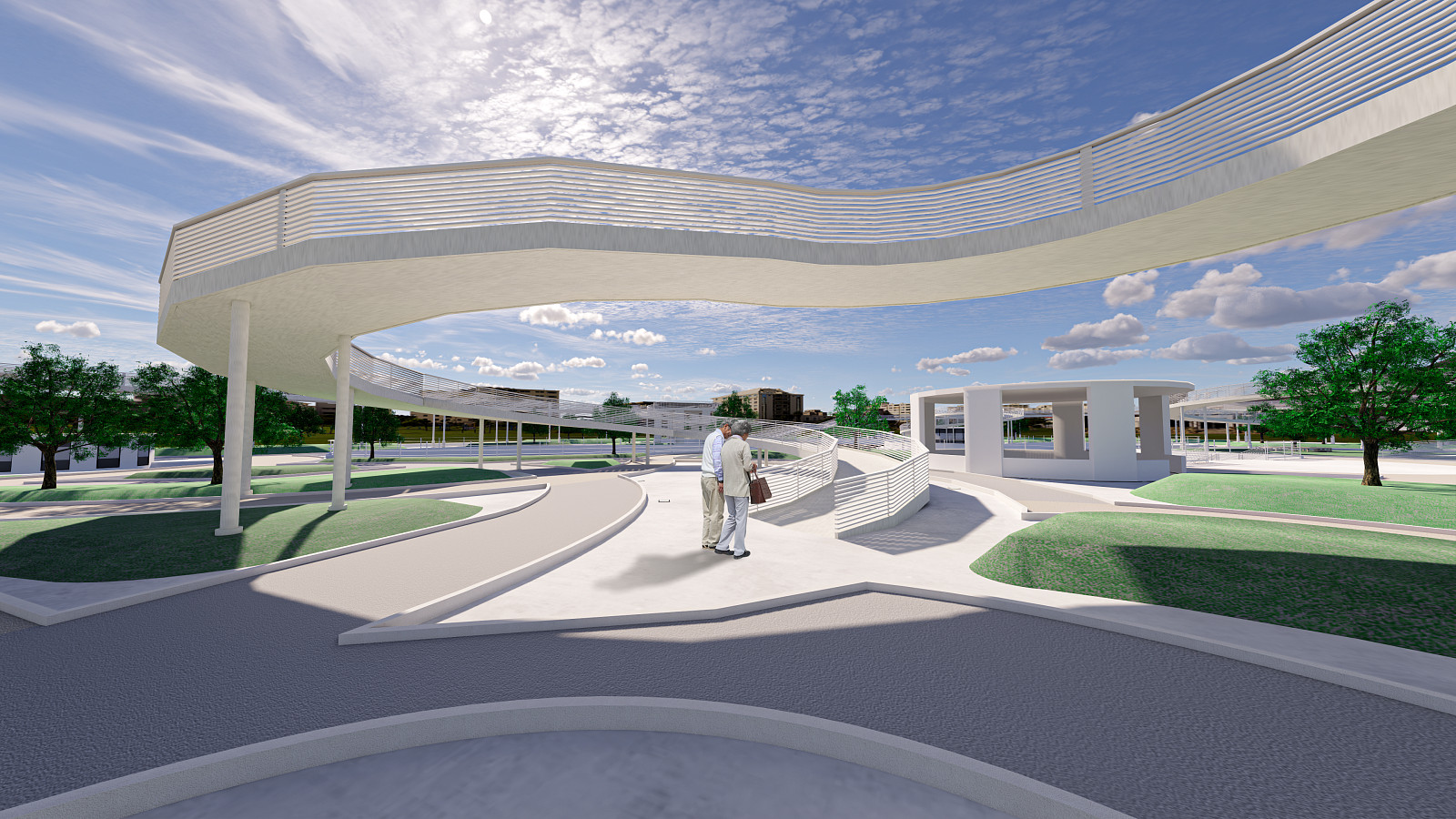
Through the introduction of continuous open spaces, barrier-free ramp circulation, natural daylighting via a central atrium, and ventilation strategies, the design creates a care environment integrated with nature, promoting social interaction and enhancing the overall physical and psychological well-being of older adults.
Technical information
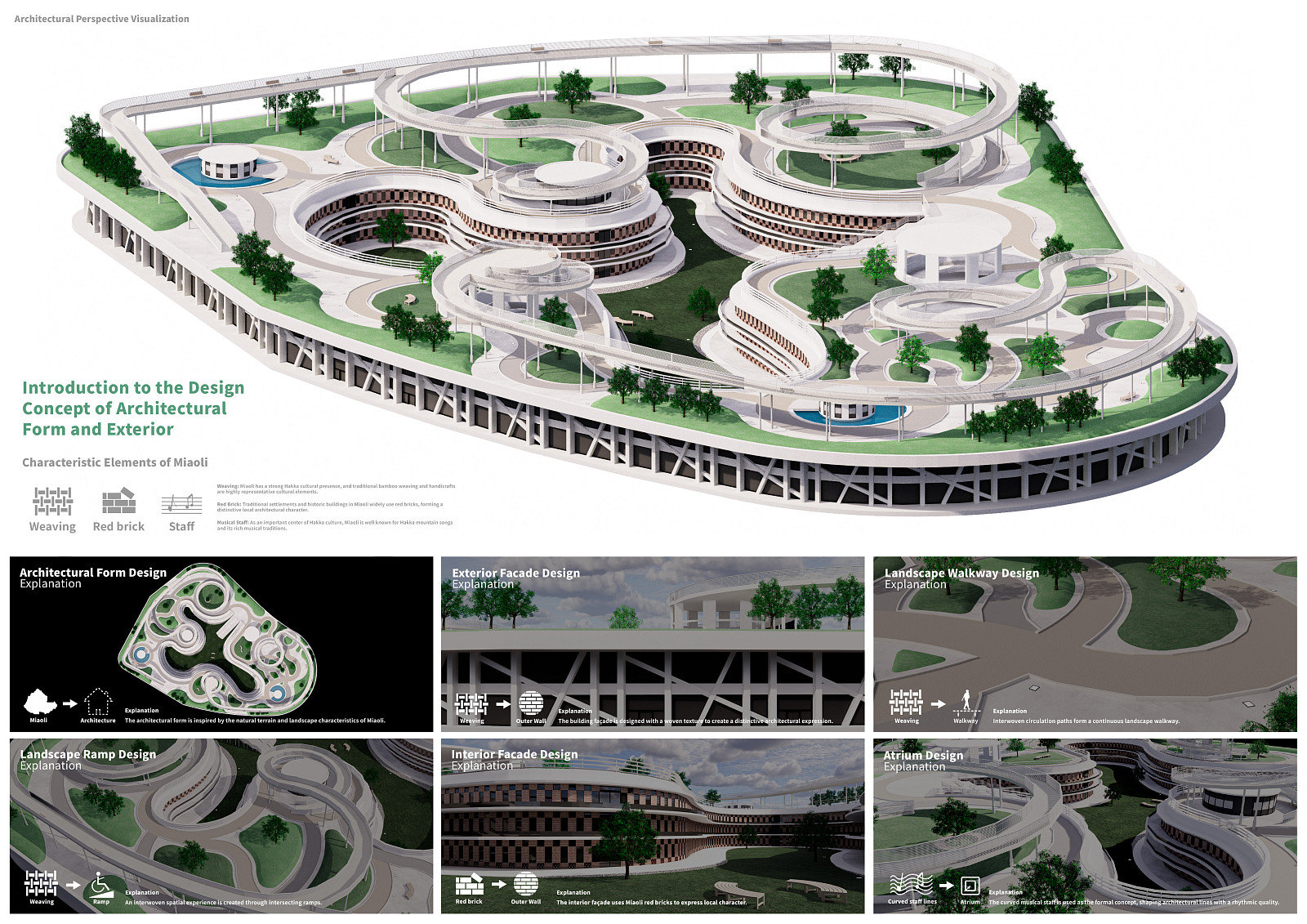
This project adopts a landscape-integrated architectural strategy, introducing landscape systems into the interior of the senior day-care center to create a continuous and walkable spatial structure. The building connects all levels through barrier-free ramp circulation, ensuring safety and ease of use for older adults.
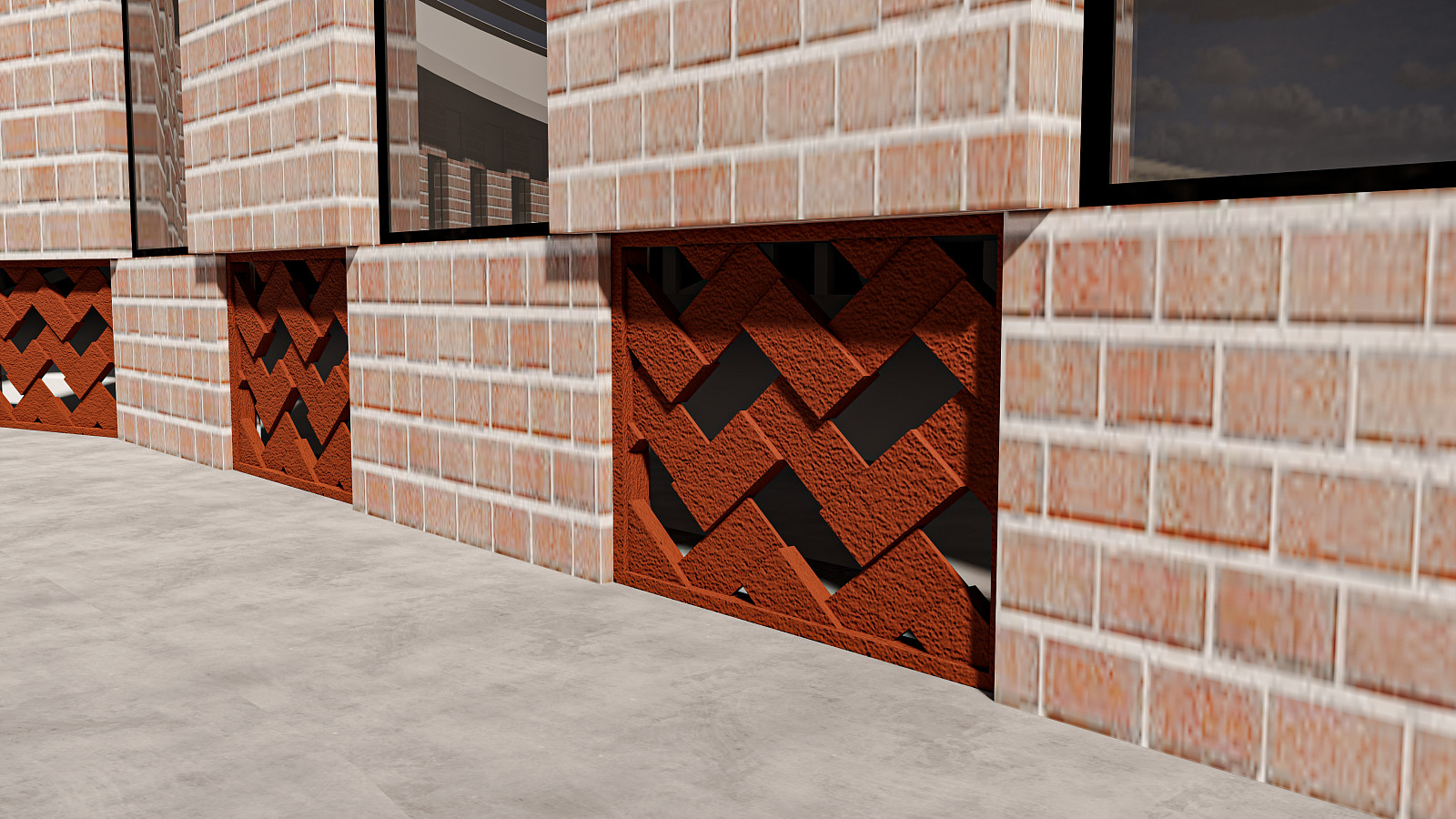
In terms of environmental control, natural daylight is introduced through a central atrium, combined with opening design and ventilation path planning to enhance indoor air circulation and respond to humid climate conditions.
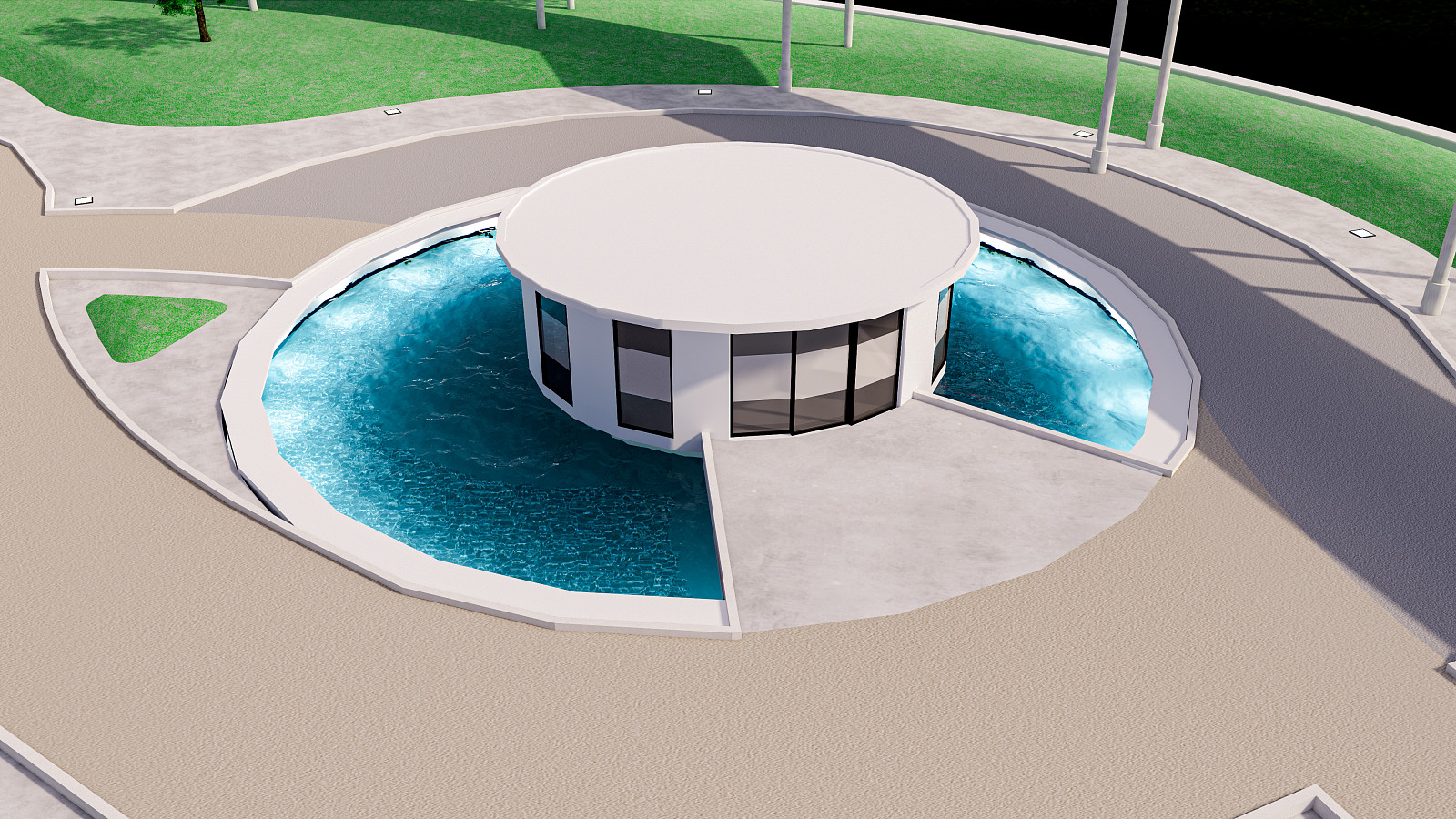
The spatial configuration emphasizes openness and multifunctionality. Through the integration of greenery and semi-outdoor transitional spaces, it strengthens the interaction between users and nature while balancing caregiving functions and environmental comfort.

Copyright © 2026 INSPIRELI | All rights reserved. Use of this website signifies your agreement to the Terms of Use, Privacy Policy, and use of cookies.
