The Archipelago — Interactive Science Museum


Project idea
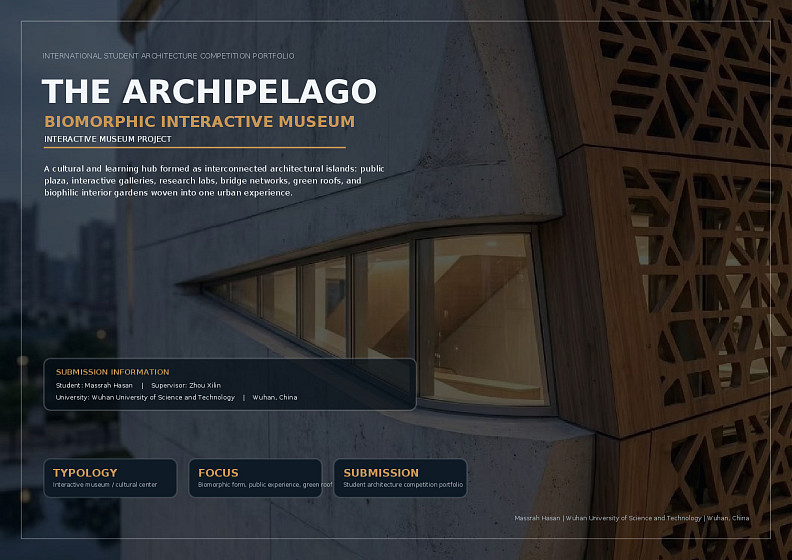
Museums today are powerful tools used by advanced nations to shape public thinking and transfer knowledge across generations. The idea behind The Archipelago challenges the traditional museum typology — no longer a static collection of objects, but a living urban ecosystem where people actively engage with the past, present, and future of human civilization. The project asks: what if a building could make people think?
Project description
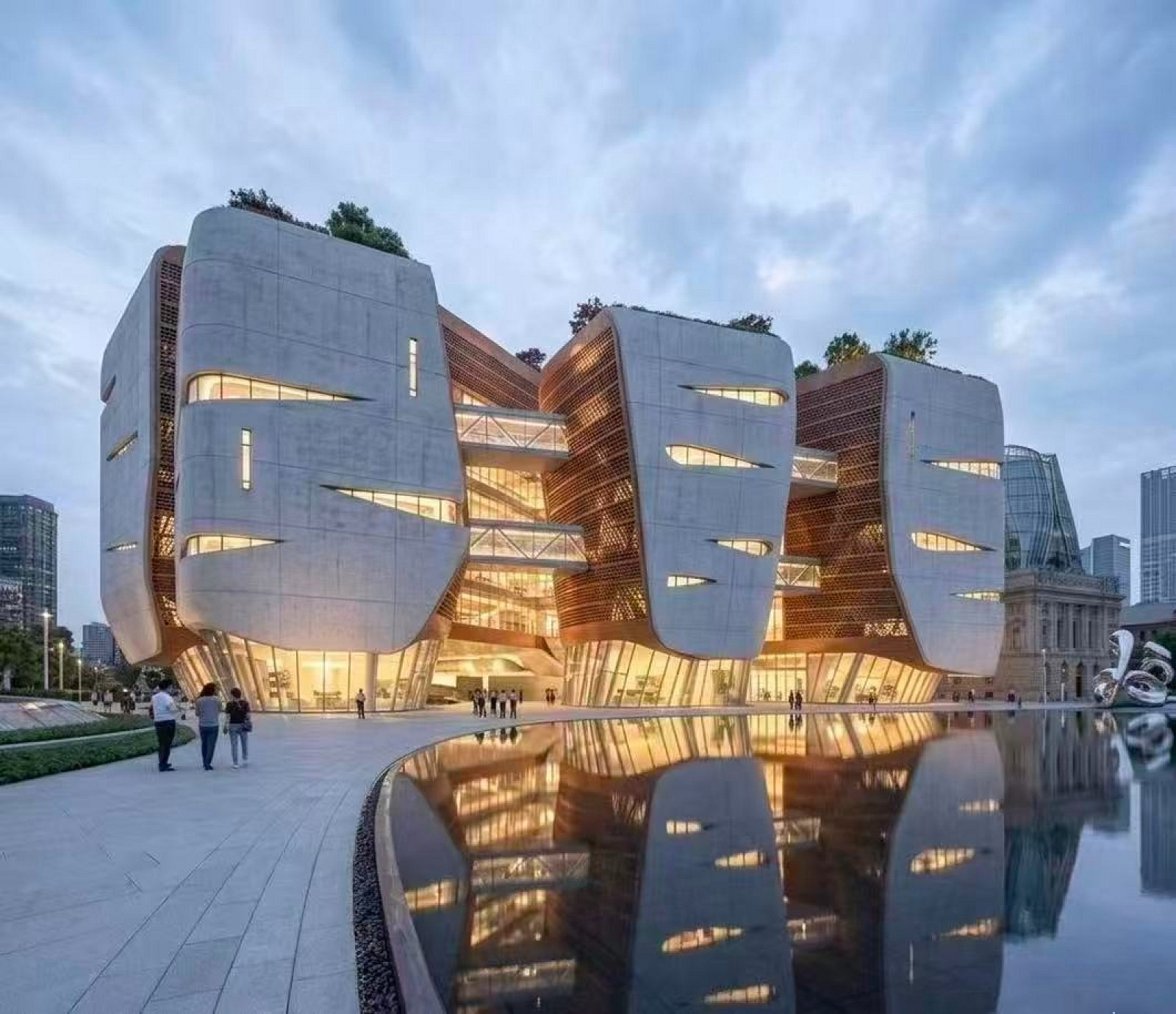
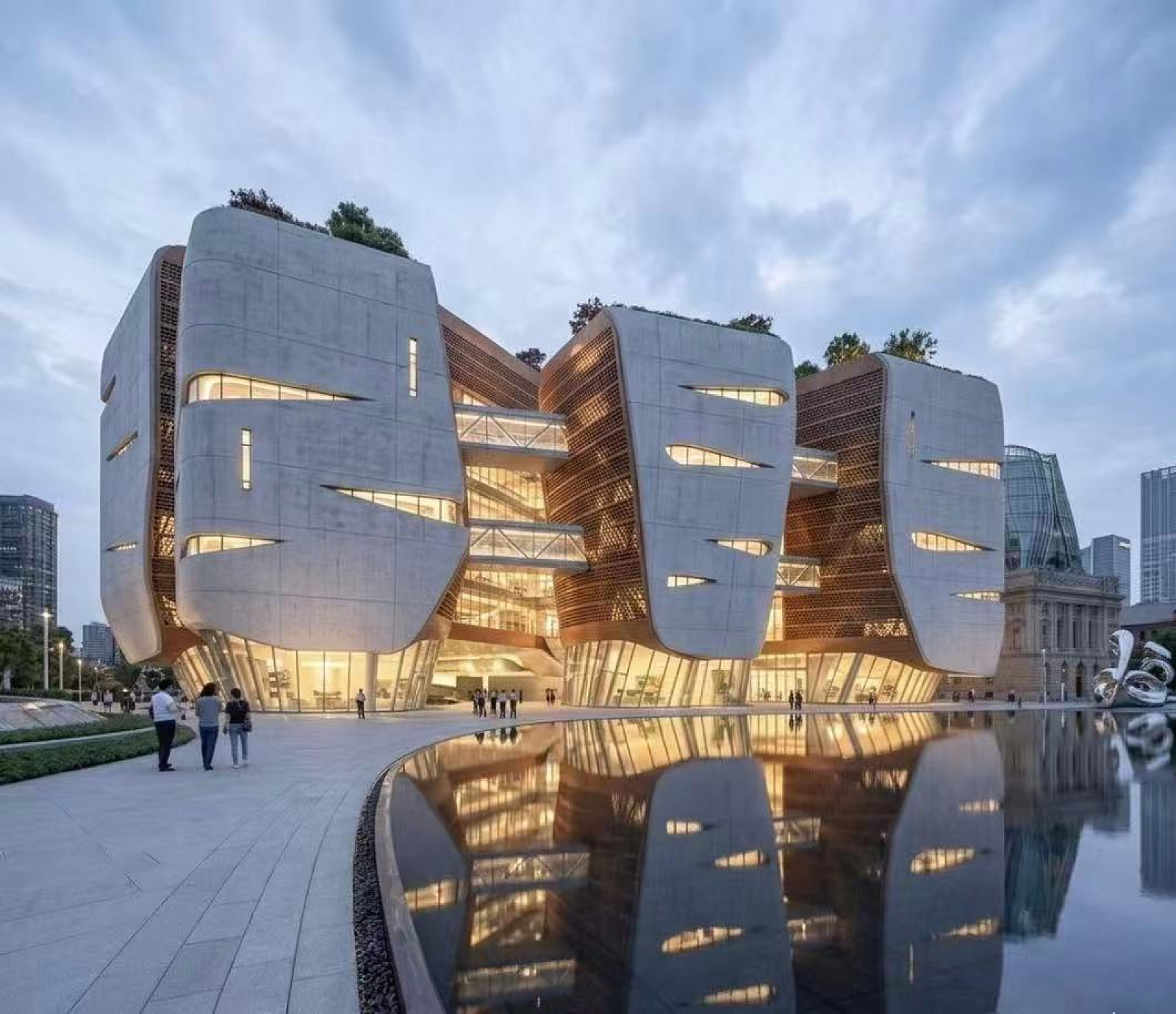
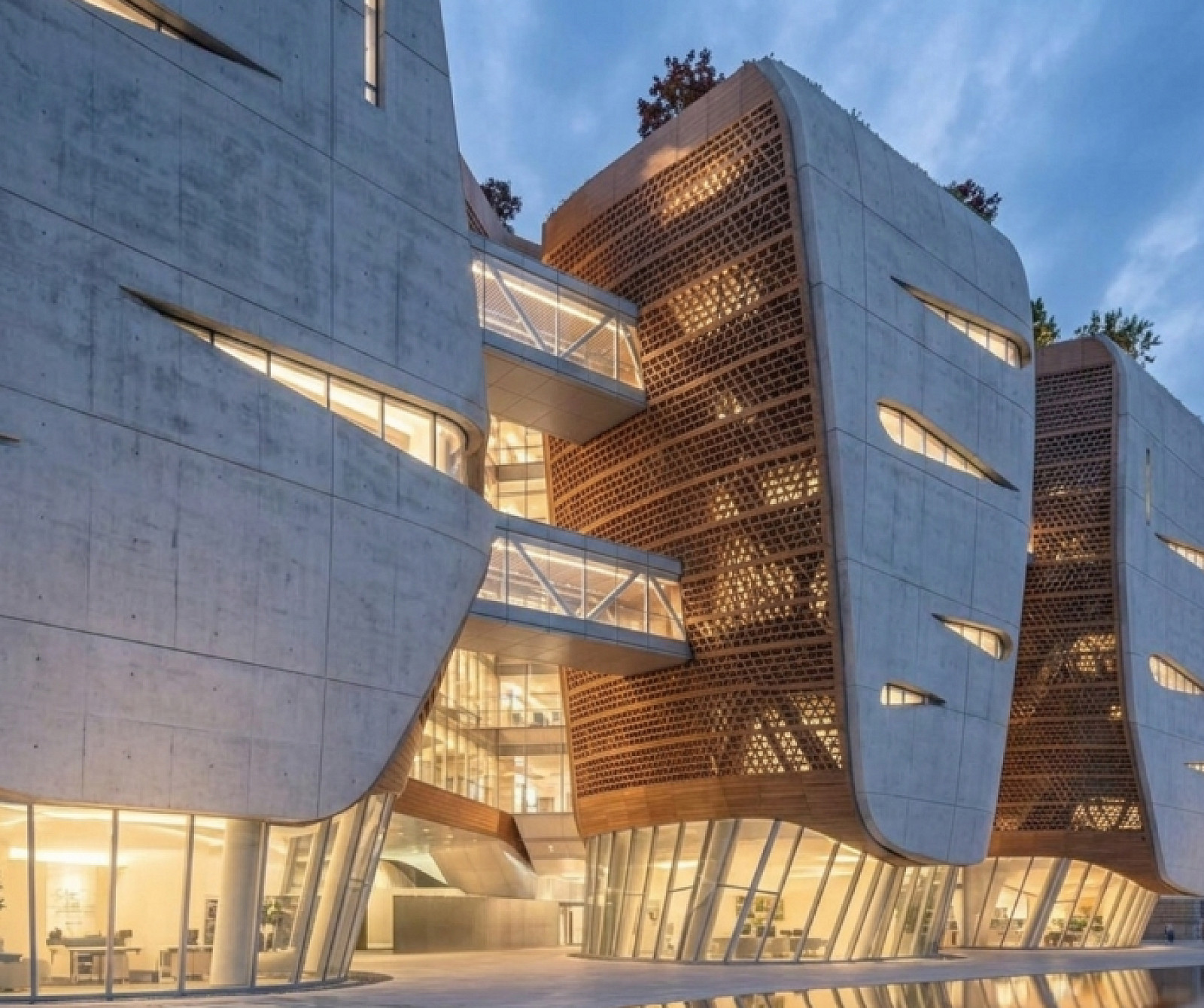
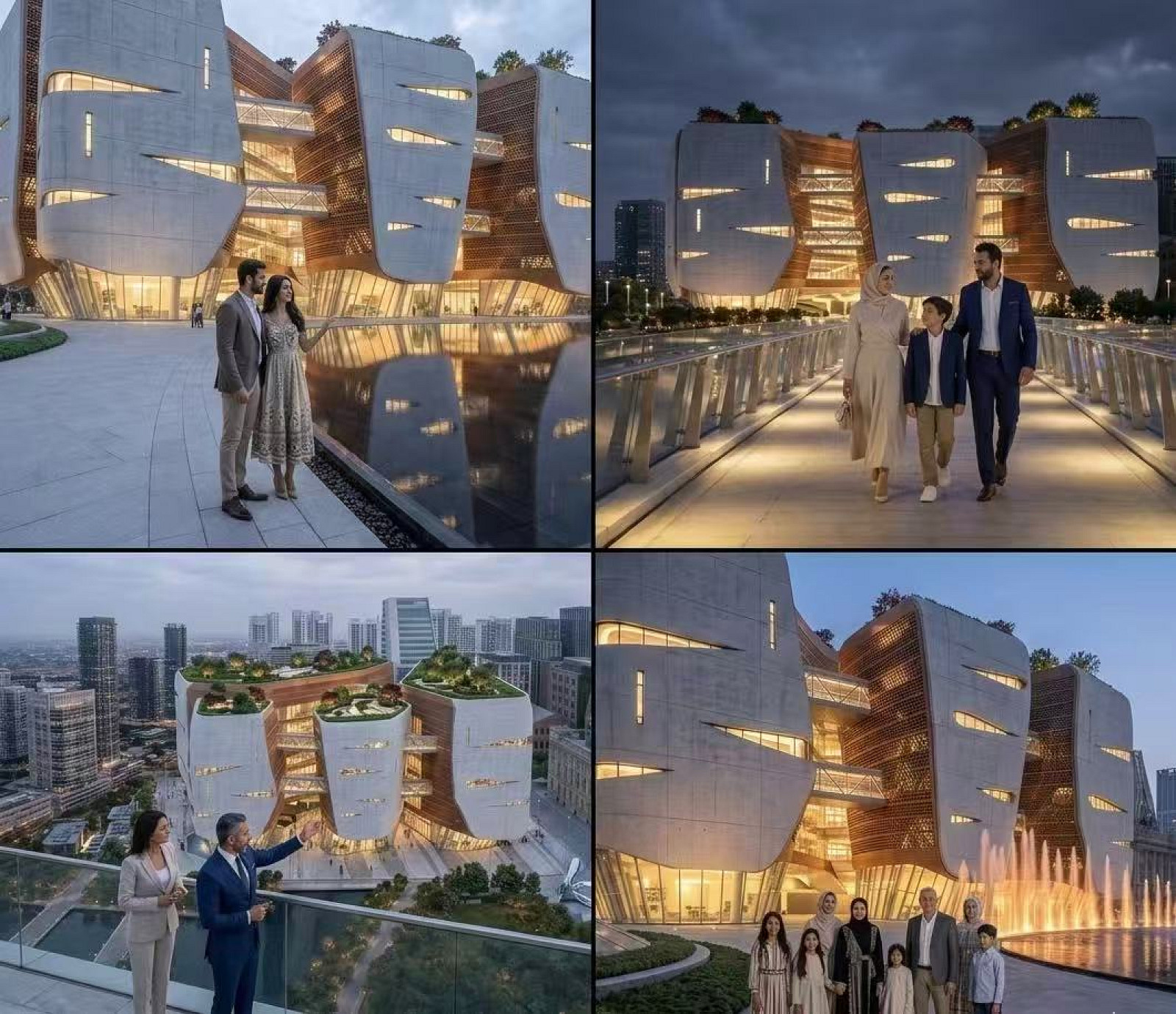
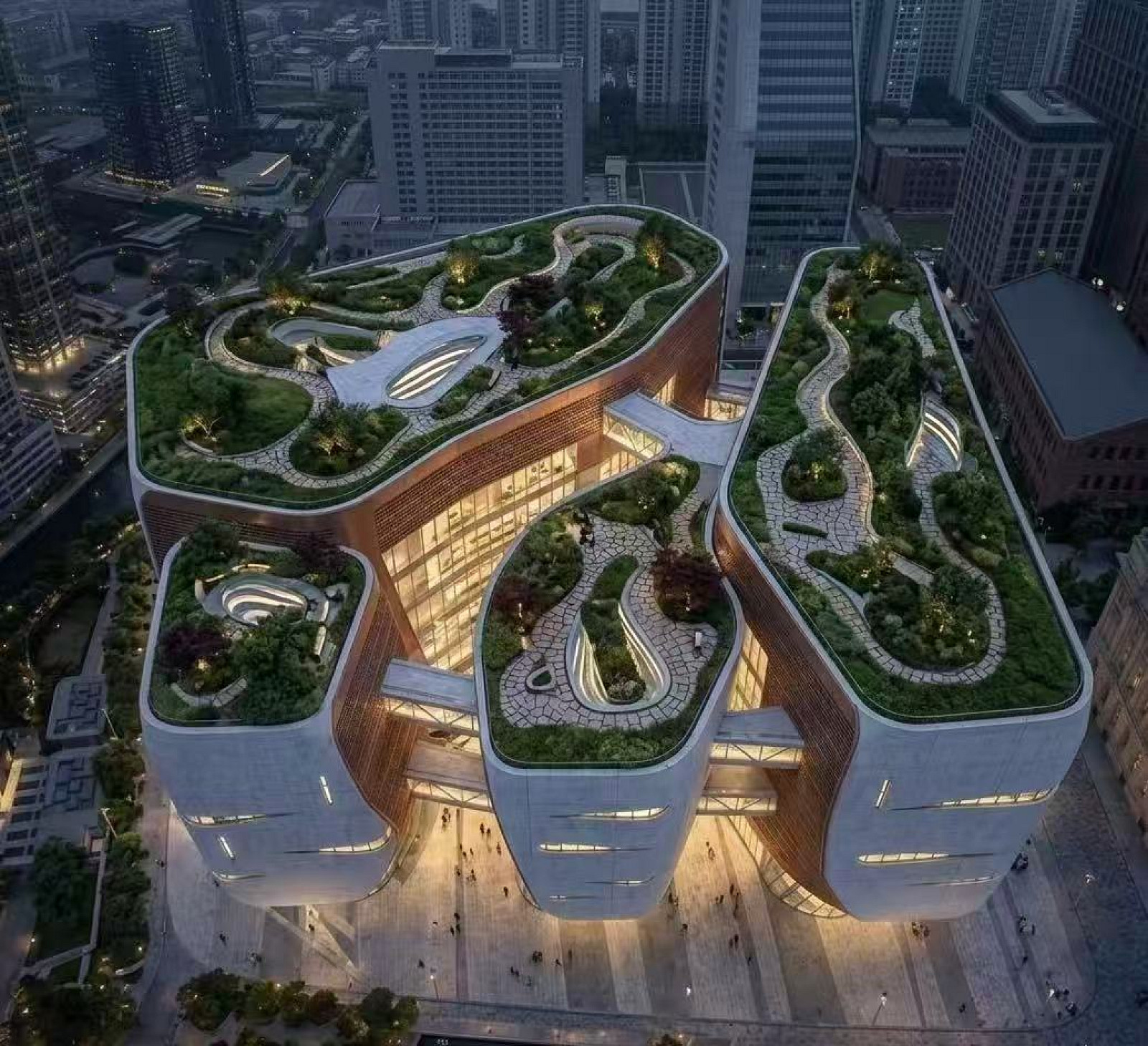
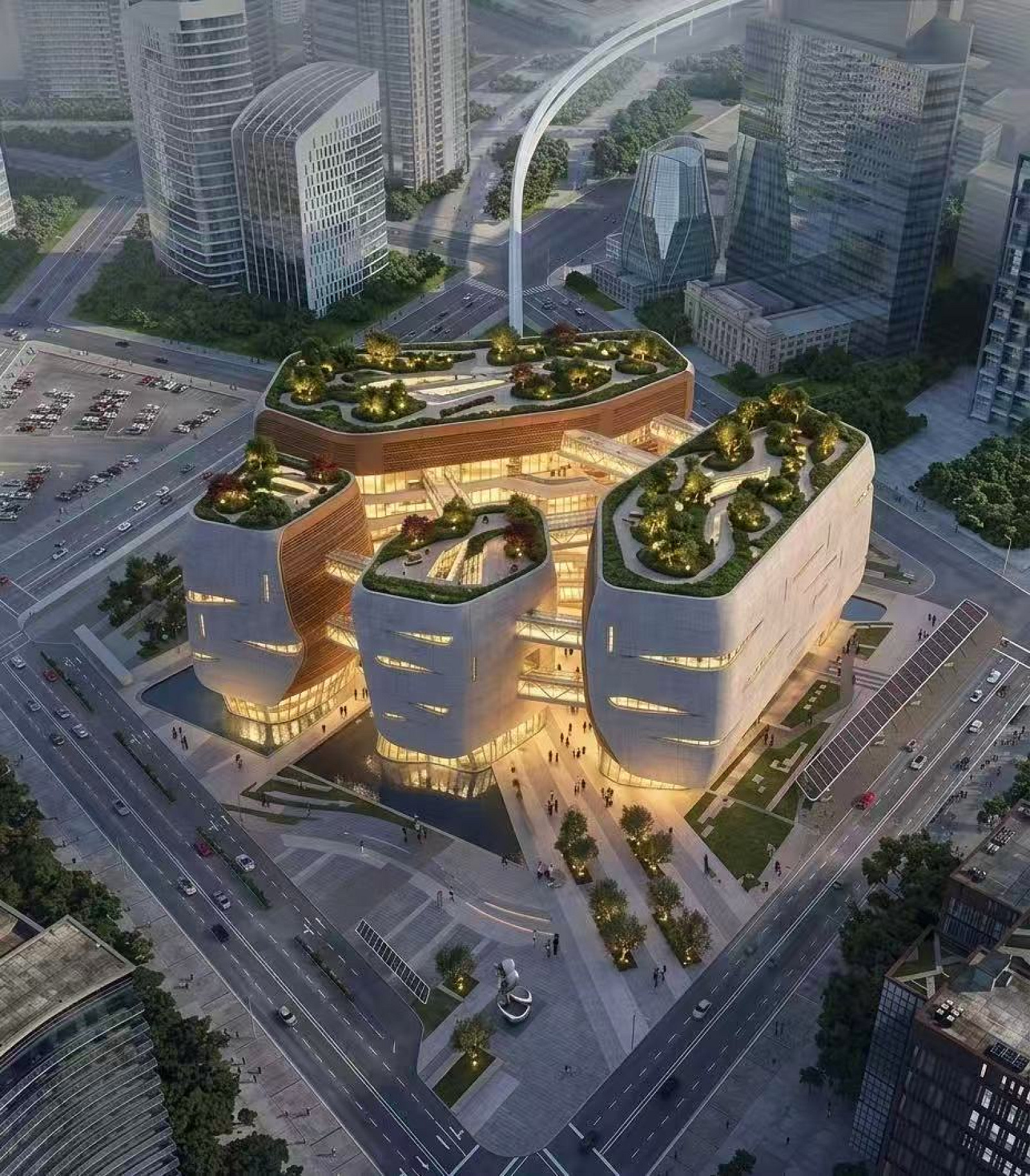
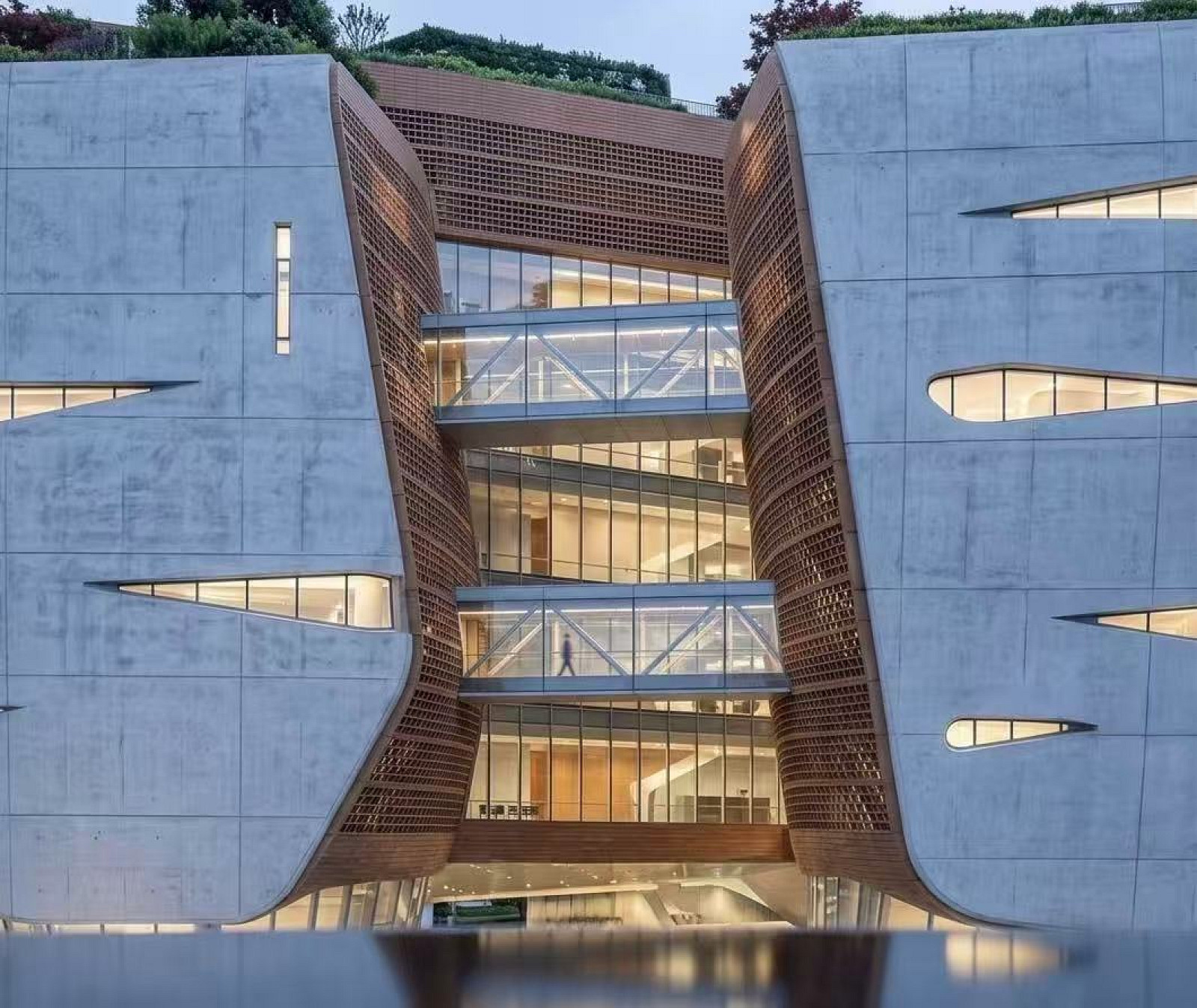
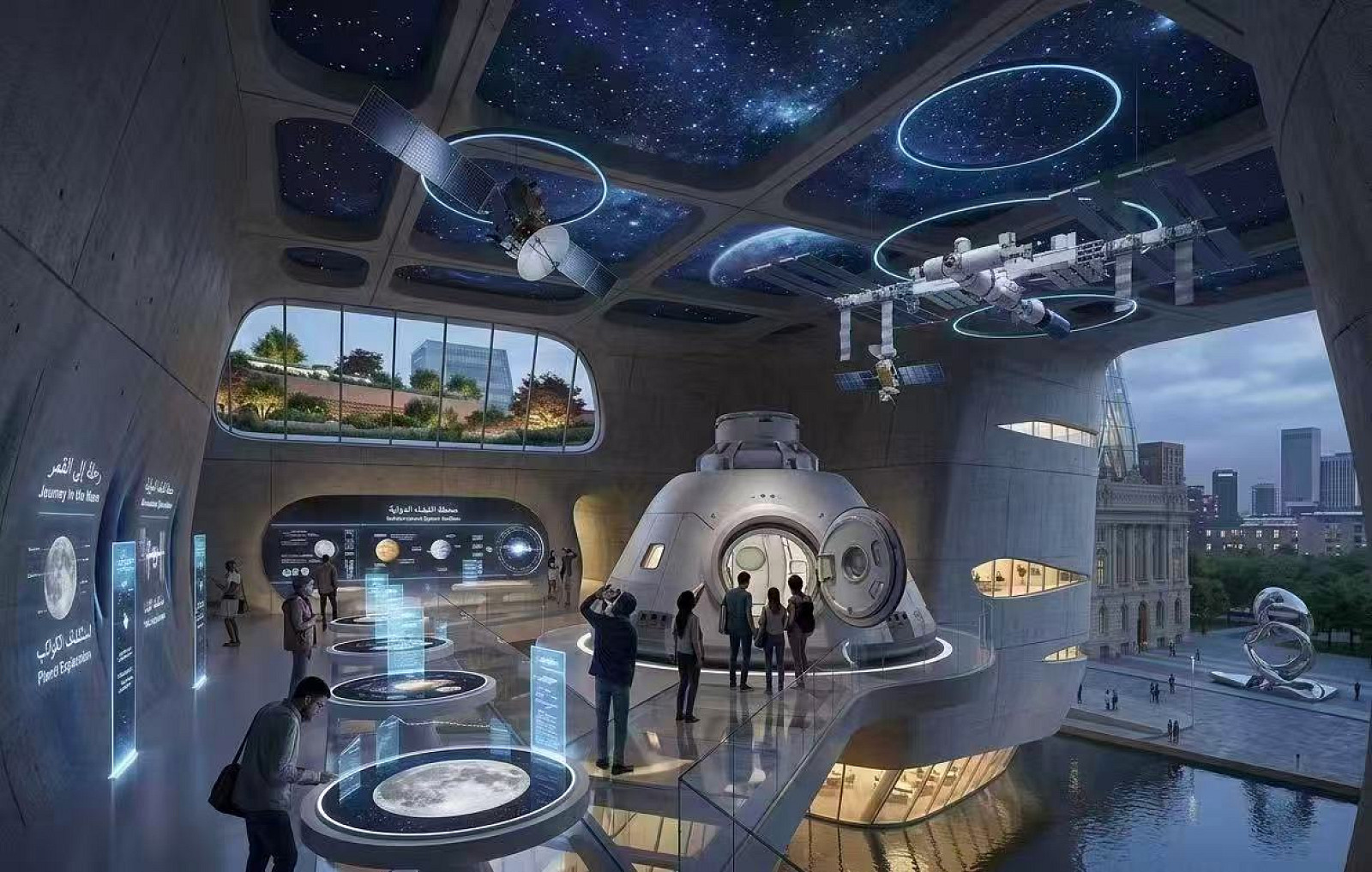
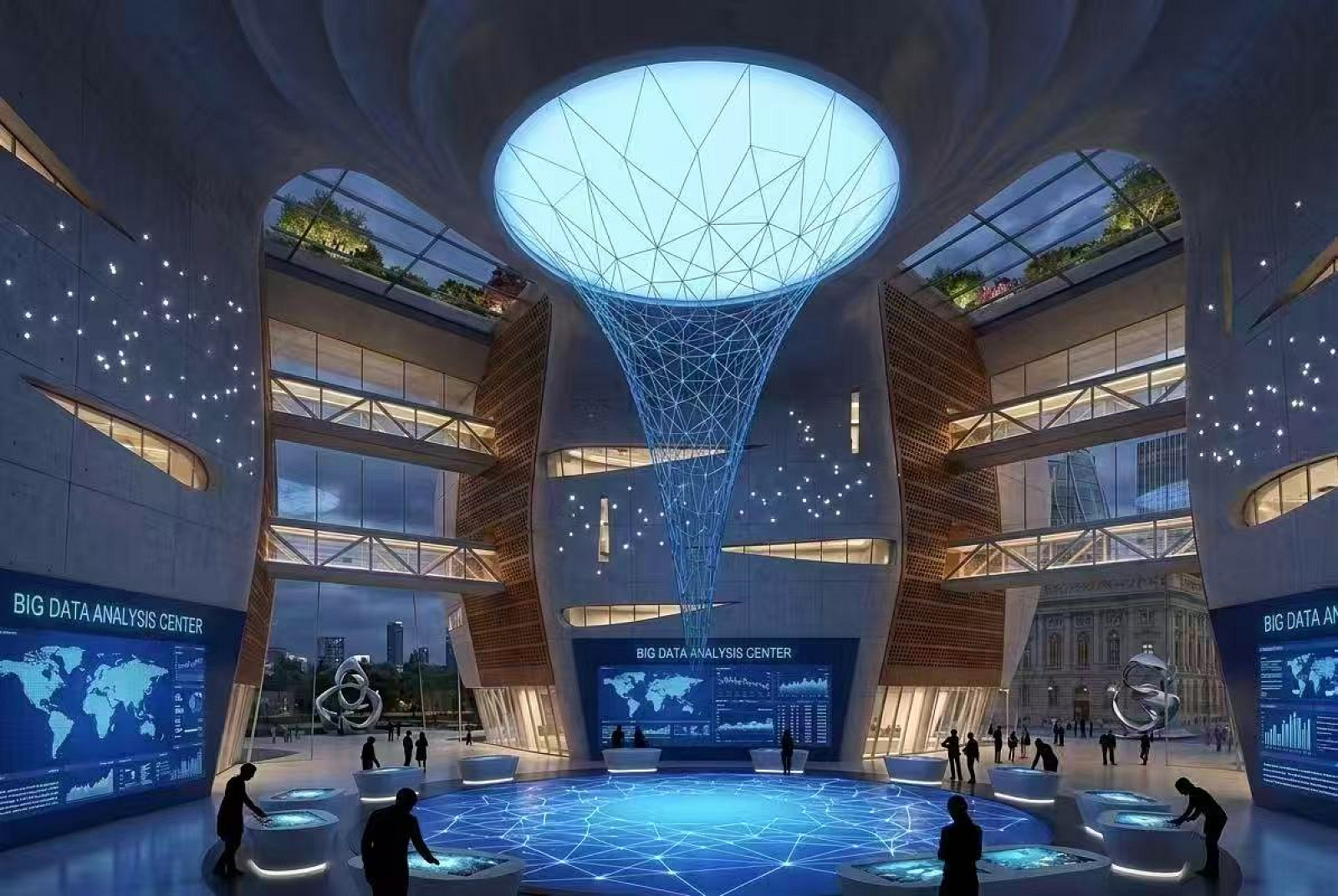
This project consists of three interconnected biomorphic volumes — architectural islands — linked by glazed bridges, shared interior voids, and accessible roof gardens. Main areas include: interactive science galleries, a space exploration hall, a big data analysis center, research laboratories, an auditorium, classrooms, and biophilic circulation corridors. The site incorporates a reflective water edge, public plaza, and extensive roof landscape accessible to all visitors.
Technical information
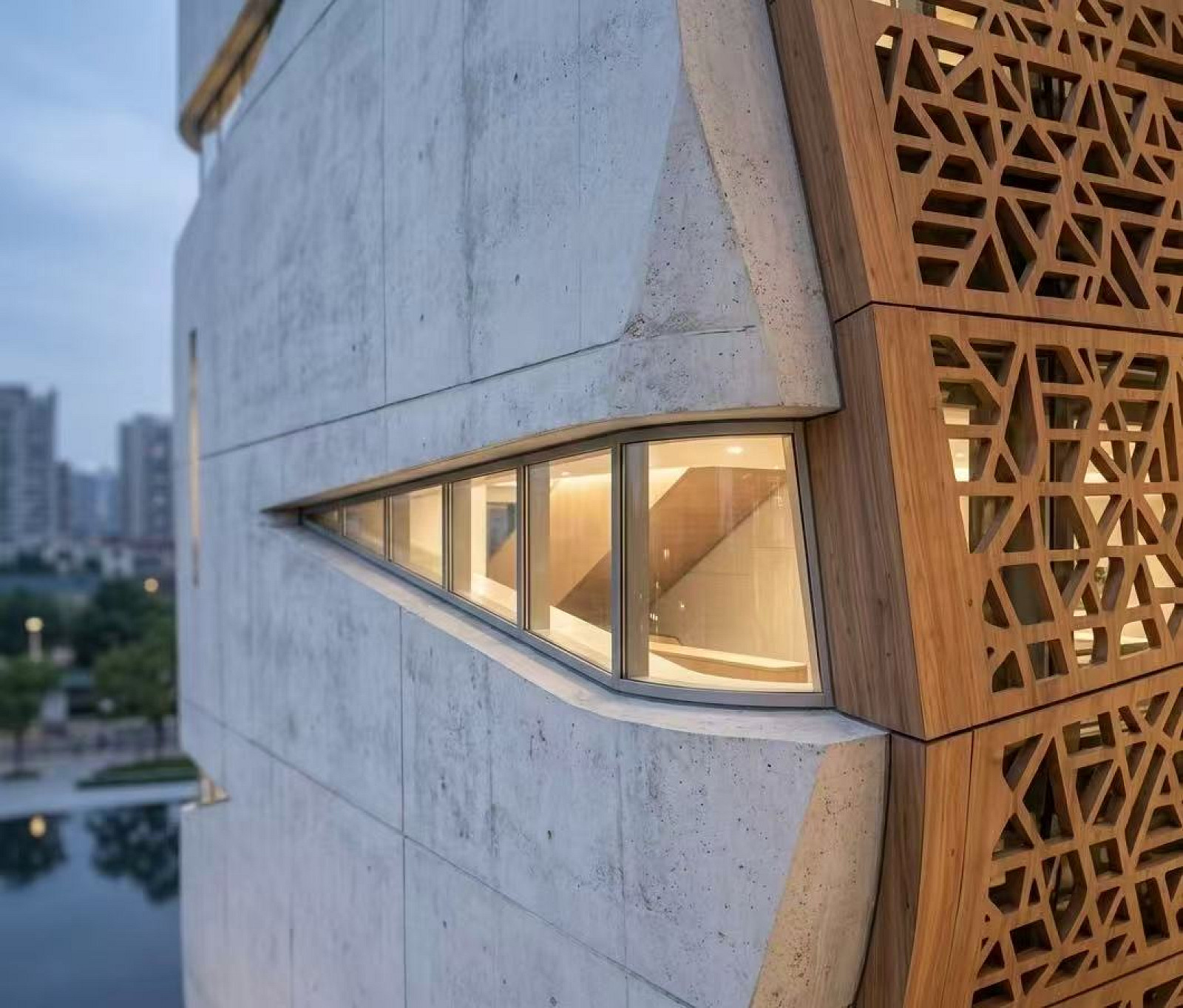
The construction system uses load-bearing concrete shell walls with post-tensioned roof slabs and cantilever canopy elements. The facade combines in-situ concrete panels with warm patterned timber screen cladding and high-performance glazing. Glass bridges between blocks use steel box girder connections with pin joints. The roof build-up includes waterproofing membrane, thermal insulation, drainage layer, cultivation substrate, and vegetation layer. Foundation system uses Ø900mm cased piles with reinforced pile caps.
Documentation

Copyright © 2026 INSPIRELI | All rights reserved. Use of this website signifies your agreement to the Terms of Use, Privacy Policy, and use of cookies.