ANAKBANWA Café: Adaptive Reuse of the Old PNR Dagupan Station


Project idea
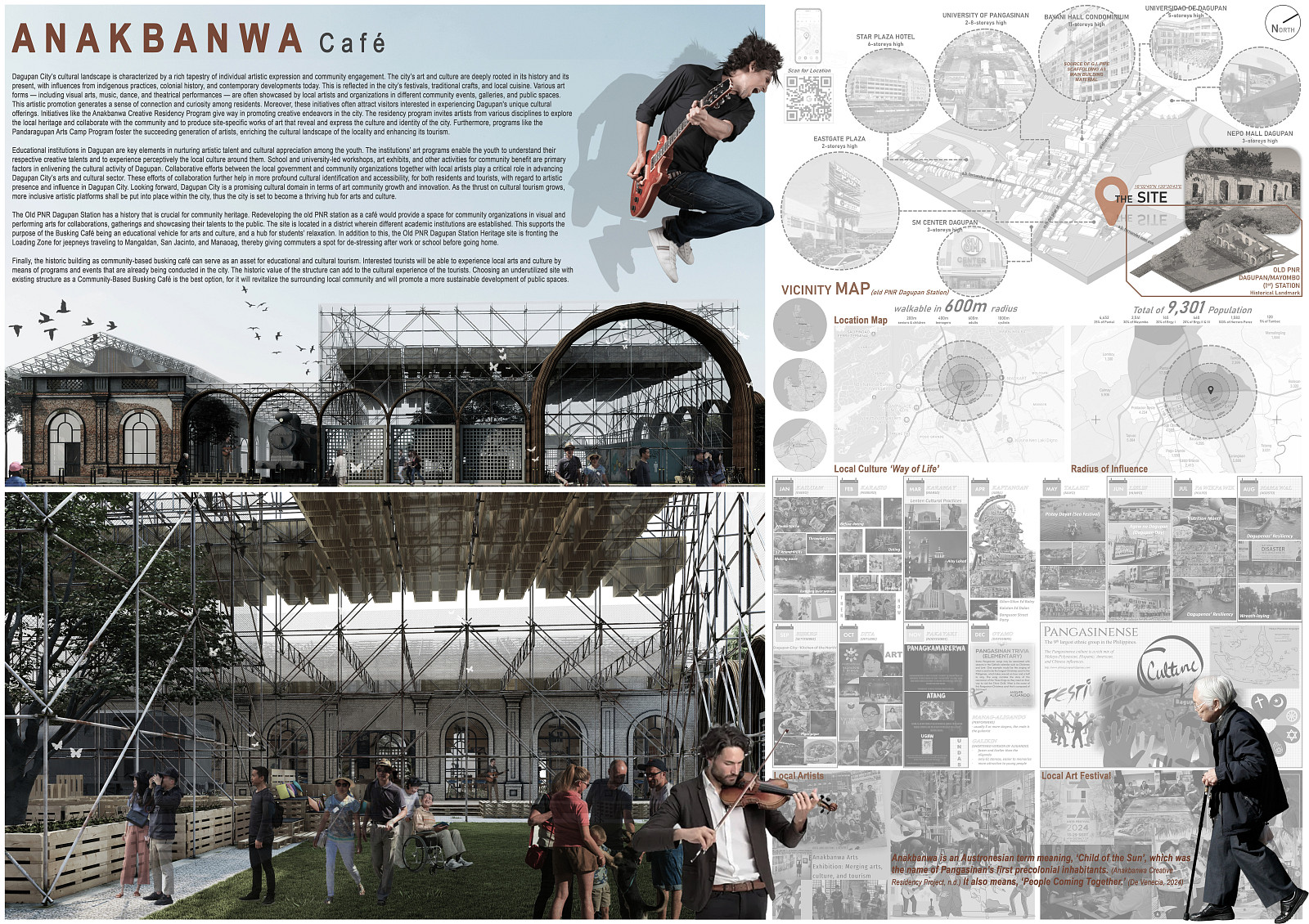
The project is for the local artist community of Dagupan City and Pangasinan in various art forms — visual arts, music, dance, and theatrical performances, who lack exposure and priority in local developments. This community wants to have a home they can call and connect with the people, but the problem is that they have no place to stay aside from their own homes. So the idea is to create a space, not entirely newly-built, but an existing underutilized site and building that can be reused as a local art community café — with exhibits, pop-ups, and performance platforms.
Dagupan City is known for its number of existing heritage sites — declared and undeclared, that are abandoned, dilapidated, and underutilized. So instead of building new structures on open lands, these heritage sites and buildings will be given new life, not only to revitalize the area, but also to provide opportunities to unappreciated communities.
Project description
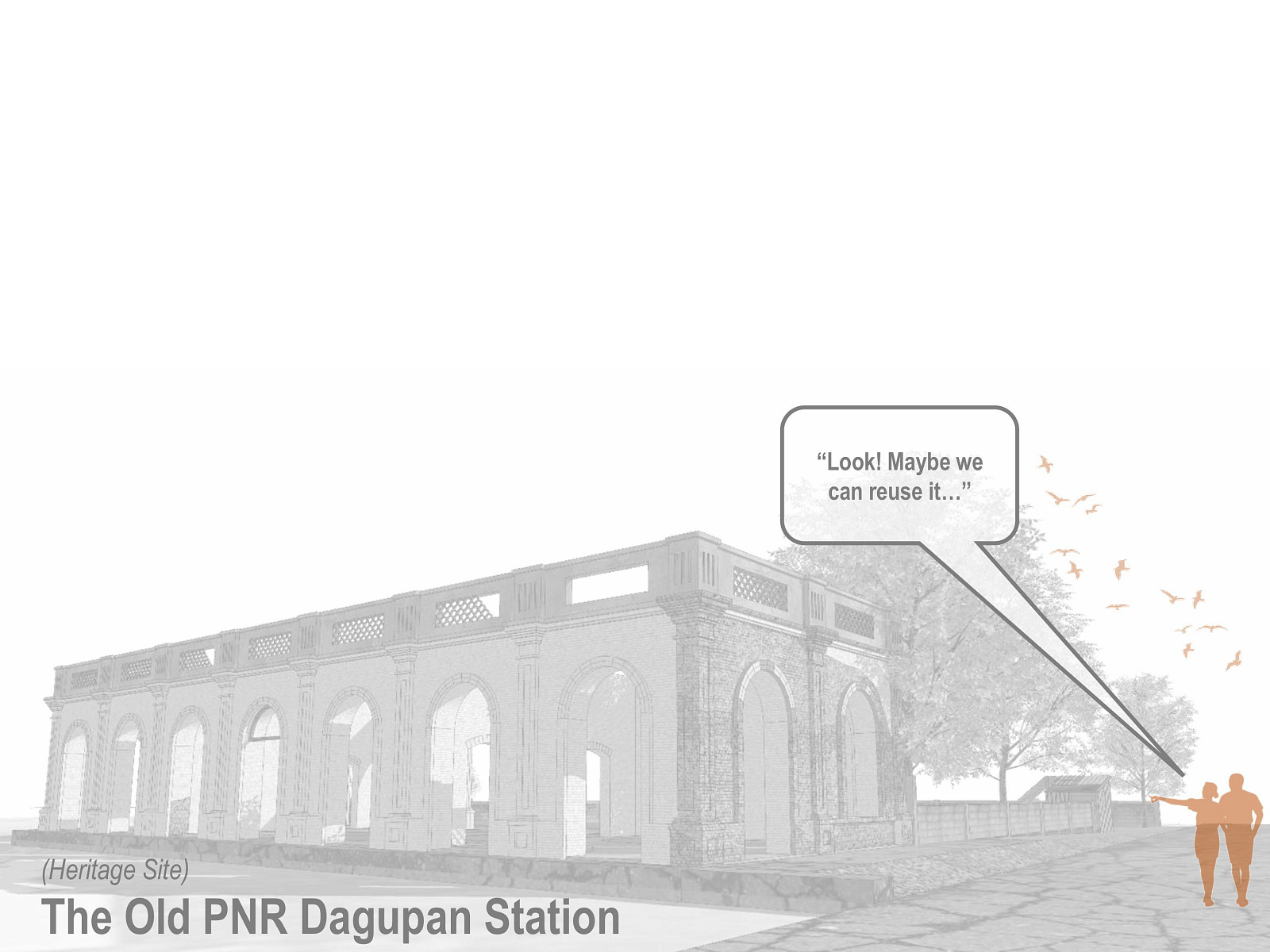
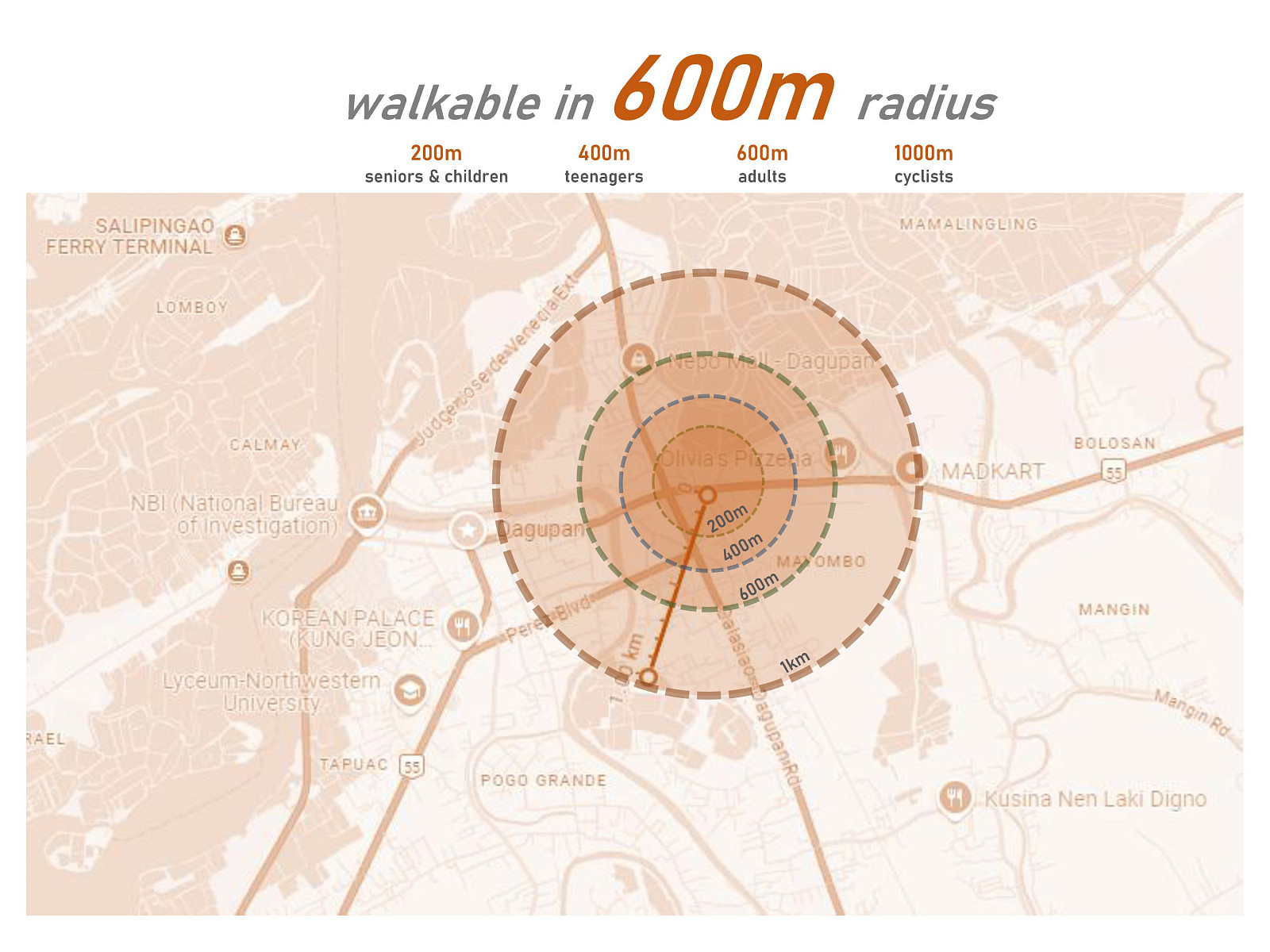
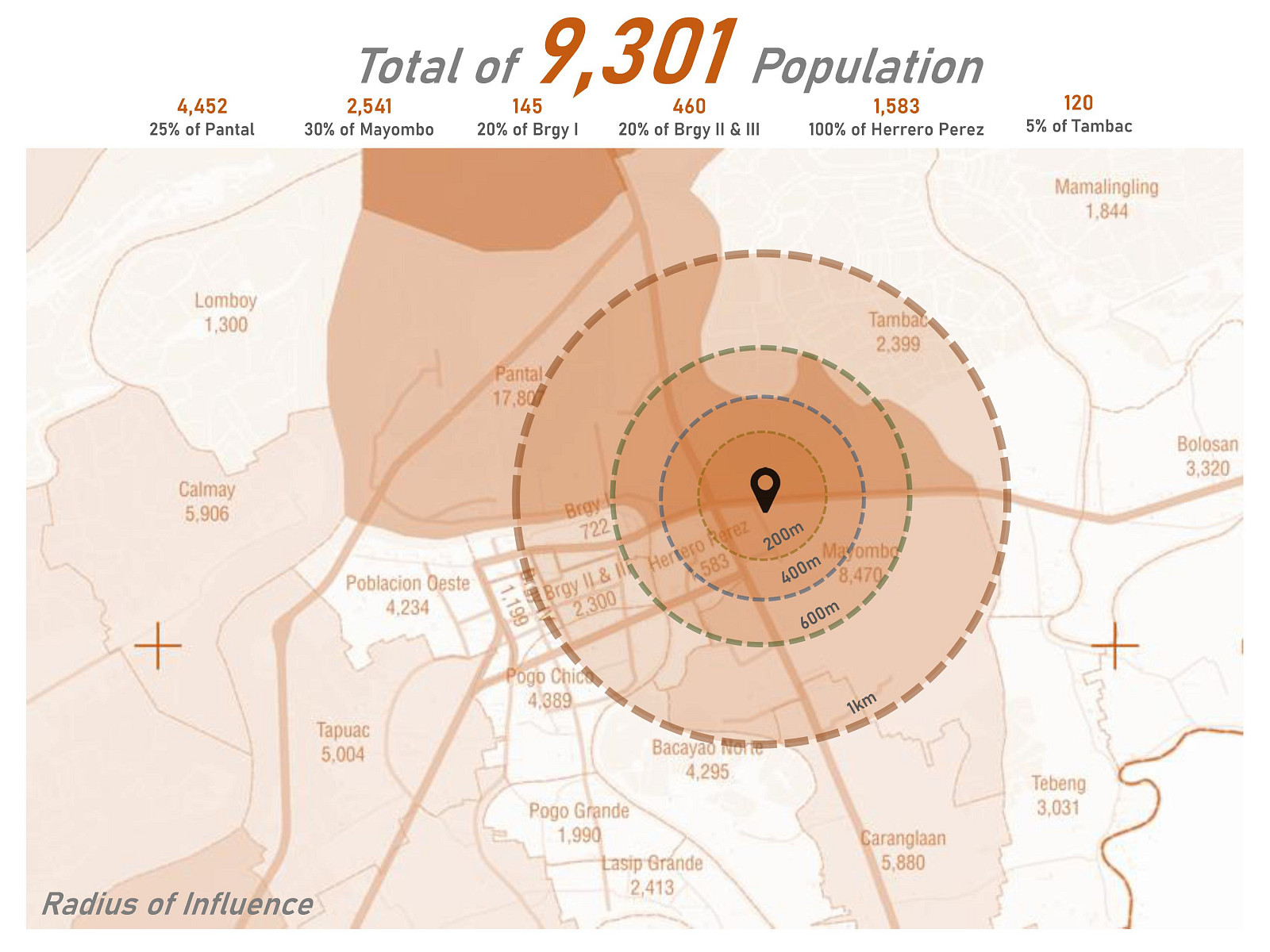
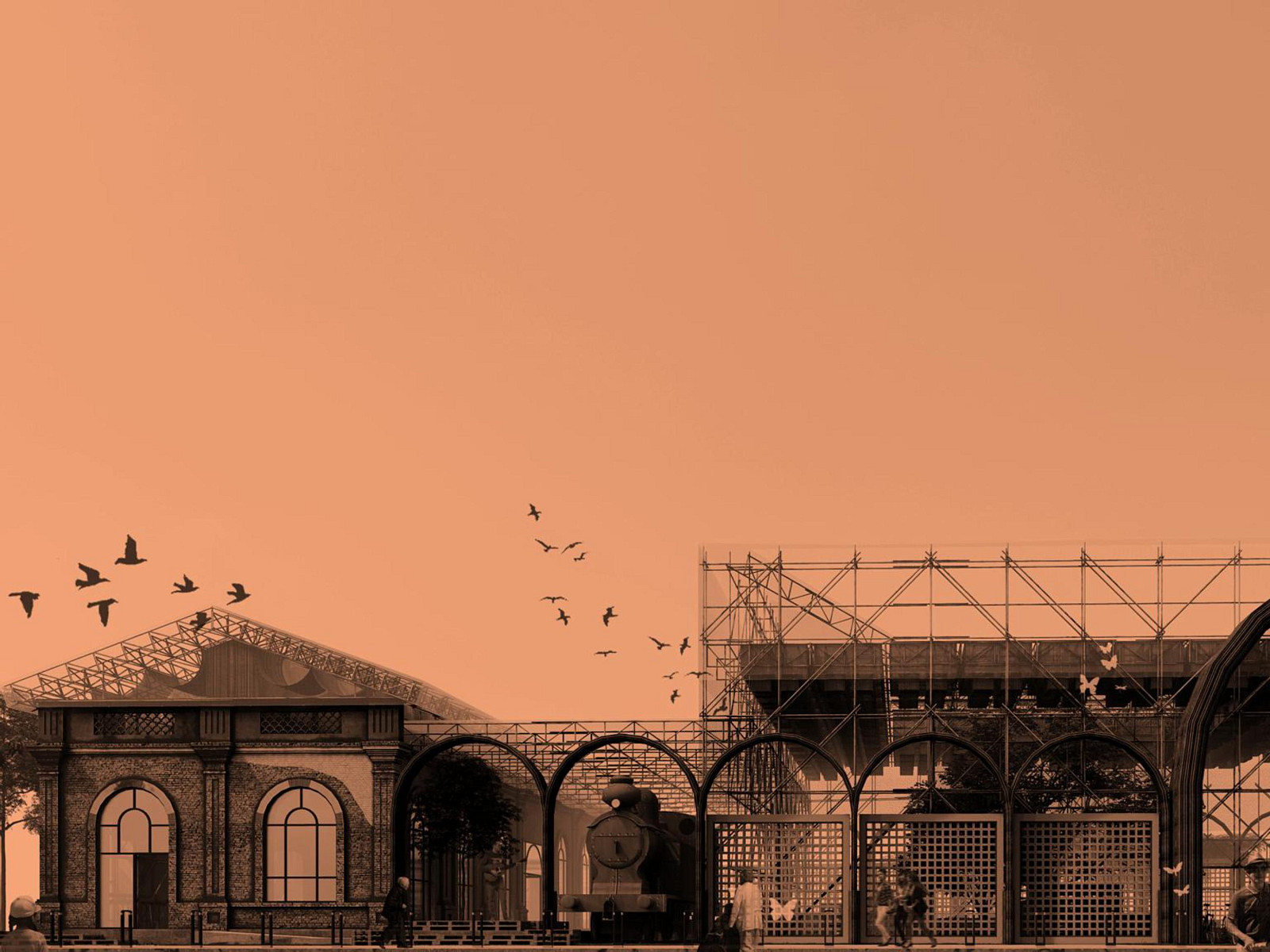
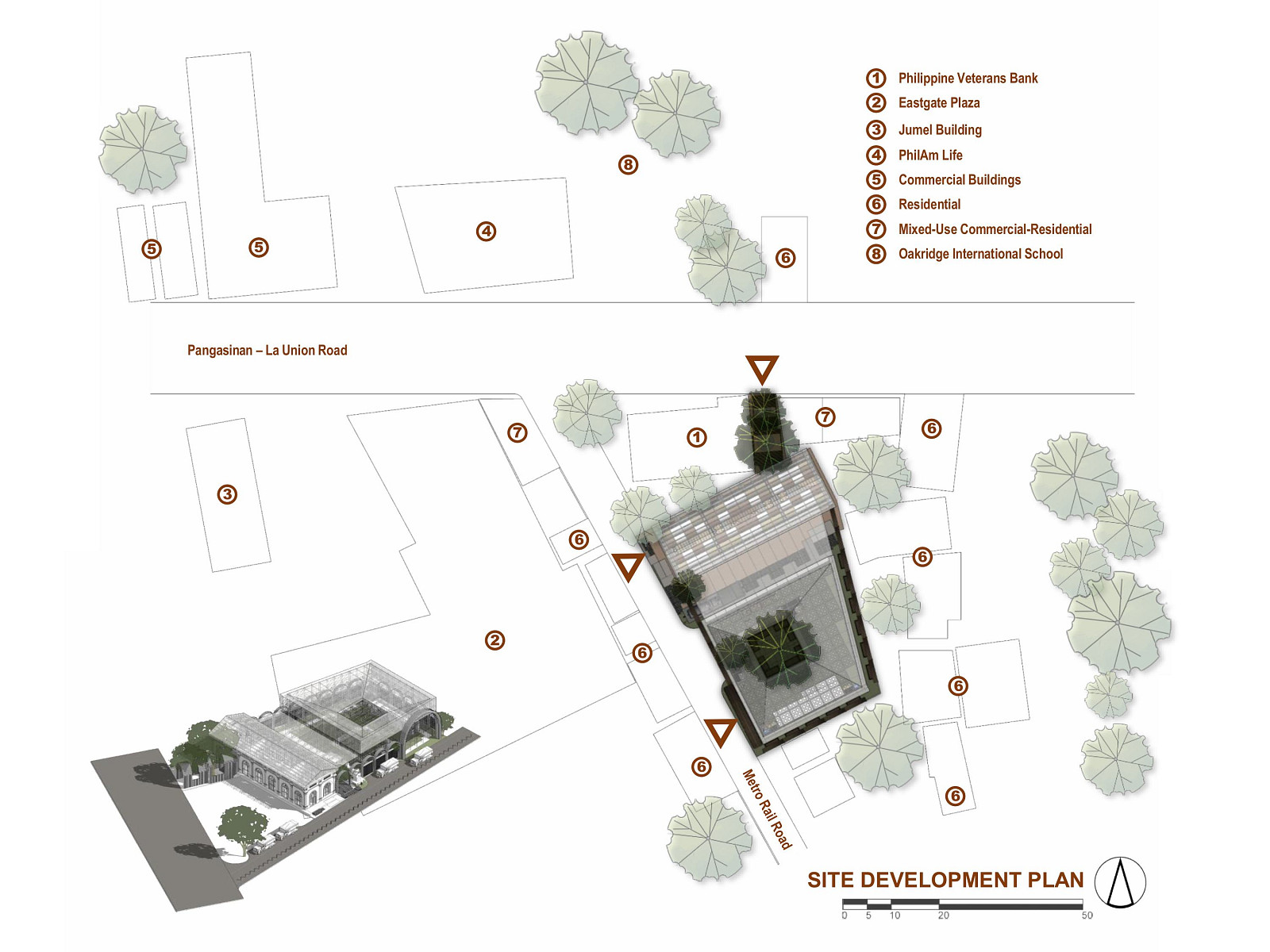
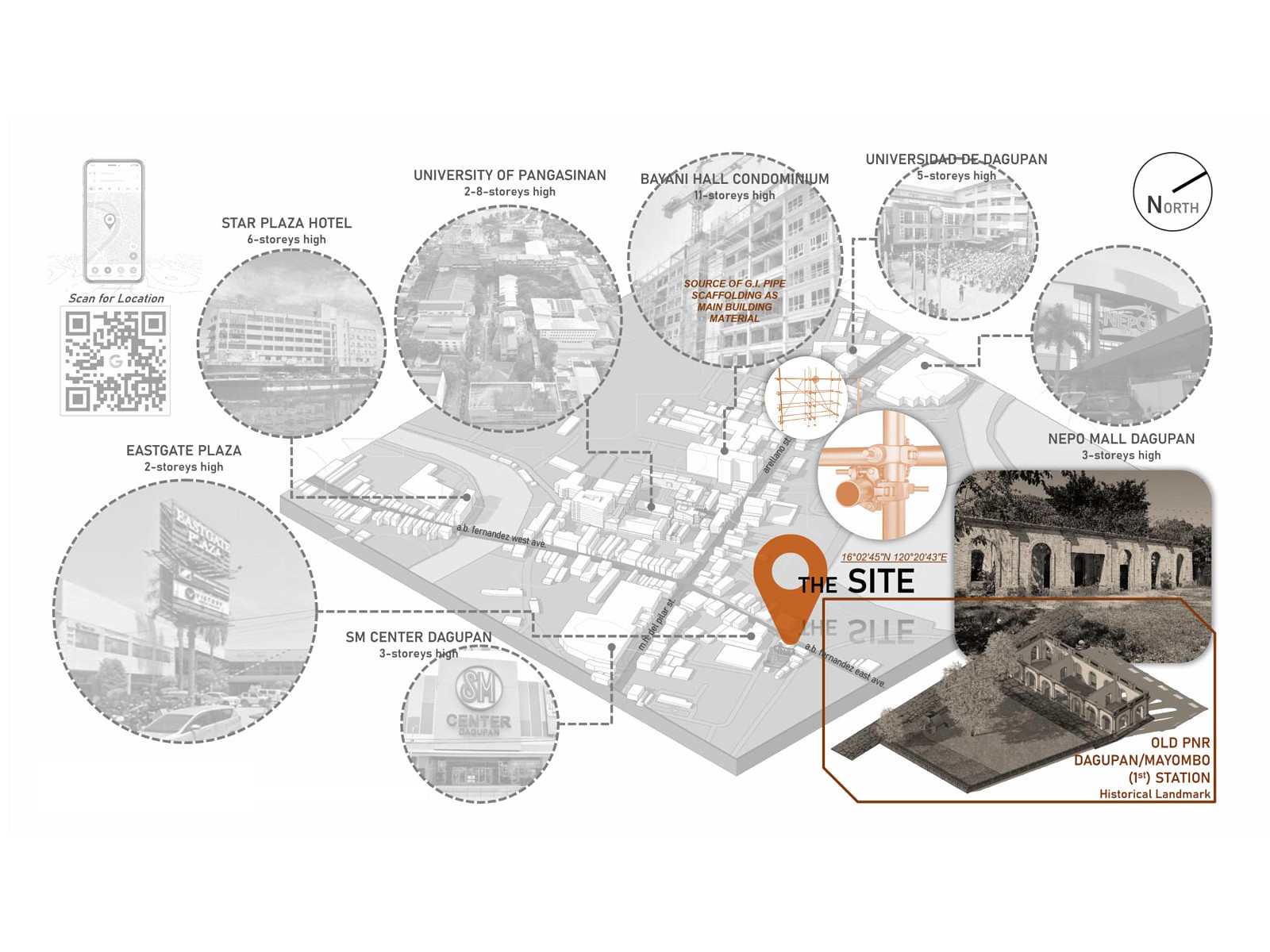
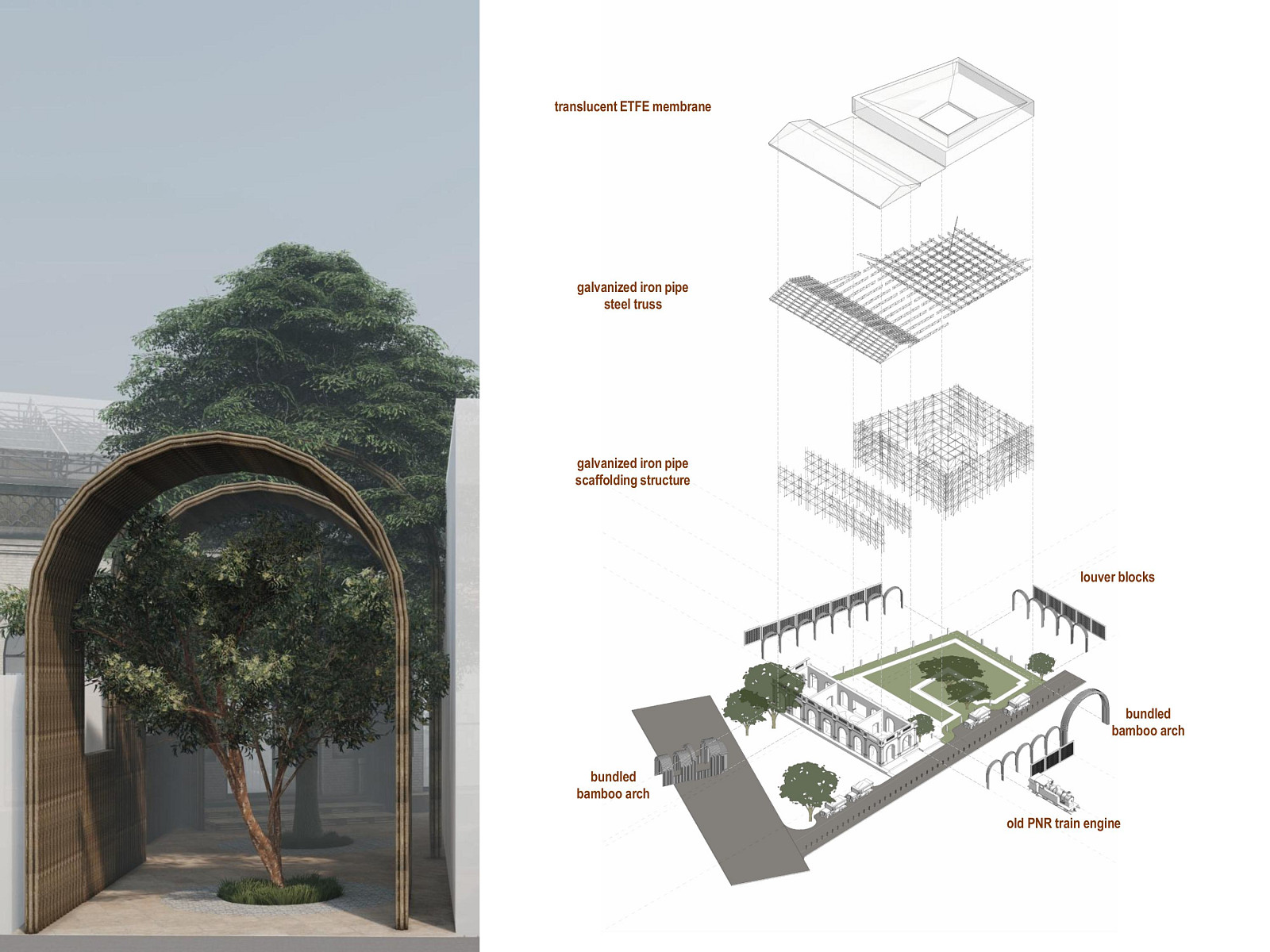
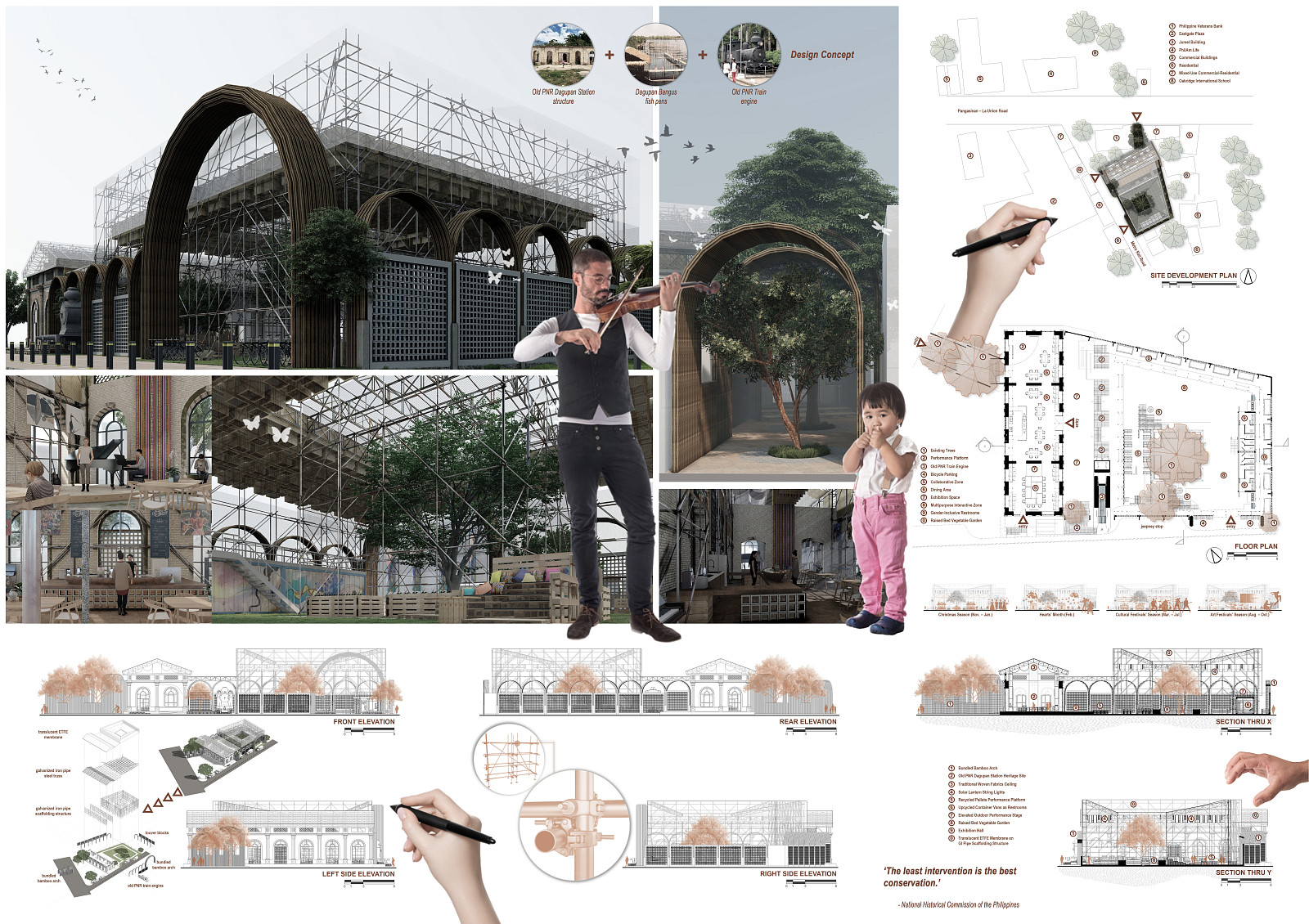
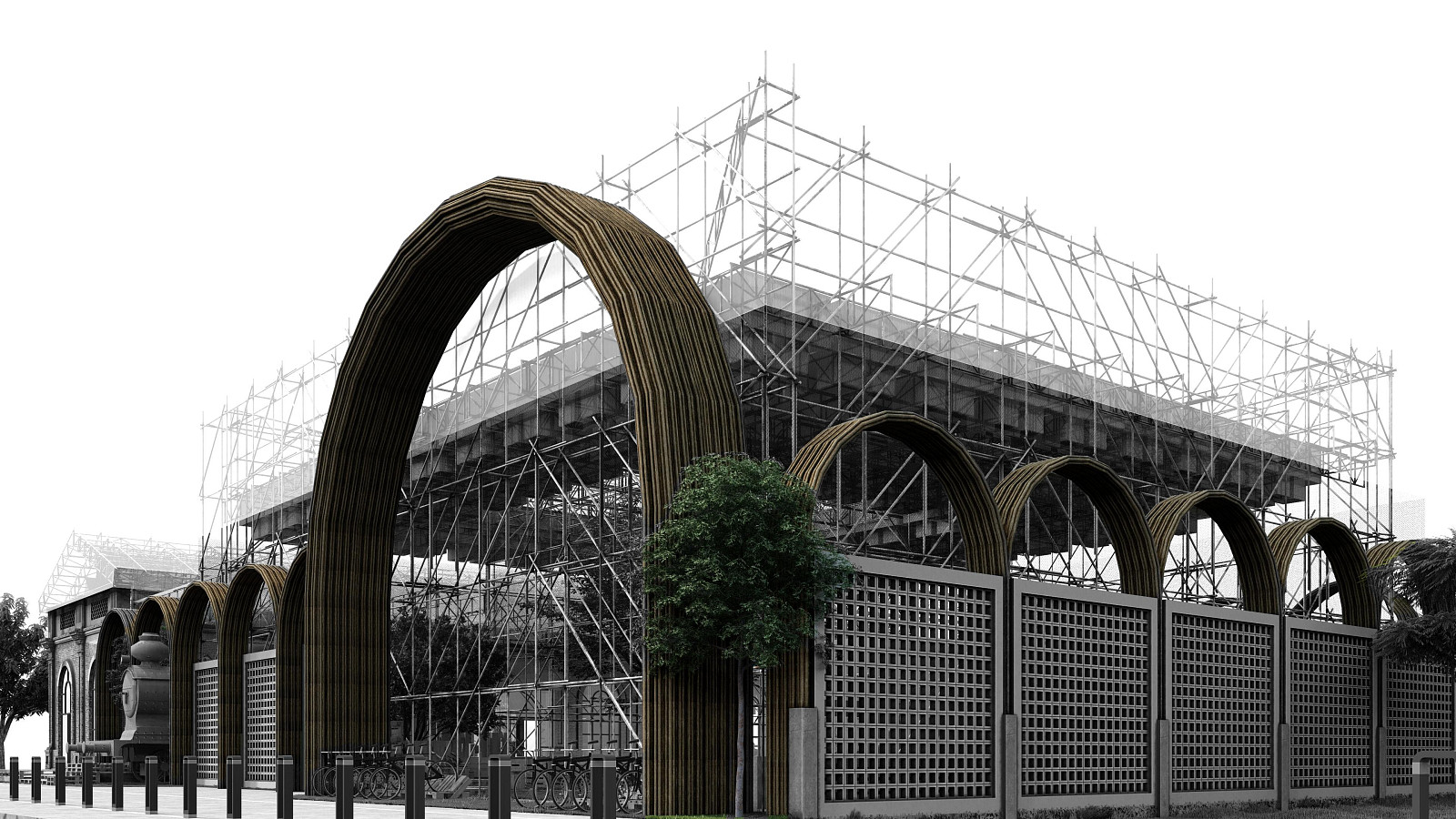
The Old PNR (Philippine National Railways) Dagupan/Mayombo (1st) Station is selected from the series of site selections and analyses due to its proximity to nearby educational institutions, shopping centers, commercial buildings, road networks, and major public transportation. Even though it is located within these areas, it is not visible to the public; aside from being abandoned, dilapidated, and underutilized, several buildings surround it, blocking the view from the major roads. The intervention, then, for the only alley left that can connect from the main road to the heritage site, is constructed with a barrel vault-style bundled bamboo arch. This will be highly visible to the people traversing along the road, making them curious, thinking in the back of their minds, "What can I see if I enter that welcoming entrance?" This is how art stimulates us, and this is how curiosity can lead the public to visit this new place for the local artist community.
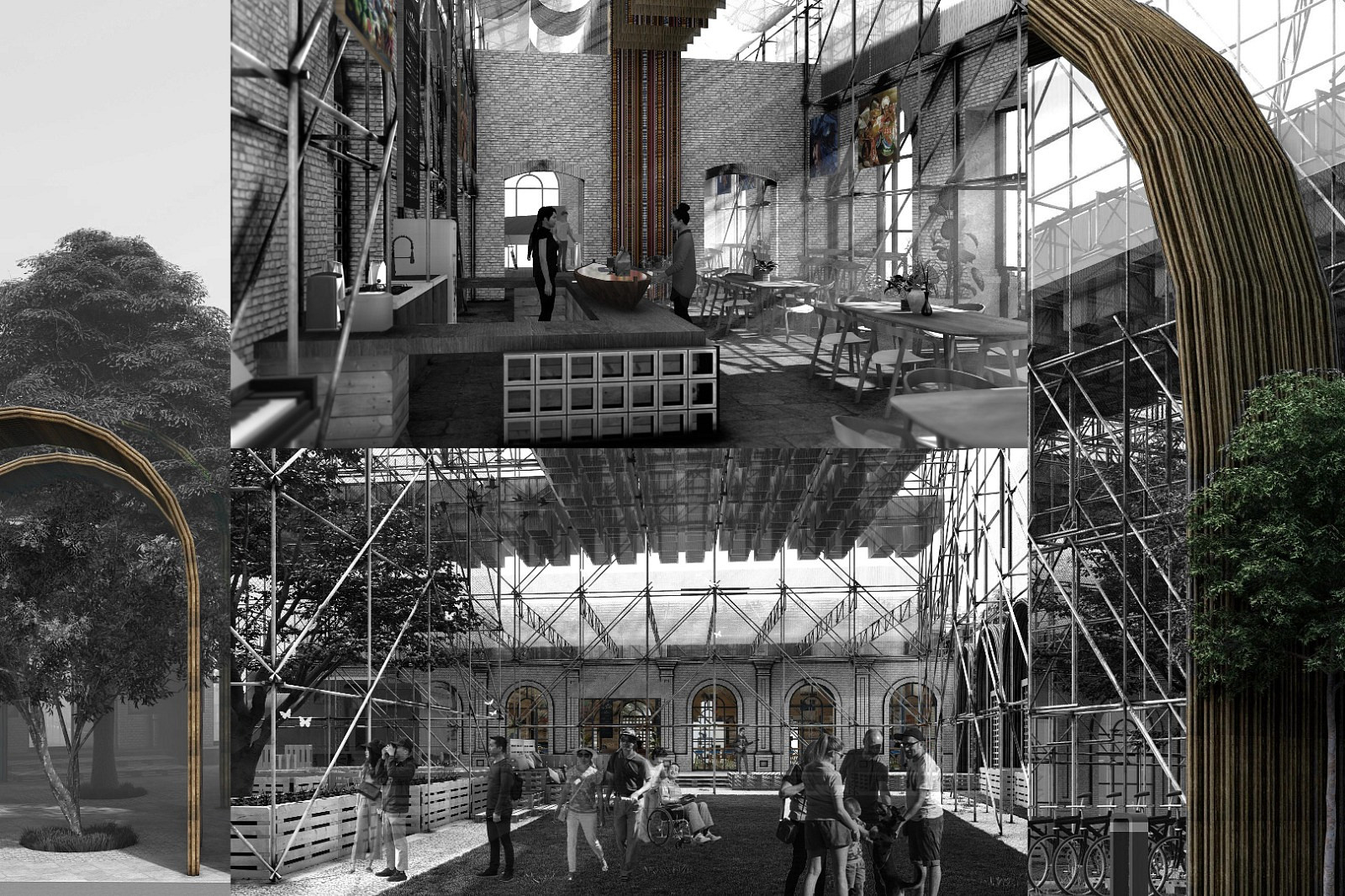
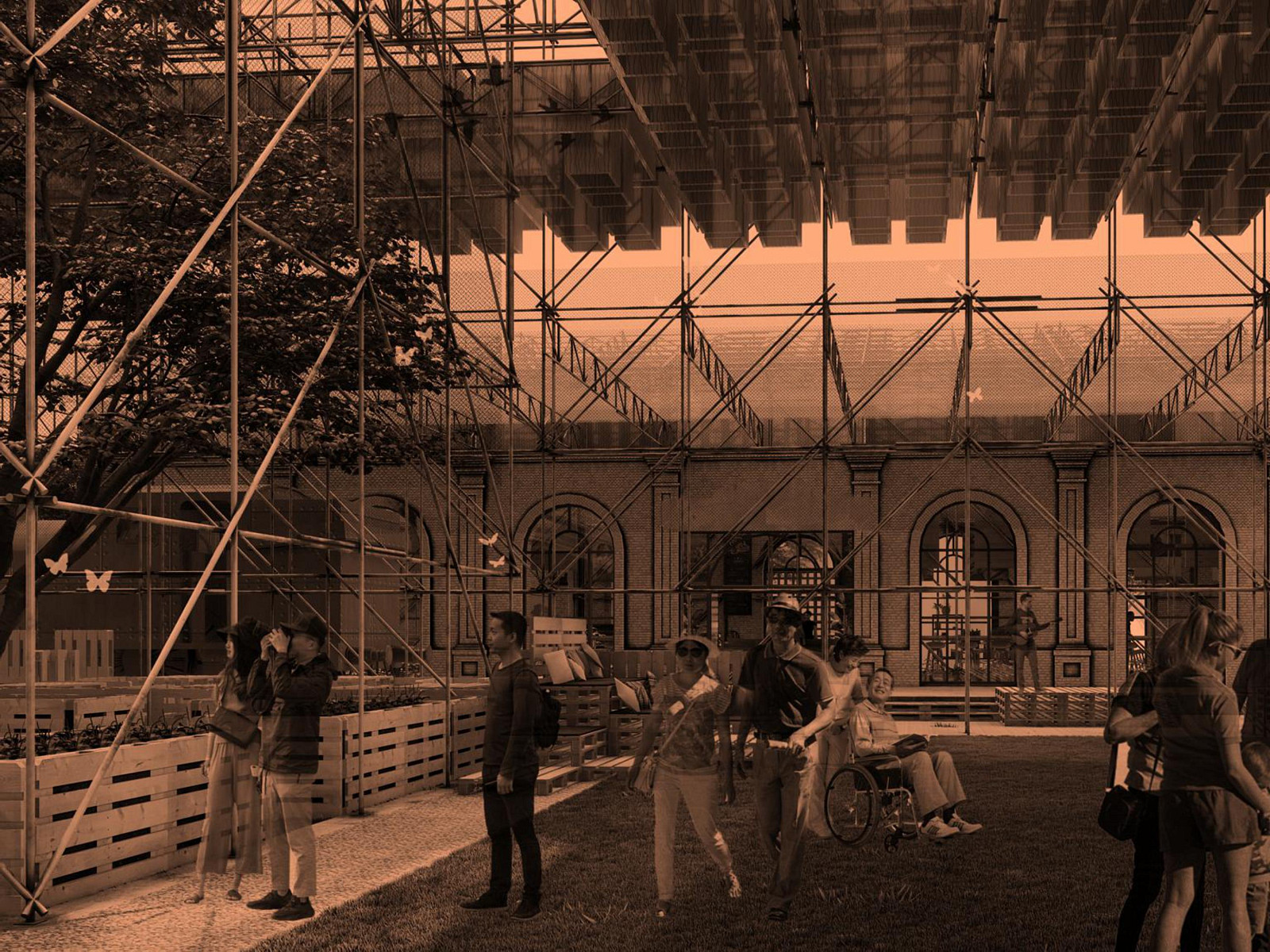
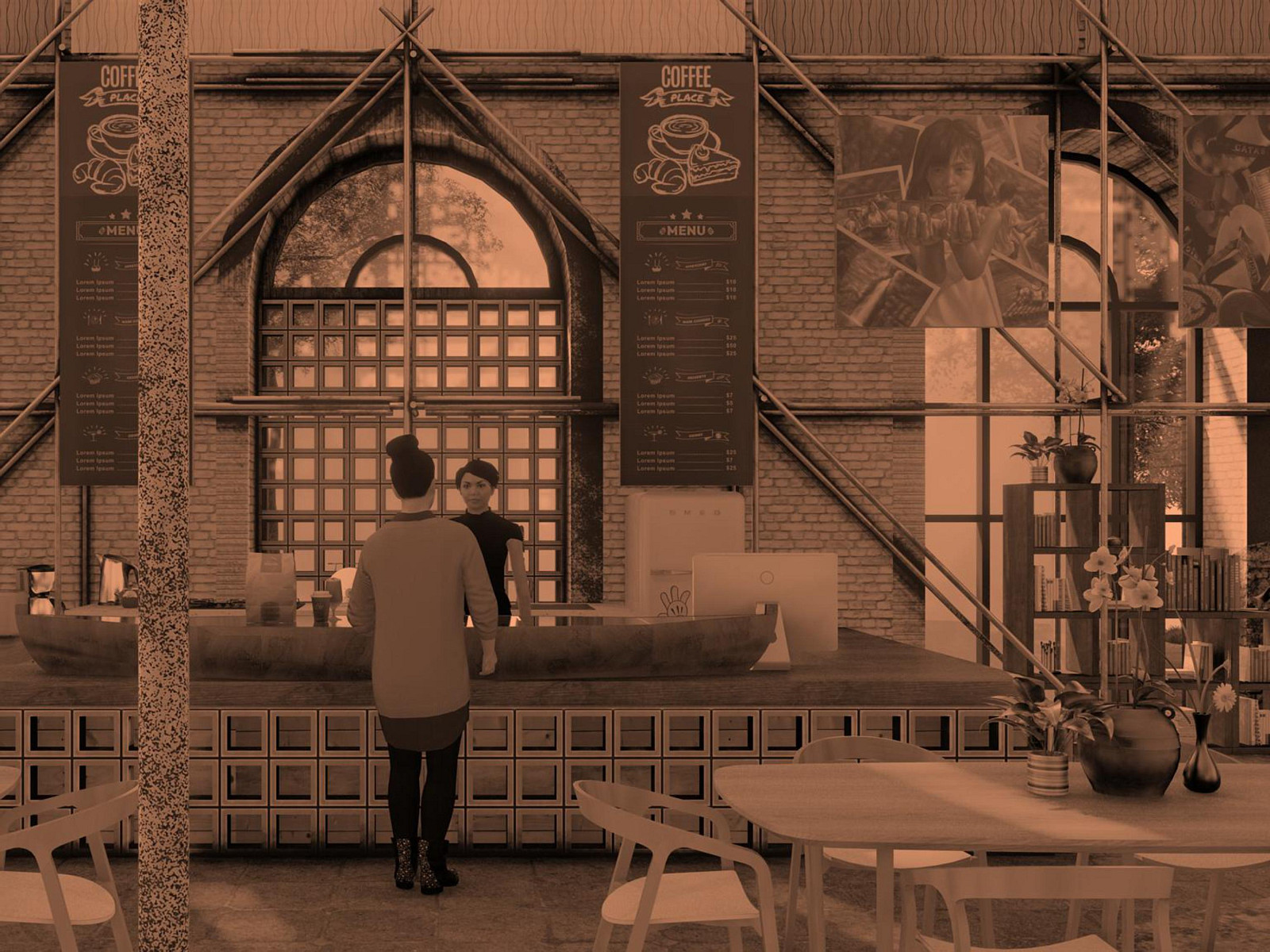
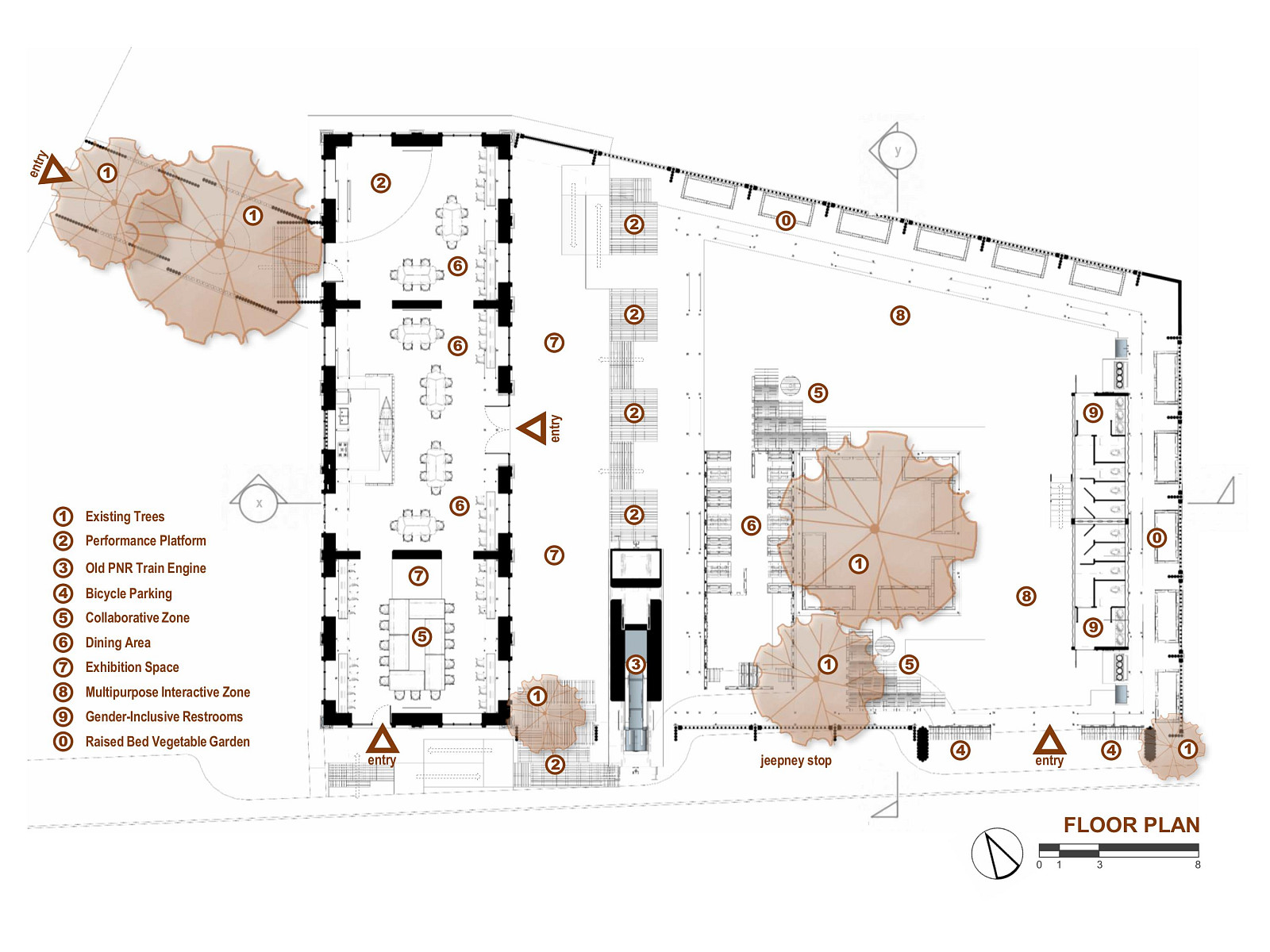
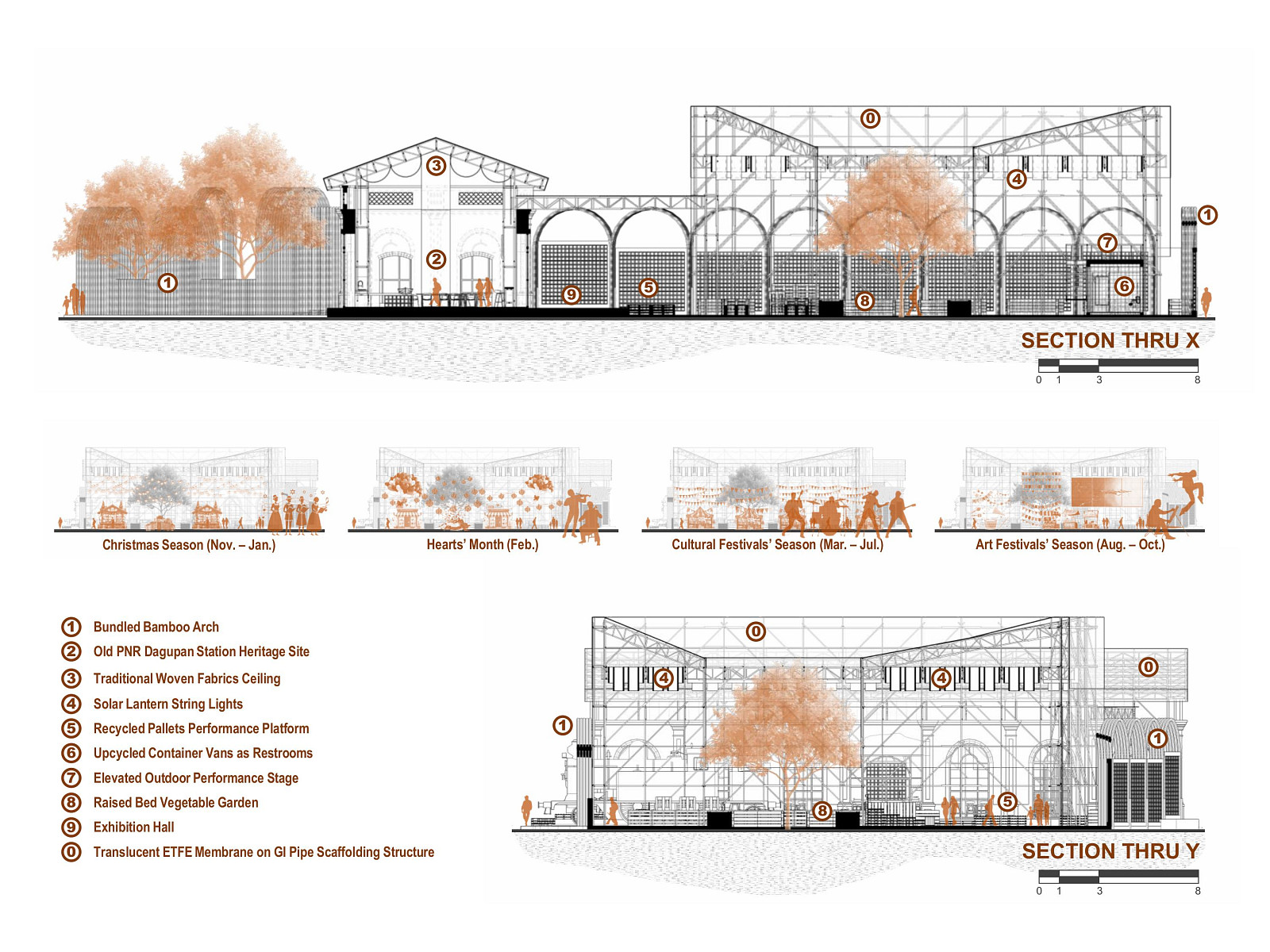
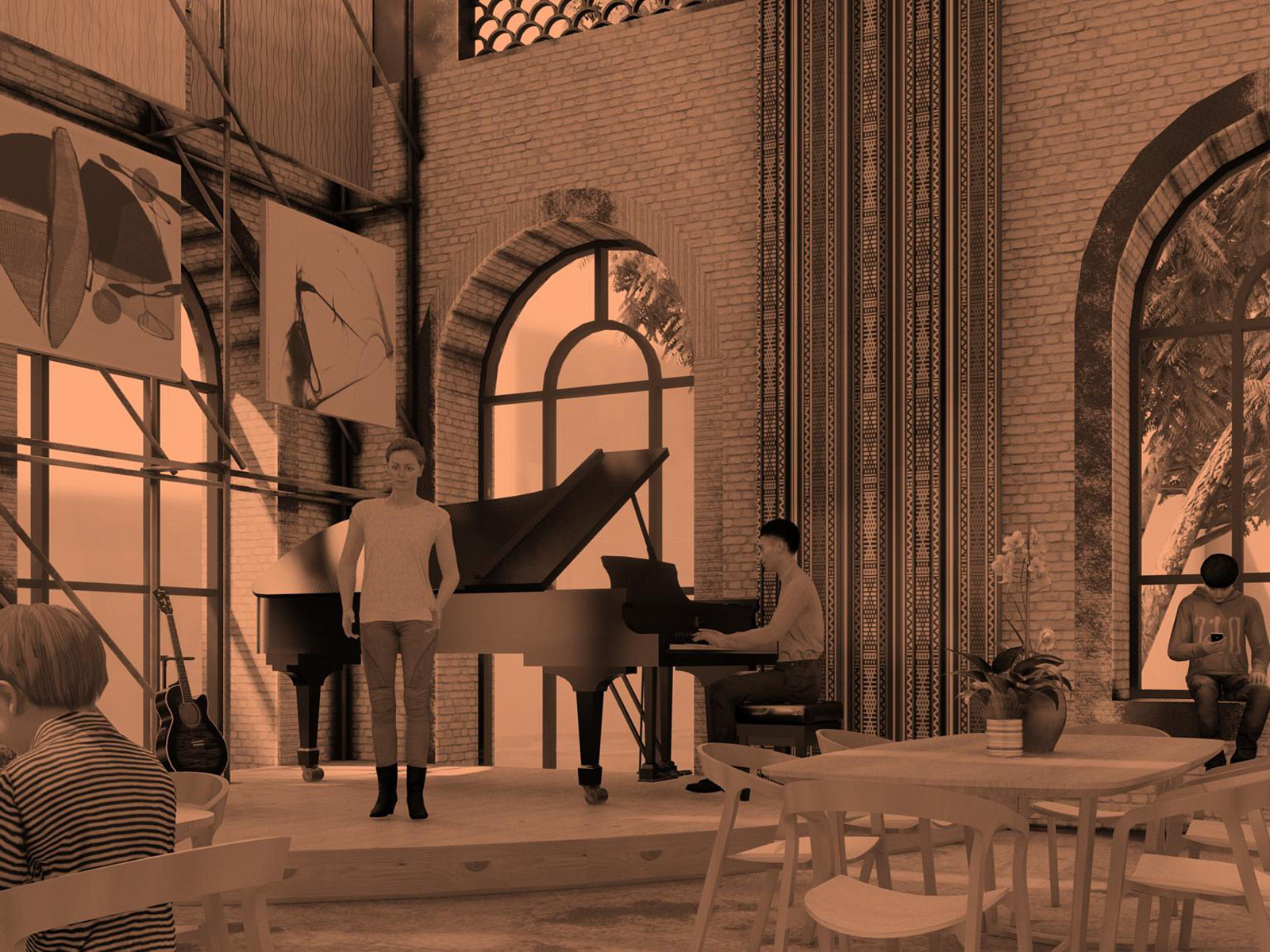
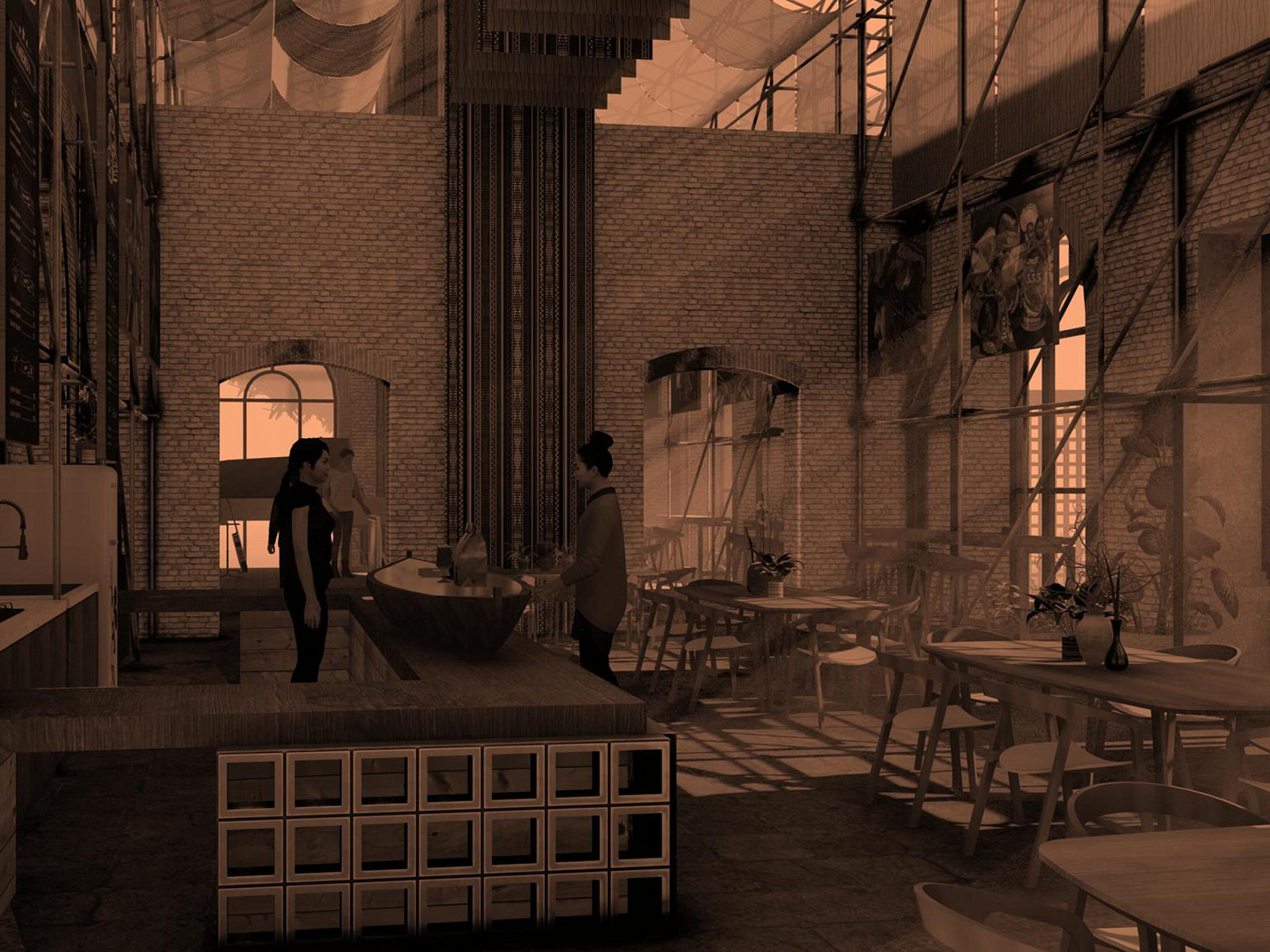
The original layout of the station, with its separation of ticketing areas, waiting halls, and the administrative offices, reflects the functional aspects of a railway station. This plan layout is adapted for the open dining area to have slight separations from the collaborative zones, exhibition spaces, and performance platform for the indoor café. The outdoor area is designed to be flexible in seasonal occasions and events — such as the Christmas season, Hearts' month, Cultural festivals, Art festivals, among others. However, areas for performances and displays are given priority across the site to give exposure for busking performers, exhibitors, and pop-up stores.
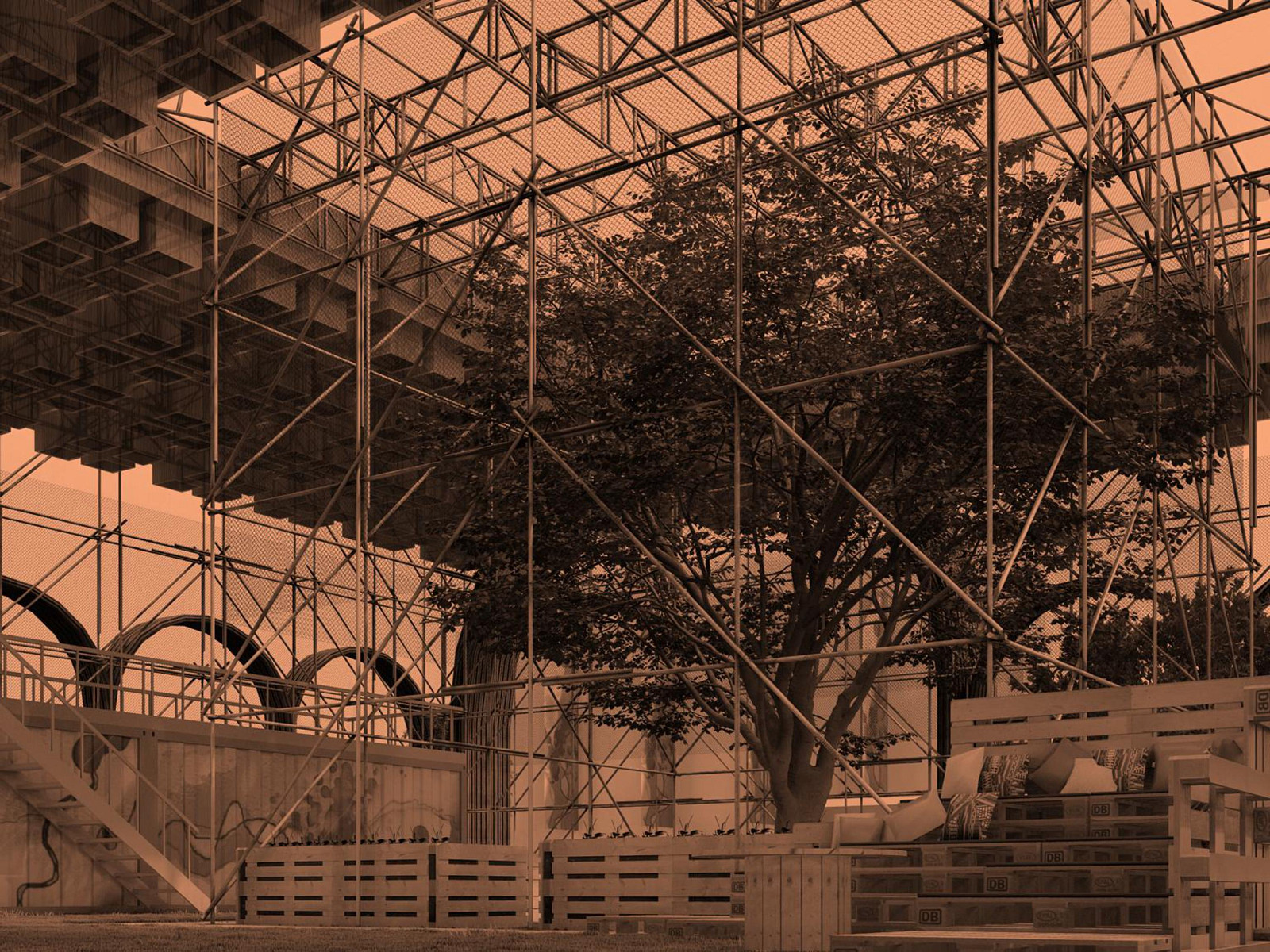
A dedicated space is also provided for the tangible movable heritage where it rightly belongs — the Old PNR Train Engine, which is presently displayed in front of the city museum, around 3 km from the heritage site. Aside from protecting and preserving the existing native trees on site, raised bed vegetable plots are also introduced for a healthy garden-to-café salad menu served by the art community. This is a sustainable approach in the sense of providing additional jobs to local artists "who make ends meet."
Technical information
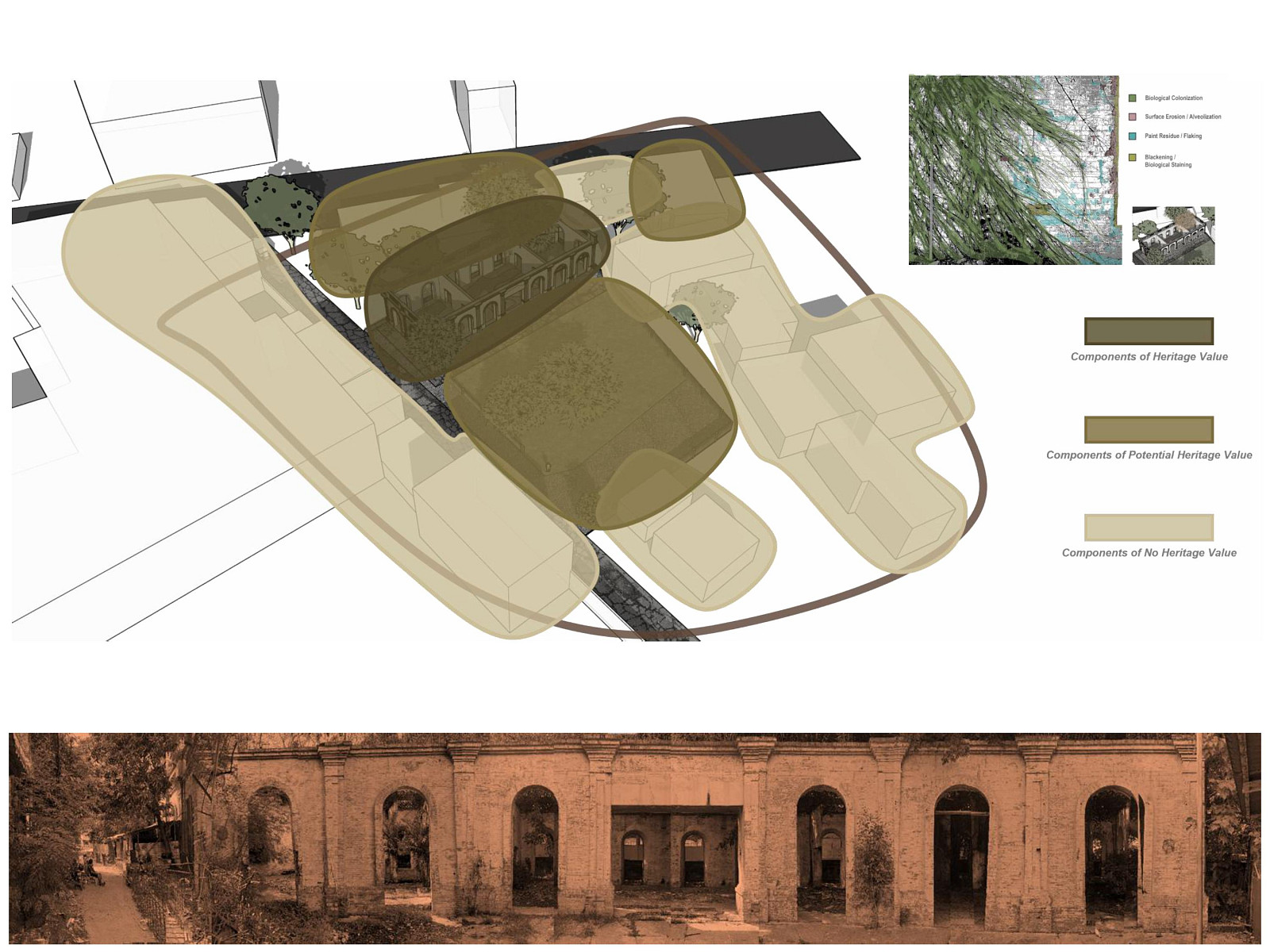
Based from the series of fieldworks and assessments, the Old PNR Station in Dagupan, despite its current state of disrepair, faces several threats that could further jeopardize its structural integrity and historical significance. The most immediate threat is the ongoing abandonment and lack of upkeep. Without regular maintenance, the existing structures will continue to deteriorate due to weathering, decay, and potential vandalism. This is why we are giving the local art community a home, and the heritage site a dedicated caretaker.
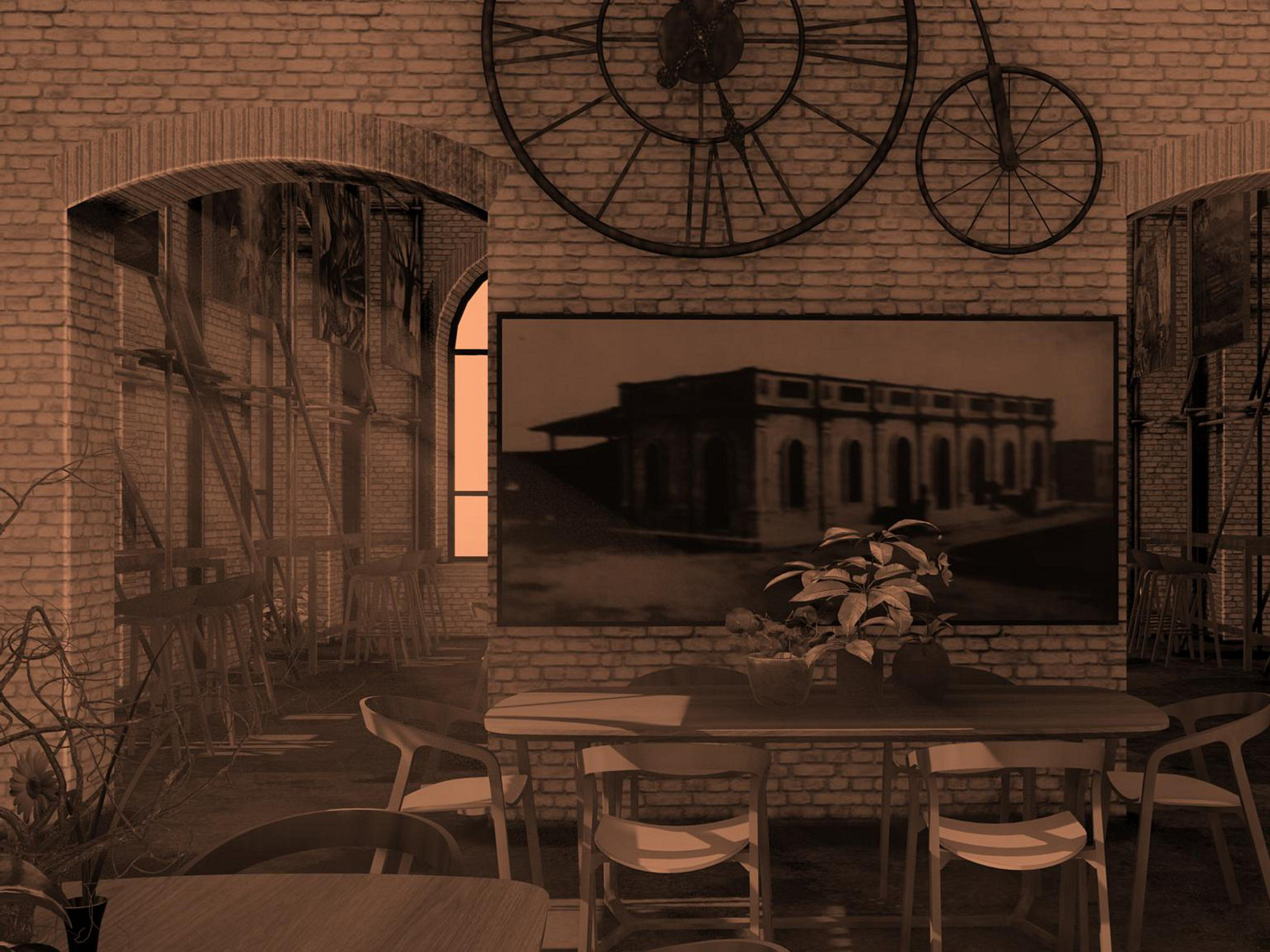
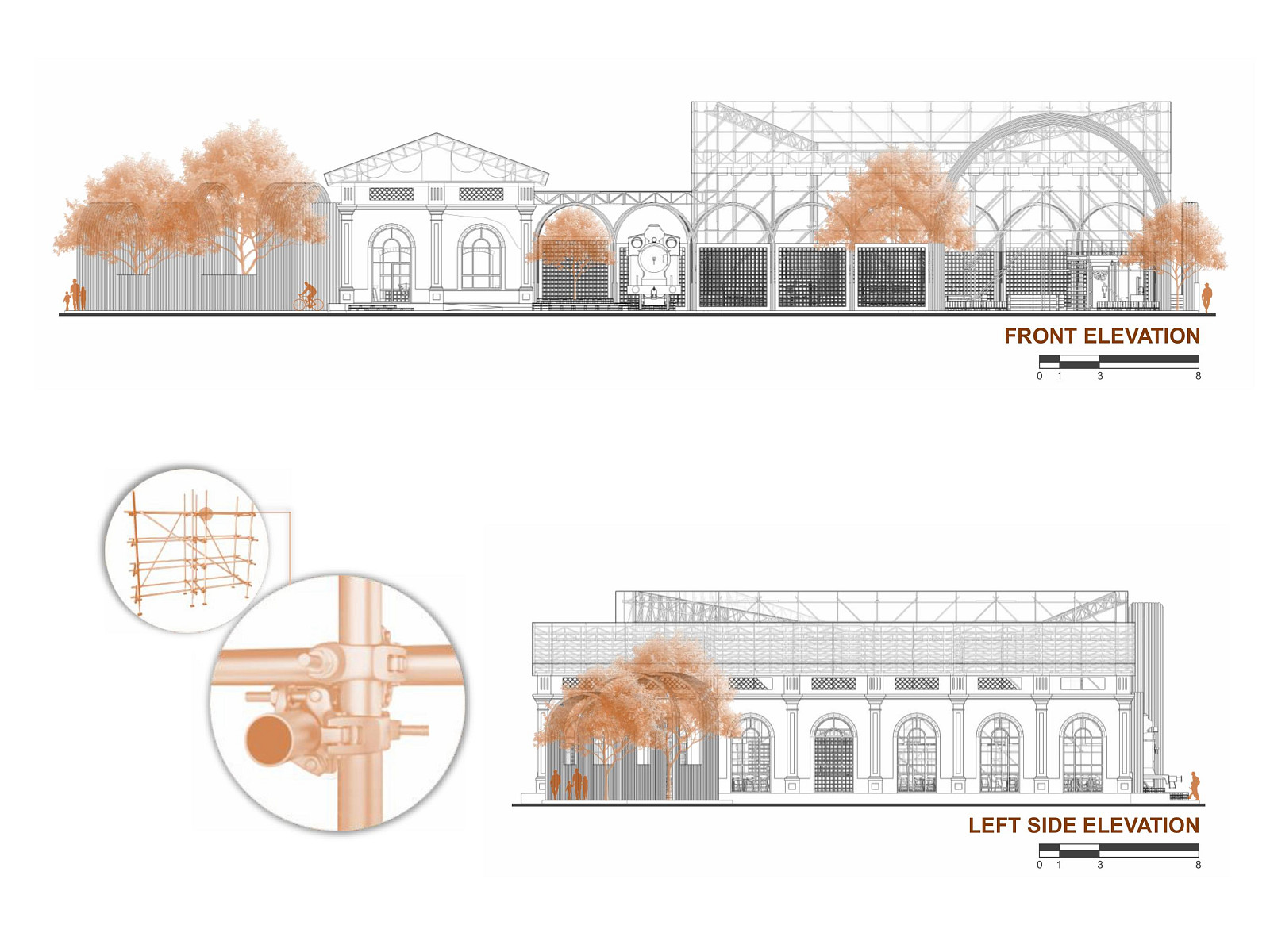
The heritage building was constructed using its sturdy brick work masonry and rubble stone. The interior is no longer in its original condition and has fallen into disuse. The station might have had distinctive flooring materials like patterned tiles ('machuca' tiles were common), hardwood, or polished concrete, which is considered special for their time and aesthetic. But these were now damaged, covered, or gone. These present conditions will be preserved, some parts will be cleaned, but not too clean, to showcase that ruin-like appearance, saying silently that the Old PNR Station stood through time. Featured high ceilings evidenced by imposing arches were significant architectural details along with cornices, moldings that adds to the station’s architectural character. These existing details of the structure gives a glimpse of the mid-20th century public building design in the Philippines with influences from colonial Spanish and American architecture. The arches are mainly-used as the concept for the bundled bamboo arch constructed along the perimeter of the outdoor area, for a blending, but also contrasting element of the heritage site.
The conservation of the heritage site demands a multi-faceted, standards-based approach that addresses immediate threats while laying the groundwork for sustainable, community-supported stewardship. By prioritizing waste management, vegetation control, climatic mitigation, access improvement, and robust documentation — while also planning for seismic risk, visitor management, and disaster preparedness, the site can be protected for future generations. All interventions should be guided by the principles of minimal intervention, reversibility, and respect for the site’s historical authenticity, as articulated in international conservation charters and adapted by national heritage authorities. This is why the Tactical Placemaking approach is used, based from the National Historical Commission of the Philippines' principle — "The lease intervention is the best conservation." With that, the additional structural framework of the project is through the use of scaffolding system, that is readily-available from the nearby ongoing 11-storey condominium project that can be secured through donations or at a lower cost. In order not to disrupt the view of the heritage, ETFE (Ethylene tetrafluoroethylene) is used as a roofing material; aside from being transparent, it is also a durable, fluorine-based plastic designed for high corrosion resistance and strength over a wide temperature range, that is resilient from the natural environment of the coastal city of Dagupan.
Traditional woven fabrics are used as ceiling materials, at the same time as insulation, blocking the direct heat from the sun. Aside from that, they also promote the cultural identity of different Filipino tribes, their aesthetics, and traditions. Placing multiple identities within the heritage shows that the PNR stations are place where different types of culture — connect; same thing with the arts, this café is where different genres and styles — relate.

Copyright © 2026 INSPIRELI | All rights reserved. Use of this website signifies your agreement to the Terms of Use, Privacy Policy, and use of cookies.