Aqarquf — The Eternal Oasis


Project idea
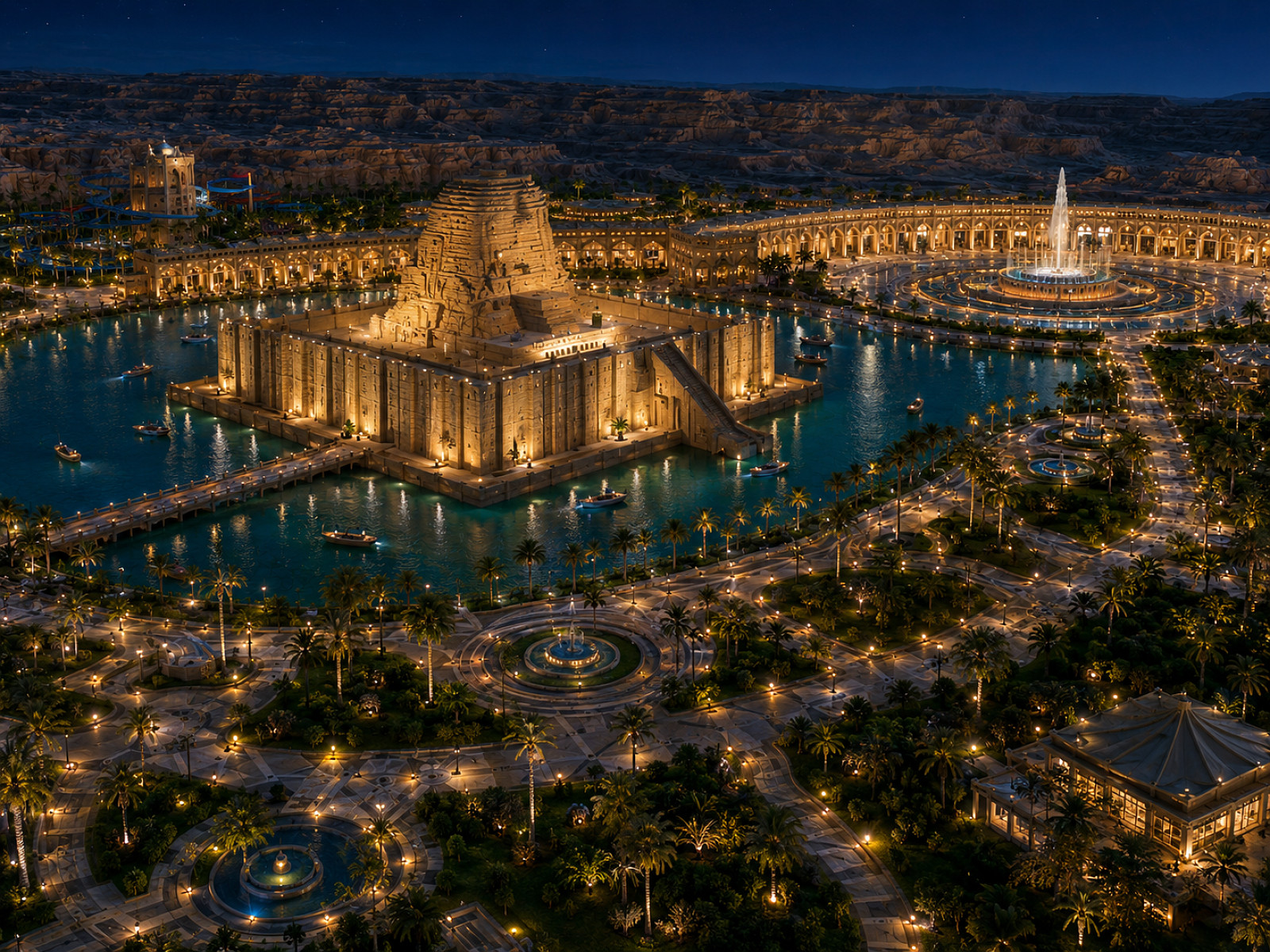
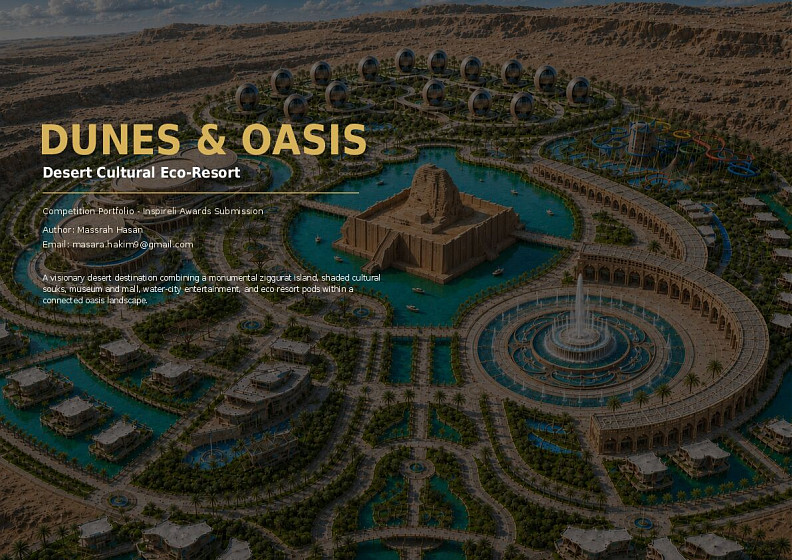
Iraq holds one of the world’s oldest civilizations, yet its archaeological treasures remain largely inaccessible to the world. The Ziggurat of Aqarquf, built over 3,400 years ago by the Kassite Dynasty near Baghdad, stands as one of the most remarkable surviving ziggurats in the world and is listed on UNESCO’s tentative heritage list. Today it sits isolated in an empty desert, visited by few and known by fewer. The idea behind this project is a fundamental question: what if one of humanity’s oldest monuments became a destination that the whole world wants to visit? This project proposes transforming the barren landscape surrounding the ziggurat into a world-class heritage tourism resort that revives the ancient spirit of Mesopotamia while creating economic and cultural value for Iraq.
Project description
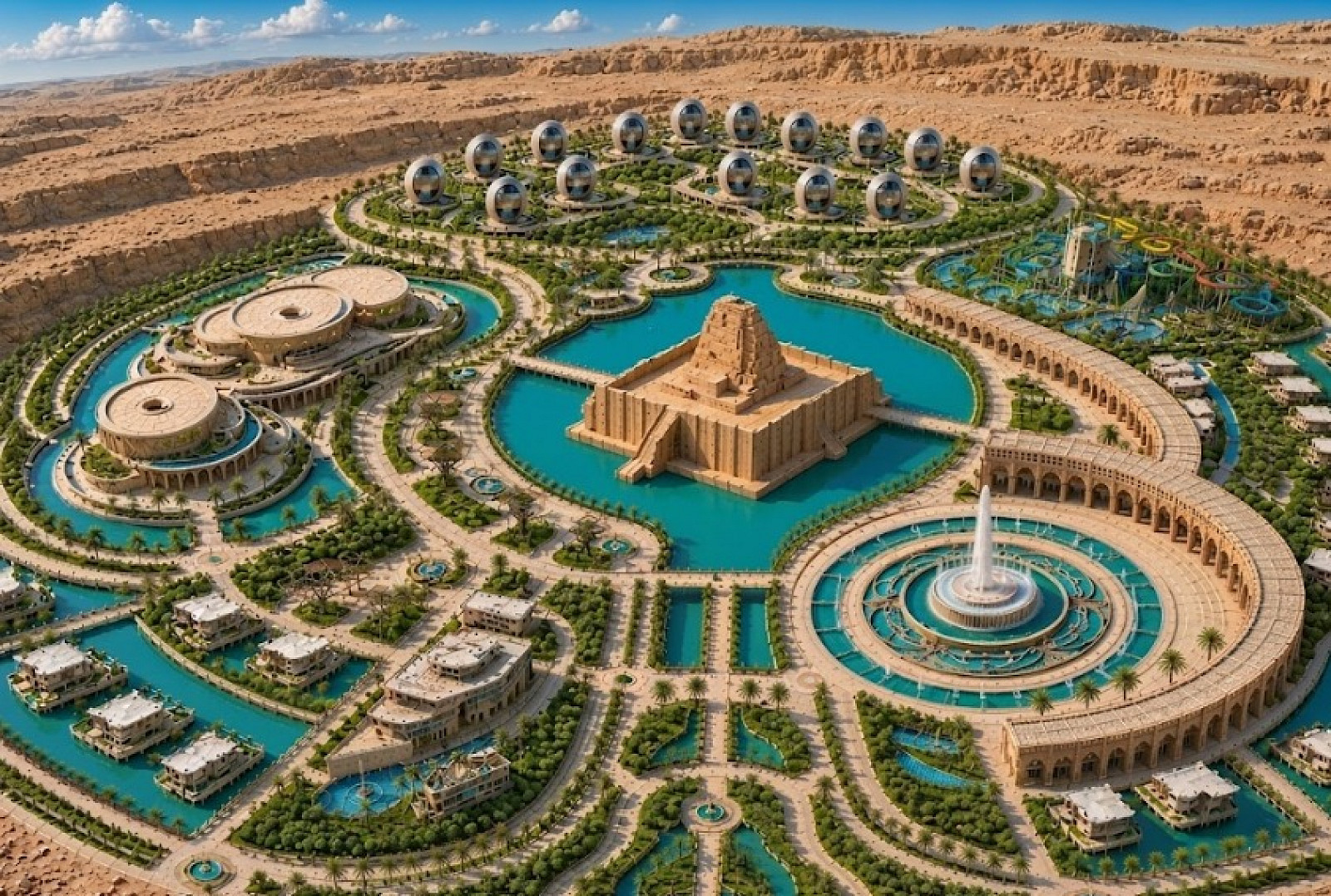
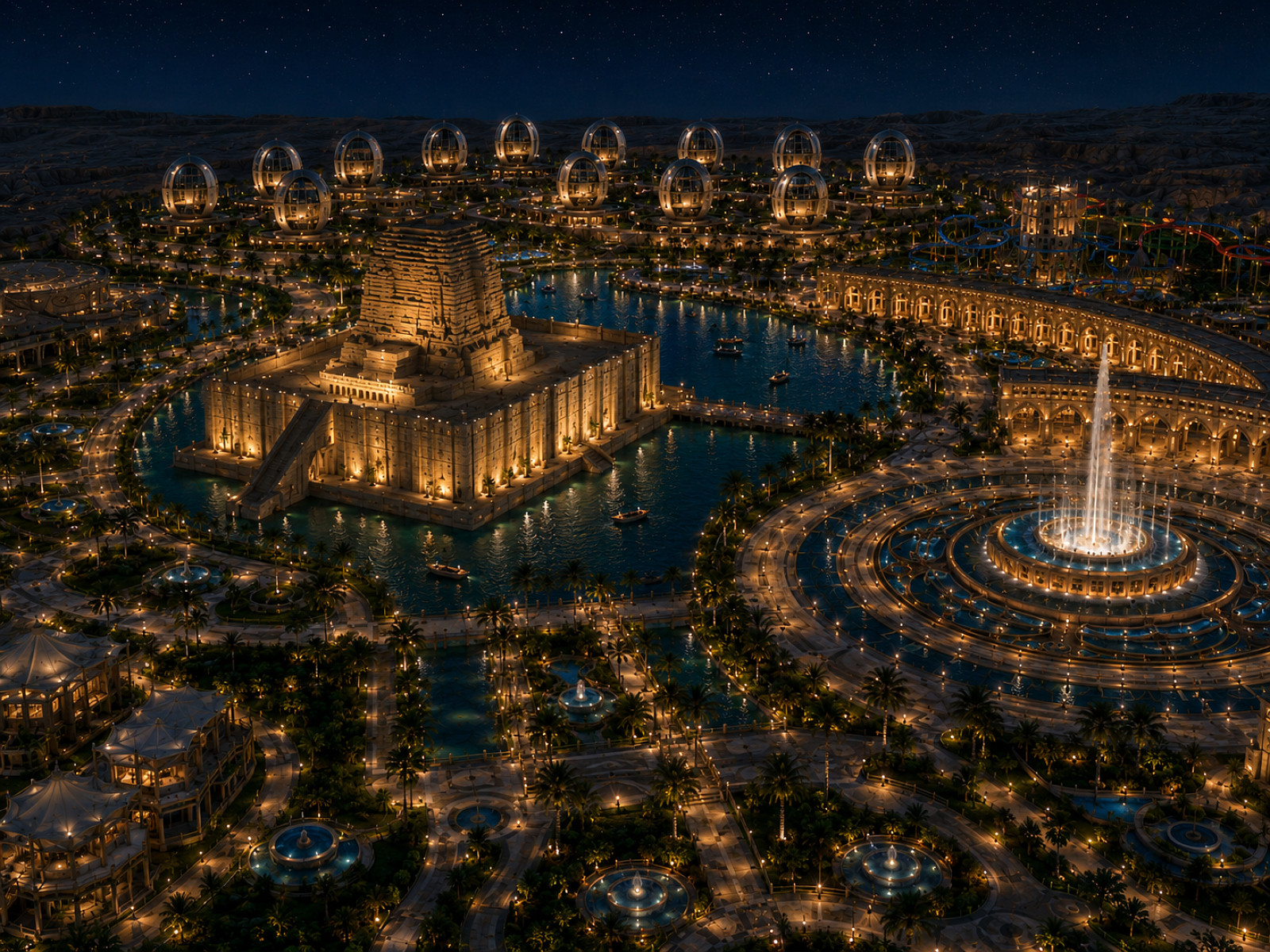
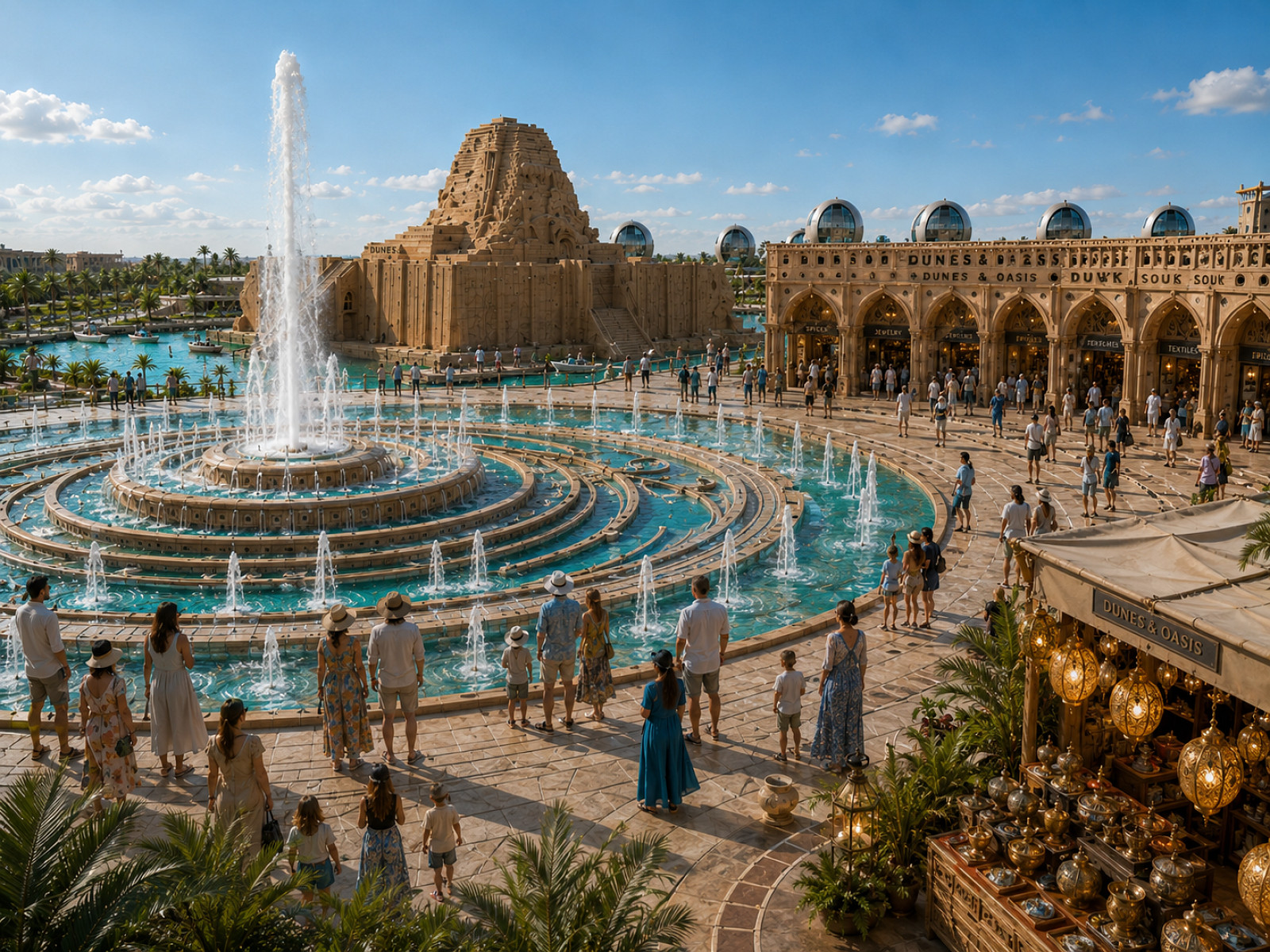
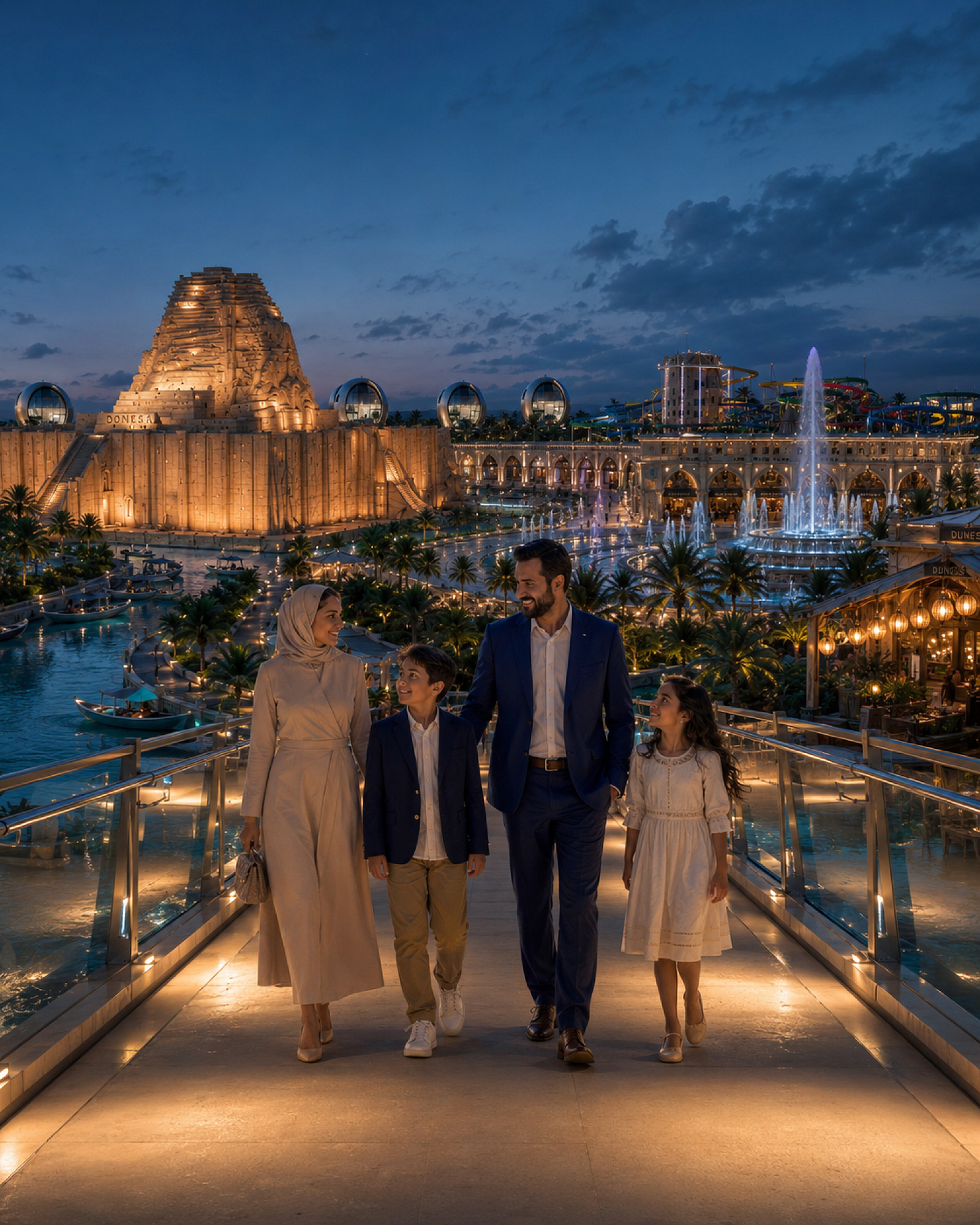
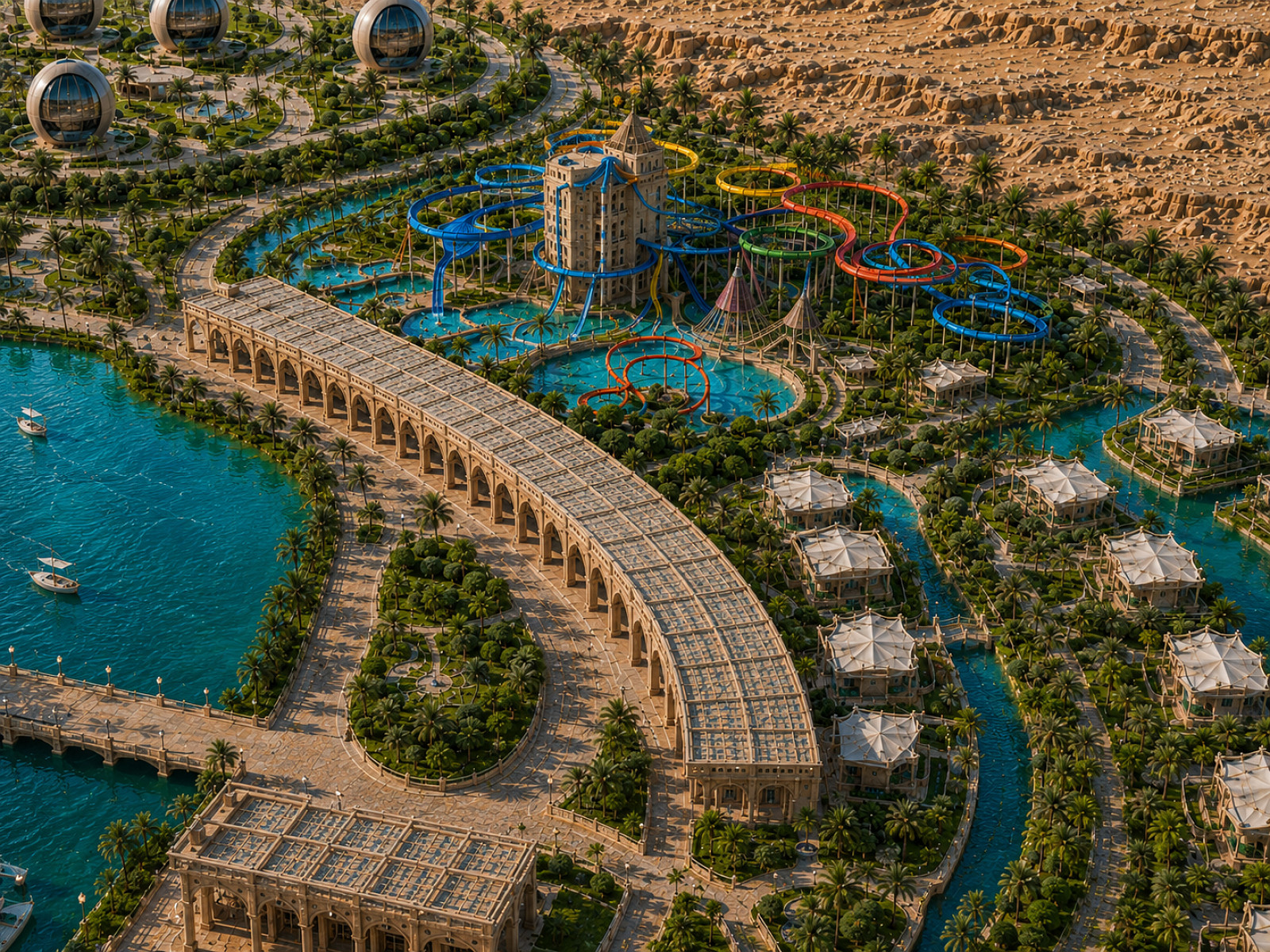
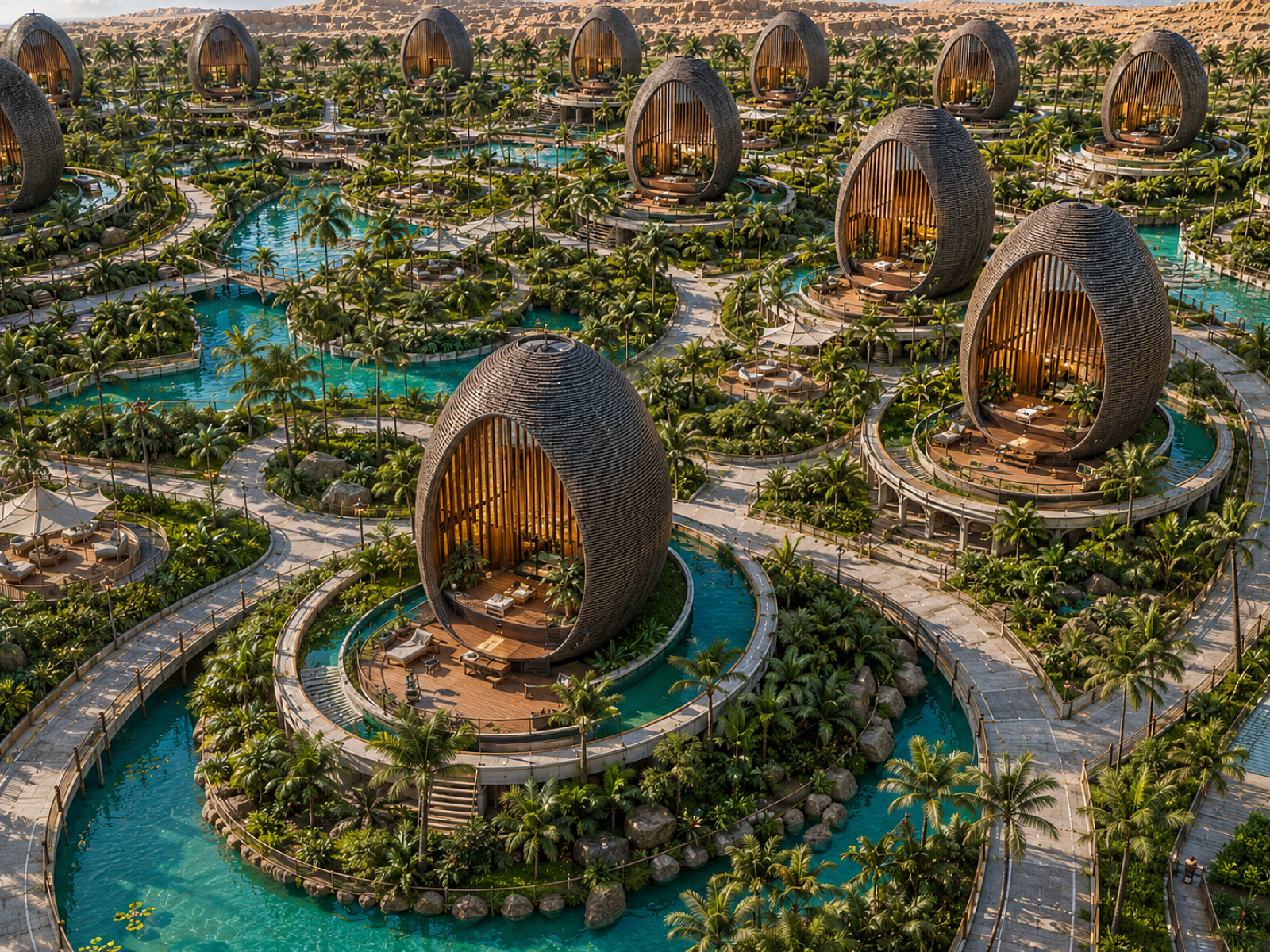
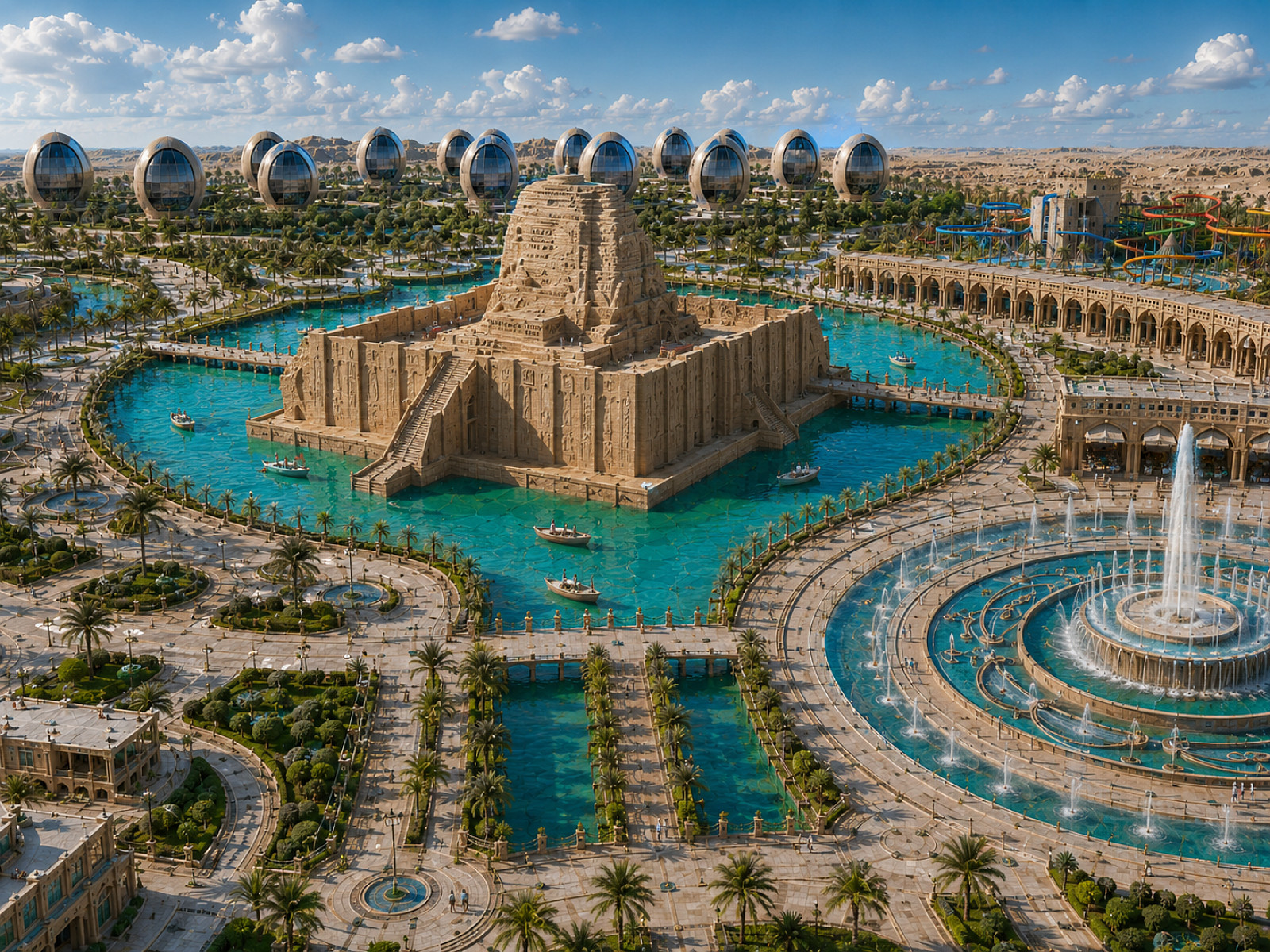
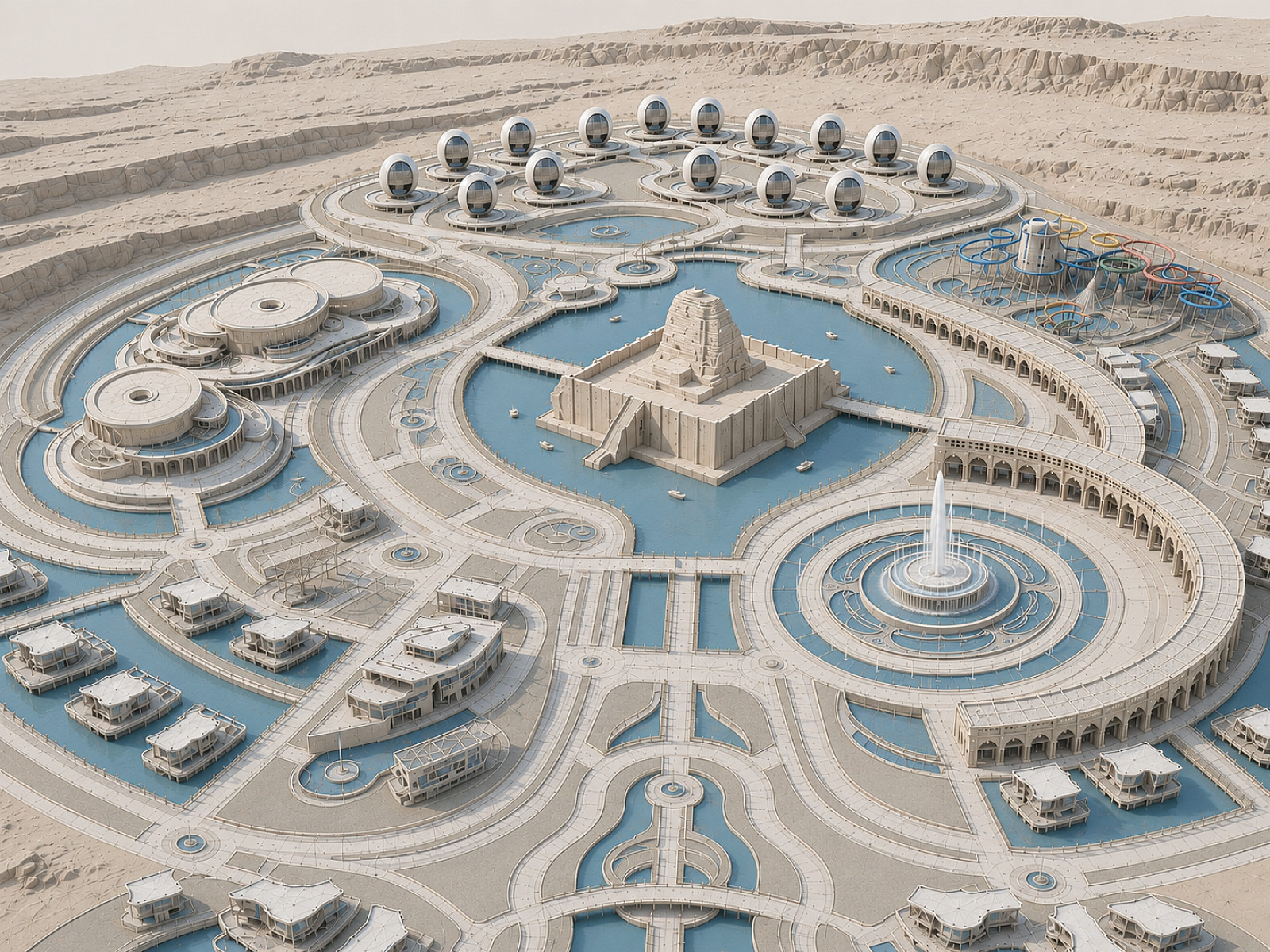
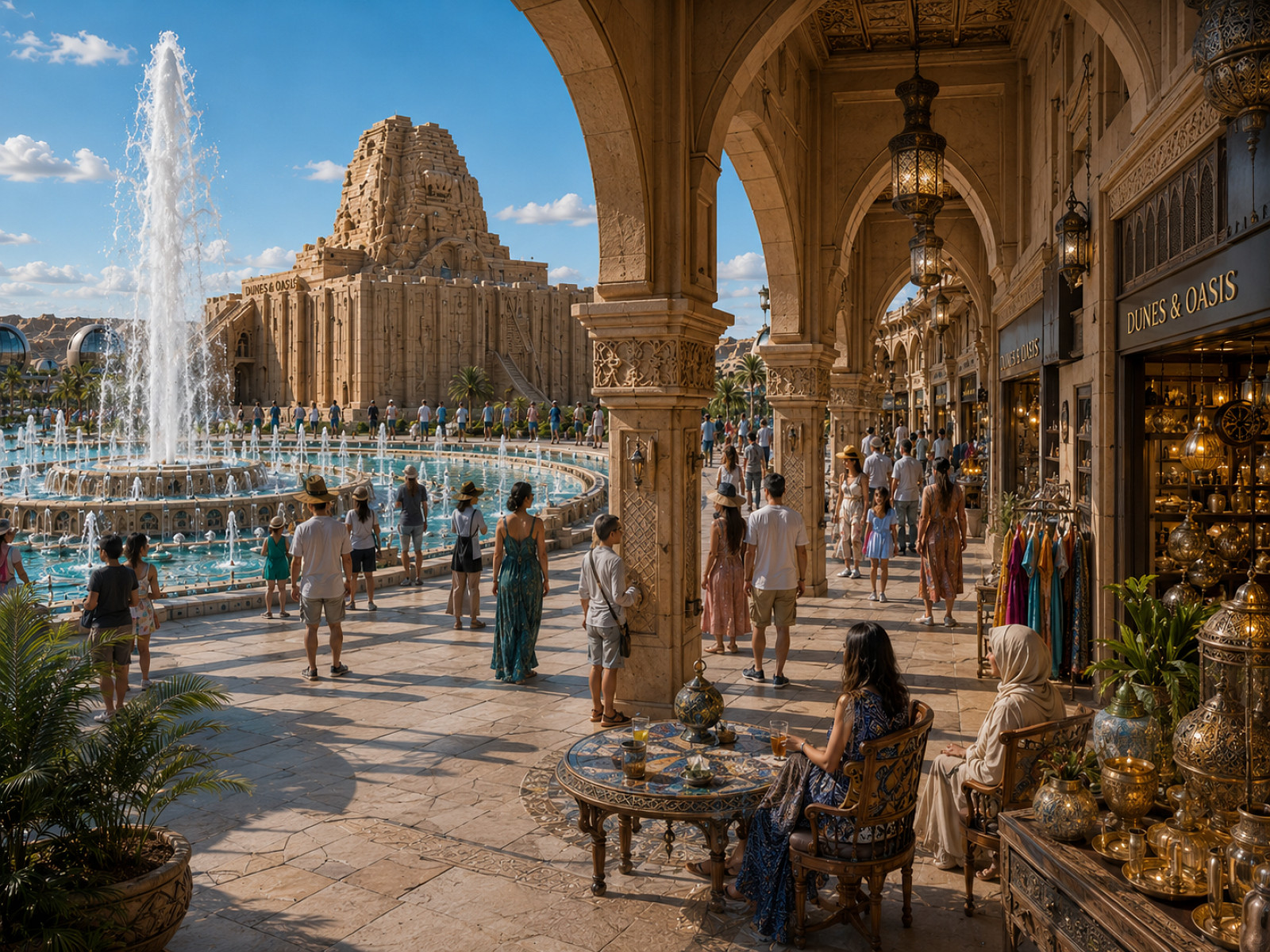
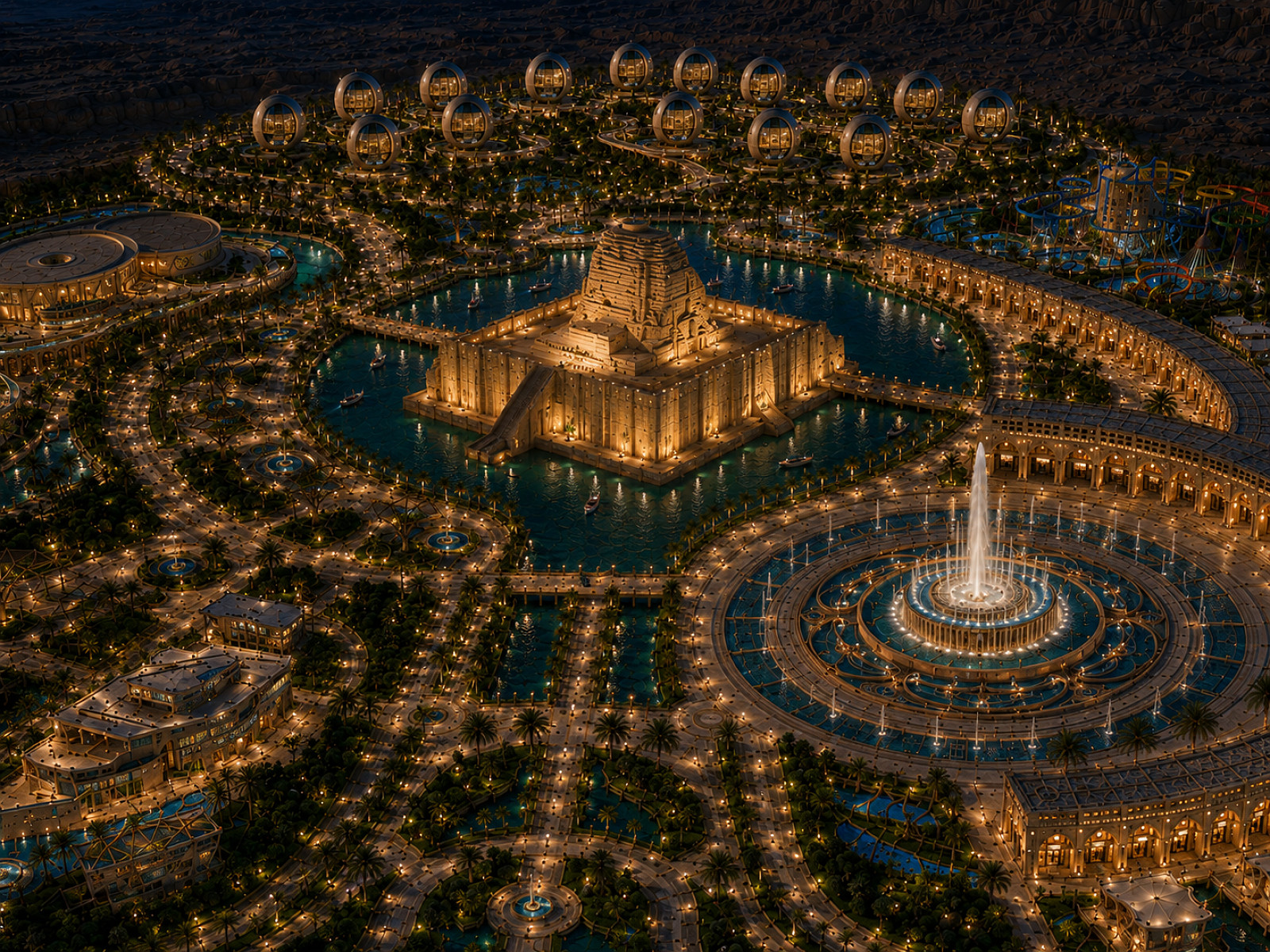
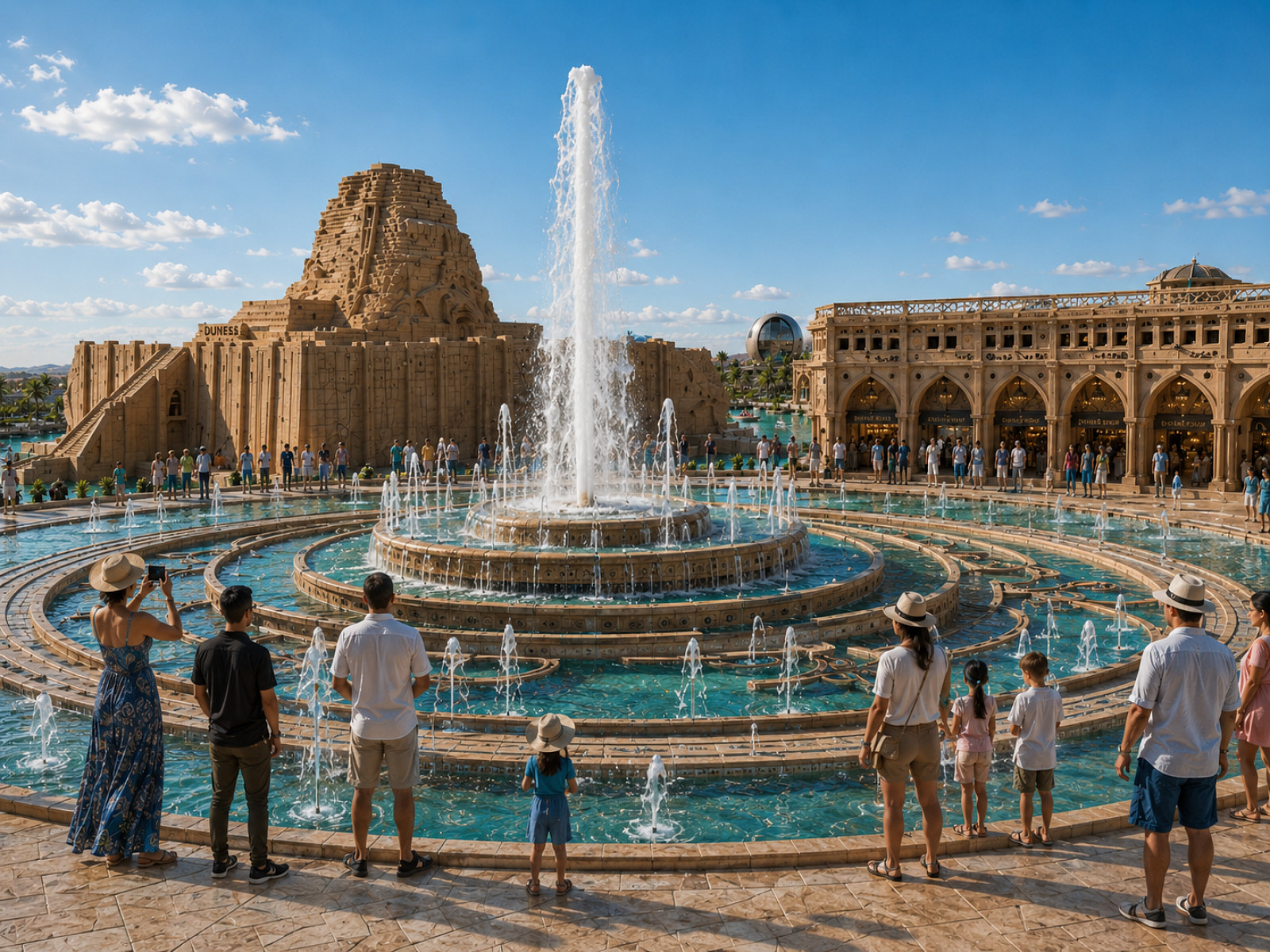
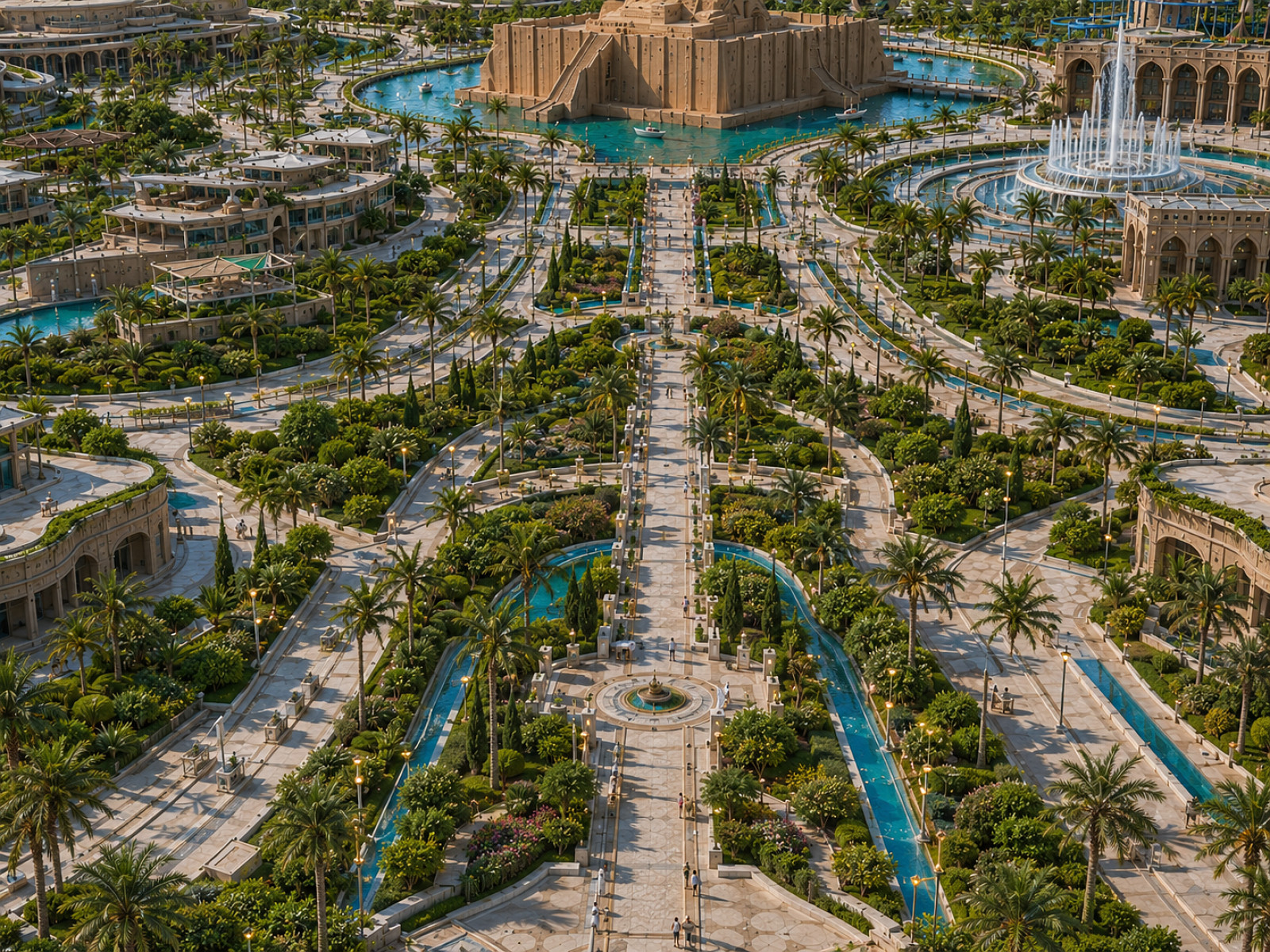
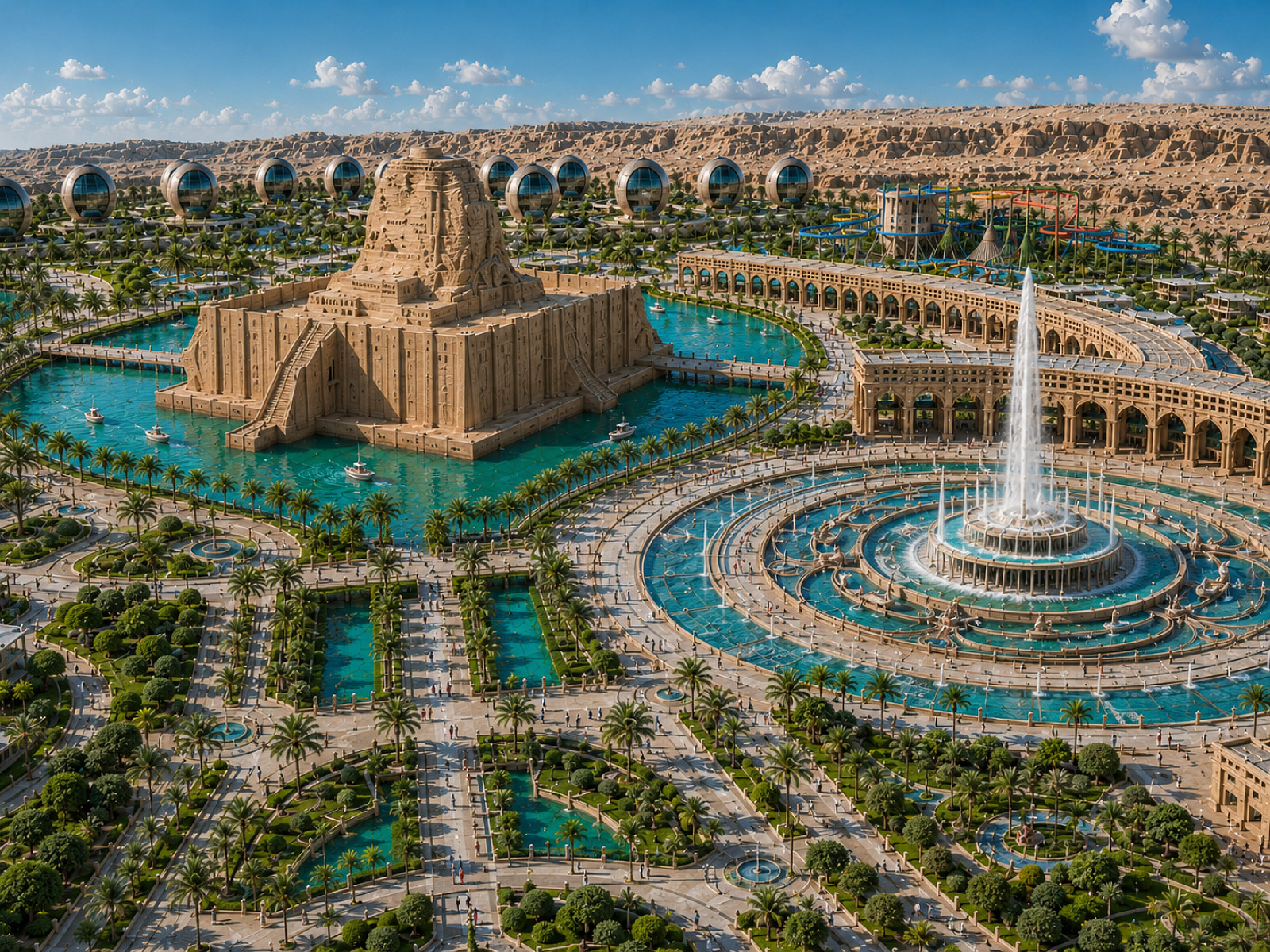
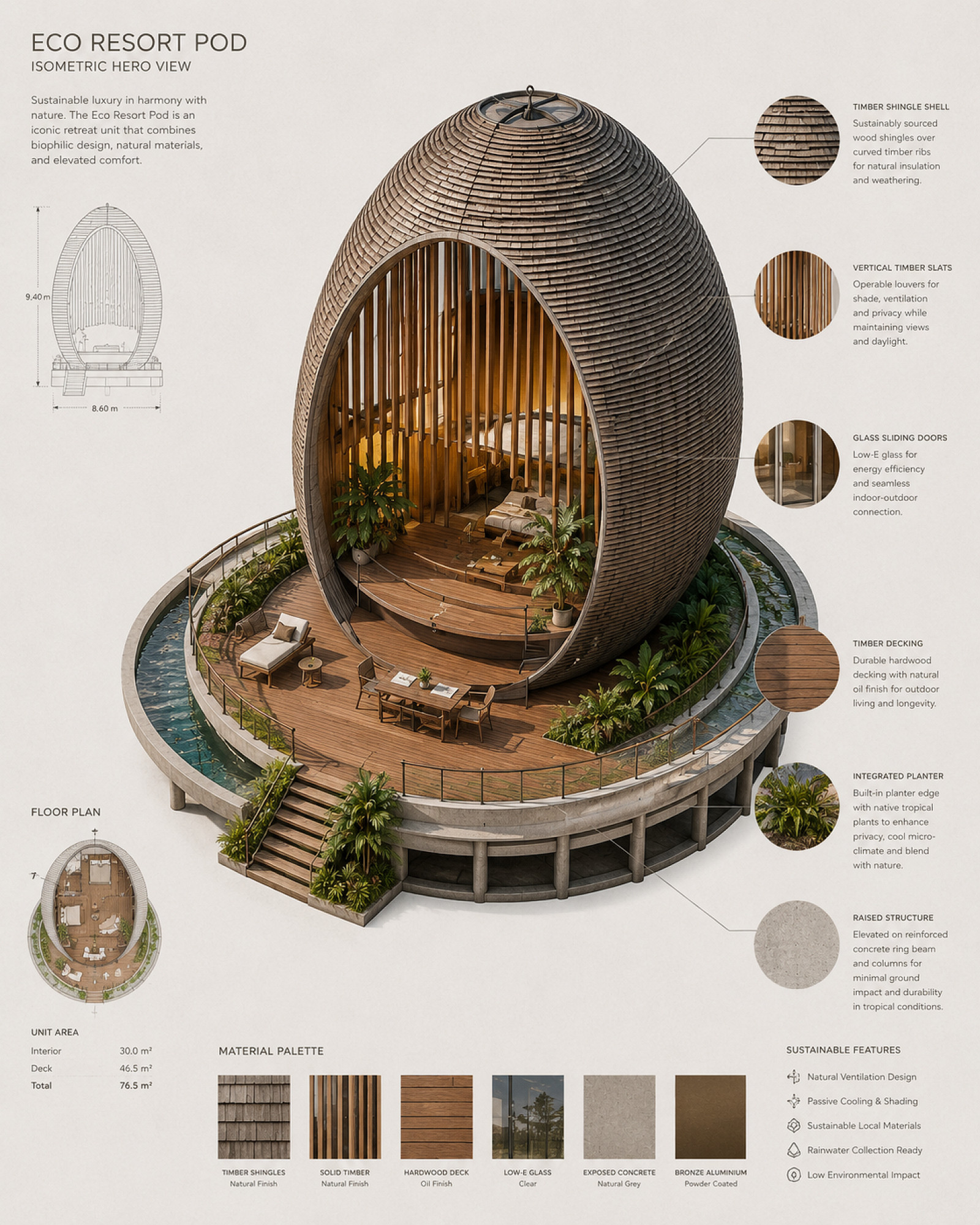
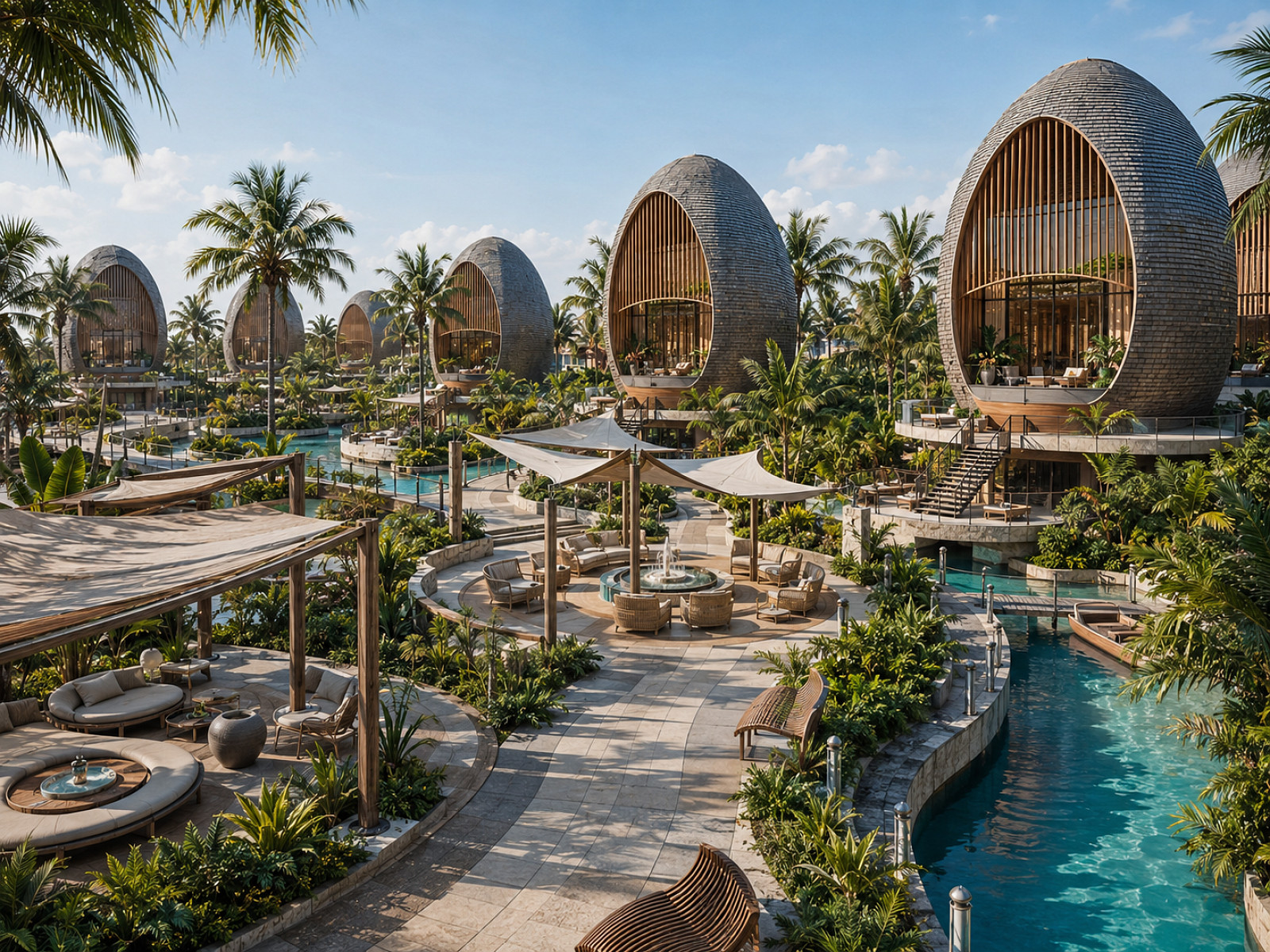
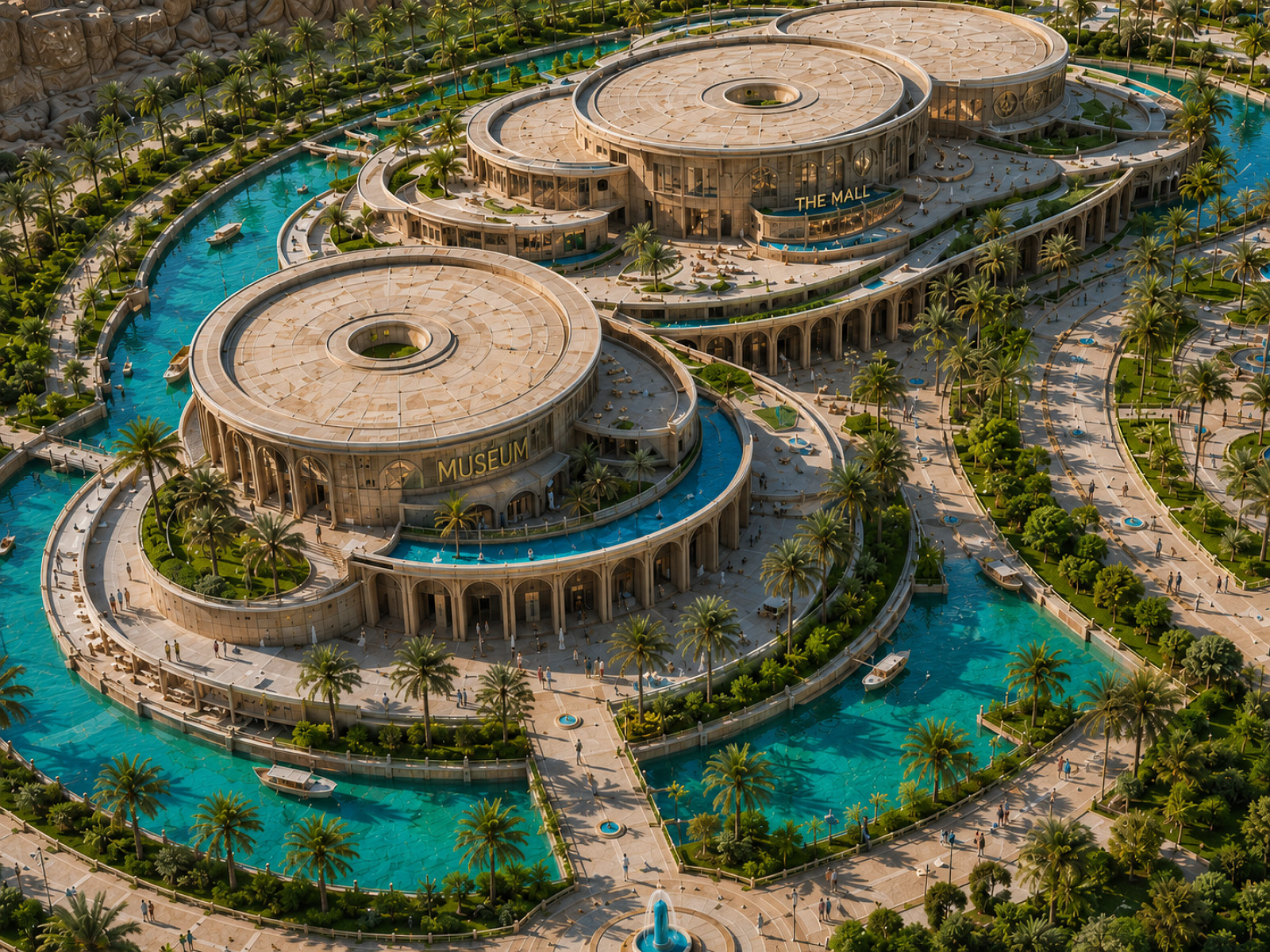
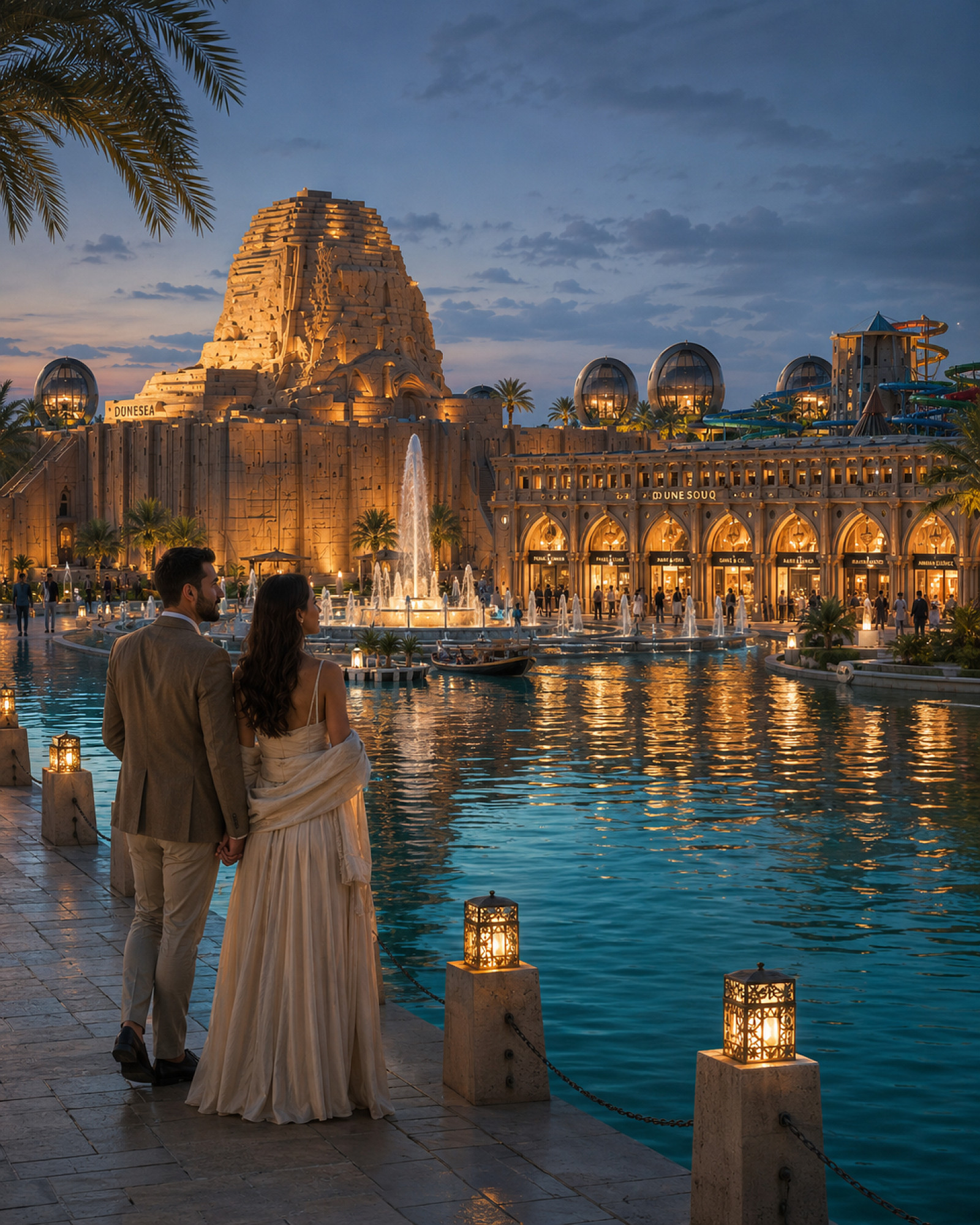
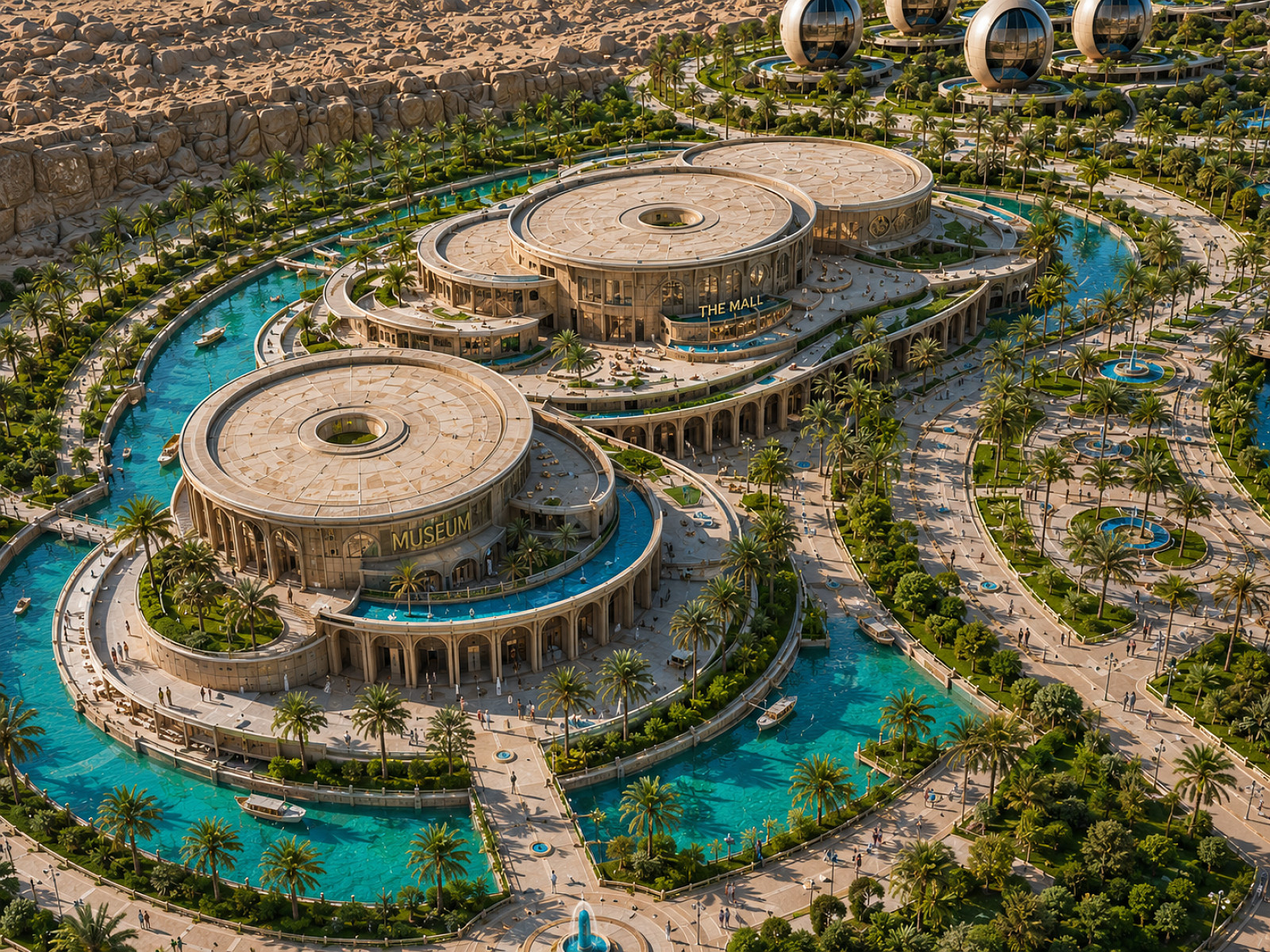
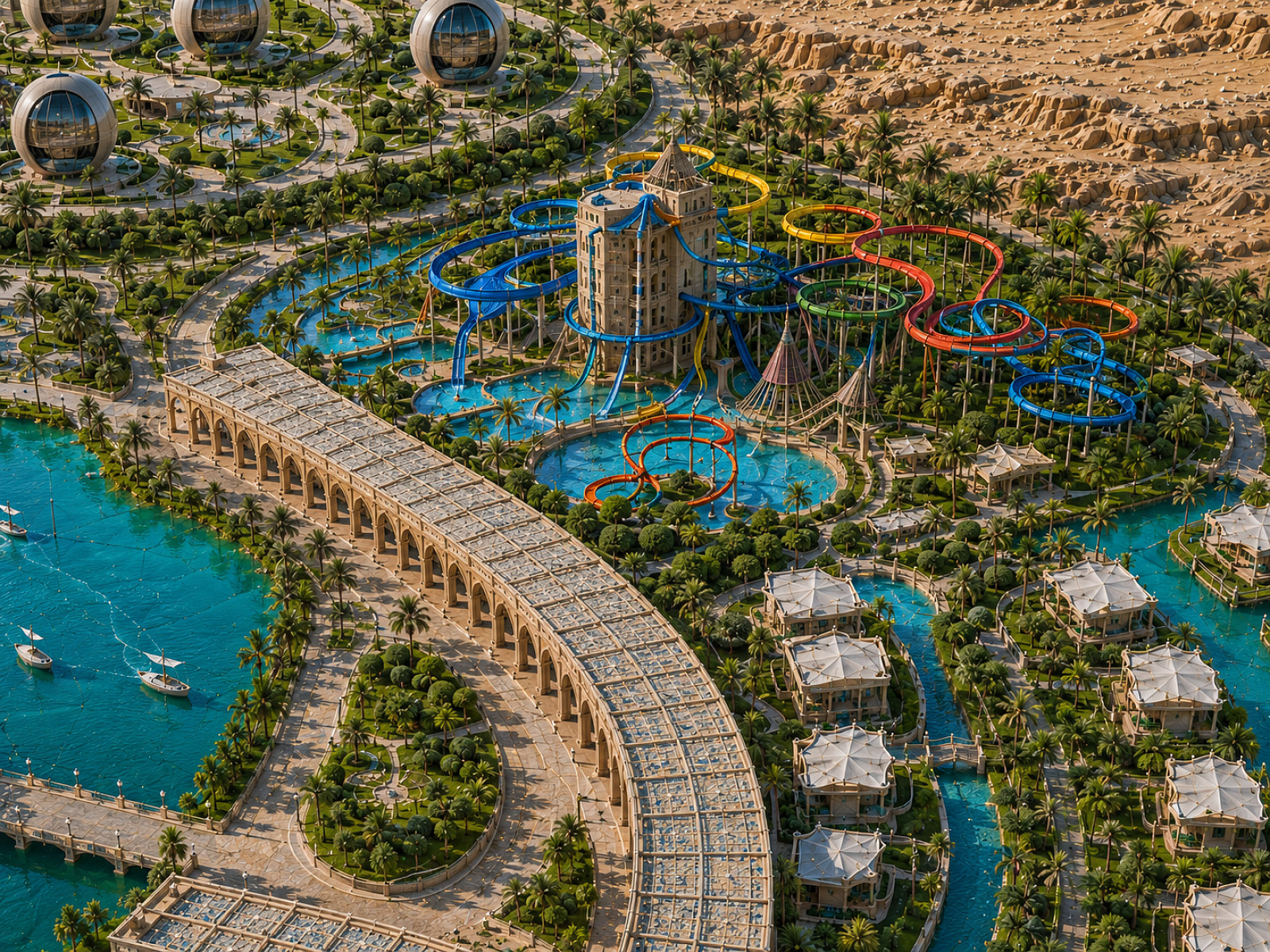
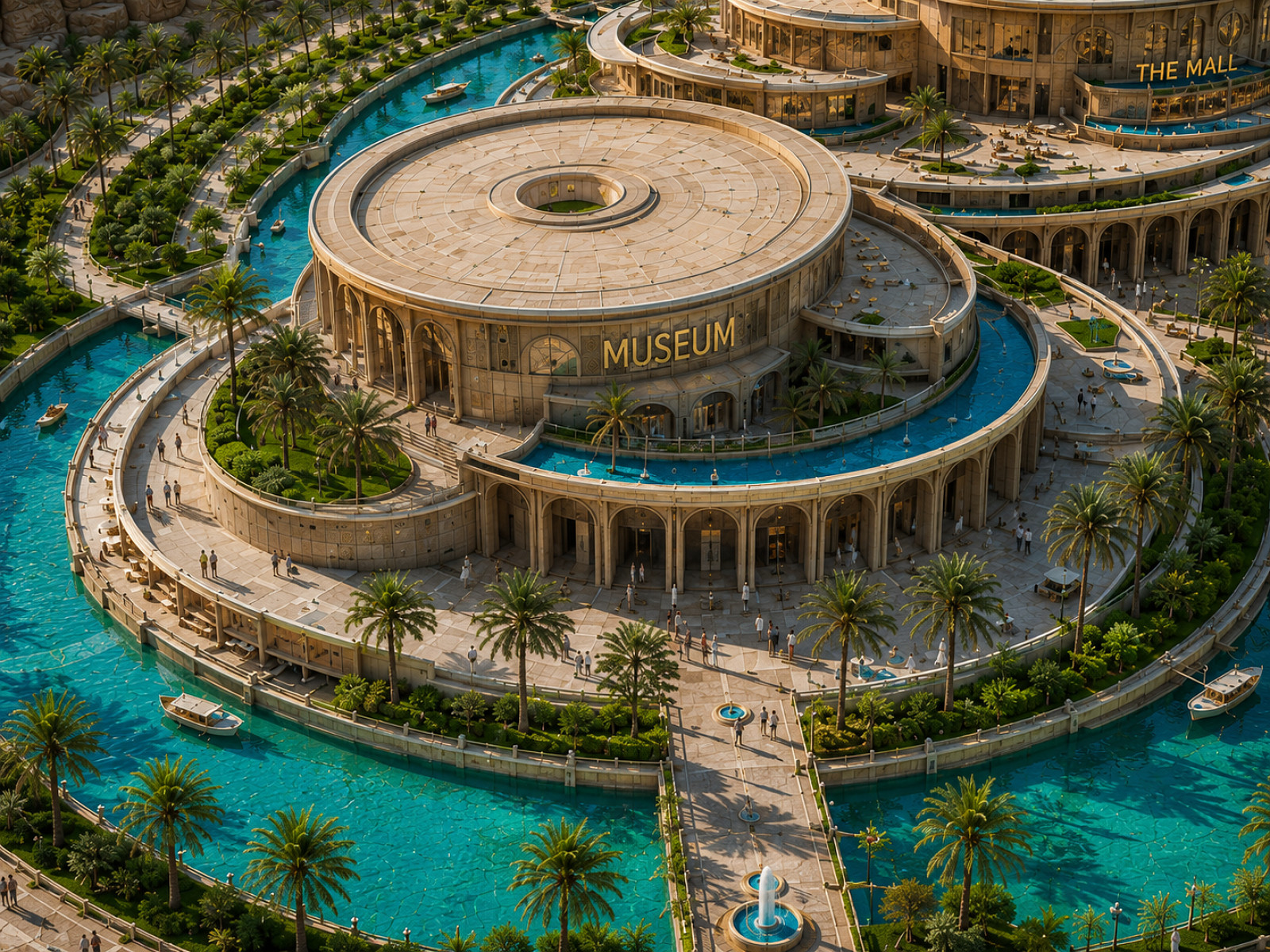
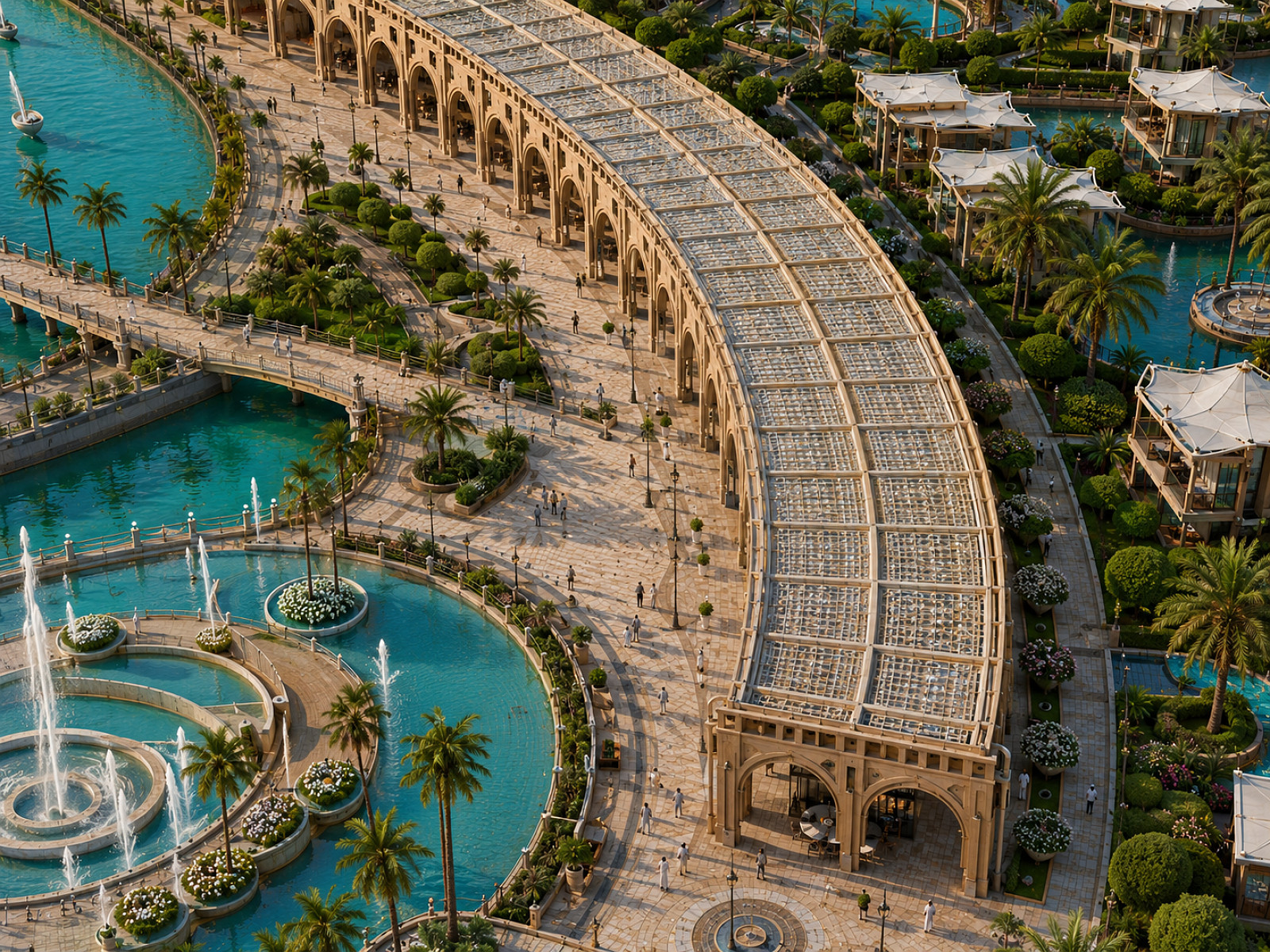
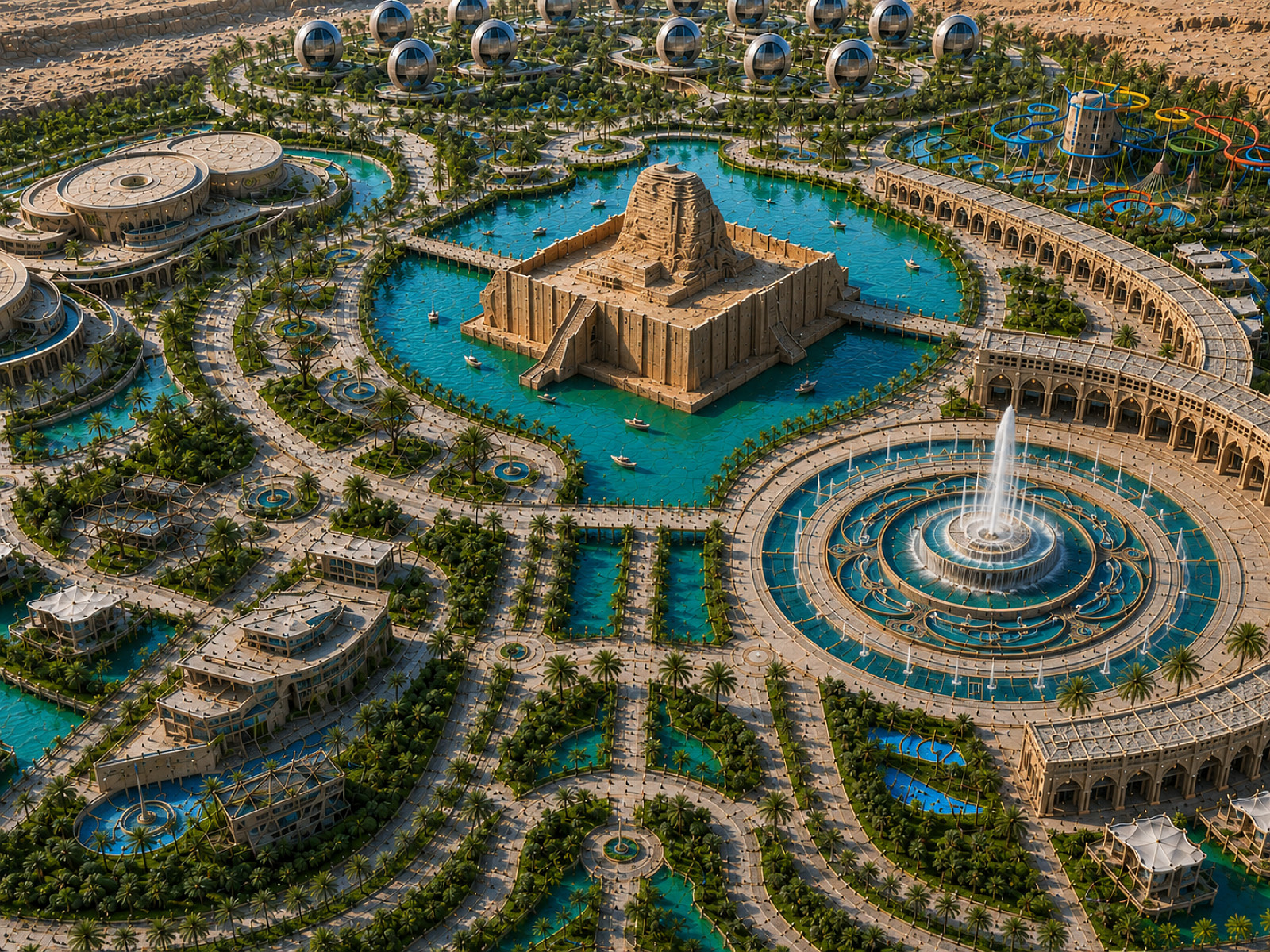
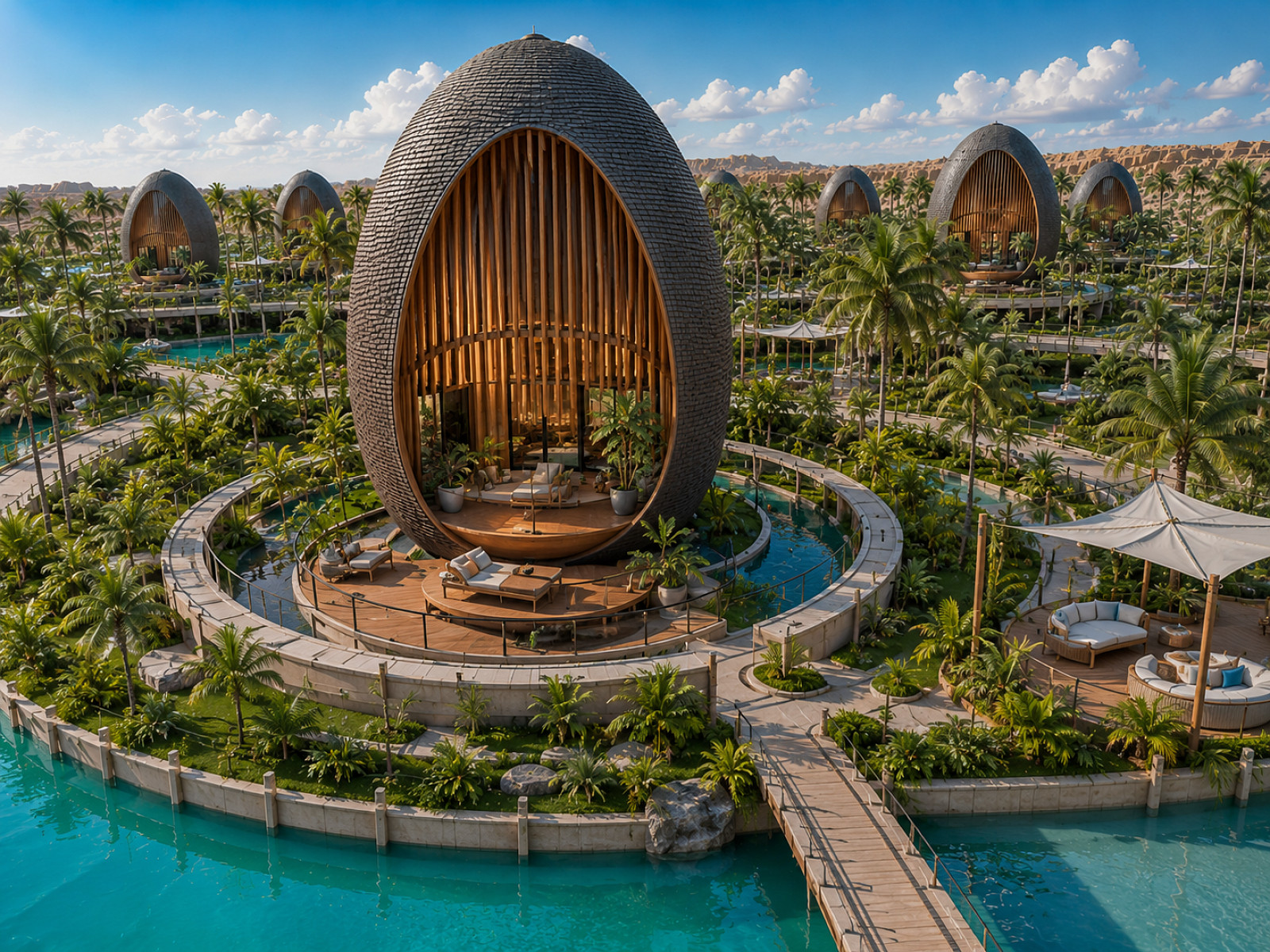
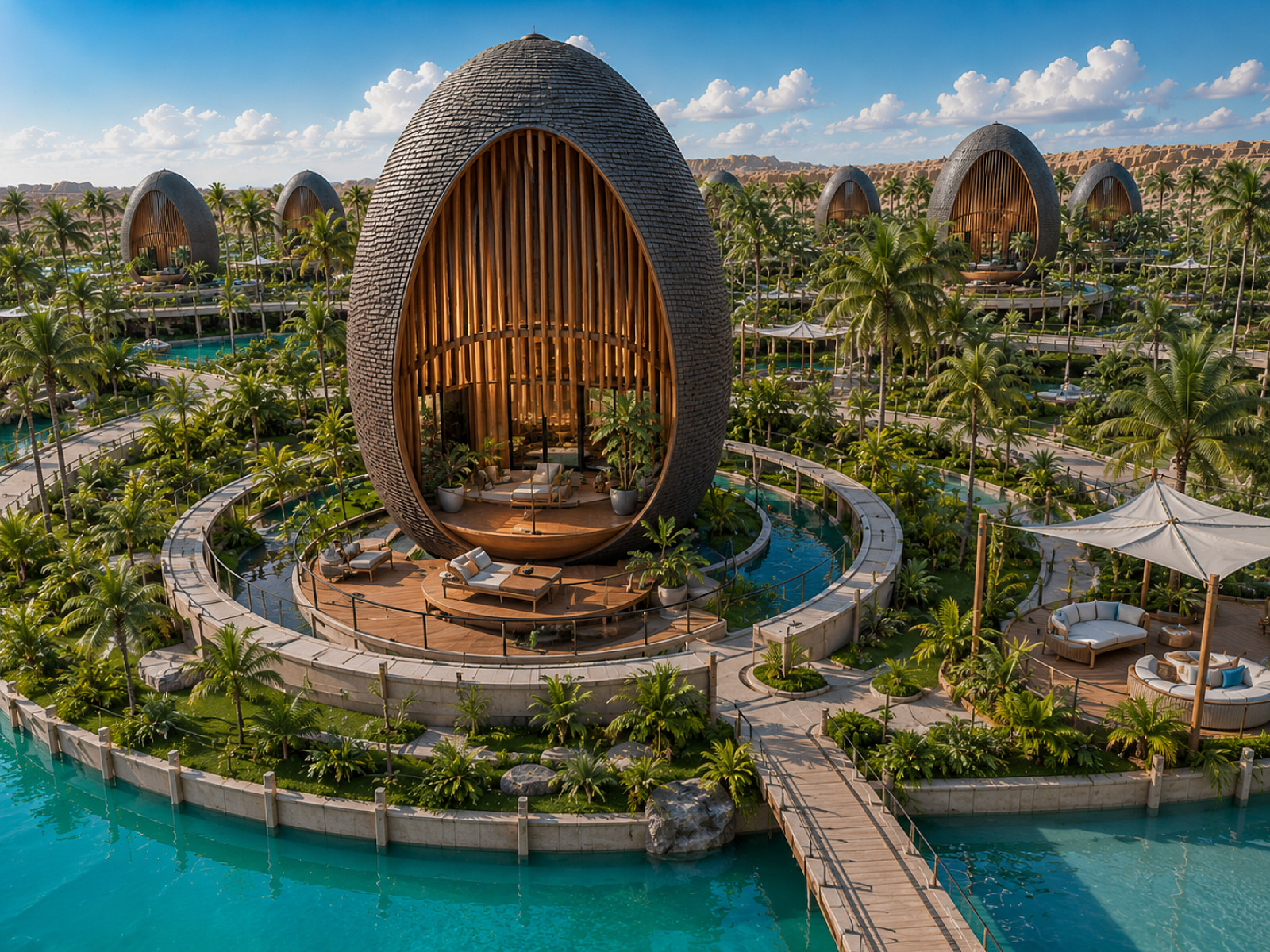
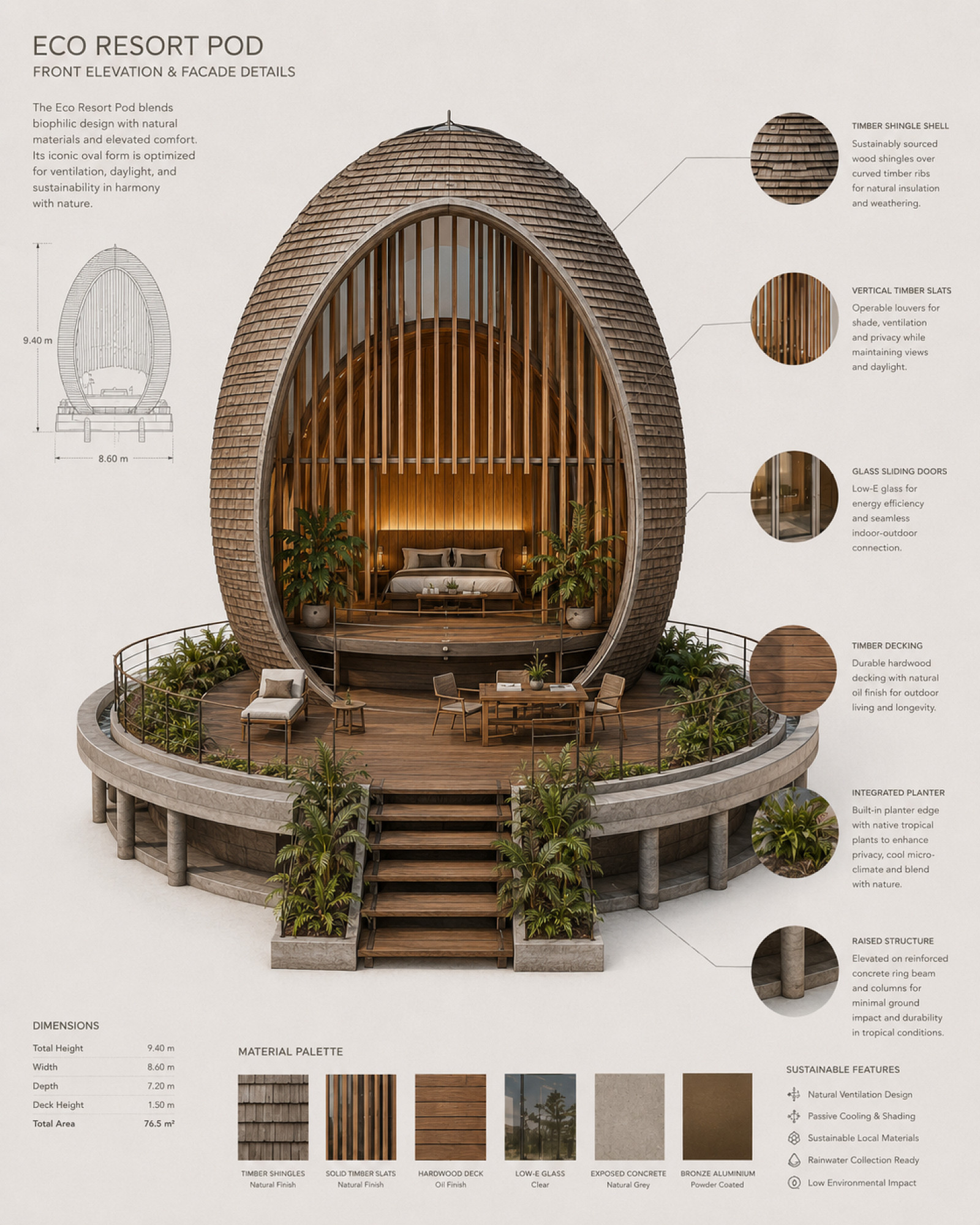
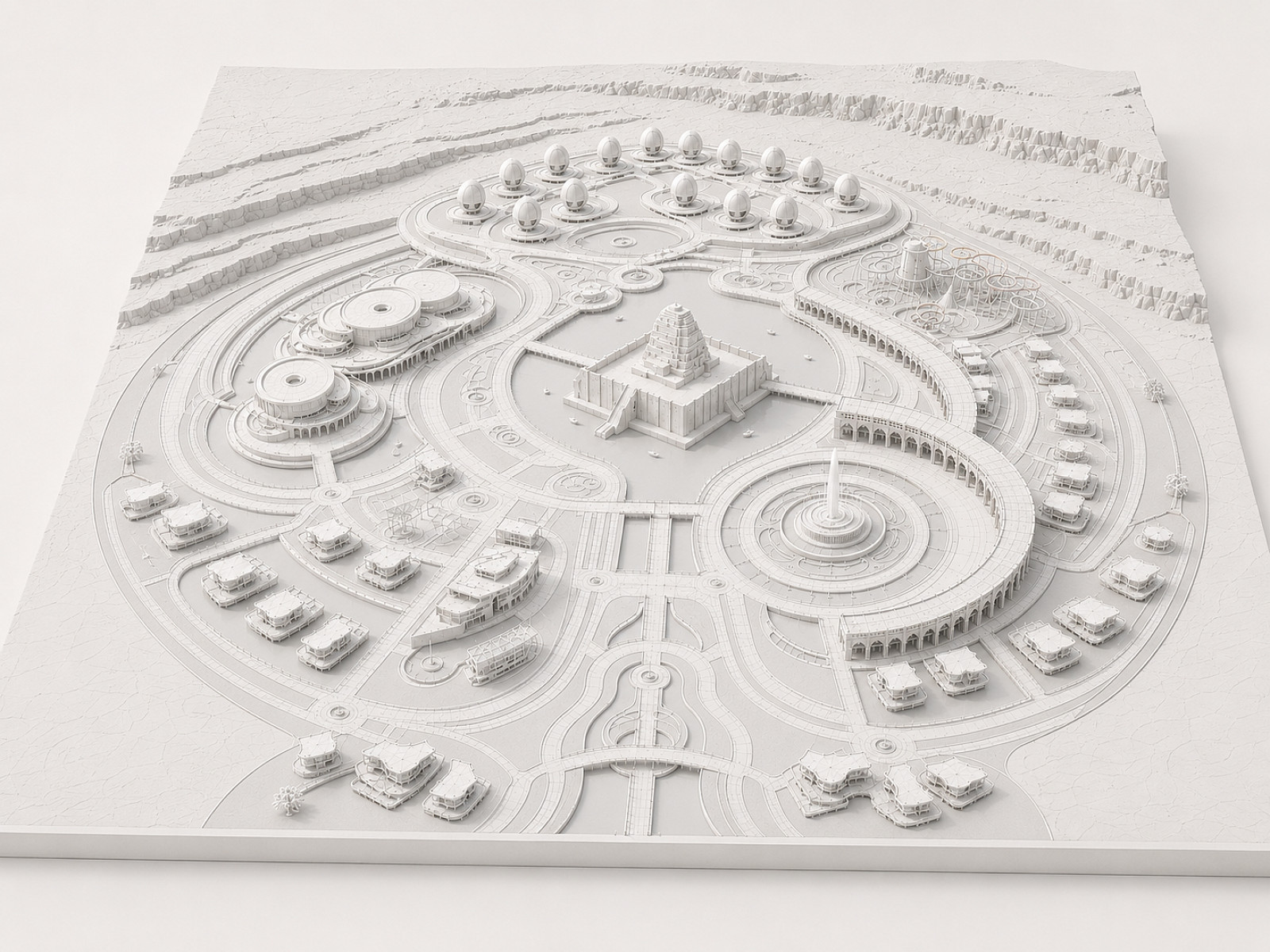
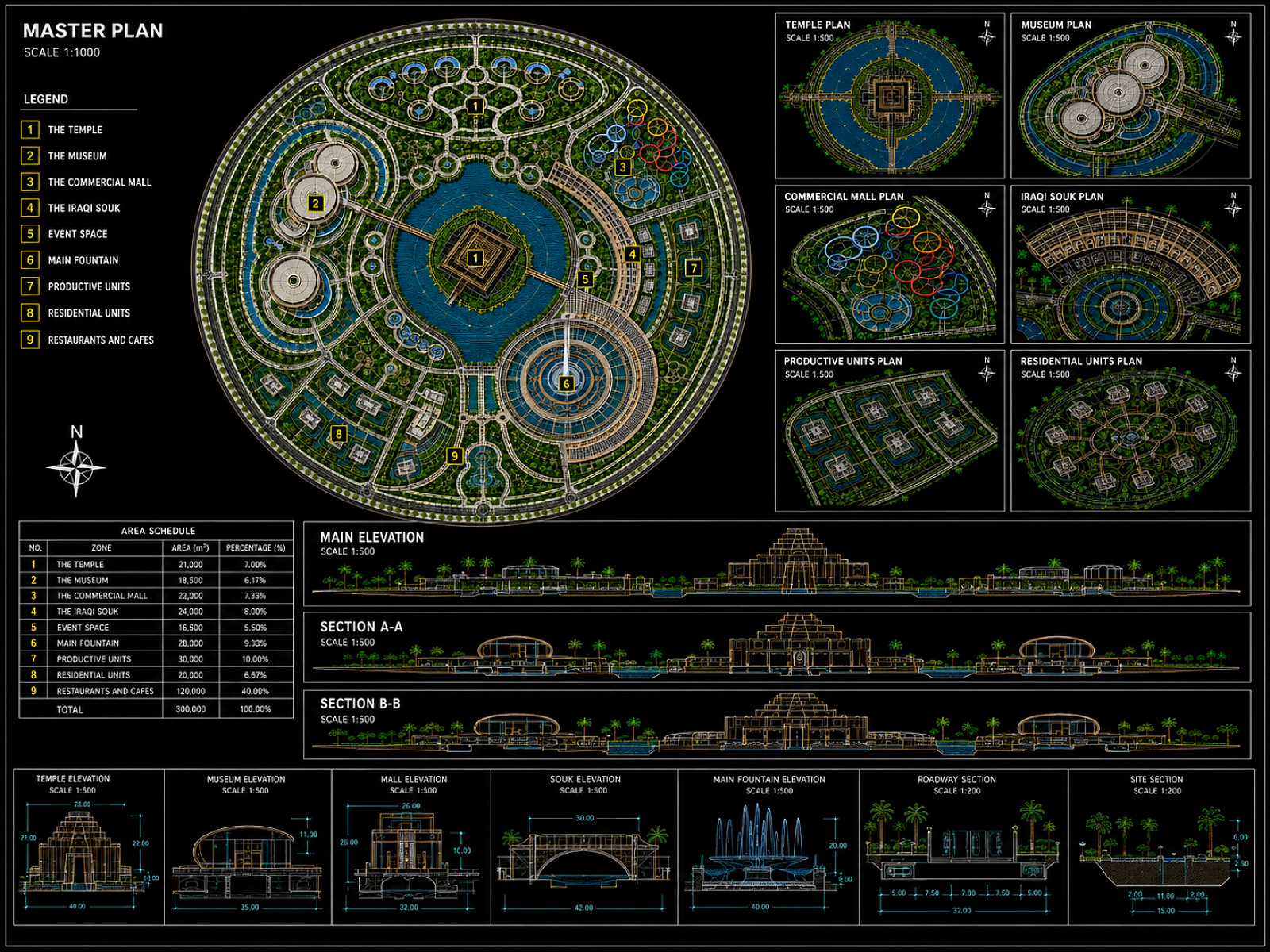
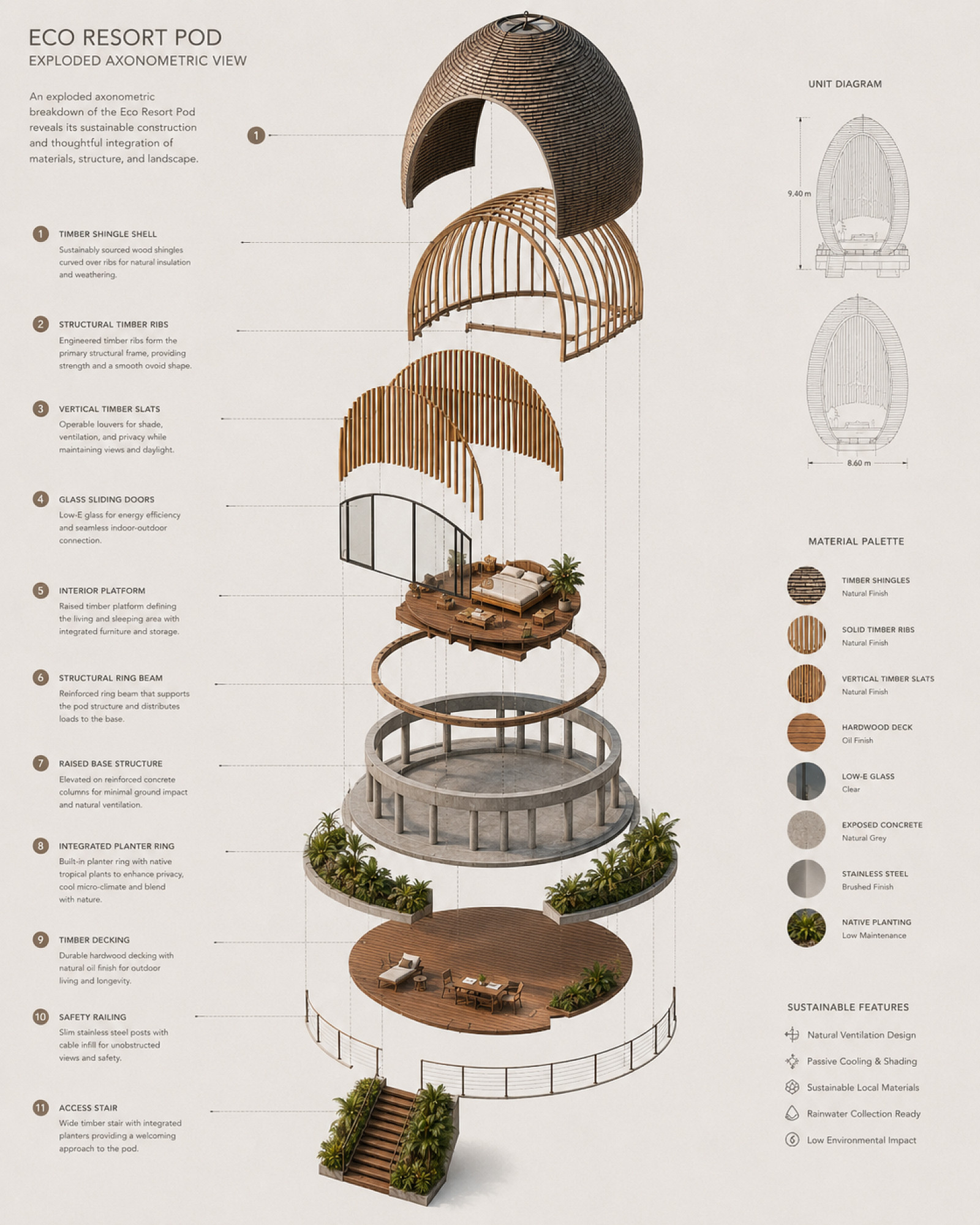
The Aqarquf Eternal Oasis is a large-scale heritage tourism resort surrounding the ancient Ziggurat of Aqarquf. The ziggurat sits at the heart of the project, surrounded by an artificial lake that echoes the historical water features of ancient Mesopotamian cities. The resort consists of the following components: a heritage museum documenting Kassite civilization and Mesopotamian history, an open-air Arabic market inspired by traditional Iraqi bazaars, luxury eco-resort units designed as wooden pod structures scattered across the landscape, dancing fountain plazas with choreographed water and light shows, a cultural entertainment zone with recreational facilities, lush palm gardens and waterways connecting all zones, and grand colonnaded promenades framing views of the ziggurat.
Technical information
The resort is designed with full respect for the UNESCO heritage site regulations, maintaining a protected buffer zone around the ziggurat. Resort pod units are constructed from sustainable timber with minimal ground impact foundations. Water features use recirculating systems to minimize consumption in the desert climate. Landscape design incorporates native Iraqi palm species and drought-resistant planting. Shading structures and orientation are optimized for the hot desert climate of central Iraq. All new construction maintains a low profile to preserve the visual dominance of the ziggurat on the horizon.
Documentation

Copyright © 2026 INSPIRELI | All rights reserved. Use of this website signifies your agreement to the Terms of Use, Privacy Policy, and use of cookies.