Deira Urban Market
Project idea
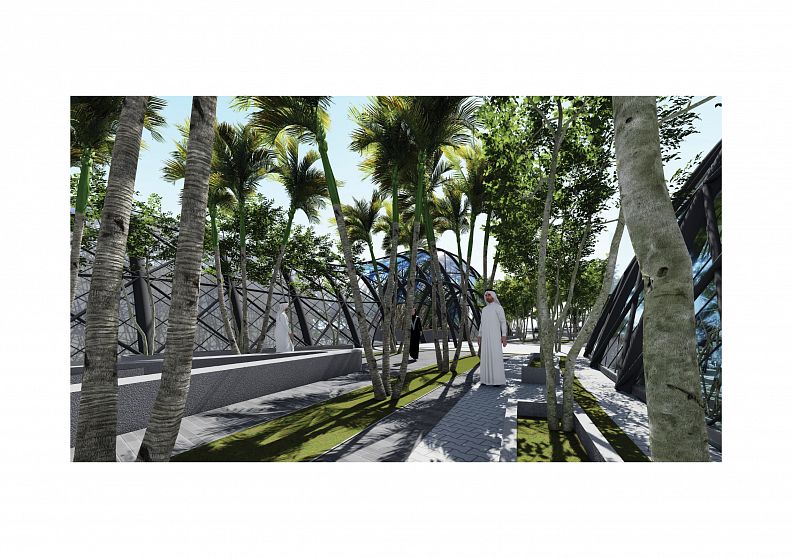
Architecture is not only about buildings but also about processes and systems. The interrelations and interactions of people and spaces play a huge role in shaping the built environment around us. Dealing with the context of the site and the complexity of the urban fabric, the project innovative design systems go beyond the physical realm. Rediscovering the old urban market typology in the region reveals a surprising history of ideas. Using materials that talk to the history of the site and the trade activity that once occurred in the area, traditional materials are reimagined to convey a visual effect of humility via craft and provide a high level of environmental performance. The technologically driven design borrows materials and techniques from the trade discipline that helped shape the regional commercial activity back in the day. Hence, the sensible use of technology along with the application of local tradition is the ultimate resolution to the current challenges facing the architectural discipline and the urban infrastructure.
Project description
The parameters of the project focus on improving the quality of air, increasing the contribution of clean energy, and implementing green growth plans. As an urban market located in Dubai, the proposal achieves a perfect balance between economic and social development. The intent of the project is to celebrate food culture and promote healthy eating and access to good quality produce locally. Urban agriculture is a social movement for sustainable communities, where organic growers, foodies, and locavores form social networks founded on a shared ethos of nature and community. Many people are looking for food security, nutrition, and income generation which are key motivations for urban agriculture and local markets. People who live in cities need a more direct access to fresh vegetables, fruits, and meat products through urban agriculture. All of this combined seeks to further improve the quality of life and encourage sustainable alternatives for growing and consumption of agricultural produce.
Technical information
The project design documents are at 100% design developments stage. The documents include a comprehensive aspect of the project containing site analysis and research conducted prior to the project, rendered visualization of completed project, building code review, building façade design, sections and plans of various scales to show context within the site, and the spatial arrangement of the market. The projects structural design is shown in the foundation plans, framing plans and detailed wall section model. The details of the project are also carefully designed and curated including the bathroom details, lighting, and ceiling conditions. The project is designed to allow for easy assembly of prefabricated systems on site in a relatively short period of time.
Abdullah Khouri, Janet Jacob
American University of Sharjah, College of Architecture, art and Design, Sharjah
United Arab Emirates
Arquitectura
Proyecto enviado
09. 02. 2021Etiqueta
Consejo a estudiantes
Consejo a estudiantes
Mercado urbano de Deira

Copyright © 2026 INSPIRELI | All rights reserved. Use of this website signifies your agreement to the Terms of Use, Privacy Policy, and use of cookies.


