Polar station CZ*ECO NELSONx
Idea projektu
Cílem projektu bylo navrhnout stavbu, kterou by bylo možné postavit v České republice a následně ji snadno rozebrat a převézt do Antarktidy, kde by byla znovu postavena pouze pár lidmi, avšak tato konstrukce musí být zároveň schopna odolat nepříznivým podmínkám jako jsou: extrémně nízké teploty, silný nárazový vítr, vysoké UV záření, problematická půda a zároveň musí být budova soběstačná. The aim of the project was to design a building that could be built in Czech Republic and easily dismantled and transported to Antarctica, where it would be rebuilt by only a few people, but this structure must be able to withstand adverse conditions such as extremely low temperatures, strong impact wind, high UV radiation, problematic soil and at the same time the building must be self-sufficient.
Popis projektu
Cílem projektu vytvořeného skupinou žáků je návrh systémového stavebního řešení využitelného v extrémních podmínkách Antarktidy. V budoucnu by měl pomoci podpořit Český výzkum v této oblasti. Konkrétně se jedná o novou podobu stanice CZ*ECO Nelson v Antarktidě, která se bude skládat z hlavní budovy o kapacitě 8 lůžek a samostatného skladu pro umístění technických zařízení. Kromě samotného polárního výzkumu zde bude probíhat i testování nových materiálů a technologií s možným uplatněním například ve vesmírných programech. V návrhu je kladen důraz na modularitu, použití přírodních materiálů a udržitelnost. Součástí je i energetický koncept. Na rozdíl od vnitrozemí Antarktidy, kde jsou velmi nízké teploty a nízká vlhkost vzduchu, je pobřeží ostrova Nelson unikátní proměnlivou teplotou, vysokou vlhkostí vzduchu a silnými nárazovými větry. Právě místní podmínky jsou hlavními činiteli ovlivňující výslednou podobu stanice. Dřevěný konstrukční systém vychází ze stavebnicového principu WikiHouse a umožňuje předpřípravu jednotlivých částí, snadný převoz a rychlou montáž na místě. Skládá se z překližkových rámů, které plní hlavní nosnou funkci, a modulárních boxů vyplněných tepelnou izolací. Návrh a realizace stavby probíhají ve spolupráci mezi Fakultou Architektury Brněnského VUT, Českým antarktickým nadační fondem a polárním výzkumem na Masarykově univerzitě. Jedním z výstupů projektu bude prototyp skladu 1:1, na kterém se ověří funkčnost návrhu. Tato realizace může dále sloužit například jako útulna v horách. The aim of this project created by a group of students is to design a prefabricated building system applicable in extreme conditions of Antarctica. The task in question is the remodeling of the polar station CZ*ECO Nelson located on the island of Nelson, which should help Czech on-site scientific research in the future. The station will consist of the main building with an 8 person capacity and a storage building for technical equipment. Aside from the polar research, new materials and technologies will be tested in the environment with the potential of future usage in other areas such as space programs. The proposal’s emphasis is on modularity, usage of natural materials and sustainability. In contrast with inland Antarctica, where the temperatures are extremely low as well as air humidity, this location is specific for its very inter-changeable temperatures, high levels of humidity and strong gusty winds. Local conditions are one of the main factors crucial for the design form-finding. The wooden structural system is inspired by the WikiHouse building principles and allows digital prefabrication of individual building components, simple transport and quick on-site assembly. The system consists of several load-bearing plywood frames and modular boxes filled with insulation. The design and implementation of the structure is realized in cooperation among the Faculty of Architecture at BUT Brno, the Czech Antarctic Foundation and the polar research at the Masaryk University. A 1:1 prototype of the storage building will be made to test the functionality of the structure. This model prototype can also be used as a mountain cabin available to the public.
Technické informácie
Konstrukční systém se skládá z nosných rámů a ztužujících boxů. Rámy budou sestaveny na místě z jednotlivých předem připravených prvků. Jednotlivé části ponesou označení, aby sestavení proběhlo rychle a bezproblémově. Mezi rámy se vloží ztužující boxy, které se sestaví ještě před odvozem z ČR. Mnoho boxů bude standardizovaných, aby se usnadnila výstavba. Kvůli dosažení optimálního tvaru se použijí i boxy nestandartní. Nestandartní boxy budou označeny podobně jako prvky trámů. Každý box bude uvnitř vyztužen. Všechny konstrukční prvky budou na místě stavby vyplněny tepelným izolantem. Celá konstrukce se vynese nad terén. Pro založení stavby na vrstvě permafrostu a štěrku se použijí základové pražce nebo základy z gabionů. Na ně naváží patky, které budou přichycenydo nosníků. Kolmo k nosníků budou postaveny rámy konstrukčního systému The construction system consists of supporting frames and reinforcing boxes. The frames will be assembled on-site from individual pre-prepared elements. The individual parts will be marked so that the assembly can be carried out quickly and without any problems. Stiffening boxes are inserted between the frames, which are assembled before removal from Czech Republic. Many boxes will be standardized to facilitate construction. In order to achieve the optimal shape, non-standard boxes are also used. Non-standard boxes will be marked similarly to beam elements. Each box will be reinforced inside. All structural elements will be filled with thermal insulation at the construction site. The whole structure will be raised above the ground. Foundation wooden sleepers or gabion foundations are used to establish the structure on a layer of permafrost and gravel. They will be attached to the feet, which will be attached to the beams. The frames of the construction system will be built perpendicular to the beams
Papcun
FA VUT - Brno University of Technology, Faculty of Architecture
Czech Republic
Architektúra
Projekt odovzdaný
10. 02. 2021Štítok
Rady študentom
Rady študentom
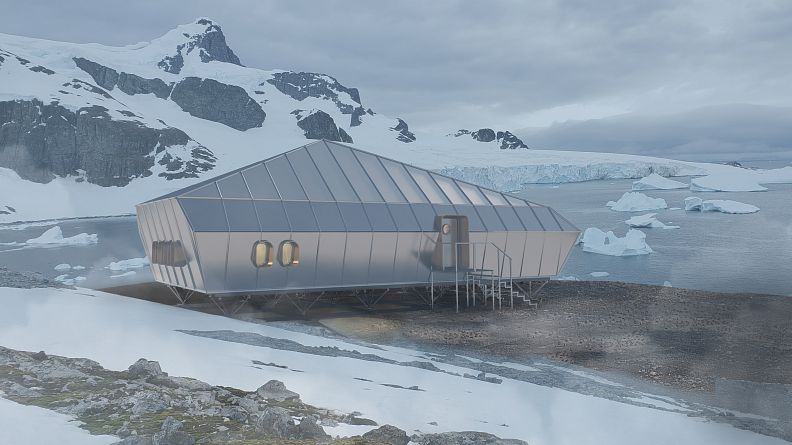
Polar station CZ*ECO NELSONx

Copyright © 2026 INSPIRELI | All rights reserved. Use of this website signifies your agreement to the Terms of Use, Privacy Policy, and use of cookies.


