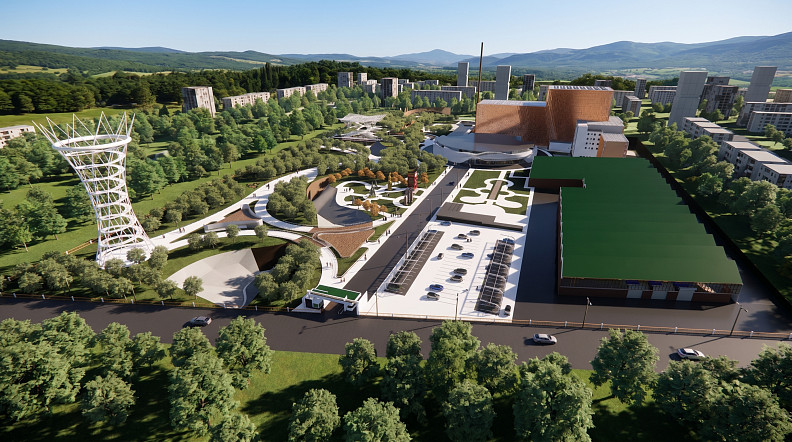
Kombolcha Industrial,Ecology & Innovation Park
Project idea
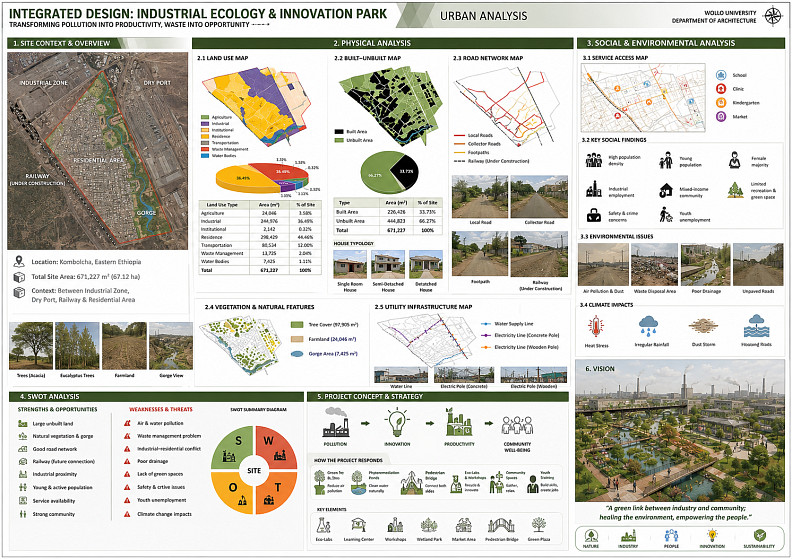
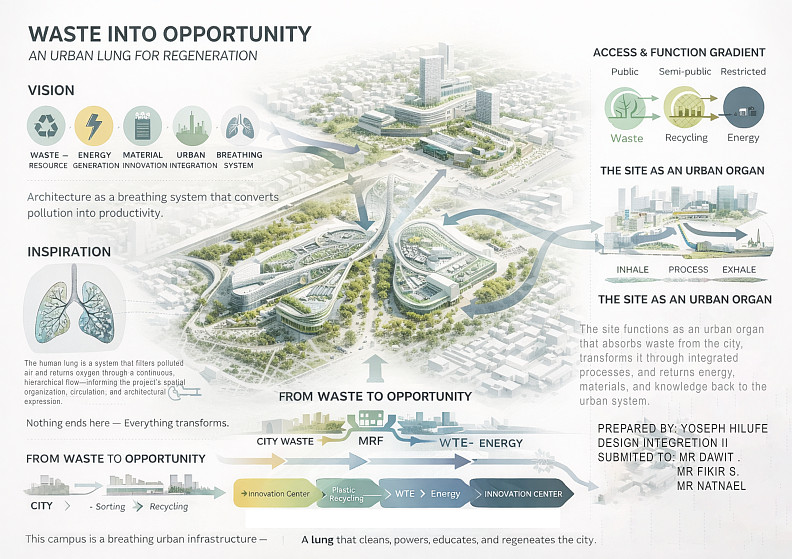
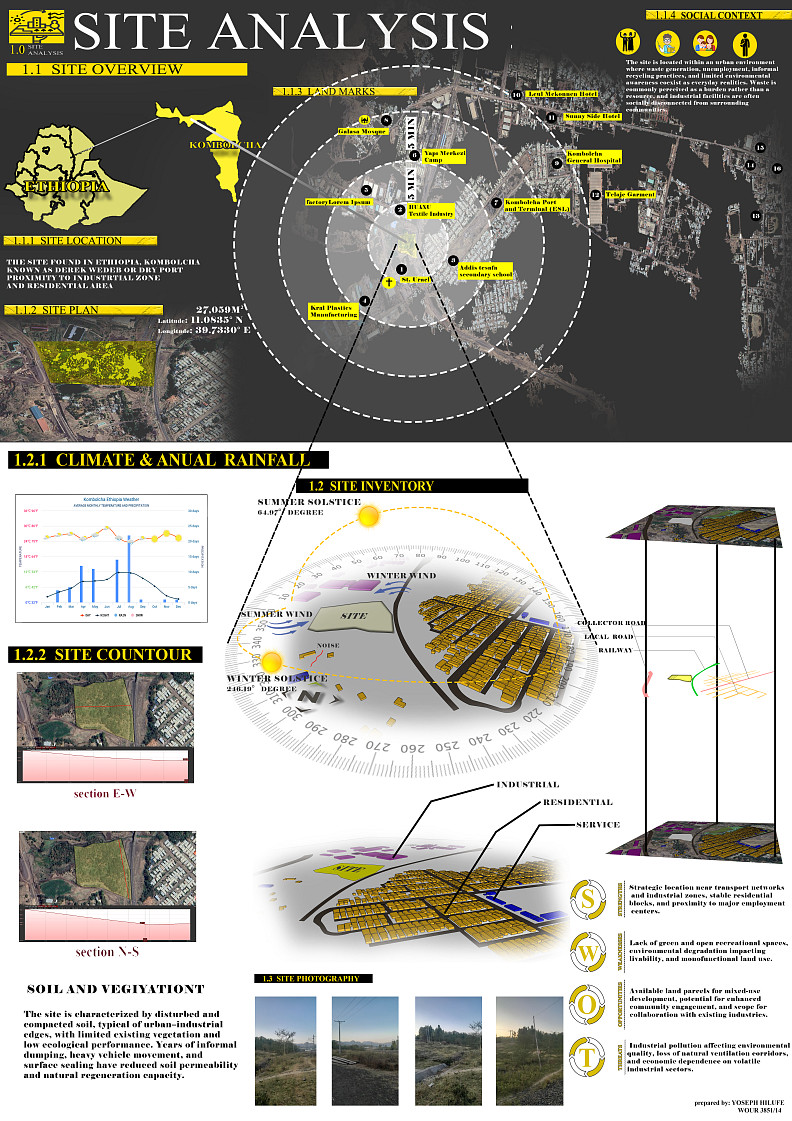
Kombolcha is a rapidly industrializing Ethiopian city where 1,853 residents live at very high density directly adjacent to an open waste dump with no drainage, no treatment, and no boundary. The community — predominantly young, working-class, and economically active — has never had public space, recreational infrastructure, or civic institutions. Meanwhile, the city generates thousands of tonnes of municipal solid waste annually with no systemic response. The idea was to refuse the conventional answer. Instead of hiding waste infrastructure behind walls, this project asks: what if the waste facility became the most important civic building in the district? The inspiration is industrial ecology — the principle that waste from one system becomes the resource for another. Applied at urban scale, this transforms Kombolcha's most pressing liability into the engine of its next economy: a campus where energy is recovered from waste, materials are reclaimed for local industry, and the process itself becomes the foundation for education, employment, and community life.
Project description
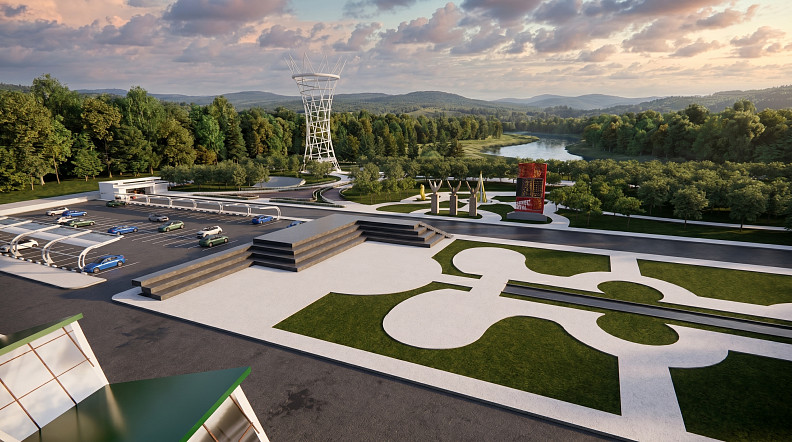
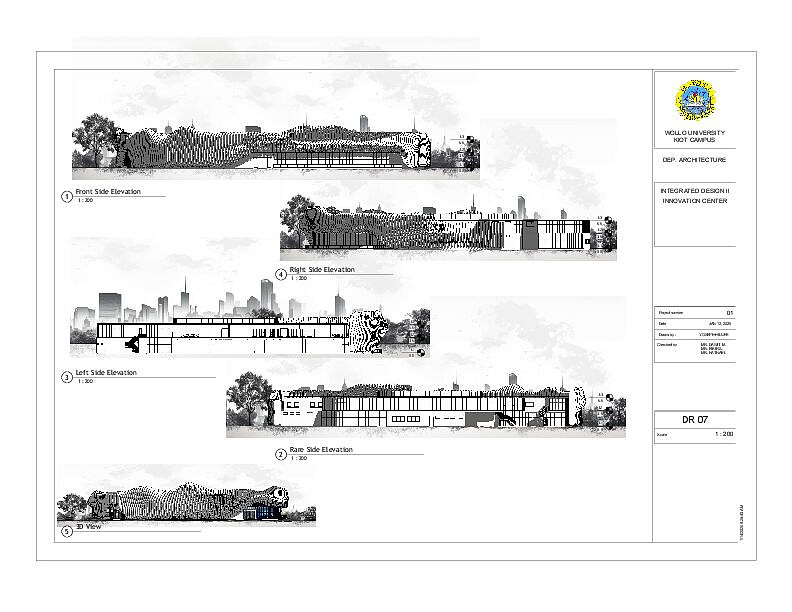
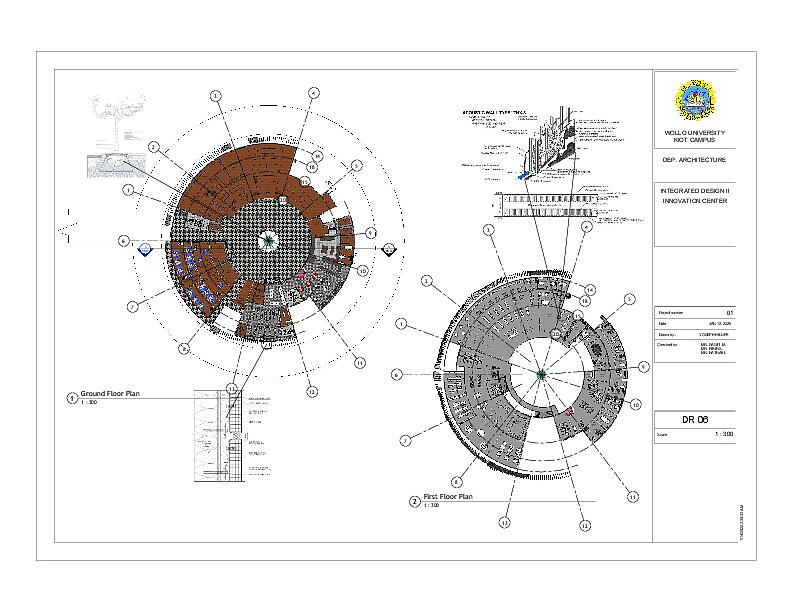
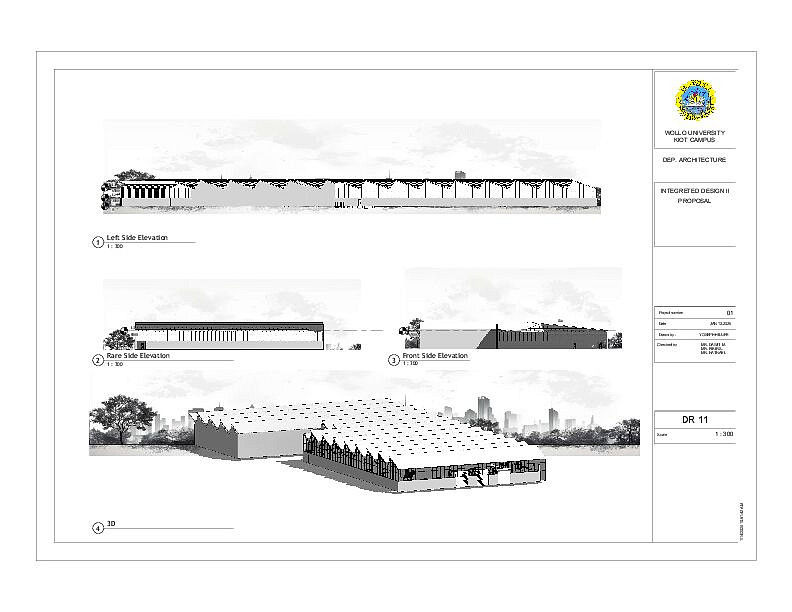
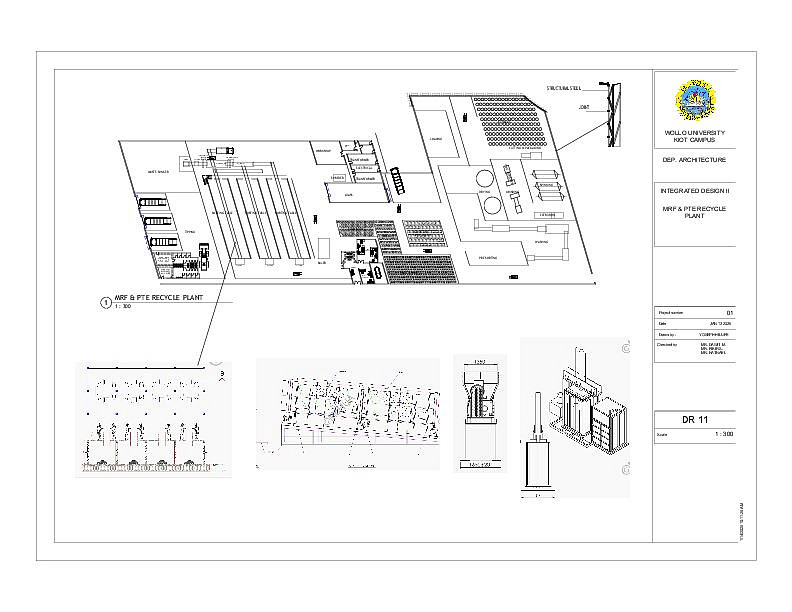
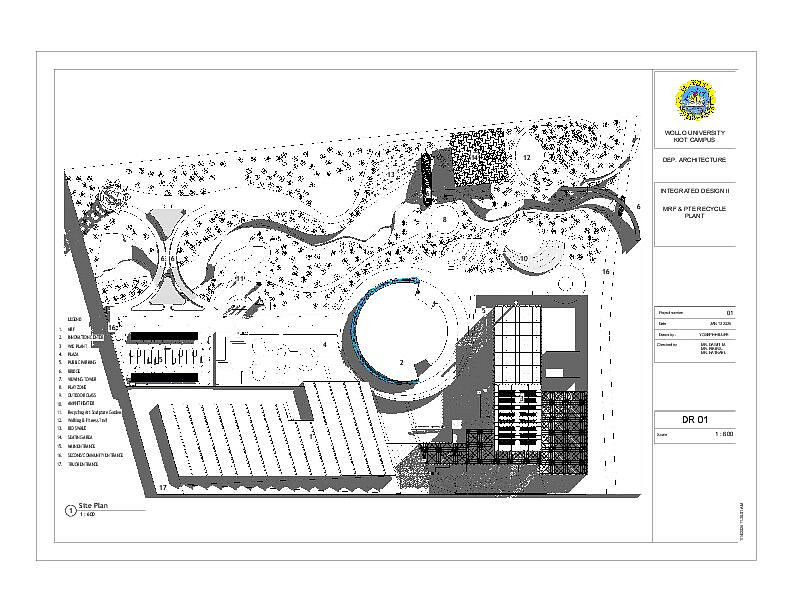
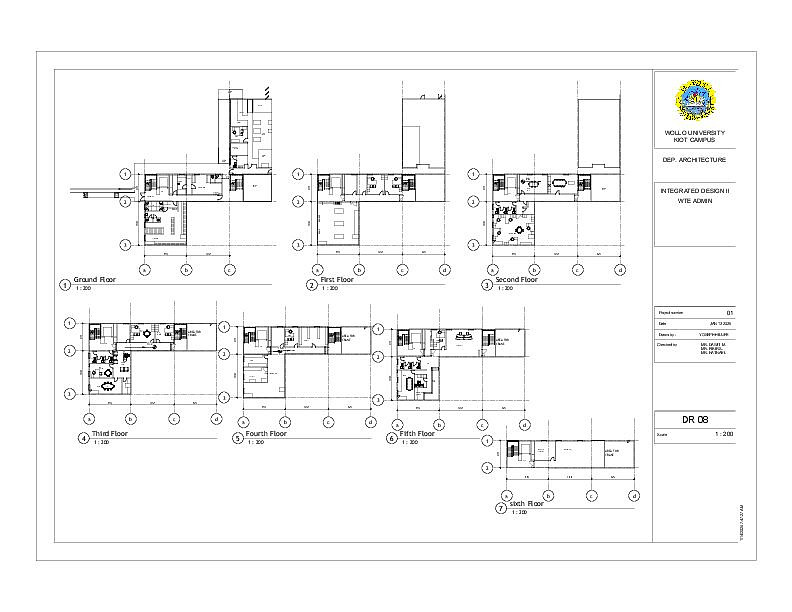
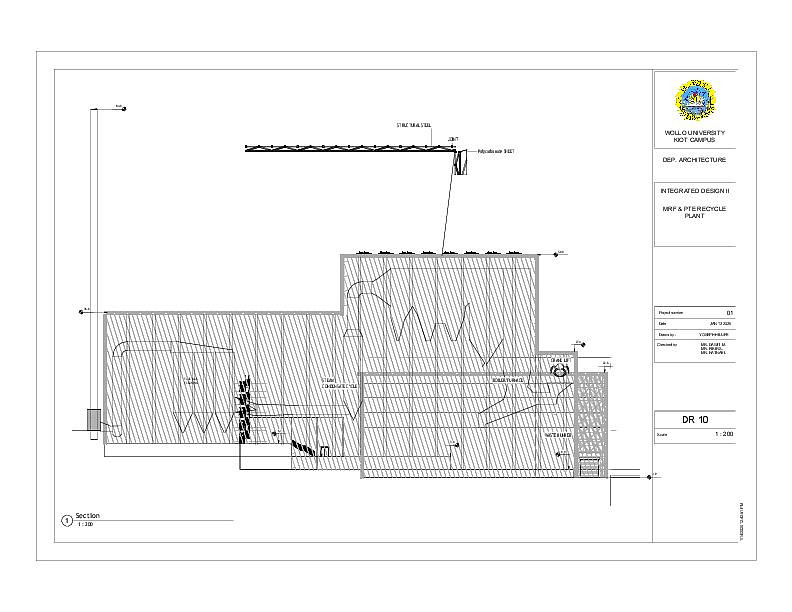
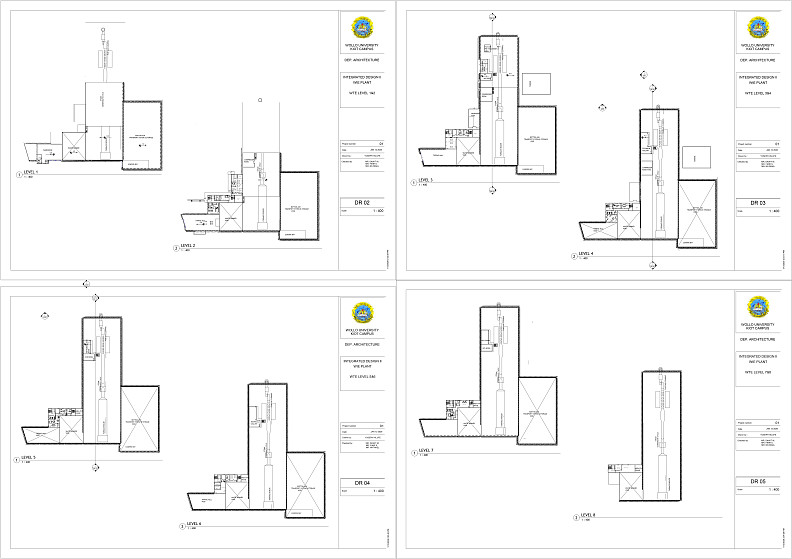
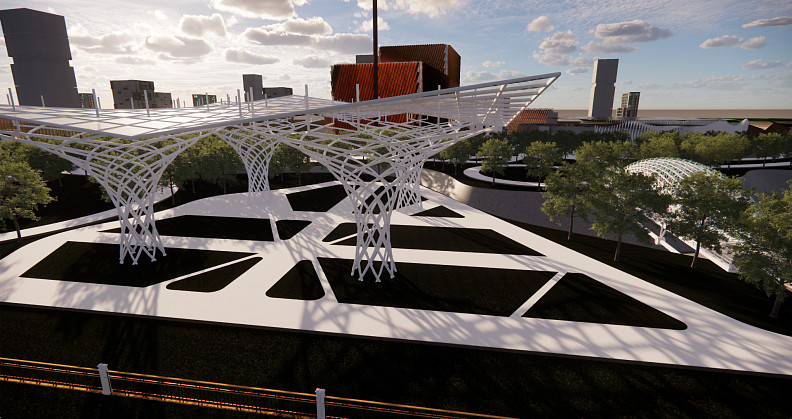
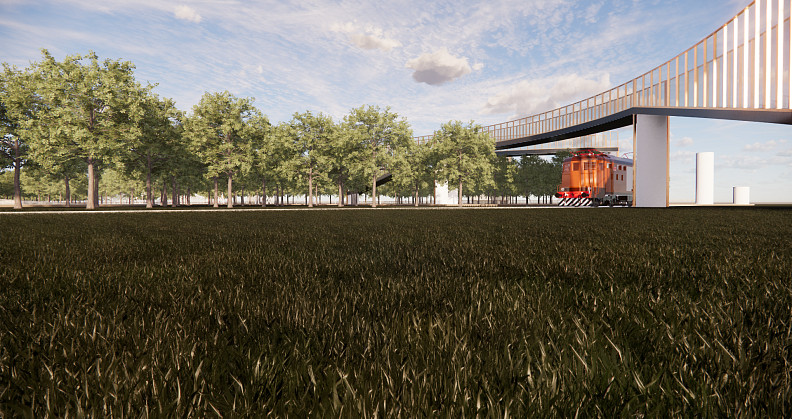
The project consists of three interconnected buildings forming a unified Integrated Waste Management Campus on a 671,277 m² site in the Kombolcha Dry Port industrial corridor, Ethiopia. The Waste-to-Energy Plant — the largest structure at eight occupied levels — receives and processes municipal solid waste through controlled incineration and energy recovery. It generates electricity for the surrounding district and thermal energy for adjacent industrial processes, converting the neighborhood's primary environmental hazard into a functioning infrastructure asset. The building's section is organized vertically: waste reception at grade, combustion hall and boiler above, flue gas treatment at upper levels, and a separated administrative wing. The Material Recovery Facility intercepts recyclables before combustion — sorting plastics, metals, glass, and organics through a combination of mechanical and manual processing. Organized around a large naturally ventilated sorting hall, it prioritizes worker conditions and creates direct formal employment for low-income residents, replacing informal dumping with a structured circular economy at neighborhood scale. The Innovation Center is the public face of the campus. Positioned at the civic edge, it houses training workshops, research spaces, a public gallery, and a rooftop terrace open to the community. It is the place where industrial process becomes education — where students, workers, and visitors understand and engage with the circular economy the campus embodies. A landscape strategy runs the full length of the site, integrating the existing gorge ecology, creating a green buffer against the railway corridor, and establishing the first genuine public open space the neighborhood has ever had. The three buildings are linked by a covered campus spine aligned with the existing collector road, respecting the settlement grain while creating a new civic edge between industrial and residential fabric.
Technical information
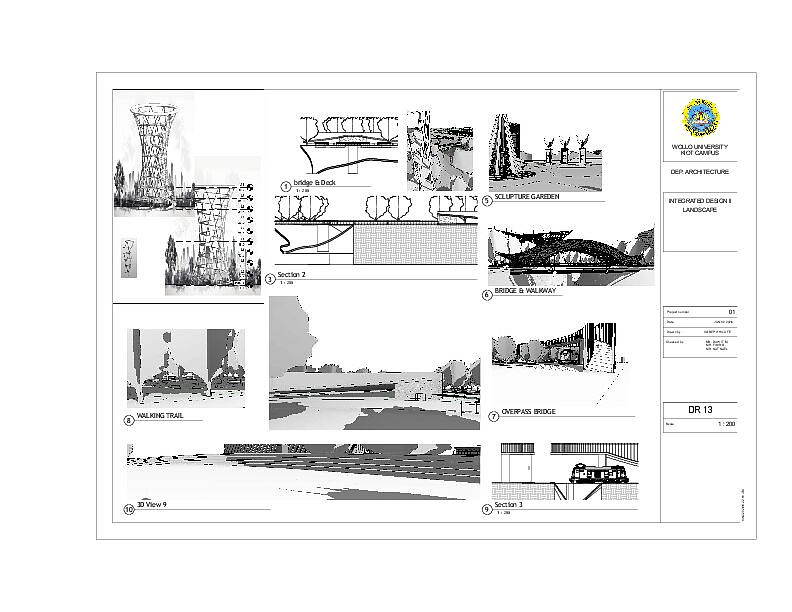
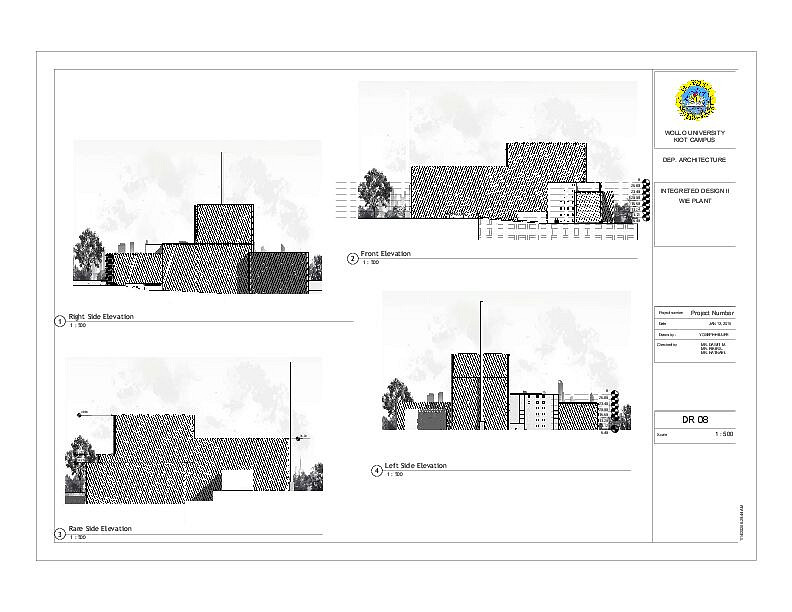
The Waste-to-Energy Plant is an eight-level reinforced concrete structure housing the complete thermodynamic process chain: tipping hall and waste bunker at ground level; grate combustion chamber and steam boiler at levels three through five; flue gas treatment — including electrostatic precipitators and scrubbers — at levels six and seven; with turbine hall and control room occupying the upper levels. The administrative block is structurally independent, connected by enclosed bridges at levels two and four. The Material Recovery Facility is a single-story long-span steel structure with a central sorting hall spanning 24 metres clear, supported by tapered steel portal frames. Roof monitors provide continuous natural ventilation and diffuse daylight across the working floor. The building envelope combines load-bearing masonry base walls with corrugated metal cladding above, referencing the dry port warehouse typology. The Innovation Center is a reinforced concrete frame building of four levels with a flexible structural grid of 7.2 × 7.2 metres to allow reconfiguration of workshop and exhibition spaces. The ground floor is a fully glazed public plinth that opens to the campus plaza. The rooftop level is a landscaped terrace accessible to the public. Across the campus, the structural strategy prioritizes local construction capacity — reinforced concrete frames, masonry infill, and steel roof structures — using materials and techniques available within the Kombolcha industrial supply chain. The landscape integrates bioswales, permeable paving, and native tree planting — Grar acacia and Bahr Zaf eucalyptus — to manage stormwater, reduce dust, and restore the ecological function of the gorge. Site area: 671,277 m² · Location: 11.0835° N, 39.7330° E · Kombolcha, South Wollo Zone, Amhara Region, Ethiopia.
Project submitted
12. 06. 2026Tag

Copyright © 2026 INSPIRELI | All rights reserved. Use of this website signifies your agreement to the Terms of Use, Privacy Policy, and use of cookies.