Tanam Ilmu
Project idea
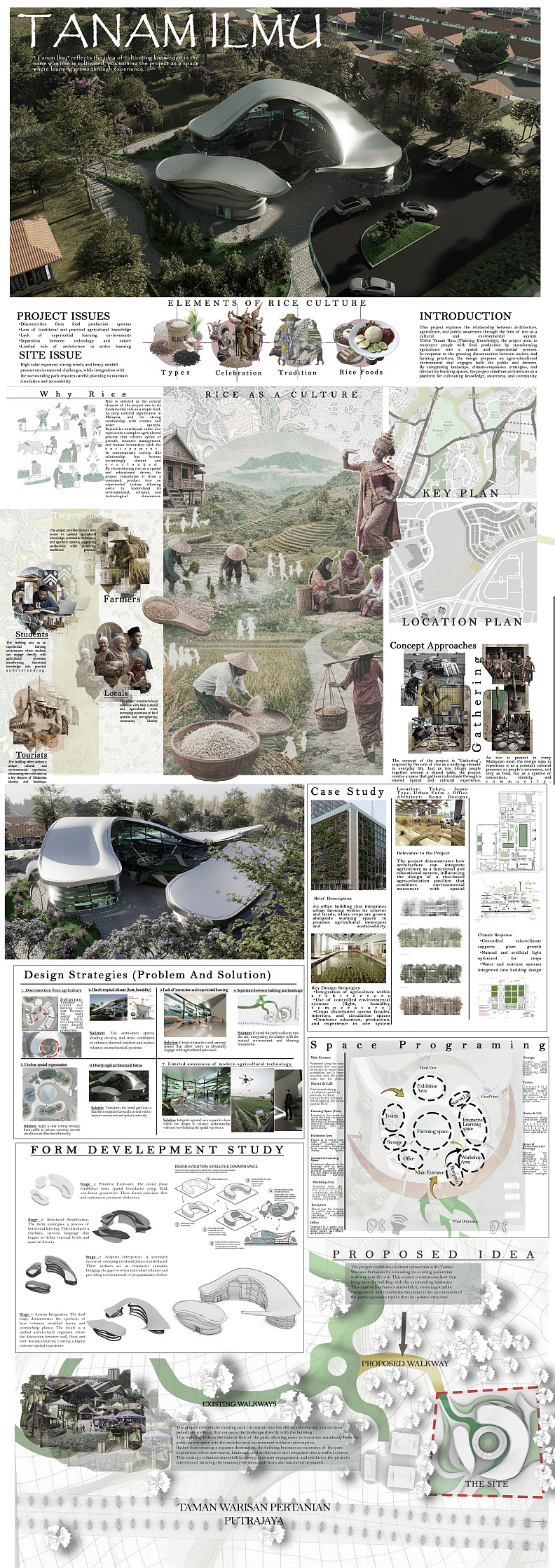
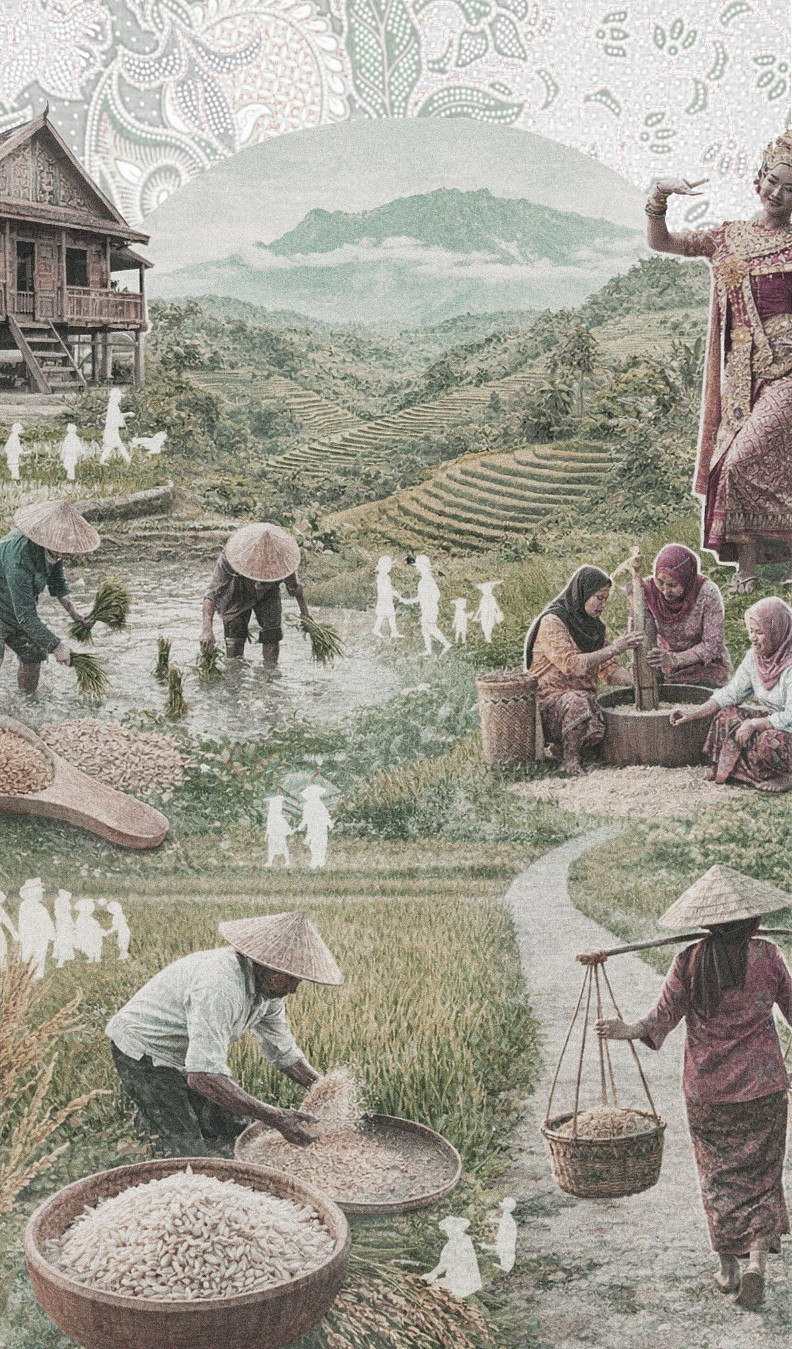
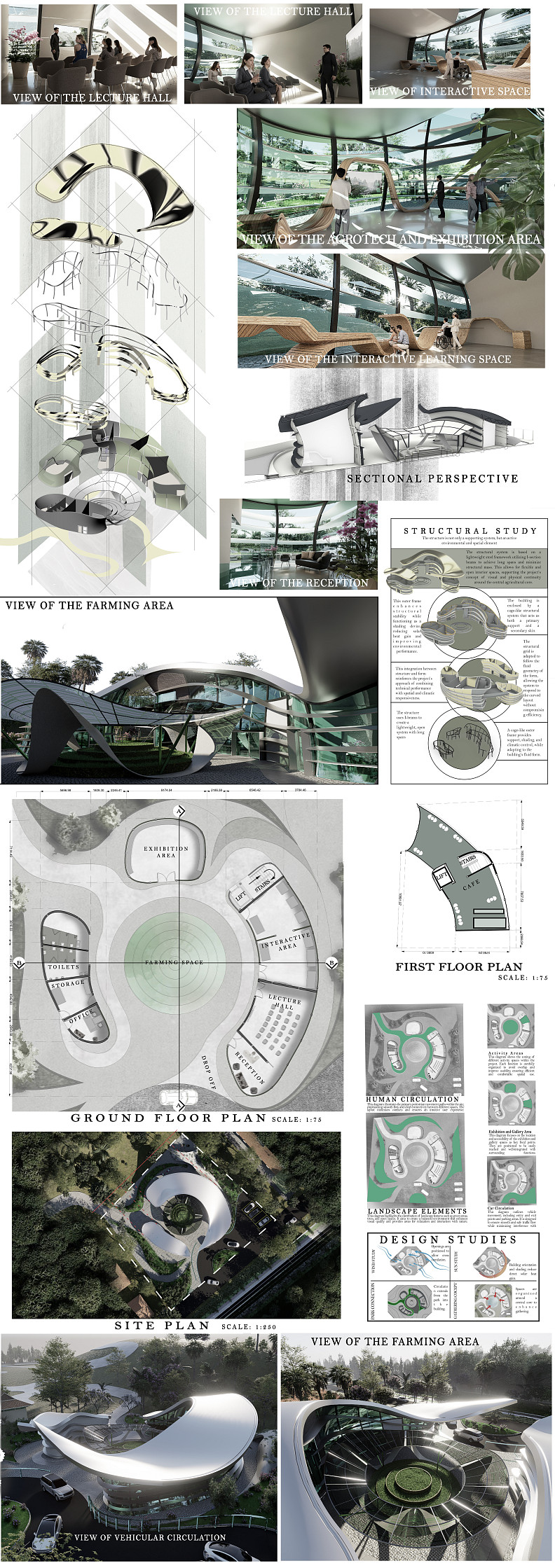
Tanam Ilmu is proposed as a Rice Cultural Farming and Educational Center that celebrates the relationship between agriculture, knowledge, community, and Malaysian rice heritage. The project transforms paddy farming into an experiential learning journey where visitors understand the full cycle of rice, from seed selection, planting, irrigation, harvesting, drying, milling, cooking, and cultural appreciation. The name Tanam Ilmu reflects the idea of planting knowledge, where every farming activity becomes a lesson about patience, sustainability, and local identity. The center integrates demonstration paddy fields, learning galleries, workshop spaces, seed nurseries, water management exhibits, farmer training areas, and community gathering spaces. Its design encourages students, families, tourists, and local farmers to interact directly with the landscape while appreciating the importance of rice in daily life and national food culture. Architecturally, the project may be inspired by the rhythm of paddy fields, the layering of rice terraces, and the lightness of traditional Malay agricultural structures. Through open courtyards, shaded walkways, reflective water channels, and natural materials, Tanam Ilmu becomes a calm educational environment that connects farming practice with cultural storytelling. The project aims to preserve rice traditions while promoting future awareness in sustainable agriculture among rural communities and the wider Malaysian public today.
Project description
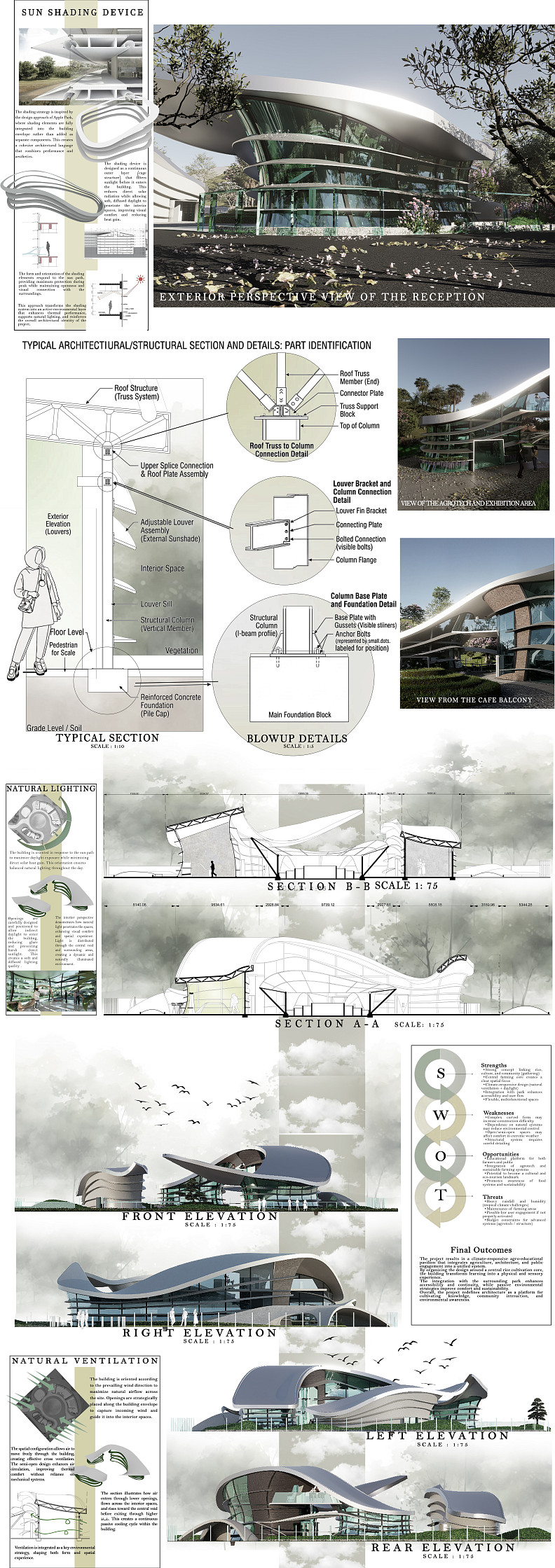
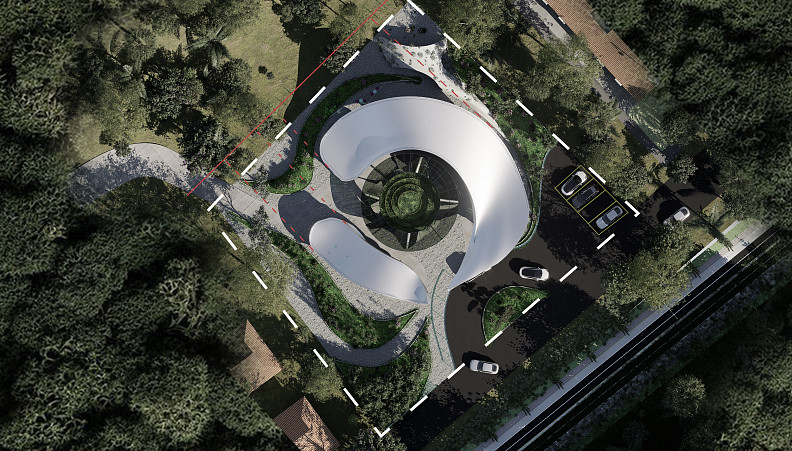
Tanam Ilmu is designed as a Rice Cultural Farming and Educational Center that expresses the journey of rice through architecture, landscape, and community learning. The project description focuses on creating a place where paddy fields are not only productive agricultural zones, but also living classrooms that teach culture, sustainability, and food awareness. The overall planning is organized around demonstration rice fields, shaded learning corridors, exhibition areas, seed nurseries, farmer workshops, cooking demonstration spaces, and community gathering courtyards. Visitors experience the process of planting, watering, harvesting, drying, and processing rice through direct observation and guided activities. The architecture responds to the character of Malaysian paddy landscapes through layered platforms, open verandas, raised walkways, natural ventilation, and roof forms inspired by traditional rural shelters. Water channels, reflective ponds, and irrigation paths become part of the spatial experience, showing the importance of water management in rice farming. Natural materials such as timber, bamboo, earth tone finishes, and woven screens create a warm cultural atmosphere. Tanam Ilmu becomes a meaningful educational destination that connects agricultural knowledge, local heritage, and environmental responsibility within one interactive farming environment for future generations of learners. It strengthens appreciation toward rice as both daily food and national cultural identity.
Technical information
The technical information for Tanam Ilmu focuses on supporting rice cultivation, environmental education, and visitor comfort through practical architectural and agricultural systems. The project requires well planned irrigation networks, controlled water channels, retention ponds, and drainage systems to maintain healthy paddy fields while demonstrating traditional and modern water management. Raised timber walkways are proposed to protect crops, guide visitors safely, and reduce soil disturbance. The buildings can use lightweight steel or timber structures with wide roof overhangs, open verandas, and high ceilings to encourage natural ventilation and shaded learning spaces. Solar panels may support basic lighting, water pumps, and exhibition equipment, while rainwater harvesting can supplement irrigation use. Natural materials such as bamboo screens, timber cladding, clay finishes, and woven panels help reduce heat while expressing local agricultural identity. Service areas should include seed storage, tool rooms, drying areas, milling demonstration rooms, composting zones, staff facilities, and maintenance spaces. Accessibility must be considered through ramps, clear circulation routes, rest areas, and safe viewing decks. Overall, the technical approach allows Tanam Ilmu to function as a productive rice learning center that combines sustainable farming, cultural interpretation, and efficient building performance for students, farmers, visitors, and surrounding communities throughout the year daily.
Project submitted
14. 06. 2026Tag
- Schools
- Nursery
- University
- Library
- Other
- Playground
- Parks
- Public spaces
- Gardens
- Waterway
- Cemetery

Copyright © 2026 INSPIRELI | All rights reserved. Use of this website signifies your agreement to the Terms of Use, Privacy Policy, and use of cookies.