Fluidity
Project idea
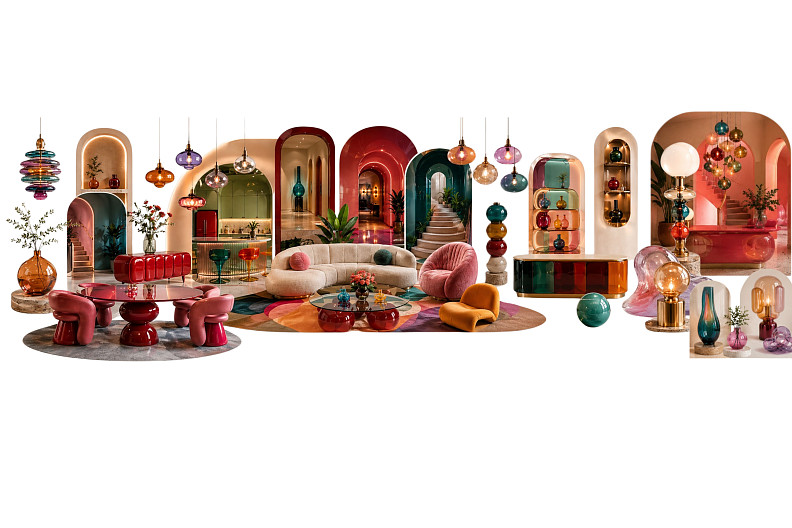
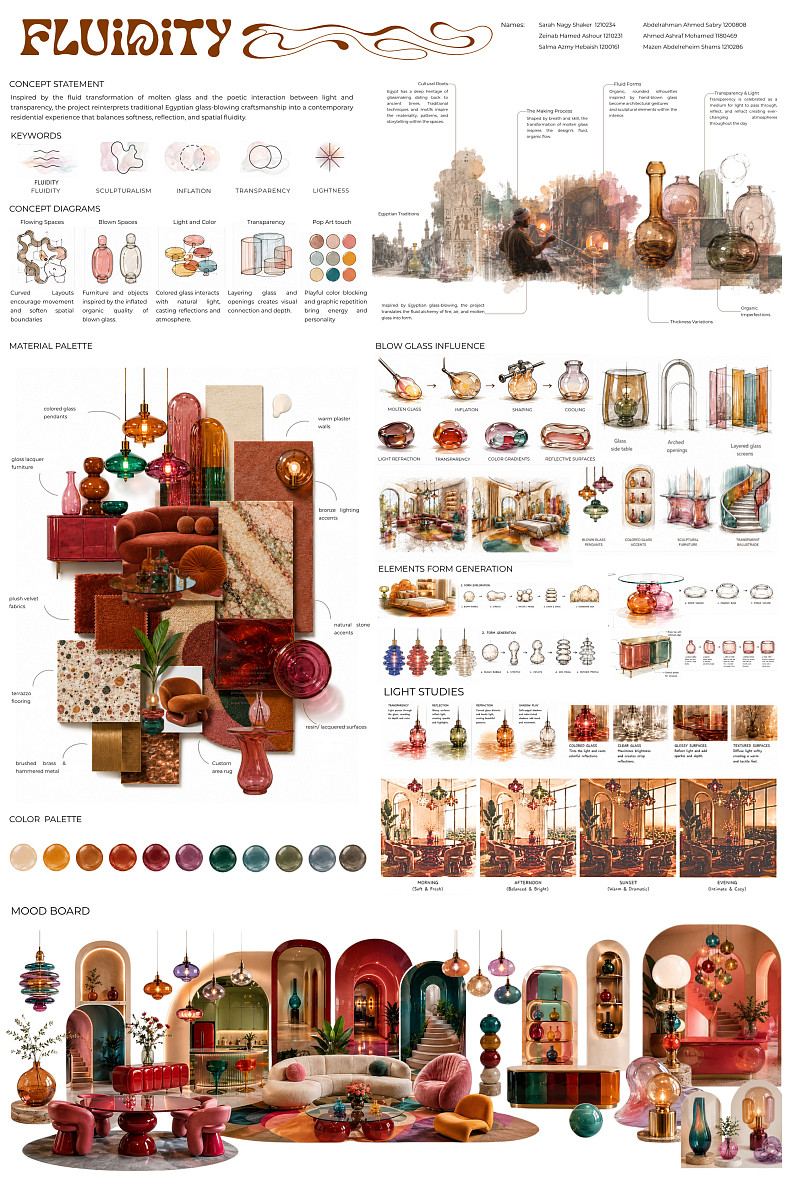
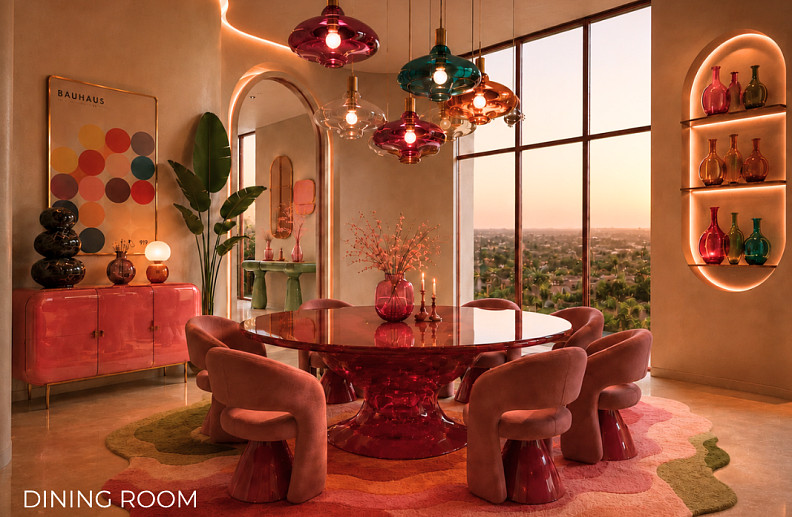
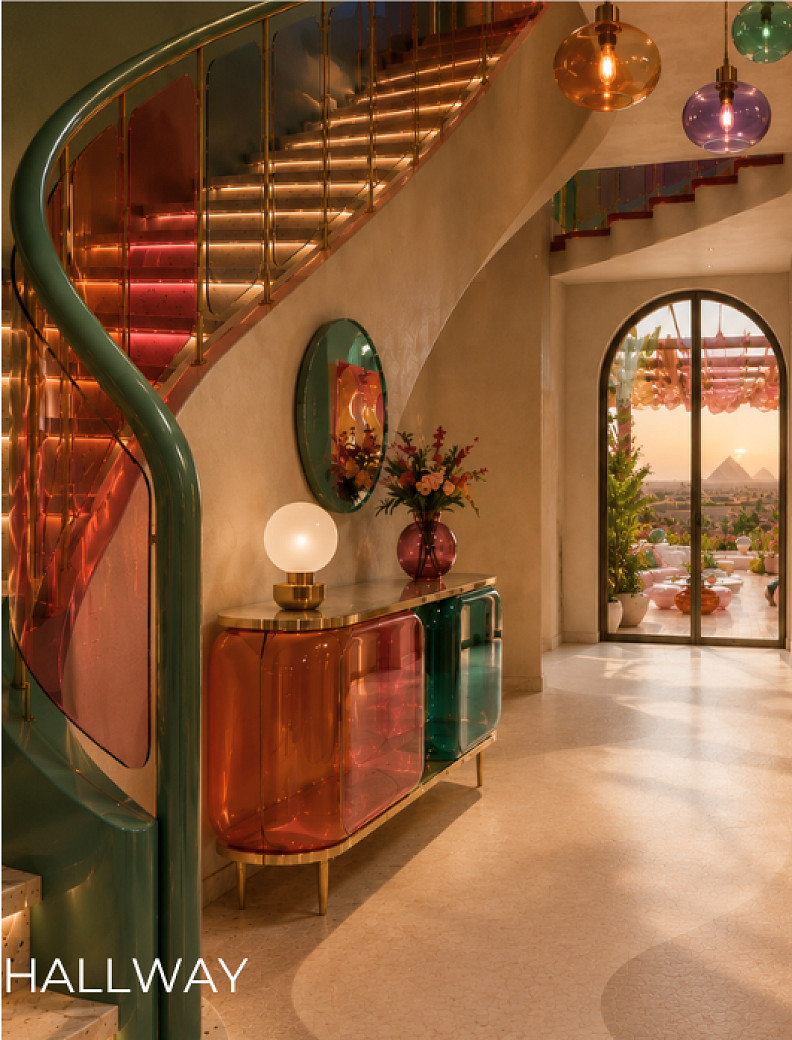
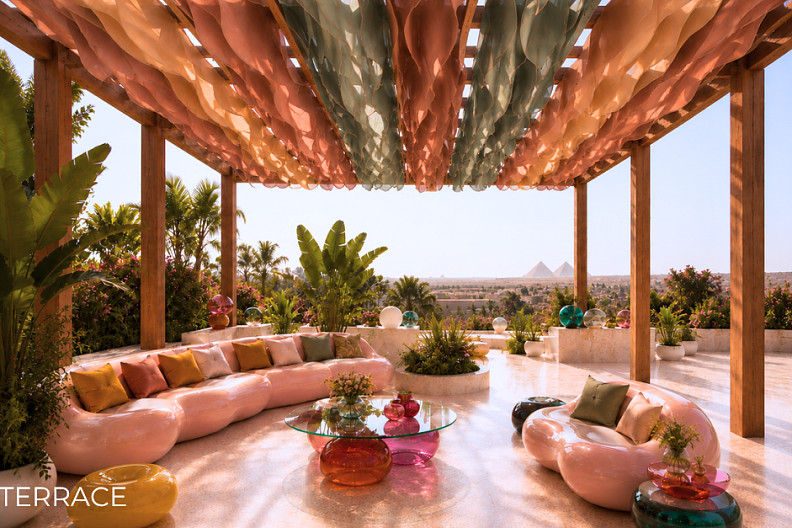
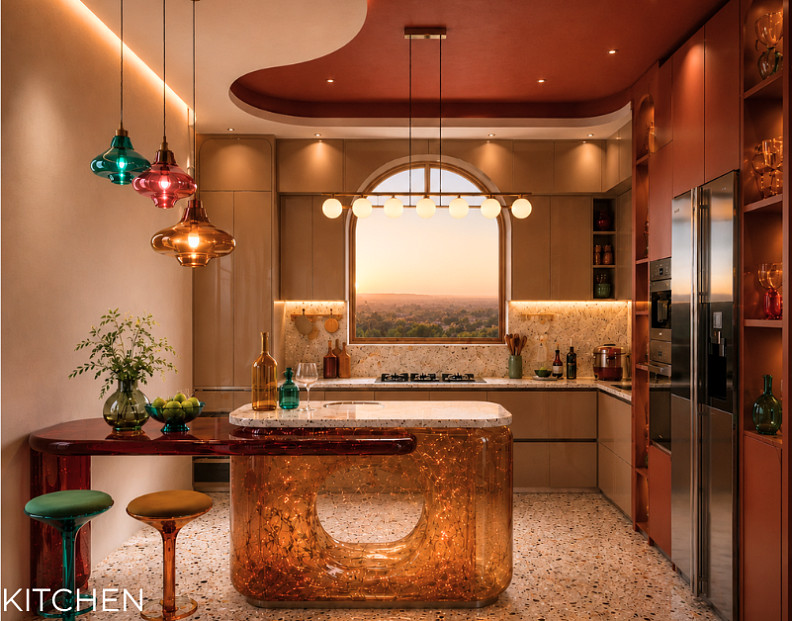
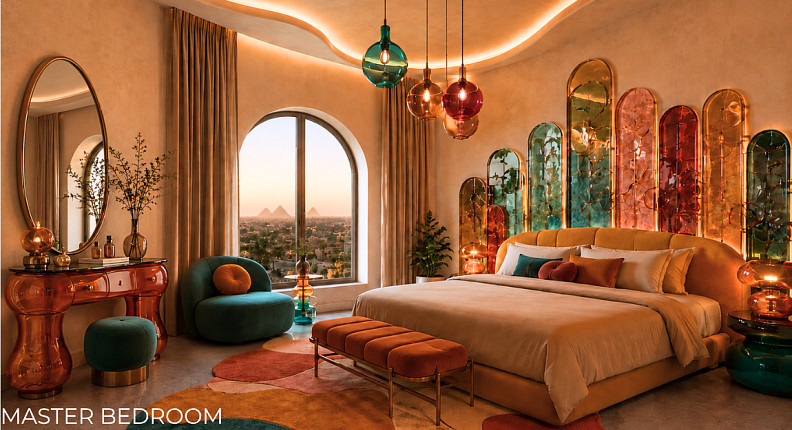
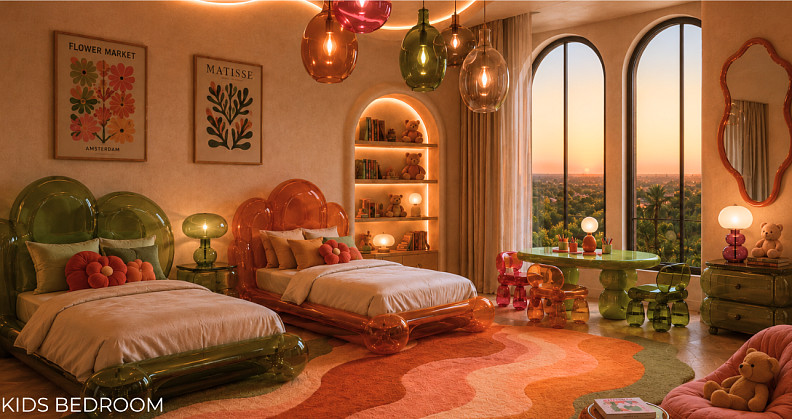
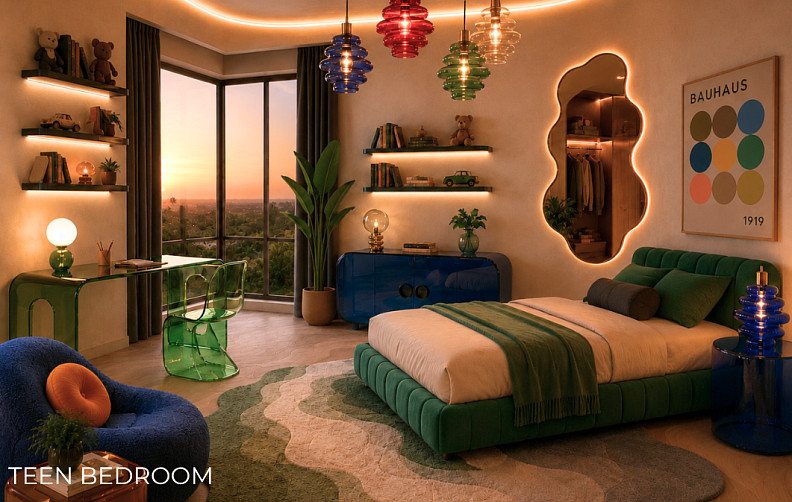
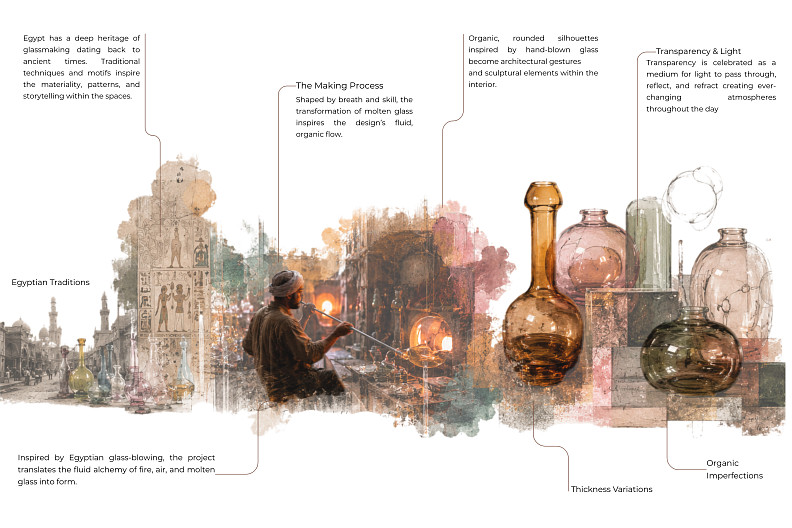
Inspired by the fluid transformation of molten glass, this project reinterprets traditional Egyptian glass-blowing craftsmanship into a contemporary residential experience. The goal is to create a space that balances softness, reflection, and spatial fluidity, moving away from rigid, traditional layouts to embrace organic, sculptural forms that celebrate light and transparency. The objective is to foster a poetic interaction between architectural geometry and the volatile beauty of hand-blown glass, creating a unique, immersive home environment.
Project description
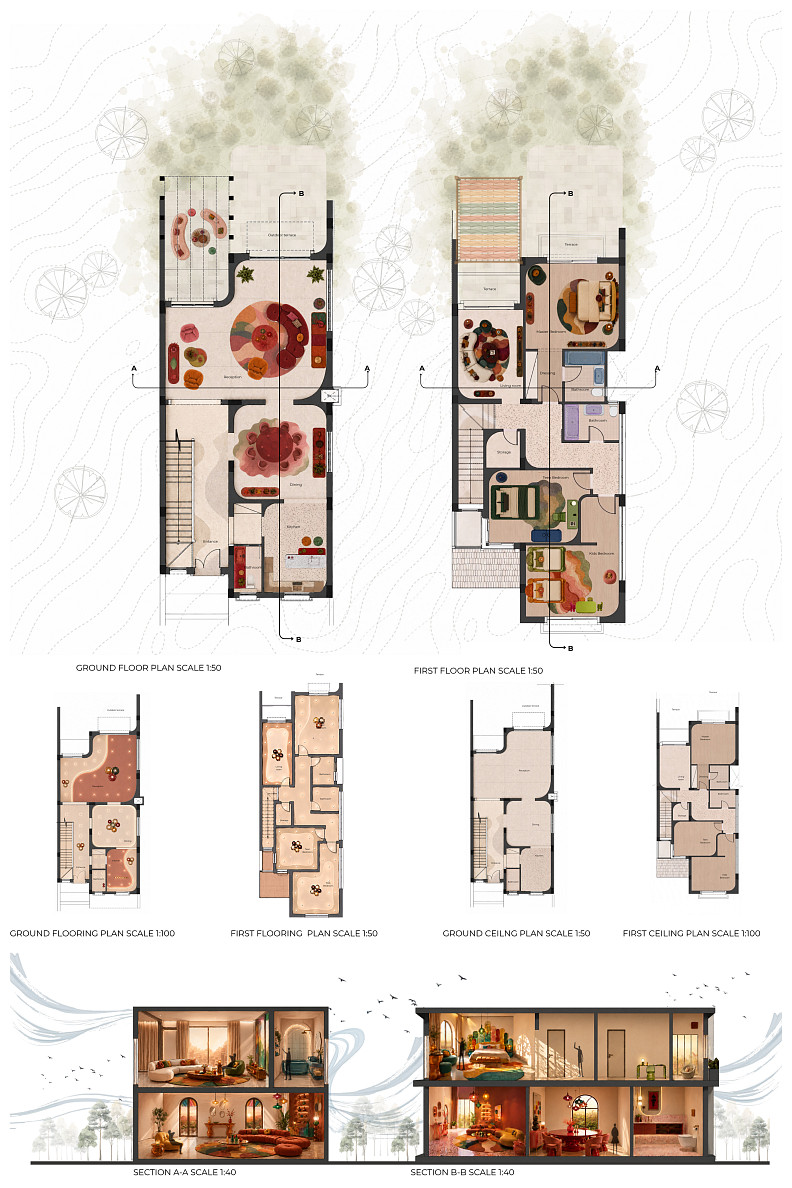
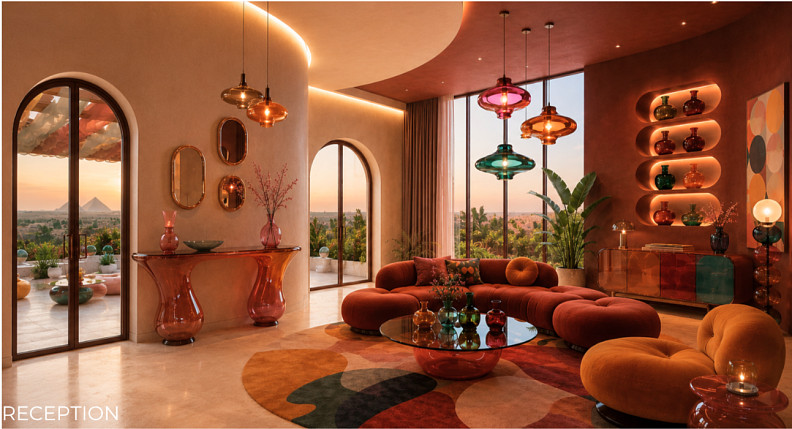
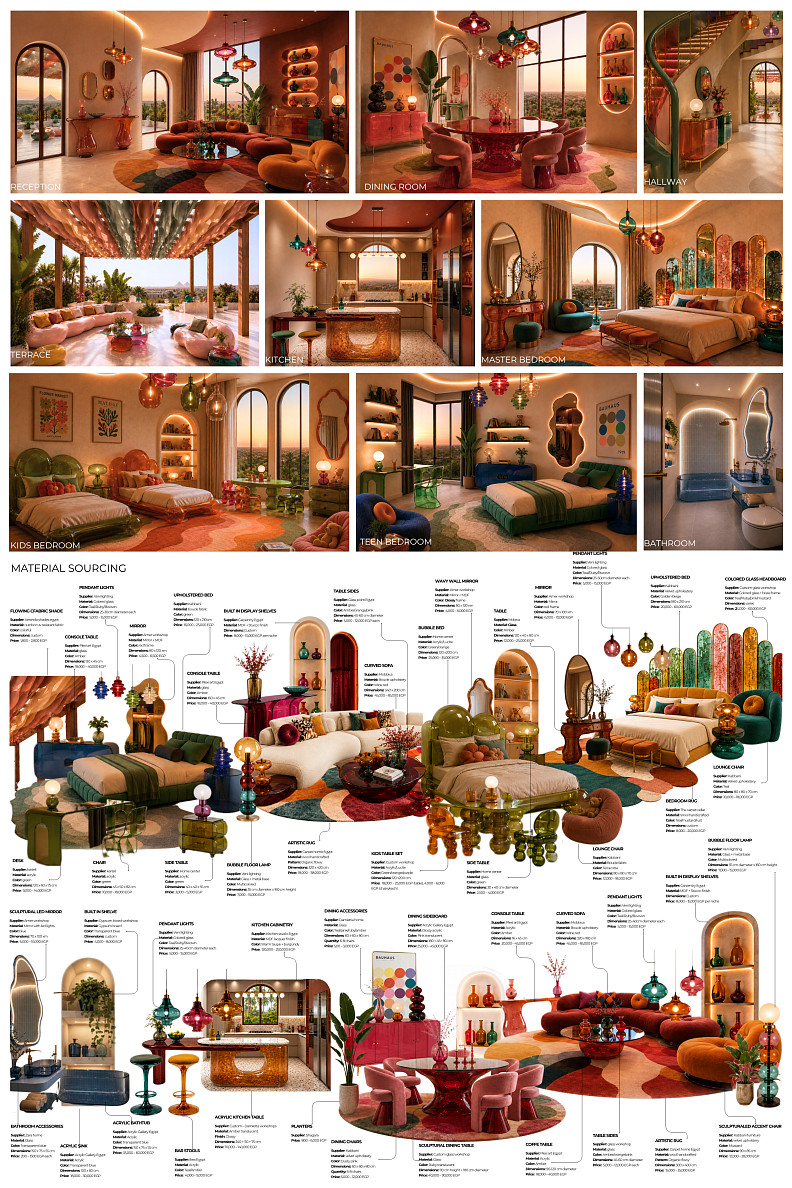
“The Fluidity project is a residential interior design concept that challenges traditional architectural rigidity by embracing the organic, shifting nature of molten glass. The project’s core scope involves the transformation of a two-level villa into an immersive, sculptural environment where light, color, and form interact dynamically. Key design elements include: Spatial Flow: The layout replaces traditional sharp corners and corridors with sweeping, curved walls and organic circulation paths, creating a sense of 'fluid' movement through the home. Atmospheric Layering: The design utilizes specialized colored glass lighting, reflective surfaces, and varied transparencies to manipulate natural light, ensuring the home's mood evolves from soft and fresh in the morning to intimate and dramatic at sunset. Tactile Materiality: The project features a curated blend of high-contrast materials, including plush velvet upholstery, smooth lacquered surfaces, and artisan-crafted terrazzo, which reflect the materiality of hand-blown glass. Functional Zoning: The ground floor is dedicated to social, open-plan living, while the first floor acts as a private, meditative sanctuary. Each zone is meticulously planned to maintain a constant dialogue between the occupants and the fluid, artistic identity of the interior.
Technical information
Project Scope: Comprehensive interior renovation of a two-level residential villa, focusing on structural and spatial reconfiguration to achieve organic, non-linear circulation. Spatial Planning & Circulation: Implemented a flow-oriented layout characterized by curved structural partitions and open-plan transitions, prioritizing ergonomic movement and sightline optimization. Technical Documentation: All plans and sections were drafted at 1:50 and 1:40 scales, utilizing professional CAD/BIM standards to ensure precision in custom cabinetry design, wall curvature, and lighting integration. Lighting Strategy: Integrated a multi-layered lighting scheme including task, ambient, and accent lighting. Specialized focus on light refraction through colored glass installations, with fixtures positioned to manipulate shadow and ambiance throughout the day. Materiality & Construction: Flooring: High-durability terrazzo selected for its seamless appearance and fluidity. Joinery: Bespoke, custom-built MDF joinery with stucco finishes, engineered for integrated storage and display. Finishes: Curated palette of velvet textiles, lacquered acrylic surfaces, and hand-blown glass elements to reinforce the core design theme. Sustainability & Comfort: Strategic placement of furniture and partitioning to maximize natural cross-ventilation and optimize daylighting, reducing the need for artificial energy consumption.

Copyright © 2026 INSPIRELI | All rights reserved. Use of this website signifies your agreement to the Terms of Use, Privacy Policy, and use of cookies.