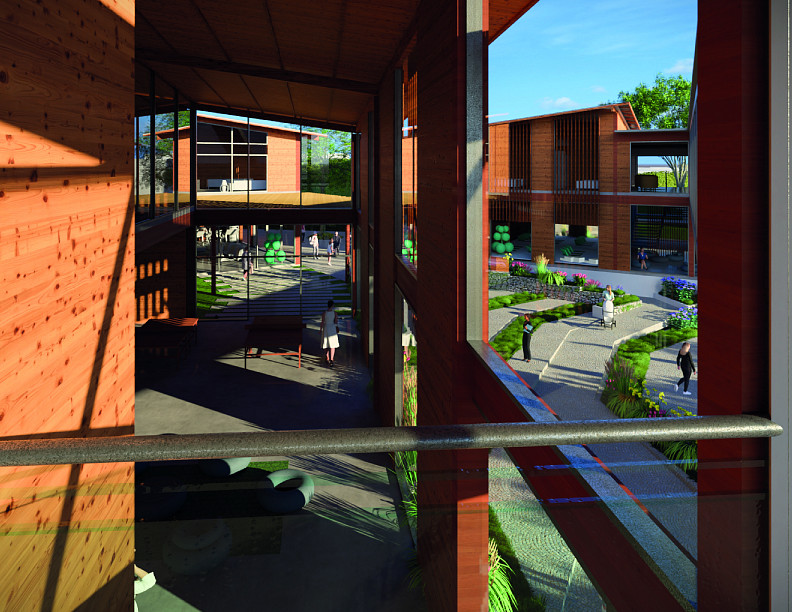
RE-HABITAR: Reintegration center for homeless women
Project idea
In Costa Rica, the number of people living on the streets has increased significantly over the past five years, representing a condition of high vulnerability that affects both society and urban space. Women in this situation are often rendered invisible due to social stigma, which results in very few spaces dedicated exclusively to their social reintegration. The REHABITAR project responds to this reality as part of a proposal for the Linear Railway Park in Cartago Centro, where small urban interventions aim to improve the urban landscape. One of the plan's intentions is to create meaningful spaces that allow women to rebuild their identity, providing them with psycho-emotional and educational tools.
Project description
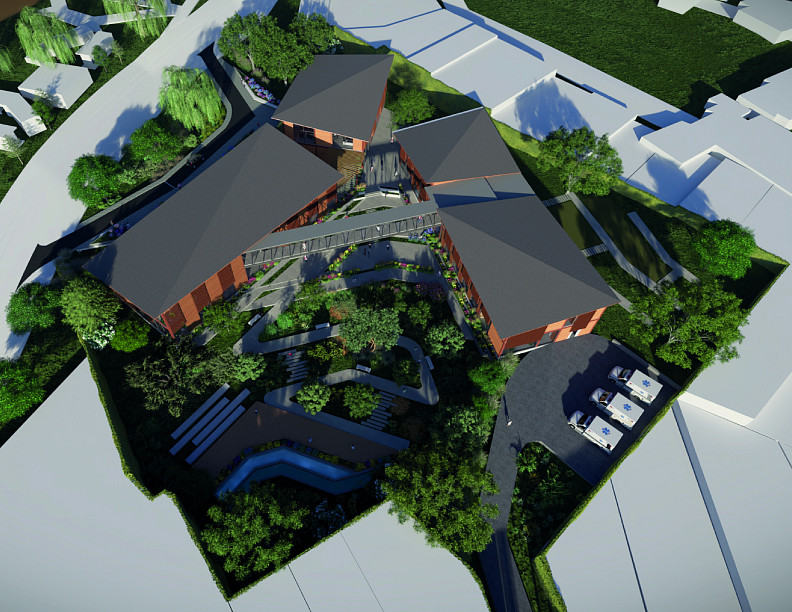
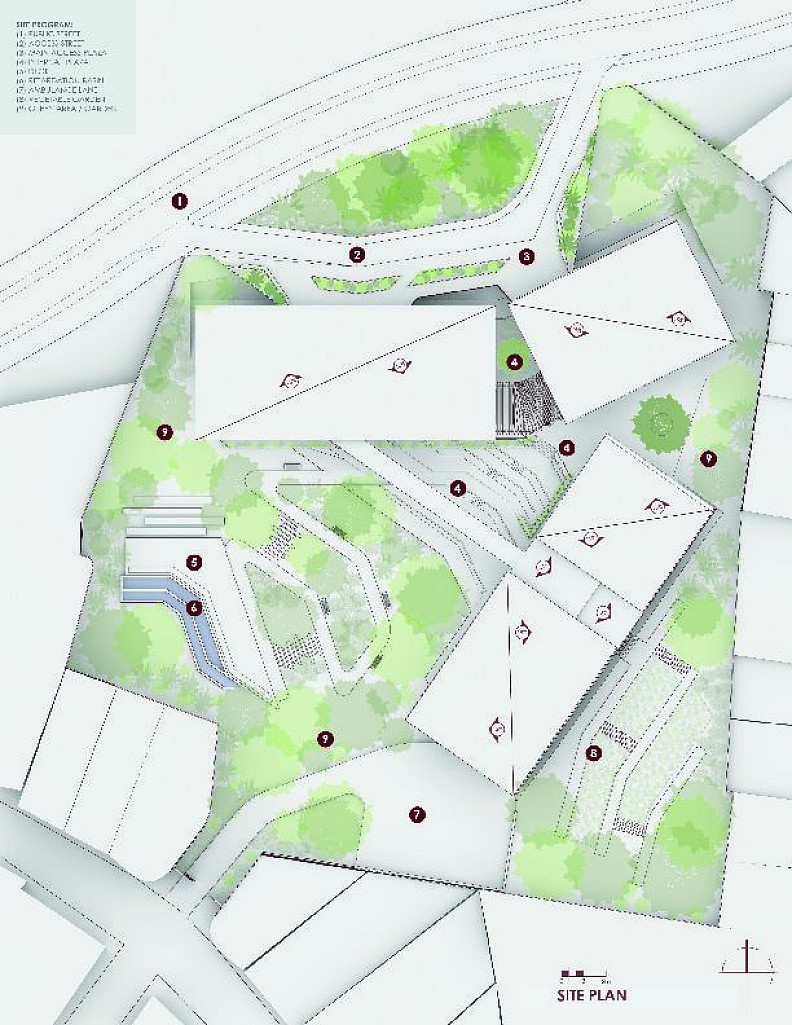
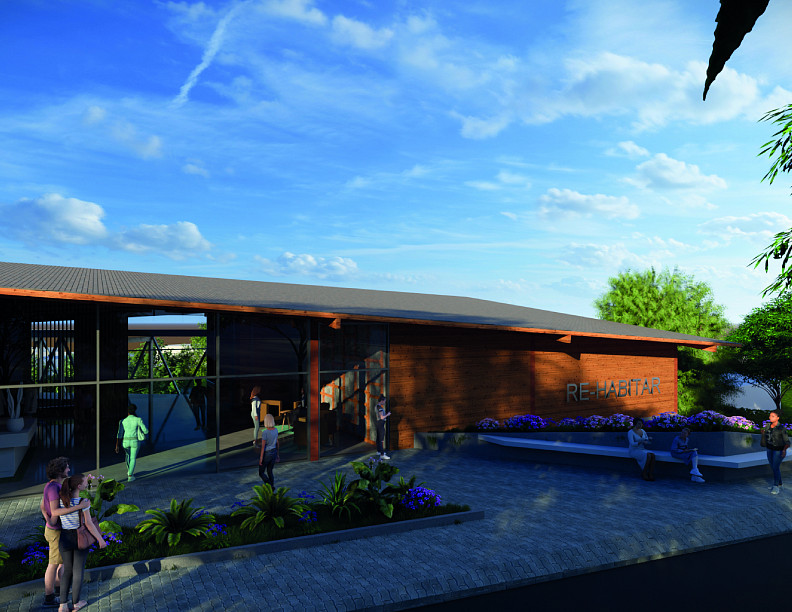
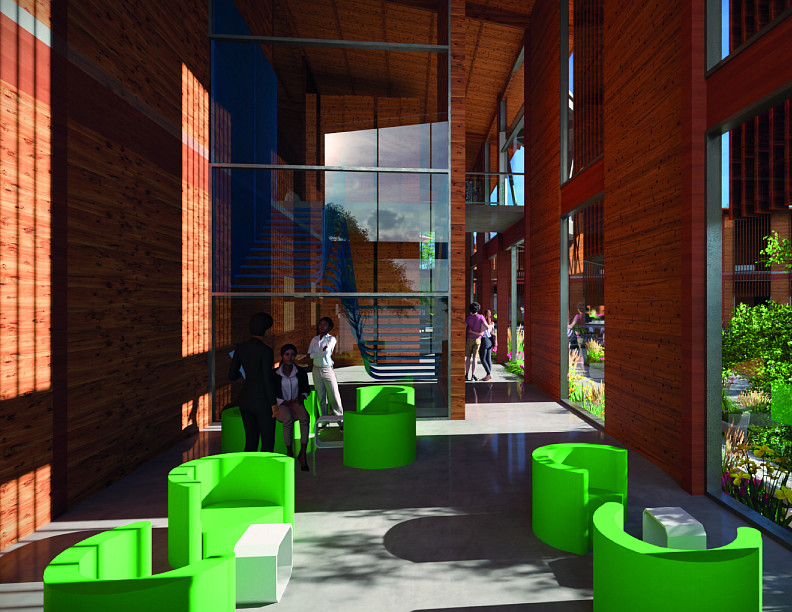
REHABITAR is an architectural proposal for women between 18 and 60 years of age living on the streets, many of whom also face substance dependency. The project offers a safe and welcoming space where they can live, eat, care for themselves, and begin a process of social reintegration. The building articulates recreational activities, psychological support, and social work, culminating in transitional apartments that prepare residents for their departure. The building is organized through three cores configured around the idea of embrace and connection, generating a dialogue with the land by offering a central focal point: an internal plaza. This intervention fosters a bond with nature to support the recovery process, while creating spaces for social encounter among residents. Spatial continuity is prioritized through open areas, free circulation, and gradual transitions between activities, reinforcing a sense of freedom and allowing the healing process to unfold naturally.
Technical information
The project is located within the Linear Railway Park proposal in Cartago Centro, Costa Rica, with a total built area of 3,200 m². The building is organized in three interconnected two-story cores, united at the first level by a central internal plaza and connected at the second level by a bridge linking two of the cores. The program includes 8 residential units with a capacity for 32 people (each unit accommodates 4 residents and includes 2 private bathrooms), as well as 4 transitional reintegration units for 8 people, each configured as a mini-apartment for 2 residents with a kitchen, bathroom, living room, and separate bedrooms. The primary structural system is engineered laminated timber using Radiata Pine (Glulam), complemented by warm colors and natural surfaces to create a thermally comfortable and emotionally welcoming atmosphere. The natural environment is incorporated as a fundamental element of the design, promoting calm and a sense of protection throughout the complex.
María Job Castillo Mora, Kevin Quesada Rodríguez
University of Costa Rica, School of Architecture, San José
Costa Rica
Arquitetura
Projeto submetido
11. 06. 2026Etiqueta
Conselho a estudantes

Copyright © 2026 INSPIRELI | All rights reserved. Use of this website signifies your agreement to the Terms of Use, Privacy Policy, and use of cookies.