Arsenal Memory Park
Project idea
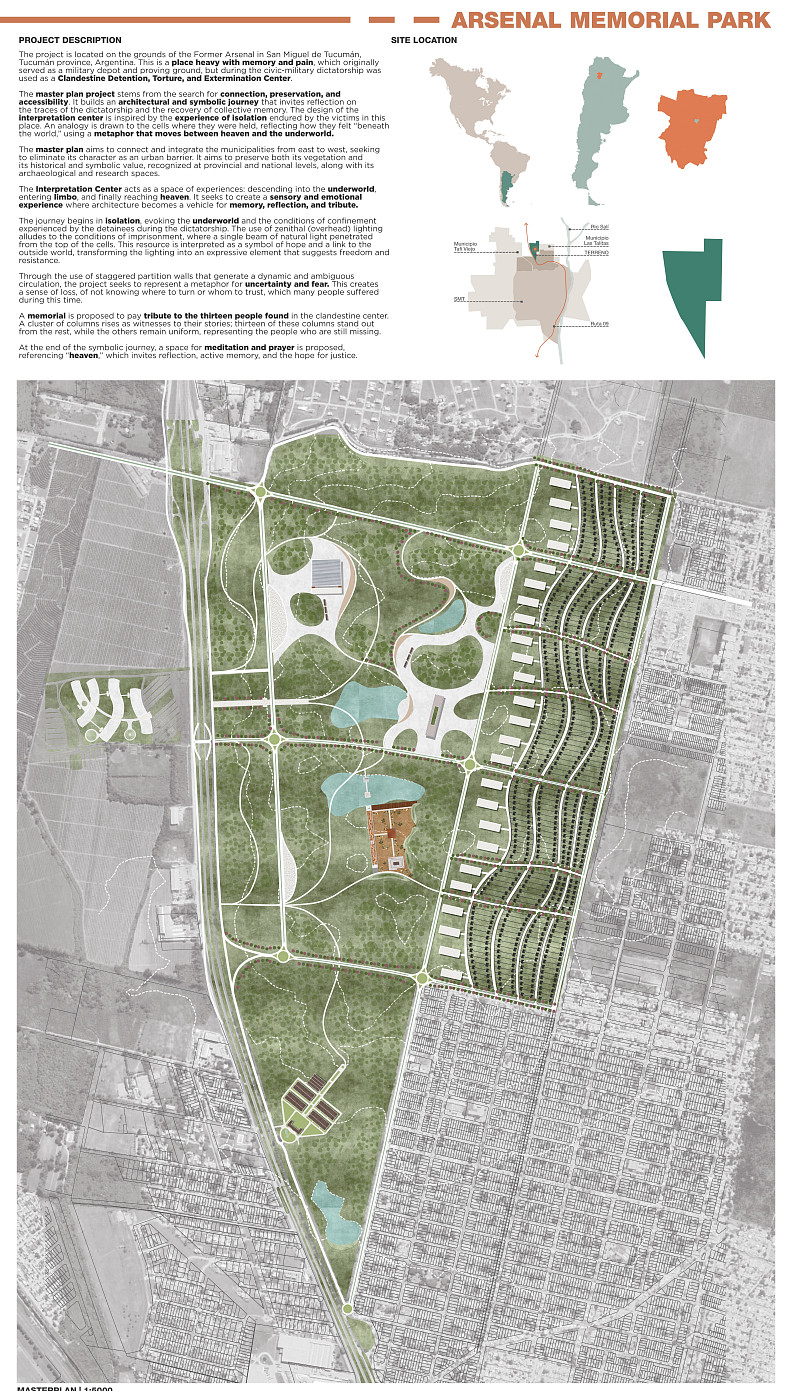
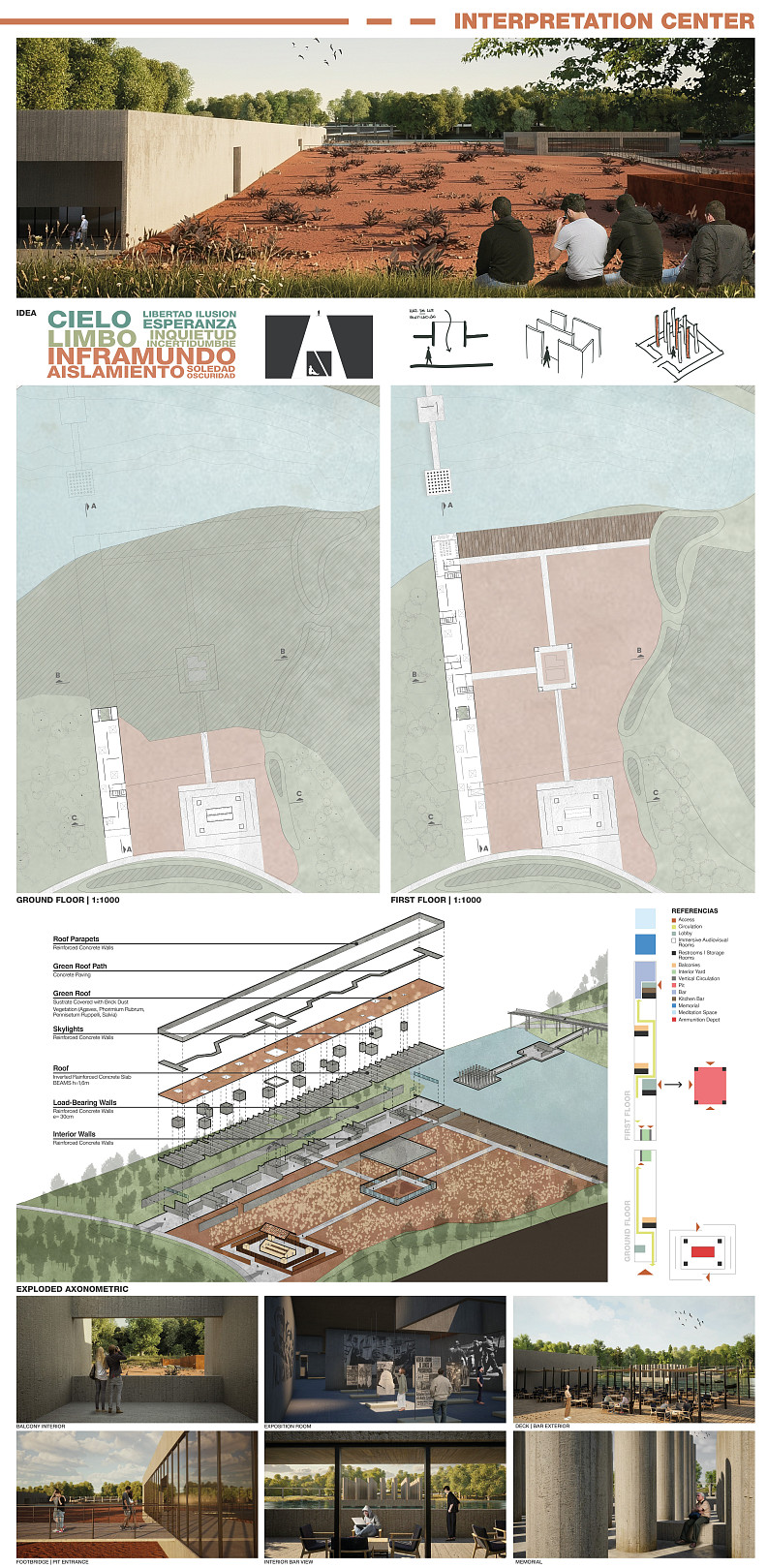
The master plan project stems from the search for connection, preservation, and accessibility. It builds an architectural and symbolic journey that invites reflection on the traces of the dictatorship and the recovery of collective memory. The design of the interpretation center is inspired by the experience of isolation endured by the victims in this place. An analogy is drawn to the cells where they were held, reflecting how they felt "beneath the world," using a metaphor that moves between heaven and the underworld.
Project description
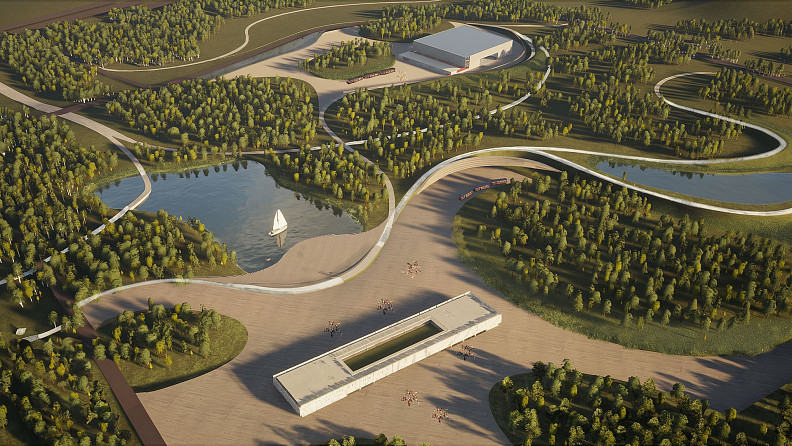
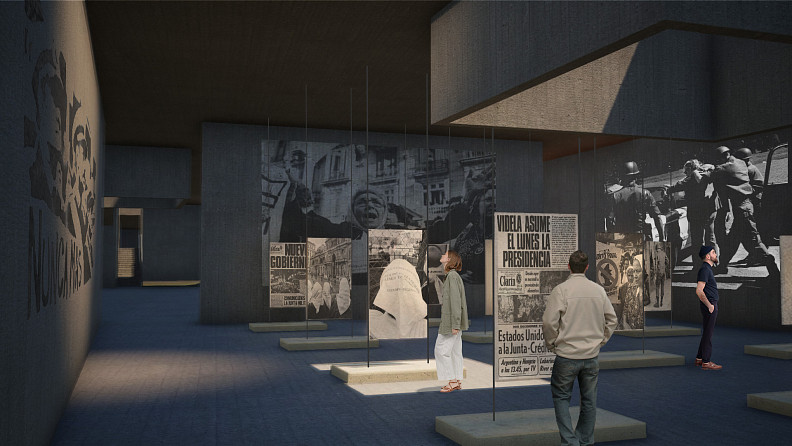
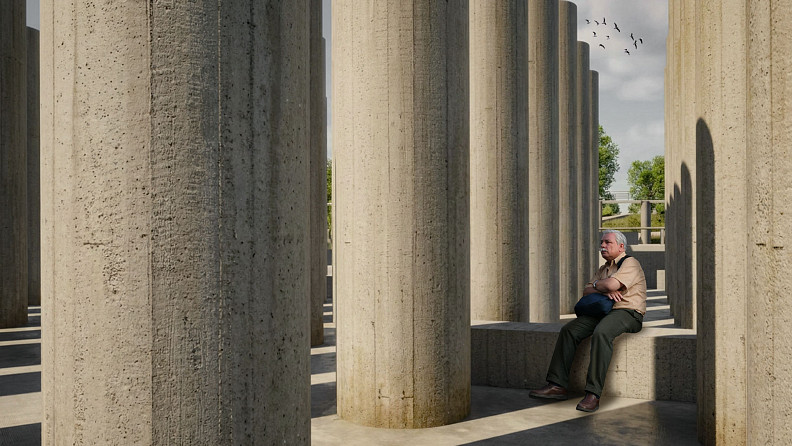
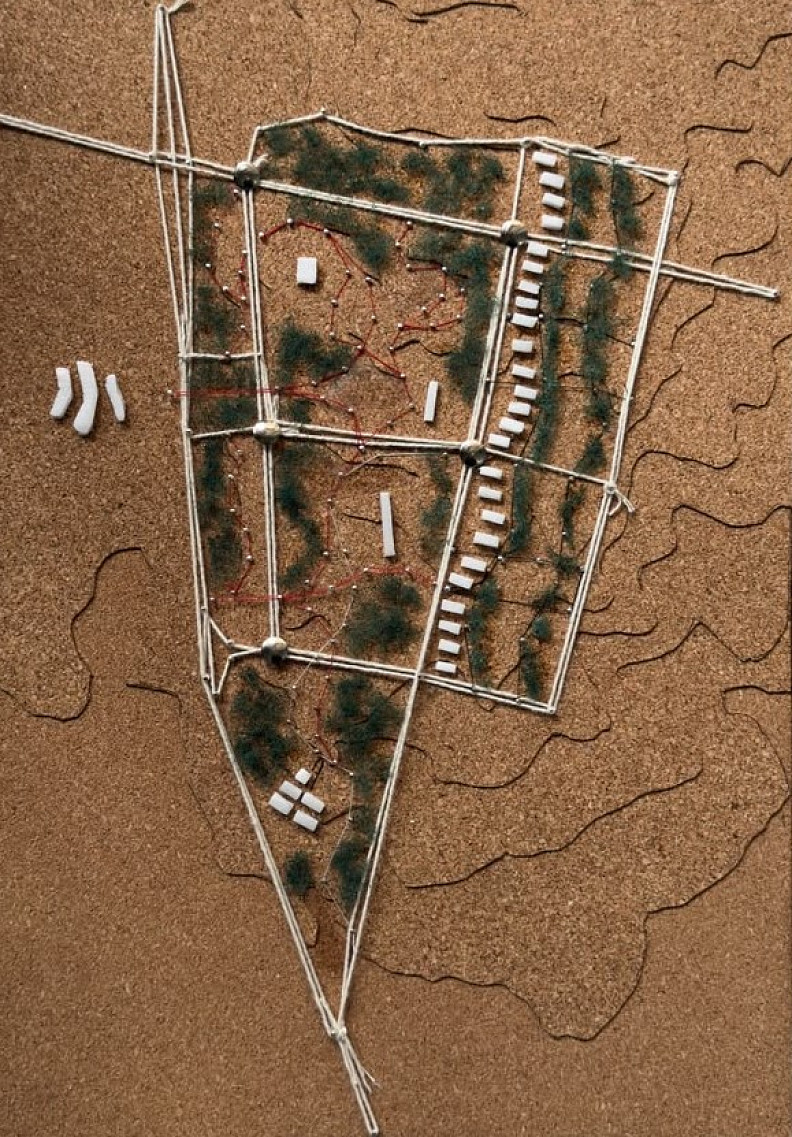
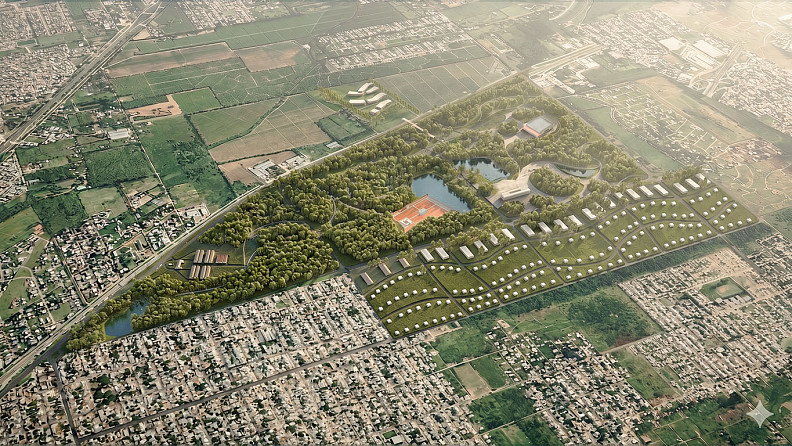
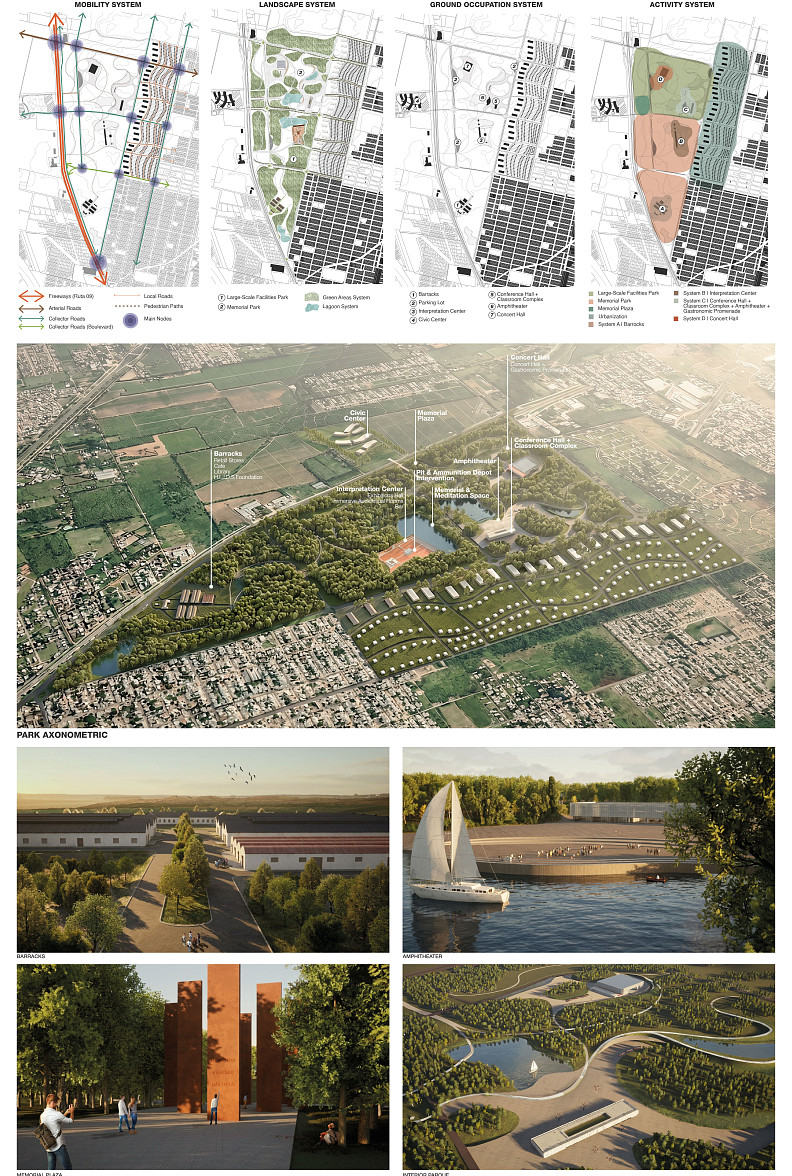
The project is located on the grounds of the Former Arsenal in San Miguel de Tucumán, Tucumán province, Argentina. This is a place heavy with memory and pain, which originally served as a military depot and proving ground, but during the civic-military dictatorship was used as a Clandestine Detention, Torture, and Extermination Center. The master plan aims to connect and integrate the municipalities from east to west, seeking to eliminate its character as an urban barrier. It aims to preserve both its vegetation and its historical and symbolic value, recognized at provincial and national levels, along with its archaeological and research spaces. The Interpretation Center acts as a space of experiences: descending into the underworld, entering limbo, and finally reaching heaven. It seeks to create a sensory and emotional experience where architecture becomes a vehicle for memory, reflection, and tribute. The journey begins in isolation, evoking the underworld and the conditions of confinement experienced by the detainees during the dictatorship. The use of zenithal (overhead) lighting alludes to the conditions of imprisonment, where a single beam of natural light penetrated from the top of the cells. This resource is interpreted as a symbol of hope and a link to the outside world, transforming the lighting into an expressive element that suggests freedom and resistance. Through the use of staggered partition walls that generate a dynamic and ambiguous circulation, the project seeks to represent a metaphor for uncertainty and fear. This creates a sense of loss, of not knowing where to turn or whom to trust, which many people suffered during this time. A memorial is proposed to pay tribute to the thirteen people found in the clandestine center. A cluster of columns rises as witnesses to their stories; thirteen of these columns stand out from the rest, while the others remain uniform, representing the people who are still missing. At the end of the symbolic journey, a space for meditation and prayer is proposed, referencing “heaven,” which invites reflection, active memory, and the hope for justice.
Technical information
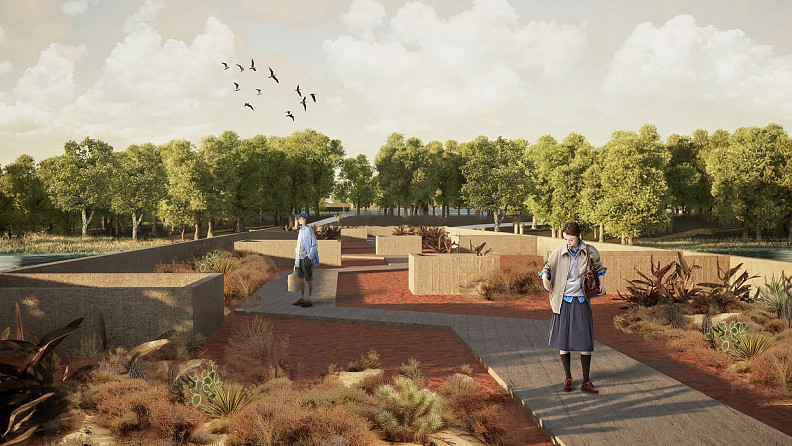
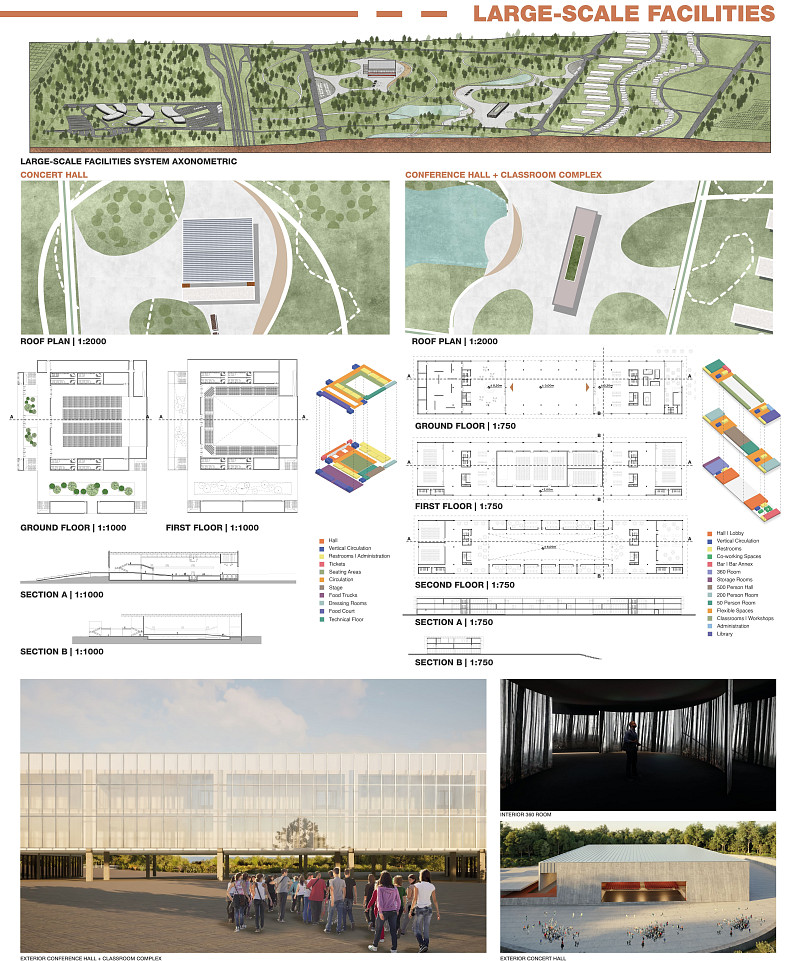
The master plan seeks to reclaim this urban sector through pathways, recreational areas, and gathering spaces for the community, connecting the city with nature and culture. The topography is carefully considered both for the continuation of urban development and for landscape design. Various slopes and embankments are proposed to define zones and create contained spaces, along with integrated amphitheatres, lagoons, and other features. The Interpretation Center, housing exhibition rooms, immersive audiovisual rooms, and a café, is conceived as a monomaterial reinforced concrete building, accentuating the idea of isolation through a blind volume that opens up selectively to frame specific views of the landscape, choosing where to look and when. It is surrounded by a landscape intervention that establishes a symbolic contrast between the pit (a space of memory and silence) and the rest of the park (linked to life and social gathering). The use of crushed brick (brick dust) and a "dry" garden creates an austere and contemplative landscape, marking boundaries and pathways. In contrast, the outdoor park incorporates lusher and more diverse vegetation. For the large-scale facilities, a continuous connection with the environment was sought through the use of transparent and translucent elements for their enclosures. This ensures that visitors remain visually tethered to the surrounding landscape at all times, fostering a sense of openness, safety, and community integration within the public areas. Also this strategic transparency blurs the boundaries between interior and exterior, allowing natural light to flood the spaces during the day and transforming the buildings into subtle, glowing beacons at night.
Lorena Darlene Bedeira, María Valentina Galo Mora, María Agostina Guerra Cisneros, Mariana Rearte, Lara Valentina Viaña Costas
Universidad Nacional de Tucumán, Facultad de Arquitectura y Urbanismo, Tucumán
Argentina
Design urbano
Projeto submetido
15. 06. 2026Etiqueta
Conselho a estudantes

Copyright © 2026 INSPIRELI | All rights reserved. Use of this website signifies your agreement to the Terms of Use, Privacy Policy, and use of cookies.