Adaptation of the Local Railway Station Building in Prostějov

Project idea

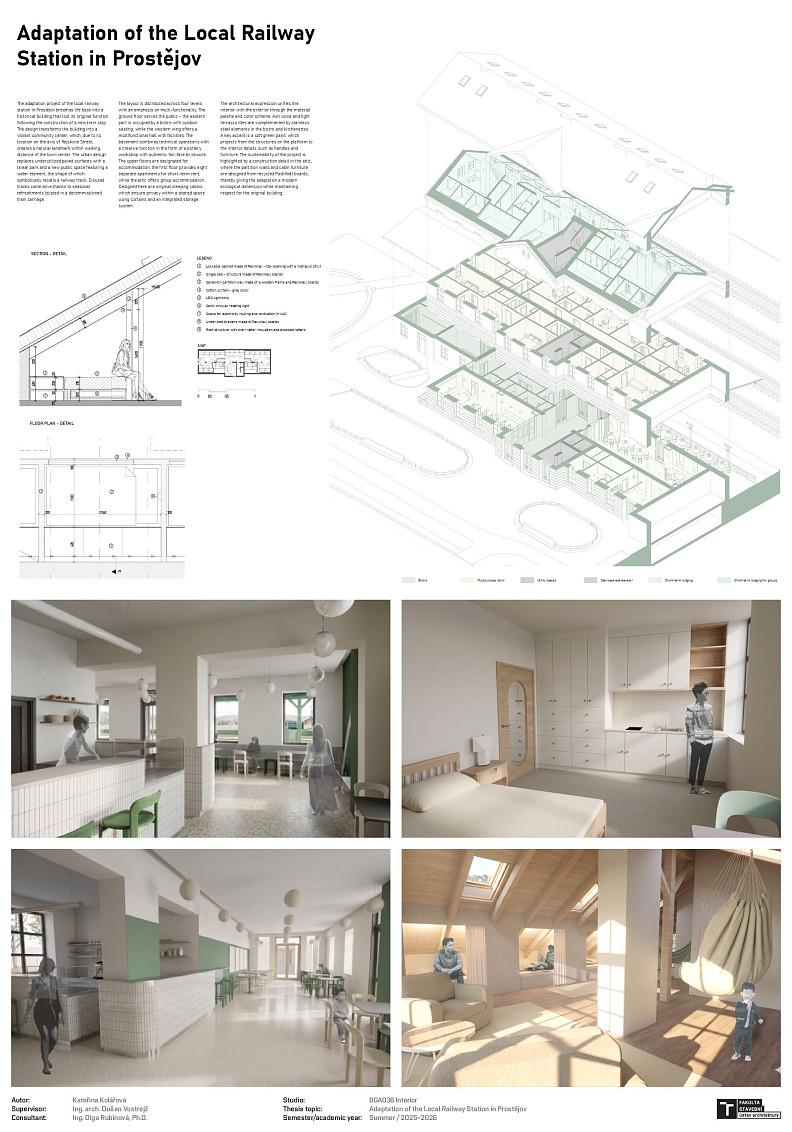
The project addresses the conversion of the Local Railway Station building in Prostějov, which lost its original function following the construction of a new railway stop. The objective of this study is to adapt the building for a new use that integrates public services, community activities, and accommodation capacities. The property is located within a 15-minute walking distance from the center of Prostějov, and its positioning along the axis of Rejskova Street establishes it as a natural urban landmark. The broader context is defined by historic residential apartment buildings to the south and a railway line to the north. The proposal responds to the reduction in railway traffic (scaled down to two tracks) and utilizes the reclaimed space to create a linear park. Part of this recreational zone includes a seasonal refreshment stand situated in a decommissioned train carriage, referencing the site's history. A newly proposed track crossing connects the station with a residential area, a school, and a sports complex on the northern side. The building's southern forecourt is transformed into a representative public zone featuring a wide sidewalk, a bicycle lane, and a trio of raised, irregular planter beds whose borders double as seating. The existing parking area is reduced to the bare minimum required for persons with reduced mobility; the reclaimed space is utilized for a park with a stream-like water feature, symbolically tracing the historical path of the railway. The urban ensemble is complemented by the adjacent station building and a future police station, next to which a parking garage is proposed to replace the current unorganized parking lot.

Project description

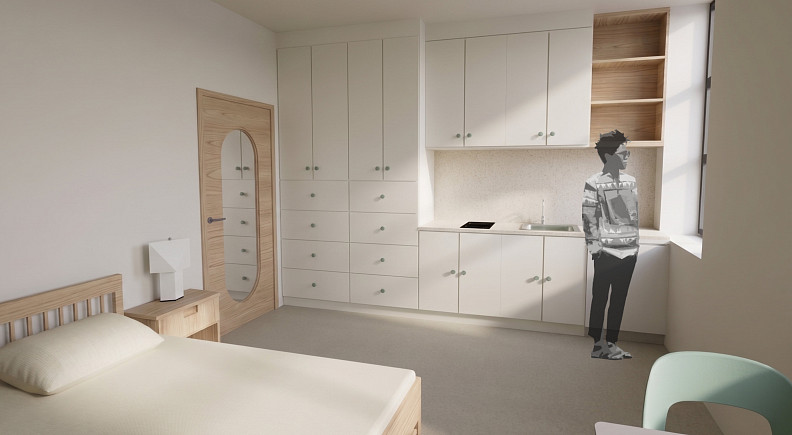
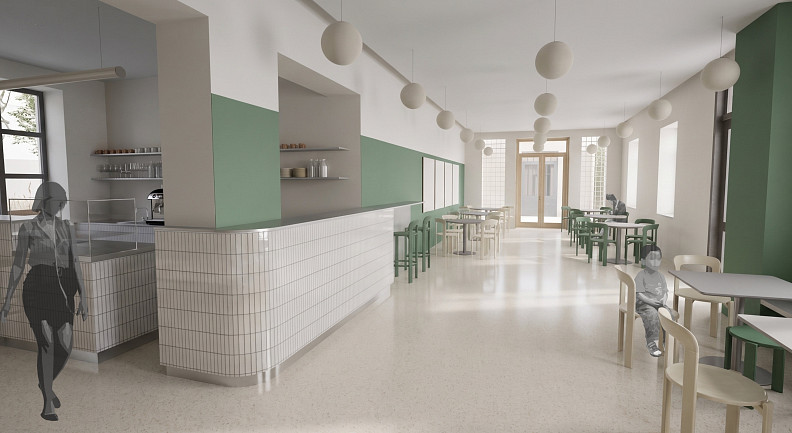
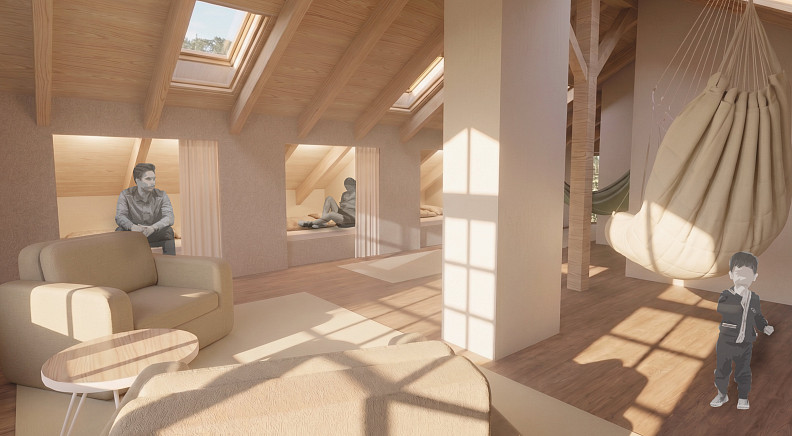
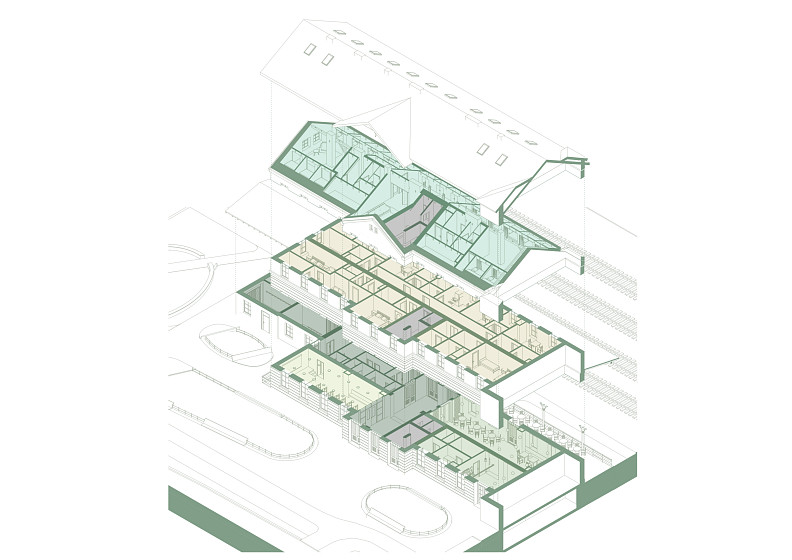
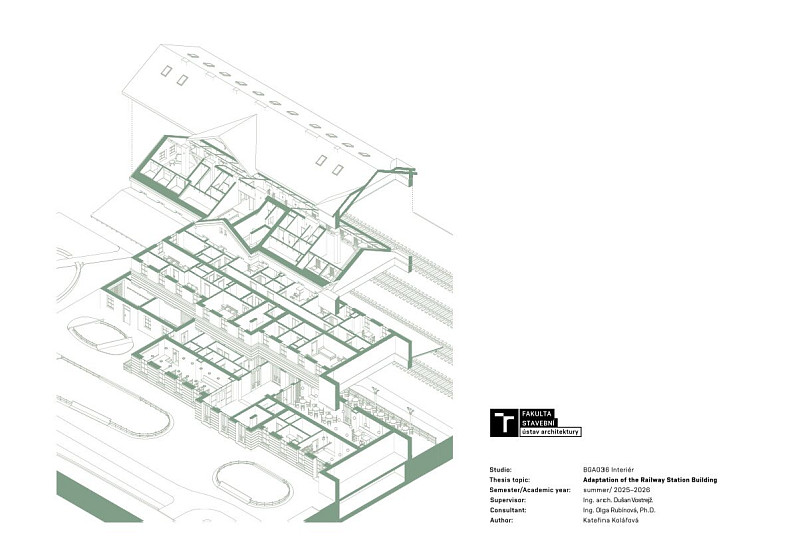
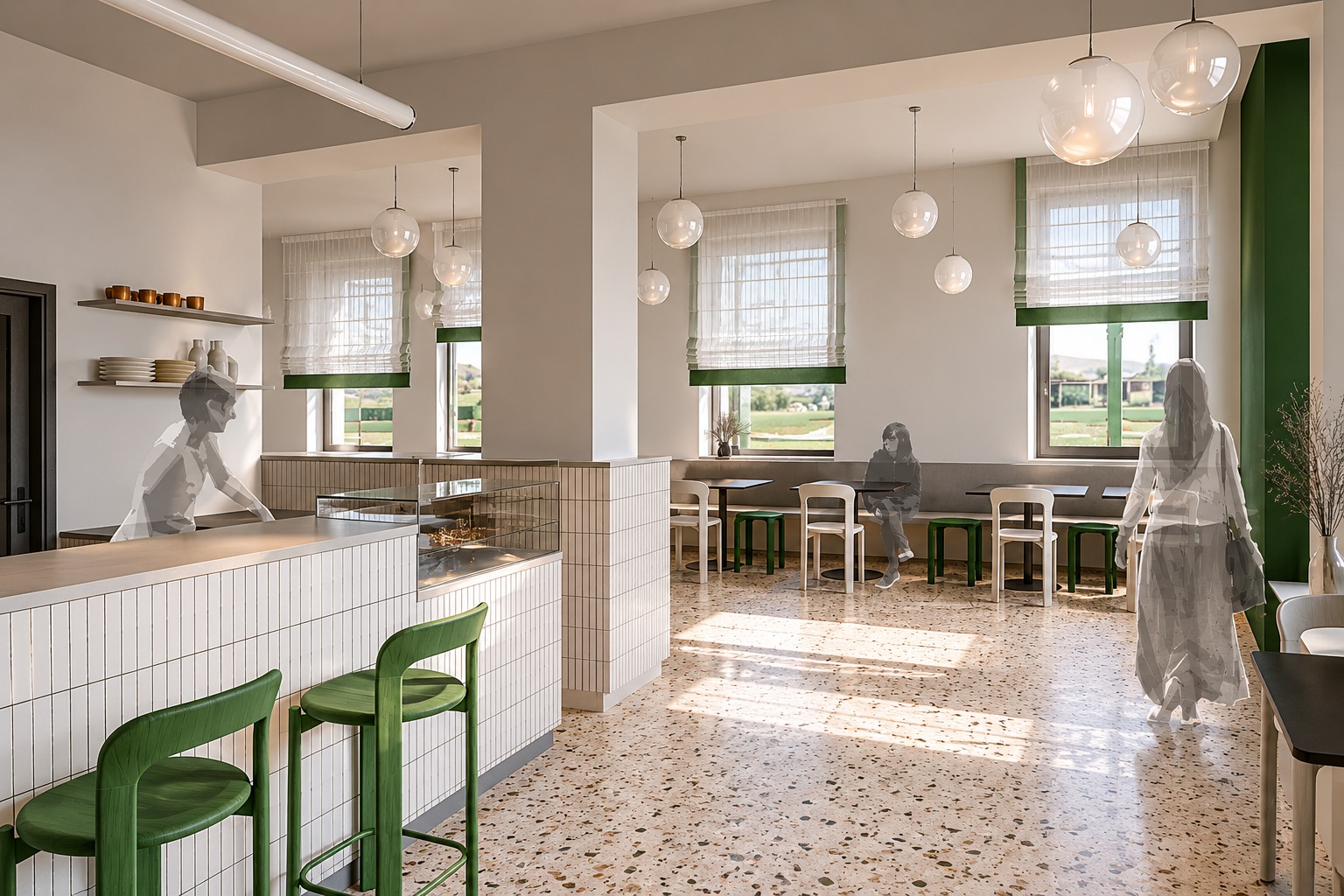
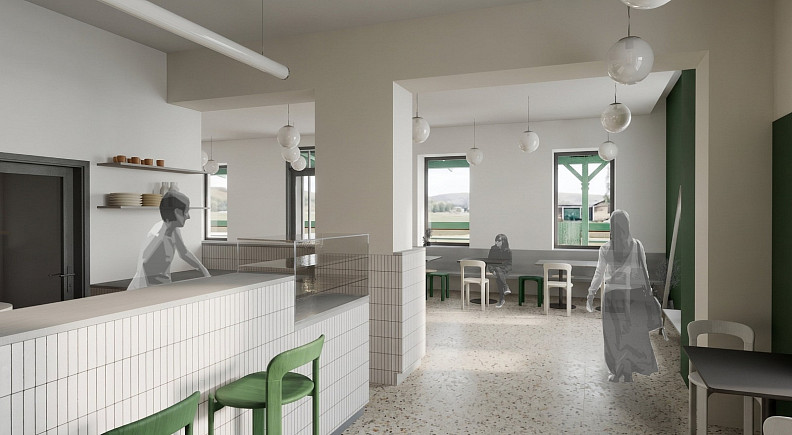
The layout is designed with an emphasis on the logical separation of individual operations while preserving their mutual synergy. The ground floor is conceived as a public hub; the entrance floor acts as a circulation hub, where a central hall separates the bistro in the eastern wing from the multi-functional hall in the western part. The bistro, with an adjacent northern outdoor terrace oriented towards the tracks, is designed to be walk-through and accessible from both the street and the platform, whereas the hall is oriented toward a quieter section of the building. The central corridor serves as a vestibule and a shared waiting area. Publicly accessible restrooms are positioned to serve both the indoor operations, passengers at the stop, and passersby from the bike path. Vertical circulation is provided by the original right-hand winding staircase, supplemented by a new elevator to ensure full barrier-free access across all floors. The basement is functionally divided into two independent zones: the building's technical facilities and a leasable ceramic workshop space with an independent external entrance. The upper floors are reserved for accommodation. The first floor offers eight short-term stay apartments equipped with their own kitchenettes and bathrooms. The attic layout is split into a social zone and a quiet zone. The social area includes a dining space with a kitchenette and a home cinema hall. The quiet zone consists of two bedrooms with a specific layout of accommodation units. Each guest has a semi-private cabin equipped with a curtain for privacy, individual lighting, and storage space comprising a lockable locker with an integrated power outlet and deep drawers under the bed. Operational additions include externally accessible storage lockers for outdoor furniture and bicycles.

Technical information

The interior's architectural expression is unified by a cohesive material and color palette that balances the building's industrial heritage with contemporary elements. The dominant material is light ash wood, utilized for flooring, custom furniture, and the stage in the multi-functional hall. Light terrazzo-patterned vinyl was selected as a complementary flooring and cladding material, extending into the bathrooms and kitchen countertops. In the bistro area, this foundation is augmented with stainless steel elements and a counter, which, combined with white plaster, creates a clean, hygienic, and highly aesthetic space. A key unifying feature is the accent light green color. This color derives from the paintwork of the historic exterior wooden platform structures and flows seamlessly into the interior through wall paint, furniture, and subtle details such as cabinet handles. The basement spaces are treated in a rawer style—the original masonry is stripped down to exposed brick and complemented by stainless steel fixtures. The subject of the structural detail is the implementation of the accommodation cabins within the attic floor, situated directly under the slope of the roofline. The partition walls between the cabins are designed as sandwich structures with a timber stud frame and internal insulation. The final cladding consists of PackWall boards, manufactured from recycled paper cardboard, which are left exposed to showcase their distinctive texture. All integrated furniture within the cabin is also constructed from PackWall material: the bed with pull-out storage drawers, a shelving system, and a lockable locker. The locker behind the bed opens from the top, featuring an installed hydraulic lift system for easier handling. To ensure visual privacy, the cabins are fitted with fabric curtains.

Kateřina Kolářová

FAST VUT - Faculty of Civil Engineering, Brno University of Technology, Department of Architecture

Czech Republic

Interiores

Projeto submetido

20. 05. 2026

Etiqueta

Interiores Cultural Center Apartment Multi Unit Housing Interior

Conselho a estudantes

Okna bez zastínění mohou být v budoucnu chybou

Zdravím, Kateřino,

líbí se mi Váš projekt, nicméně bych si dovolil navrhnout několik doporučení. Pokud se řeší interiér, měly by být podle možností vždy promyšleny tyto oblasti:

  • řešení akustiky,
  • přítomnost umění / grafiky,
  • zastínění oken,
  • přítomnost přírodního prvku, například rostlin.

I když se jedná do určité míry o schématické řešení, je dobré na tyto aspekty myslet. V INSPIRELI máme nahráno přes 1500 studentských modelů z Česka a na naprosté většině z nich není žádné zastínění oken. Tato absence ve školních návrzích se pak odráží i v naší zkušenosti z praxe, kdy při montáži velmi často narážíme na problém, že se dopředu nepočítalo s instalací hliníkových profilů nad okna.

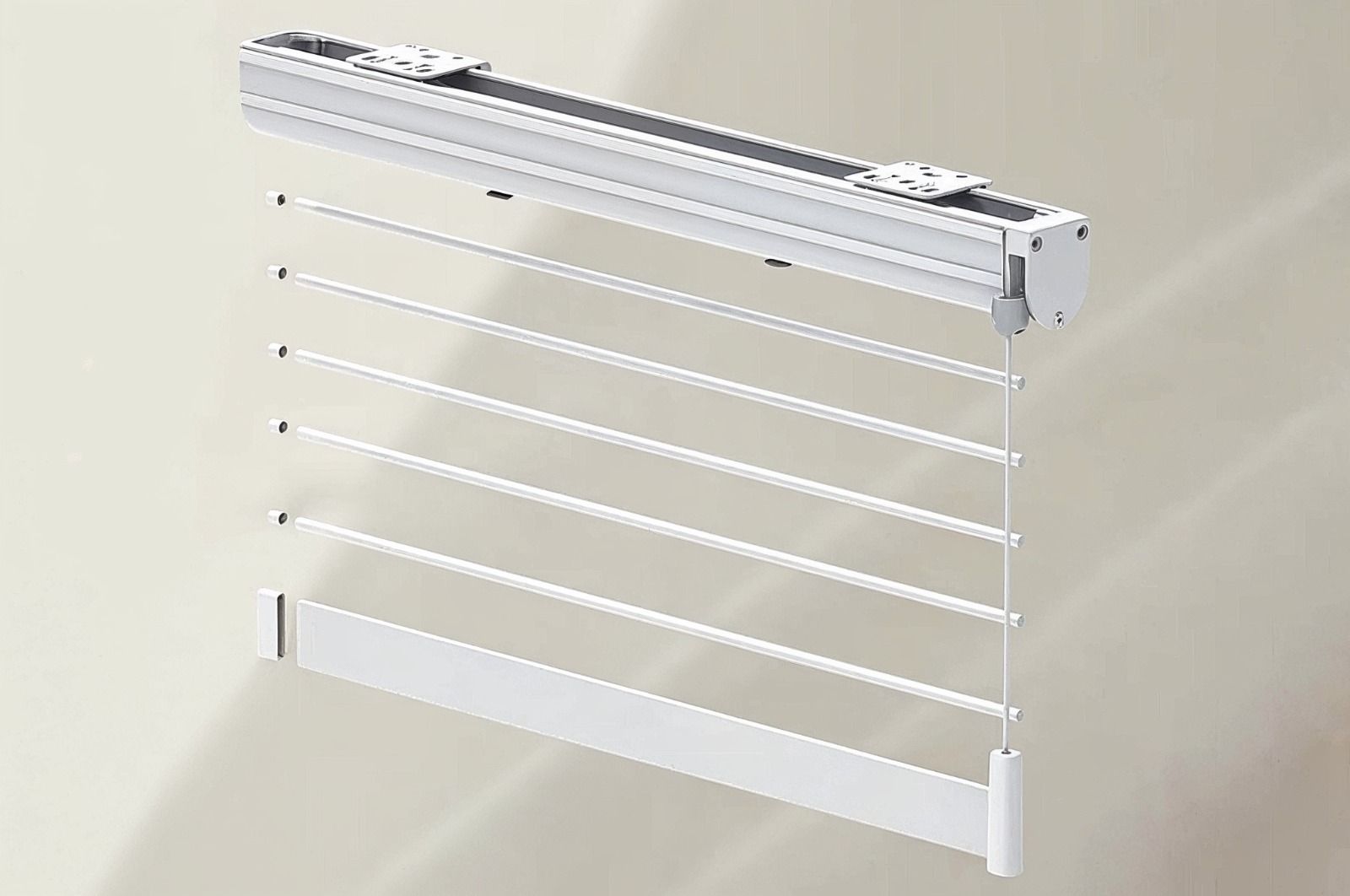
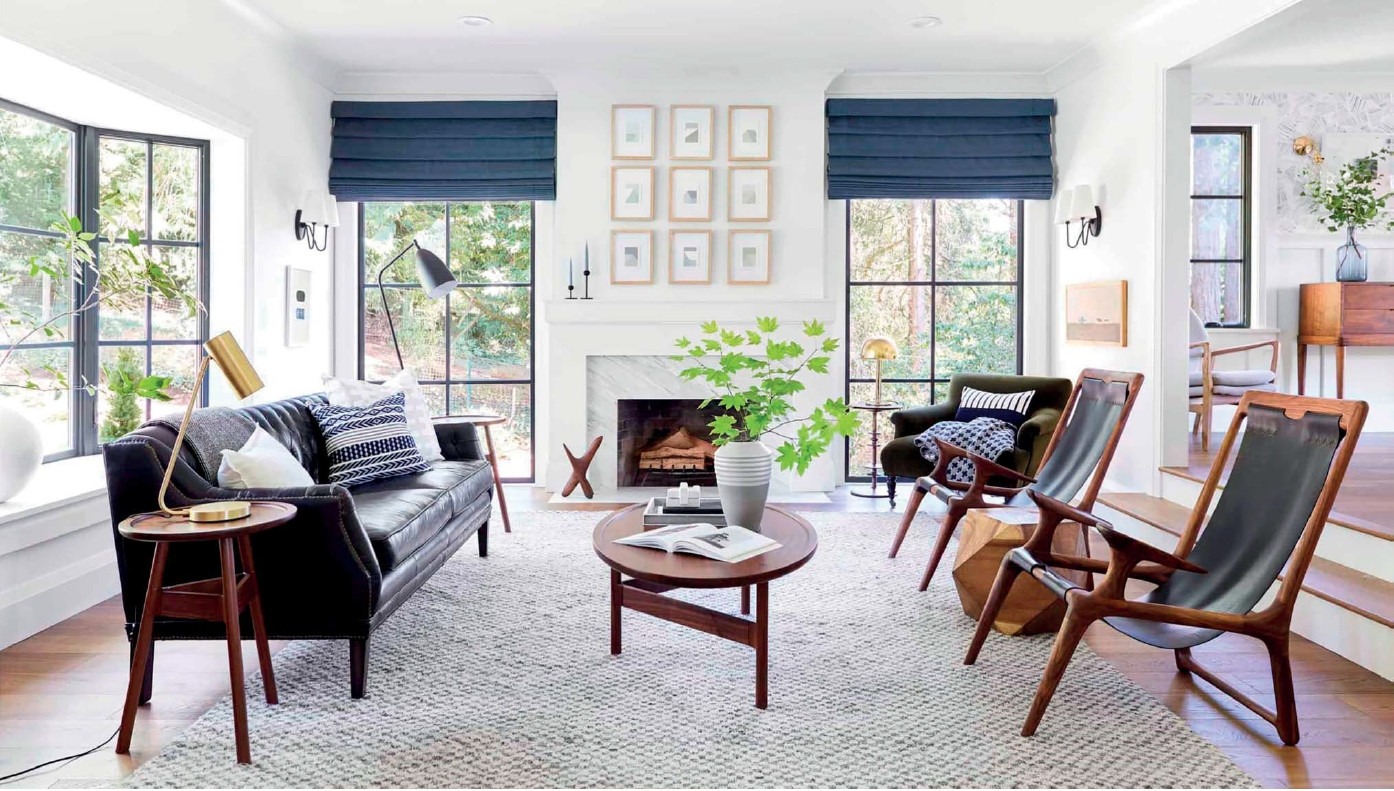
Mimo jiné dekorační látky zlepšují akustiku v interiérech, což je další často opomíjená kvalita interiérového řešení. Váš návrh jsem si dovolil přes AI doplnit o tzv. římské rolety, které sice nejsou příliš běžné ve veřejných prostorech, ale jsou cenově dostupné a velice elegantní.

Jinak skvělá práce a ať se daří.

K. Smejkal


26.05.2026

Copyright © 2026 INSPIRELI | All rights reserved. Use of this website signifies your agreement to the Terms of Use, Privacy Policy, and use of cookies.